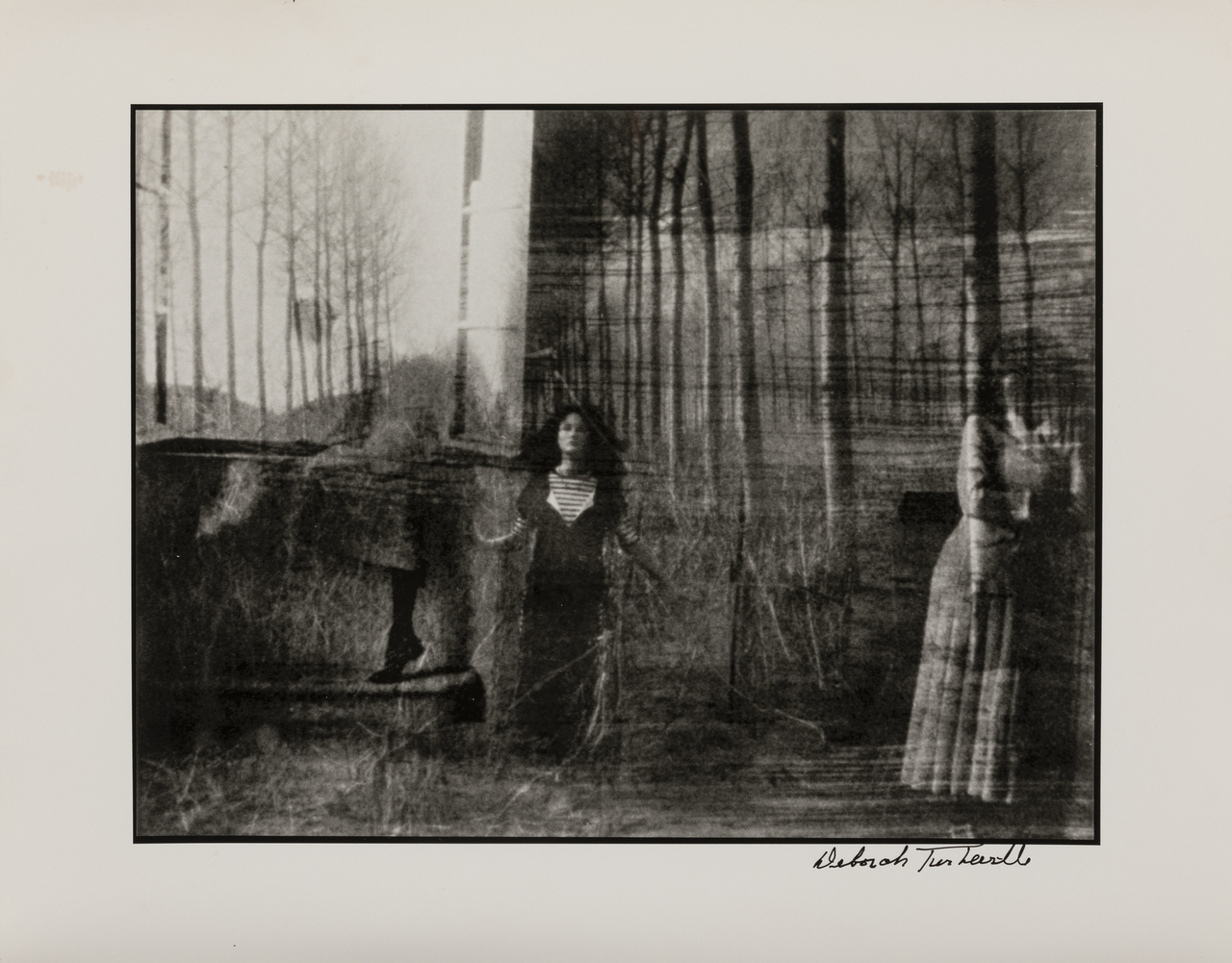
PHOTO:Deborah Turbeville-Photocollage
The American photographer Deborah Turbeville (1932–2013) challenged and reshaped both fashion photography and the ways of working with the photographic image in an artistic context. She belonged to no particular school or movement, yet from the 1970s onwards developed a deeply personal visual language – characterised by a distinctive aesthetic in which timelessness, melancholy, and a sense of patina permeate her photographs.
By Dimitris Lempesis
Photo: Moderna Museet Archive
The exhibition “Deborah Turbeville – Photocollage” reframes fashion photography as a practice of theatrical mise‑en‑scène, material intervention, and melancholic narrative; the exhibition foregrounds her handmade collages and distressed prints to reveal a four‑decade practice that sits between photography, painting, and storyboarding.
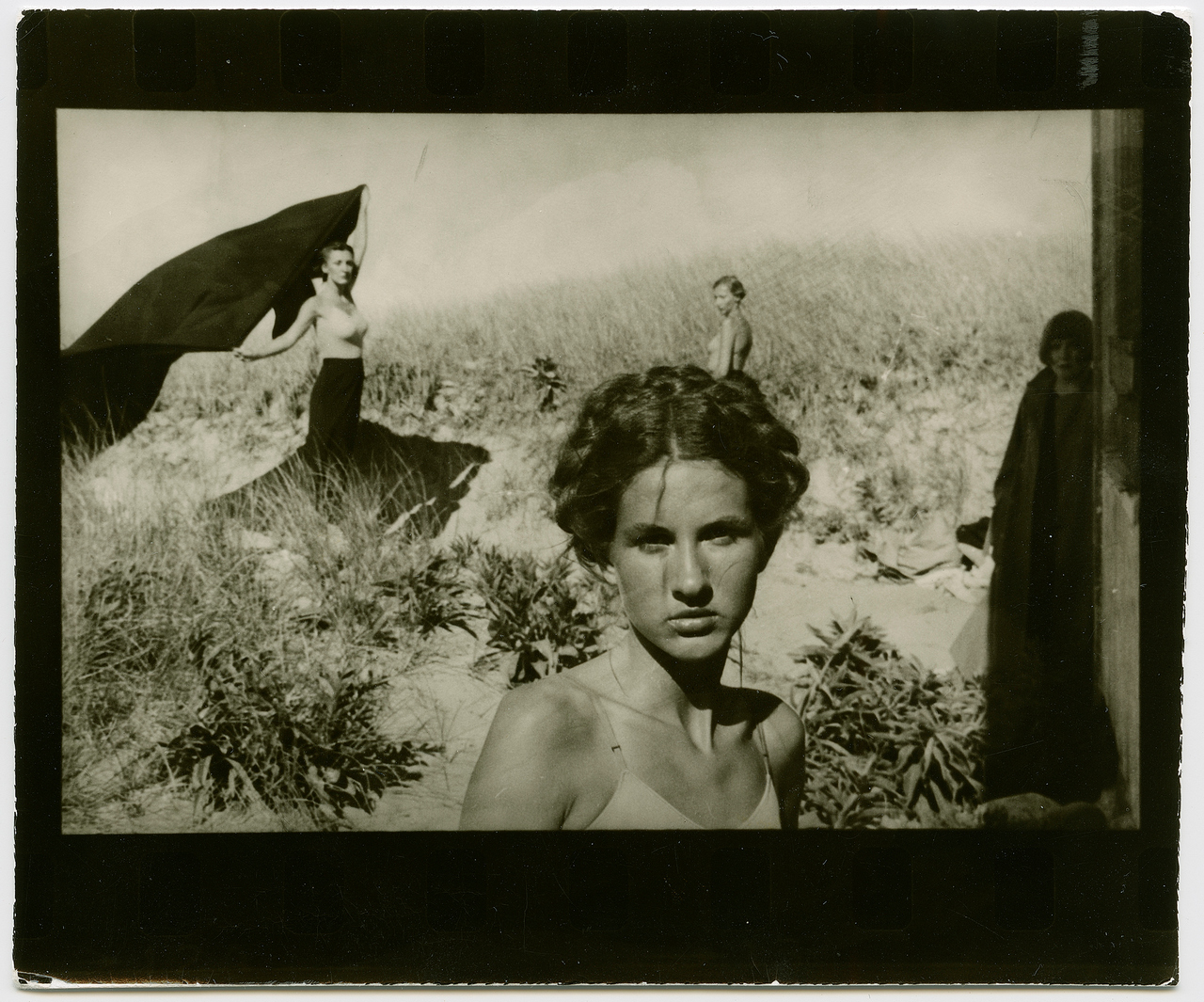
Deborah Turbeville’s work begins where fashion photography usually ends: not with the saleable object but with the human presence that lingers after glamour fades. Born in Stoneham, Massachusetts in 1932, Turbeville moved from theatre and dance into the world of fashion and editorial work before taking up the camera in earnest in the 1960s. Her early theatrical training—an interest in choreography, costume, and set—remains legible in every image: figures are staged as actors within decaying or ambiguous interiors, their gestures suggesting inner lives rather than product narratives.
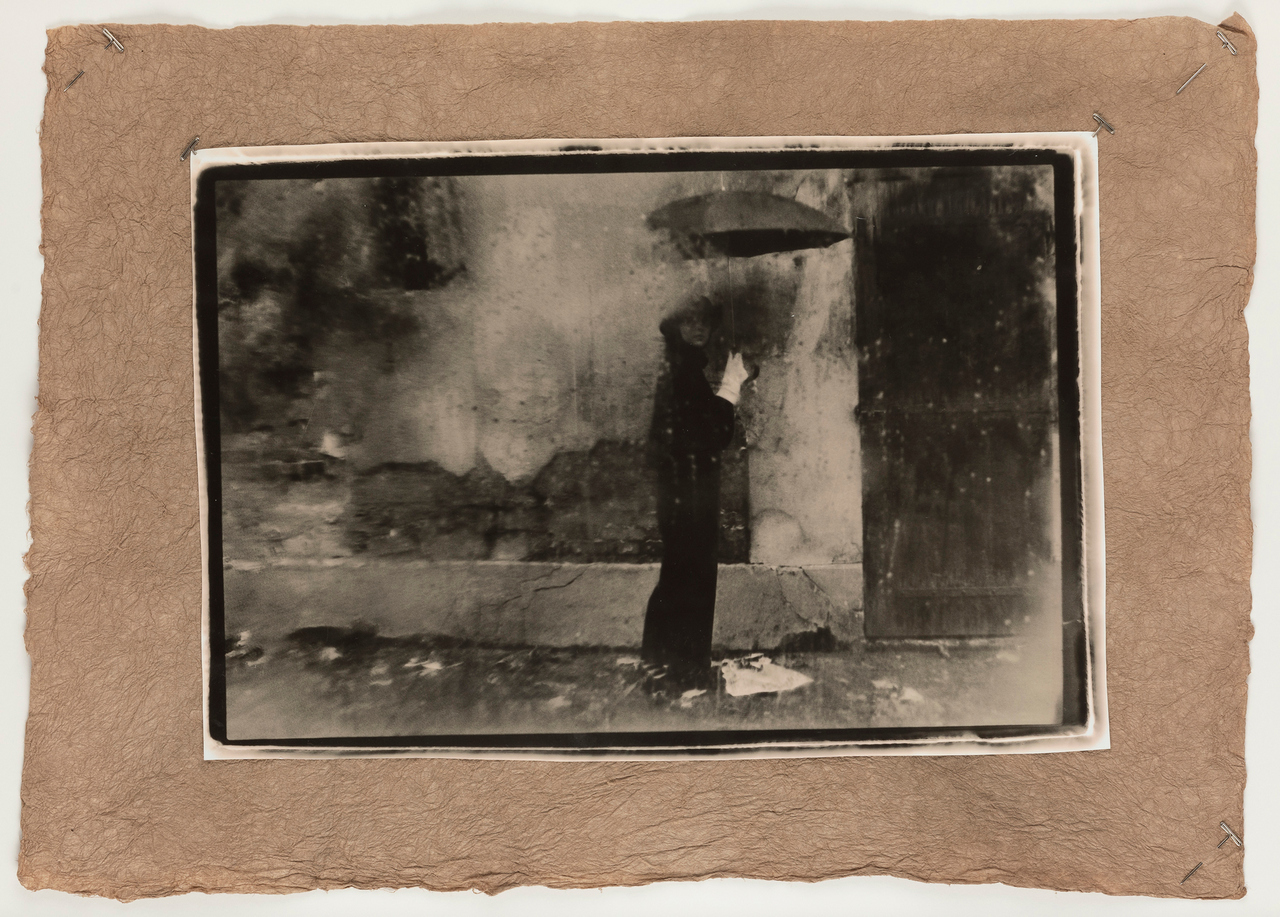
Turbeville’s career unfolded alongside major fashion institutions—she worked for Vogue, Harper’s Bazaar, and other magazines—yet she consistently resisted the label “fashion photographer,” treating clothing as one element in a broader visual language of mood and memory. Her 1975 “Bathhouse” series, shot for Vogue, provoked controversy for its slouched, ghostly models in an abandoned public bath, an image that signalled her break with polished commercial aesthetics. Rather than smoothing away time, Turbeville embraced it: she routinely distressed prints—scratching, toning, fading, and physically manipulating photographs—and assembled them into collages that read as hybrid objects.
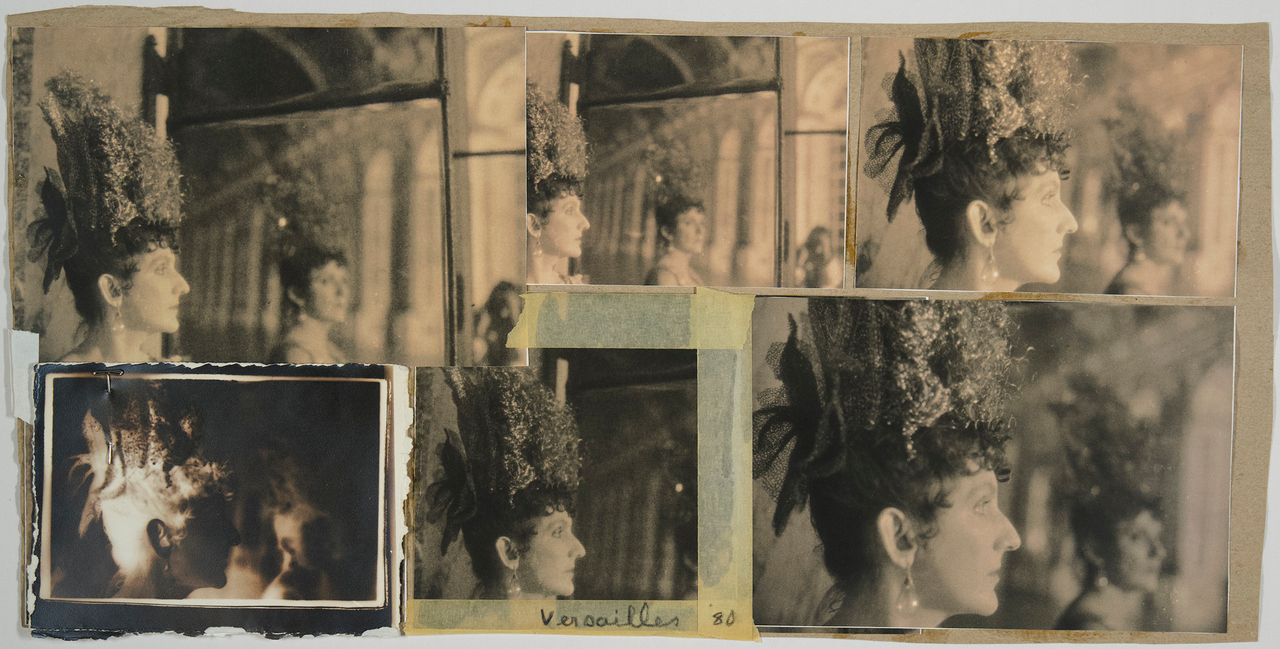
A pivotal moment came with Jacqueline Onassis’s commission to photograph the disused rooms of the Palace of Versailles, a project that resulted in “Unseen Versailles” and brought critical recognition for its rare view of the palace’s decaying grandeur. This project crystallised Turbeville’s interest in architecture as stage and absence as subject: rooms, corridors, and forgotten salons become protagonists in their own right, echoing the melancholic figures she photographed elsewhere.
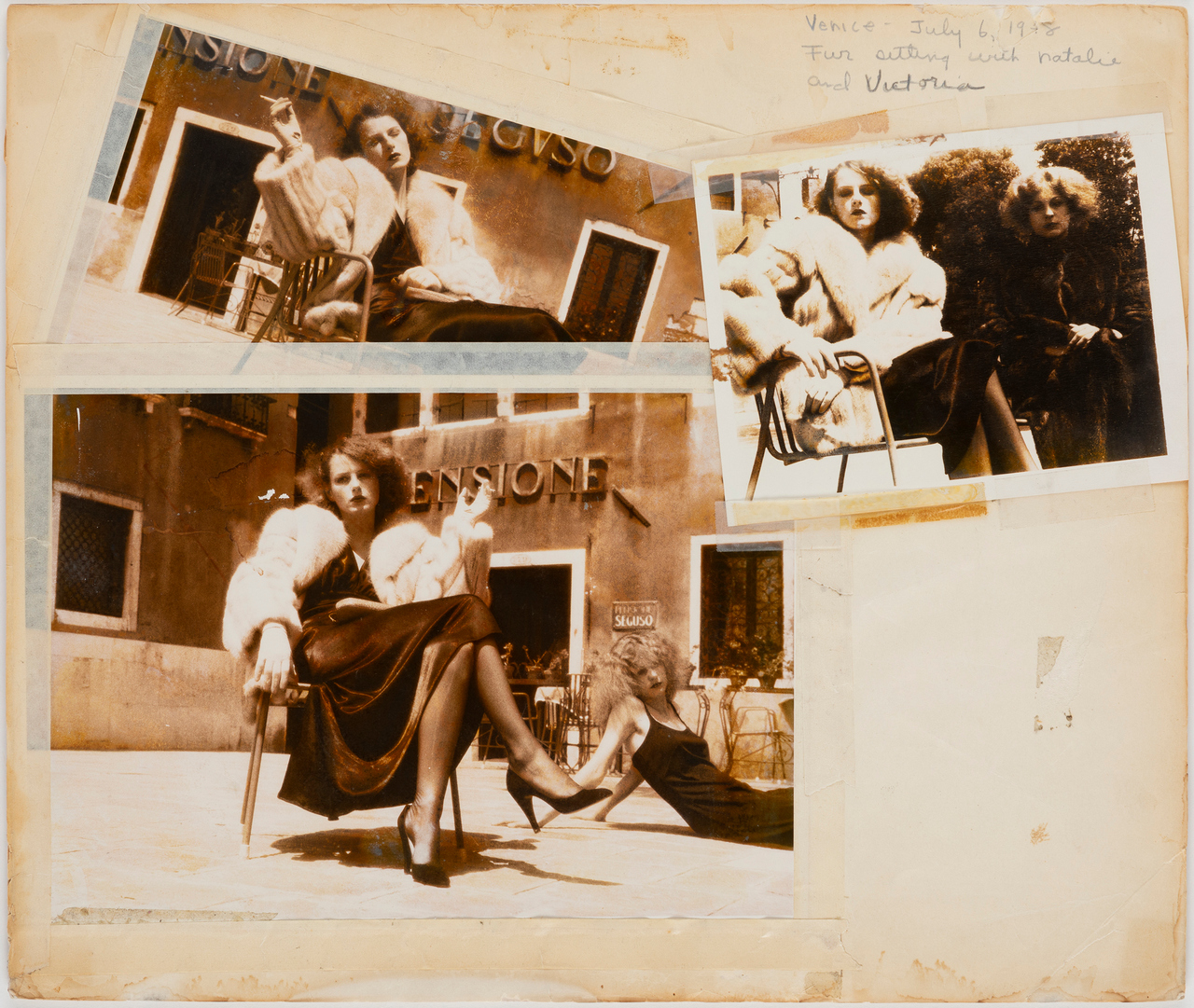
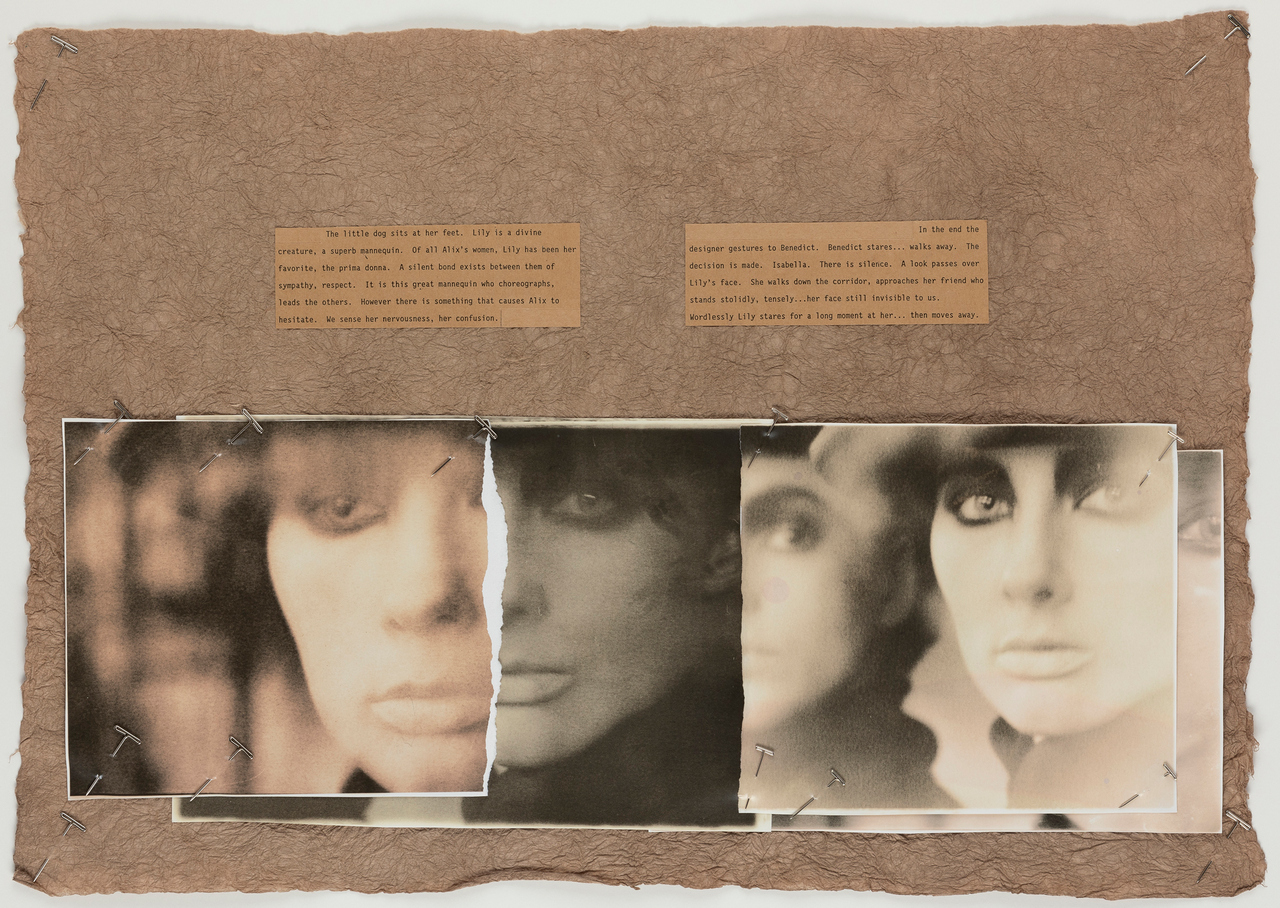
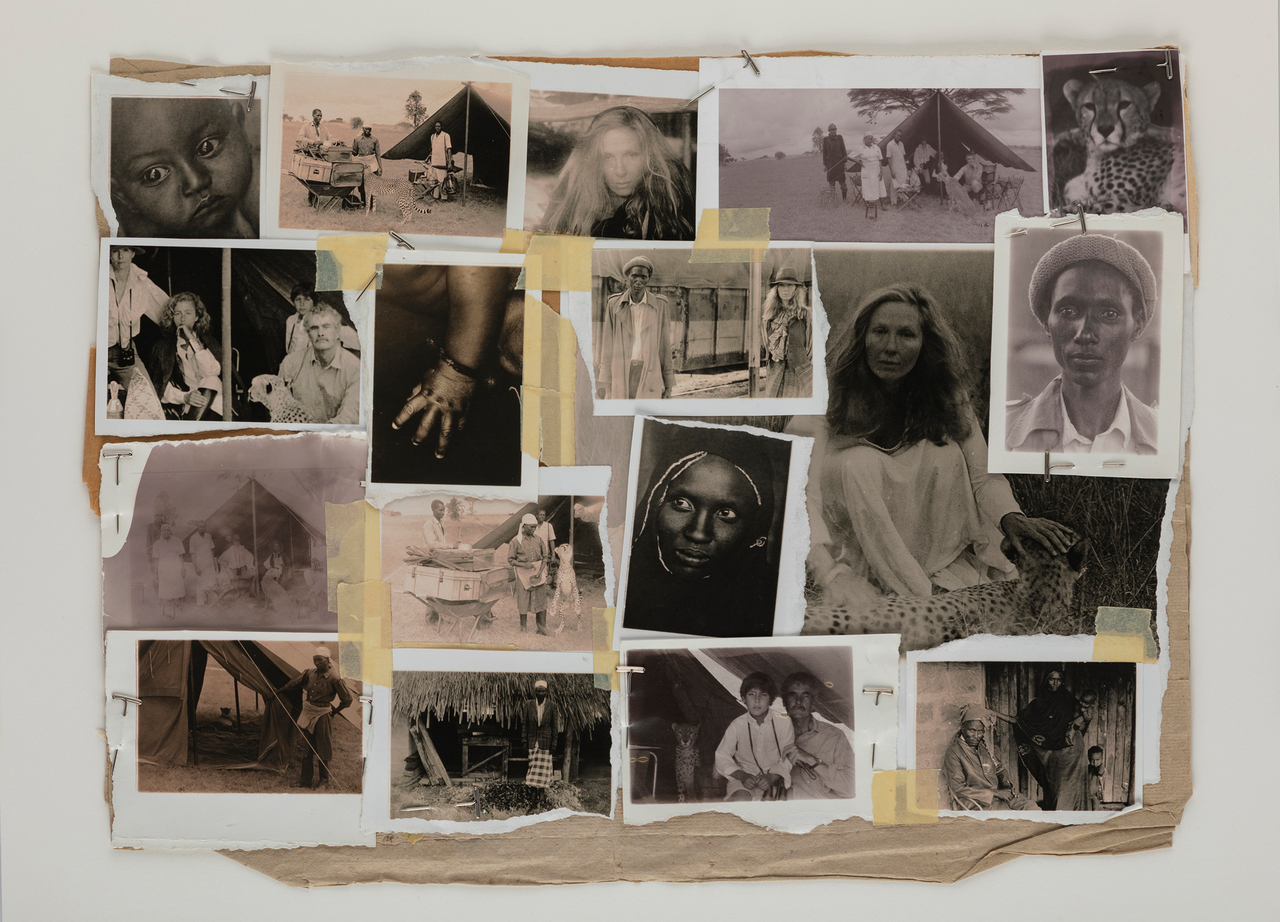
“Photocollage: traces Turbeville’s trajectory across New York, Mexico, Paris, and Saint Petersburg, assembling vintage prints, unique collages, and rarely shown objects to reveal how she turned photographic practice into a manual, tactile art. The exhibition emphasises process: images are cut, torn, pinned, layered, and recomposed, so that each work reads as a fragment of a larger storyboard or painted surface. By foregrounding these interventions, the show reframes Turbeville not simply as an image‑maker but as a maker of objects that carry time on their surfaces.
For contemporary viewers, Turbeville’s collages offer a model of photographic practice that is both commercially fluent and defiantly personal. Her legacy lies in the way she taught fashion imagery to be’ porous—to admit decay, narrative ambiguity, and the hand of the artist—so that a magazine assignment could become a sustained, poetic inquiry into presence and loss.
Photo: Deborah Turbeville, Untitled (Carol Cawthra Hopcraft), near Nairobi, Kenya, 1993 Courtesy of MUUS Collection. © Deborah Turbeville/MUUS Collection
Info: Curator: Nathalie Herschdorfer, Moderna Museet, Ola Billgrens plats 2–4, Malmö, Sweeden, Duration: 2/5-27/9/2026, Days & Hours: Tue-Wed & Fri-Sun 11:00-17:00, Thu 11:00-19:00, www.modernamuseet.se/
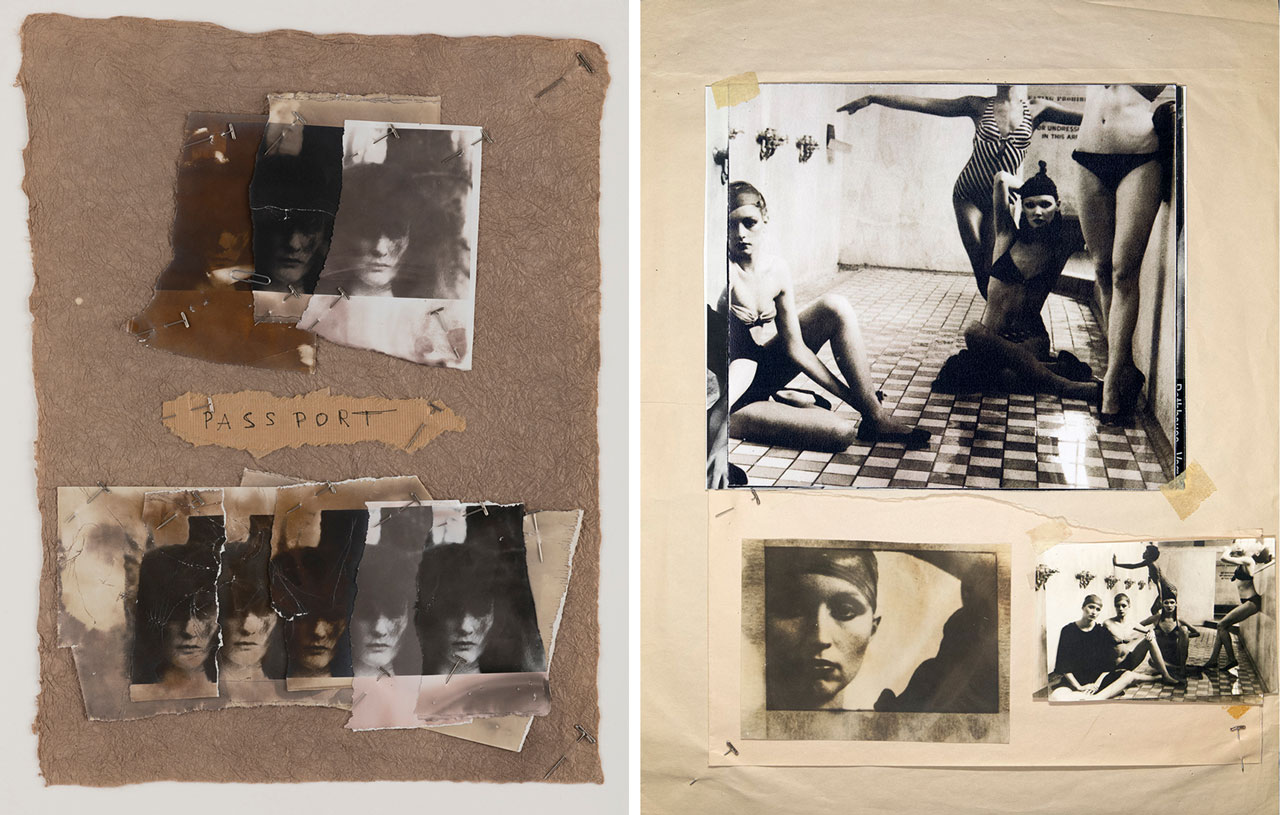
Right: Deborah Turbeville, Untitled (Asser Levy Bathhouse) from the series Bathhouse, New York, after 1975. Courtesy of MUUS Collection. Copyright Deborah Turbeville/MUUS Collection