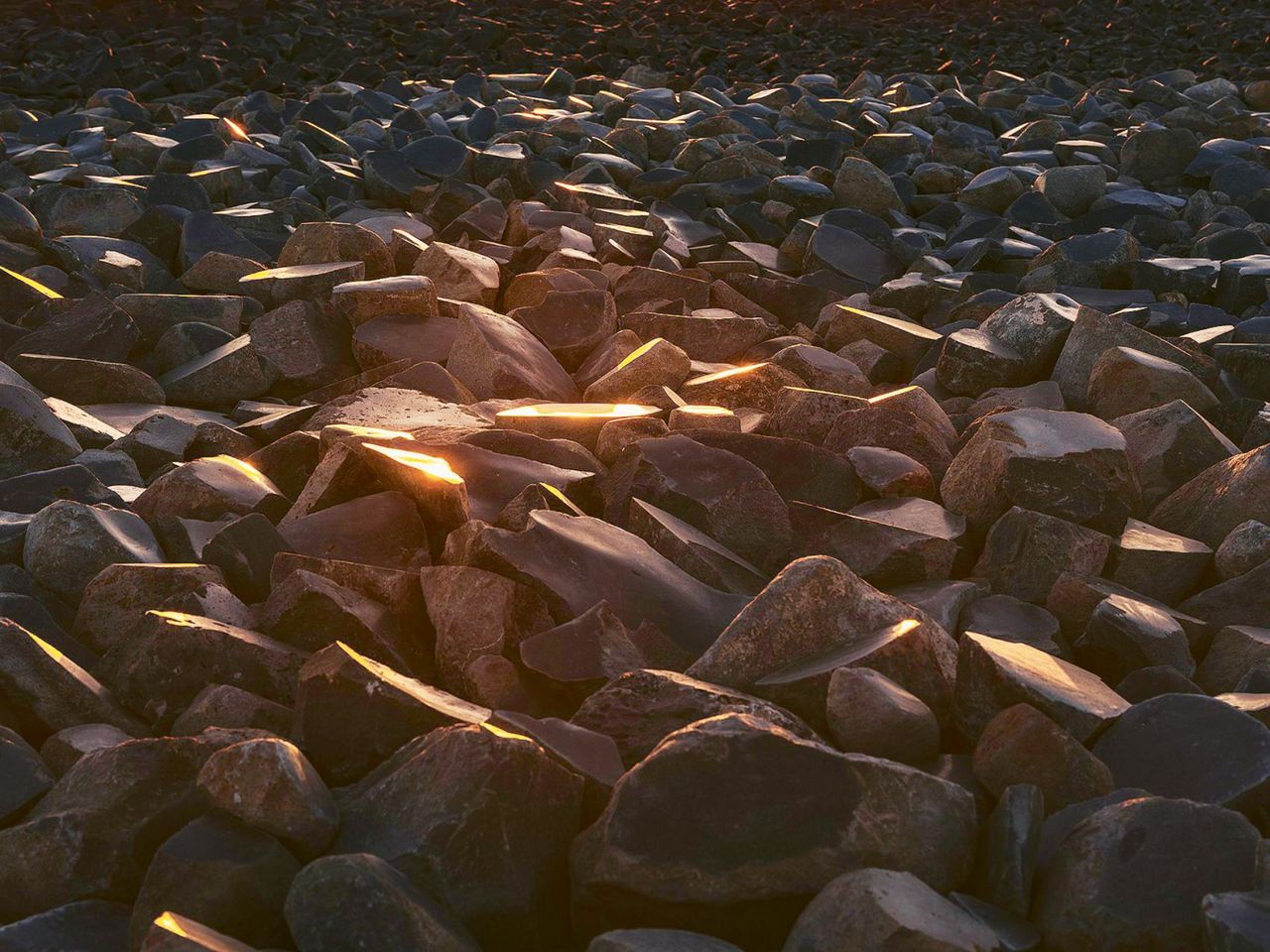
PRESENTATION: Caline Aoun-The Threshold of Impermanence
In her artistic practice, Caline Aoun brings together local conditions and global infrastructures and develops works in which materiality, time, technology and perception intersect. Her work spans installation, sculpture, works on paper and site-specific interventions, and explores the physical, ecological and technical conditions under which images, information and objects emerge.
By Dimitris Lempesis
Photo: Kunstmuseum Archive
The solo exhibition “The Threshold of Impermanence” by Caline Aoun spans the Kunstmuseum and the Kunsthalle Appenzell and explores the conditions under which natural and artificial systems emerge, operate, and transform. Aoun’s internationally established practice renders invisible processes perceptible and engages with key questions of our present – ecological fragility, technological pervasiveness, and the ways in which we engage with time and resources. The exhibition does not present finished works, but rather process-based states that shift over time and in response to space, climate, and interaction.
Across both venues, a trajectory unfolds from the elemental to the cultural, from physical processes to image and information systems. At the Kunstmuseum, the focus is on water, condensation, light and heat; at the Kunsthalle, the emphasis shifts to printing ink, circulation, image production and data. Together, the works trace a present in which nature, technology and perception are inextricably intertwined. What remains is not the stable artwork, but the trace: of time, of energy, of circulation.
At the Kunstmuseum, the focus is on the elemental: water, air, light, heat and gravity as forces that precede images and meaning. The works do not present representations of nature, but allow physical processes to appear directly. Condensation, evaporation, reflection, heat conduction and material transformation take place within the space. In this way, Caline Aoun pursues artistic practices that approach nature not as image but as process, while situating this approach within a contemporary context in which natural and technological conditions are inextricably intertwined.
The exhibition unfolds as a sequence of threshold states. Water is collected, channelled, released or leaves traces; humidity condenses on metal surfaces; light becomes heat; organic material becomes a repository of time. The rooms do not follow a linear narrative, but a progression of states and intensities. What becomes visible is how materials register, transmit and store forces. Aoun treats material as something that responds to external influences and continually transforms. At the same time, her work extends this perspective through a precise attention to energy flows, climatic conditions and temporal processes.
The Kunstmuseum thus does appear as an active resonant space, in which climate, time of day, architectural conditions and use become integral components of the works. The rooms respond to temperature, humidity and light; surfaces retain traces of previous states and release them again. In this sense, the notion of sculpture shifts: it is no longer the object that stands at the centre, but a network of relations in which material, energy and environment continuously affect one another.
In the Kunsthalle, the focus shifts from elemental processes to cultural and technological systems. In place of condensation, light and heat as physical forces, circulation, image production, information flow and exhaustion come to the fore. The works examine how images and data become materially operative and what kinds of traces they leave behind. In doing so, a central concern of Caline Aoun’s practice comes into focus: the dissolution of the apparent divide between digital immateriality and the physical world. What in everyday life appears fleeting, invisible or weightless – data, transmission, tech-nical infrastructure – is rendered in her work as a material, time-bound and energy-intensive process.
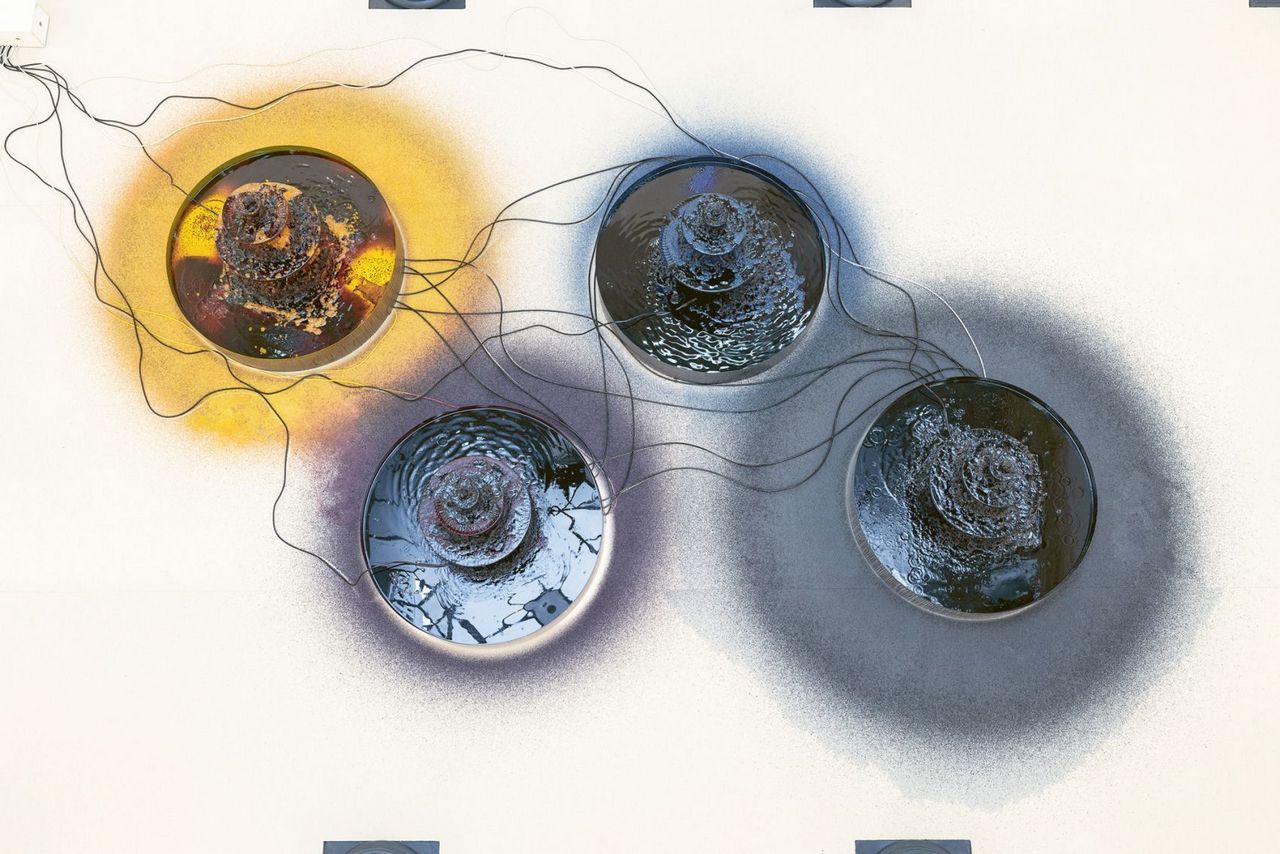
Printing ink, paper, copper and technical apparatuses form a field in which representation is transformed into materiality. Colours circulate through fountains, prints accumulate into surfaces, devices continuously transmit data and become perceptible as heat. The Kunsthalle thus becomes a site in which digital and image-based processes no longer appear as immaterial phenomena, but as systems with physical duration and energetic consequences. Aoun’s work engages with systems, repetition and process, while combining these with a pronounced sensitivity to material, surface and atmosphere. Her practice touches on questions of post-minimalism as well as contemporary discourses around infrastructure, mediality and ecology.
The parcours follows a trajectory from circulation through accumulation to exhaustion. Images do emerge less as finished results, but as something that gradually transforms through repetition, superimposition and excess. In this, Aoun addresses key conditions of the present: the constant production and circulation of images, the invisibility of the apparatuses that sustain them, and the material costs of these processes. As printing ink condenses into sediment-like layers, or data streams register only as heat at the surface, attention shifts from image content to the conditions of its production. What becomes visible is how information turns into material – and how material, in turn, resists immediate legibility.
It is precisely here that the particular force of these works lies. Aoun is not concerned with representation in a narrow sense, but with the moments at which systems reach their limits: when colours saturate, printers fatigue, surfaces retain heat, or repetition tips into dissolution. Her works do not produce images about our technological present; they set its processes in motion and translate them into physical, spatial and temporal experience. The Kunsthalle thus becomes a resonant space in which the cultural does not stand in opposition to the material, but appears as its continuation under the conditions of digital production.
Photo: Caline Aoun, Infinite Energy, Finite Time, 2019, Villa Merkel, Stuttgart, Courtesy the artist and Deutsche Bank, photo: Frank Kleinbach
Info: Curator: Stefanie Gschwend, Kunstmuseum, Unterrainstrasse 5 & Kunsthalle Appenzell, Ziegeleistrasse 14, Appenzell, Switzerland, Duration: 2/5-25/10/2026, Days & Hours: Wed-Fri 12:00-18:00, Sat-Sun 11:00-17:00, https://kunstmuseum-kunsthalle.ch/
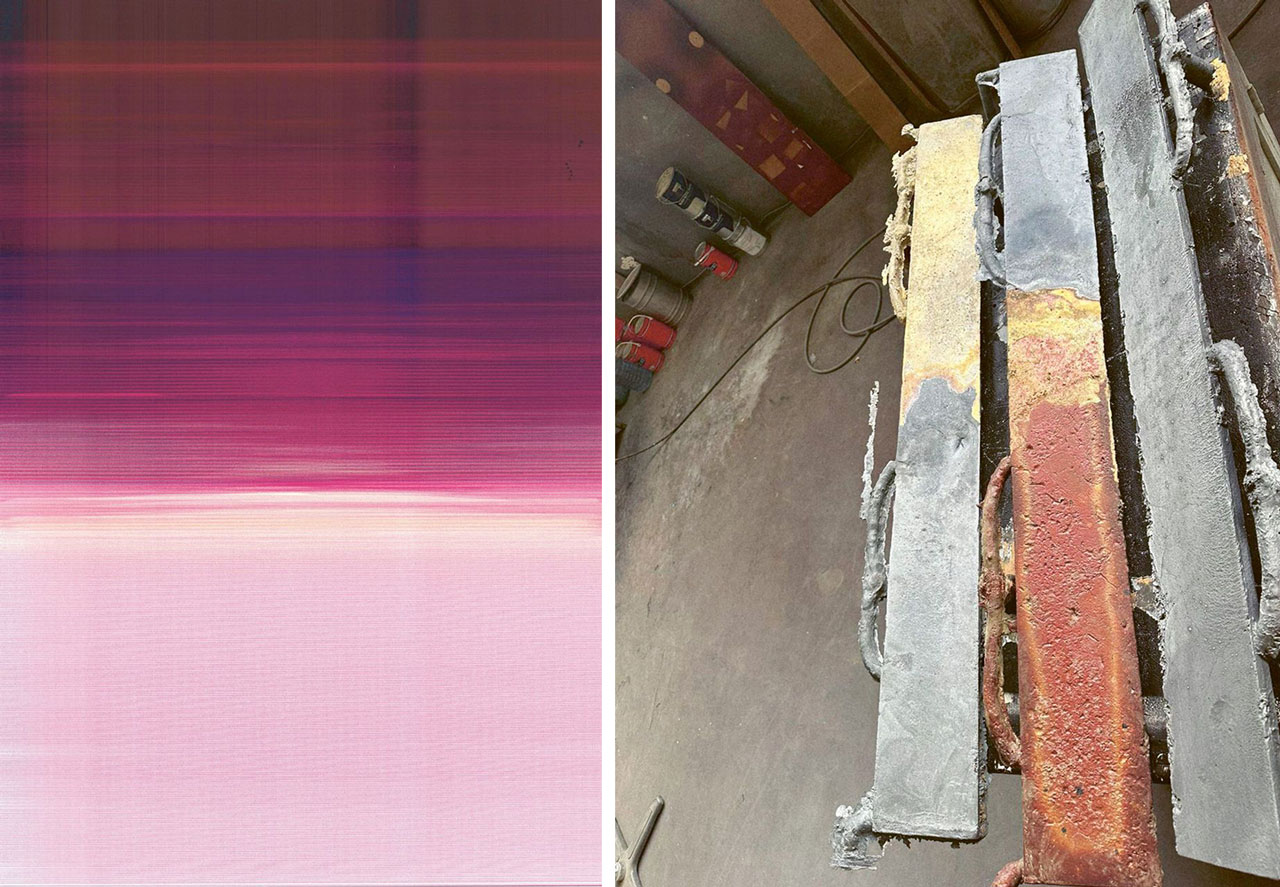
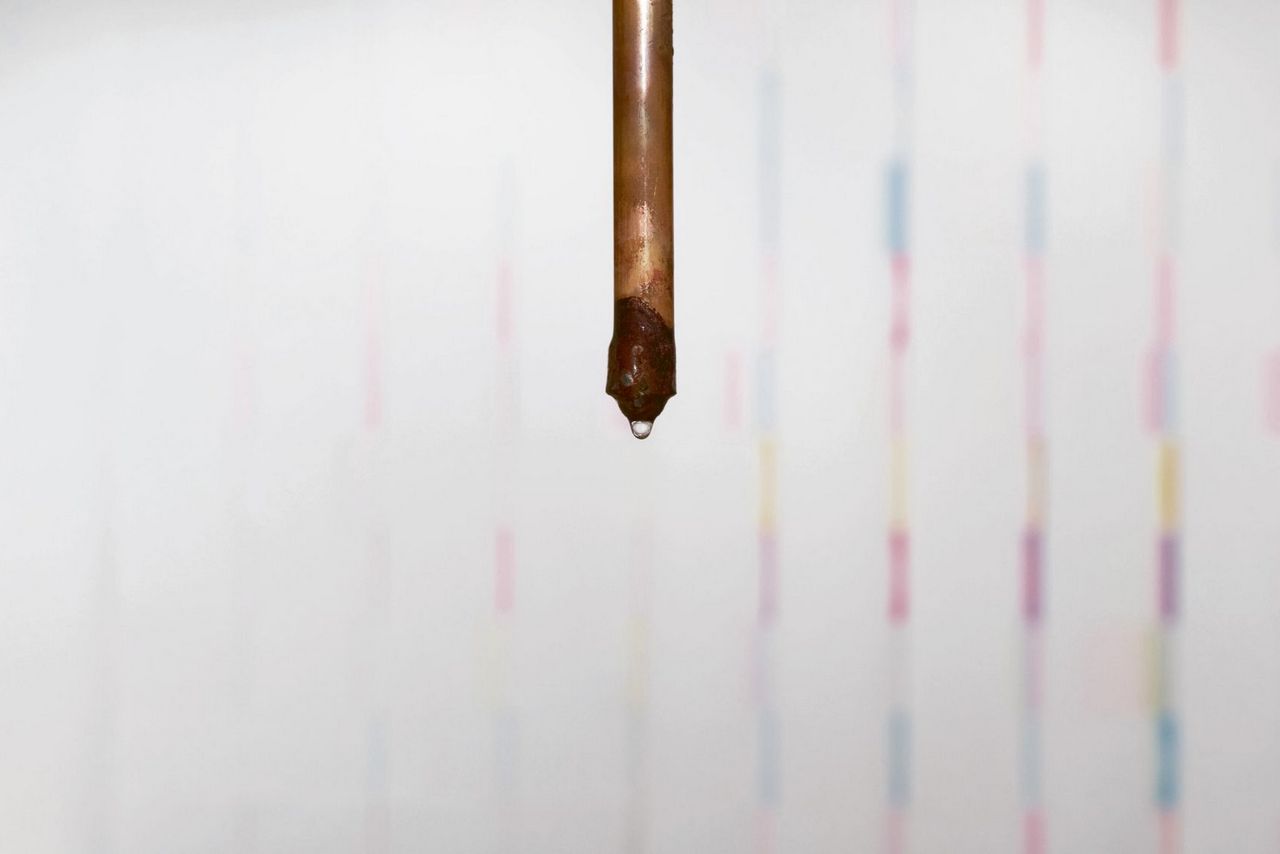
Right: Caline Colliding Forces, 2026, courtesy the artist, commissionned by Kunstmuseum Appenzell, production photo: Caline Aoun
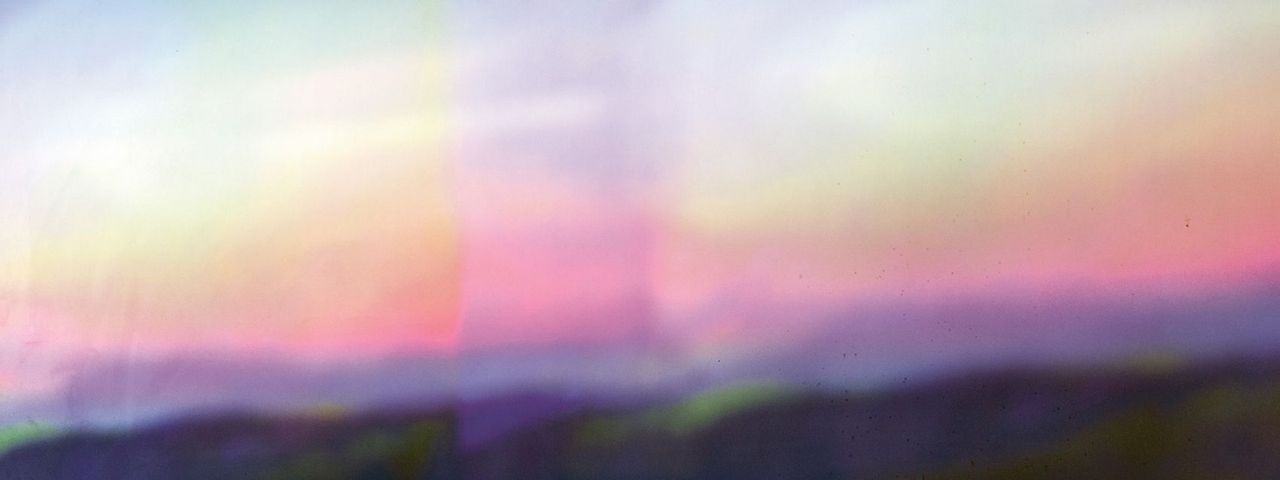
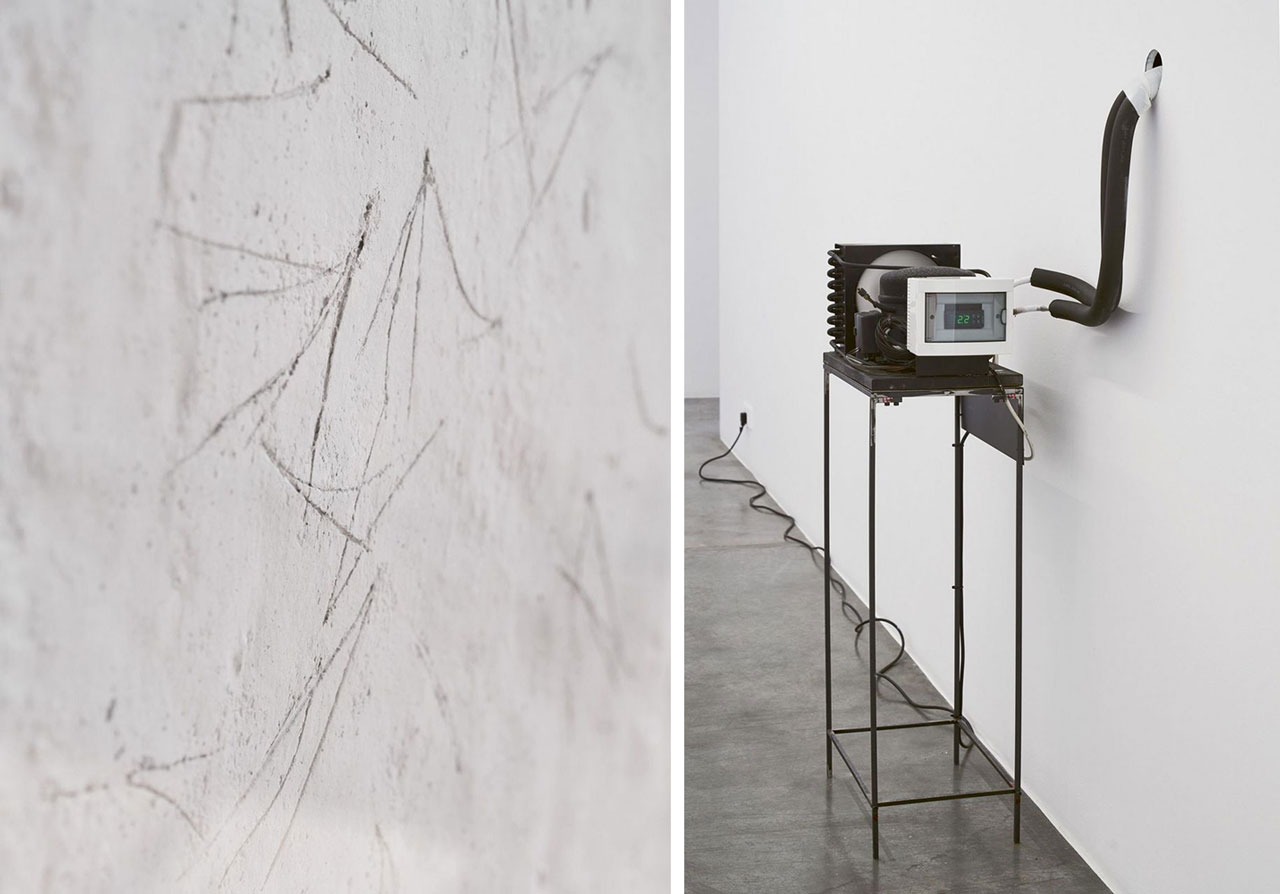
Right: Caline Aoun, Measuring Entropy (detail), 2023, Courtesy the artist and Marfa’ Projects, photo: Ros Kavanagh
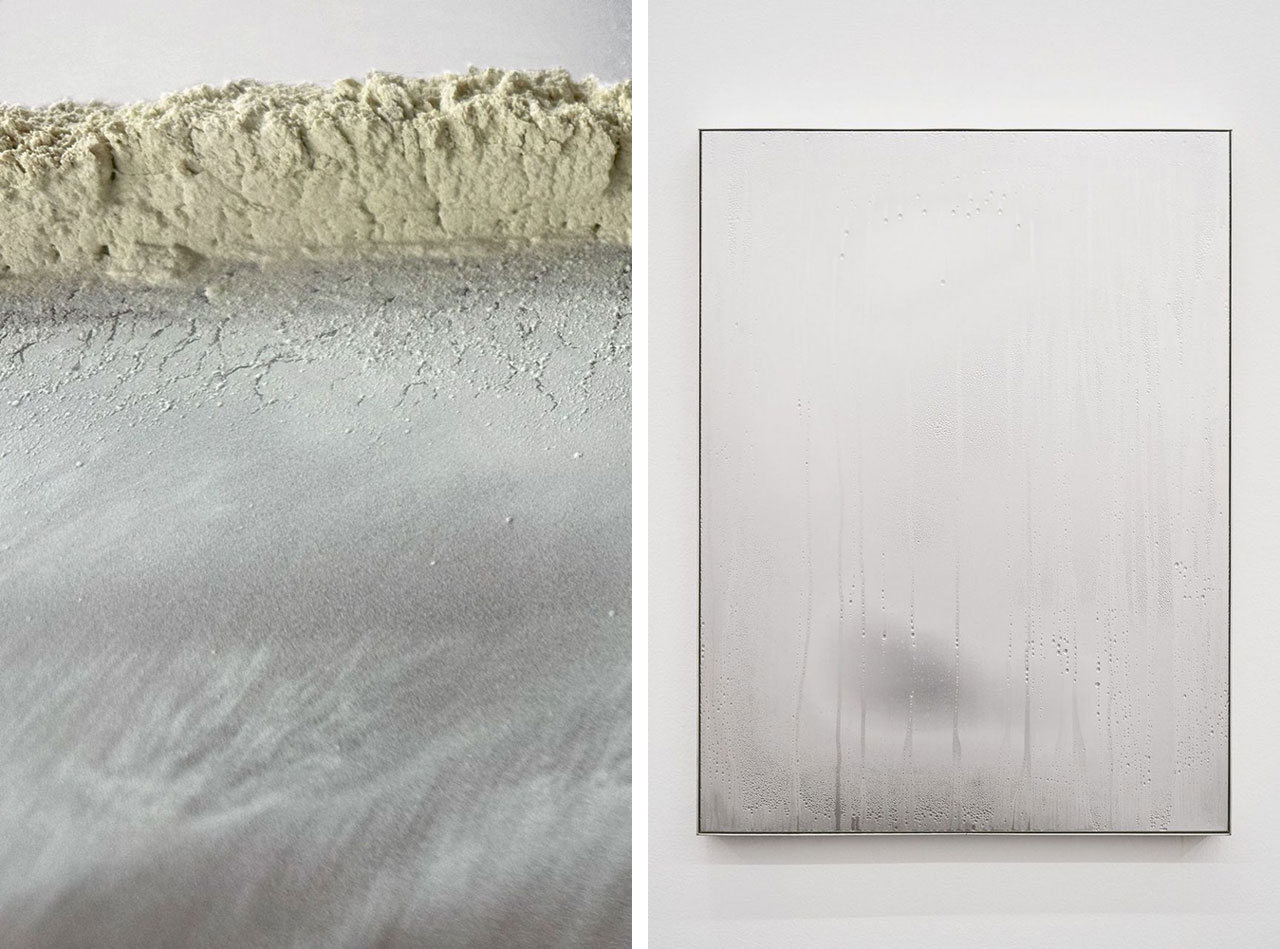
Right: Caline Aoun, Condensations of the Invisible Space, 2023, Courtesy the artist and Marfa’ Projects, photo: Musthafa Aboobacker