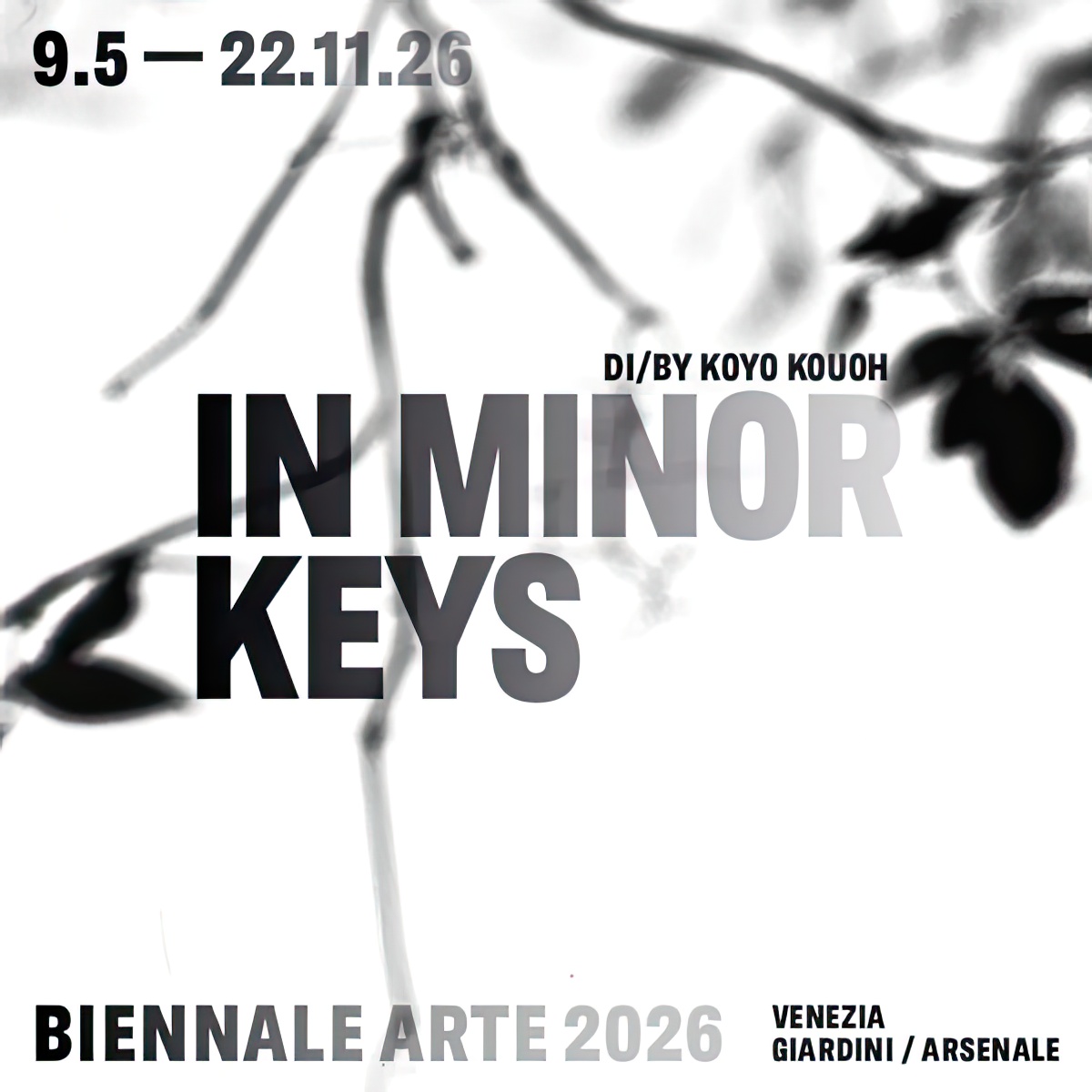
BIENNALS: The Lions Fall Silent: The Shadow of Geopolitics at the Venice Biennale
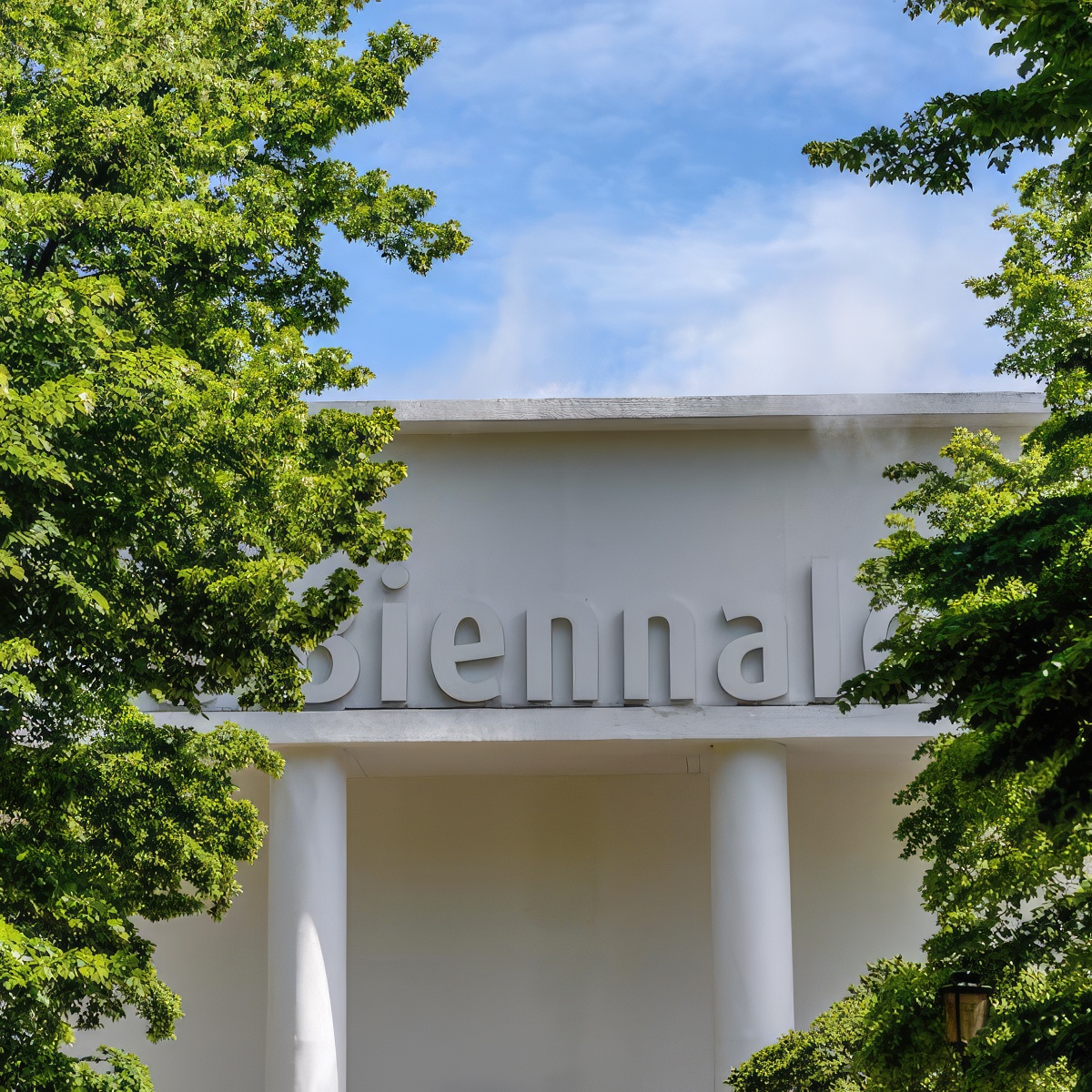
The Resignation of the Jury
Can a resignation serve as the most powerful artwork of an entire exhibition? Only days before the opening of the 61st Venice Biennale, the departure of the international jury has triggered tremors that resonate far beyond the boundaries of the Giardini.
By Mimika Christodoulopoulou
As we pack our bags for Venice, eagerly anticipating our return through the gates of the Giardini and the Arsenale, I realize that the air over the lagoon carries not just the scent of salt, but also the heavy atmosphere of an institutional crisis. The Venice Biennale, the oldest and most prestigious contemporary art exhibition in the world, is experiencing an unprecedented shockwave. Just nine days before its official opening, the international jury resigned en masse, sending severe tremors through the entire event.
This decision was not made in a vacuum; rather, it came as the culmination of intense political pressure. The jury had already announced its intention to withhold awards from artists representing countries whose leaders have been indicted for crimes against humanity by the International Criminal Court—a criterion that effectively excluded Russia and Israel. The reactions triggered a domino effect: Israeli sculptor Belu-Simion Fainaru, representing his country, openly threatened legal action, citing discrimination. Concurrently, Russia’s participation prompted the intervention of the EU, which warned it would suspend a €2 million grant should the Russian pavilion open, while the Italian government declared an open boycott of the inauguration.
Standing against this political hurricane is the President of the Biennale, Pietrangelo Buttafuoco, who stubbornly refuses to impose exclusions, declaring that the event must remain a space of coexistence. His argument—that art must serve as the final open bridge when diplomacy collapses—sounds noble in theory. In practice, however, this narrative of “coexistence” now rings entirely hollow in the face of the jury’s uncompromising ethical stance.
There is, moreover, a profound, almost tragic irony in this institutional persistence. While the administration struggles to salvage a facade of “normalcy” in the name of art, the artists themselves—the true soul of the Biennale—step in to dismantle it in practice, prioritizing human life over exhibits. History has shown that creators do not wait for any President’s permission to protest against wars: in 2022, immediately following the invasion of Ukraine, the curator of the Russian pavilion, Raimundas Malašauskas, and artists Kirill Savchenkov and Alexandra Sukhareva resigned of their own accord, refusing to represent the regime. In 2024, Israeli representative Ruth Patir kept her pavilion closed, declaring it would not open until a ceasefire was reached. The institution desperately tries to keep the doors open, yet the creators themselves seal them shut when the pain of the real world becomes unbearable. Within this highly volatile climate, the tension continues to mount: while the President speaks of coexistence, the Italian Ministry of Culture was literally dispatching inspectors to Venice, scouring for bureaucratic loopholes to cancel the Russian participation.
In stark contrast to this institutional theater of the absurd, the jury’s decision feels like a profoundly radical rupture. It is a rupture that makes perfect sense when we focus on the individuals behind it. This panel, comprised of Solange Farkas, Zoe Butt, Elvira Dyangani Ose, Marta Kuzma, and Giovanna Zapperi, was an all-female group selected by the late curator of the central exhibition, Koyo Kouoh. This does not imply, of course, that male curators lack ethical resistance. However, in the history of major institutions, the traditional, often patriarchal model of governance tends to prioritize diplomacy and the protection of institutional prestige over absolute ideological consistency. These five women, conversely, represent a new, highly distinct generation of curators—a radical school of thought cultivated by Kouoh—that places solidarity and care above institutional protocols. They refused to play the role of the “good diplomats” within a system attempting to normalize war.
Viewed in this light, their resignation constitutes a deliberate activist act—perhaps the most powerful, unexhibited artwork of this year’s edition.
To circumvent the ensuing crisis, the administration proceeded with a historic change: this year, the awards will be voted on by the public itself, and the ceremony has been postponed to November