PRESENTATION: Narcisse Tordoir-Fake Barok
In 2025 and beyond, contemporary art finds itself negotiating a paradox: an era defined by saturation—of images, information, and algorithmic production—has catalyzed a renewed hunger for meaning, tactility, and emotional resonance. Across galleries, fairs, and institutional exhibitions, artists are no longer merely producing objects; they are constructing frameworks for perception, reflection, and survival.
By Dimitris Lempesis
Photo: S.M.A.K. Archive
“Fake Barok” is a monumental installation by the celebrated Belgian artist Narcisse Tordoir. his exhibition offers a new and expanded take on one of the most compelling works in contemporary Flemish art, cementing Tordoir’s reputation as a daring innovator in painting and installation art.
Born in Mechelen in 1954, Narcisse Tordoir has built a career defined by a remarkable and seemingly effortless versatility. His practice spans a wide range of media, including drawing, printmaking, painting, photography, and installation. This broad technical foundation allows the artist to deeply engage with the historical references of painting, while enthusiastically stepping beyond its traditional boundaries. Tordoir’s thoughtful and layered image montages place a strong emphasis on perception, teasing out the often-turbulent tensions between romanticism and reality, history and current events.
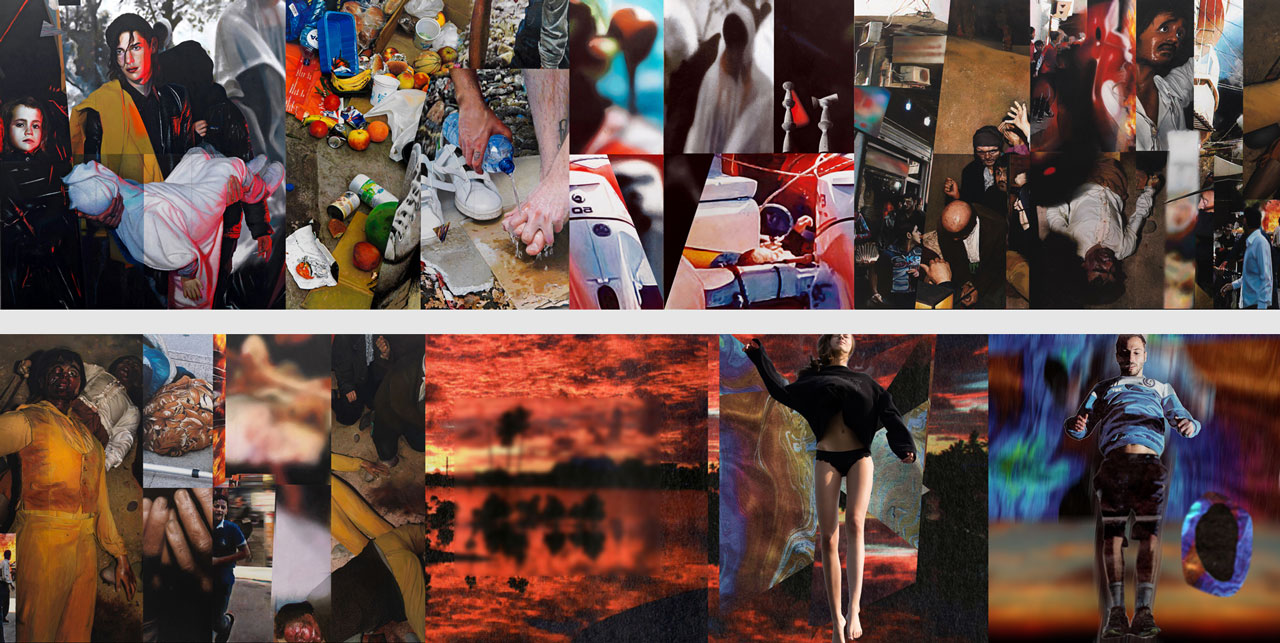
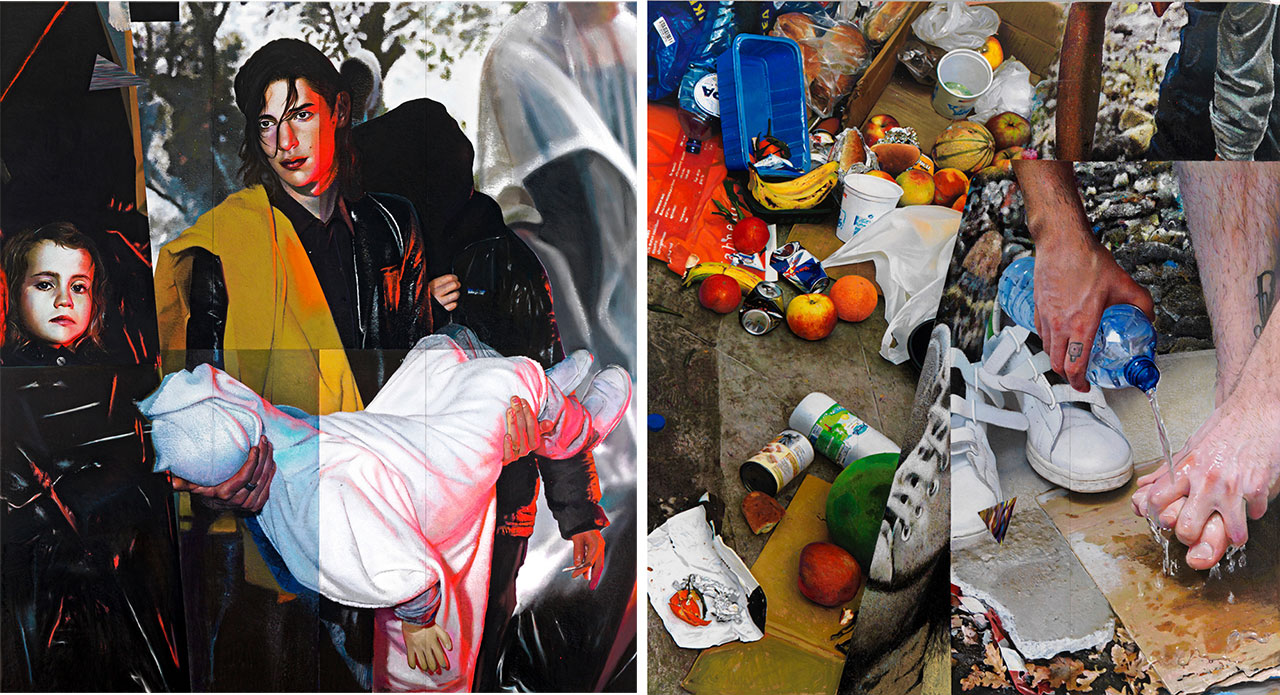
At the heart of this presentation is the monumental work “Fake Barok” (2016), which the artist generously donated to S.M.A.K. in 2024. Conceived as an elongated triptych, the installation is a breathtakingly long series of photo collages. Spanning 28 meters in length and standing 3.5 meters tall, the artwork unfolds like an immense, modern-day frieze that demands a slow, processional viewing experience.
The title of the work is a direct nod to the Baroque art movement of the 17th century, a period that has long captivated Tordoir’s imagination. However, the artist’s interest is not in a slavish imitation of the style. For Tordoir, the Baroque represents a stylistic period that refused to gloss over the political and social catastrophes of its era—such as the Protestant Reformation and the devastating wars of religion. Instead, he sees the movement as daring to show these crises in all their unvarnished, precarious, and excessive truth.
This historical lens is powerfully turned on the present day. In *Fake Barok*, Tordoir tackles the horrors of today’s most pressing global issues: **the escalating climate crisis, the ongoing tragedy of war, and the immense human toll of the refugee crisis**.
The result is a staggering and disorienting tableau. The artist masterfully weaves together a chaotic and emotionally charged narrative by combining existing press photographs with his own meticulously staged images. Many of these raw materials are then reworked, often modified with pastel chalk. The entirety forms a “tableau vivant” —a living picture—that serves as a breathtakingly direct summary of the current state of our world, capturing its anxiety, fragility, and anguish.
In constructing this visual symphony of modern dystopia, Tordoir deliberately plays with the powerful archetypes of Christian religious art, such as the Pietà (the lamentation of the Virgin Mary) or the ascetic, to create enigmatic and often unreadable images. This technique serves to disorient the viewer, subvert conventional thinking, and force a moment of profound reflection on the world’s most urgent problems.
The exhibition also raises crucial philosophical questions about the role of the artist today. Grete Simkuté, writing about the work, notes that “Fake Barok” is, above all, a “28-metre-long interrogation of the contemporary relationship between art, politics, and reality”. Tordoir reflects on the place a Goya, a Manet, or a Géricault once held in political discourse through their works. In doing so, he acknowledges a painful truth for modern painters: the image-making role once reserved for fine artists has today largely been commandeered by the news photographer. This leaves the painter with an immense ethical and moral dilemma—the responsibility to feel engaged with the world is still there, perhaps more than ever, but how to fulfil it is anything but clear. Tordoir’s answer is this grotesque, physically confronting, and vitally important collage of our time.
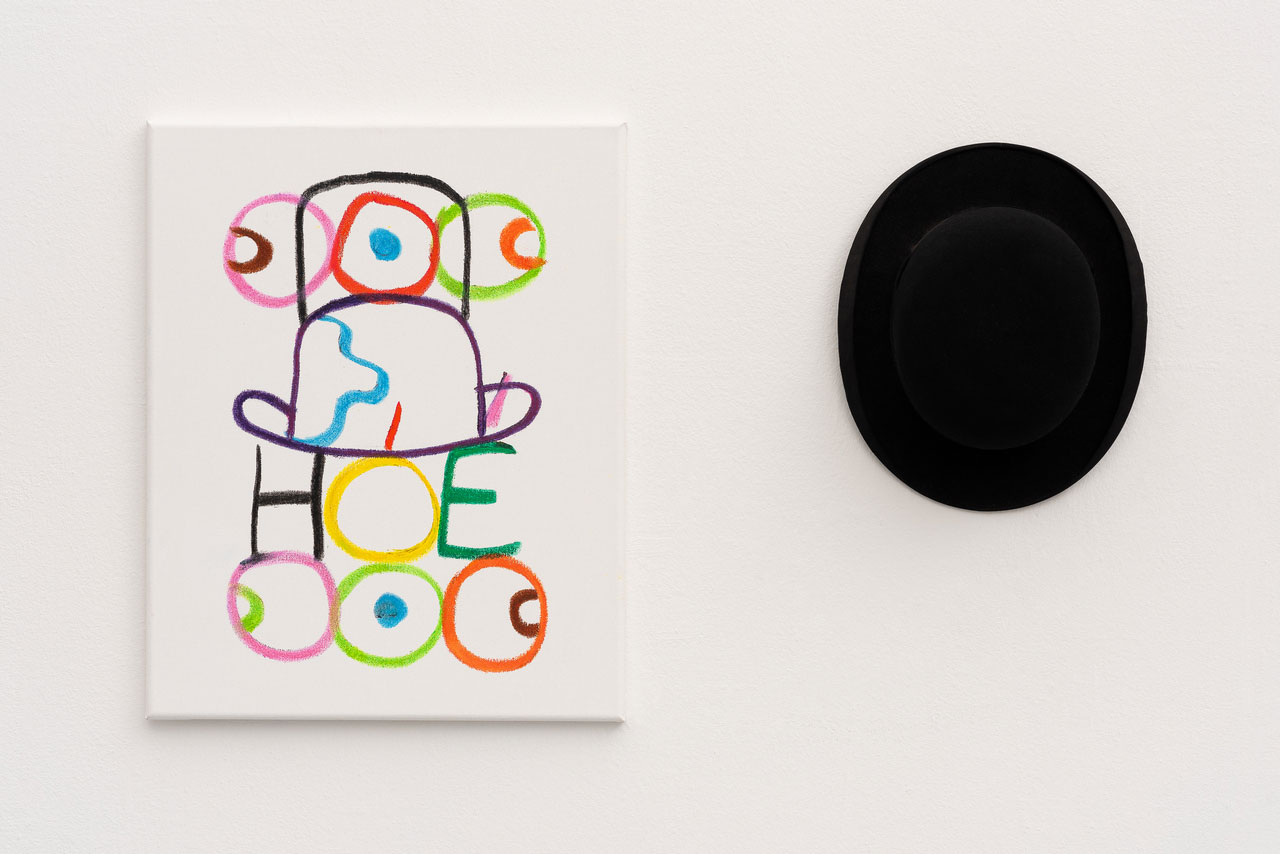
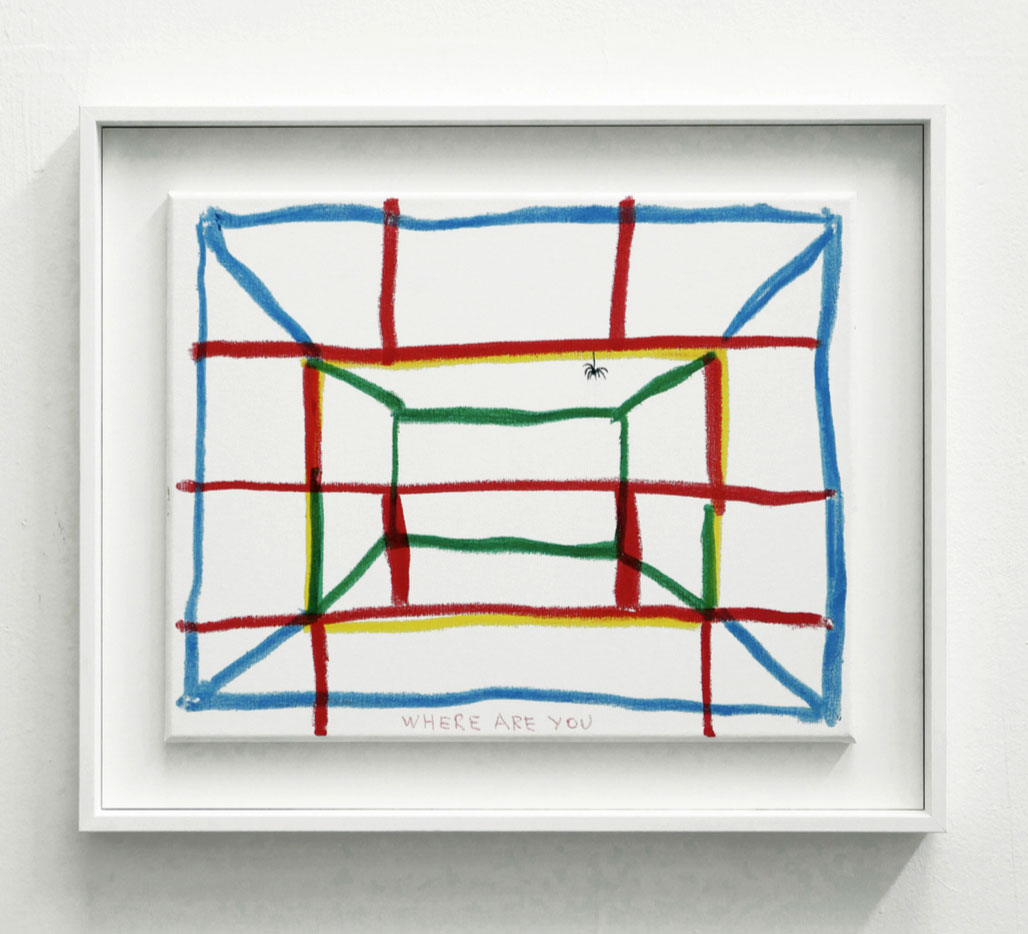
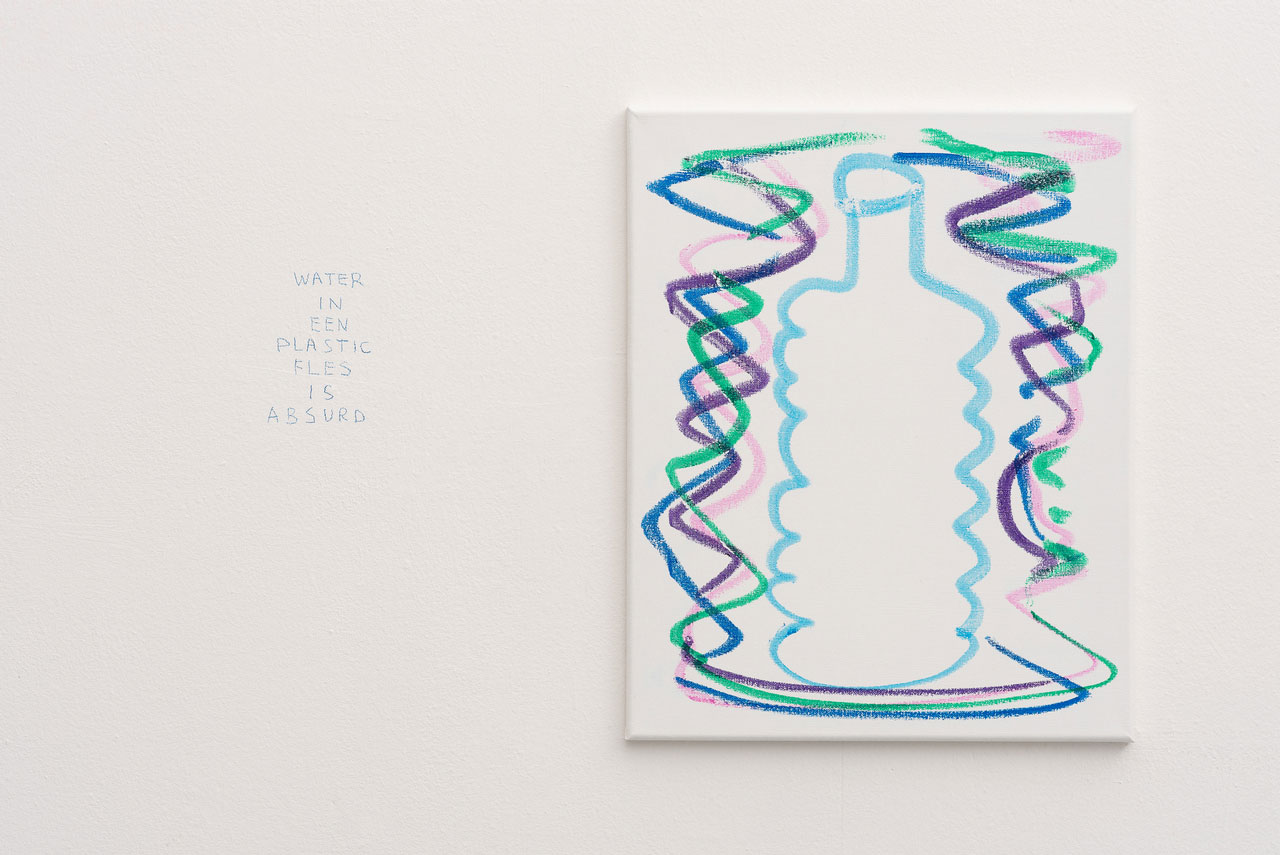
The current S.M.A.K. exhibition does more than simply recreate previous displays. The museum is presenting “Fake Barok” in a brand-new configuration, placing the monumental work in its largest exhibition hall, alongside a selection of the artist’s more recent pieces. This thoughtful dialogue between the iconic work and Tordoir’s current creative output offers a rare and valuable insight into the evolution of his artistic practice over nearly a decade.
Narcisse Tordoir’s “Fake Barok” is a powerful, provocative, and deeply relevant exhibition. It is a monumental work of art that refuses to be an escape from reality, instead forcing a confrontation with it. By refracting the chaos of our current crises through the prism of 17th-century Baroque art, Tordoir creates a dizzying and unforgettable visual experience that will stay with you long after you leave the museum.
Downliad visitors guide: here
Photo: Narcisse Tordoir, Water, 2024. Courtesy of the artist. Photo: Ligia Popławska
Info: Curators: Narcisse Tordoir & Thibaut Verhoeven, S.M.A.K., Jan Hoetplein 1, Gent, Belgium, Duration: 29/11/2025-13/9/2026, Days & Hours: Tue-Fri 9:30-18:00, Sat-Sun 10:00-18:00, https://smak.be/
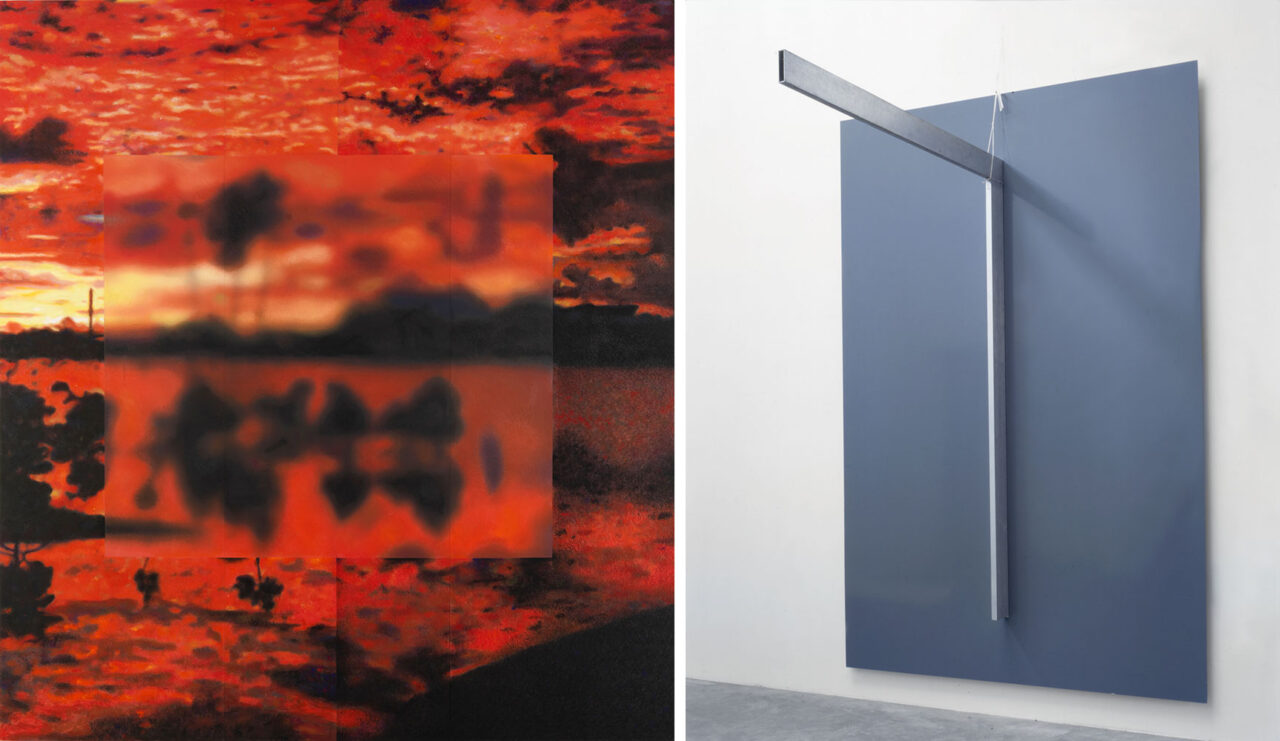
Right : Narcisse Tordoir, Z.t., 1999. Courtesy of the artist. Photo: Niels Donckers
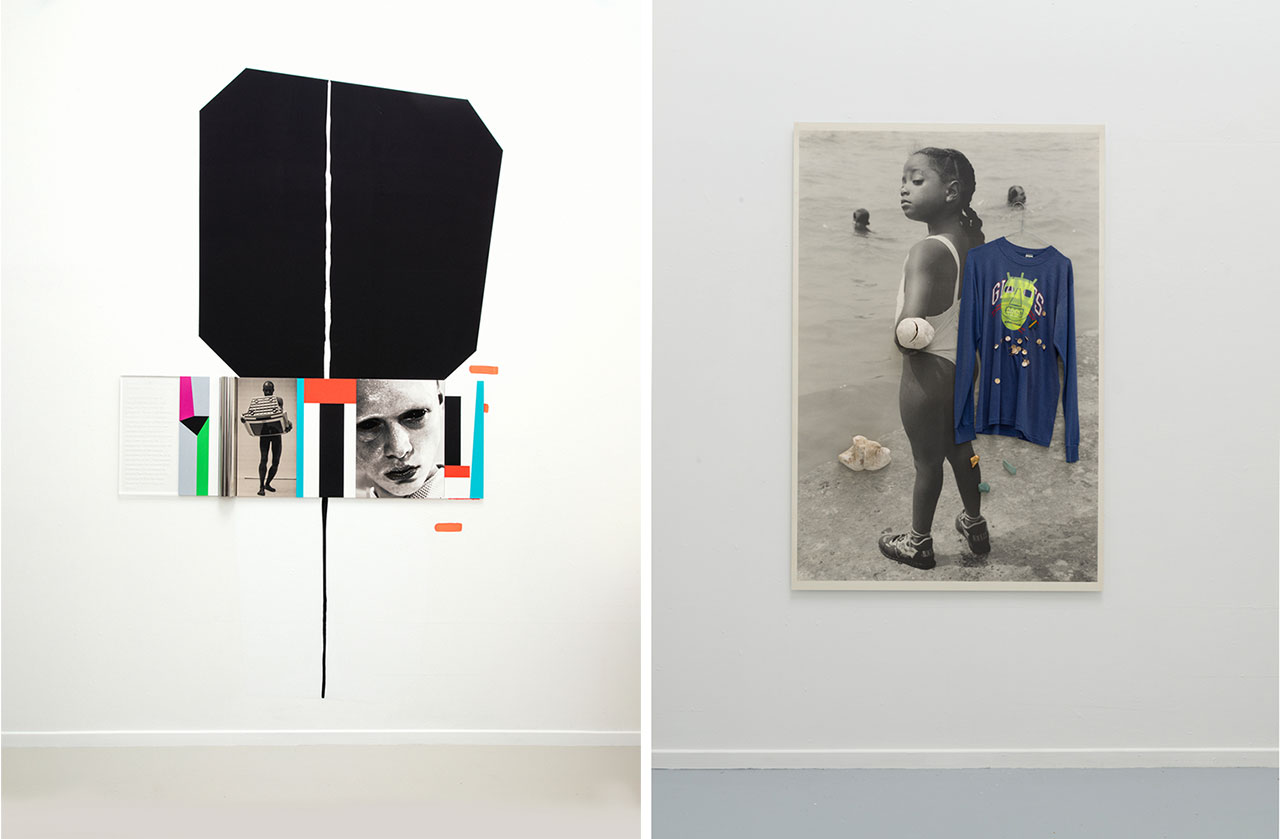
Right: Narcisse Tordoir, Constellatie 2, 2023. Courtesy of the artist. Photo: Koen de Waal