PRESENTATION: Peggy Guggenheim in London-The Making of a Collector
Peggy Guggenheim’s Cork Street gallery had an outsized impact on London’s art scene during its brief eighteen-month run. In that time, it hosted over twenty ambitious exhibitions, bringing avant-garde movements like Surrealism and abstraction to a wider British audience. The gallery not only reshaped contemporary tastes but also marked the beginning of Guggenheim’s influential career as a prominent modern art collector.
By Efi Michalarou
Photo: Peggy Guggenheim Collection Archive
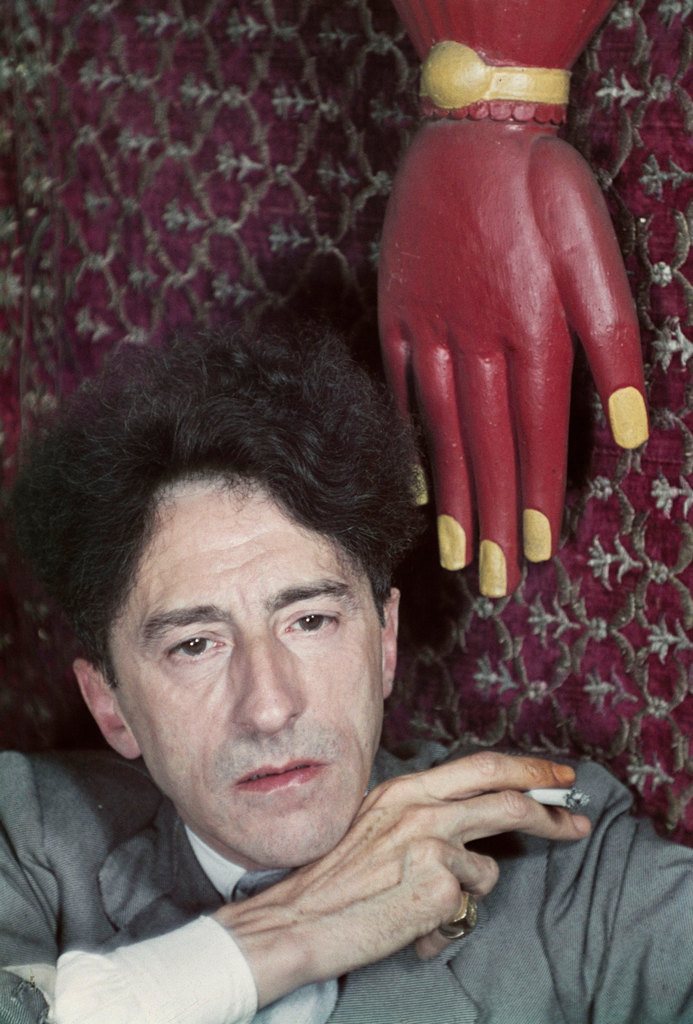
When Peggy Guggenheim opened Guggenheim Jeune on Cork Street in January 1938, she placed a small, fiercely modern gallery in the heart of Mayfair, just around the corner from the Royal Academy. In the space of roughly eighteen months she mounted over twenty exhibitions, many of them curatorial firsts for Britain: monographic shows for Jean Cocteau and Vasily Kandinsky, the country’s first exhibition devoted to collage, and a contemporary sculpture show that provoked national controversy. These facts are central to the exhibition’s narrative and are documented in the show’s catalogue and institutional publicity.
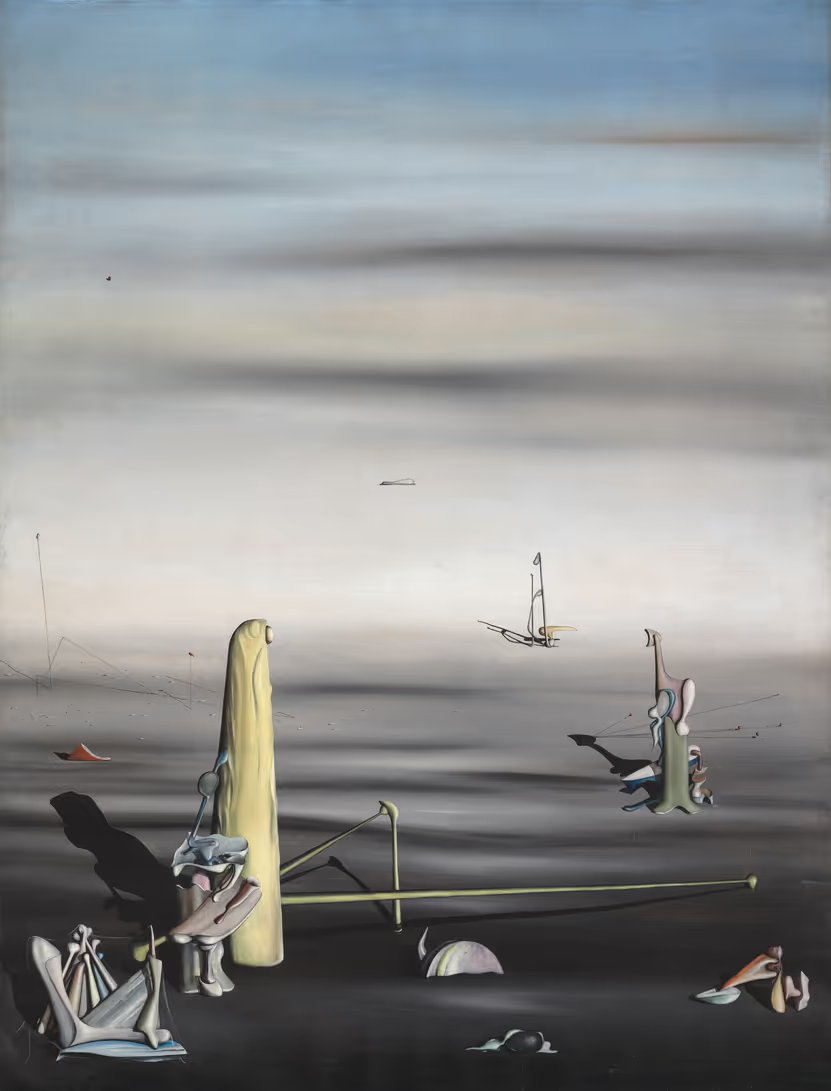
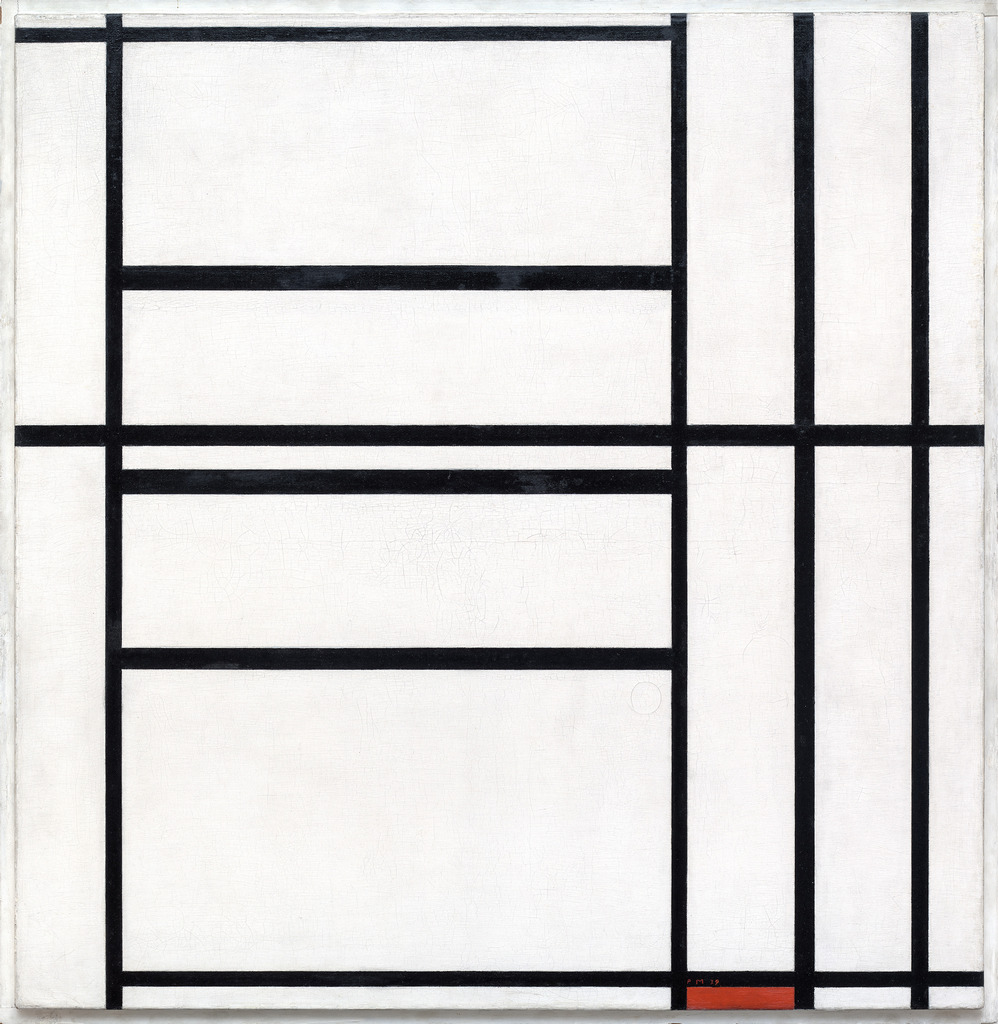
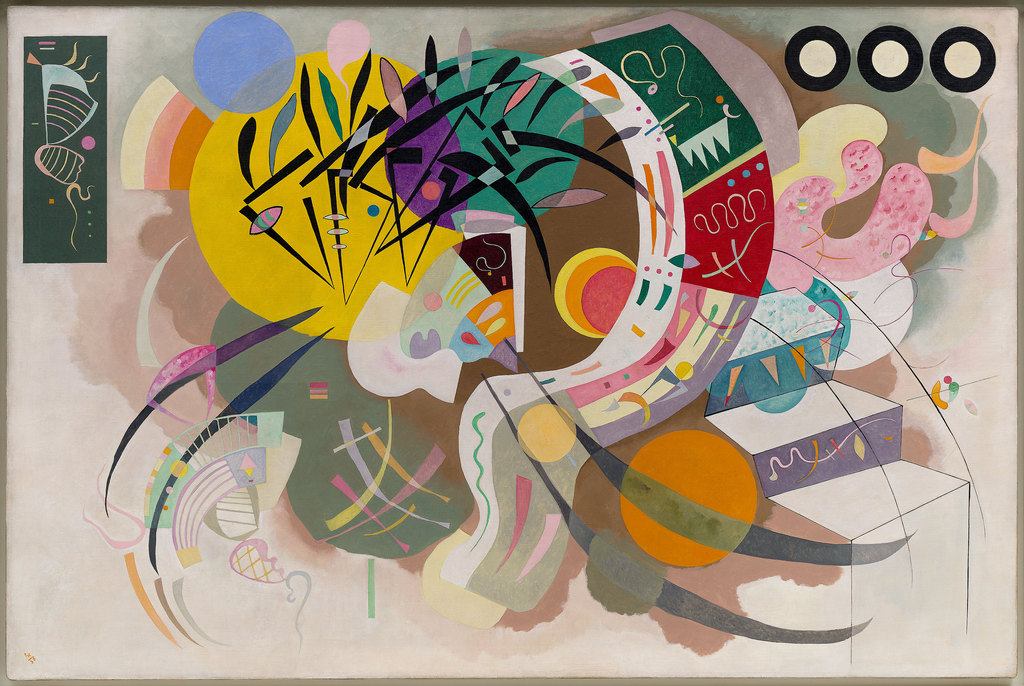
Guggenheim Jeune’s programme deliberately foregrounded artists and movements that British institutions had largely ignored. The gallery presented Kandinsky’s first UK solo exhibition and introduced works by Yves Tanguy, Jean Arp, Salvador Dalí, Piet Mondrian, and others—artists whose experiments in abstraction and Surrealism challenged prevailing tastes. The gallery also staged experimental presentations across media, from collage to ceramics and illustrated books, reflecting Peggy’s conviction that modern art was a living, interdisciplinary practice.
Those eighteen months were formative. Peggy’s London activity became the catalyst for her ambition to found a modern museum, a plan she discussed with figures such as the critic Herbert Read and with artist‑friends who helped shape a list of artists that would later inform her collection. The London programme, its networks, and the controversies it generated taught her how exhibitions could create public appetite and institutional change—lessons she carried into later projects.
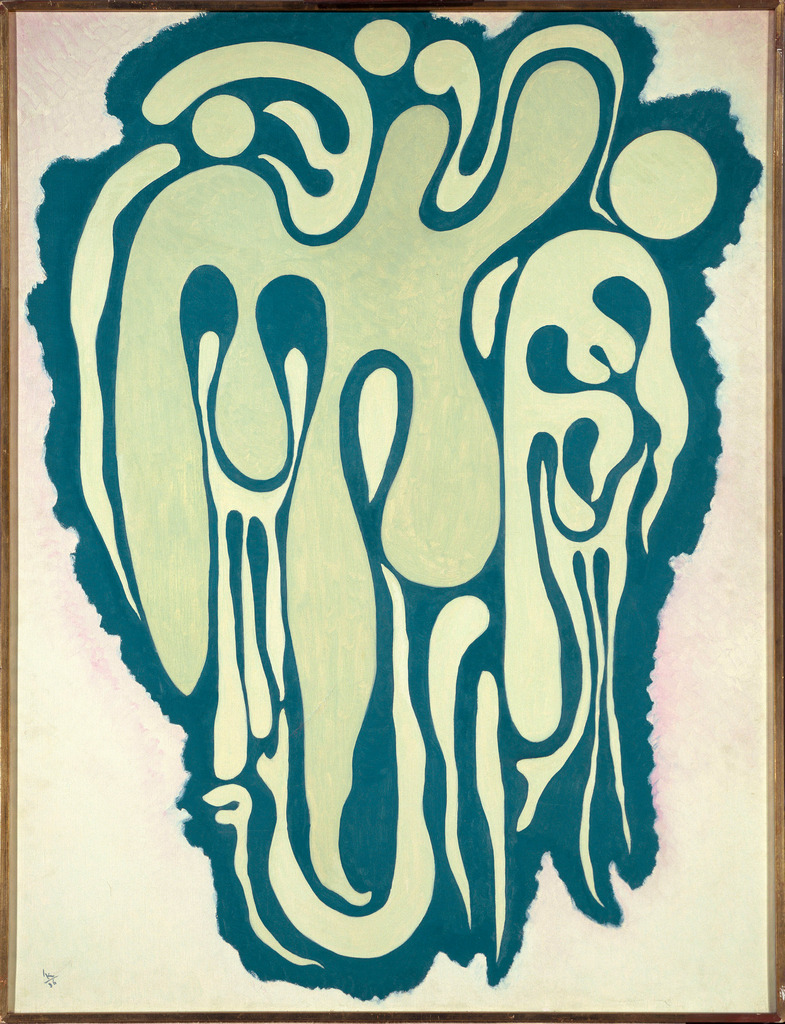
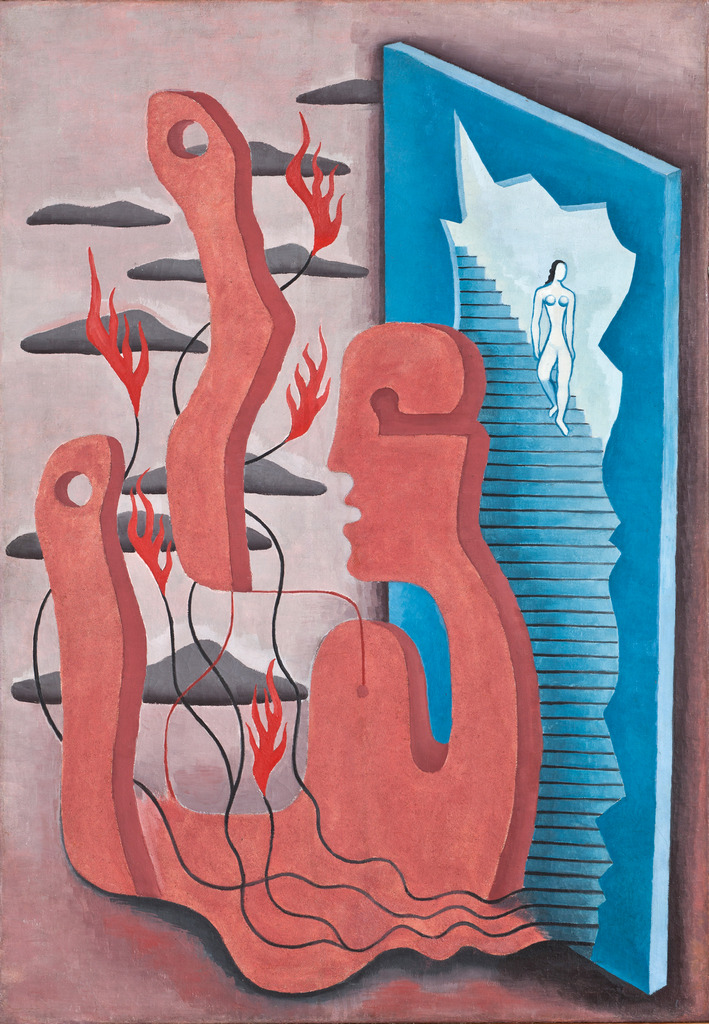
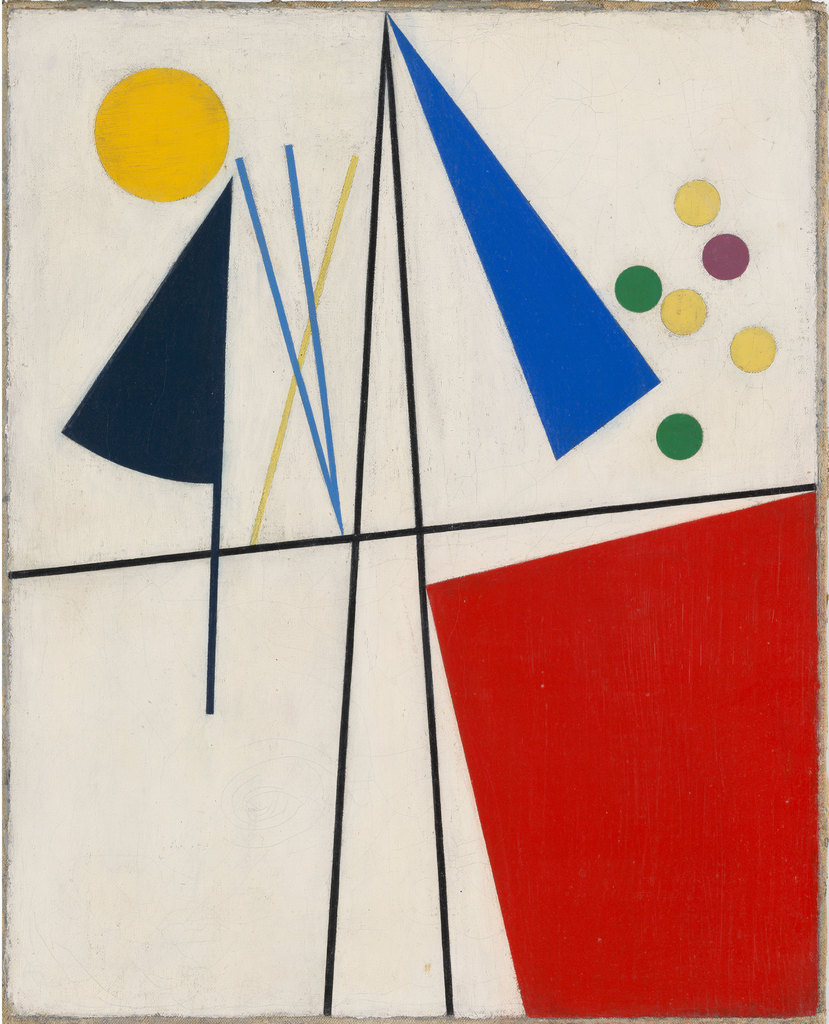
The current exhibition “Peggy Guggenheim in London – The Making of a Collector” reunites key works and archival material from that moment: paintings, sculptures, collages, photographs, and documents that trace Guggenheim Jeune’s short but intense life. Highlights include works by Eileen Agar, Henry Moore, Barbara Hepworth, Rita Kernn‑Larsen, Sophie Taeuber‑Arp, Cedric Morris, and Kandinsky, alongside Surrealist and abstract works that made the gallery a lightning rod for debate. The exhibition is organized by the Peggy Guggenheim Collection in collaboration with the Royal Academy of Arts.
Revisiting Guggenheim Jeune is not an exercise in nostalgia but a reappraisal of how a single, risk‑taking gallery reshaped a national scene on the eve of war. The exhibition demonstrates how curatorial daring, international networks, and a willingness to provoke public debate can accelerate cultural change—and it restores to view a crucial chapter in the making of one of the twentieth century’s most influential collectors.
Key considerations when visiting: look for the archival ephemera that documents exhibition announcements and press reactions; note the cross‑pollination between British and continental artists; and pay attention to the works that caused the most public debate in 1938–39. The exhibition is both a reconstruction and a reinterpretation of a moment when London briefly became a hub of the European avant‑garde.
Photo: Vasily Kandinsky, Dominant Curve, April 1936, Oil on canvas. 129.2 × 194.3 cm. Solomon R. Guggenheim Museum, New York, Solomon R. Guggenheim Founding Collection. Photo: Kristopher McKay © 2025 The Solomon R. Guggenheim Foundation, New York
Info: Peggy Guggenheim Collection, Dorsoduro, 701-704, Venice, Italy, Duration: 25/4-19/10/2026, Days & Hours: Mon & Wed-Sun 10:00-18:00, www.guggenheim-venice.it/