PRESENTATION:Danh Vo-πνεῦμα (Ἔλισσα)
“πνεῦμα (Ἔλισσα)” unfolds as a deeply layered solo exhibition by Danh Vo, an artist whose practice persistently interrogates the entanglement of personal experience with the vast, often invisible infrastructures of global history. Renowned for his meticulous choreography of space, Vo constructs exhibitions that operate not merely as presentations of discrete works but as immersive environments—constellations of objects, references, and affective intensities that evolve through the viewer’s movement. In this sense, the exhibition is less a fixed statement than a spatial and temporal condition, one that demands slow looking and sustained reflection.
By Dimitris Lempesis
Photo: Stedelijk Museum Archive
At its conceptual core, “πνεῦμα (Ἔλισσα)” engages with the notion of human intimacy. However, Vo reframes intimacy not as an isolated or purely emotional domain, but as something structured by external forces—political, historical, and cultural. The exhibition probes how intimacy is mediated through displacement, how it is shaped by migration, memory, and inherited trauma. It asks how individuals navigate systems that both constrain and produce them, and how meaning is constructed in the interstices between belonging and alienation.
Vo’s artistic language, developed over more than two decades, is grounded in the condition of displacement. His own biography—marked by migration from Vietnam to the West—serves as an underlying framework, yet his work resists autobiographical closure. Instead, it operates through fragments, citations, and appropriations that point outward to broader historical narratives. Colonial legacies, religious iconographies, and geopolitical tensions are not presented didactically; rather, they are embedded within objects that carry their traces subtly, often obliquely. This strategy allows Vo to explore how power operates not only through overt domination but also through seduction, assimilation, and desire.
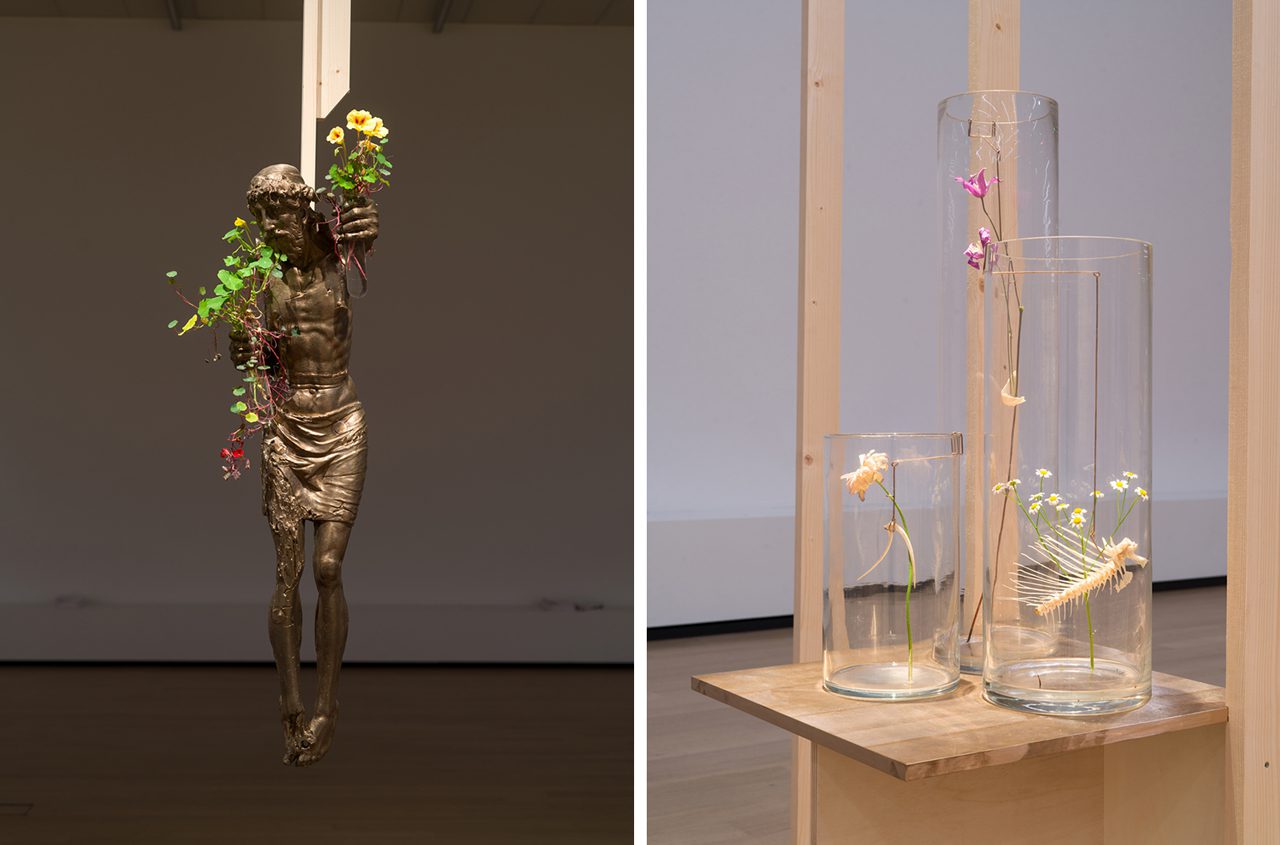
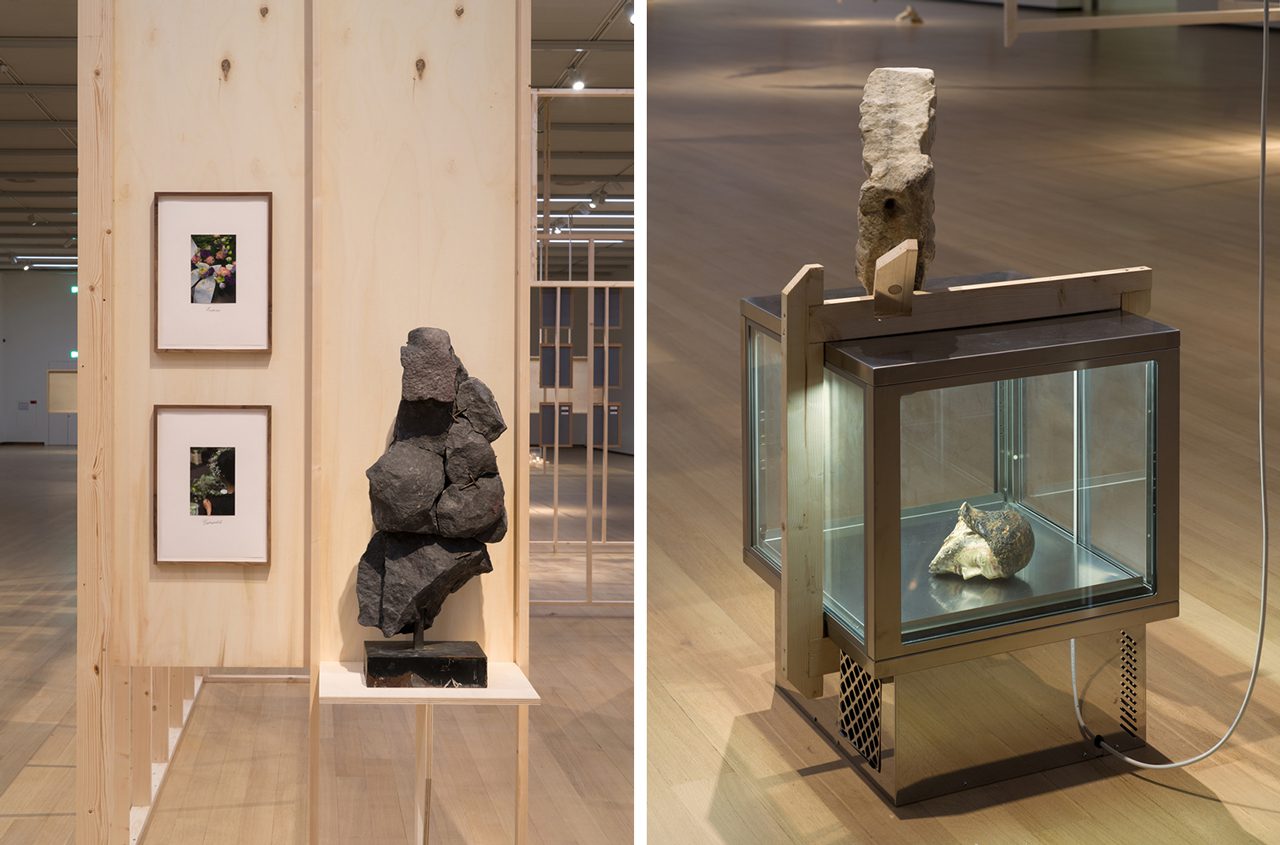
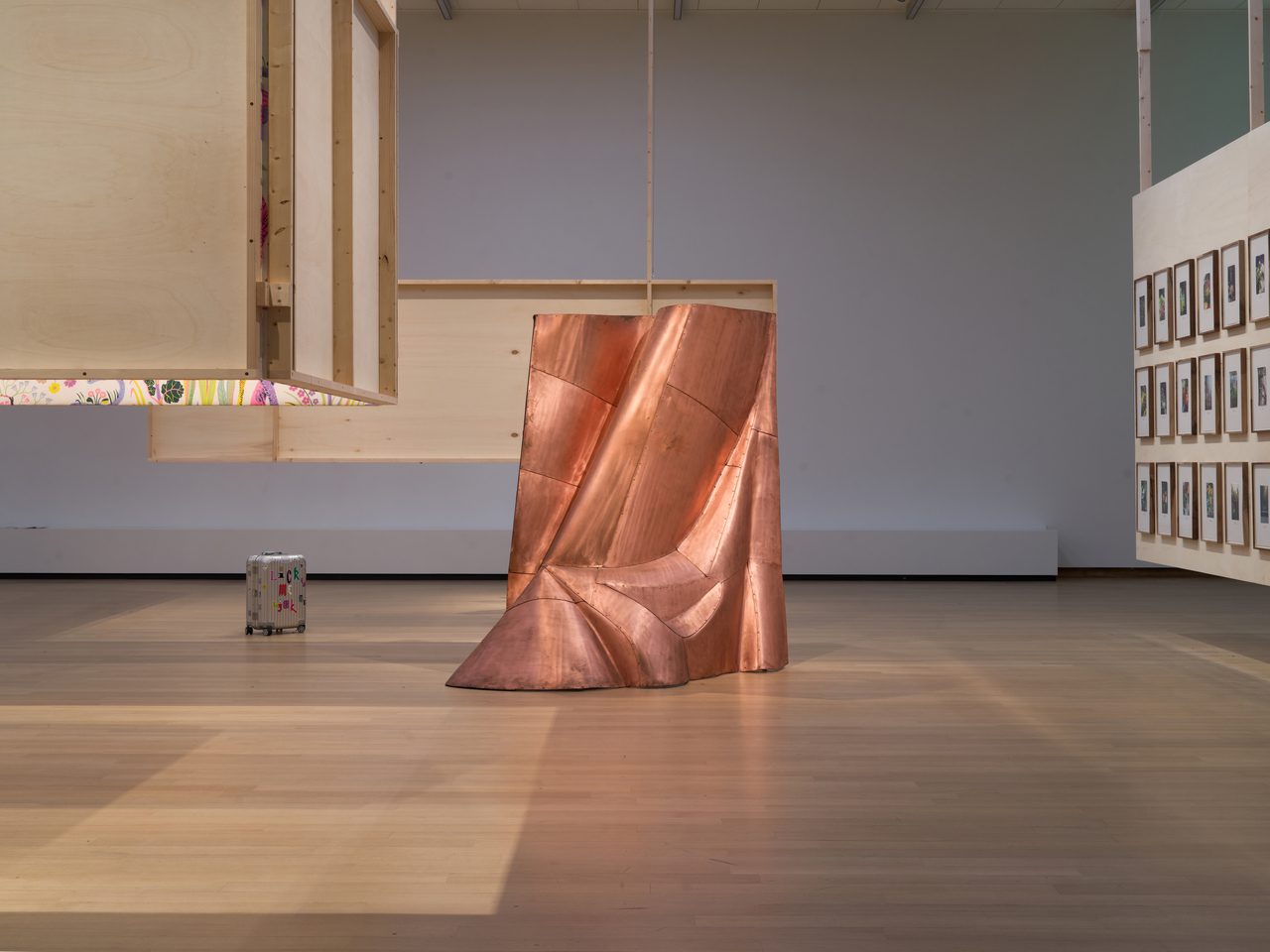
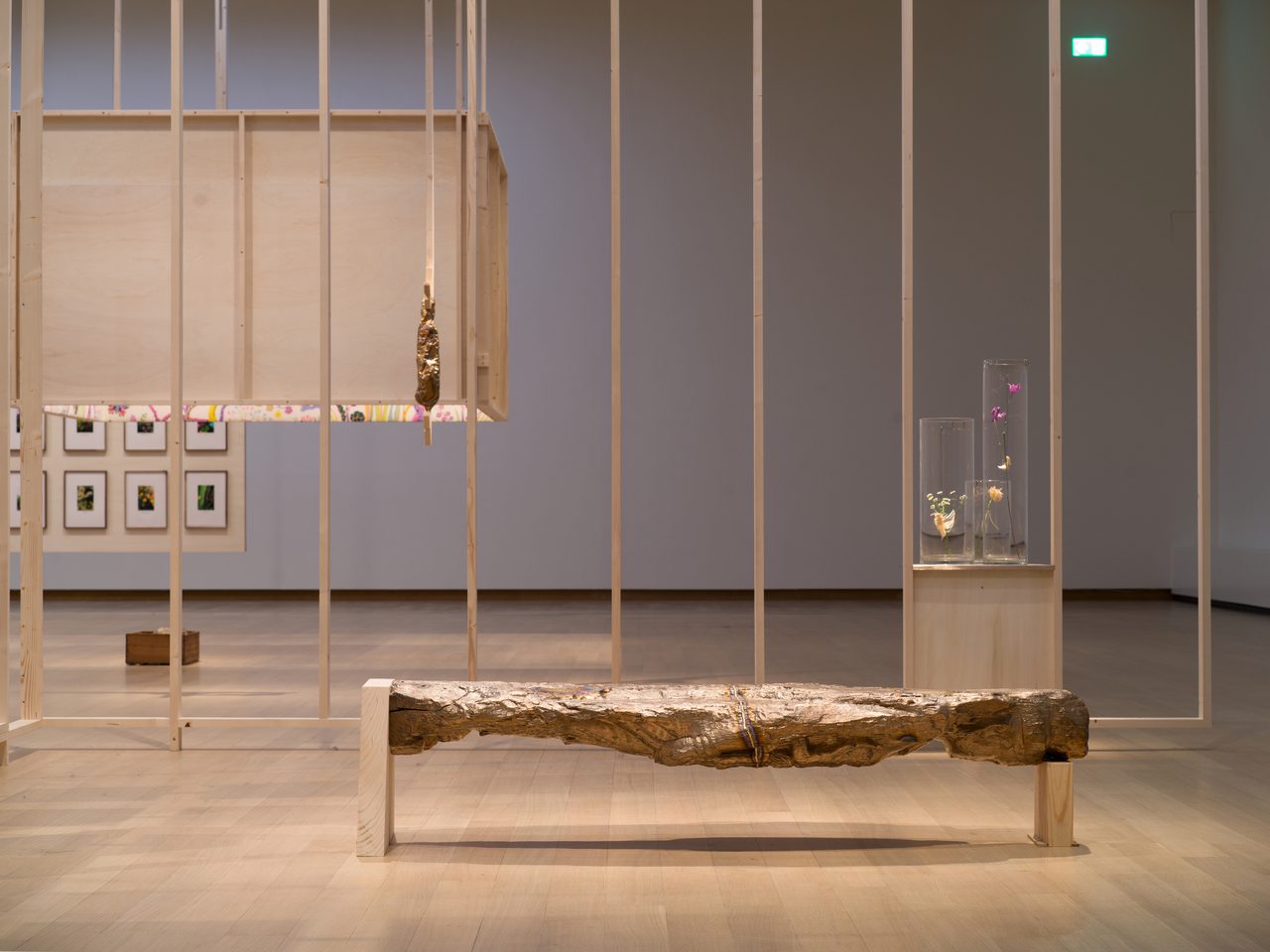
In “πνεῦμα (Ἔλισσα),” these dynamics manifest through a careful interplay of materials and forms. Vo’s sculptures exhibit a refined aesthetic sensibility, with a particular attention to the tactile and symbolic properties of materials such as wood, marble, and copper. These materials are never neutral. Marble may evoke classical antiquity and ideals of permanence; copper may suggest circulation, conductivity, and exchange; wood may carry associations of labor, craft, and organic growth. By mobilizing these materials, Vo constructs a material vocabulary through which histories of power, devotion, and transformation are articulated.
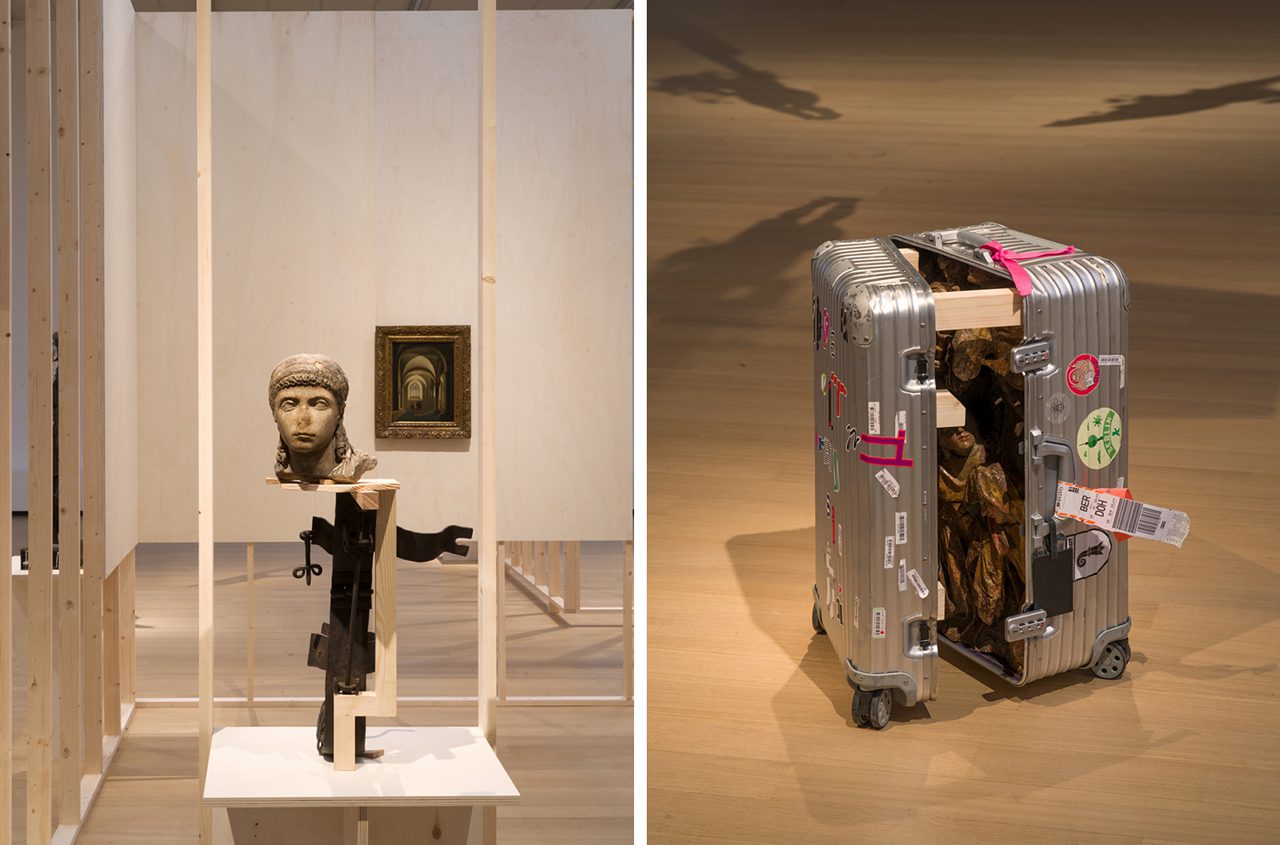
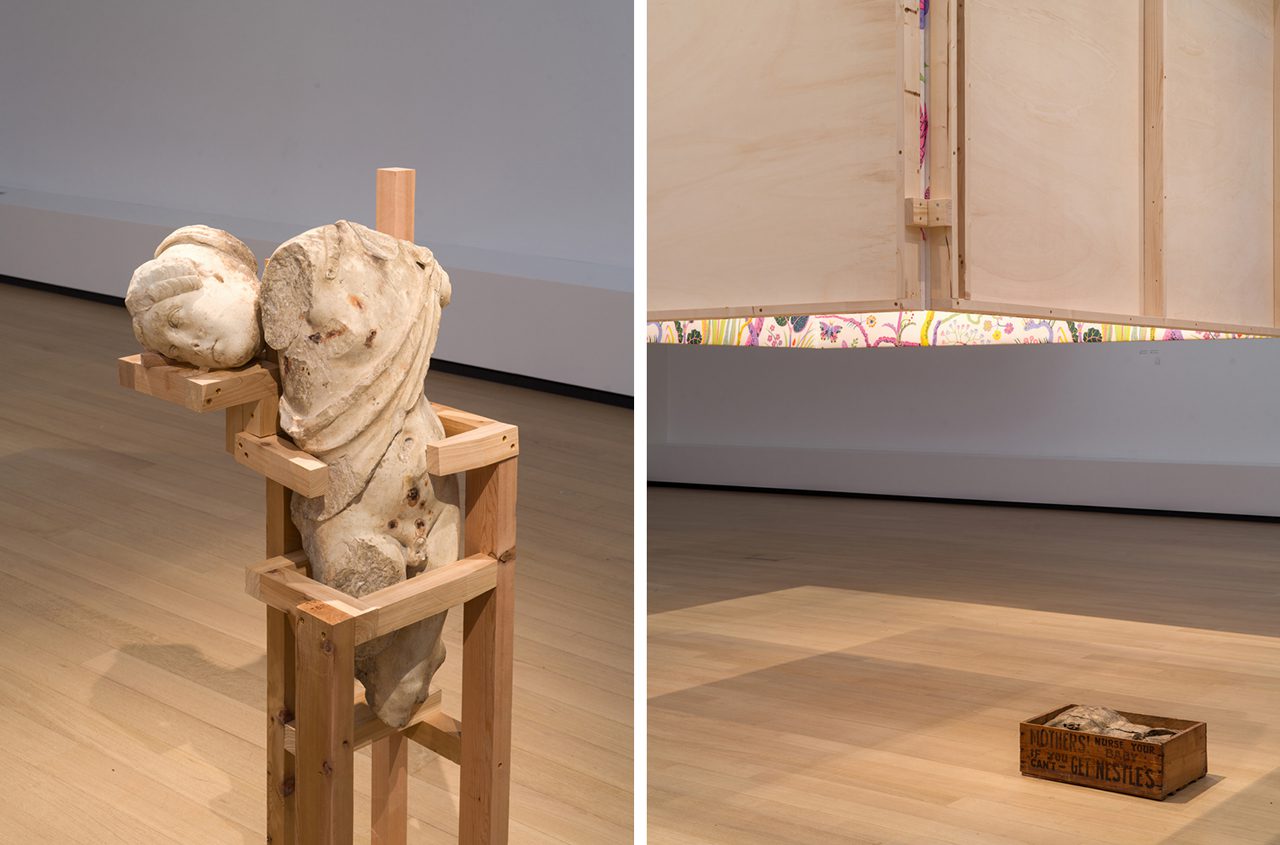
The objects within the exhibition function simultaneously as artworks and as carriers of historical aura. Many appear as fragments—classical remnants, religious relics, or monumental shards—detached from their original contexts and re-situated within Vo’s carefully composed environment. This process of displacement mirrors the thematic concerns of the work itself. Objects, like people, are uprooted, transported, and reinscribed with new meanings. Their surfaces bear the marks of time and movement, suggesting that history is not static but continuously reconfigured.
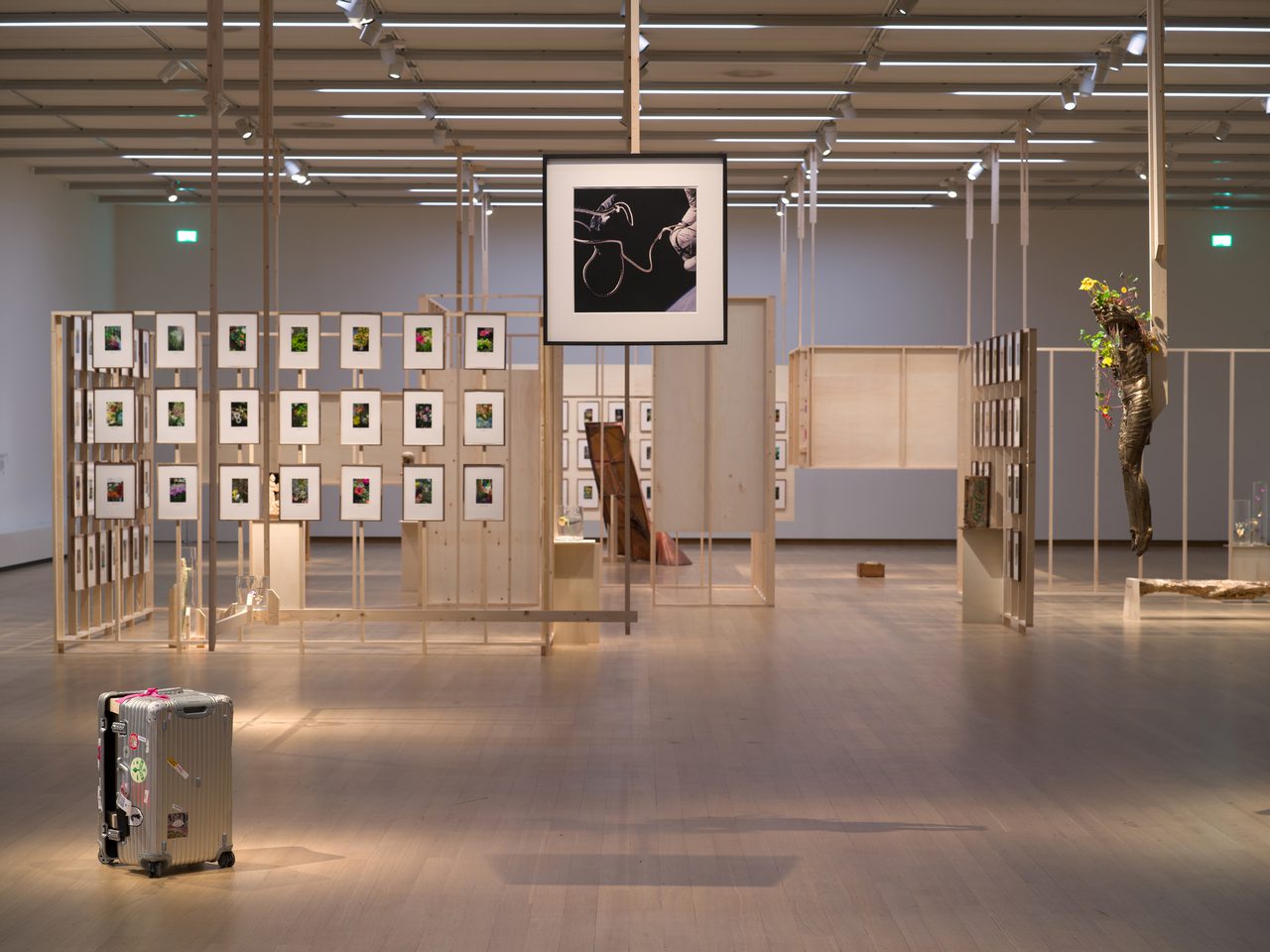
A defining aspect of Vo’s practice is his curatorial approach. He frequently incorporates collected artifacts and works by other artists, dissolving the boundaries between authorship, collection, and exhibition-making. In “πνεῦμα (Ἔλισσα),” this strategy creates a dense network of relationships in which objects speak to one another across temporal and geographic divides. A religious relic may resonate with a contemporary sculpture; a classical fragment may echo a personal narrative. These juxtapositions generate a field of associations that is deliberately open-ended, resisting singular interpretation.
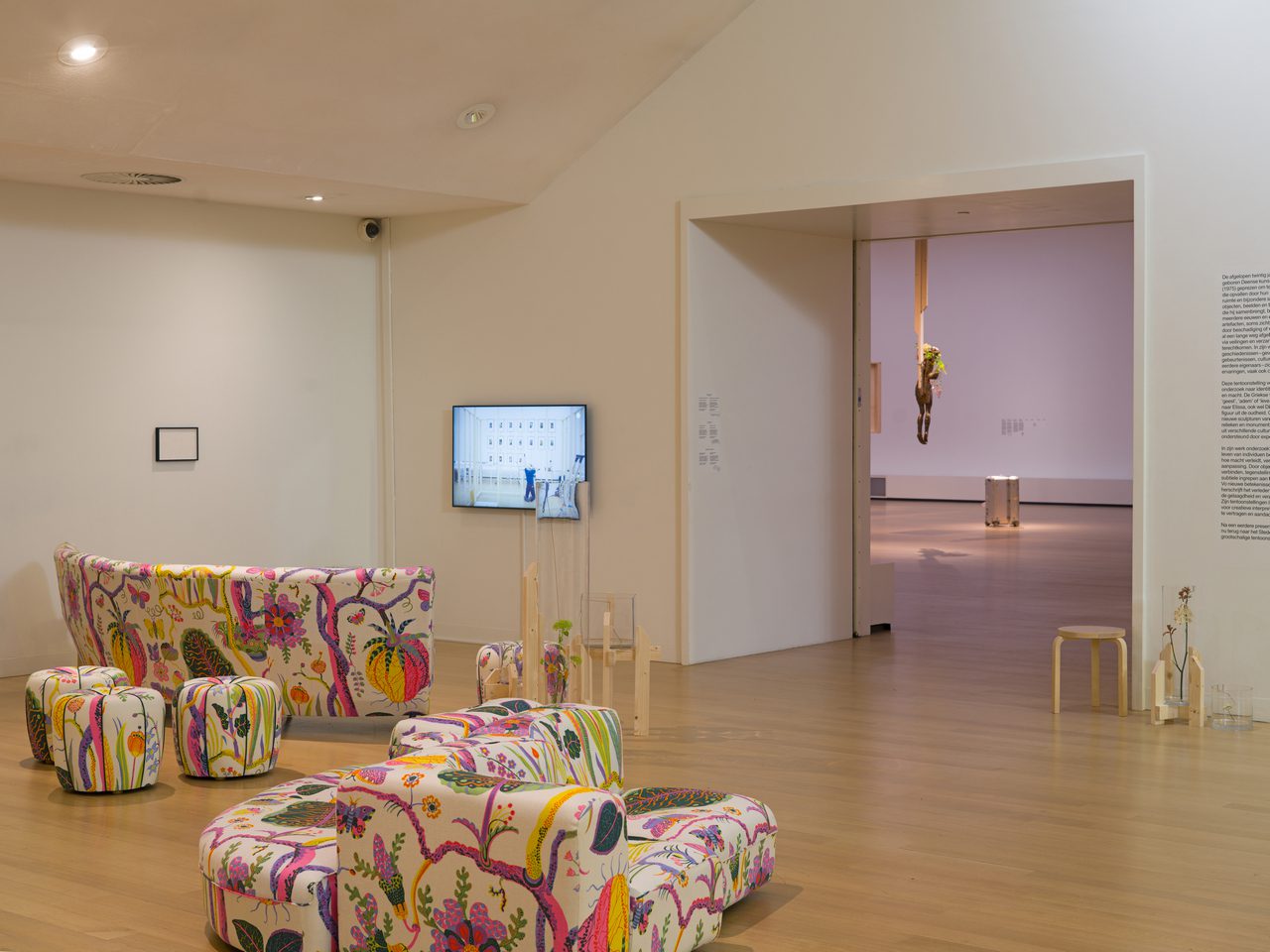
As one moves through the exhibition, spatial perception becomes central. Vo orchestrates the placement of objects with acute sensitivity, allowing for moments of proximity, distance, and interruption. The rhythm of the exhibition is shaped by these subtle shifts: a sudden change in scale, a transition from density to emptiness, or the quiet presence of an object that alters the atmosphere of a room. This spatial choreography encourages a mode of engagement that is bodily as much as intellectual. The viewer becomes aware of their own movement, their own position within the constellation of objects and meanings.
The title itself—“πνεῦμα (Ἔλισσα)”—invokes layered associations. The Greek term “πνεῦμα” (pneuma) can be translated as “breath,” “spirit,” or “vital force,” suggesting an animating principle that moves through bodies and matter alike. “Ἔλισσα” (Elissa), historically associated with the mythic figure of Dido, introduces themes of exile, foundation, and loss. Together, these terms frame the exhibition as an exploration of what animates human experience under conditions of displacement—what persists, what transforms, and what remains unresolved.
Throughout the exhibition, recurring motifs of war, eros, ambition, and faith emerge, not as isolated themes but as interwoven forces. War inscribes itself on bodies and landscapes; eros complicates relations of power and desire; ambition drives both creation and domination; faith offers both solace and structure. These elements are not presented in opposition but as mutually constitutive, shaping the textures of human experience. Vo’s work suggests that these forces leave material traces—imprints that can be read, if not fully deciphered, through attentive engagement with objects.
Importantly, “πνεῦμα (Ἔλισσα)” does not seek to resolve the tensions it presents. Instead, it sustains them, allowing contradictions to coexist. The exhibition becomes a site of negotiation, where meanings are provisional and contingent. This openness is central to Vo’s practice: rather than prescribing a narrative, he creates conditions in which narratives can emerge, overlap, and dissolve.
Ultimately, the exhibition can be understood as a meditation on how history inhabits the present. It proposes that historical forces are not abstract or distant, but intimately embedded in the materials we encounter, the spaces we inhabit, and the bodies we carry. Through his nuanced interplay of form, material, and context, Danh Vo constructs an artistic language that is at once rigorous and deeply affective—one that invites viewers to reconsider the relationships between self and history, object and meaning, presence and absence.
In “πνεῦμα (Ἔλισσα),” the exhibition itself becomes a living structure: a shifting constellation in which objects, geographies, and histories continuously reconfigure. It is within this movement—this quiet, persistent unfolding—that Vo’s work finds its enduring resonance.
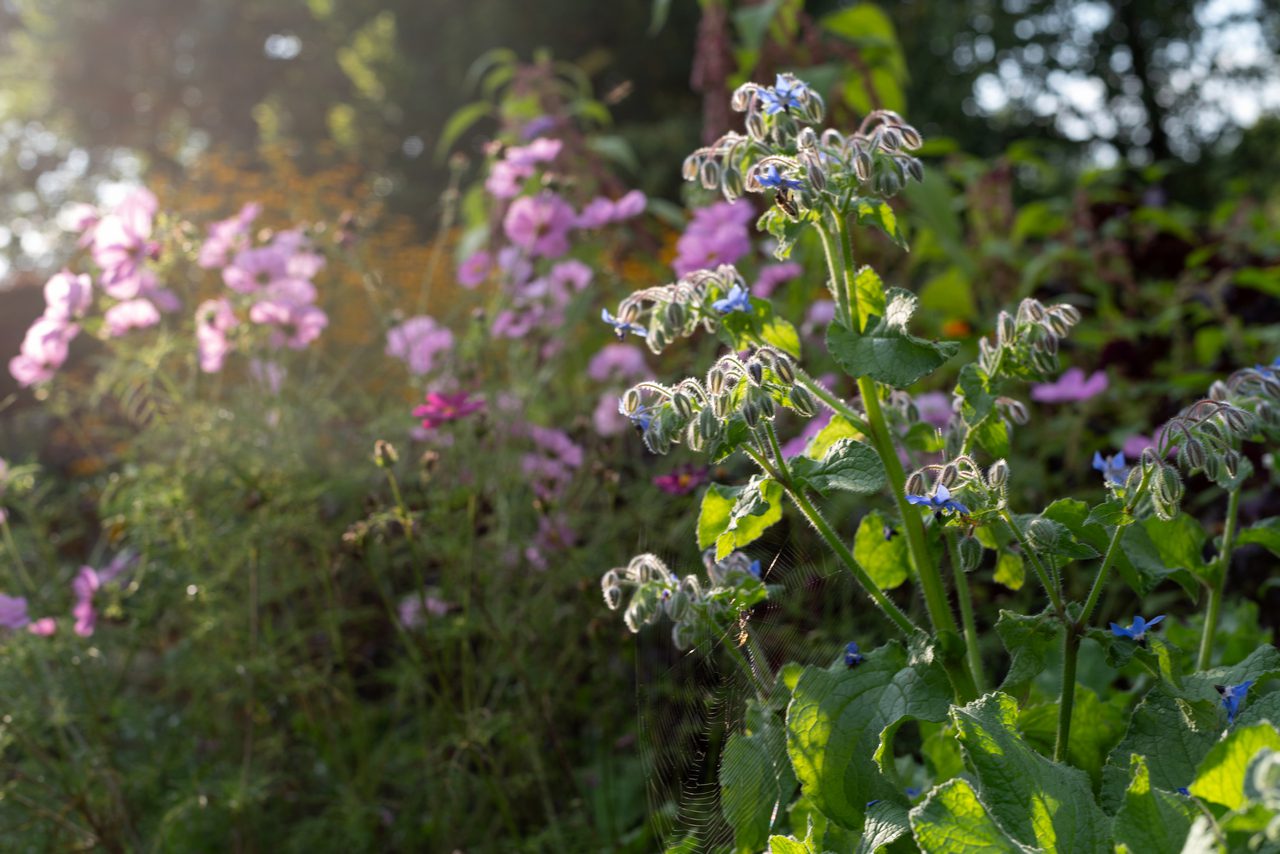
Photo: Danh Vo, Güldenhof summer, 2025. Photo Nick Ash
Info: Curators: Rein Wolfs and Claire van Els, Stedelijk Museum, Museumplein 10, Amsterdam, The Netherlands, Duration: 14/2-2/8/2026, Days & Hours: Daily 10:00-18:00, www.stedelijk.nl/
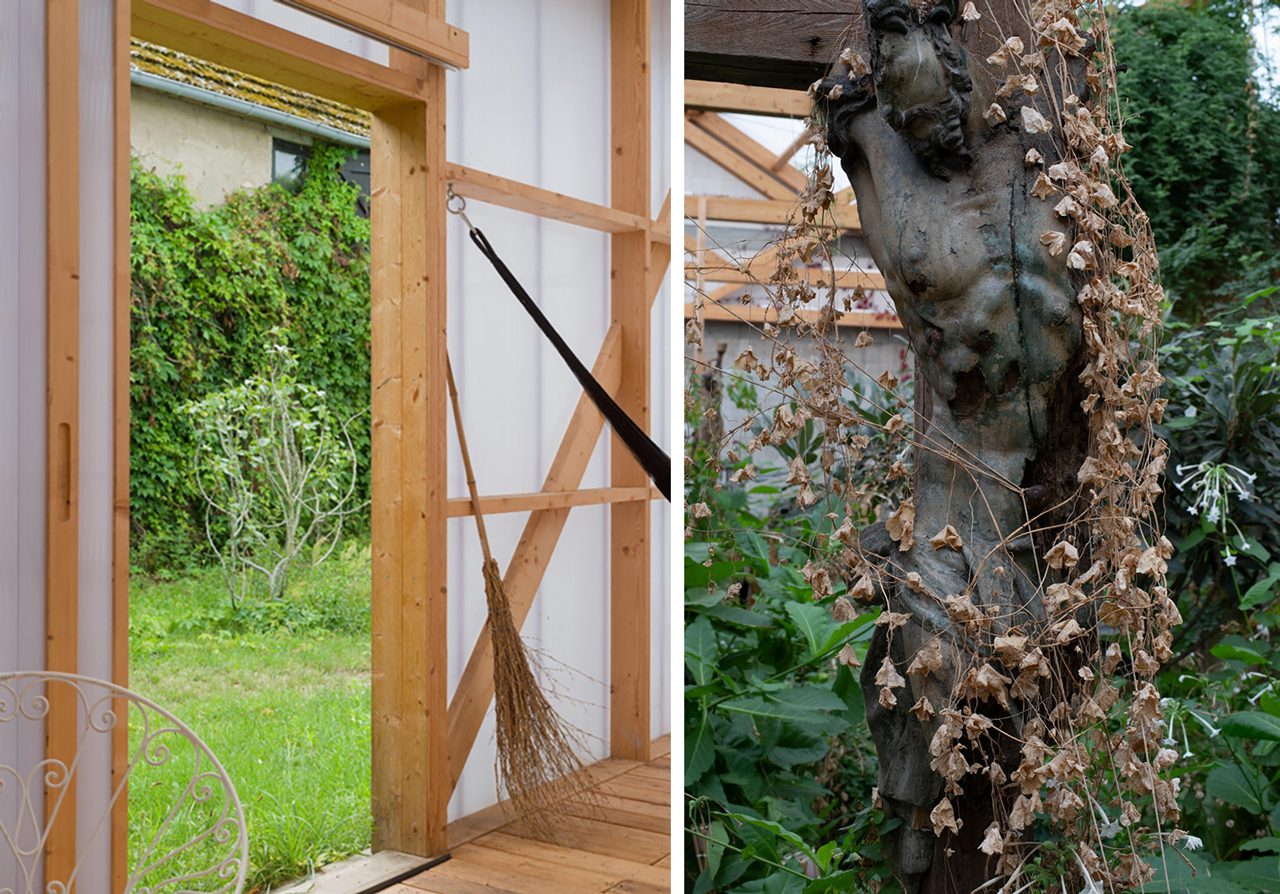
Right: Danh Vo, Güldenhof, autumn, 2024. Photo: Nick Ash
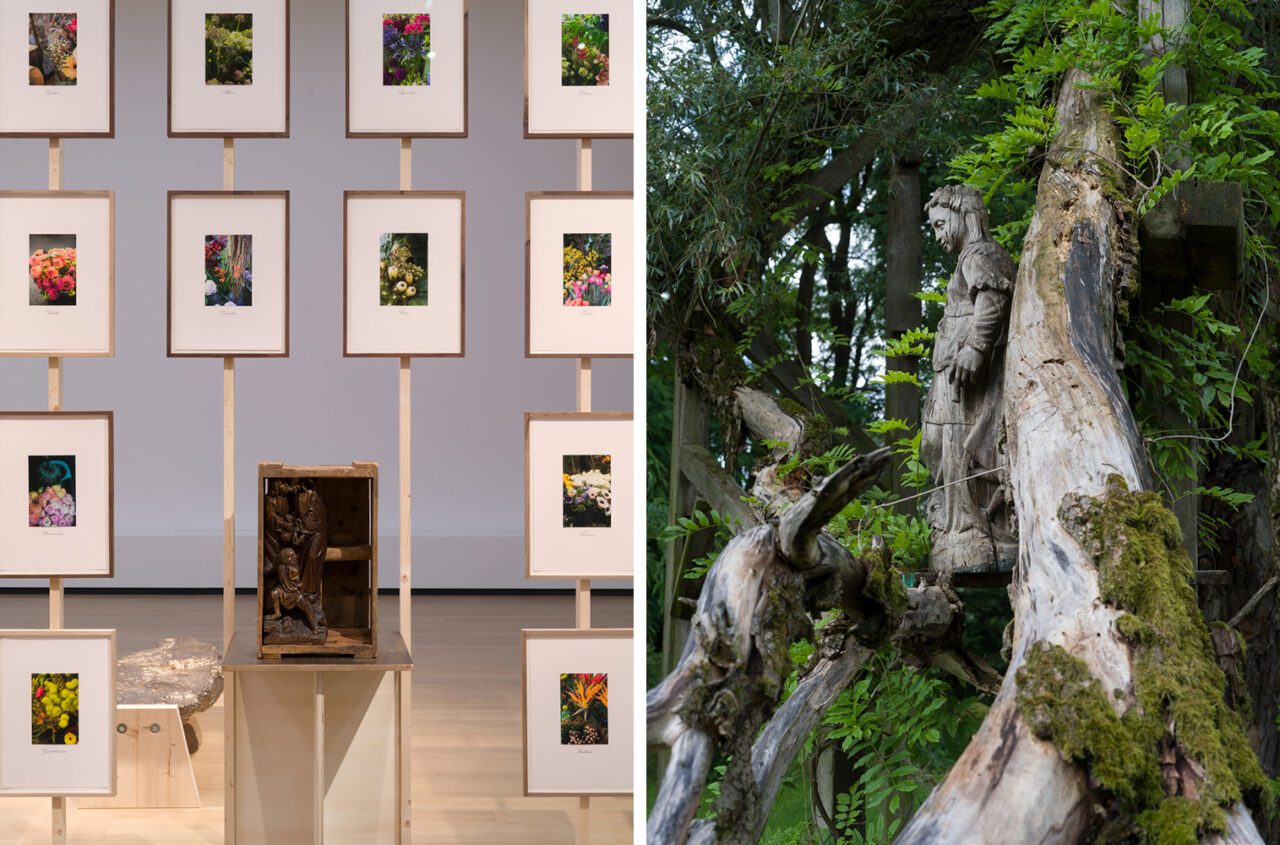
Right: Danh Vo, Güldenhof, 2025. Photo Nick Ash