PREVIEW:Gabrielle-Goliath Bearing
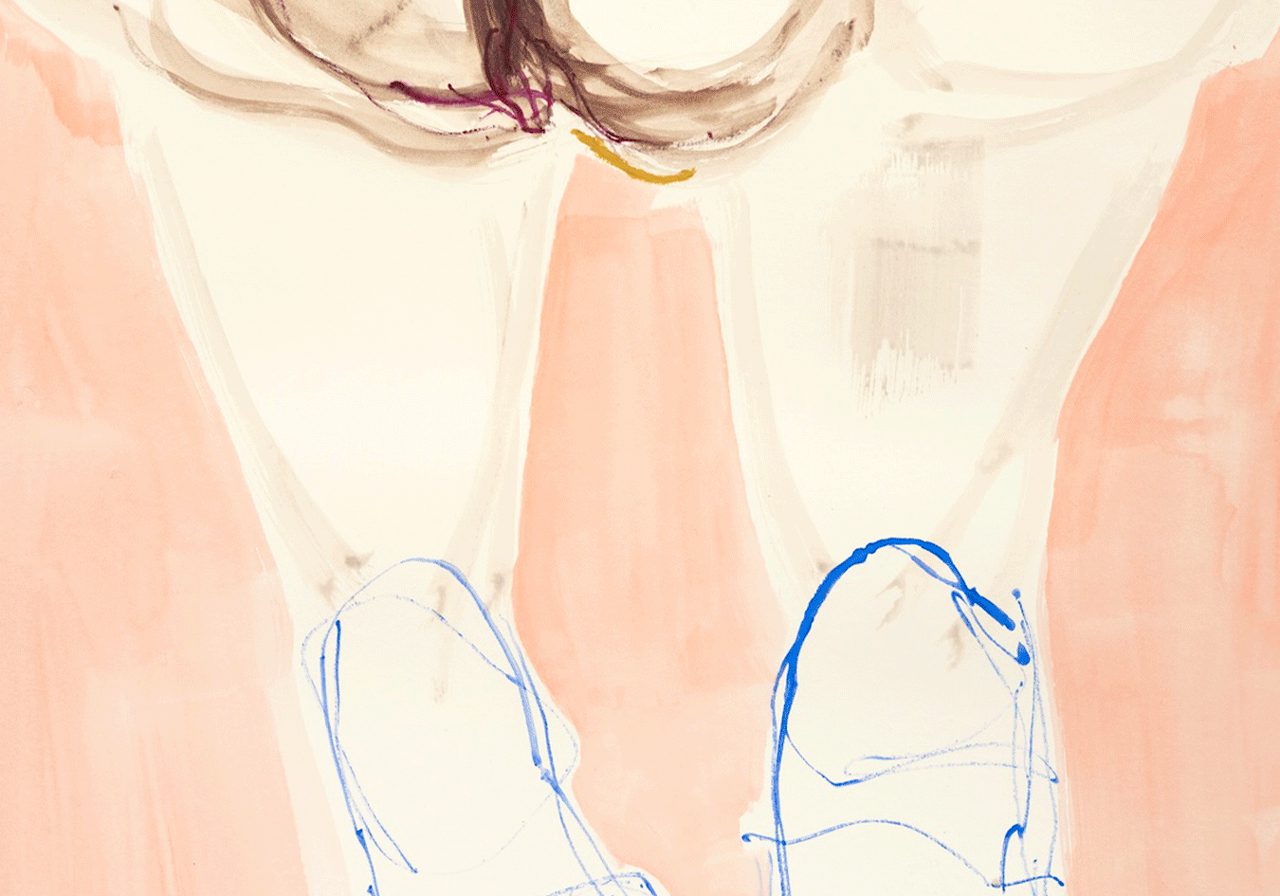
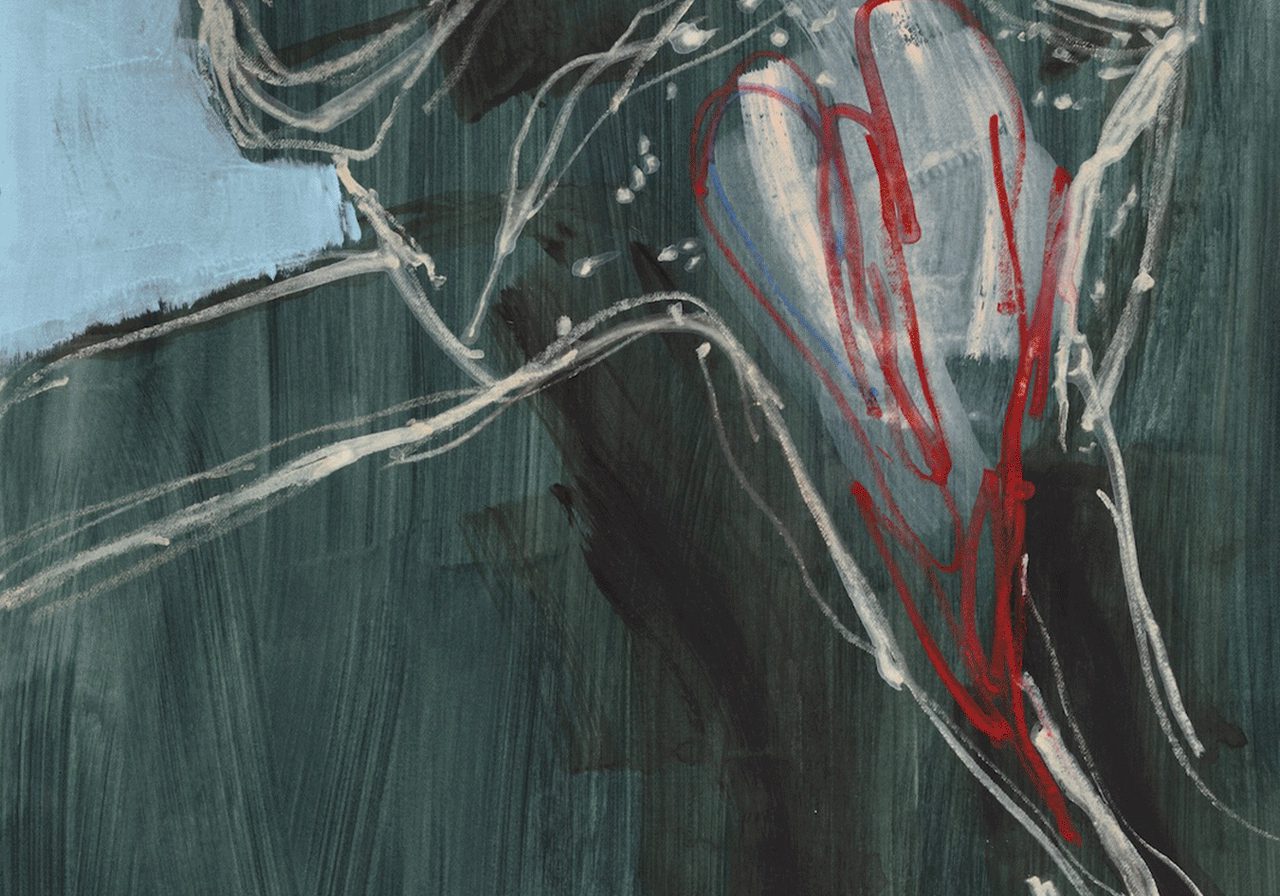
Gabrielle Goliath’s second solo exhibition, “Bearing”, unfolds as an ambitious, spatially expansive presentation that occupies all three spaces of the gallery. This dispersion across multiple environments is not merely logistical; it mirrors the conceptual breadth of the project itself. Each space offers a distinct rhythm of encounter, inviting viewers into a sustained meditation on the layered meanings of “bearing”—a word that Goliath activates as both verb and condition, action and state of being.
By Efi Michalarou
Photo: Raffaella Cortese Gallery Archive
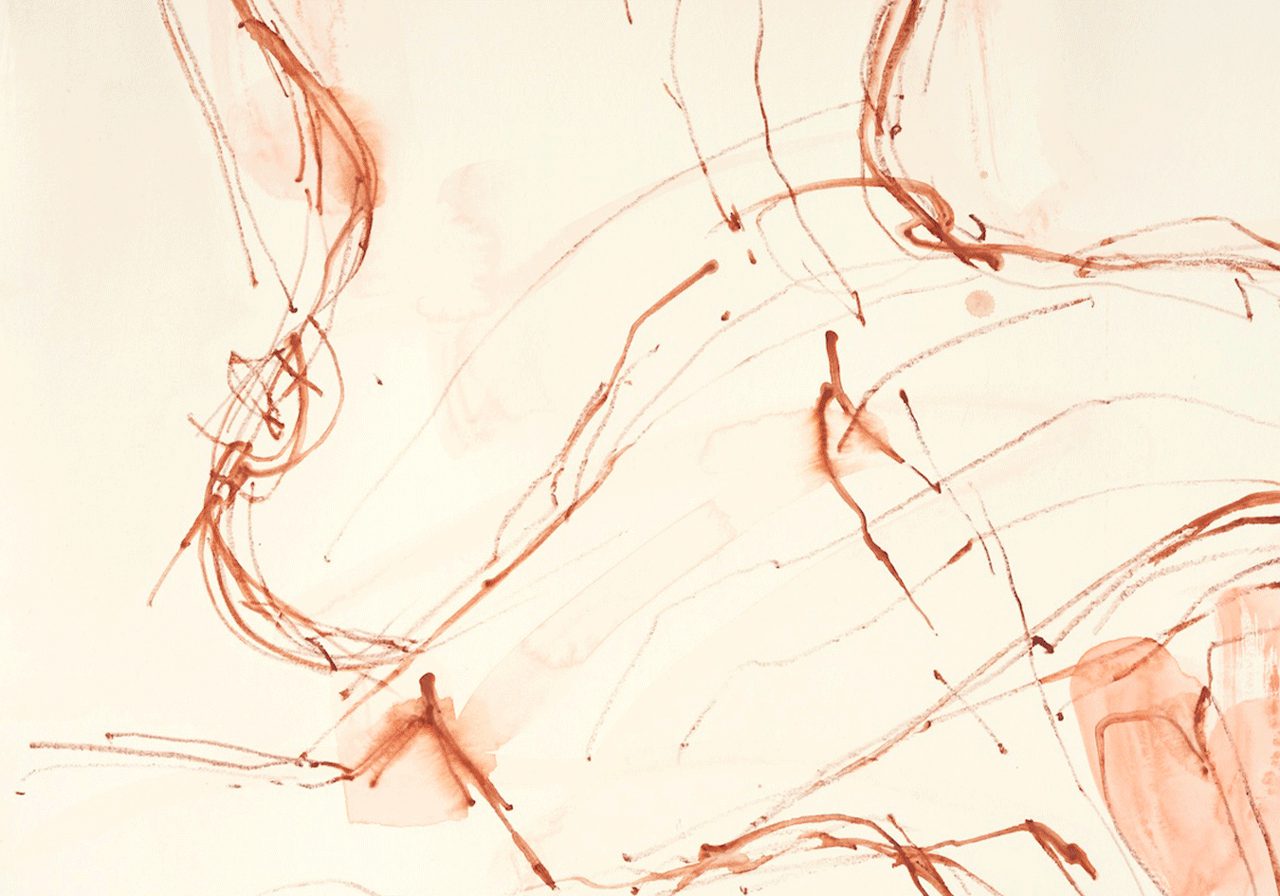
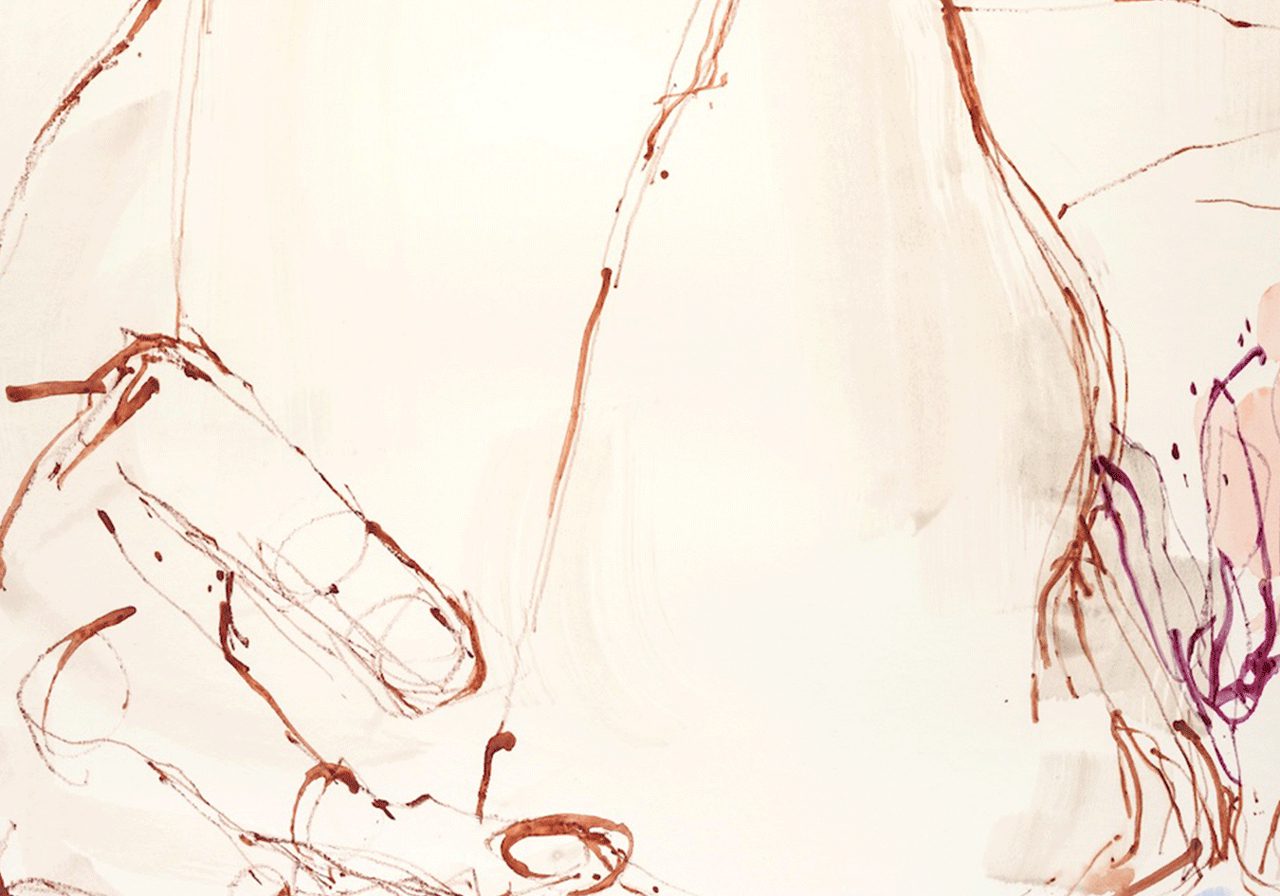
Gabrielle Goliath, widely recognised for her multimedia and research-driven practice, here makes a deliberate return to traditional media. Oils, watercolours, chalk, and pastels form the material backbone of the exhibition, marking a notable shift toward the tactile, the sensorial, and the intimate. This turn to painting and drawing does not signal a departure from her established concerns—mourning, violence, care, and the politics of representation—but rather rearticulates them through a slower, more contemplative visual language. The physicality of these media foregrounds gesture, touch, and duration, embedding within each work a sense of time as lived and endured.
Central to “Bearing” is the artist’s sustained focus on black, brown, femme, and queer bodies. These figures are not presented as passive subjects but as complex sites of negotiation, resilience, and relationality. Goliath’s inquiry—how such bodies continue to carry, birth, and service a world that excludes them—operates both as a critique and as an acknowledgment of lived realities. The works resist easy resolution; instead, they dwell in the contradictions inherent in this condition of “bearing”: the simultaneous experience of burden and beauty, vulnerability and strength.
Formally, the exhibition engages with the historical genre of the nude, a cornerstone of Western art that has long codified ideals of beauty, proportion, and desirability through a Eurocentric lens. Goliath’s intervention is subtle yet profound. Her figures are often softly contoured, their forms emerging through washes of colour and delicate mark-making. Yet this apparent gentleness belies a deeper disruption. These bodies do not conform to the canonical expectations of the nude; rather, they inhabit its margins, occupying what might be understood as its constitutive outside.
In doing so, Goliath exposes the exclusions that underpin the tradition. The bodies she depicts have historically been cast as abject, deviant, or hyper-visible in ways that render them vulnerable to violence. Within “Bearing”, however, these same bodies assert a quiet but undeniable presence. They are neither idealised nor objectified in conventional terms; instead, they are rendered with a profound attentiveness that insists on their specificity and dignity.
A recurring motif throughout the exhibition is that of holding—figures holding themselves, holding one another, or being held within the frame of the work itself. This gesture operates on multiple registers. It suggests care and self-preservation, but also speaks to the labour of maintaining coherence in the face of fragmentation. In a broader sense, it gestures toward forms of collective support and interdependence that challenge the individualising tendencies of dominant visual and social paradigms.
The chromatic language of the works further reinforces this sensibility. Goliath employs a palette that is at once lush and restrained, with colours that seem to both reveal and conceal. Washes of pigment create atmospheres that envelop the figures, blurring the boundaries between body and ground. This dissolution of edges complicates the viewer’s gaze, resisting the impulse to fix or categorise. Instead, the works invite a mode of looking that is धी slower, more attuned to nuance and ambiguity.
Within this painterly framework, Goliath also invokes a distinctly black feminist and queer erotics. This is not an erotics of spectacle or consumption, but one rooted in intimacy, tenderness, and the affirmation of pleasure as a political act. The figures in “Bearing” are not offered up to the viewer; they exist in relation to themselves and to one another, often appearing absorbed in moments of quiet connection. In this way, the exhibition reclaims eroticism as a space of agency and care, countering histories in which such bodies have been hypersexualised or denied the capacity for self-determined desire.
Importantly, the exhibition’s engagement with mourning—an ongoing thread in Goliath’s practice—remains present, though it is refracted through the language of painting rather than performance. There is a sense of absence that permeates the works, an awareness of lives marked by loss, violence, and erasure. Yet this mourning is not immobilising. Instead, it coexists with gestures of survival and endurance, suggesting that to “bear” is also to continue, to persist, to make space for life within conditions that seek to negate it.
The spatial arrangement of the exhibition reinforces these themes. Moving through the gallery, viewers encounter works that vary in scale and intensity, creating a dynamic interplay between proximity and distance. Smaller, more intimate drawings invite close inspection, while larger canvases assert a more immediate physical presence. This oscillation encourages a bodily engagement with the works, aligning the viewer’s movement with the exhibition’s broader exploration of embodiment.
Ultimately, “Bearing” resists closure. It does not offer definitive answers to the questions it raises, nor does it seek to reconcile the tensions it exposes. Instead, Goliath sustains these tensions, allowing them to resonate across the surfaces of her works and within the spaces of the gallery. In doing so, she creates a field of encounter that is at once critical and generative.
What emerges is a powerful reimagining of what it means to “bear.” Beyond its connotations of burden and endurance, the term becomes a site of possibility—a way of naming practices of care, connection, and self-fashioning that persist despite, and in response to, systemic exclusion. Through her nuanced engagement with material, form, and subjectivity, Gabrielle Goliath offers not only a critique of dominant visual cultures but also a proposition: that within the act of bearing lies the potential for holding oneself and others in ways that are sustaining, beautiful, and profoundly transformative.
Photo: Gabrielle Goliath, Courtesy the artist and Raffaella Cortese Gallery
Info: Raffaella Cortese Gallery, Via A. Stradella 7–1–4, Milan, Italy, Duration: 16/4-3/9/2026, Days & Hours: Tue-Sat 10:00-13:00 & 14:30-19:00, https://raffaellacortese.com/