BOOK: Carlo Bernardini-Infinito Riflesso, Silvana Editoriale
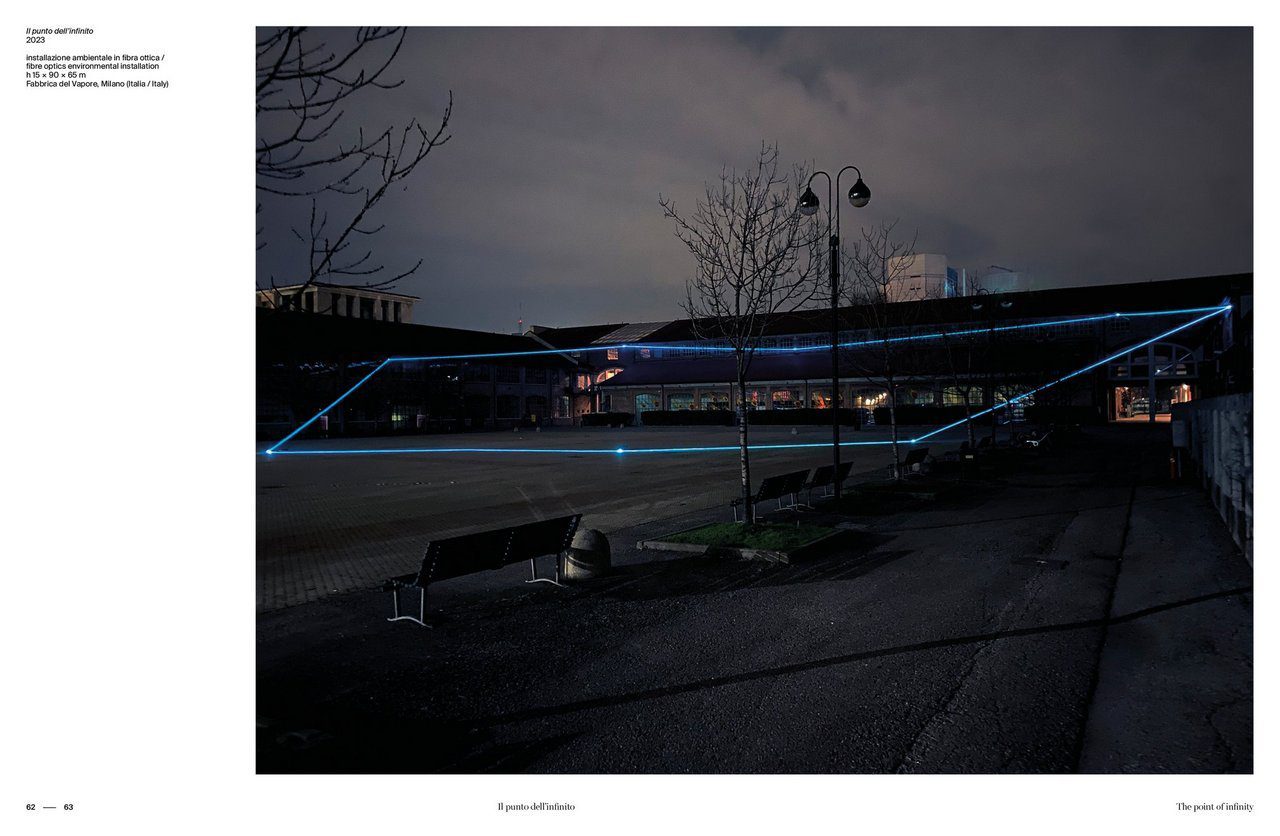
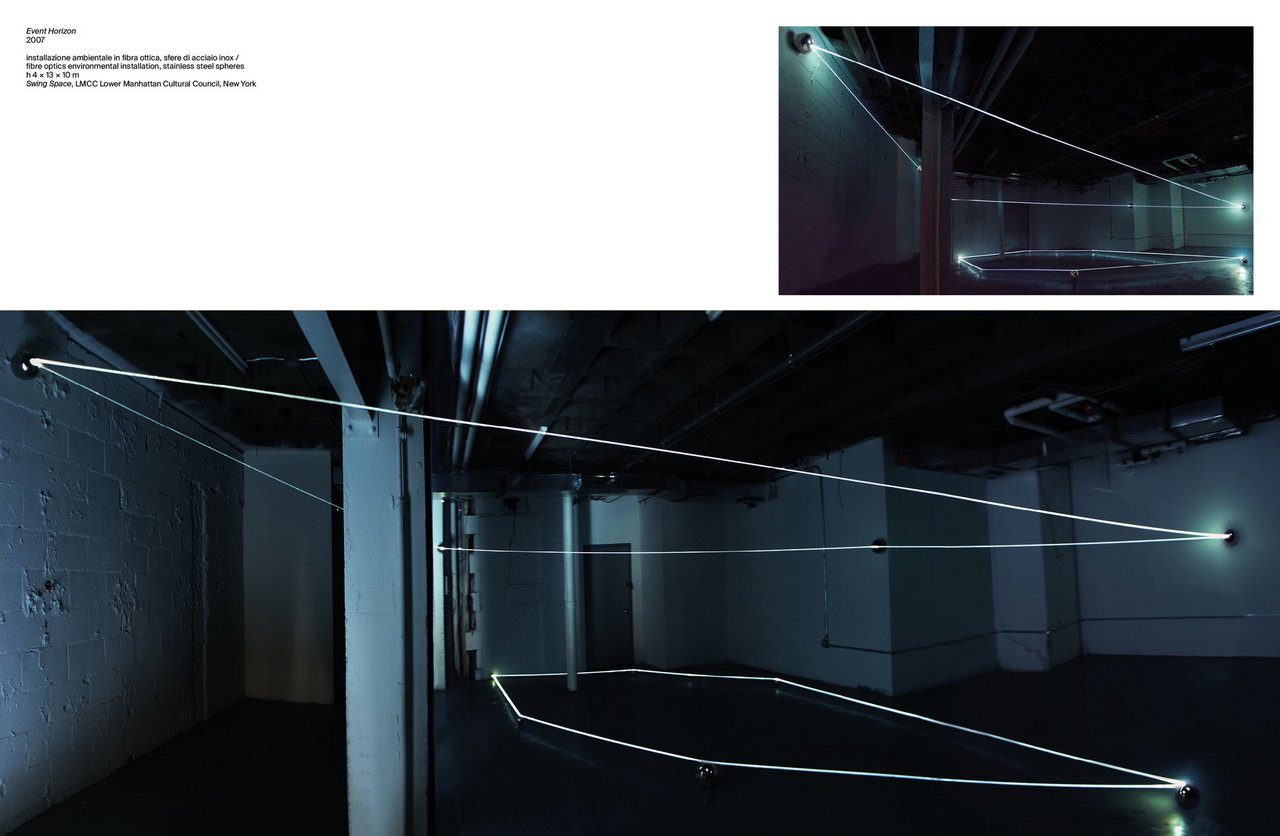
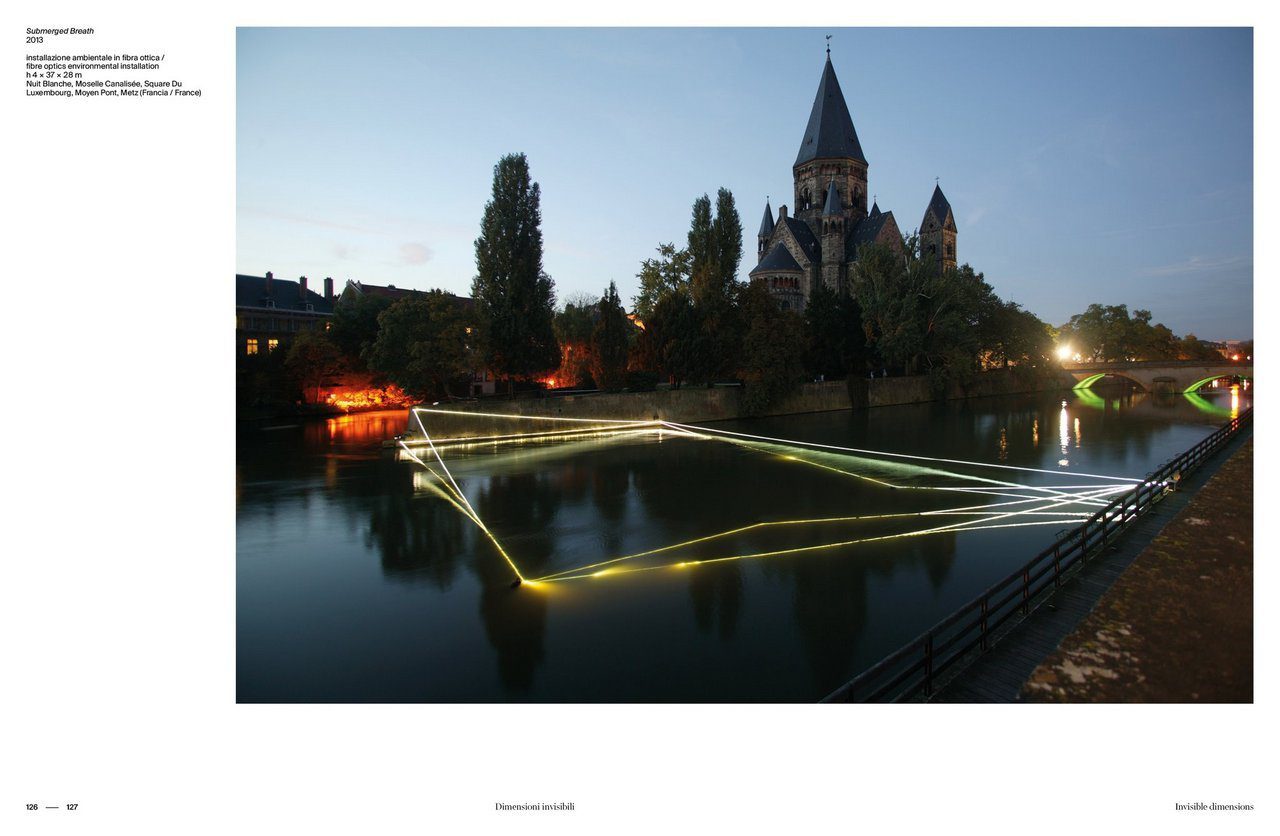
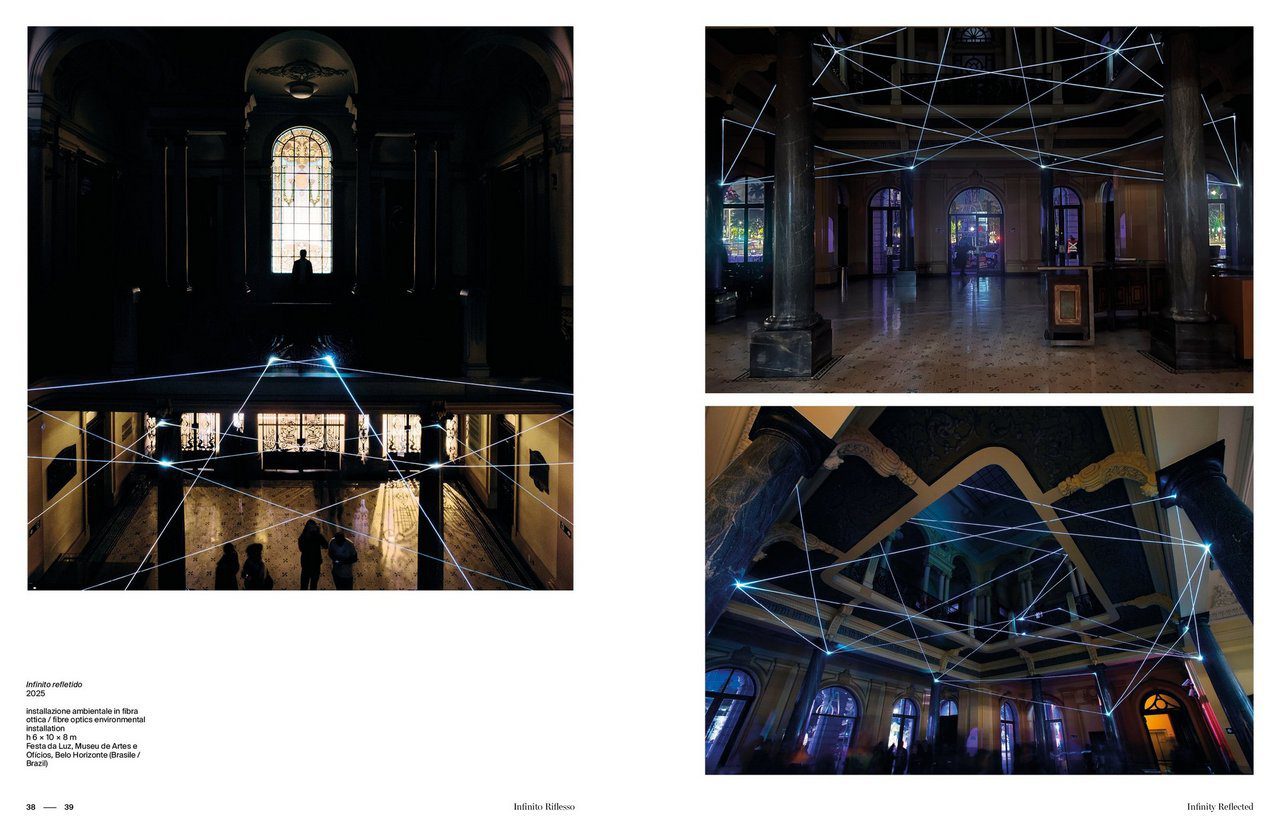
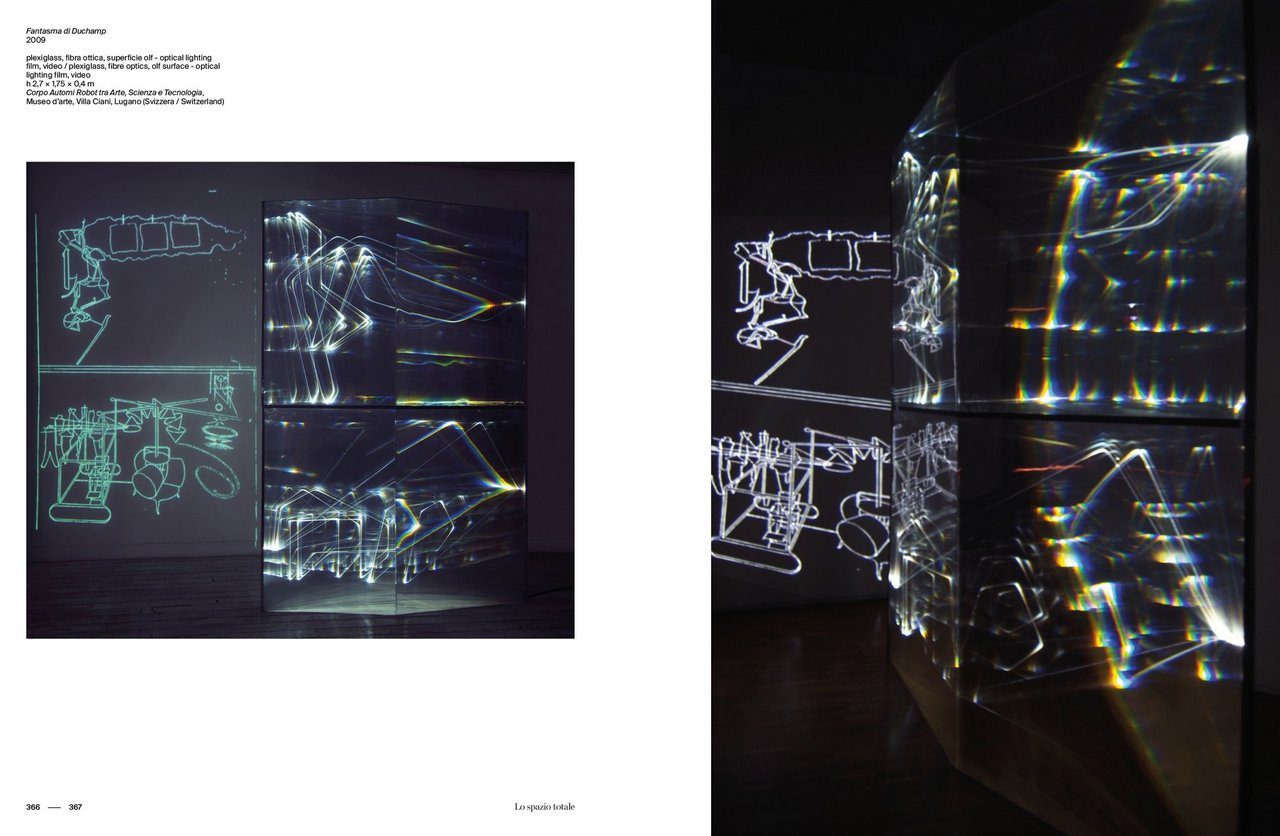
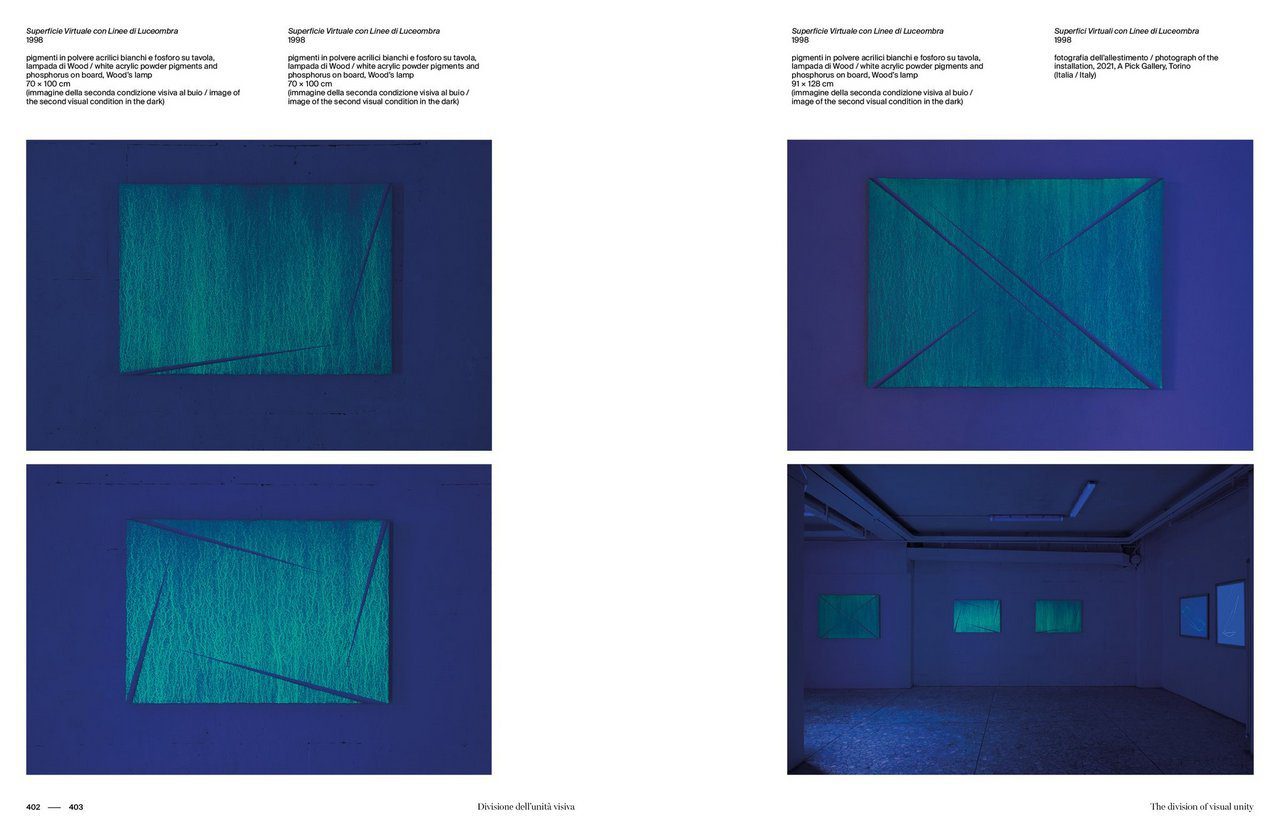
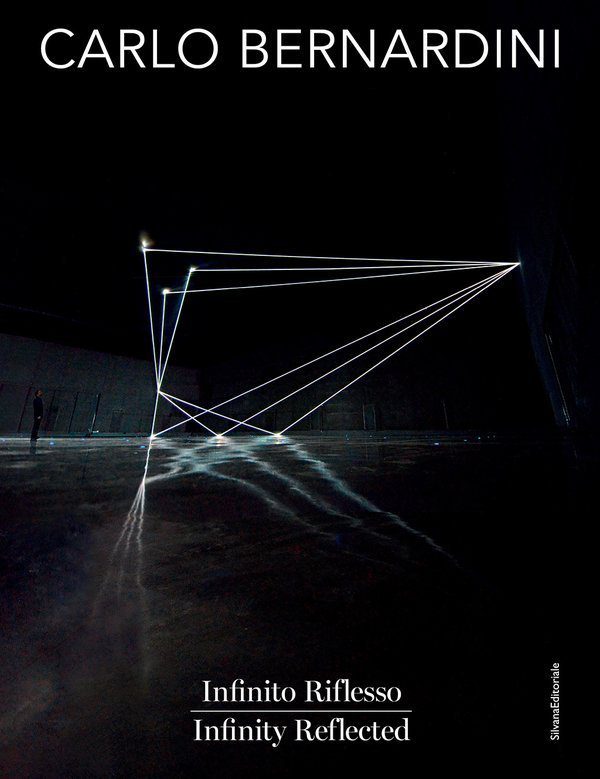 The work of Carlo Bernardini invites the viewer into a perceptual threshold where matter dissolves and space itself becomes the medium. To engage with this monograph is not simply to observe an artistic trajectory, but to experience a conceptual system in which light, void, and geometry redefine the ontology of the visible. At the core of Bernardini’s practice lies a radical rethinking of form: light is no longer an instrument of illumination but a structural agent. It operates as a spatial design—dynamic, relational, and contingent upon the observer’s movement. The spectator is not external to the work but embedded within it, activating its transformations. Through this interplay, the artwork exists as a mutable field rather than a fixed object. The volume, “Infinito Riflesso” by Silvana Editoriale, the first comprehensive monograph dedicated to Bernardini’s work from the late 1990s to the present—maps a rigorous and coherent evolution. Across twelve substantial chapters, it documents a sustained inquiry into abstraction as a process of reduction, a stripping away toward the irreducible essence of the line. Bernardini’s lines are not drawn on surfaces; they are suspended in space, constructed through beams of light that articulate invisible architectures. The publication is richly illustrated, offering visual documentation that captures the ephemeral and site-specific nature of his installations. Complementing this is an extensive anthology of critical texts, situating Bernardini’s practice within broader discourses of contemporary art, phenomenology, and spatial theory. These essays provide analytical depth, addressing how his work engages with perception, immateriality, and the limits of representation. In Bernardini’s own words, “a light drawing is a mental drawing that exploits dark space instead of a surface.” This statement encapsulates his inversion of traditional artistic paradigms. Darkness becomes a “negative sheet,” a volumetric ground upon which light constructs form. The immaterial—shadow, reflection, projection—acquires a paradoxical presence. What is ordinarily beyond perception becomes perceptible, yet remains elusive, oscillating between the real and the illusory. Crucially, Bernardini distinguishes between shadow and light as spatial agents. While shadow can occupy or define surfaces, it cannot traverse space in the same generative way as light. Light alone has the capacity to structure volume, to delineate paths through emptiness, and to render the invisible legible. In this sense, his work aligns with principles akin to relativity—not in a strictly scientific framework, but in the way perception shifts according to position, movement, and relational context. This monograph presents Bernardini’s oeuvre as a disciplined exploration of immaterial construction. It is a study of how perception can be engineered, how space can be drawn, and how light—ephemeral and intangible—can become the most precise and rigorous of artistic tools.