BOOK:Companion (2022), White Cube Gallery
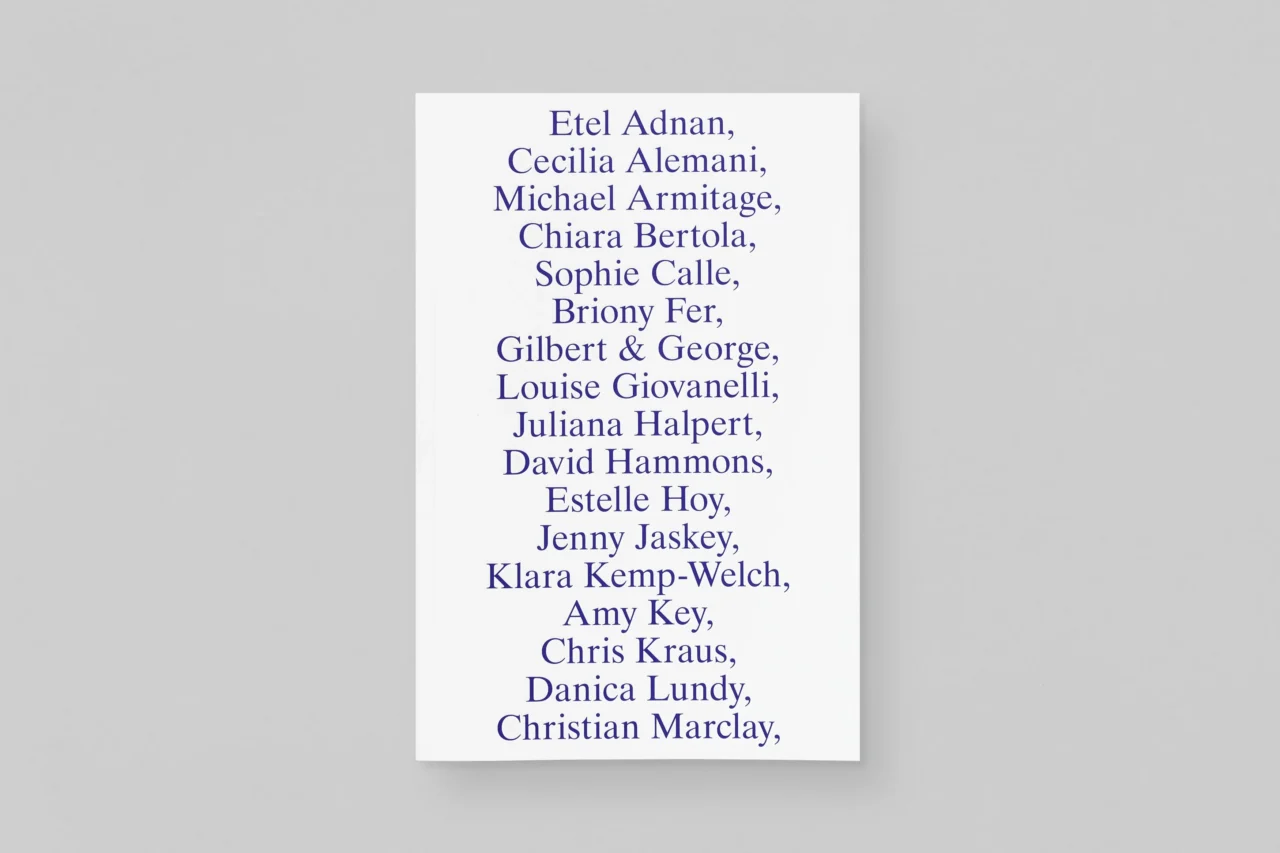
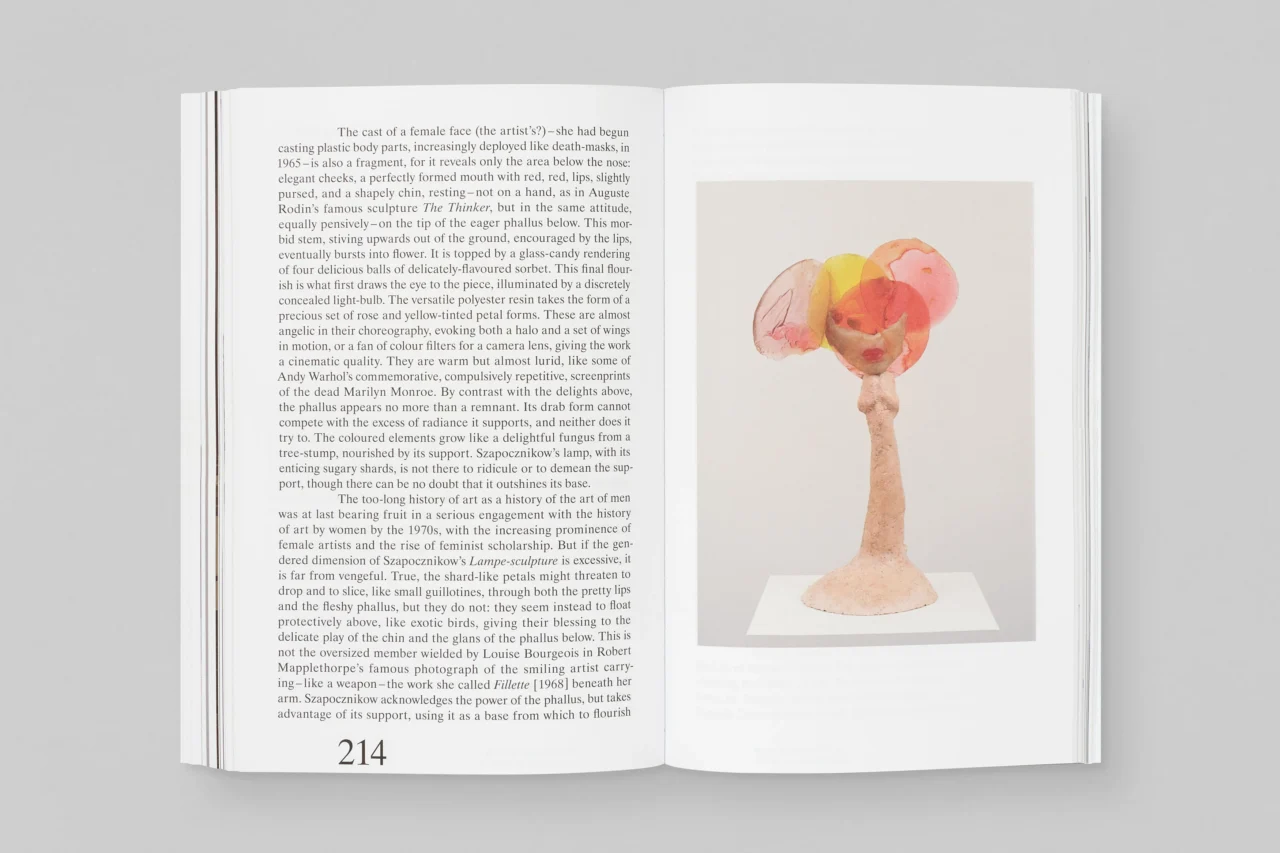
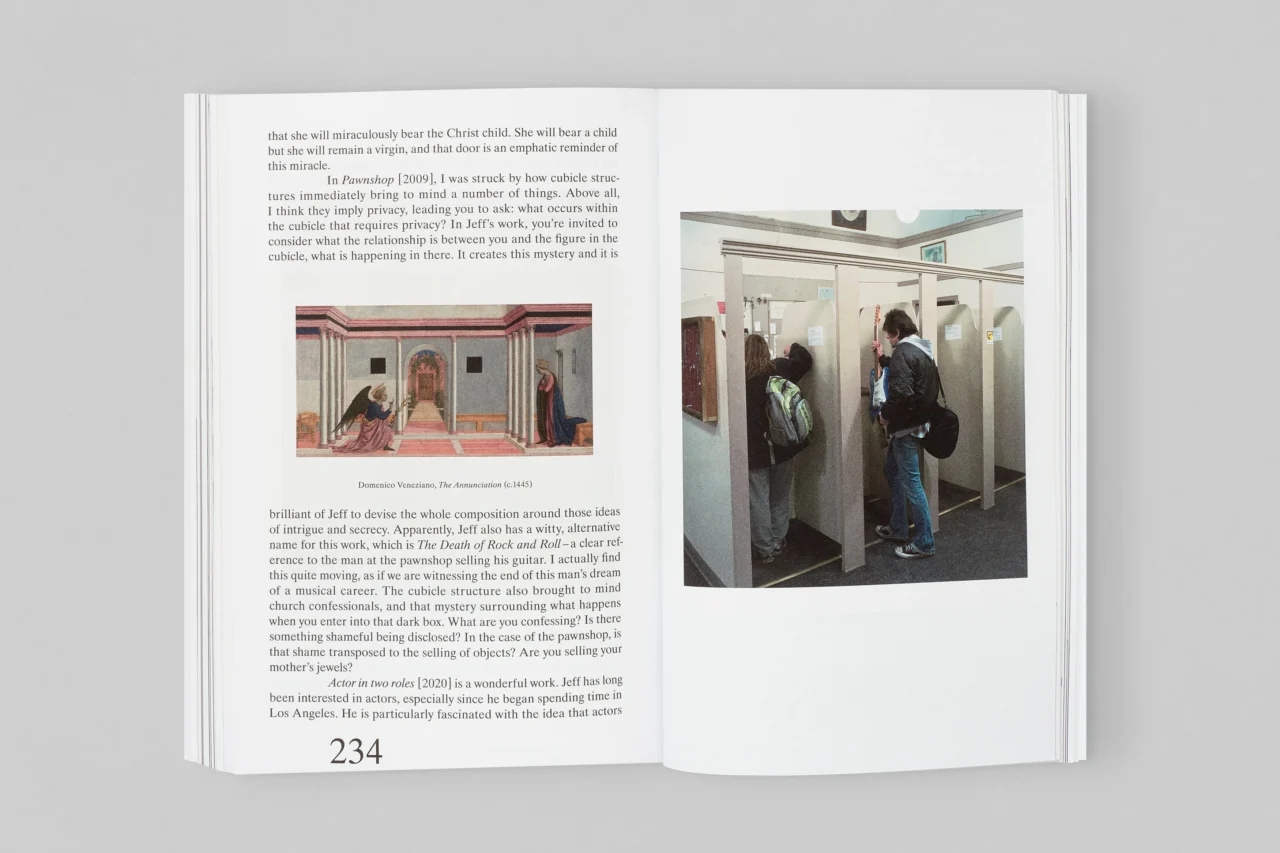
“Companion” the annual anthology produced by White Cube, functions as both archive and active site of artistic discourse, assembling a wide-ranging constellation of visual and textual practices into a single, carefully curated volume. Rather than merely documenting artistic output, the publication constructs a layered ecosystem of voices—artists, writers, and thinkers—whose works intersect across themes of materiality, desire, absence, and perception.
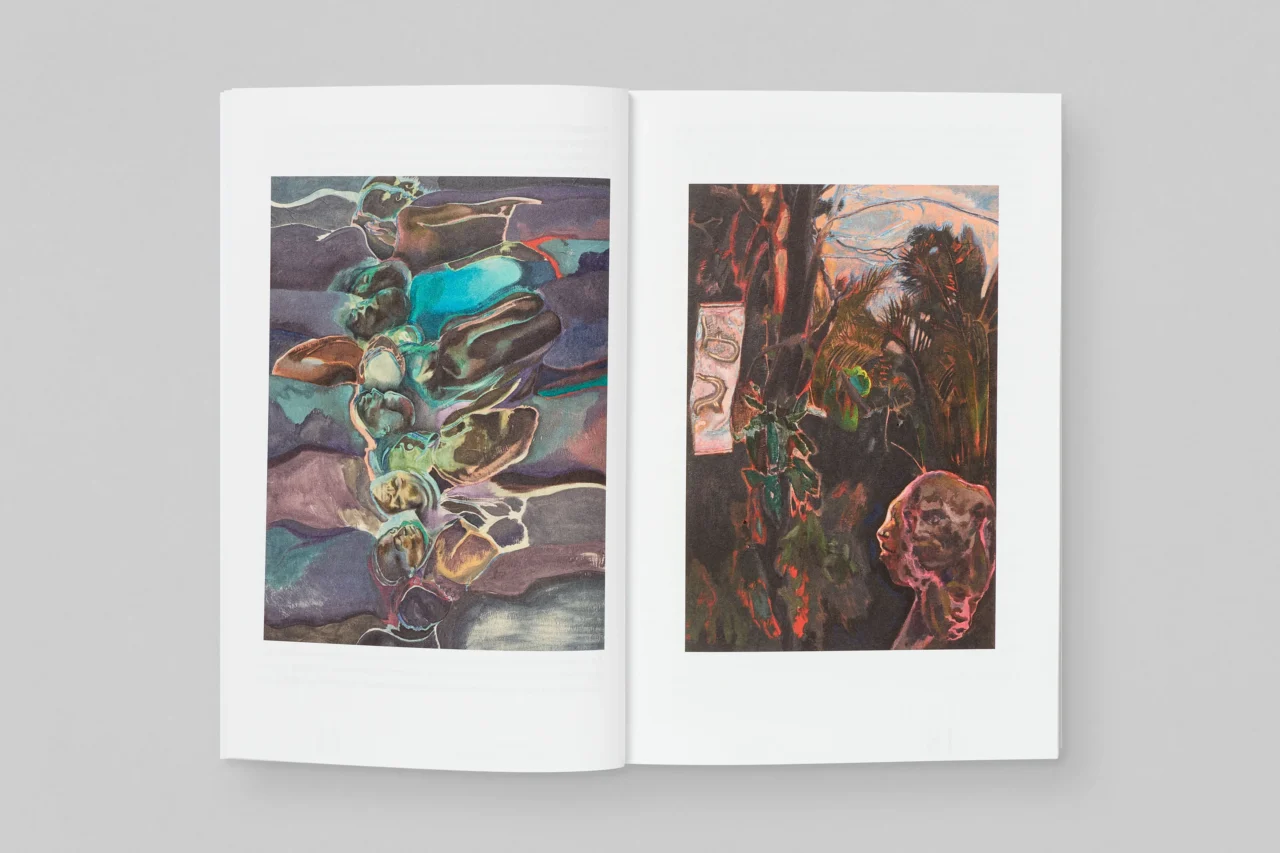
At its opening, the anthology establishes an intimate tone through an epistolary text by artist Nakhane. Commissioned alongside Michael Armitage’s 2022 exhibition “Amongst the Living”, the piece navigates the emotional terrain of queer romance, tracing the entanglements of longing, guilt, and shame. This personal mode of address sets the stage for a publication that consistently privileges subjectivity and vulnerability as legitimate forms of inquiry.
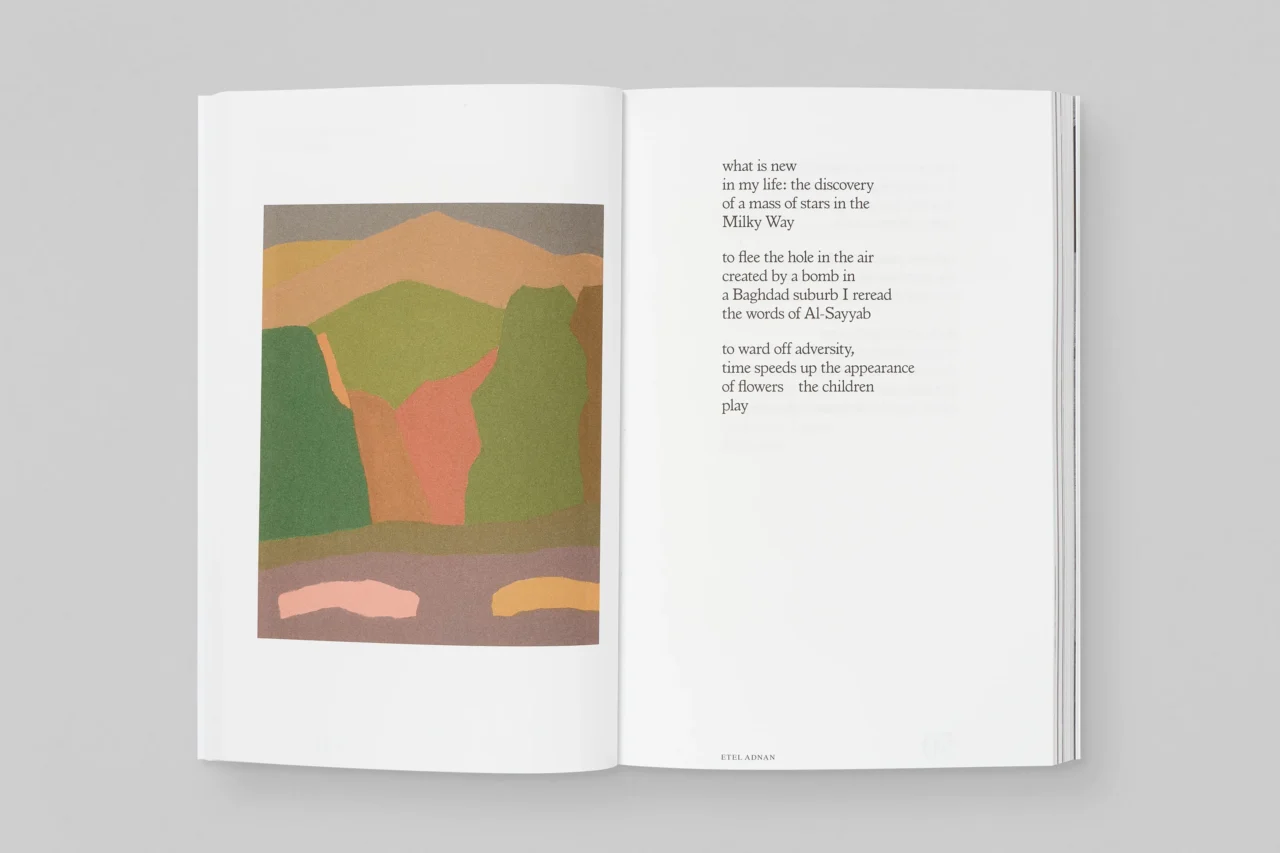
Fictional and poetic contributions further expand the anthology’s emotional and conceptual range. Estelle Hoy’s short story, written in response to the Paris exhibition “Sweet Lust”, captures the instability of desire, presenting lust as a force both generative and disorienting. Poetry by Etel Adnan, Brendan Shaughnessy, and Amy Key punctuates the volume with moments of lyrical suspension—each poem offering a distilled clarity that contrasts with the density of surrounding essays. These works foreground language not only as a descriptive tool but as a sensory medium capable of embodying longing and perception.
A recurring concern within “Companion” is the relationship between presence and absence, particularly as it manifests in performative and conceptual practices. Sophie Calle’s “Suite Vénitienne” (1980–96), a seminal work structured around surveillance and pursuit, becomes the focal point of a dialogue between writer Chris Kraus and photographer Juliana Halpert. Their discussion reframes the work as a psychological and narrative construct, emphasizing its asymmetry and the tension between observer and observed.
This exploration of absence finds a parallel in the treatment of David Hammons, whose elusive practice is approached through an excerpt from an essay by Ben Okri. Okri’s notion of “radical absence” positions Hammons’ work as deliberately resistant to visibility and commodification, challenging conventional frameworks of artistic presence and authorship.
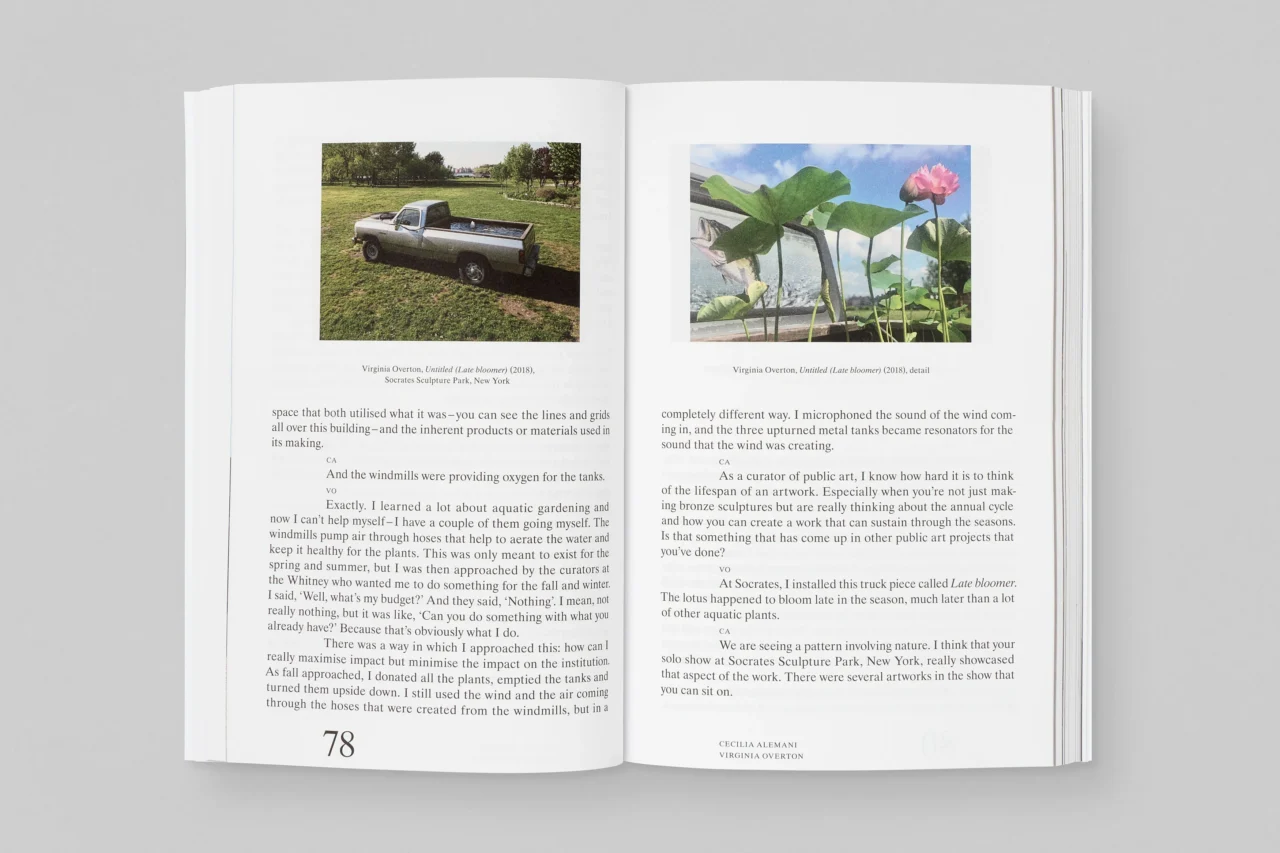
Materiality, too, emerges as a central thread. In a conversation between Virginia Overton and curator Cecilia Alemani, the embedded histories of materials are considered as active agents within artistic production. This perspective resonates with Jenny Jaskey’s reading of Haim Steinbach through the lens of object-oriented ontology, where objects are not passive carriers of meaning but entities with their own ontological status.
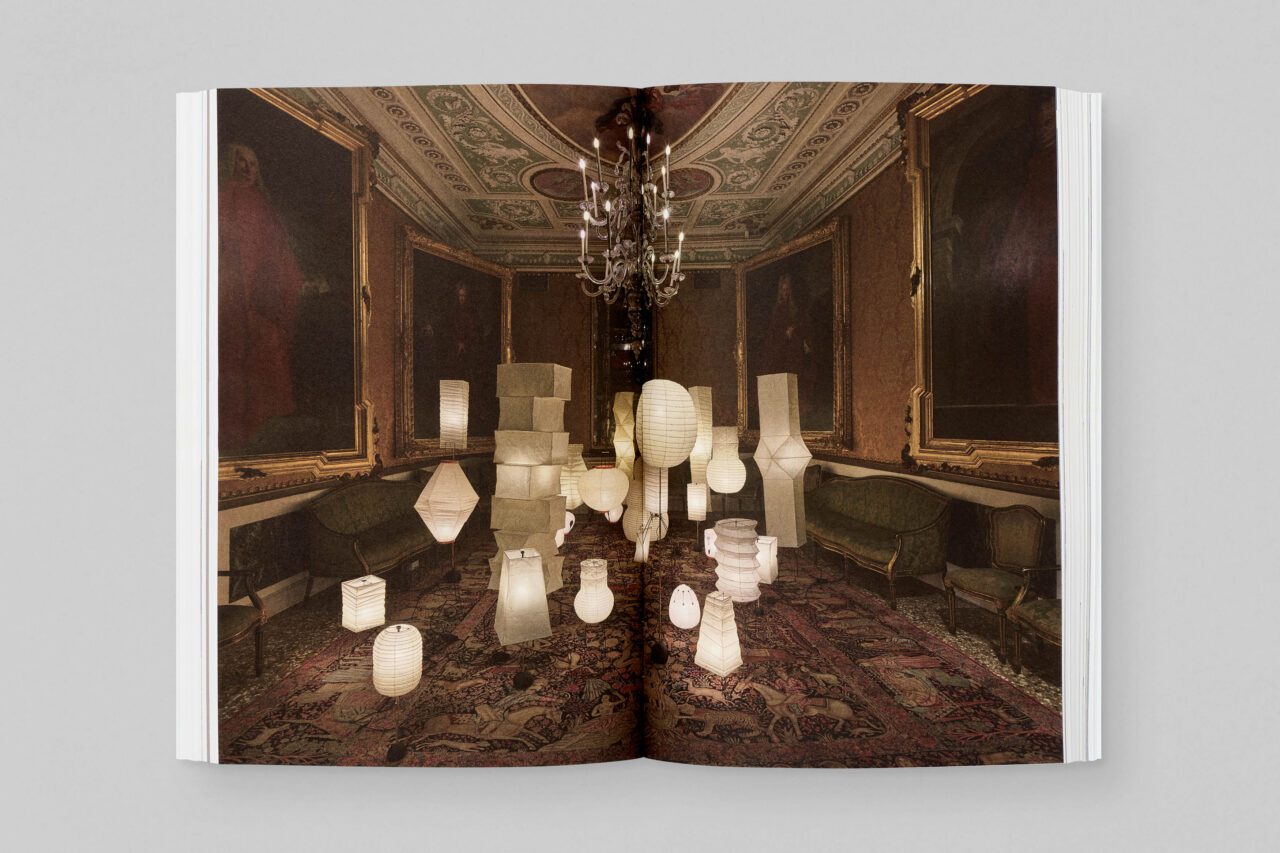
The anthology also turns toward non-human forms of life, particularly through botanical imagery and ecological thought. Briony Fer’s analysis of Gabriel Orozco’s “Diario de Plantas” (2022) interprets the artist’s delicate leaf prints and geometric interventions as meditations on vegetal existence and the generative capacity of nature. Similarly, Danh Vo’s “Untitled” (2022) series—floral portraits installed along a route at the Fondazione Querini Stampalia—invites viewers into a contemplative engagement with botanical forms, situating them within both aesthetic and spatial narratives.
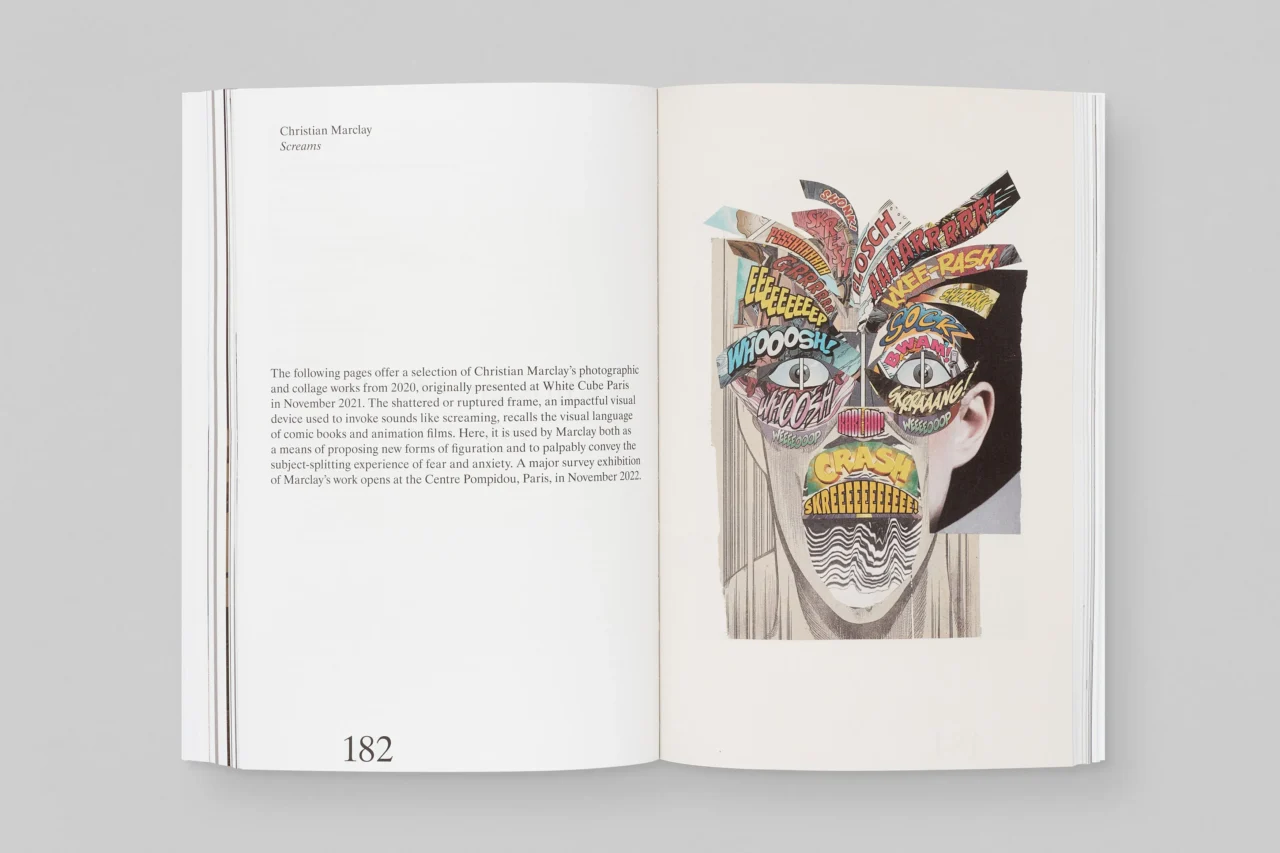
Interspersed throughout the volume, visual essays by Christian Marclay, Gilbert & George, and Jonas Marguet provide a counterpoint to the written contributions. These works reassert the primacy of visual experience, interrupting textual flow and encouraging a mode of engagement rooted in observation rather than interpretation.
Ultimately, “Companion” resists linearity in favor of a polyphonic structure, where different forms of expression coexist and inform one another. By bringing together archival materials, newly commissioned works, and critical reflections, the anthology offers not just a record of contemporary art and writing, but a dynamic framework for understanding their interrelations. It is, as its title suggests, both a guide and a partner—accompanying readers through the evolving landscape of artistic practice over the past year.