
ART NEWS: March 02
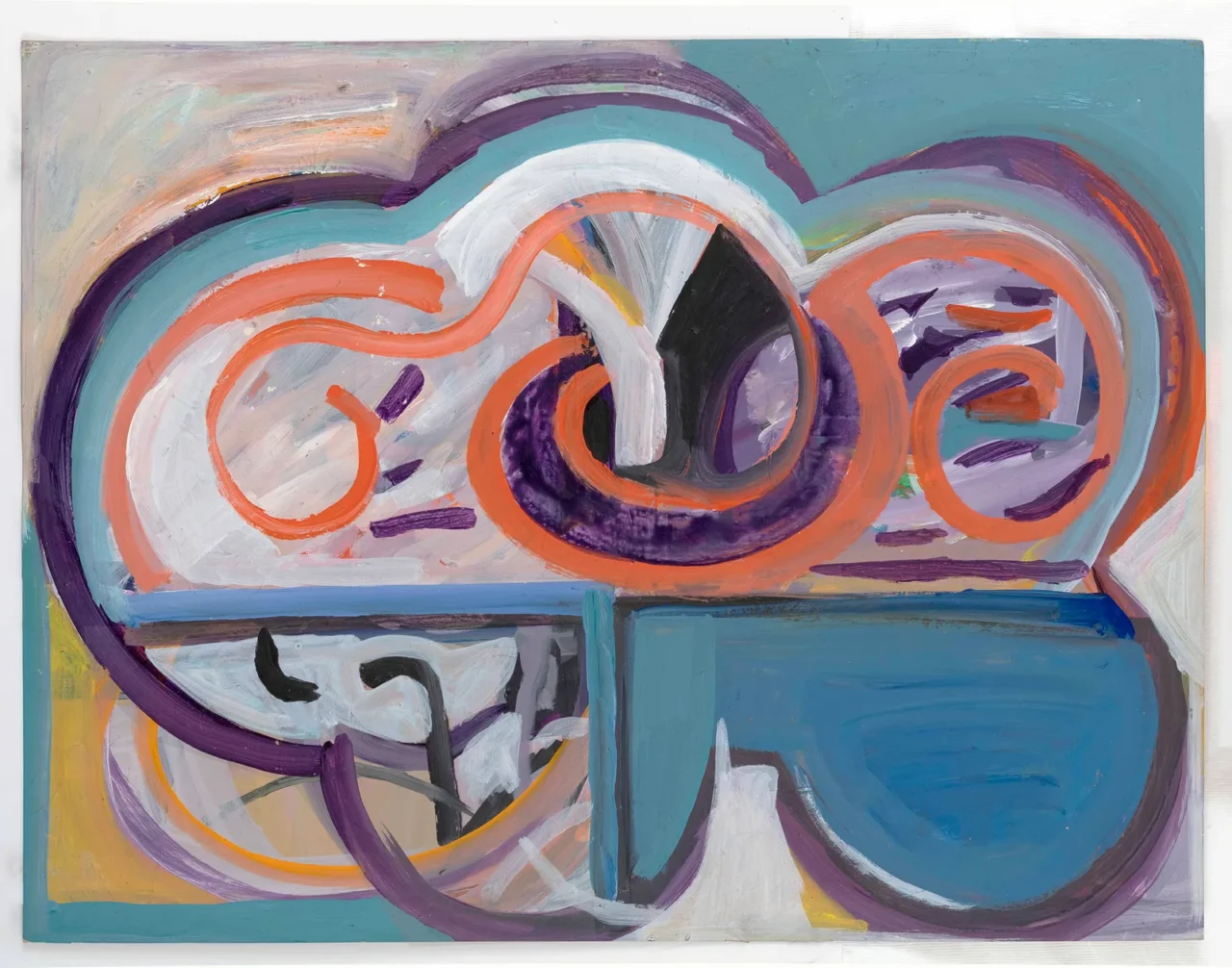 In Brussels is on view an exhibition with thirty works on paper by Shirley Jaffe, produced between 1955 and 2012. Ten years after the American artist’s death, this presentation carries particular resonance in the wake of the recent passing of her brother, Jerome Sternstein, an unwavering supporter and tireless champion of her work. The exhibition brings together gouaches and silkscreen prints on paper, underscoring their central role in Shirley Jaffe’s creative process. Far from being mere preparatory studies, these works have been described by the art historian Pierre Wat as a ‘second chronology’, unfolding alongside her painting as a fully autonomous field of experimentation. Paper offers the artist an immediate freedom: instinctive decisions, suppleness of gesture, and thought in action unfold with an intensity that painting tends more readily to contain. The works of the 1950s and 1960s bear witness to Shirley Jaffe’s grounding in post-war gestural abstraction. Info: Galerie Nathalie Obadia, 8 rue Charles Decoster, Brussels, Belgium, Duration: 26/3-23/5/2026, Days & Hours: Tue-Sat 10:00-18:00, www.nathalieobadia.com/
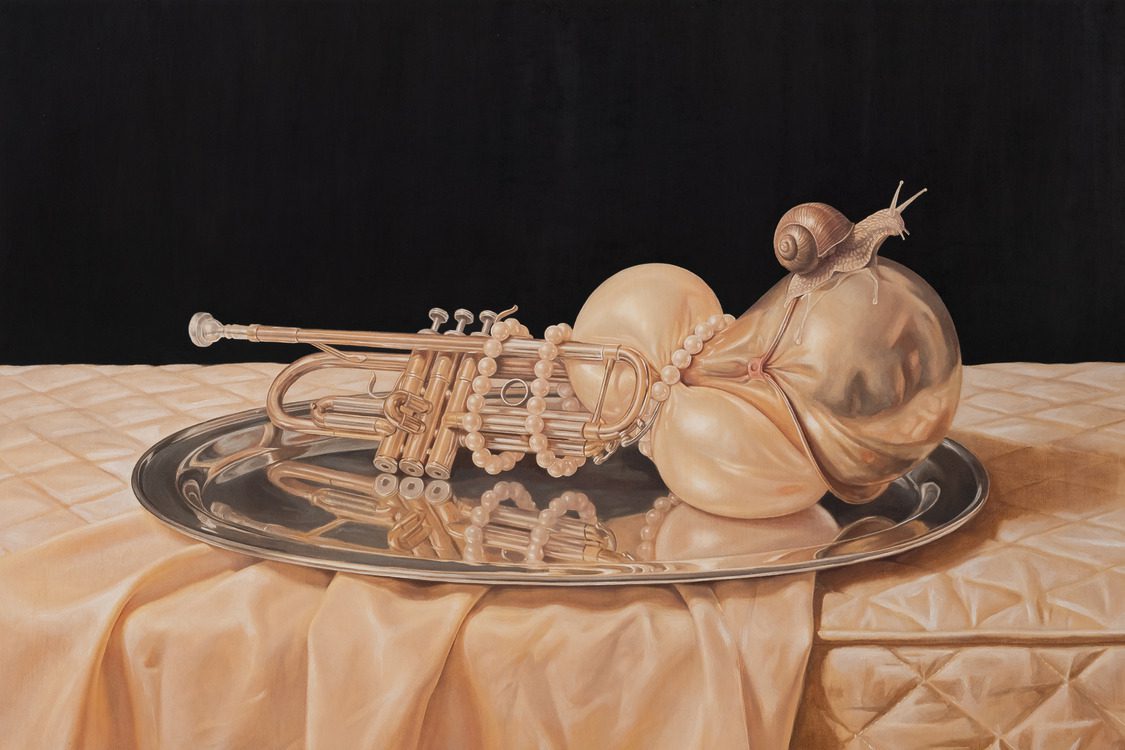 Drawing from the tradition of Mannerism and the Dutch Golden Age, David Smalling’s paintings examine how contemporary social codes and gender norms shape identity and behavior. Through carefully constructed domestic and ceremonial scenes, he explores themes of belonging, aspiration, and restraint, questioning the roles we inherit and perform. His solo exhibition of all new paintings on wood panels takes its title from the “Elizabethan collar”, the veterinary device colloquially known as the “cone of shame”—a protective apparatus designed to prevent an animal from tearing at its own sutures. The collar, as depicted becomes a metaphor for conditional belonging: entry into a space that promises safety and prestige while quietly limiting autonomy. Throughout the exhibition, Smalling examines what happens after access—after entry into elite or aspirational spaces has been granted, but before true agency materializes. Carefully arranged objects of domestic interiors—the dinner table, the silver platter, the silk mattress—function as stages for this negotiation. In works such as “The American Bride” and “Anniversary”, the table becomes an altar of sacrifice, staging the uneasy choreography between the feast’s host and the outsider. Info: Templon Gallery, 293 Tenth Avenue, New York, NY, USA, Duration: 26/3-25/4/2026, Days & Hours: Tue-Sat 10:00-18:00, www.templon.com/
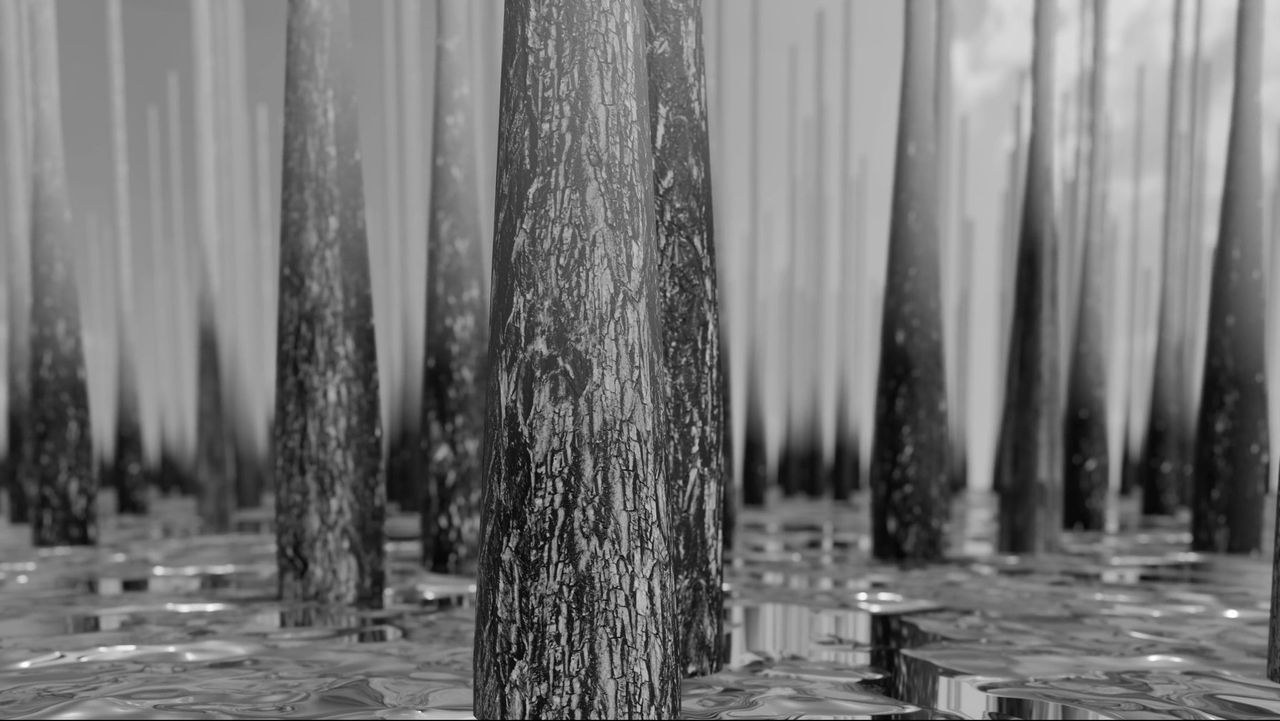 “Shifting Weathers” is an exhibition that engages with weather, climate, and imaging technologies. While climate is made visible in public discourse through technical images, measurements, and forecasts, it is also effective through slow processes that elude our immediate perception. The exhibition project understands weather as an ongoing condition that shapes perception, sensation, and temporality. Featuring works by Susanne Kriemann, Jasmijn Visser (with Ingmar König), and Luiz Zanotello, it directs attention to the complex conditions underlying the mediated communication and interpretation of weather and climate. Above all, the exhibition demonstrates how artistic practices beyond catastrophe imagery open up new perspectives on the multilayered nature of climate. Susanne Kriemann regards landscapes as material archives of human traces. She shows how microplastics have become newly integrated components of ecological cycles. Dispersed and sedimented over time through weathering and exposure, they reveal climate as a determining factor in long-term processes of inscription. Jasmijn Visser developed in collaboration with game developer Ingmar König, the interactive video game “The weather has been cancelled”, which imagines a world without weather. In his installation “Tempo-Imagem”, Luiz Zanotello examines the interplay of time and weather using real-time images from publicly accessible weather cameras worldwide. By training a machine with this visual data and making its processes visible on film, the work shifts attention to underrepresented regions and different temporalities. Weather observation is thus framed as a political act of seeing. Info: Curator: Sarie Nijboer, Villa Heike Kunstverein, Freienwalder Str. 17, Berlin, Germany, Duration: 26/3-2/5/2026, Days & Hours: Thu-Sat 14:00-18:00, www.villaheike.org/
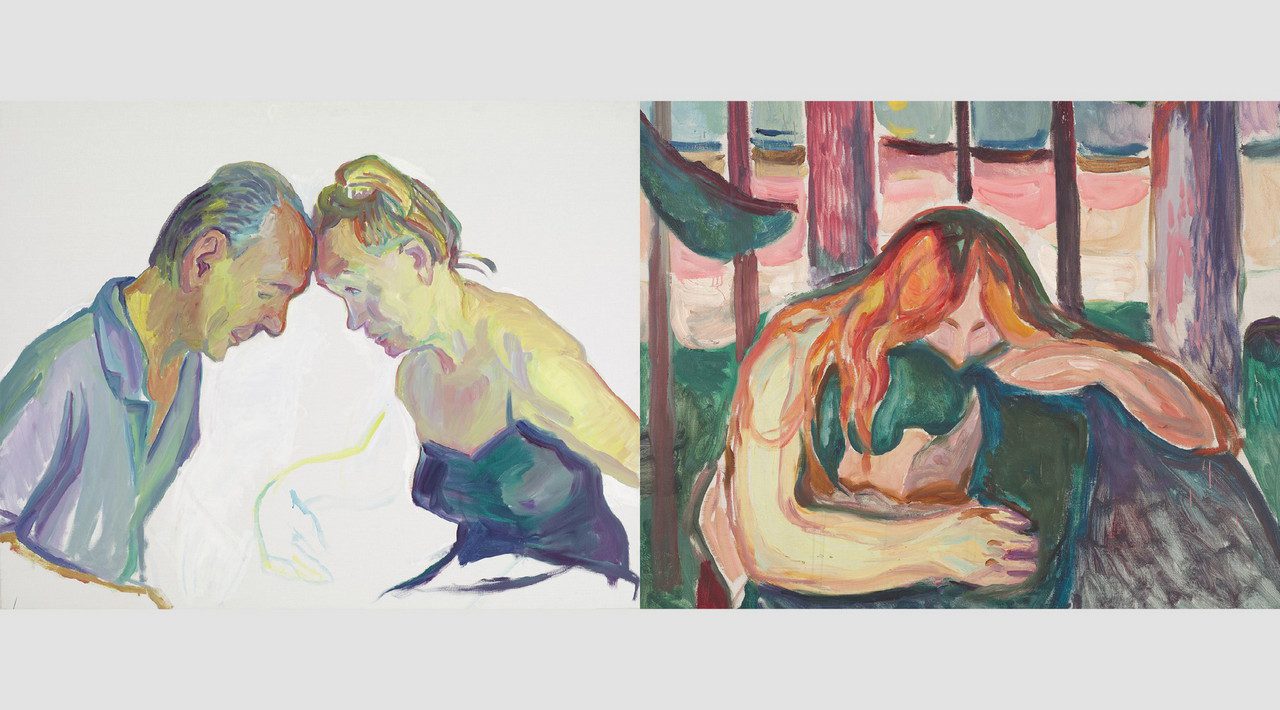 For the first time, the work of Maria Lassnig and Edvard Munch is being shown together in the exhibition “Flow of Paint = Flow of Life”. While more than half a century separates the Austrian and the Norwegian artist, on closer inspection there are nevertheless astonishing parallels between their imagery and biographies. A thematic juxtaposition—a dialogue in pictures—now allows their work to be read in a new light. Lassnig and Munch share a unique handling of colour as a compositional device and a forceful means of expressing inner feelings: passing physical sensations and persistent emotional states such as grief, love, loneliness, fear, joy, and pain. Both artists were keenly attuned to investigating otherwise unnoticed forms of sensory perception and translating them into their own artistic vocabulary, giving rise to pictorial inventions that were singular and completely new. For both Lassnig and Munch, painting was more than just an artistic technique. It was a way of probing the self and of questioning the world. Their works show inner and outer states that carry an immediate emotional charge. Info: Curators: Dr. Brigitte Kölle, Prof. Dr. Hans Dieter Huber and Dr. Sandra Gianfreda, Assistant Curators: Noura Persophone Johnson and Dr. Johanna Hornauer, Hamburger Kunsthalle, Glockengießerwall 5, Hamburg, Germany, Duration: 27/6-30/8/2026, Days & Hours: Tue-Wed & Fri-Sun 10:00-18:00, Thu 10:00-21:00, www.hamburger-kunsthalle.de/en
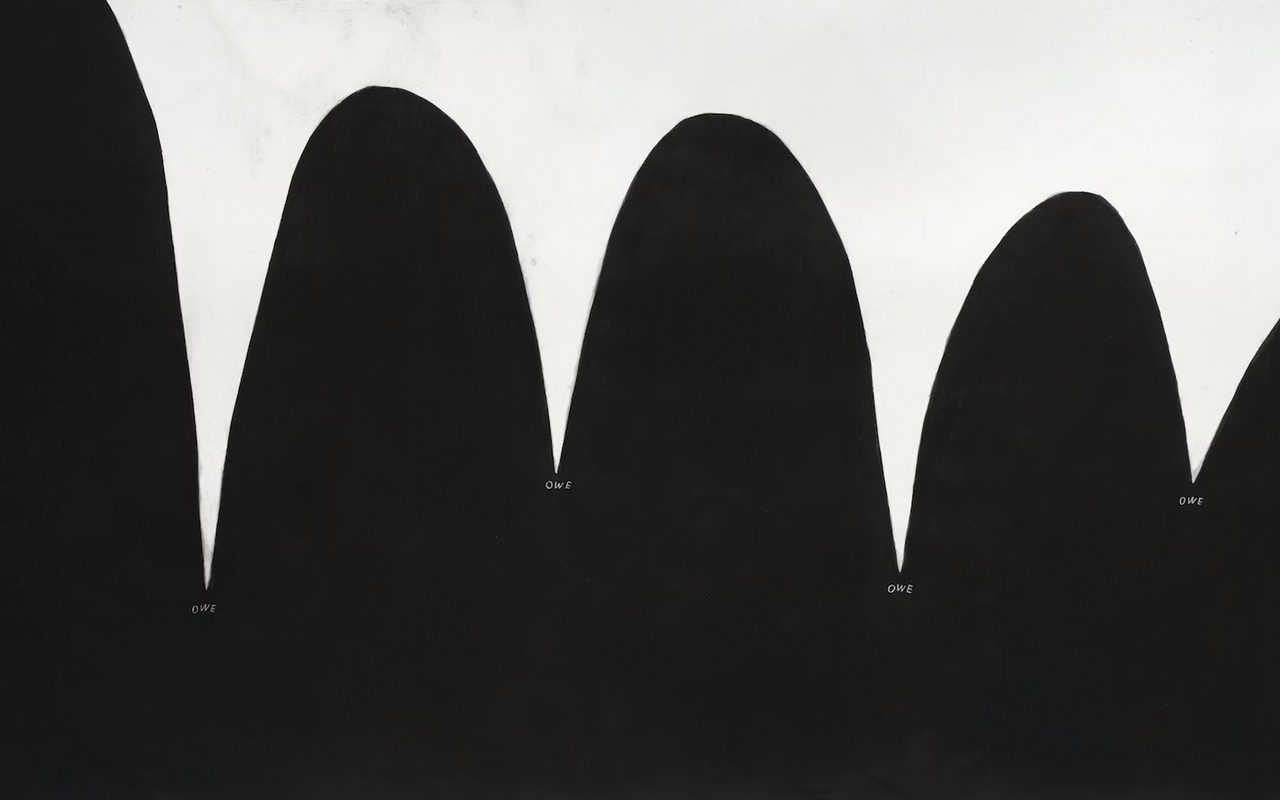 “All Day All Night”, is Christine Sun Kim’s first major museum survey. Her expansive practice is grounded in a deep exploration of sound, from its function, to how it is physically experienced, and to its primacy in how we engage with each other and within our broader social constructs. Using musical notations, infographics, her native American Sign Language (ASL), written language, and the body, Kim captures the complexities of communication and invites audiences to experience the vibrancy of Deaf culture. “All Day All Night” reveals the humor, poignancy, and incisive quality of Kim’s oeuvre through more than 100 works, including drawings, site-specific murals, paintings, video installations, and sculptures, produced between 2011 and 2026. The exhibition also features a new mural being shown in the US for the first time, titled “Unfortunately, We Cannot “(2025). The mural reflects Kim’s recurring life experience of being told that an exhibition or event cannot be made accessible with language like: “Unfortunately, we cannot.” and “We have no budget.” Kim has noted that these denials of reasonable accommodations have often given her anxiety dreams. To sign “dream” in ASL, one points their index finger in front of their head, then flexes and straightens it while moving their hand upward and outward, ending with the finger in a hook shape. The half circles depicted in this mural reference this sign. The work also engages with the subject of trauma: to sign “trauma”, one moves their index finger across their forehead as if leaving a cut or a scar. Here, the artist uses a variation of the sign with four fingers to both visually emphasize her depth of feeling and to transform it into a score by scratching her fingers across the walls of the space. Info: Curators: Pavel Pyś, Jennie Goldstein and Tom Finkelpearl, Assistant Curator: Rose Pallone, Walker Art Center, 725 Vineland Place, Minneapolis, MN, USA, Duration: 28/3-30/8/2026, Days & Hours: Wed & Fri-Sun 10:00-17:00, Thu 10:00-21:00, https://walkerart.org/
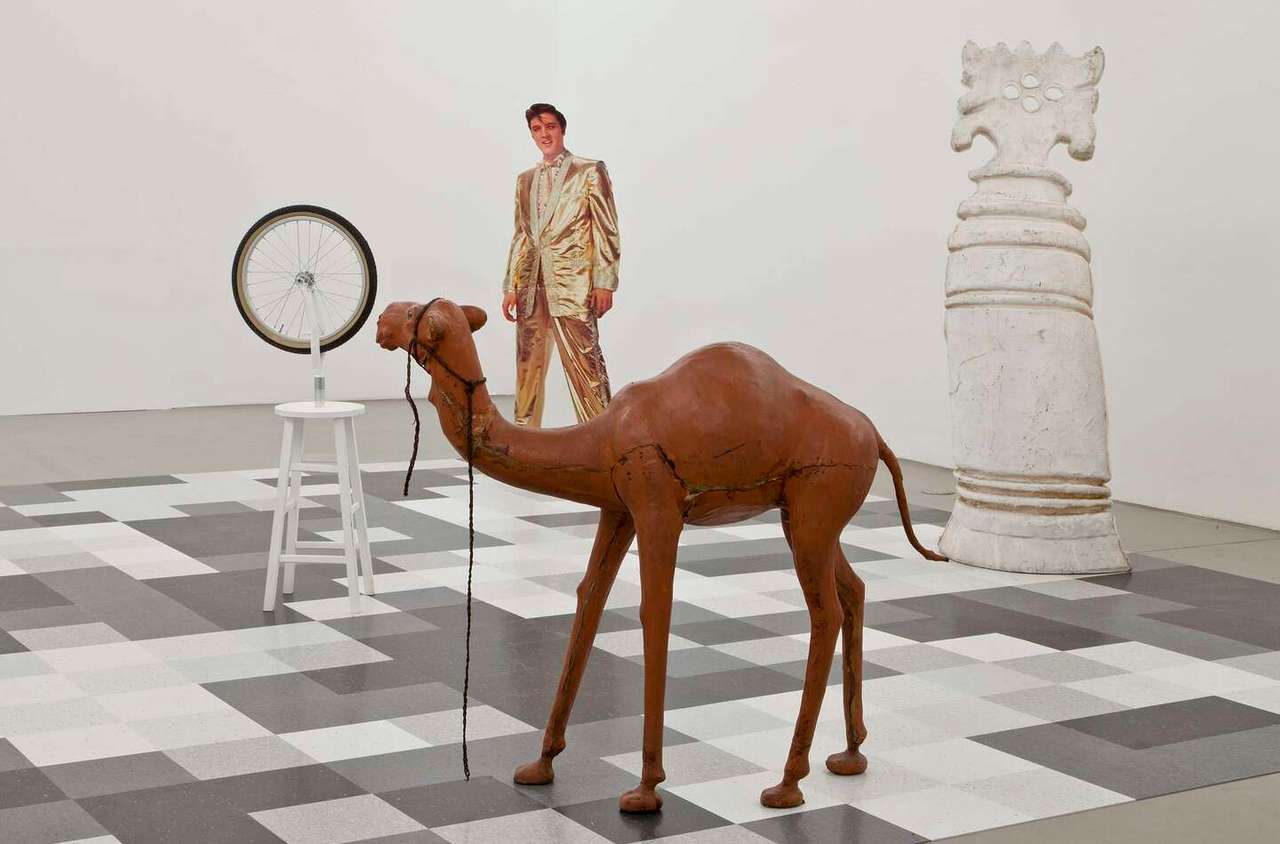 The exhibition “Burning the Days” offers an expansive view of conceptual artist Lutz Bacher’s provocative, genre-defying oeuvre that exists across a wide range of found materials. Moving between affect and sentiment, humor, and pop-cultural touchstones, the exhibition turns to unflinching examinations of sexuality, violence, political paranoia, and cosmic metaphysics. Lutz Bacher began making art in the 1970s under this assumed name. Her earliest artworks were made with a camera. She took her own pictures, as well as transformed found photographs, drawing resonance out of them by distorting them, editing and combining them, or uncovering half-hidden details about them. Her method often depended on chance, discovering what the world brought to her by accident, an openness that later grew to include sculpture, video, and eventually museum sized installations. Bacher fostered the idea that an artist can reckon with art and life through what the world has already made, permitting it to show her many sudden intrusions of beauty, comedy, or violence. This approach to art embraced the art-historical tradition of the ‘readymade’, while also muddying its logic, using a wide range of found materials—texts, archival fragments, music, and objects—in wild relation. Info: Curators: Helena Kritis and Solveig Øvstebø, WIELS, Contemporary Art Centre, Avenue Van Volxemlaan 354, Brussels, Belgium, Duration: 28/3-9/8/2026, Days & Hours: Tue-Sun 11:00-18:00, https://wiels.org/
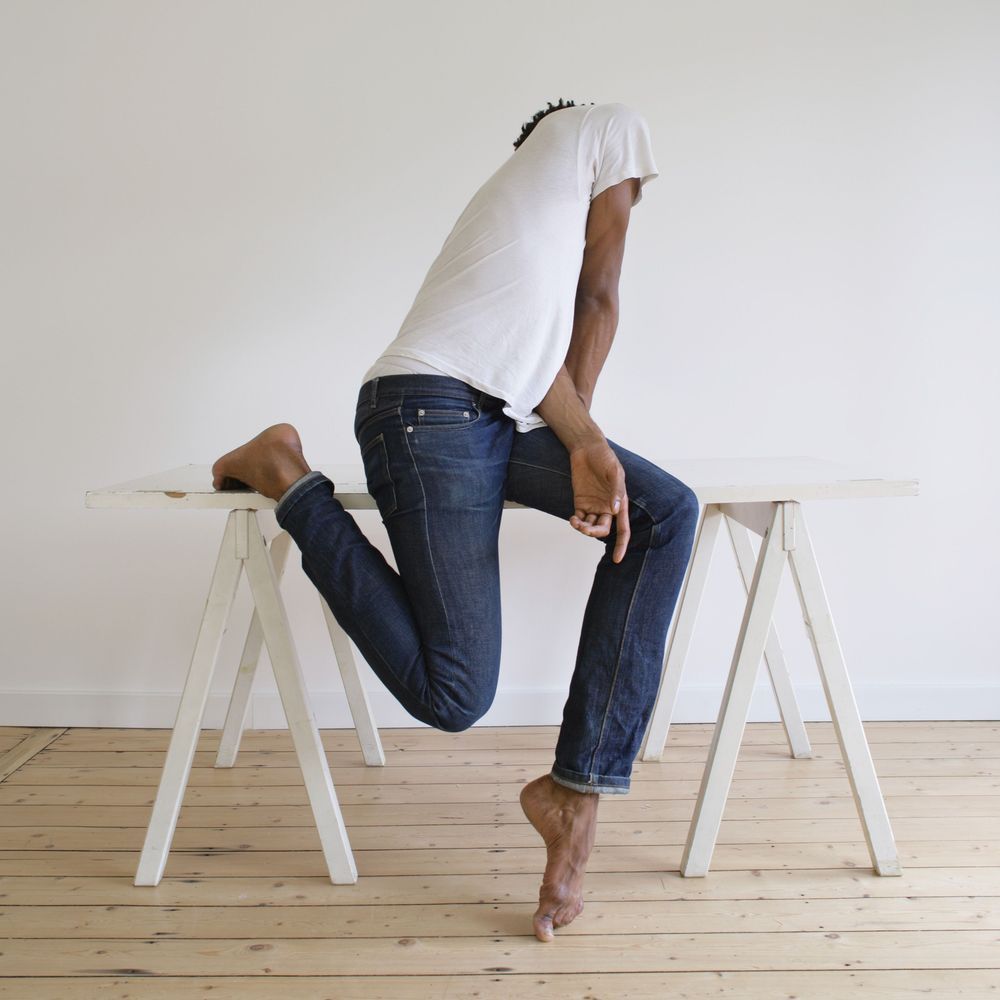 The title selected by Jimmy Robert for the exhibition, “The Intensity of Softness”, cites a shared materiality, the choice by him and Franz Erhard Walther to work primarily with soft materials, such as fabric and paper. These are permeable, flexible and metamorphic materials that can hug the contours of the body yet allow movement, that seem solid but as textile materials are made up of a weave and are tied moreover to the textual. This choice was by no means obvious for Franz Erhard Walther in the 1960s, and seemed like mere provocation in the artist’s working surroundings. Yet he proved to be a pioneer of an art form that emphasised presence, relationship and the impermanence of forms. These terms can also be applied to the work of Jimmy Robert, whose oeuvre since the early 2000s has manifested the presence of the artist’s body in performances, photographs and videos that interlace poetic references to literature, choreography and art through quotations and allusions that signal his relationship to beloved figures. Info: Curator: François Piron, VILLA Franz Erhard Walther, Paulustor 4, Fulda, Germany, Duration: 29/3-6/9/2026, Days & Hours: Fri 14:00-18:00, Sat-Sun 11:00-18:00, https://villa-few.com/en
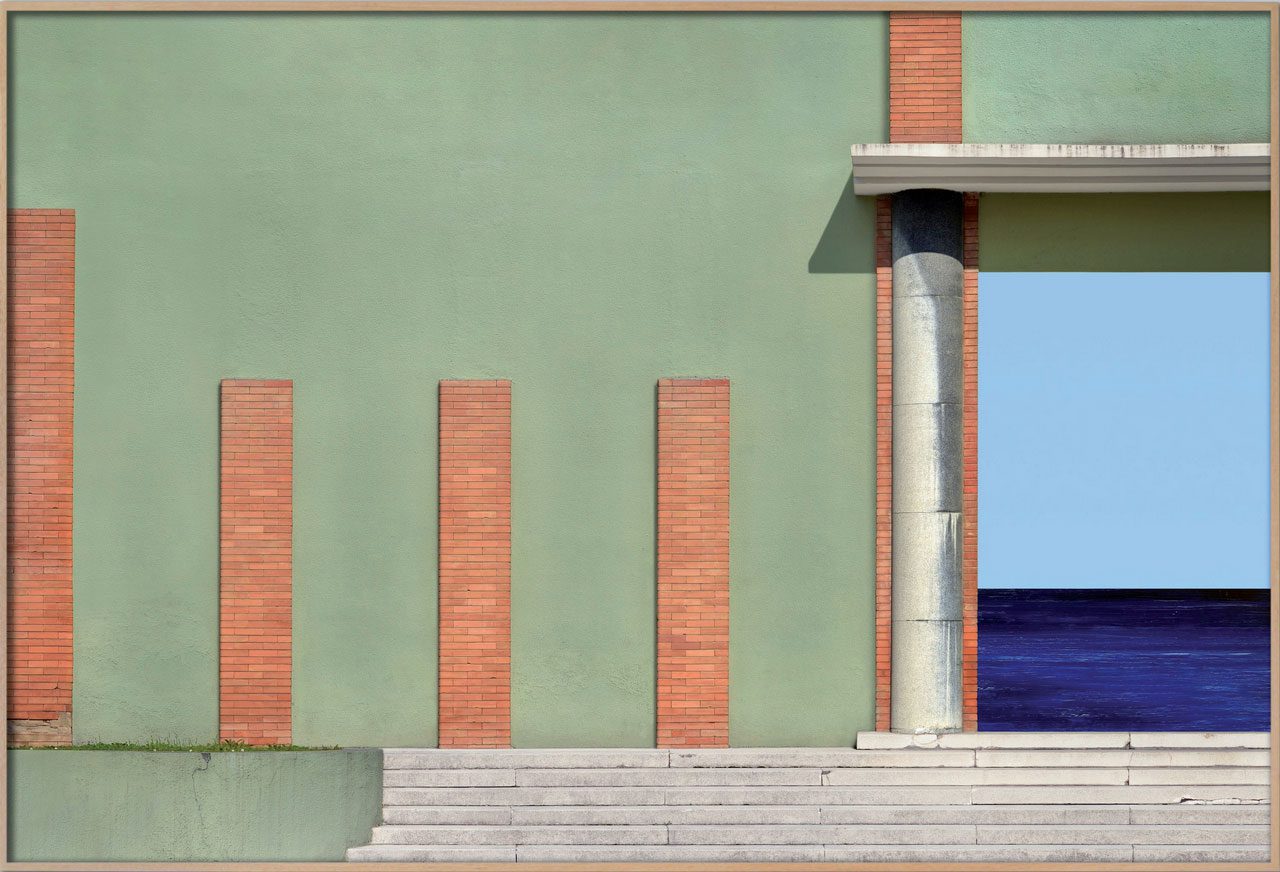 Niccolò Montes presents his solo exhibition “The Unreality of Reality. The Reality of the Unreal”, his photography is part of a tradition of research that considers the image as a means of questioning and transforming the gaze. In his practice, it becomes a process of abstraction and visual concentration that questions the relationship between reality, perception and imagination. The “PANTELLERIA PAESE” and “TRESIGALLO” series develop two complementary dimensions of his research. These two places, distant geographically, historically and in their urban form, are nevertheless linked by the same approach: that of considering reality not only as a physical space, but also as a symbolic and mental projection surface.In “Pantelleria”, Montesi focuses on architecture that has been profoundly marked by time and daily use. Walls, surfaces and chromatic textures become the true subjects of the images. The low, irregular light emphasizes their materiality, revealing imperfections, cracks and traces of lived experience. Through fragmented, close-up compositions, often devoid of recognizable spatial references, Montesi isolates portions of reality and transforms them into autonomous visual fields. With regard to the work on “Tresigallo”, a different but mirror-image direction is developing. Here, Montesi is interested in rationalist architecture in an urban space designed according to principles of order, symmetry and formal control. Similarly, the images are constructed from essential geometries, measured horizons and a rigorous use of light, which defines volumes and surfaces with almost analytical precision. Montesi also strives to reveal the mysterious dimension of this architecture. Tresigallo thus appears as a suspended and silent city, imbued with a sense of temporal immobility. Info: Bendana | Pinel Art Contemporain 4 rue du Perche, Paris, France, Duration: 2/4-30/5/2026, Days & Hours: Tue-Sat Tue-Sat 11:00-19:00, https://www.bendana-pinel.com/