ART NEWS: March 01
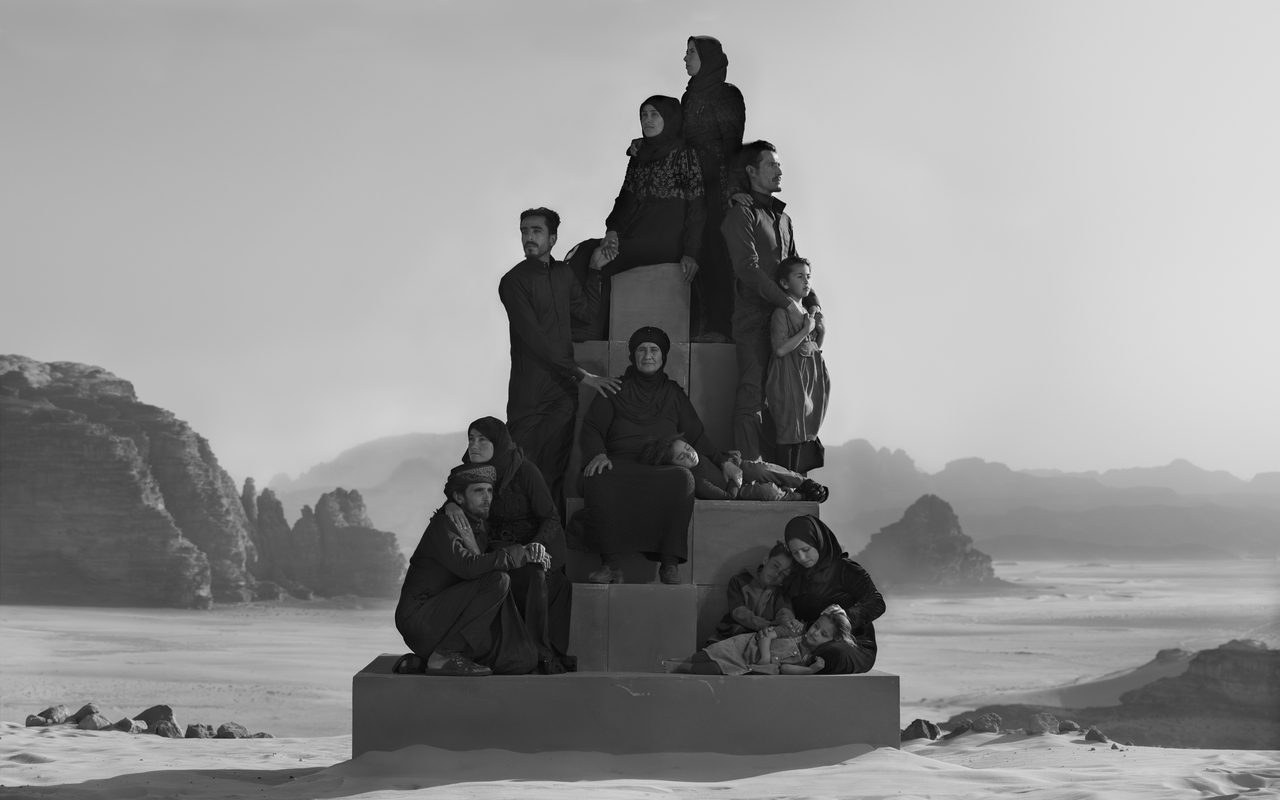 The exhibition “The Day May Break”, focuses on Nick Brandt, who is working on the themes of climate crisis and environmental destruction. Launched in 2020, in the midst of the pandemic, “The Day May Break” is a global series in four chapters that marks a new phase in Brandt’s artistic journey. The project refocuses the artist’s gaze on people, animals and environments devastated by climate change in regions of the world among the least responsible for the crisis, yet disproportionately affected by its consequences. For the first time, all four chapters of “The Day May Break” are exhibited together at Gallerie d’Italia – Turin in an immersive display of 63 large-format images that offer a vision both stark and poetic – of what remains, and what, against all odds, still offers hope. The fourth chapter of the series was commissioned by Intesa Sanpaolo, in line with the Bank’s commitment to sustainability, social responsibility and culture as a driver of awareness. Brandt’s work is distinguished by a methodical and meticulous approach: each chapter is the result of months of preparation, planning and collaboration with local crews who know the lands and communities involved. The scenes are carefully staged; light and atmosphere emerge through patience and responsiveness to nature’s unpredictable elements. Weeks of printing and image selection follow, in a process with no shortcuts, aiming to establish a direct and profound dialogue with the viewer. Info: Curator: Arianna Rinaldo, Gallerie d’Italia – Turin, Intesa Sanpaolo Museum, Plaza S. Carlo, 156, Turin, Italy, Duration: 18/3-6/9/2026, Days & Hours: Tue & Thu-Sun 9:30-19:30, Wed 9:30-20:30, https://gallerieditalia.com/
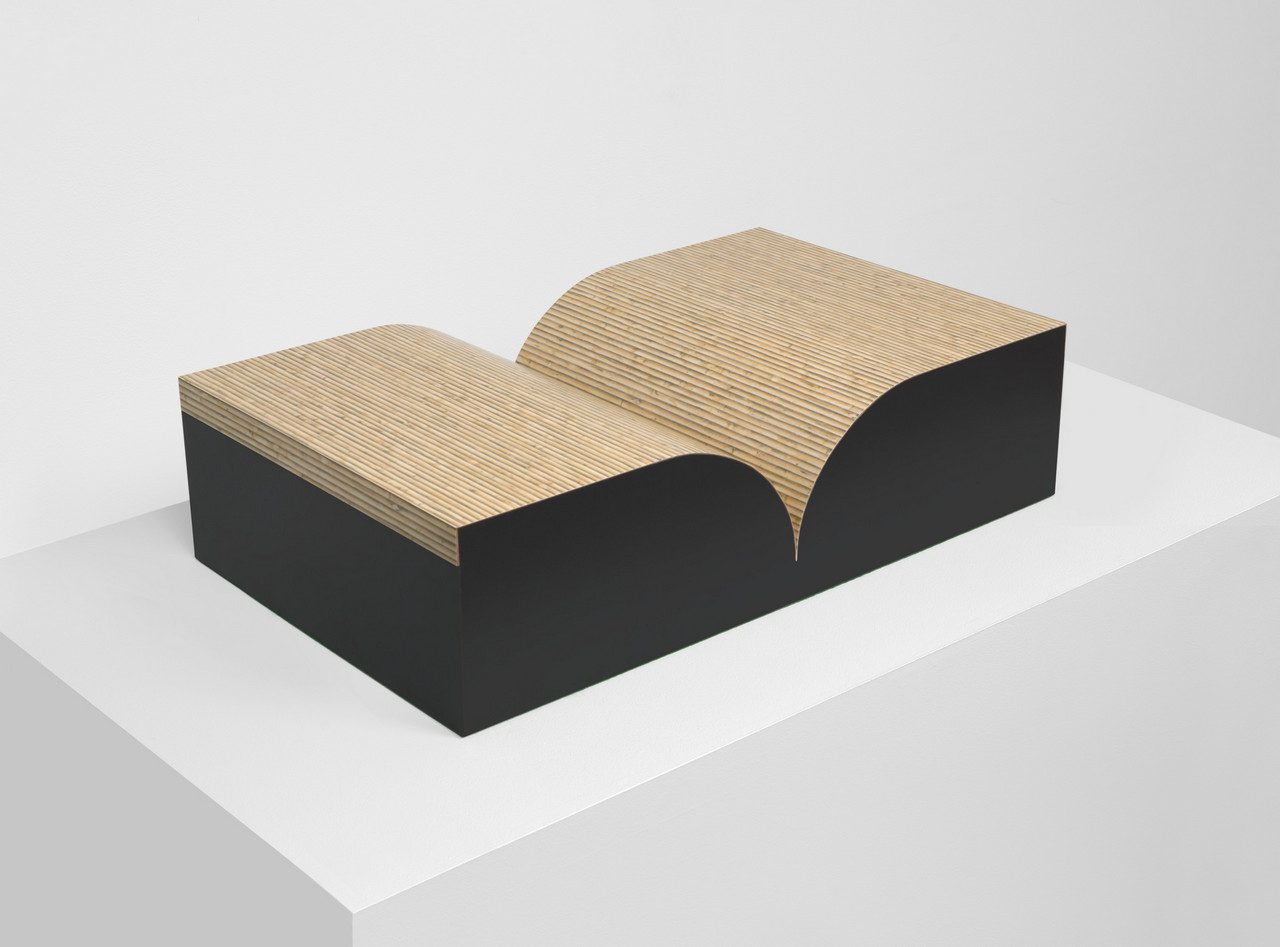 The exhibition “Approximate Objects” surveys sixteen editioned works created between 1969 and 2012 by Richard Artschwager, accompanied by a selection of the artist’s publications and prints. With accessibility of his work in mind, Artschwager produced editioned multiples throughout his career, complementing his unique paintings and sculptures. Most of these editioned works were produced in the artist’s studio and released by various publishers, including Brooke Alexander, Carolina Nitsch, Multiples Inc., and Castelli Graphics. The works on view include several artist’s proofs and prototypes. Following service in military intelligence during World War II, Artschwager studied with Parisian modernist Amédée Ozenfant in New York, but subsequently turned to furniture making to support his family. A fire that devastated his workshop in 1958 prompted him to return to fine art with paintings and sculptures that refer to the forms and materials of furniture and other quotidian objects. In terms of functionality, such works may be described as “almost furniture,” as art historian and curator Germano Celant put it, or as approximate objects. Info: Gagosian, 28–29 Burlington Arcade, London, United Kingdom, Duration: 18/3-17/4/2026, Days & Hours: Mon-Sat 10:00-18:00, Sun 11:00-18:00, https://gagosian.com/
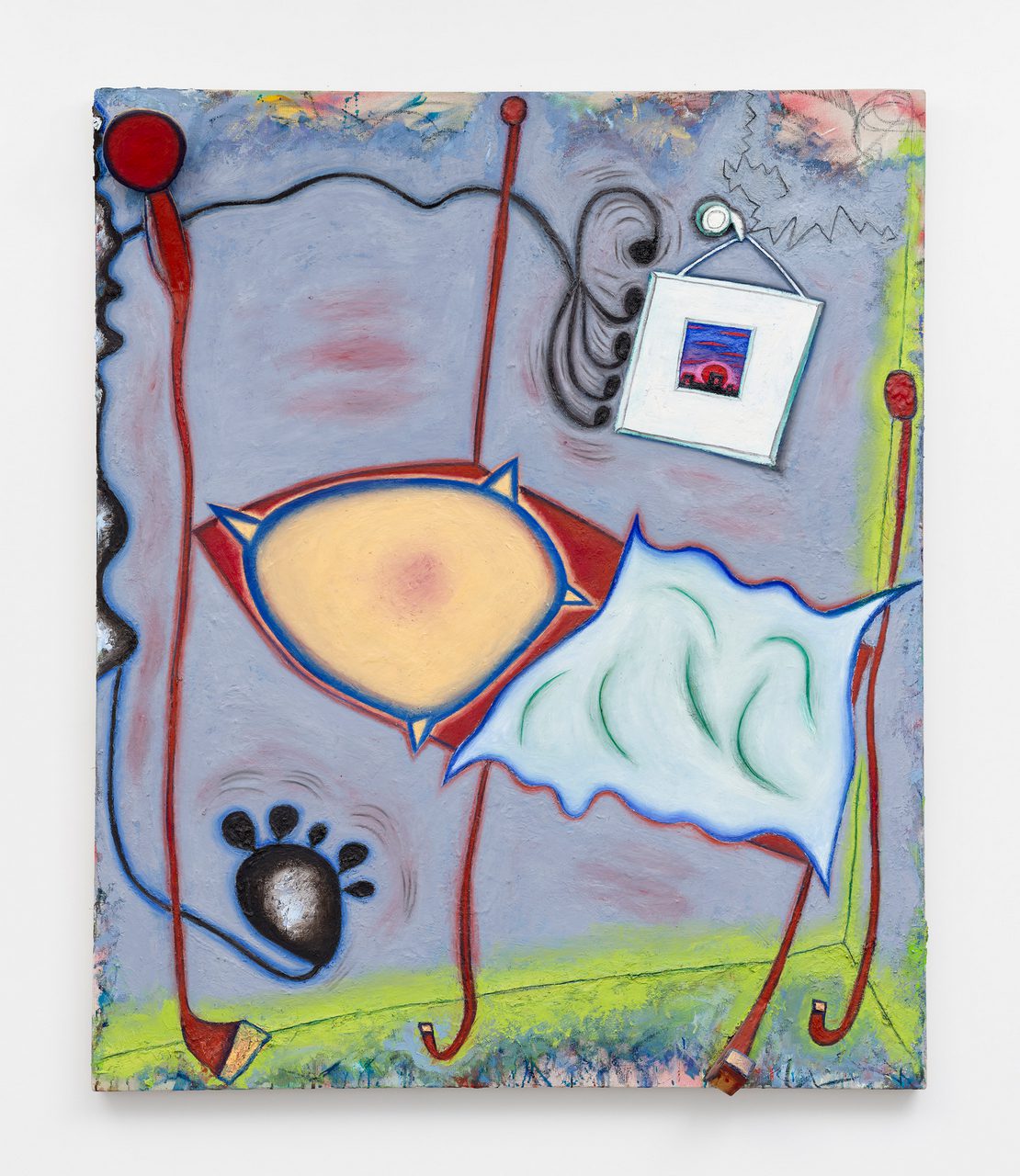 The exhibition “Elizabeth Murray and Betty Woodman” represents , over three decades of work by the two artists. The exhibition is on Bringing together two formidable artists whose work pushed their respective mediums to new heights, The exhibition highlights the duo’s keen ability to reimagine traditional art forms by foregrounding painterly techniques on untraditional surfaces and deconstructing hierarchies between surface and form. Though working in ostensibly different mediums—Woodman in ceramics, Murray in painting—these artists shared a radical vision that collapsed the binary between two- and three-dimensional space. In the case of their wall-mounted paintings and sculptures, each artist thoughtfully incorporates the wall as a foundational element that their works can interact with and extend upon. Drawing from a period spanning 1982–2015, this presentation juxtaposes Woodman’s ceramic sculptures with Murray’s shaped canvases, revealing parallel investigations into positive and negative space, figure-ground relationships, the domestic sphere, and the architectural possibilities of art. The pairing represents a dichotomy. Where Woodman began as a traditional potter and, over time, shaped her three-dimensional ceramic forms into surfaces for two-dimensional painting with glaze, Murray’s career is defined by the ways in which she was able to draw her two-dimensional canvases increasingly further off the wall’s surface and into three-dimensional space. In the case of Murray’s multi-paneled paintings, each component is constructed so that it fits snuggly alongside its counterpart, meaning that—as with Woodman’s sculptures—the way the work is installed is integral to the idea of the work itself. Info: David Kordansky Gallery, 5130 W. Edgewood Pl., Los Angeles, CA, USA, Duration: 19/3-25/4/2026, Day & Hours: Tue-Sat 10:00-18:00, www.davidkordanskygallery.com/
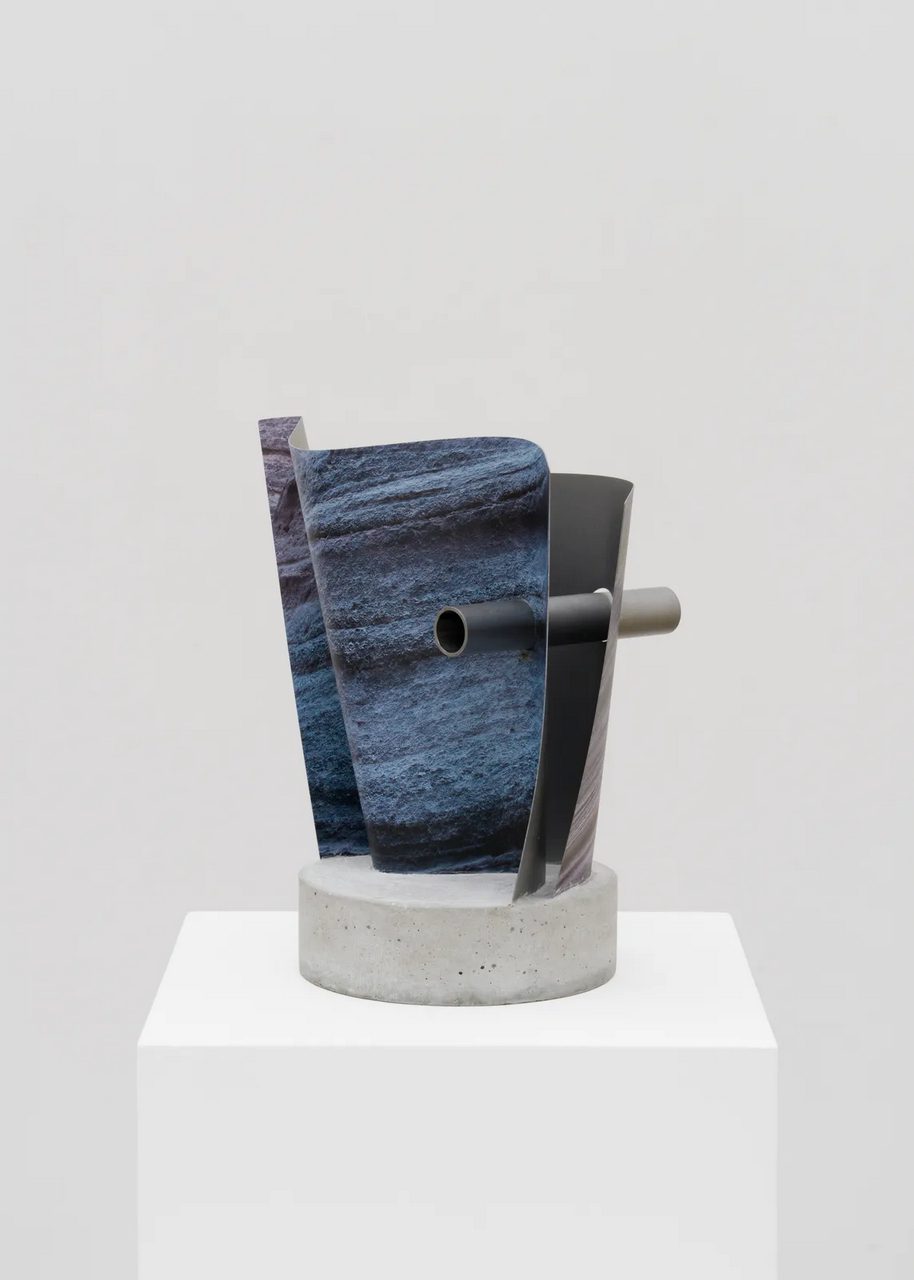 Building on her ongoing exploration of how images occupy and respond to physical space, the works in this exhibition “Stone’s Throw” engage the gallery’s architecture as both subject and structural partner. For this exhibition, Letha Wilson expands her investigation into the relationship between photography, sculpture, and the built environment. By integrating photographic images with materials such as steel and concrete, she transforms images into physical structures that are bent, folded, welded, pierced, and embedded. Her work dissolves the boundary between image and object, creating forms that exist simultaneously as photographs and sculptures. For this exhibition, Wilson developed works in direct response to the gallery’s structural cast-iron columns. A central sculptural piece embraces the column itself, while a wall-based work cuts into the gallery wall to reveal the column concealed beneath. These works foreground the physical infrastructure of the space, establishing a relationship between place and space. The title, “Stone’s Throw”, takes its name from an archaic, body-based measure of distance. Instead of relying on fixed numerical systems, it invokes a felt and intuitive understanding of space, situating the viewer in immediate physical proximity to the work. Info: Grimm Gallery, 54 White Street, New York, NY, USA, Duration: 20/3-2/5/2026, Days & Hours: Tue-Sat 11:00-18:00, grimmgallery.com/
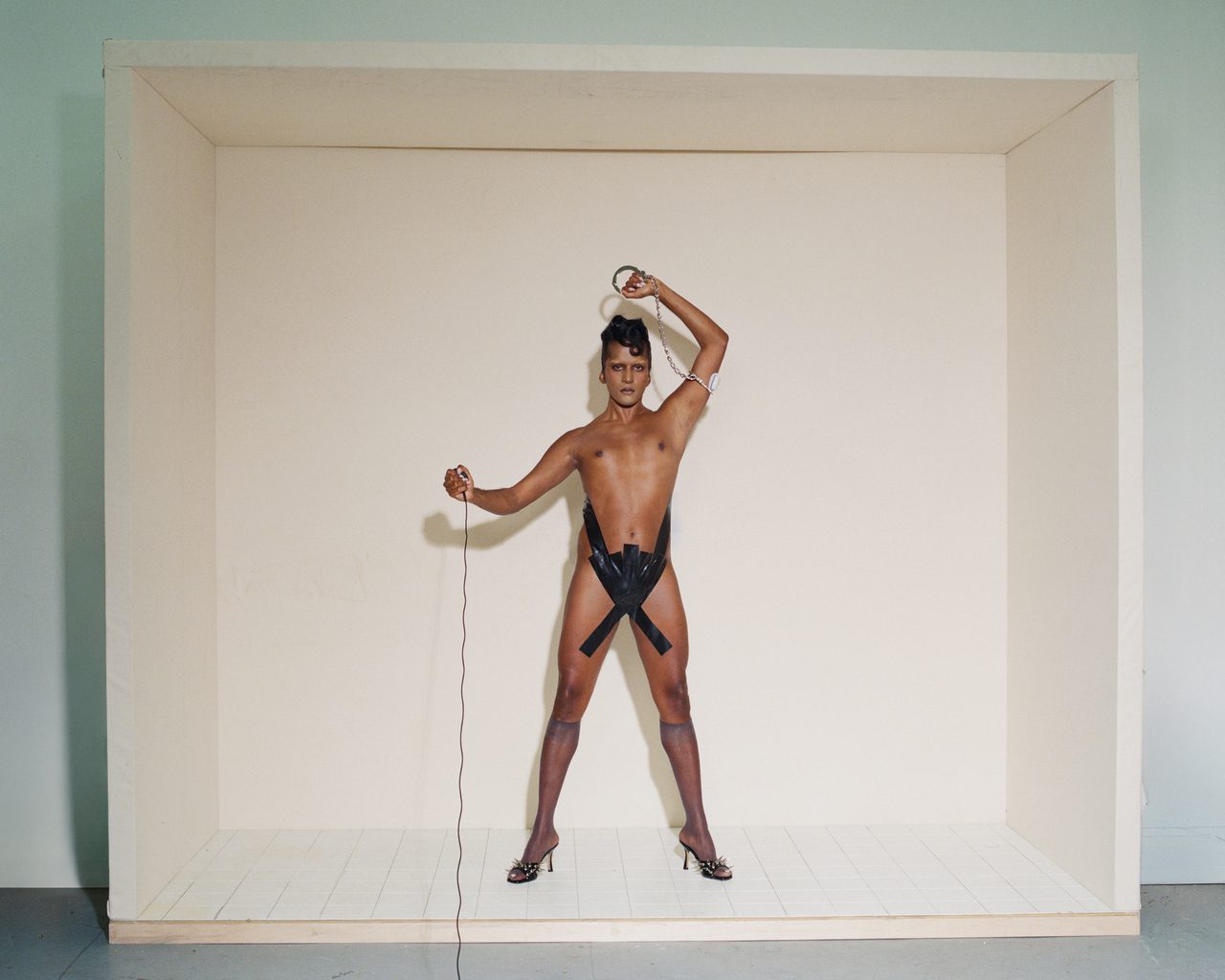 “I Was Never Meant To Survive This”, Richie Shazam’s debut solo exhibition in Austin presents a new series of self-portraits exploring identity as a continual state of becoming and means of survival. Across seven characters Shazam, like a modern La Castiglione, transforms herself to examine shifting perceptions, memory, and the dualities of existence—where dreamscapes and disruptions collide. Each character was shot within the confines of an eight-by-ten-foot wooden box complete with seven unique sets, costumes, hair, make-up and prosthetics. The result is seven tableaux each occupying a domestic interior, forming an immersive environment that reflects the character’s self-constructed world. Richie is a collector, she stockpiles and accumulates things, scraps and ideas which go on to adorn her future work. Flowers, objects, hair and ornaments spill out of the wooden frame, which eventually broke down as a result of constant creation, renovation and demolition within it. The works function as a study in survival, an intimate psychological landscape shaped by a relentless quest to create images of our deeply ingrained inner worlds. A soft violence of memory runs throughout, revealing the complexities of how memory operates and how experience imprints itself onto the body. Here, the flesh is divine—a site of reclamation and consciousness regained. Info: McLennon Pen Co. Gallery, 1114 W 5th St, Suite 202, Austin, TX, USA, Duration: 20/3-19/4/2026, Days & Hours: Tue-Fri 11:00-18:00, Sat-Sun 12:00-16:00, https://mclennonpenco.com/
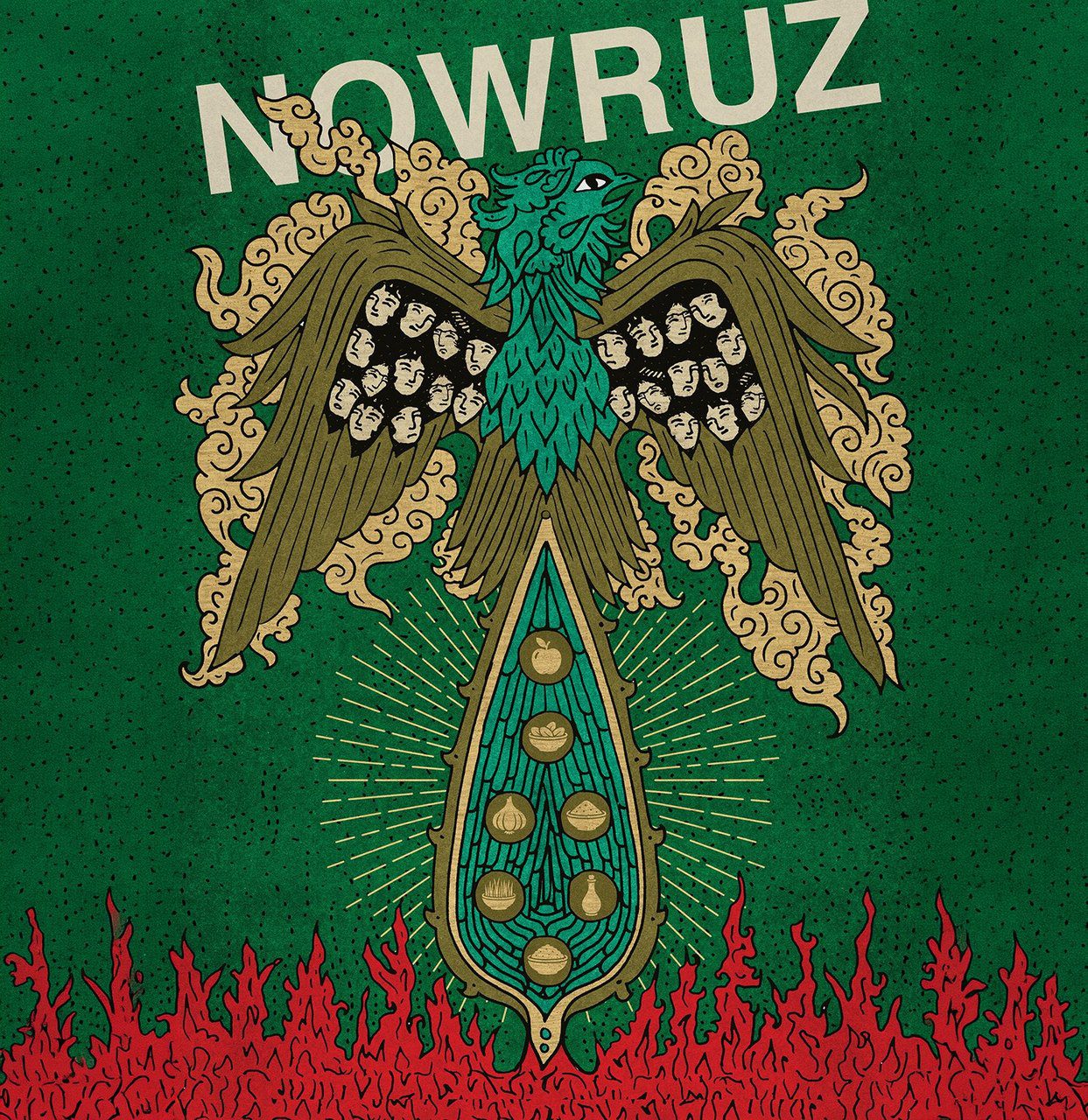 The exhibition project “ Nowruz – Images, Sounds and Voices from Contemporary Iran” was born from the encounter between Yasra Pouyeshman and Mara Sartore, developed through a dialogue around a show dedicated to contemporary Iranian artists. With the worsening political and social situation in Iran and the outbreak of uprisings, the realisation of the exhibition gradually became impossible, risking cancellation or indefinite postponement. Faced with this forced suspension, Mara Sartore invited Yasra Pouyeshman to merge the project into the exhibition programme of Bea Vita, transforming interruption into an opportunity for continuity. Bea Vita hosts the first chapter of a project conceived as an open, evolving organism, capable of adapting to an unstable and fragmented temporality. An initial selection of works – necessarily limited to those already stored in KOOCH’s warehouse, as communications with Iran are currently interrupted and artists are unable to ship new works – initiates a path that will unfold over time through subsequent chapters. The decision to proceed in chapters responds not only to practical necessity but defines a precise curatorial position. The exhibition embraces partiality, incompleteness, and suspension as conditions of the present, transforming them into an open narrative structure capable of welcoming new artists and new works as political, logistical, and relational conditions allow. Through its own narrative, the project also acknowledges those artists and works that cannot be physically present. Absence thus becomes presence. Works by: Reihane Raei, Siroo, Afsoongar, Mahboobeh Yazdani, Ehsan Shayegh, Farnaz Aboutalebi, and Aynaz. Info: Bea Vita, Fondamenta delle Capuzine, Venice, Italy, Duration: 20/3-22/11/2026
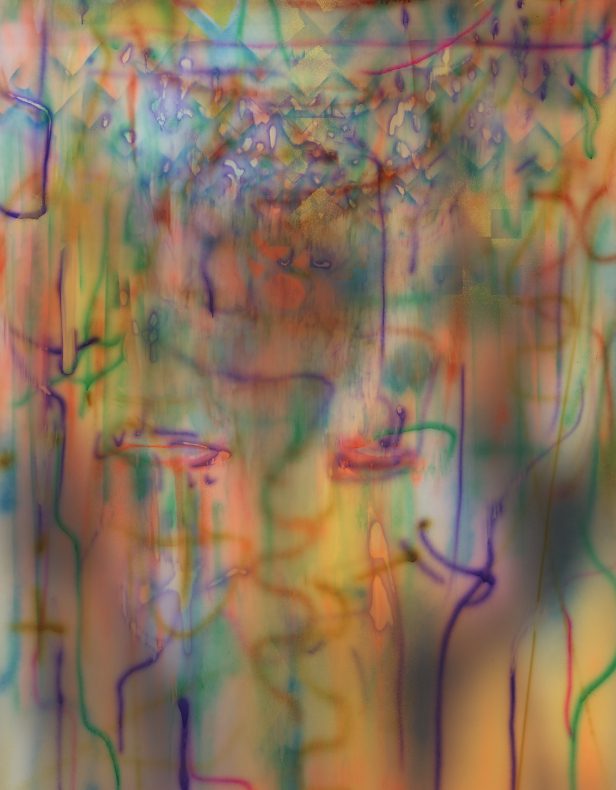 With “Kairos / Hauntological Variations” the work of Julie Mehretu, a celebrated American artist with Ethiopian and Polish roots, makes its first ever appearance in Poland. In the show’s title, the ancient Greek notion of kairos—a critical turning point—accompanies Derrida’s hauntology—a state where the present is haunted by ghosts of an unresolved past. Mehretu’s work reimagines the legacy of American Abstract Expressionism, establishing her as one of the most influential artists of our time—making an impact in contemporary painting for more than two decades now. Her compositions draw on maps, poetry and literature, music and art history, and most prominently, press photography and sociopolitical events; these varied sources act as intellectual and compositional points of departure for her practice in painting, drawing, and experimental printmaking. The exhibition is comprehensive, bringing pieces from different periods to Warsaw: from the analytical diagrams of the late 1990s to drawings and watercolors as well as works on paper and mylar dating to the 2000s, to the most recent, grand paintings whose dense layering acts as a seismographic record of today’s global tensions—all displayed in a way that provides deeper insight into the artist’s practice. Info: Curator: Szymon Żydek, Museum of Modern Art in Warsaw, Marszalkowska 103, Warsaw, Poland, Duration: 20/3-28/6/2026, Days & Hours: Tue-Sun 12:00-20:00, https://artmuseum.pl/
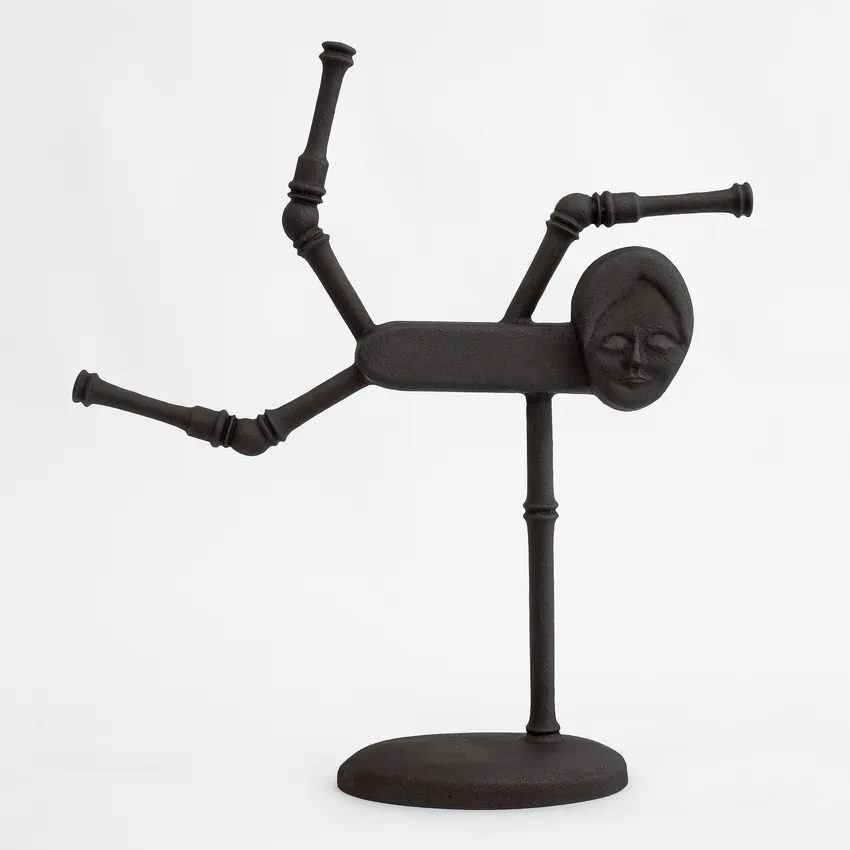 The exhibition “In the Shadows of Myself” presents a series of eighteen sculptures in linseed oil-burnt cast iron by Richard Johansson. Throughout his artistic career, Richard Johansson has been passionate about unpretentious and straightforward visual storytelling. He has lovingly drawn inspiration from the direct appeal and unadorned language of folk art. Echoes of this tradition can often be seen in his own art, which encompasses a variety of techniques and materials. Over the years, he has moved freely between sculpture, painting and drawing, always with a deep-rooted sense of craftsmanship and materiality.
The exhibition’s new iron sculptures can be seen as a summary of Johansson’s personal artistic universe. Here, he has moved towards a more primitive and simplified expression. The works still have a playful and narrative touch, but the color has been reduced to black and the material to cast iron. He himself has described the sculptures as drawings in three-dimensional form. The title of the exhibition suggests an autobiographical and retrospective content. The motifs in the individual works all have an important place in the artist’s life. Objects, phenomenons, experiences and stories that, for various reasons, have remained etched in his memory. Some of the sculptures originate from the artist’s own childhood drawings and experiences. Others come from later encounters in life, art and music experiences, historical figures and pure fantasy. Info: Galleri Magnus Karlsson, Fredsgatan 12, Stockholm, Sweden, Duration: 21/3-2/5/2026, Days & Hours: Tue-Fri 12:00-17:00, Sat 12:00-16:00, www.gallerimagnuskarlsson.com/
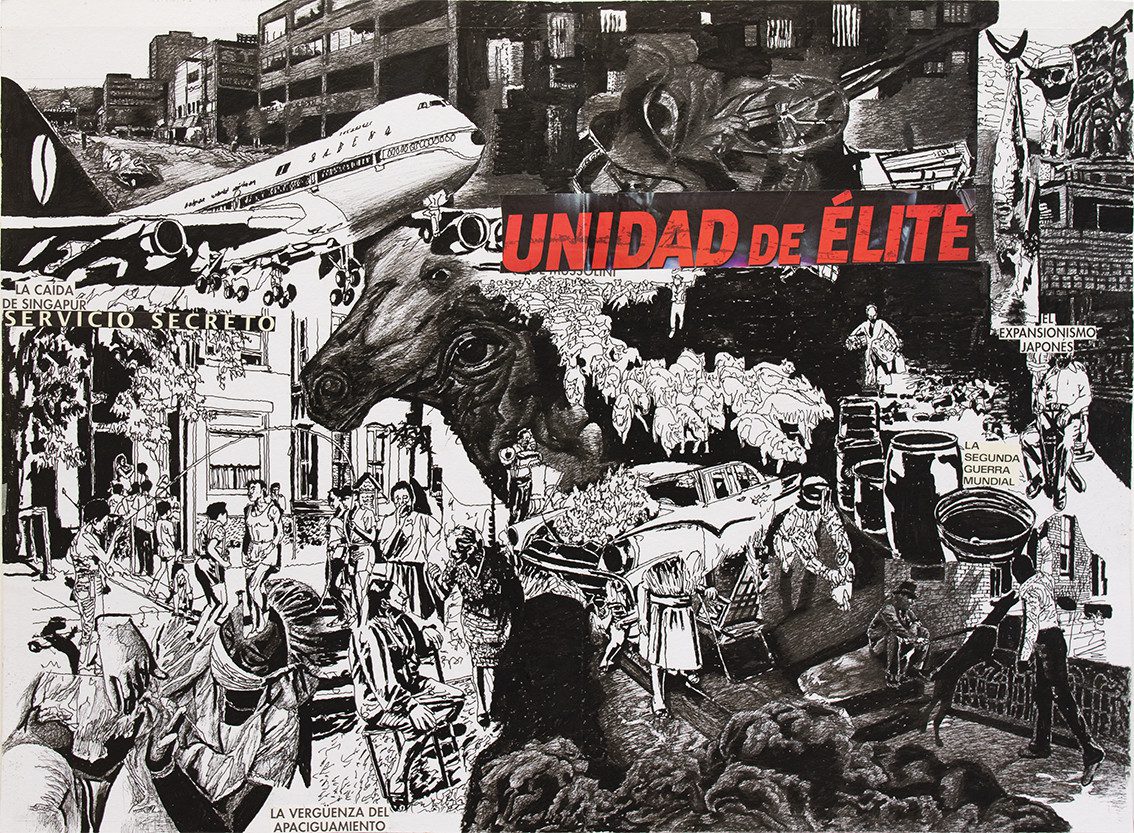 The exhibition “Proliferations” in Paris presents the work of Ramon Losa, an artist shaped by both exceptional talent and psychological fragility. Born in 1959 in Villapalacios, Losa moved between France and Spain during his youth. Though admitted to the School of Fine Arts in Madrid, his rebellious nature led to his expulsion after only three months. This marked the beginning of a life marked by recurring institutionalization, which paradoxically fueled his artistic output. Losa’s work emerges from an intense inner struggle, where creativity serves as both expression and relief. His practice spans painting, collage, and irreverent text, including asemic writing that invites emotional interpretation rather than literal reading. His technical skill does not mask his inner fractures; instead, it exposes them, creating a raw and sincere body of work. Freed from conventional expectations, Losa embraces artistic and personal freedom, constructing narratives that blur the line between autobiography and social commentary. His compositions juxtapose popular culture, academic references, and contemporary issues, reflecting the chaotic flow of modern visual culture. Ultimately, his work captures both personal turmoil and the broader spectacle of contemporary life, revealing an artist deeply entangled in the world he portrays. Info: Galerie Cristian Bert Art Brut, 3-5 passage des gravilliers, Paris, France, Duration: 21/3-18/4/2026, Days & Hours: Tue-Sat 14:00-19:00, https://christianberst.com/
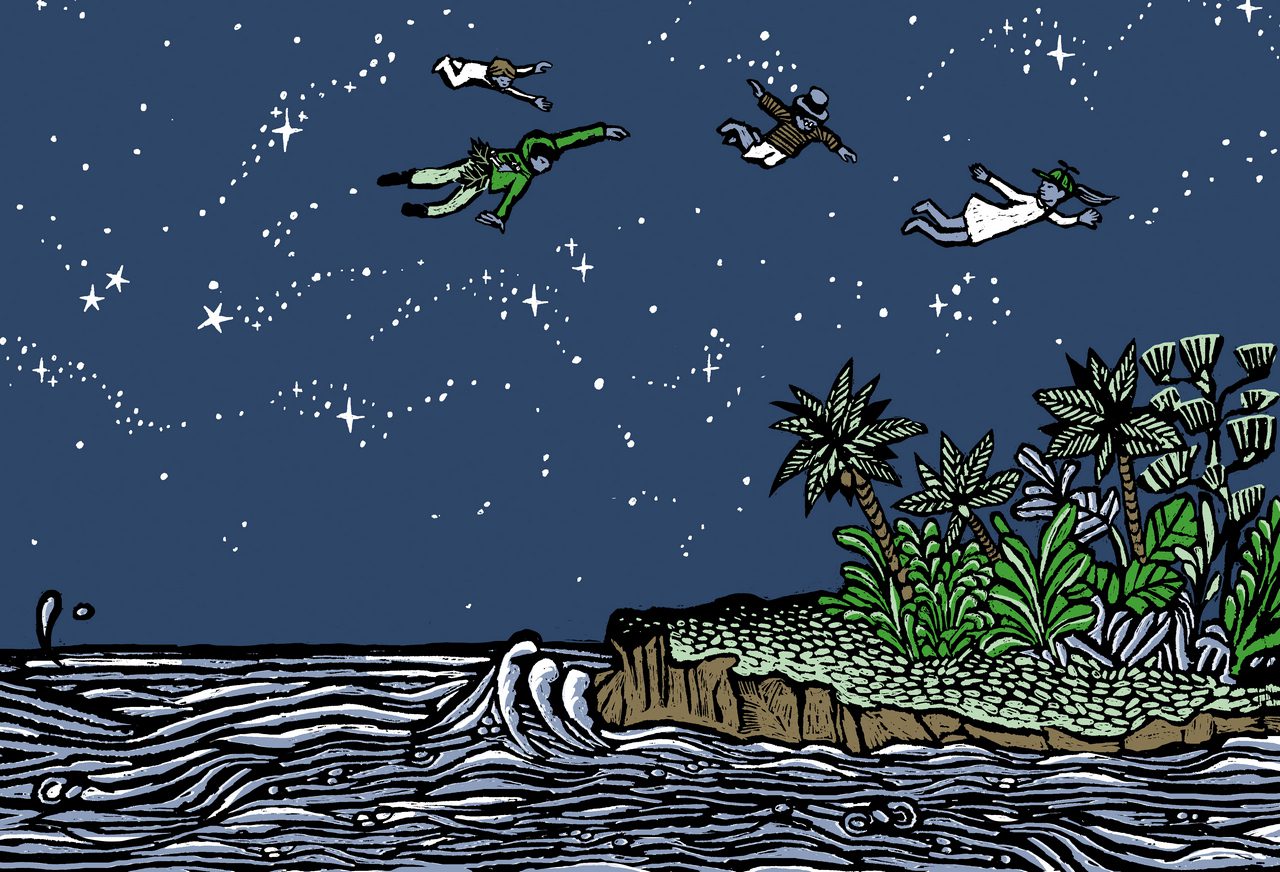 Using black paint on glass and a sharp etching needle, illustrator Floor Rieder scratches her worlds into view layer by layer. Wherever she scratches, light appears. Her work is on view in the exhibition “Scratch, scratch, scratch”. Her illustrations for new editions of the classics Alice in Wonderland and Peter Pan are on display, and visitors of all ages can get to work themselves. Rieder’s work is immediately recognisable, powerful and graphic, and at the same time fairytale-like and full of surprising details. She paints glass plates completely black and first works out her compositions carefully. Then the scratching begins: line by line she removes the paint and in this way brings light into the image. The strong black-and-white contrast forms the basis of her visual language, after which she digitally adds colour for extra atmosphere and depth. Rieder gives classic stories a contemporary appearance, such as Peter Pan who appears in a hoodie. Info: Kunsthal Rotterdam, Museumpark, Westzeedijk 341, Rotterdam, The Netherlands, Duration: 21/3-21/6/2026, Days & Hours: Tue-Sun 10:00-17:00, www.kunsthal.nl/
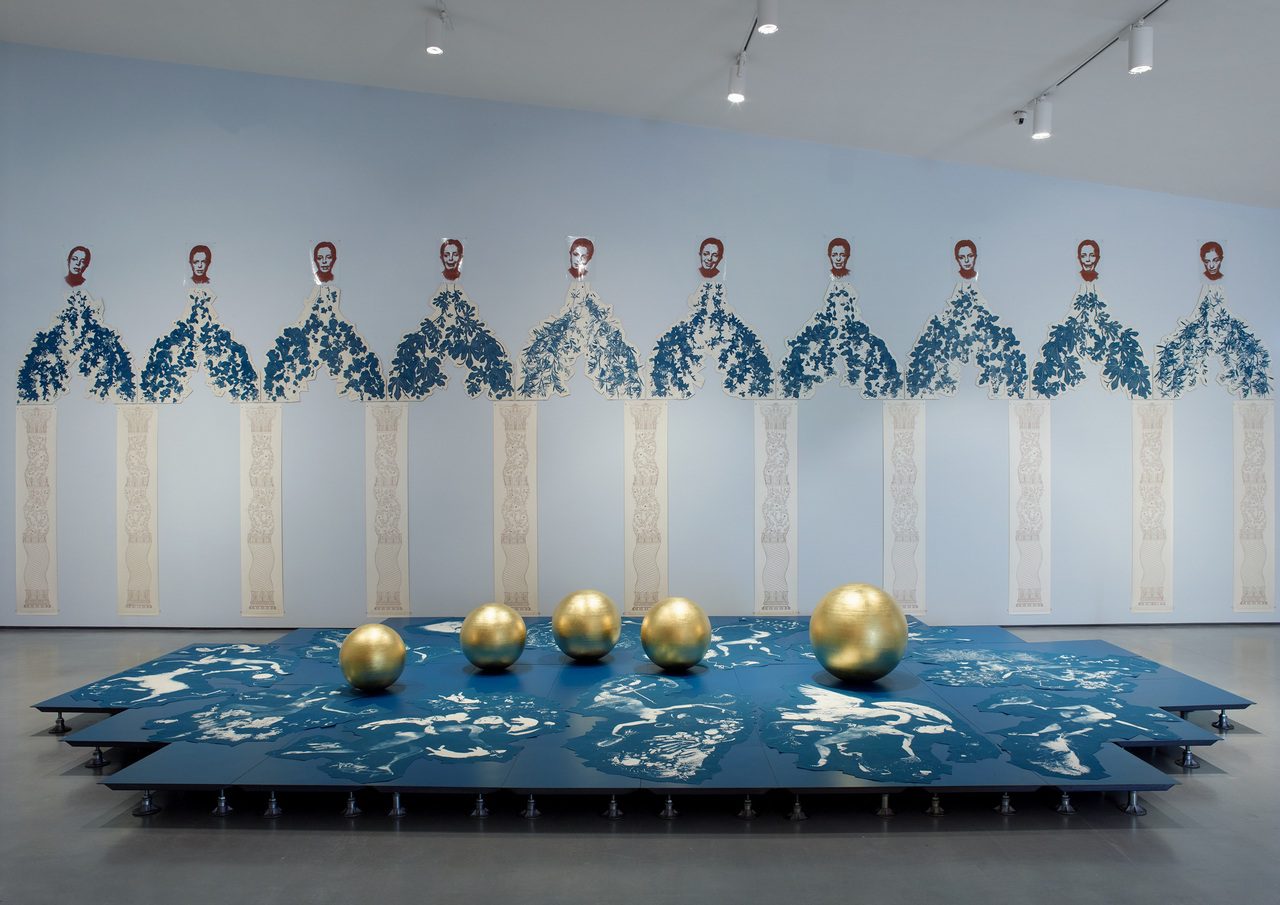 The exhibition “Hybrid Pleasures”, which appeals to all the senses is dedicated to the pioneering artist Helen Chadwick. In a contemporary interpretation, Liesl Raff supplements and supports Chadwick’s broad oeuvre with her own current works. The two extraordinary positions are united by a fascination for living material. Helen Chadwick celebrated all that is sensuous in the natural world and the human body. She was a highly skilled maker who produced sculptures, installations, photography, performances, lightboxes and prints—working across portraiture, still life and landscape. Chadwick was a feminist and her art was mischievous, unruly and luxurious. She was interested in exploring the idea of “experience” to address issues connected to feminism, sexuality, disease and beauty. , Liesl Raff’s sculptures—made of beautifully worked, hand-casted latex, metal or standardised stage elements complement the retrospective with a quiet sensuality. Her work responds physically and receptively to both Chadwick’s hybrid conceptual space and the architecture of the Kunsthaus Graz, opening up new, contemporary readings of material, the body, language and process. Dissolving rigid binary distinctions, they create visceral experiences and open up spaces of soothing ambiguity. The dialogue between the two positions follows the concept of hybridity—implicitly inspired by Homi K. Bhabha—and, through Raff’s exhibition design, gives rise to a “third space” dedicated to the processual and the living. Over the course of the exhibition, this space will host live events and performances that respond to and activate the shared themes. Info: Curators: Katrin Bucher Trantow and Laura Smith, Kunsthaus Graz, Lendkai 1, Graz, Austria, 21/3-20/9/2026, Tue-Sun 10:00-18:00, www.museum-joanneum.at/
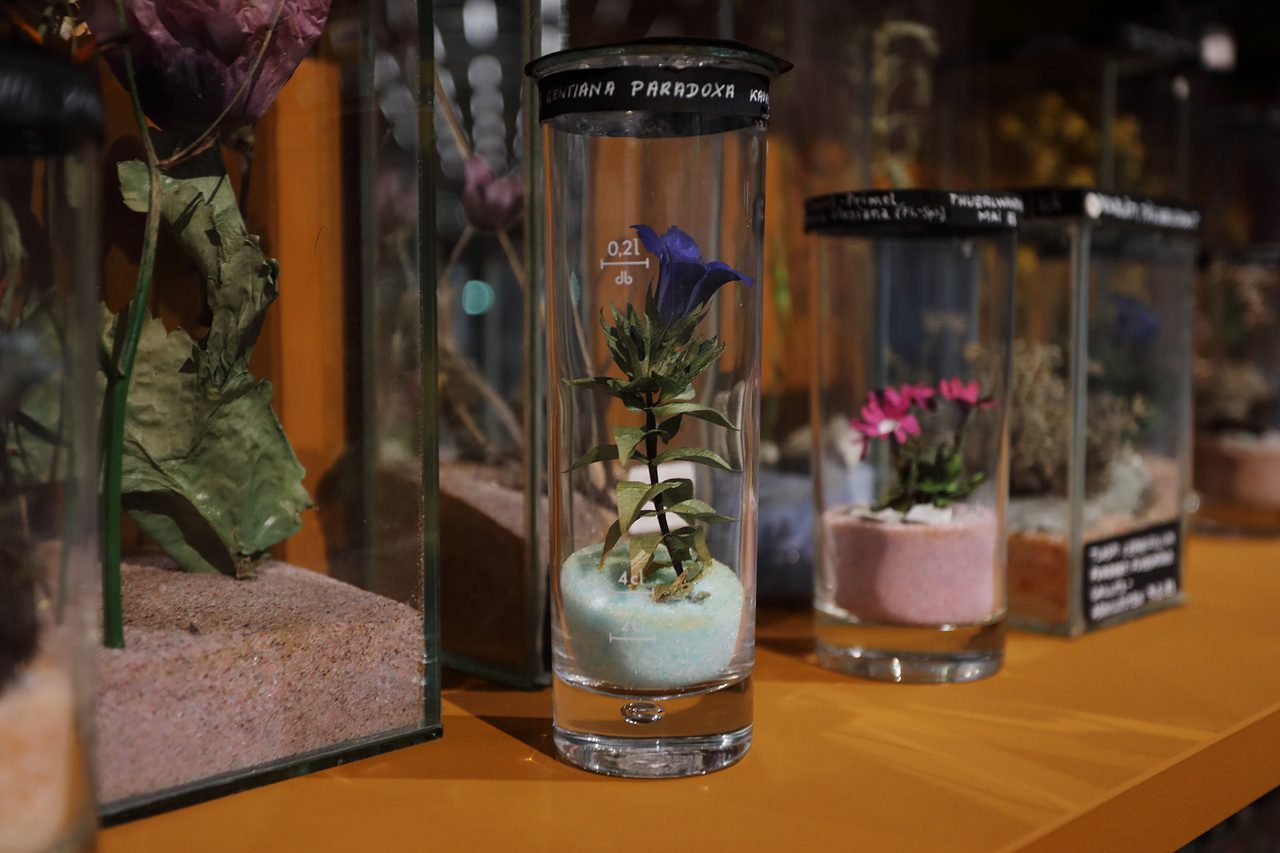 The group exhibitin “30% Dandelion” reveals the profound connection between flowers and humans. After all, we share around 30% of our genetic material with them. Bringing together works by over 35 international artists, alongside loans from the museum’s diverse collections, this exhibition invites us to pay closer attention to things that grow slowly, require care, dissolve and reappear quietly. Both botanical specimen and cultural symbol, the dandelion is a species of remarkable adaptability. A sun-yellow medicinal herb and a persistent weed, it is capable of breaking through even the hardest asphalt. In the exhibition, it becomes a figure through which to reflect on fragility, resistance and the melancholy of a crumbling present. Alongside works from diverse collections such as the natural sciences or cultural history collection, the exhibition invites us to explore the familiar, beautiful and captivating aesthetics of the flower, celebrating life in this world. The works focus on resilience, recurring arrival, symbiotic cooperation and letting go, in a poetic, political and ecological sense. The dandelion serves as both a model of adaptive strength and a universal language. In the spirit of floriography, the historical language of flowers, it becomes a transcultural gesture of recognition and communication: overlooked, yet persistent and beautiful, it offers a symbolic vocabulary that resists normative constraints. Works by: Iris Andraschek, Suzanne Anker, Karl Blossfeldt, Andrea Bowers, Viltė Bražiūnatė & Tomas Sinkevičius, Claude Cahun, Regula Dettwiler, Spencer Finch, Barbara Frischmuth, Anita Fuchs, Yevhen Holubentsev, Sanja Iveković, Anna Jermolaewa, Markus Jeschaunig, Claudia Larcher, Jonas Mekas, Joiri Minaya, Ryts Monet, Alois Neuhold, Agnieszka Polska, Anna Ridler, Ugo Rondinone, Martha Rosler, Sonya Schönberger, Nina Schuiki, Elfie Semotan, Petr Štembera, Alexander Stern, Thomas Stimm, Michael Stusser, Neja Tomšič, Dirck van Rijswijk and Anna Zemánková Info: Kunsthaus Graz, Lendkai 1, Graz, Austria, 21/3-8/11/2026, Tue-Sun 10:00-18:00, www.museum-joanneum.at/
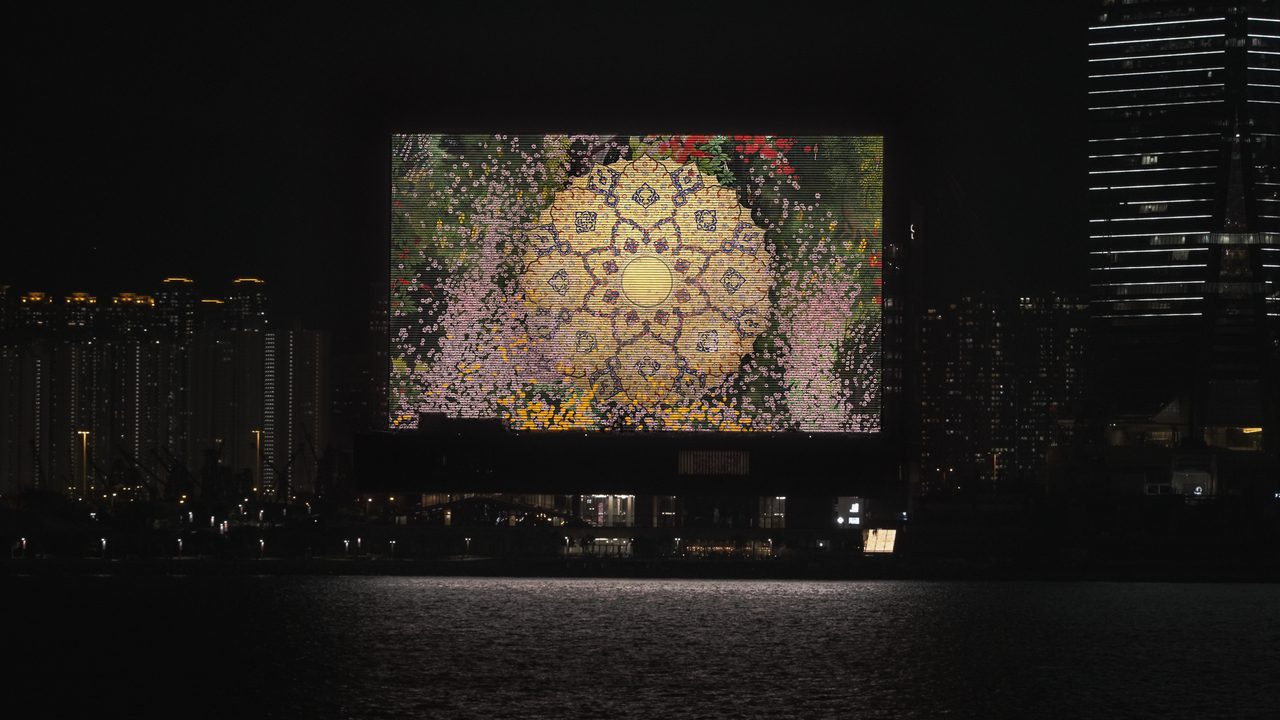 Shahzia Sikander’s “3 to 12 Nautical Miles” (2026) is a radiant cinematic tableau animated from hand-painted images. Navigating the enduring currents of power and trade shaping the global landscape from the nineteenth century to the modern era, the work traces the entangled histories of empire, trade, and maritime power that linked the British East India Company, Mughal India, and Qing China. As the animation unfolds, it charts the decline of Mughal authority under Akbar II, the internal strains on the Qing dynasty, and the East India Company’s rise from commercial venture to territorial power. Within this context, the work interrogates Britain’s opium cultivation in India, its coercive trade with China, and the First Opium War, exposing the mechanisms of imperial extraction and the deep power asymmetries between Britain and China at the time. Featured on the M+ Facade, Sikander’s animation magnifies the painted gestures, objects, and symbols that signal how authority was constructed, distributed, and contested, from Indian fields and ports to Chinese treaty cities and British naval power. It also examines how authority remains vulnerable, especially in places like the sea, where boundaries are never fully fixed. Info: M+, West Kowloon Cultural District, 38 Museum Drive, Kowloon, Hong Kong, Duration: 23/3-21/6/2026, Tue-Sun 10:00-18:00, www.mplus.org.hk/