PRESENTATION: Robert Zandvliet-The Painting is a Door
Robert Zandvliet’s work unfolds from a conviction that the light of Holland has remained unchanged—a soft, lush, atmospheric light that he recognizes instantly when returning from abroad. He describes the moment of landing at Schiphol and watching the landscape glide past the train window on the way to Rotterdam as a kind of perceptual homecoming.
By Efi Michalarou
Photo: Museum Franz Gertsch Archive
Robert Zandvliet insists, that the Dutch light is fundamentally different from the sharp, dry luminosity of Italy, where forms appear with crisp, almost sculptural edges. In the Netherlands, clouds dissolve into one another; colors bloom with moisture; the sky becomes a mutable, breathing surface. This sensitivity to light places Zandvliet firmly within the Dutch tradition of painters who understood atmosphere as a subject in itself—artists like Jan van Goyen and Jan Weissenbruch, whose clouds he contrasts with the “cut‑out” clarity of Piero della Francesca.
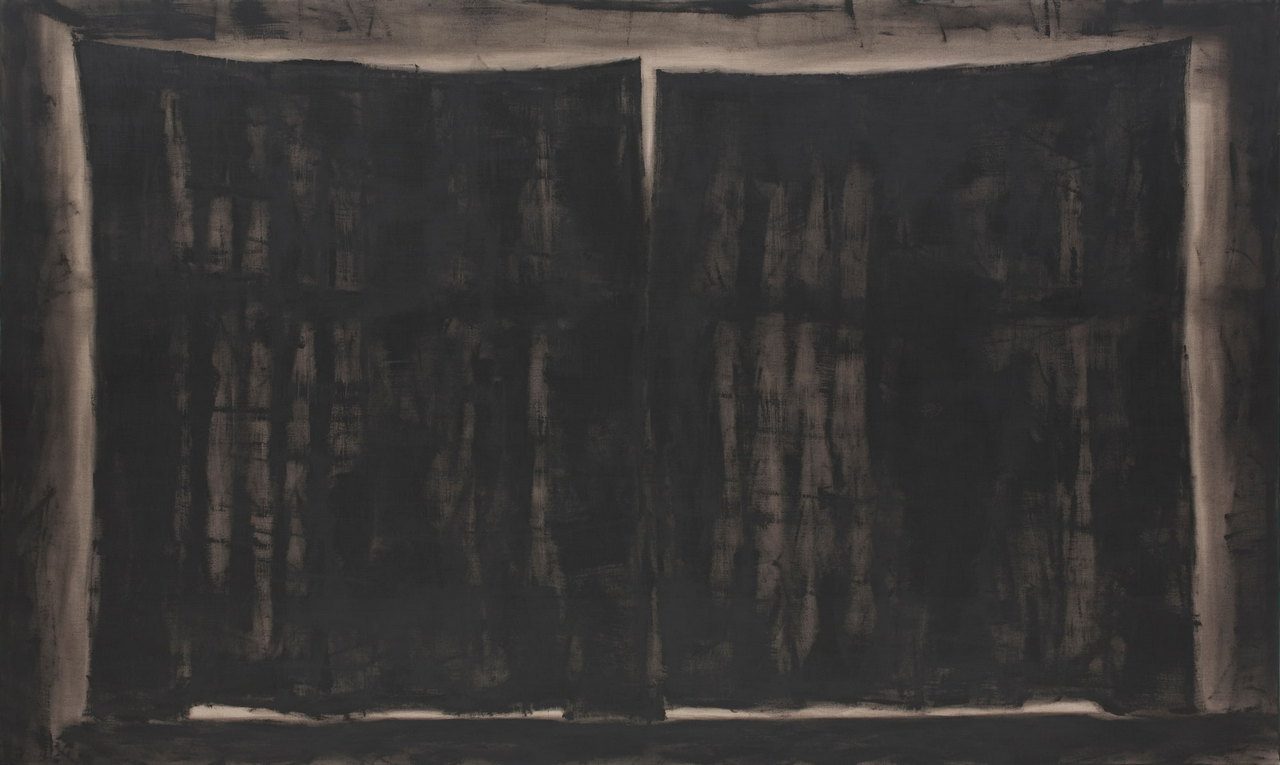
His solo exhibition title, “The Painting is a Door”, encapsulates Zandvliet’s philosophy: painting is not a window onto the world but a threshold, a passage between interior and exterior, perception and imagination. His works do not simply depict landscapes—they construct them, inviting viewers to step into spaces where light, color, and gesture become experiential.
Across more than 30 works, the exhibition reveals the full range of Zandvliet’s painterly thinking. It shows how a stone can become a cosmos, how a garden can become a metaphor for paradise, and how Dutch light—unchanged across centuries—continues to shape the sensibility of one of the Netherlands’ most compelling contemporary painters.
Since the early 1990s, Zandvliet has worked at the threshold between abstraction and representation, exploring the tension between painting as a self-reflective act and painting as a vehicle for depicting the world. His practice is shaped by a dynamic interplay of opposites: Deliberate composition vs. chance occurrence; Abstraction vs. figuration; Part vs. whole and Space vs. surface
These dualities merge into polyphonic structures that reimagine the history of painting through his own sensibility. His landscapes often begin with recognizable motifs, only to dissolve into gestural fields of color and line. Foreground and background shift, merge, and reconfigure themselves, prompting viewers to question where form ends and atmosphere begins. This approach aligns with his broader interest in observation, a quality long associated with his work and rooted in the Dutch tradition described by Svetlana Alpers as “the eye that measures and weighs.”
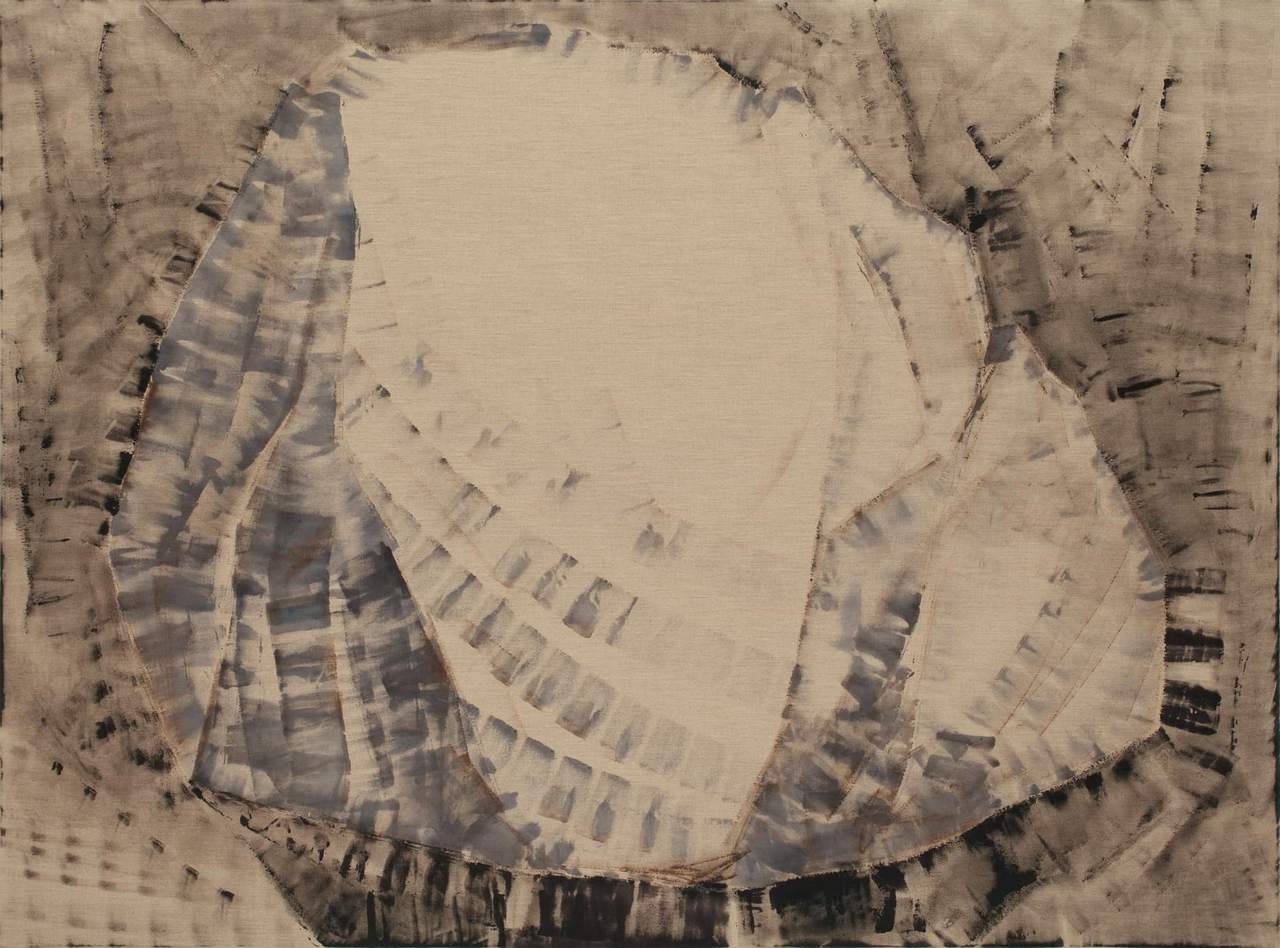
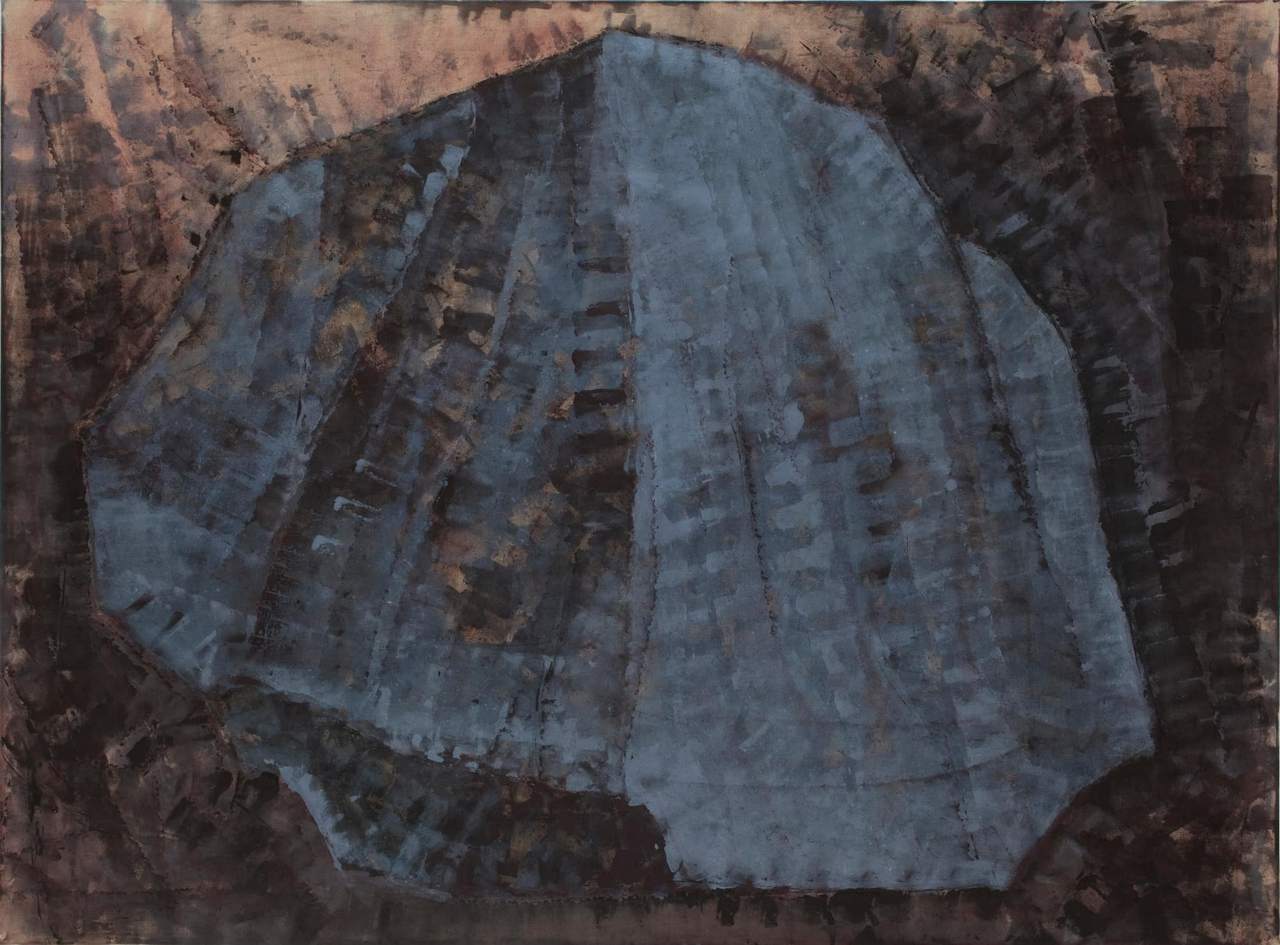
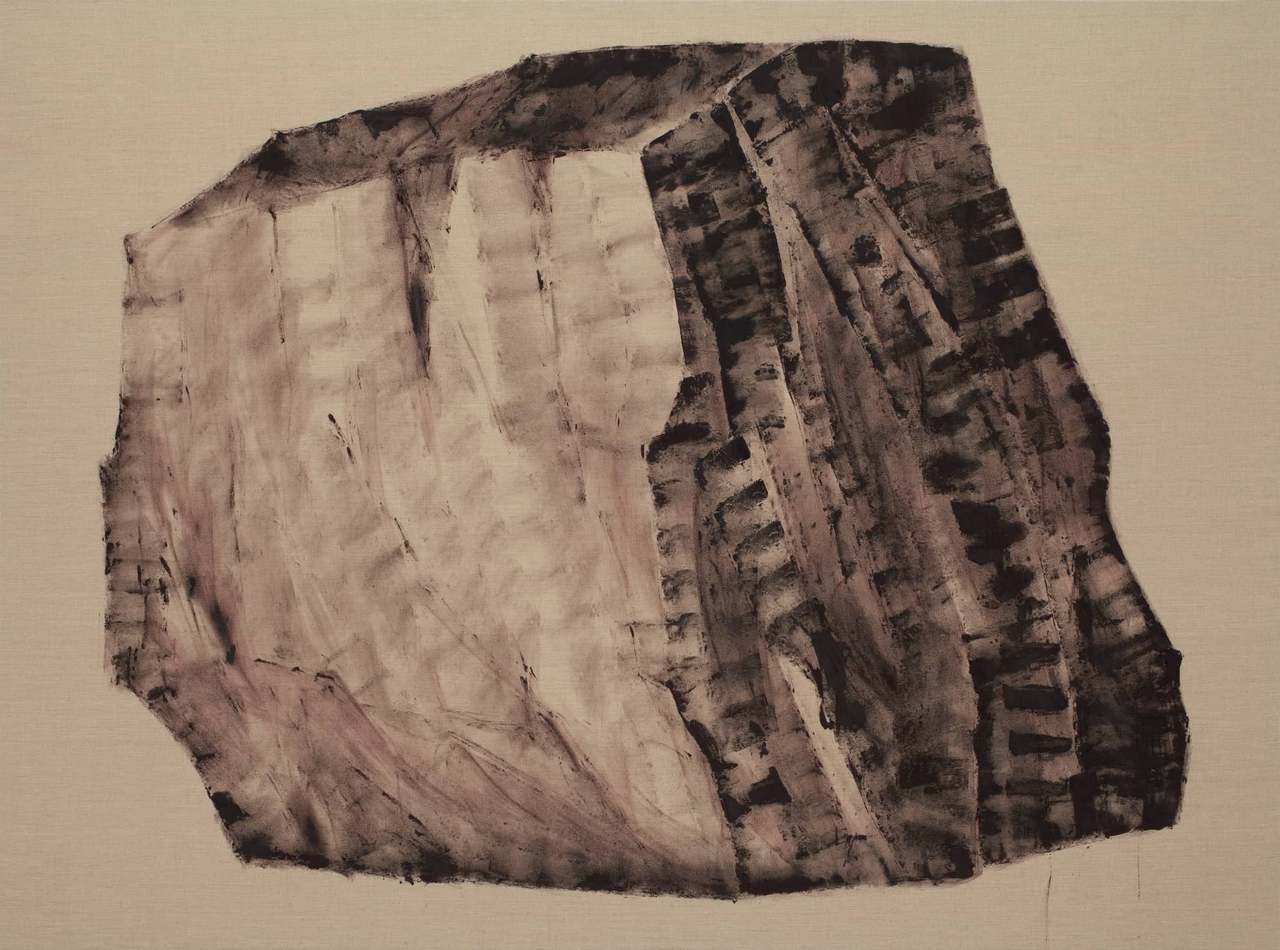
A pivotal moment in Zandvliet’s recent practice is the series “Seven Stones” (2014), presented outside the Netherlands for the first time in “The Painting is a Door”. These works take the stone—a seemingly modest, inert object—and transform it into a conceptual engine. Through painterly translation, the stones become detached from their literal identity and instead point toward the fundamental conditions of painting: weight and lightness, opacity and translucency, stillness and movement.
Displayed together as a cohesive unit, the series gains additional force from its reduced color palette, which heightens the viewer’s attention to texture, rhythm, and the subtle interplay of surface and depth. The stones become meditations on form itself—anchors that allow Zandvliet to explore how painting can both describe and transcend the visible world.
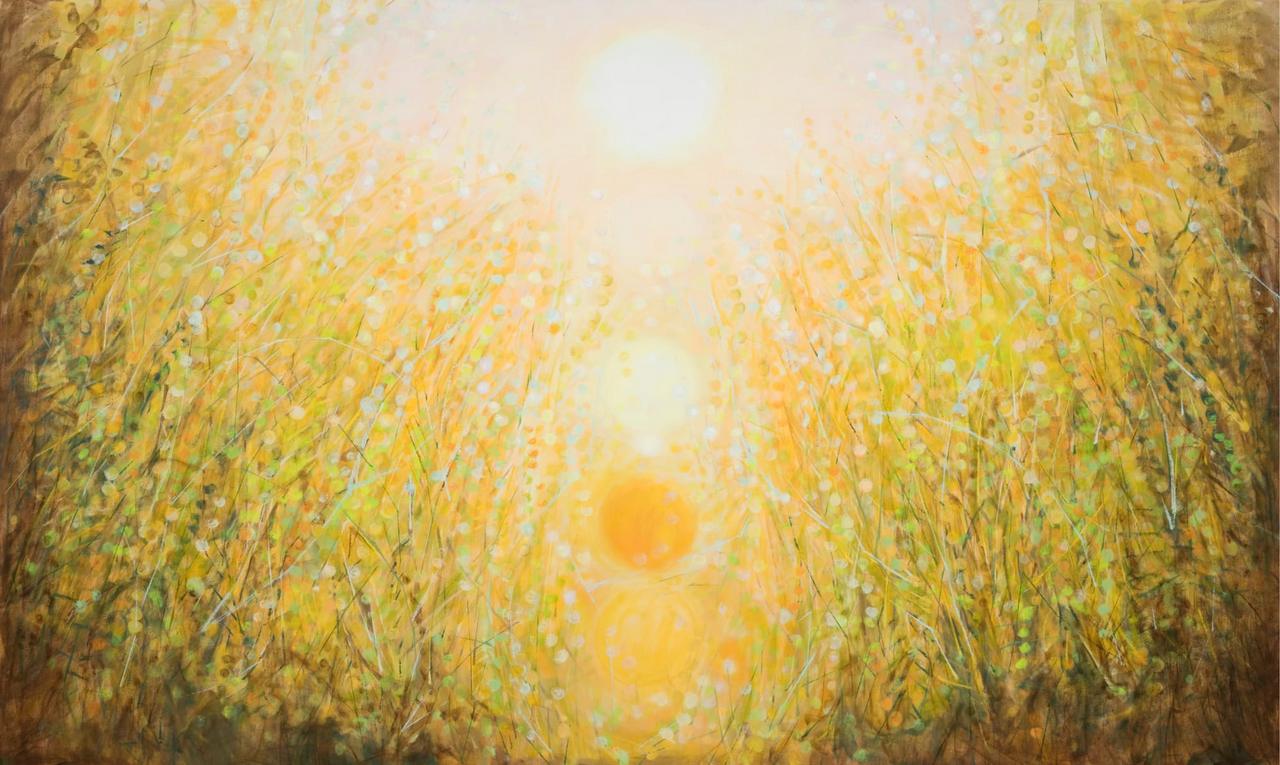
From the concentrated austerity of “Seven Stones”, the exhibition opens into “Paradaidha”, Zandvliet’s latest body of work. The title derives from the Old Persian paradaidha, meaning a walled, irrigated garden—a place of abundance and protection that later evolved into the concept of paradise. This etymology is crucial: Zandvliet approaches paradise not as an idyllic fantasy but as a constructed space, shaped by human desire, memory, and imagination.
The large-format works in this series reveal the painter at his most expansive. Here, meticulous compositional planning coexists with spontaneous, gestural expression. The paintings feel both cultivated and wild, echoing the dual nature of the garden as a site of order and organic growth. This tension mirrors the core of Zandvliet’s practice: the constant negotiation between control and intuition.
Zandvliet’s career has long been shaped by a dialogue with art history. His early works reflect a deep engagement with artists such as Mondrian, de Kooning, Lichtenstein, Rembrandt, and Velázquez, whose influence he distills through dramatic simplification of form and palette. His favored medium—egg tempera on linen—further situates him within a lineage of Western painting while allowing him to manipulate color and luminosity with exceptional subtlety.
Yet his work is never nostalgic. Instead, he uses historical references as launching points for new painterly inquiries. Whether focusing on a car mirror, an airplane window, or a stone, he elevates everyday motifs into meditations on perception, framing, and the act of looking.
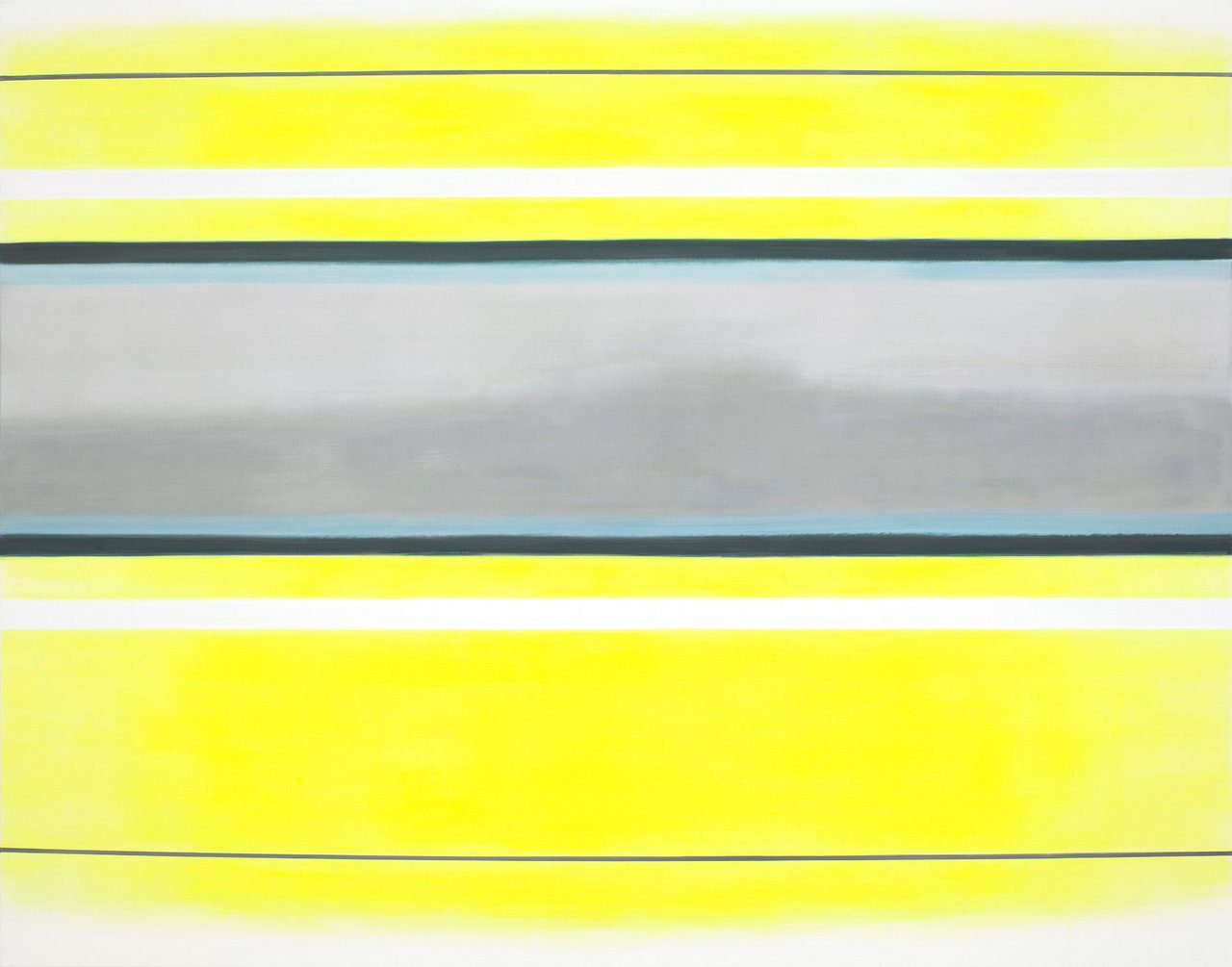
Photo: Robert Zandvliet, Yellow, 2019, Egg tempera on linen, 213 x 270 cm, The Ekard Collection, © Robert Zandvliet
Info: Museum Franz Gertsch, Platanenstrasse 3, Burgdorf, Switzerland, Duration: 21/3-30/8/2026, Days & Hours: Tue-Sun 10:00-17:00, www.museum-franzgertsch.ch/
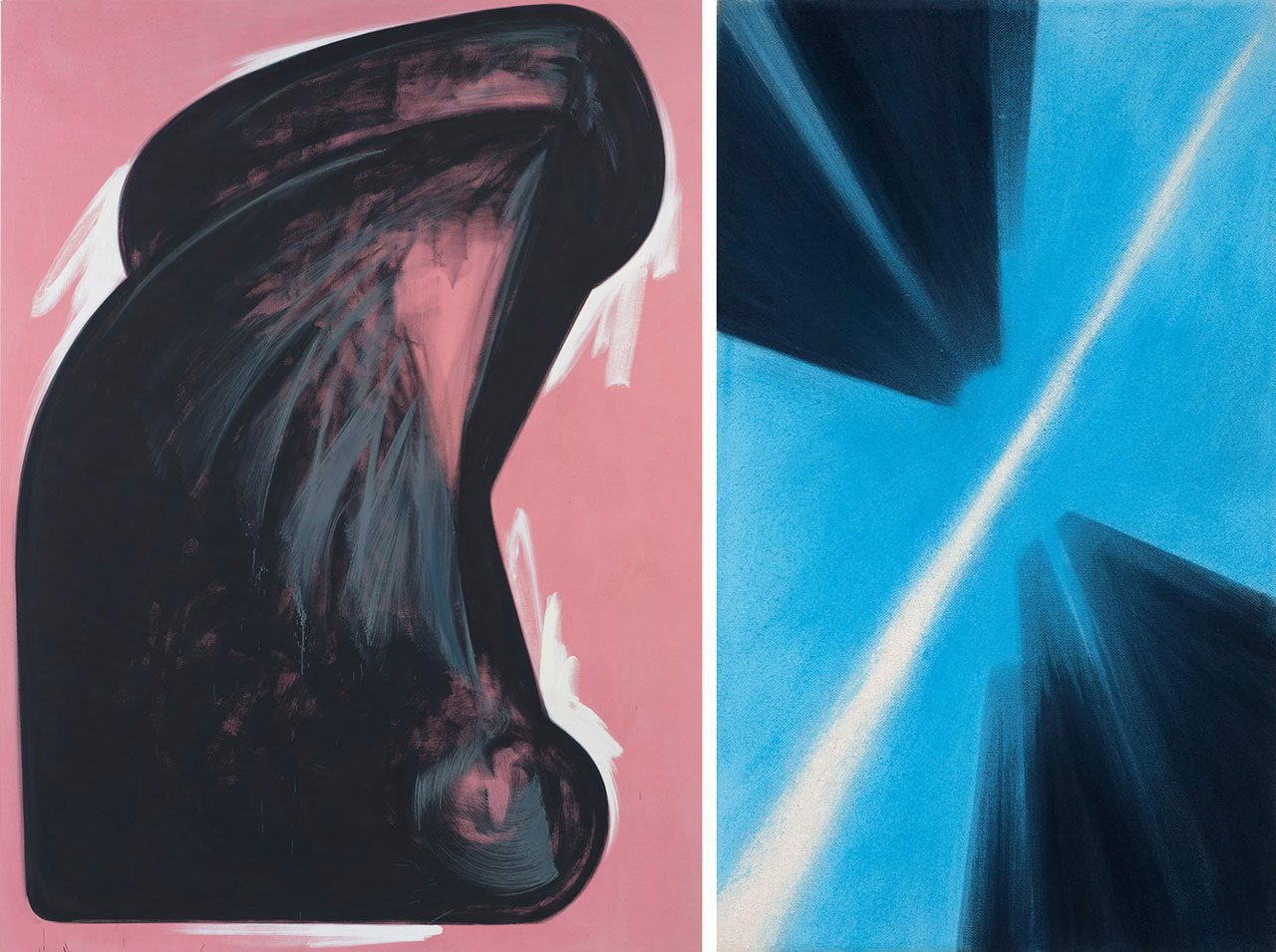
Right: Robert Zandvliet, Untitled, 2020, Egg tempera on linen, 50 x 30 cm, Property of the artist, © Robert Zandvliet