
PRESENTATION: Peter Hujar & Liz Deschenes-Persistence of Vision
In an era saturated with images, Persistence of Vision proposes a radical slowing down—a reconsideration of what photography is, and what it can be. Bringing together the work of Peter Hujar and Liz Deschenes, this Berlin exhibition stages an intergenerational dialogue that is as much about perception as it is about medium. It marks the first major presentation of both artists in the German capital, positioning their practices within an expanded field of photographic inquiry. At the heart of the exhibition lies a shared insistence on clarity—though each artist arrives there by radically different means.
By Dimitris Lempesis
Photo: Gropius Bau Archive
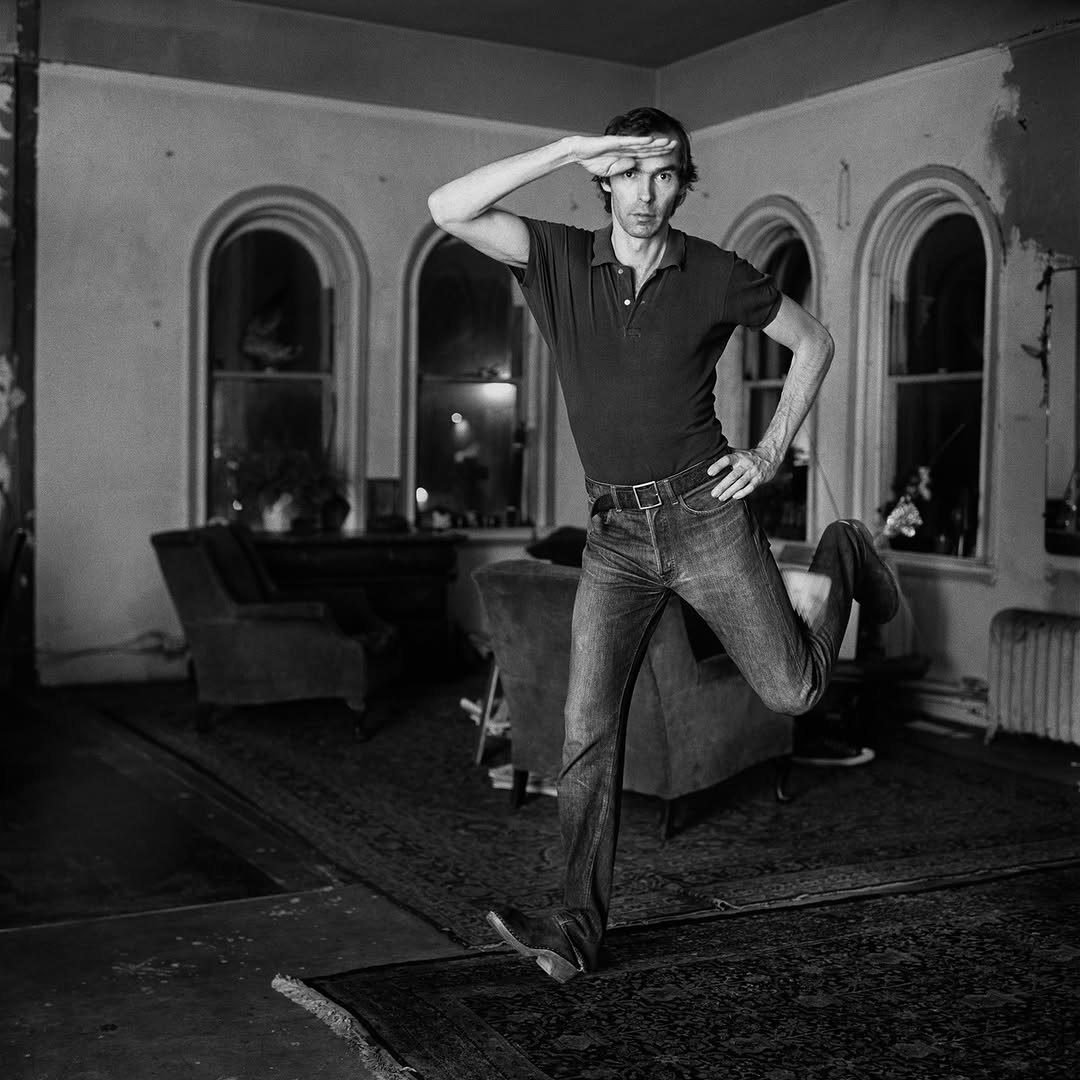
Working in New York from the 1960s through the 1980s, Peter Hujar developed a photographic language defined by restraint, intimacy, and psychological acuity. His black-and-white images map a transformative cultural moment spanning the aftermath of the Stonewall uprising to the devastating emergence of the AIDS crisis.
Hujar’s lens was closely attuned to the downtown avant-garde and queer communities of the East Village. His portraits—of figures such as Susan Sontag, William S. Burroughs, Candy Darling, David Wojnarowicz, and Paul Thek—are neither documentary nor performative. Instead, they exist in a charged space of mutual recognition between photographer and subject.
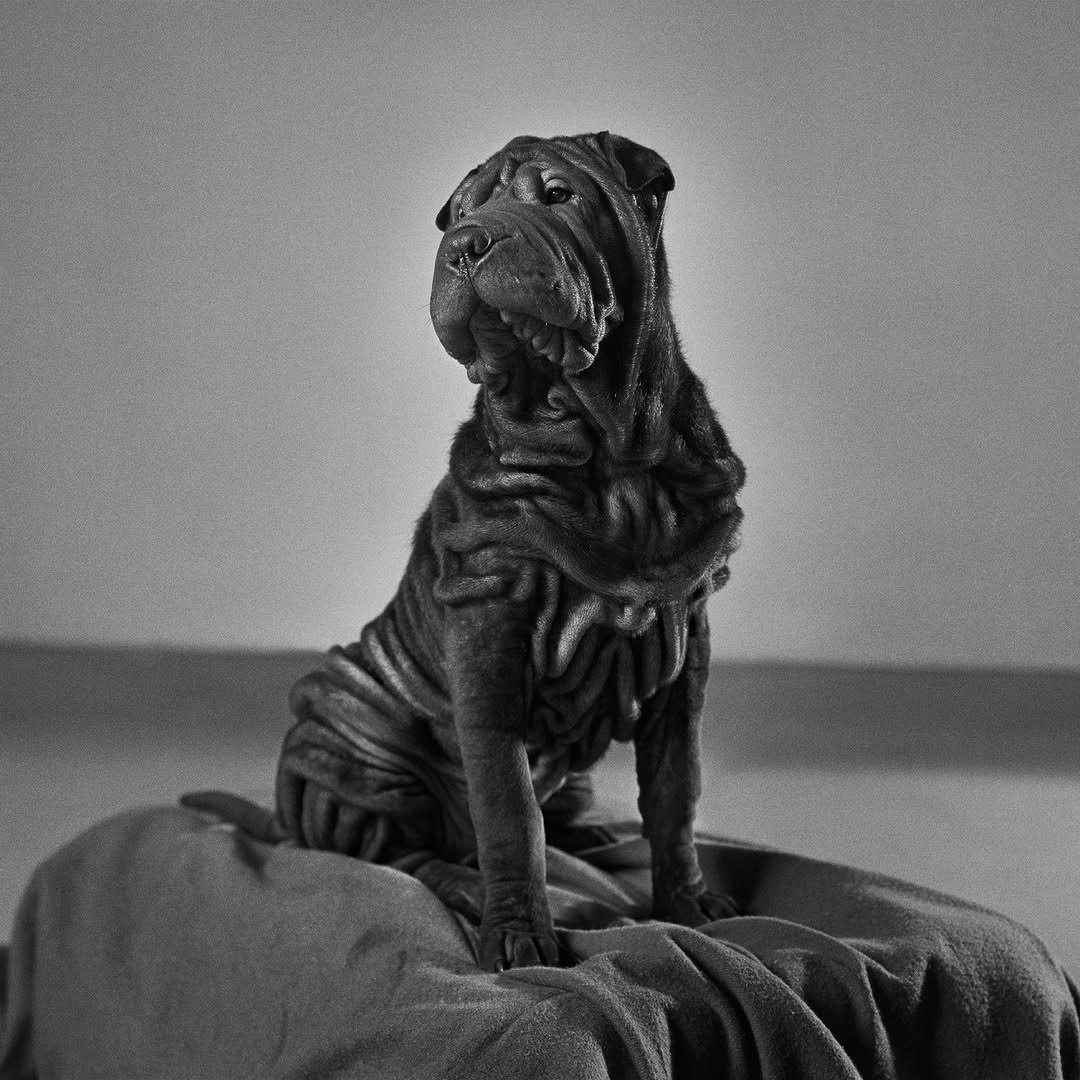
Yet portraiture is only one dimension of his œuvre. Animals, decaying urban landscapes, and stark nudes appear alongside these figures, unified by an unflinching attention to mortality, vulnerability, and presence. Hujar’s images resist categorization; they operate as a constellation of lived experience, where beauty and loss are inseparable.
With approximately 120 works on view—many exhibited in Berlin for the first time—the exhibition traces the full arc of Hujar’s career, from early experiments in the 1950s to the refined studio works produced before his death in 1987.
Where Hujar’s work is grounded in human presence, Liz Deschenes approaches photography by systematically dismantling its representational function. Based in New York, Deschenes engages the medium at its most elemental level: light, time, and chemical process.
Her early series, such as “Elevations” and “Green Screen”, foreground color as both subject and structure. These monochrome works destabilize the boundary between image and object, asking whether a photograph must depict anything at all.
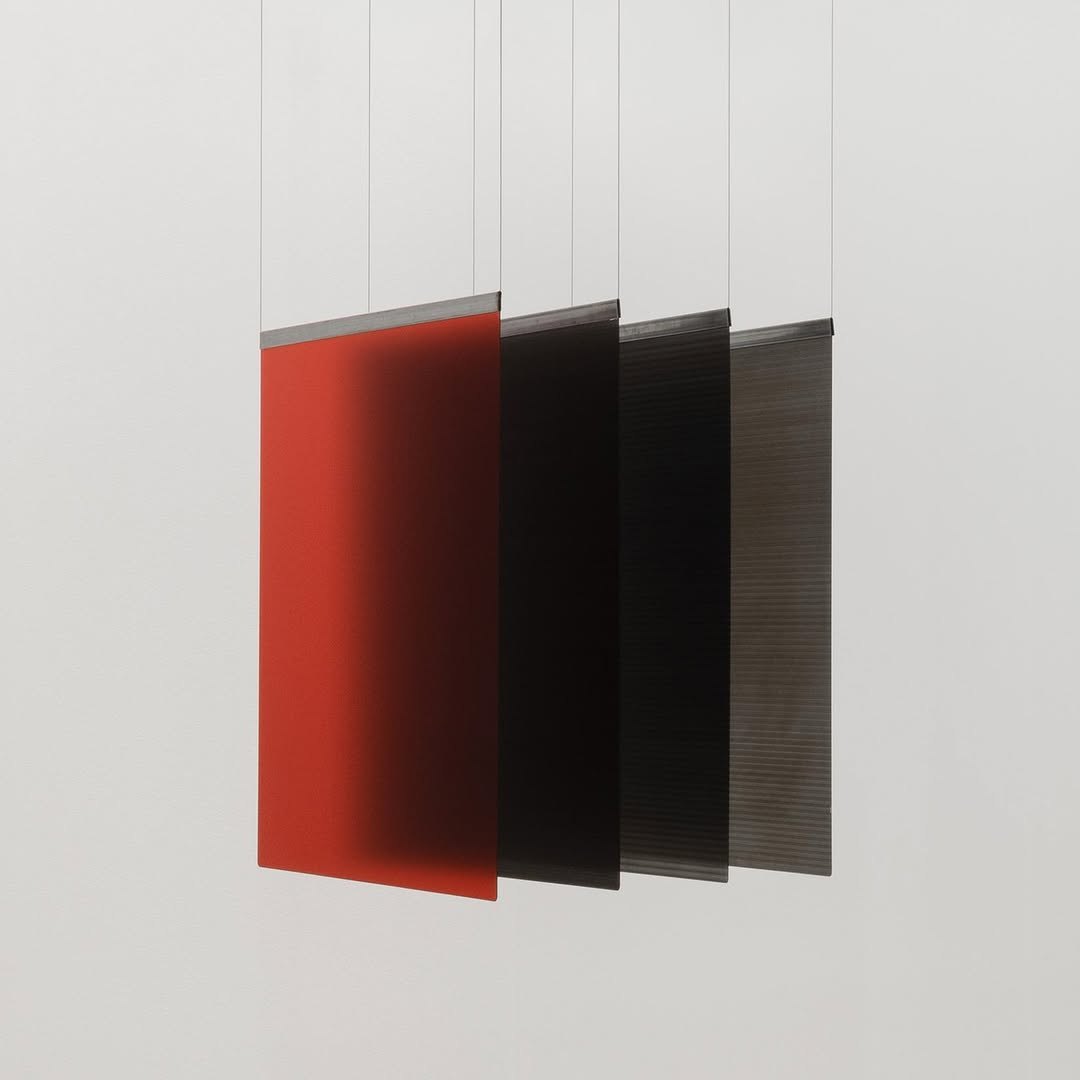
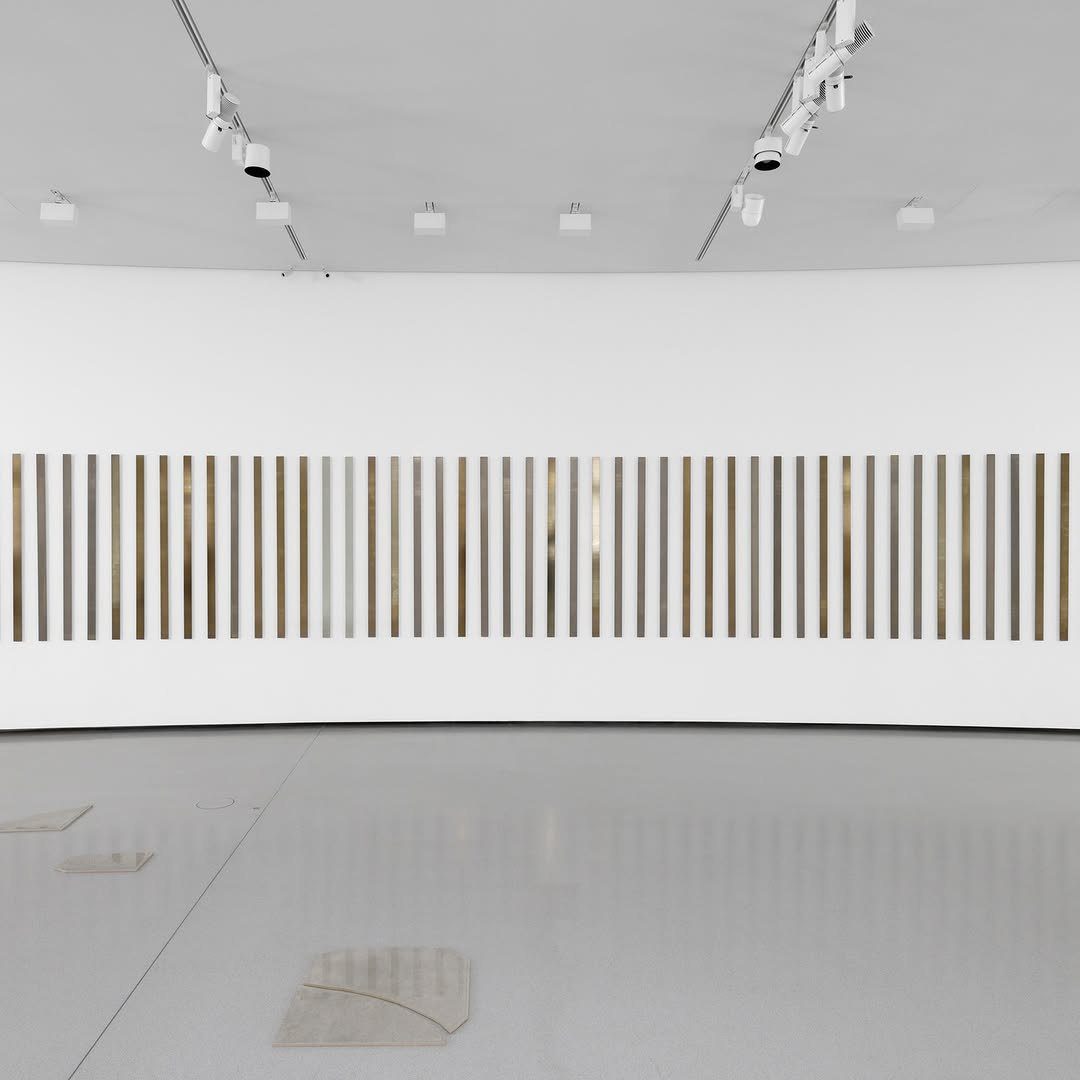
In more recent works, Deschenes employs photograms—produced by exposing light-sensitive paper directly to natural and artificial light, often outdoors at night. The resulting surfaces shimmer with subtle tonal gradations, their silvery textures shifting with the viewer’s movement. Glass, another recurring medium, functions both as a reflective surface and as a sculptural material, further complicating distinctions between photography, architecture, and objecthood.
Her works are not fixed; they evolve. Oxidation, light conditions, and spatial context continuously alter their appearance, embedding time into the fabric of the work itself.
The curatorial strategy of “Persistence of Vision” is neither chronological nor thematic. Instead, it is relational. Hujar’s and Deschenes’ works are interspersed, allowing unexpected correspondences to emerge.
One gallery pairs Hujar’s nocturnal images of New York with Deschenes’ moonlight-exposed photograms. Here, night is not merely subject matter—it becomes a medium, a condition of visibility that both artists manipulate in distinct yet resonant ways.
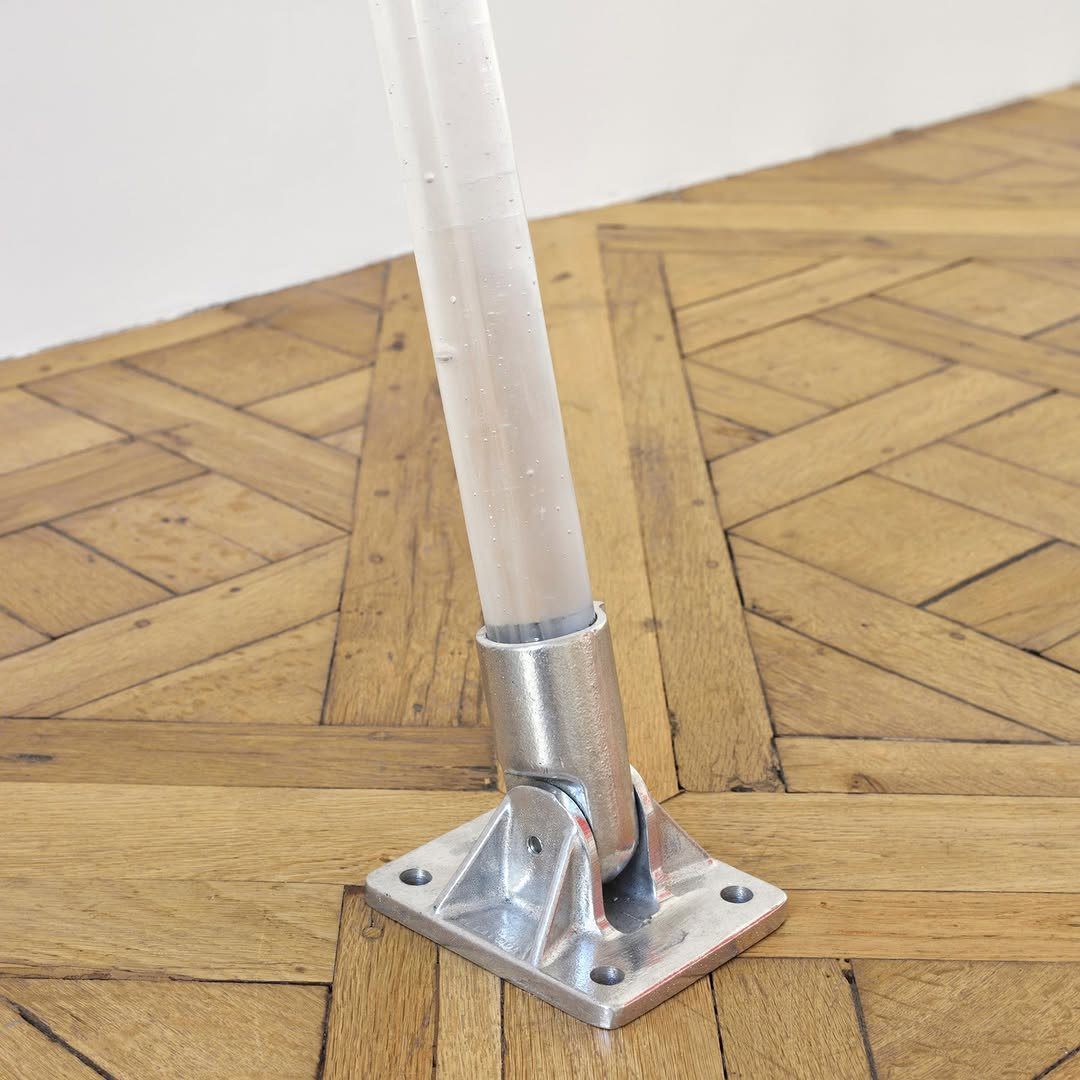
Elsewhere, Hujar’s photographs of ruins encounter Deschenes’ Retaining sculptures, which draw on scaffolding systems used in architectural preservation. This juxtaposition finds a powerful echo in the history of the Gropius Bau itself, which stood partially destroyed after the Second World War until its reconstruction in 1978.
The exhibition design further references Hujar’s 1986 presentation at the Gracie Mansion Gallery—his final exhibition during his lifetime—where photographs were arranged in dense, grid-like formations. This structure is reprised here, creating a visual rhythm that oscillates between order and contingency.
What ultimately binds Hujar and Deschenes is not style, but an ethics of attention. Hujar’s portraits demand a sustained encounter with the subject; Deschenes’ works demand an awareness of perception itself. Together, they challenge the viewer to reconsider the act of looking—not as passive consumption, but as an active, durational process.
Deschenes introduces a dramaturgical dimension to the exhibition: her works respond to movement, light, and the presence of bodies in space. In dialogue with Hujar’s deeply personal images, they extend the temporal and spatial conditions of viewing, transforming the exhibition into a site of ongoing perceptual negotiation.
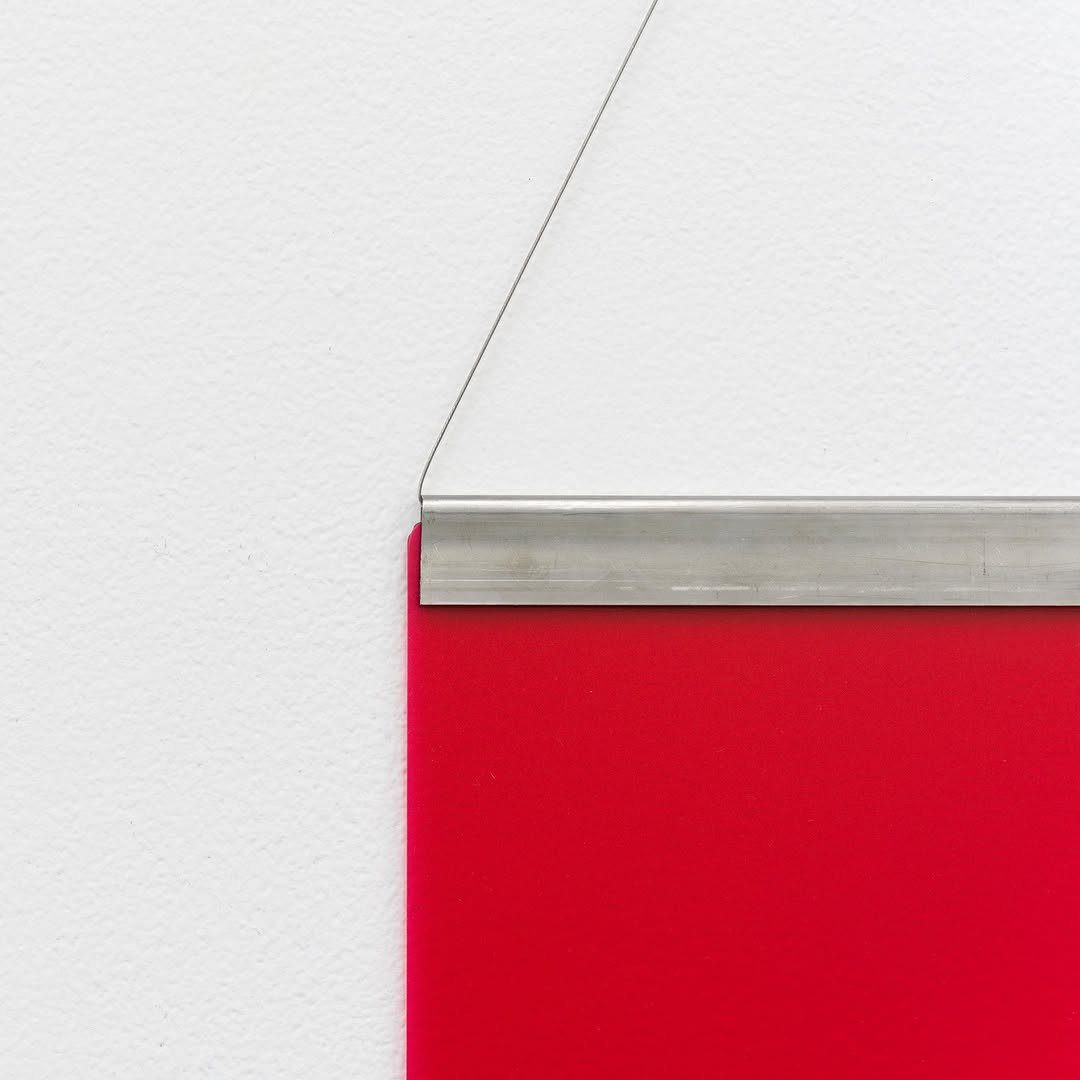
Photo: Liz Deschenes, Untitled (Gorilla Glass Red 100), 2024, © Courtesy of Liz Deschenes and Miguel Abreu Gallery, New York, Photo: Stephen Faught
Info: Curators: Eva Respini and Monique Machicao y Priemer Ferrufino, Gropius Bau, Niederkirchnerstraße 7, Berlin, Germany, Duration: 19/3-28/6/2026, Days & Hours: Mon & Wed-Fri 12:00-19:00, Sat-Sun 10:00-19:00, www.berlinerfestspiele.de/
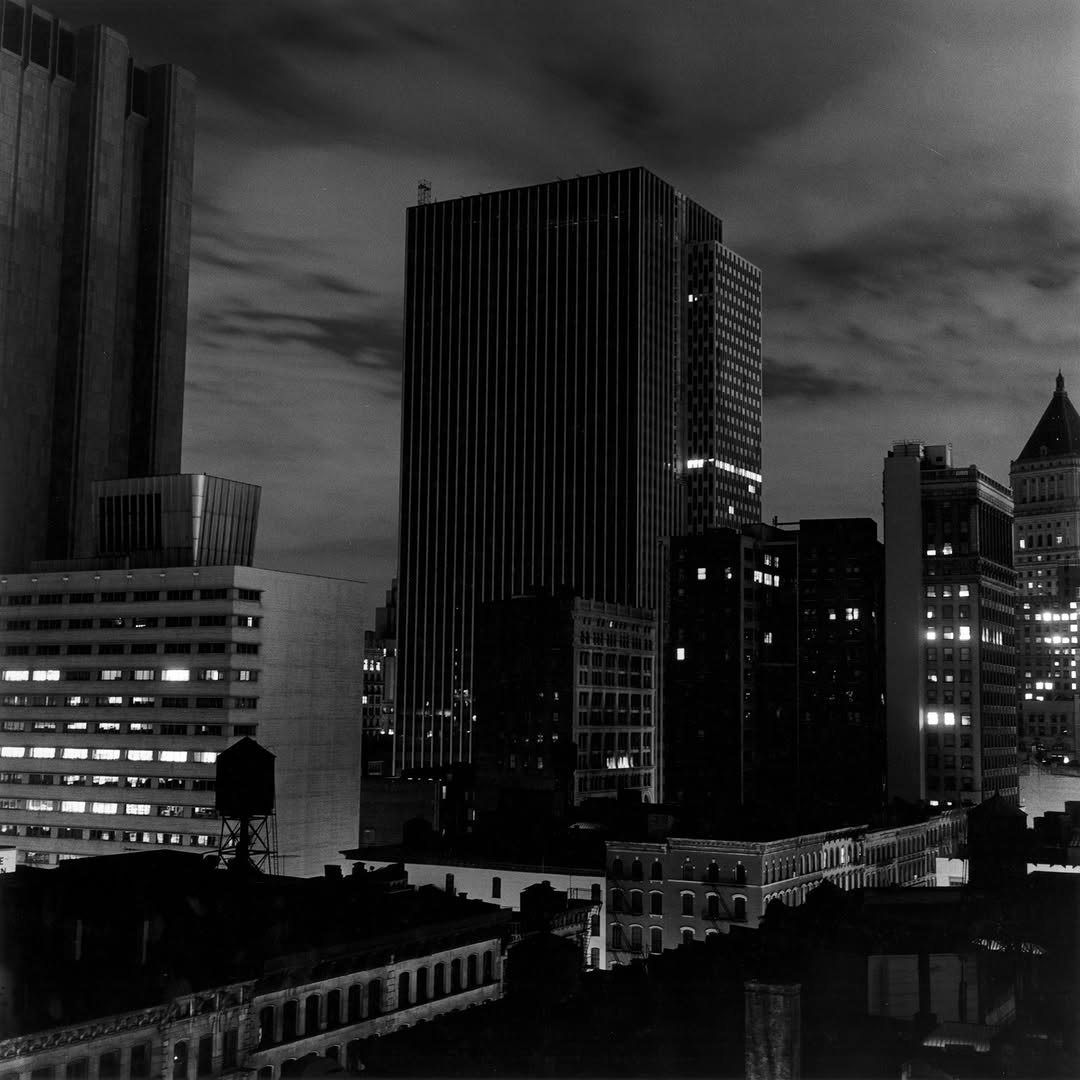
© The Peter Hujar Archive / VG Bild-Kunst, Bonn 2026