ARCHITECTURE:Pritzker Prize 2026[Smiljan Radić Clarke
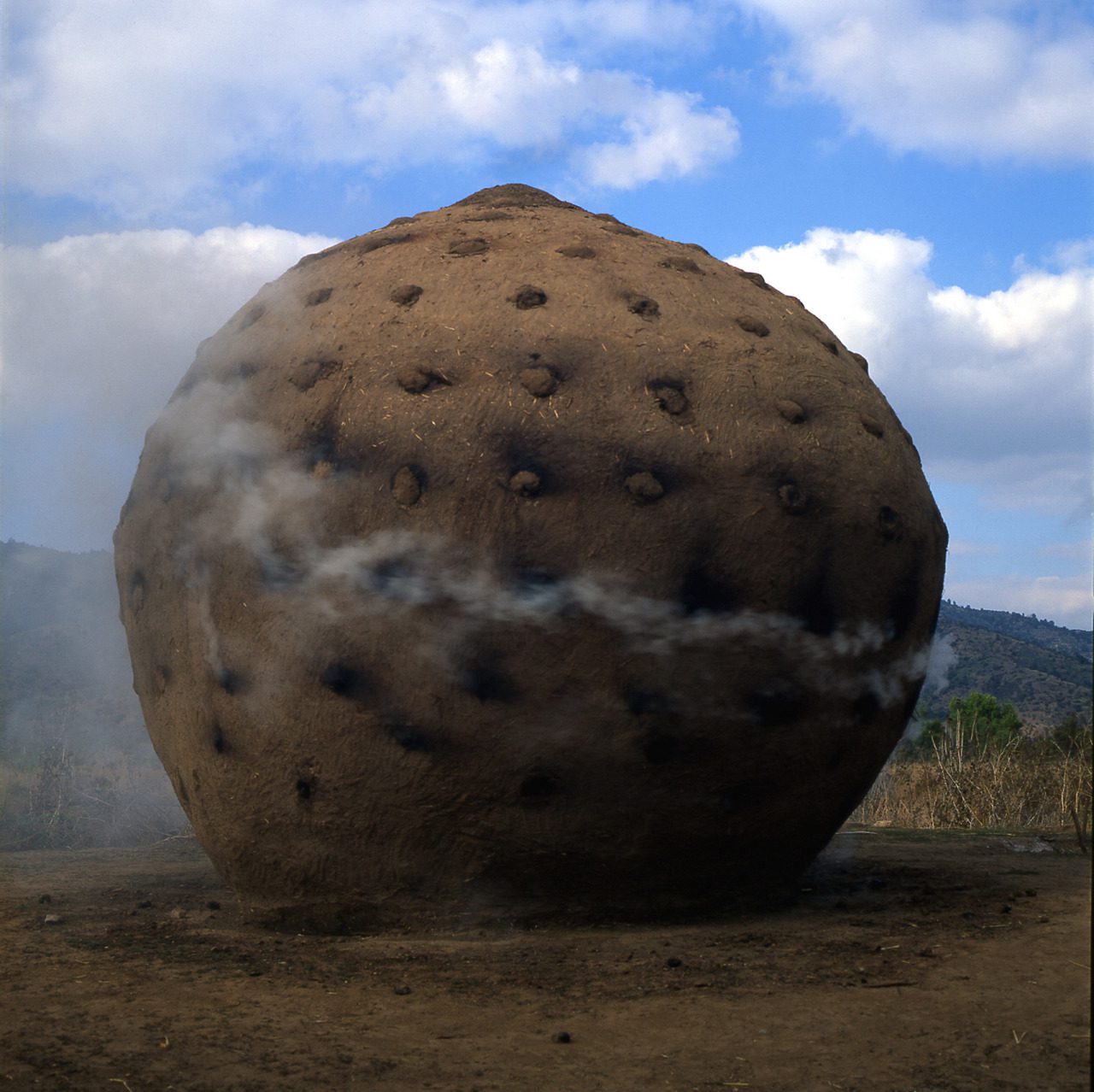
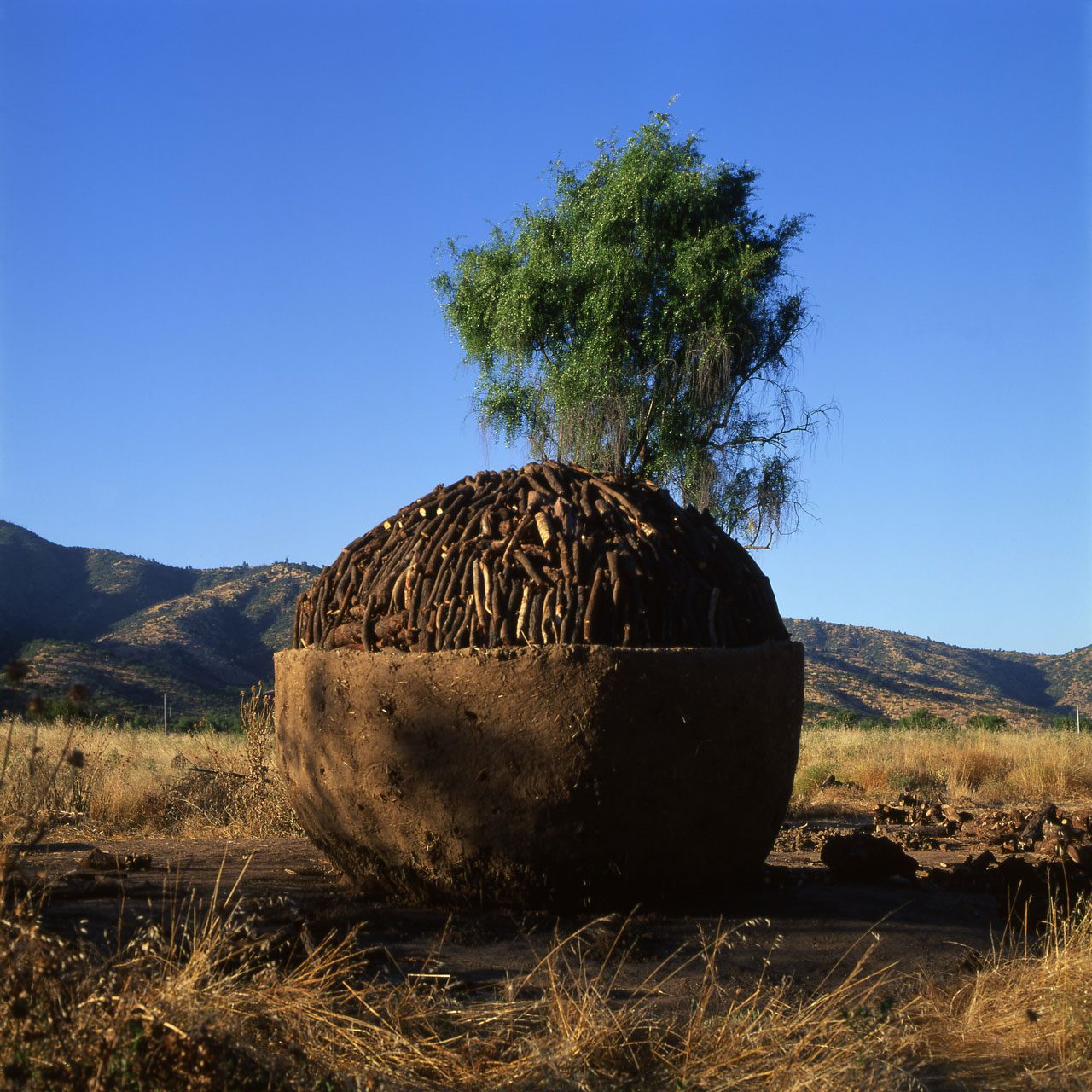
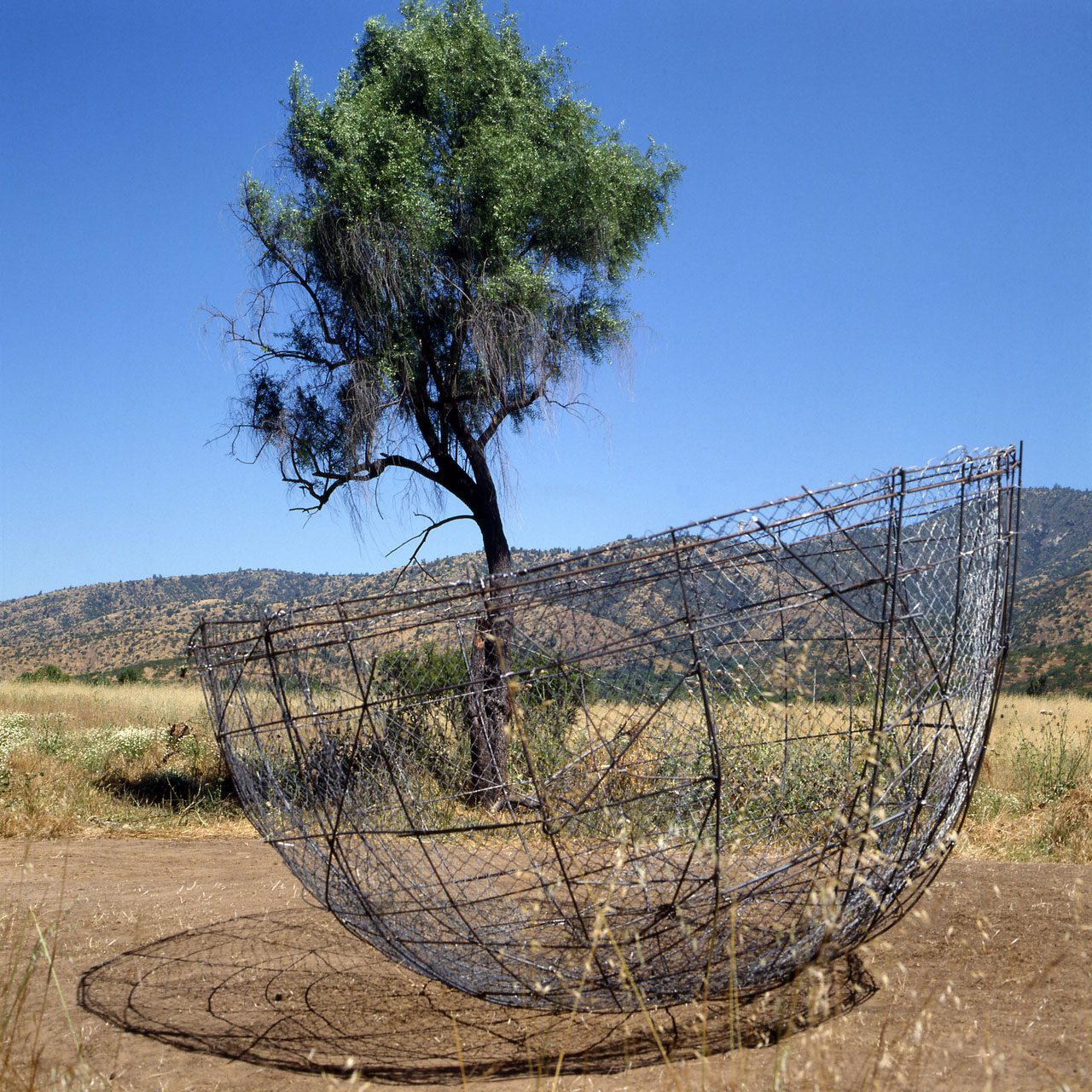
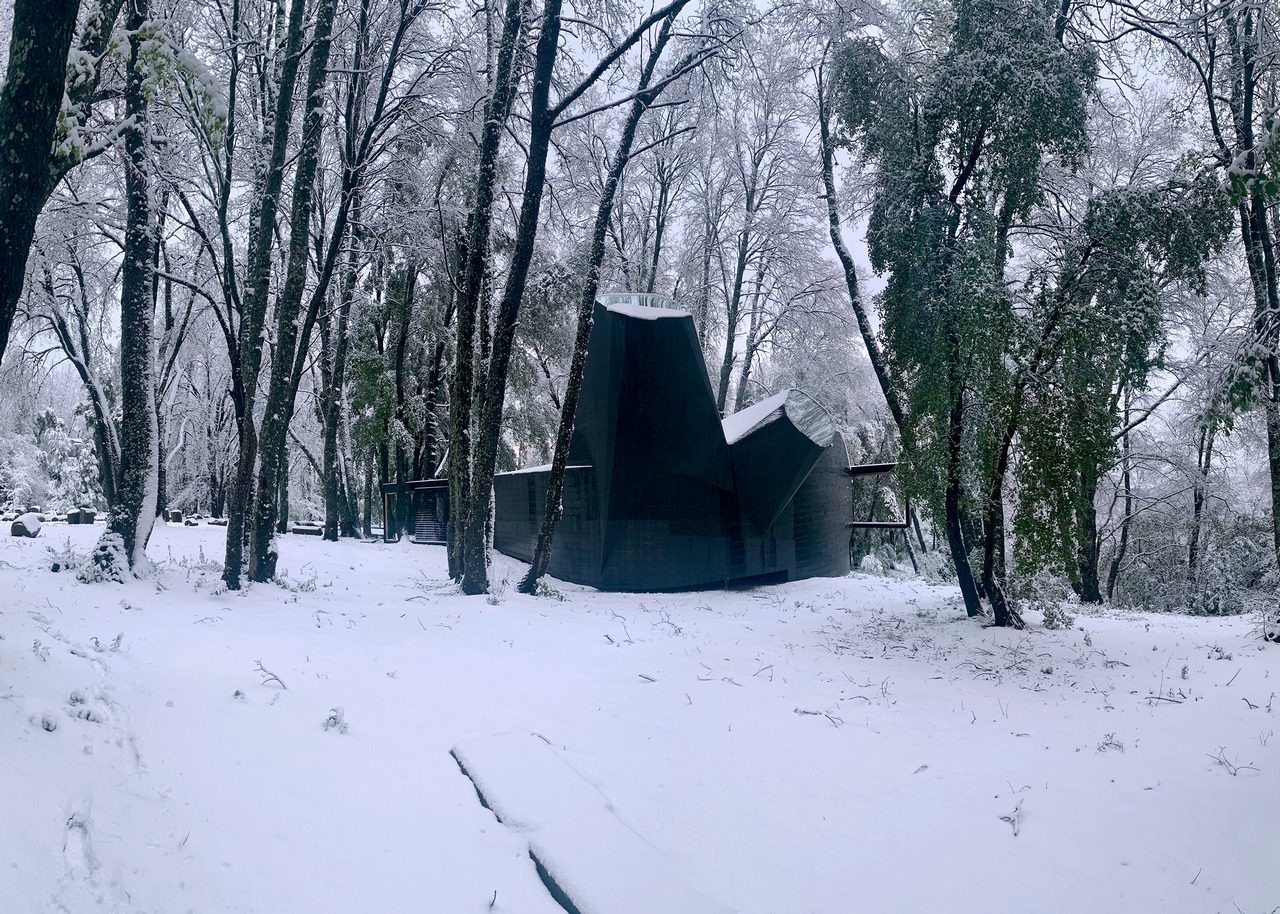
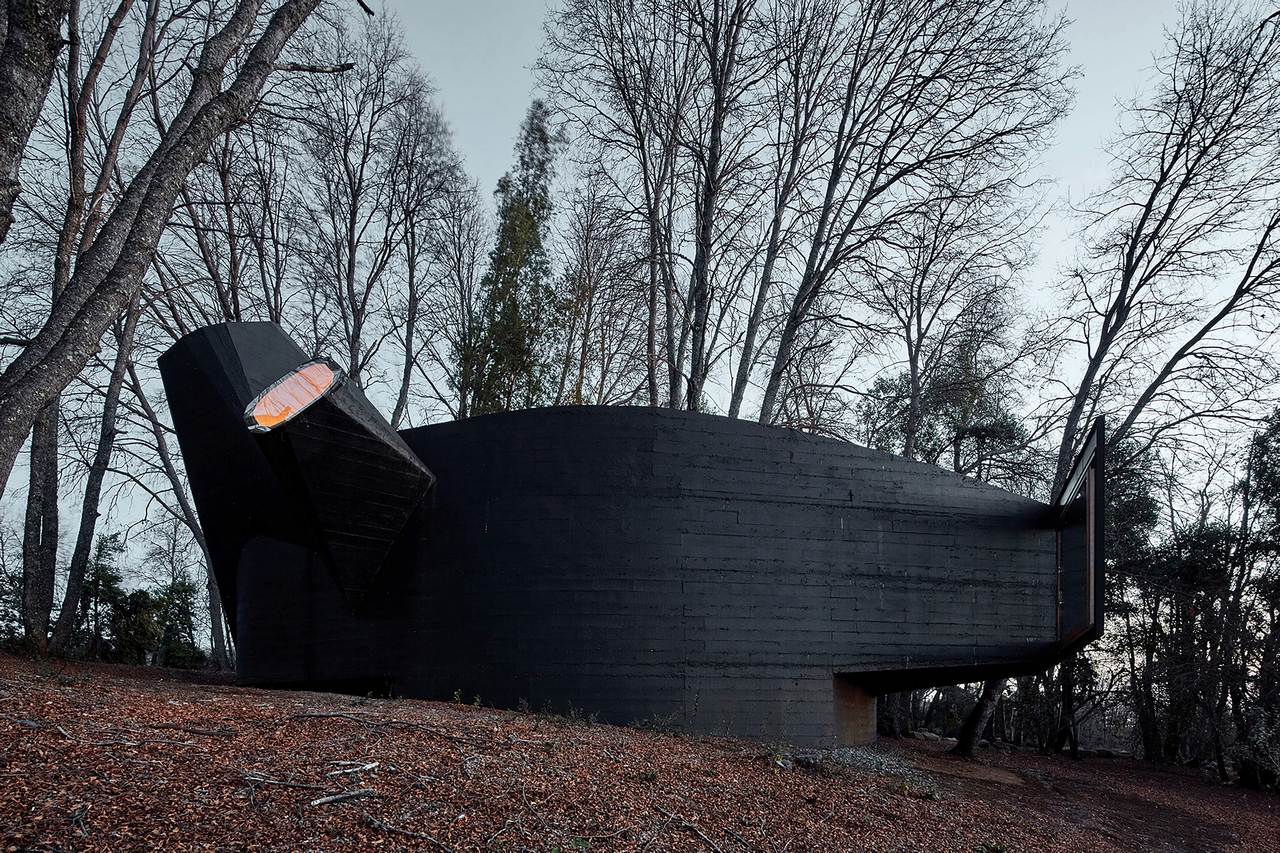
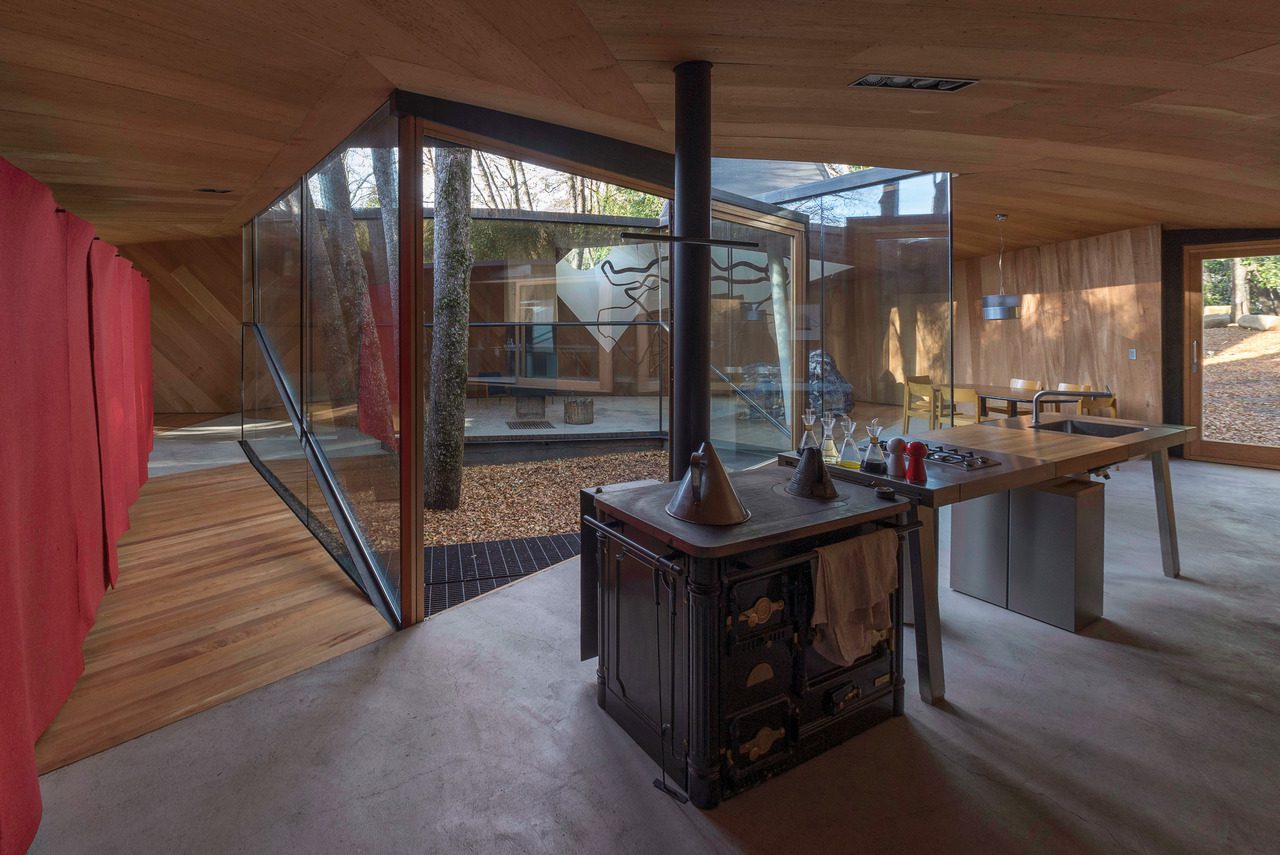
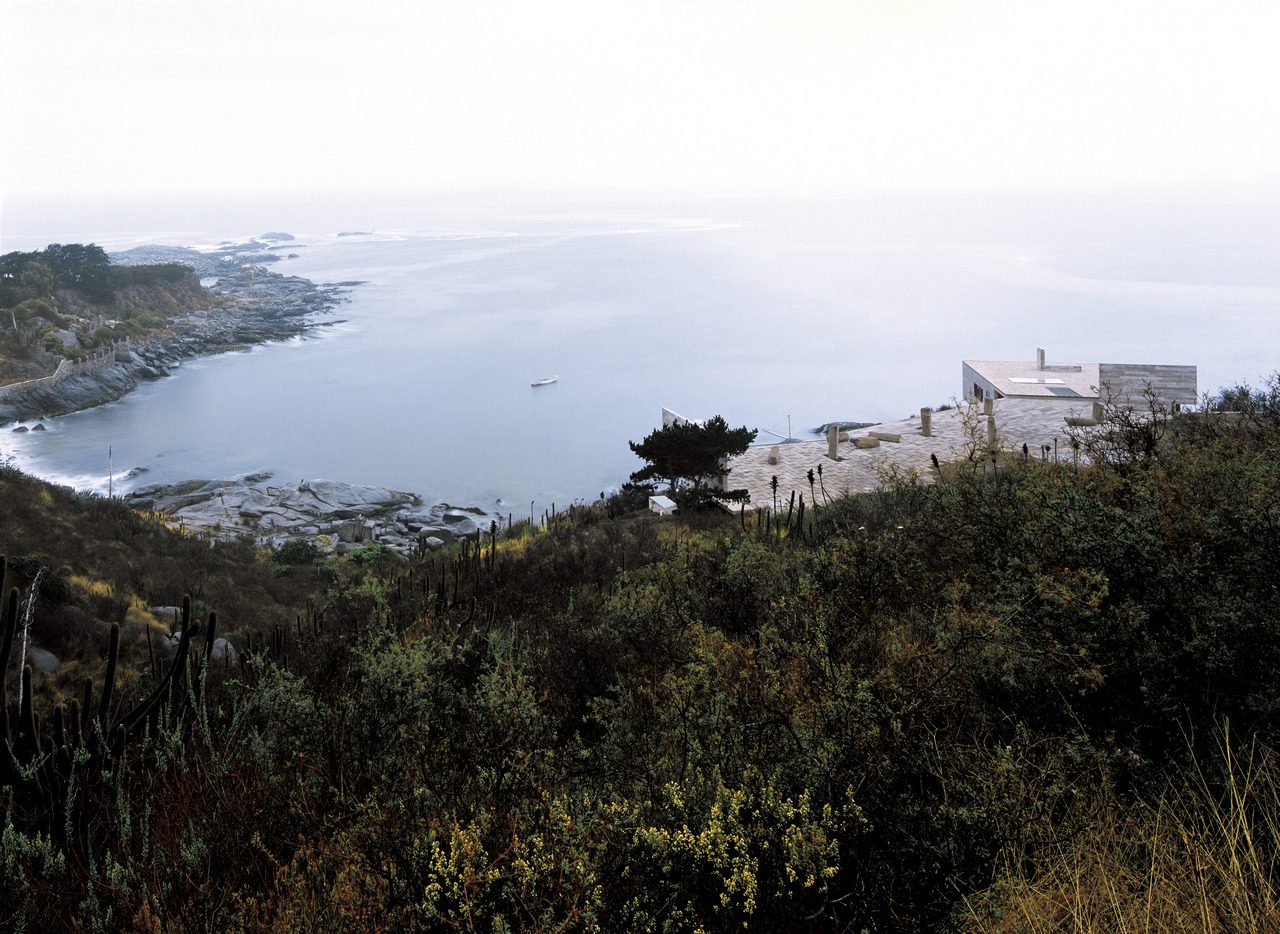
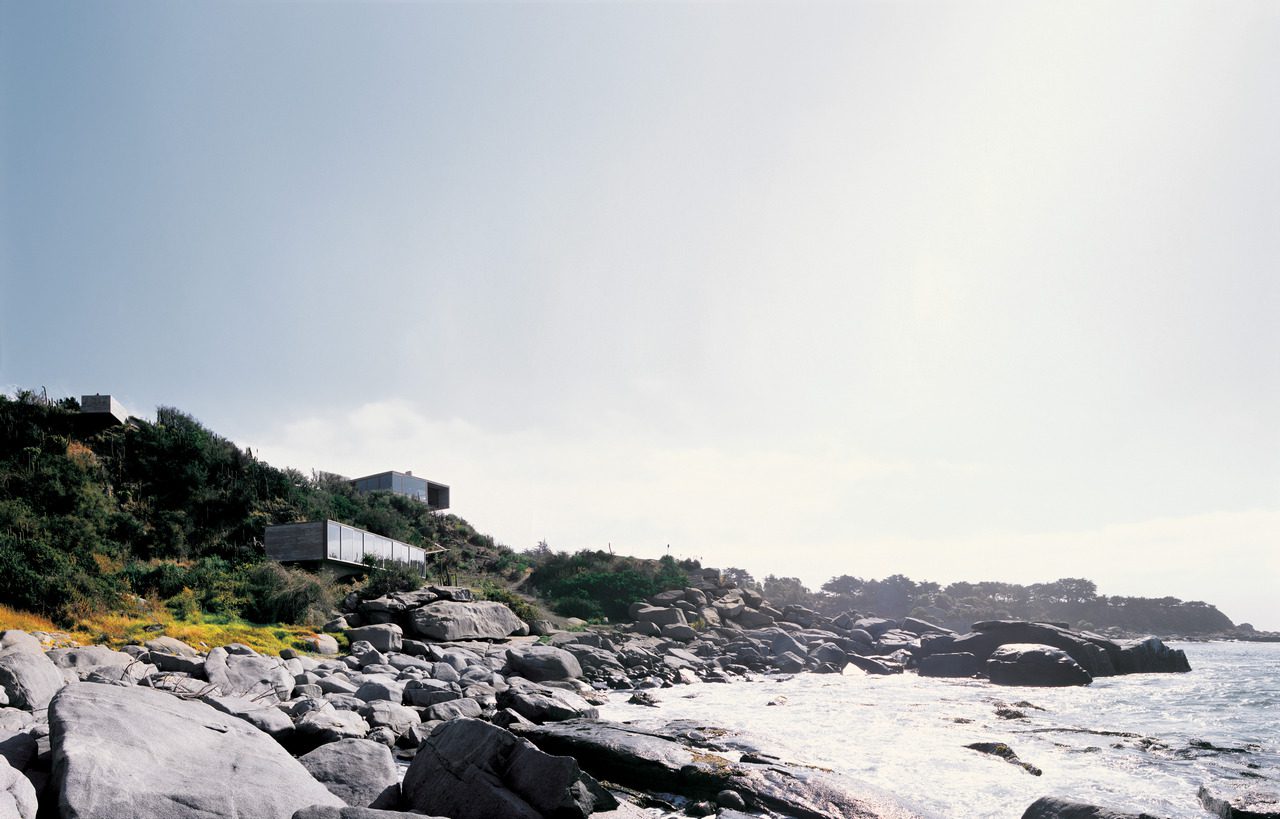
Material experimentation plays a significant role in Smiljan Radić Clarke’s work; often locally sourced and in conversation with the surrounding landscape, the materials defy expectations of hierarchy and permanence. “His buildings appear temporary, unstable, or deliberately unfinished—almost on the point of disappearance—yet they provide a structured, optimistic, and quietly joyful shelter, embracing vulnerability as an intrinsic condition of lived experience,” states part of the 2026 Pritzker Prize jury citation. “Through his deeply democratic approach, the monumental is thus returned to common experience rather than reserved for exceptional moments.”
By Efi Michaarou
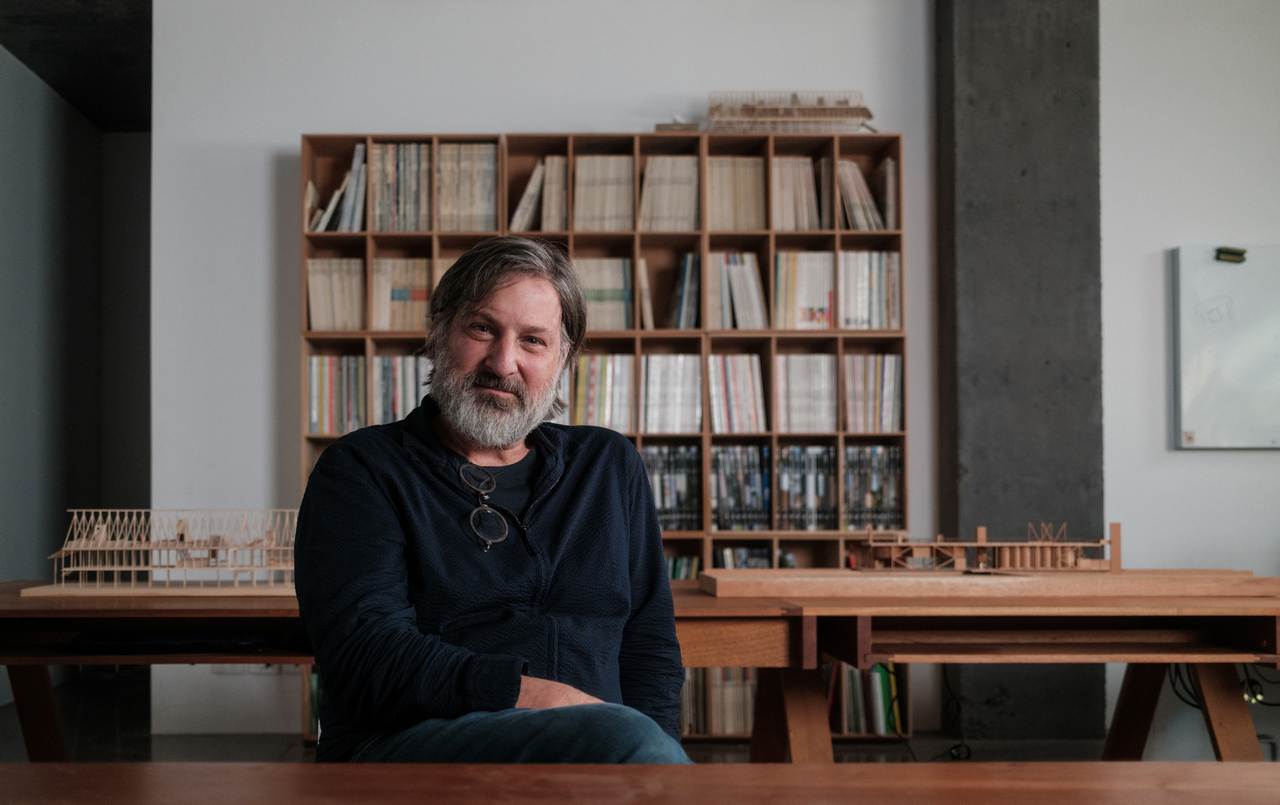
Photo: The Pritzker Architecture Prize Archive
Smiljan Radić Clarke was born in June 21, 1965 in Santiago to an immigrant family – his paternal grandparents were from the island of Brač (Croatia) and his maternal family from the United Kingdom. He grew up enjoying drawing and first engaged with architecture at age 14 when a teacher assigned a building-design exercise, foreshadowing his later career. Radić enrolled in architecture at Pontificia Universidad Católica de Chile and earned his degree in 1989. According to interviews he left just short of graduation, retaking the final exam successfully later. He then spent several years traveling and studying history at the Istituto Universitario di Architettura di Venezia in Italy, which he cites as a formative part of his architectural education.
Back in Chile, Radić established the studio Smiljan Radić Clarke in Santiago in 1995. From the start, he avoided a singular “signature” style, instead treating each project as a unique inquiry. During his university years he had met sculptor Marcela Correa; they married and have collaborated on numerous projects. One of their first collaborations was Casa Chica (1997), a 24 m² one-room house in Vilches, Chile, constructed entirely by hand from wood and glass. Radić describes it as a simple mountain refuge, its rough granite slabs and recycled windows forming an intimate shelter just 300 square feet in area. This intimate, material-conscious approach would characterize his later work.
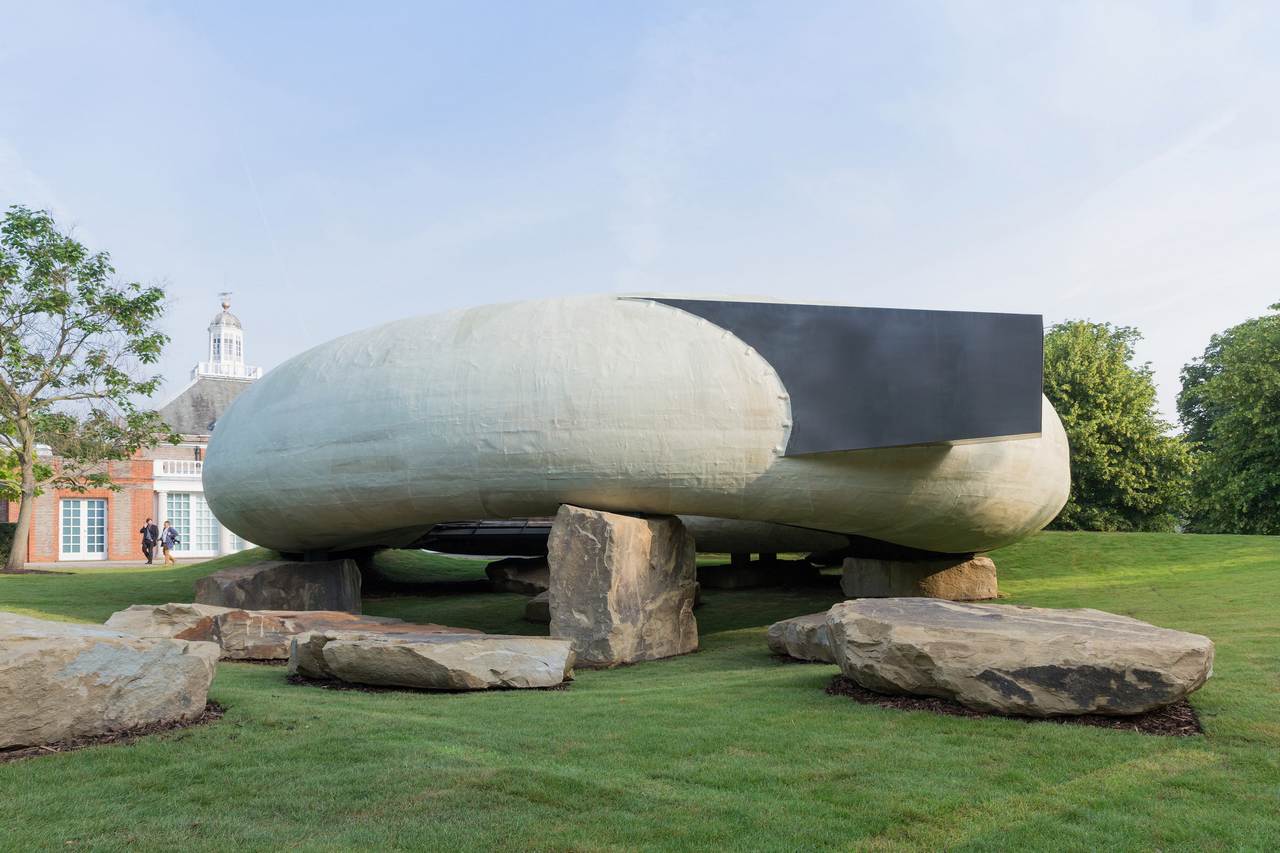
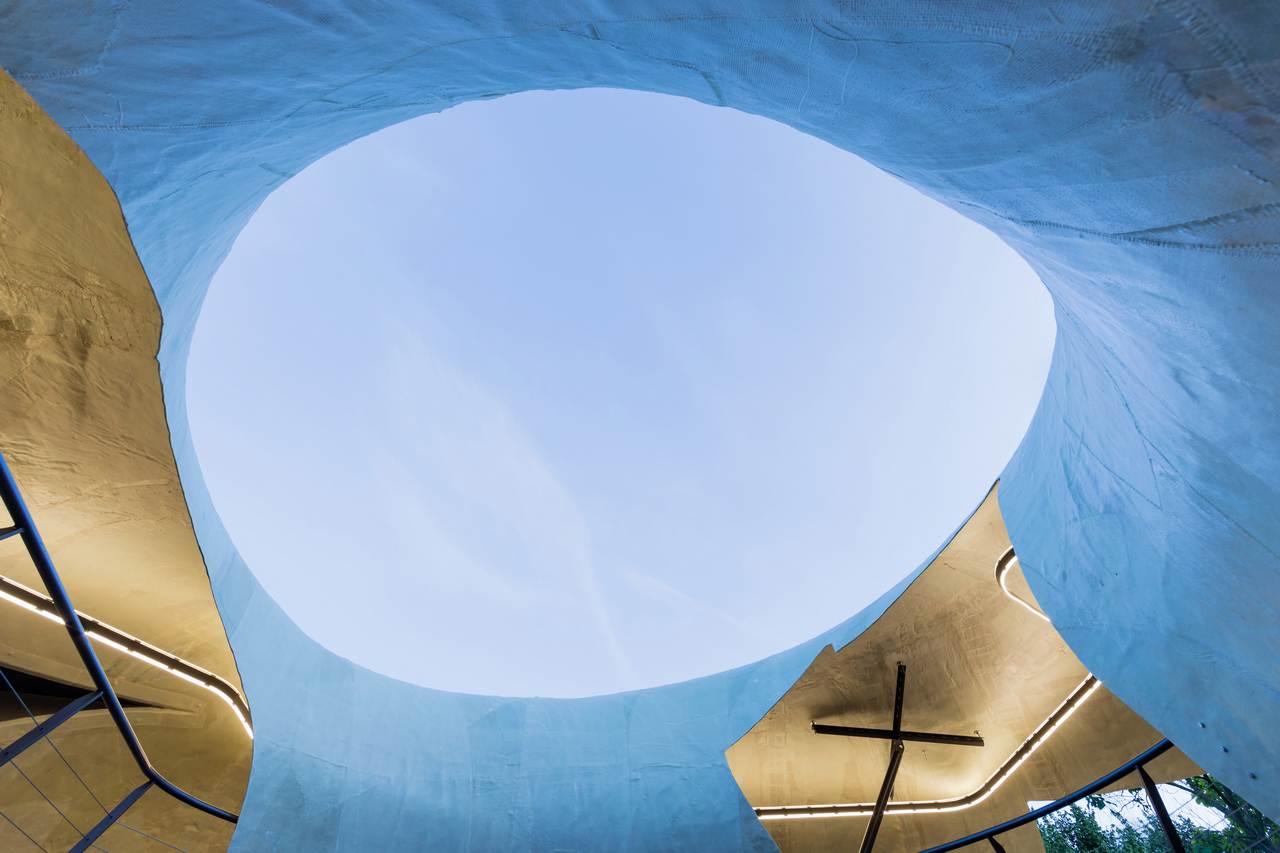
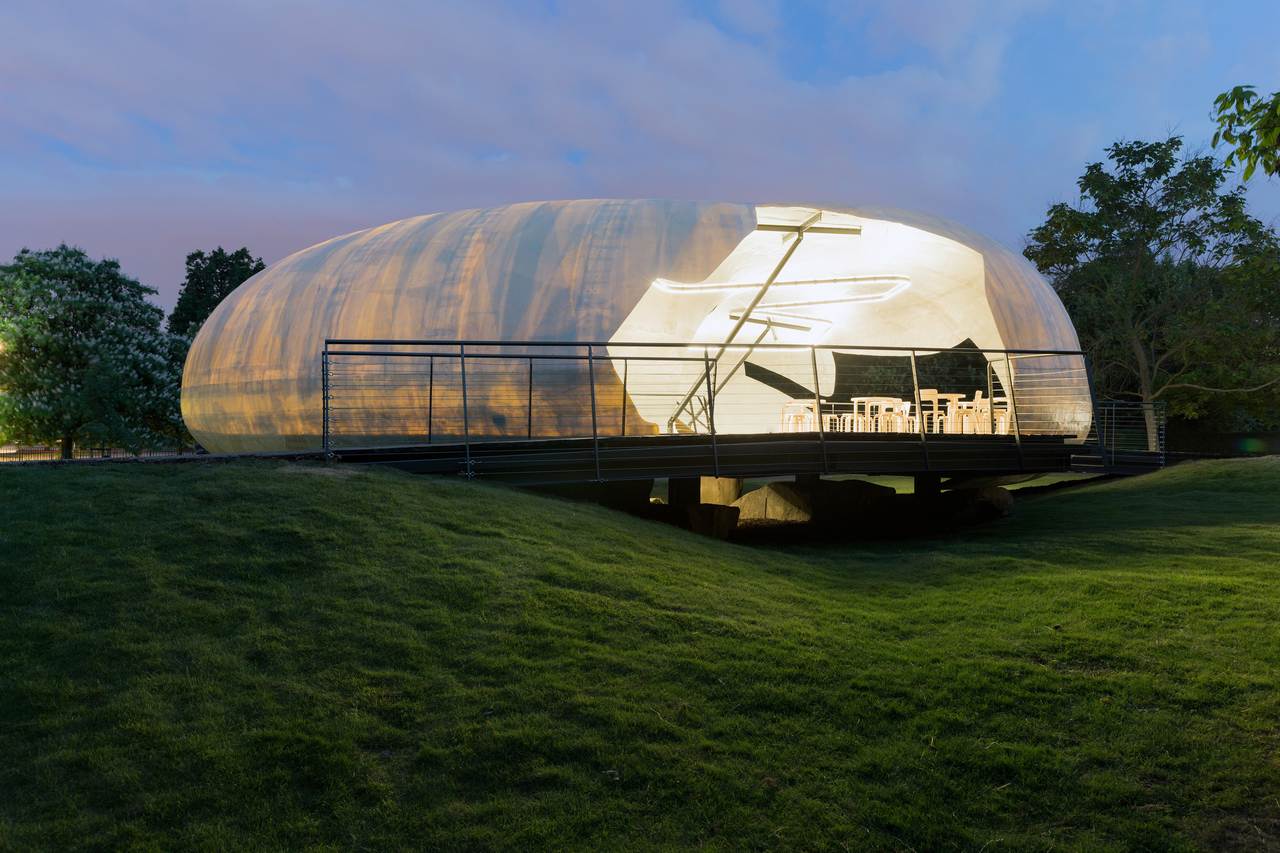
Over the following decades Radić’s practice expanded to larger houses, cultural institutions, and conceptual installations. He frequently worked in situ, letting the site’s conditions—wind, light, history—shape his designs. For example, Casa del Poema del Ángulo Recto (2013) in Vilches is a contemplative house where openings frame the sky to “mark the passage of time”. In 2010 he and Correa created The Boy Hidden in a Fish, a granite-and-cedar sculpture for the Venice Biennale that shelters human figures within a heavy stone form. He won international attention with the 2014 Serpentine Gallery Pavilion in London: a translucent fiberglass dome resting on large quarry stones, appearing to float over the park[7]. Radić personally selected the rocks at the quarry so the shell would seem weightless, blending the “fragile” dome with the “rugged” context.
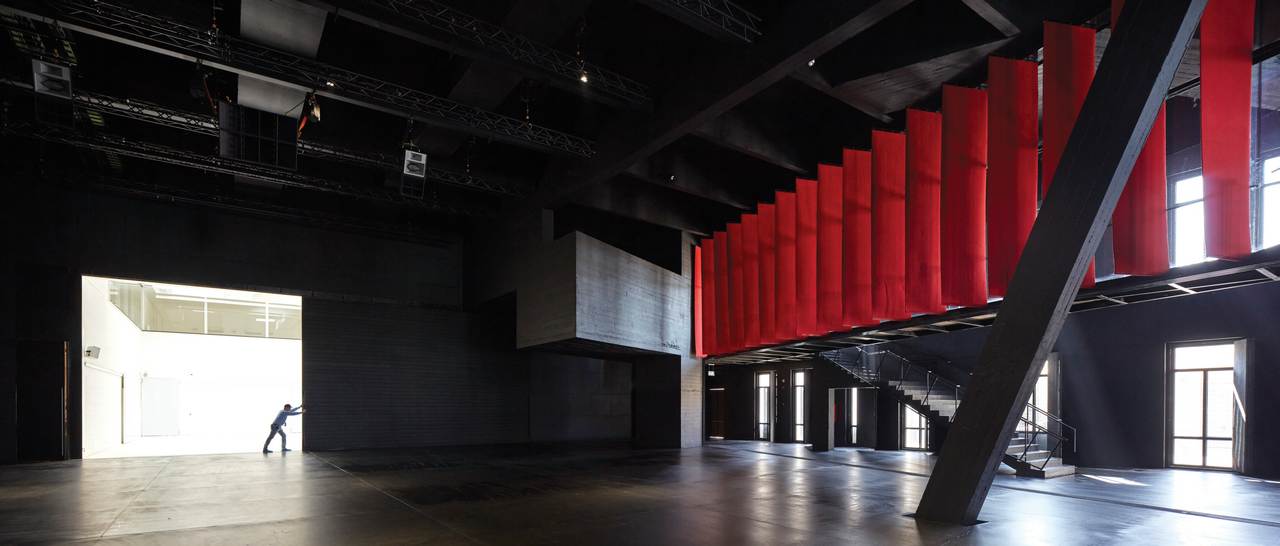
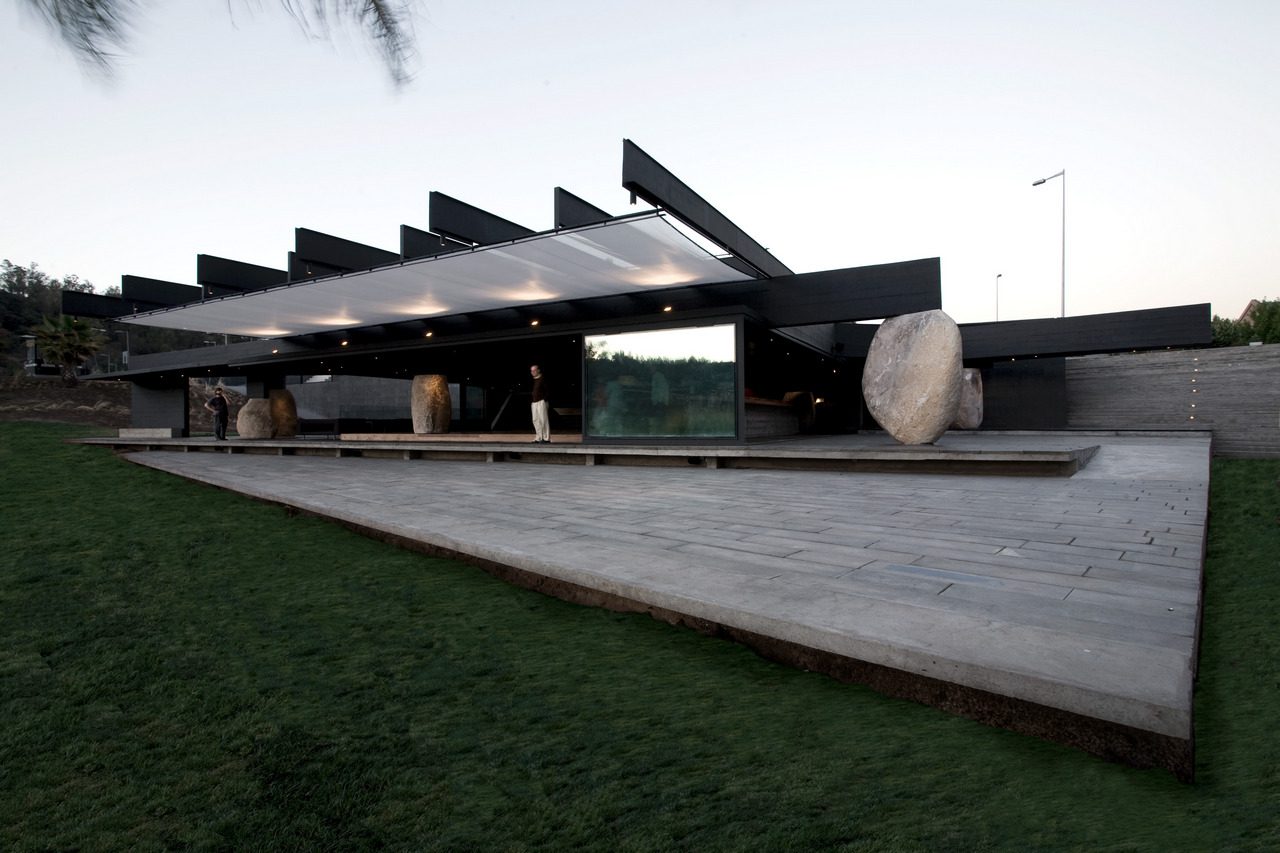
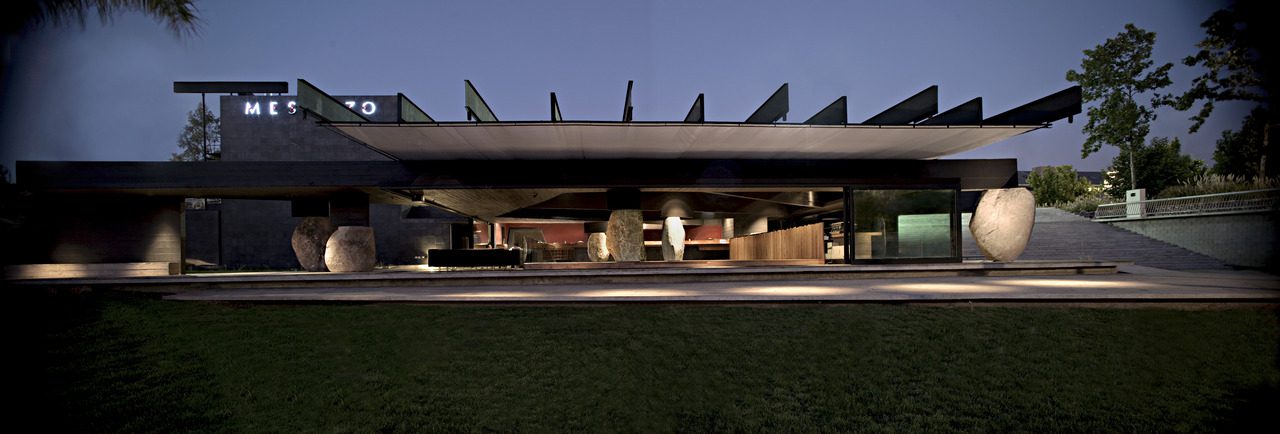
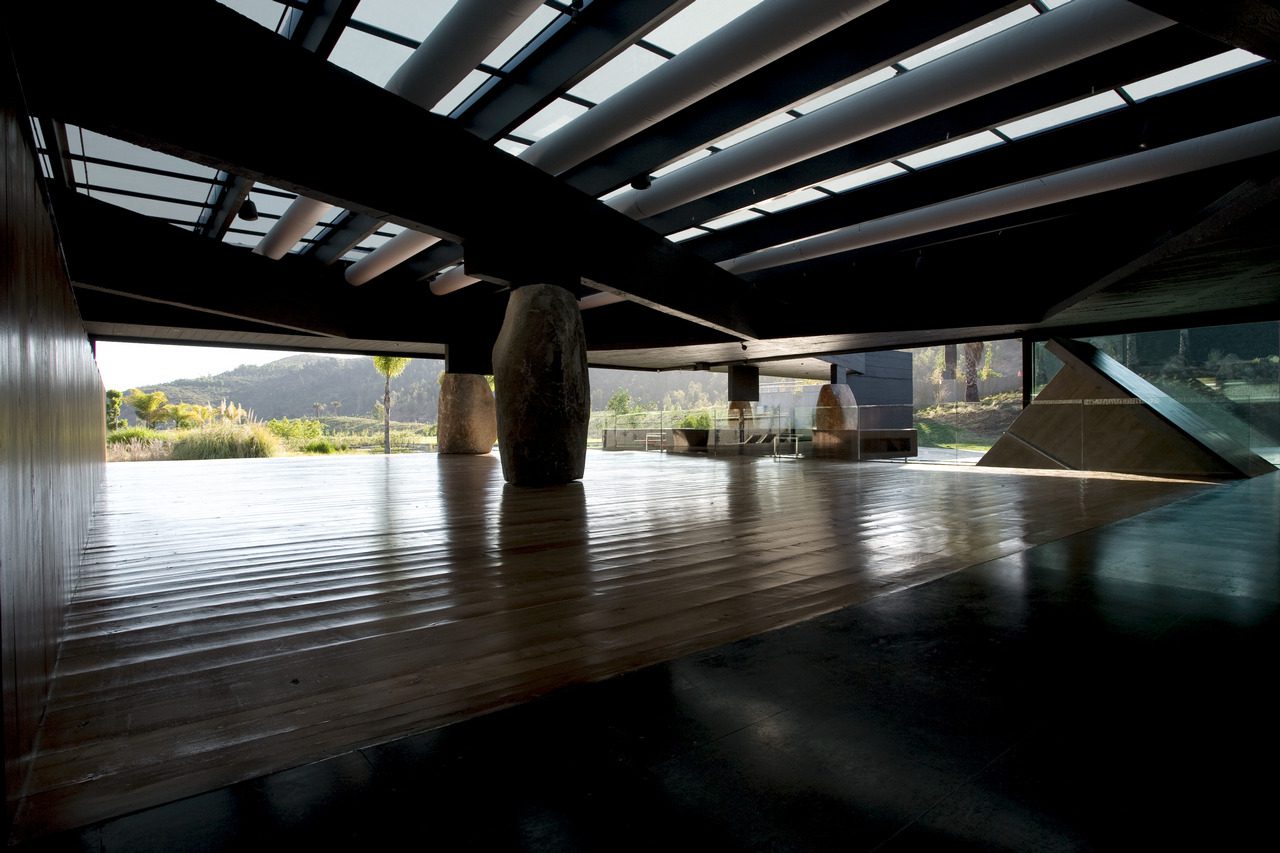
In Chile he has continued to design landmark buildings. The VIK Millahue Winery (2013) is a long, low-slung vineyard complex integrated into the landscape. Radić placed rows of vineyard trellises beside the building and even “bestrew the ground” with rocks at the entry, creating a dramatic dialogue with the rural setting. In Santiago, Radić transformed an early-20th-century damaged residence into NAVE Performing Arts Center (2015). The project preserved much of the old structure and added a circus-tent roof, turning it into a venue for performance and workshops while layering new and old.
Radić’s architecture often explores the tension between strength and vulnerability. He has said he is drawn to a “sense of strangeness” and embraces the fragility of construction. In practice, his buildings frequently feature simple, natural materials (stone, glass, wood, fabric) arranged to emphasize light, texture, and emotional presence. For Radić the site is both physical and cultural: each design is “grounded in first principles and informed by noncontinuous history”. This means he avoids a repeatable formula; instead, each project responds to its unique circumstances. His architecture has been described as “structure that is both protective and permeable,” encouraging people to pause and reconsider their world. Radić himself expresses that he “favors fragility” in architecture over any pretense of certainty.
His interest in allusion and narrative also shapes his work. Radić and Correa maintain a large collection of books and documents on radical 20th-century architecture, reflecting thinkers like Le Corbusier, Lina Bo Bardi, and Christo. This collection inspired “Cloud ’68 “(2020), a book edited by Fredi Fischli and Niels Olsen. In 2017–2024 he founded the Fundación de Arquitectura Frágil in Santiago, an archive and institute for experimental architecture where he also keeps his office. This foundation hosts exhibitions and research, embodying Radić’s belief in architecture as a collective, evolving practice.
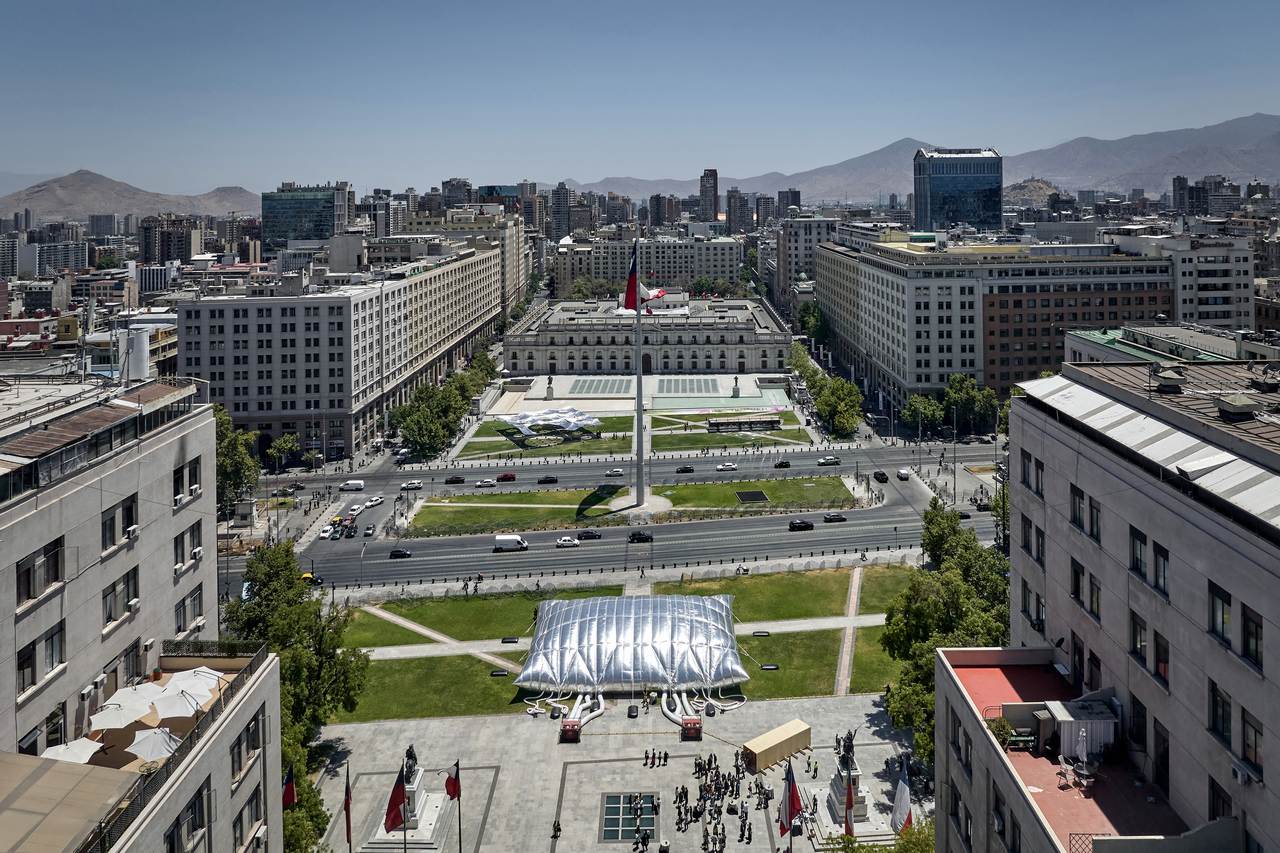
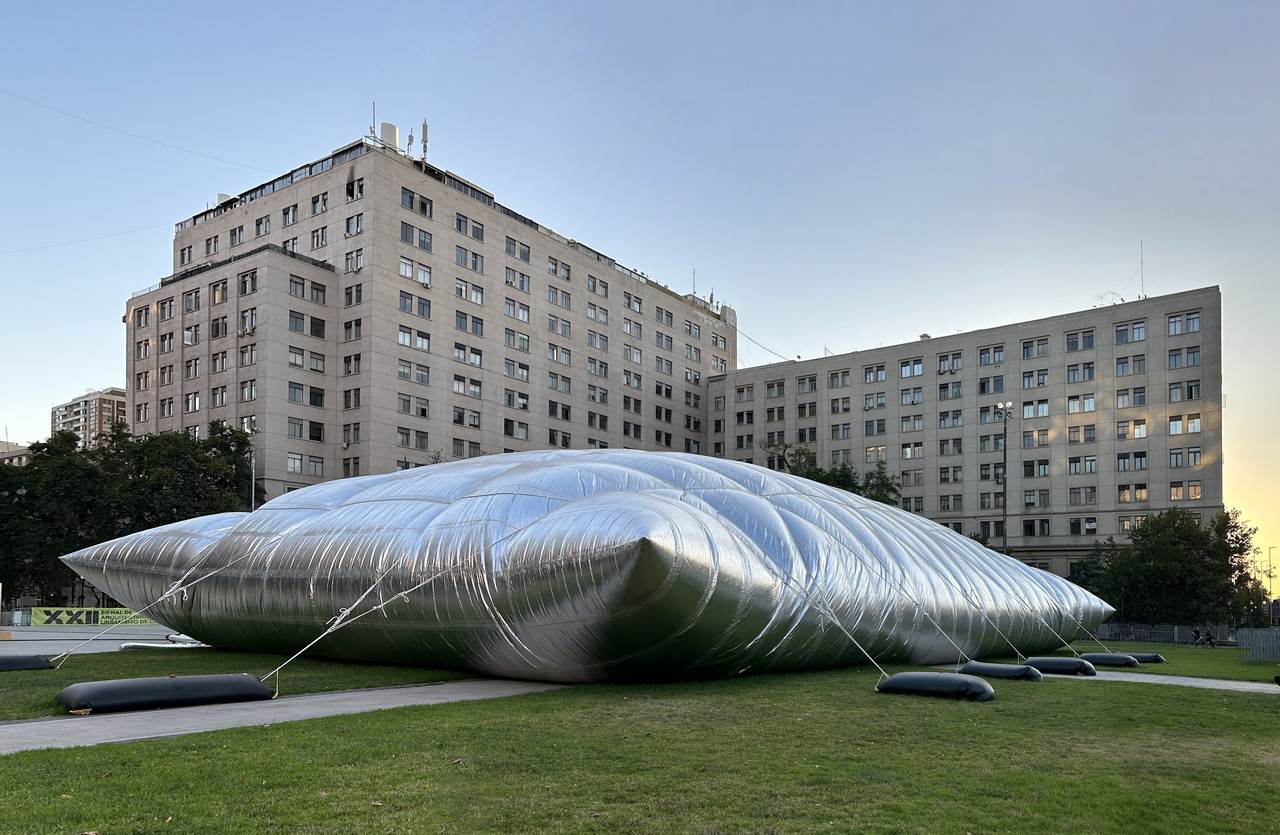
Radić’s work has been featured in major international exhibitions. He has participated in the Venice Architecture Biennale, including a solo installation with Correa (2010), and shown work in galleries in Tokyo, Austria, and the USA. In 2015–2016 the Museum of Modern Art in New York included his House for the Poem of the Right Angle in a group show. Chile’s own Bienal de Arquitectura (Santiago 2023) showcased his Guatero Bubble – an inflatable silver pavilion emphasizing ephemeral and playful form.
Radić’s contributions have been widely honored. He was named Best Architect Under 35 by Chile’s Colegio de Arquitectos in 2001 and received the Architectural Record Design Vanguard award in 2008. Other prizes include Croatia’s Oris Award (2015), the Arnold W. Brunner Memorial Prize (USA, 2018), and the Grand Prize of the Pan-American Architecture Biennial of Quito (Ecuador, 2022). He is an Honorary Member of the American Institute of Architects (since 2009) and an Honorary Fellow of the Croatian Academy of Sciences and Arts (since 2020). In 2026 he was named the Laureate of the Pritzker Architecture Prize, architecture’s highest honor.
Photo: Smiljan Radić Clarke, Photo courtesy of The Pritzker Architecture Prize