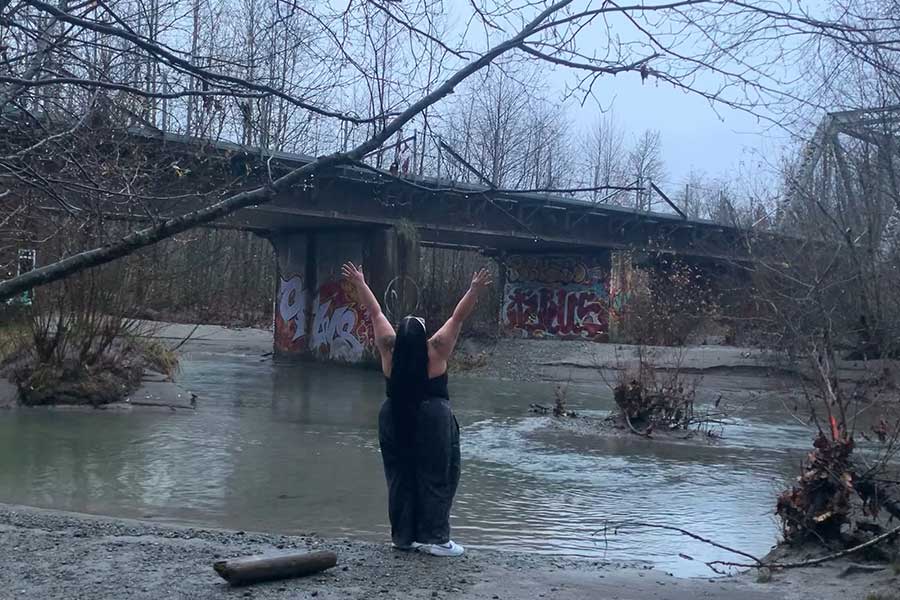
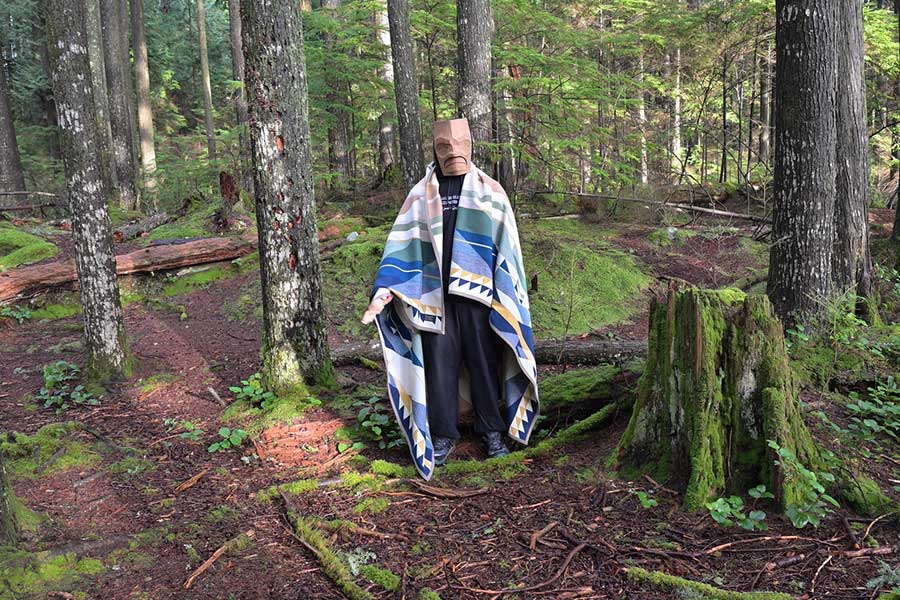
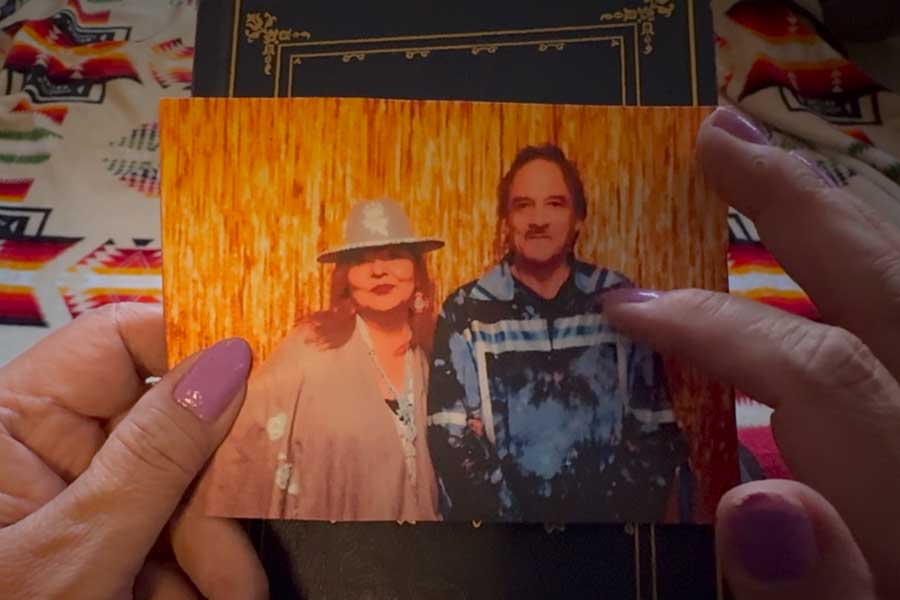
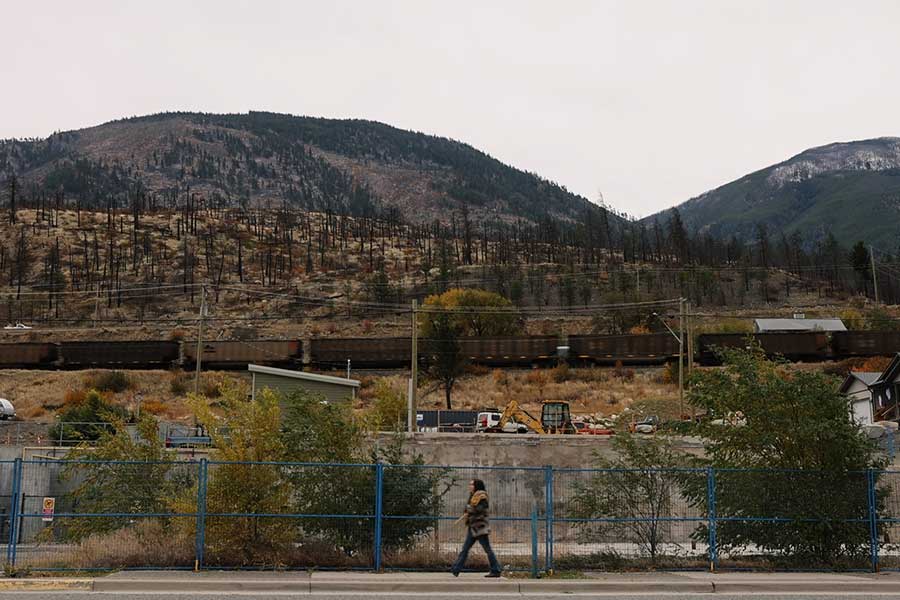
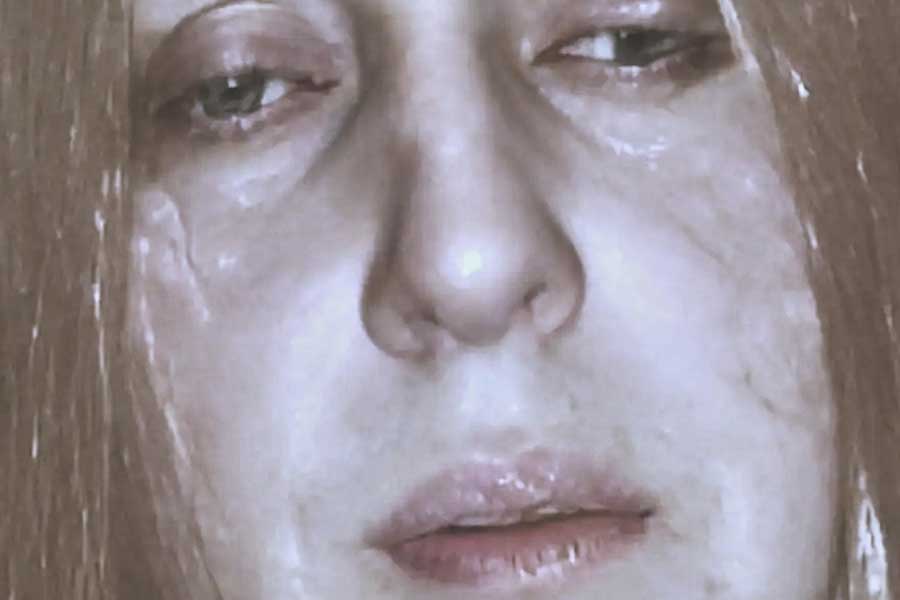
PHOTO: Response-Where Rivers Meet
Over time, flowing currents shape landscapes, carving valleys, redirecting terrain, and sustaining ecosystems. Beyond their physical force, rivers carry symbolic meaning: they hold memory, movement, and transformation. When rivers converge, their waters merge into a new current that gathers the histories, sediments, and journeys of each source, forming a shared flow that reflects both their origins and the new path created through their meeting.
By Dimitris Lempesis
Photo: The Polygon Gallery Archive
The exhibition “Response: Where Rivers Meet” takes this moment of confluence as its guiding metaphor, inviting artists and audiences to reflect on how stories intersect, evolve, and move forward. The exhibition marks the sixth annual iteration of the gallery’s Response Program, a filmmaking initiative that encourages artistic responses to historical and contemporary Indigenous ways of being. The program gathers emerging artists whose works respond to the theme of confluence—exploring how cultural memory and lived experience flow across time and space.
The Response Program has become an important platform for Indigenous media artists in British Columbia. Participants engage in a series of workshops led by Indigenous artists and Knowledge Holders before producing original short films or moving-image works. These projects culminate in a public exhibition that brings together multiple voices and perspectives within a shared conceptual framework.
At its core, the program challenges conventional representations of Indigenous cultures by encouraging artists to respond critically and creatively to both historical and contemporary narratives. Rather than presenting a singular viewpoint, the exhibition operates like a river delta—branching into multiple channels that carry distinct yet interconnected stories.
In “Response: Where Rivers Meet”, the river becomes a conceptual tool for understanding the flow of history and identity. Just as waterways shape the environments they pass through, cultural narratives reshape the communities and individuals who carry them.
The exhibition brings together a diverse group of emerging and multidisciplinary artists whose works explore the intersections of place, memory, and belonging.
Mixed Oji-Cree artist Ashleigh Giffen, also known as Galaxie, investigates fragmented histories and memories through a multidisciplinary practice that moves between storytelling, visual media, and installation. Her work often reflects on how personal narratives intersect with broader cultural histories.
Storytelling also takes center stage in the practice of Kwiis Hamilton, a Xwelmewx / Ku’us jewelry maker, painter, printmaker, and carver. Through both modern and traditional narratives, Hamilton examines themes of connection, belonging, and community resilience.
For writer and comedian Brenda Prince, humour becomes a method of cultural reflection. Rooted in Anishinaabe storytelling traditions, her work spans poetry, theatre, and film while using comedy to explore identity and shared experience.
Other artists approach the theme of confluence through relationships to land and environment. Coast Salish artist and educator Dahlila Charlie integrates painting and video documentation to explore knowledge rooted in land and community. Similarly, interdisciplinary artist and photographer Dawn Marie Duncan, a reconnecting Dakelh member of the Tl’azt’en Nation, reflects on family, kinship, and cultural continuity.
Film and performance also shape the exhibition’s narrative landscape. Actress and filmmaker Marion Jacobs, of Skwxwú7mesh, Snuneymuxw, and Bahamian heritage, creates cinematic works grounded in her experiences growing up within her community. Emerging filmmaker Inez Londoño draws on childhood creativity and personal memory to craft emotionally resonant films.
Expanding the dialogue further are artists whose practices move across disciplines. Jade Baxter, a Nlaka’pamux artist working in film, writing, and traditional Salish fiber arts, challenges dominant narratives surrounding land and Canadian history. Meanwhile, Melissa Rhea Gosselin—a Dakelh, Dutch, and French writer, naturalist, and singer—explores the relationships between humans, nature, and storytelling.
Completing the group is multidisciplinary artist Sylvie Faucher, whose work interrogates buried histories and colonial narratives. Through acts of artistic excavation, Faucher confronts collective silences and challenges the comfort of official histories.
The central metaphor of the exhibition—the meeting of rivers—resonates deeply within Indigenous worldviews. Rivers are not simply geographical features; they are living entities that sustain communities, guide travel routes, and carry stories across generations.
In the context of the exhibition, rivers symbolize continuity and transformation. They remind us that history is not fixed or static. Instead, it moves like water, reshaping its path as it encounters new terrain.
This perspective challenges linear conceptions of time often embedded in Western historical frameworks. Rather than separating past, present, and future, the artists in Response: Where Rivers Meet approach time as fluid and interconnected. Stories flow forward while still carrying the traces of their origins.
Ultimately, “Response: Where Rivers Meet” is about movement—movement through memory, through culture, and through evolving narratives. Each artwork contributes to a larger conversation about how communities navigate the complexities of history while imagining new futures.
The exhibition also emphasizes the cumulative power of storytelling. Just as rivers transform landscapes through continuous flow, artistic expression reshapes cultural understanding through persistent acts of creation.
Even small gestures—a short film, a fragment of memory, a personal narrative—can gather force over time. Together they form a current capable of carving new pathways through collective consciousness. Like rivers, stories do not stand still. They continue to flow, merge, and change direction. And in the places where they meet, new possibilities emerge.
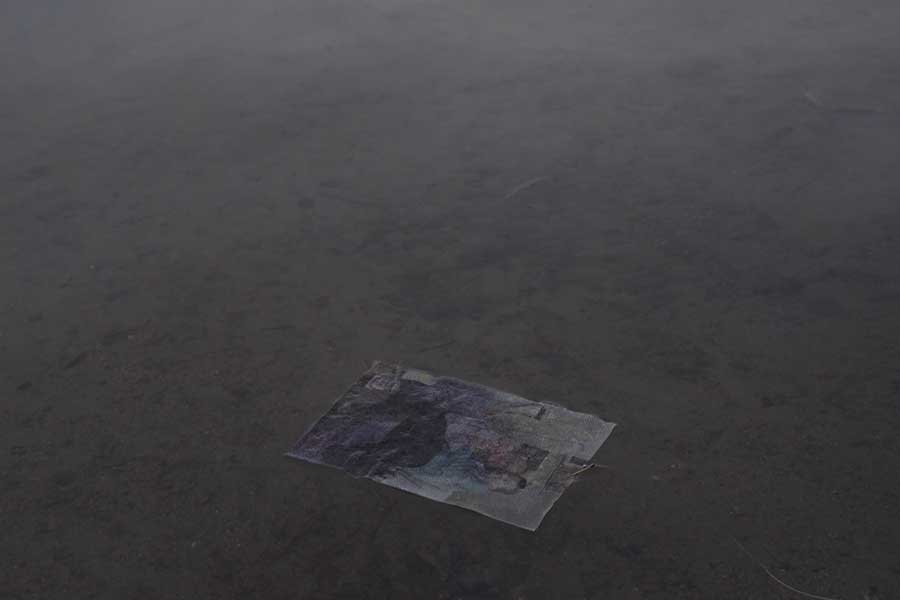
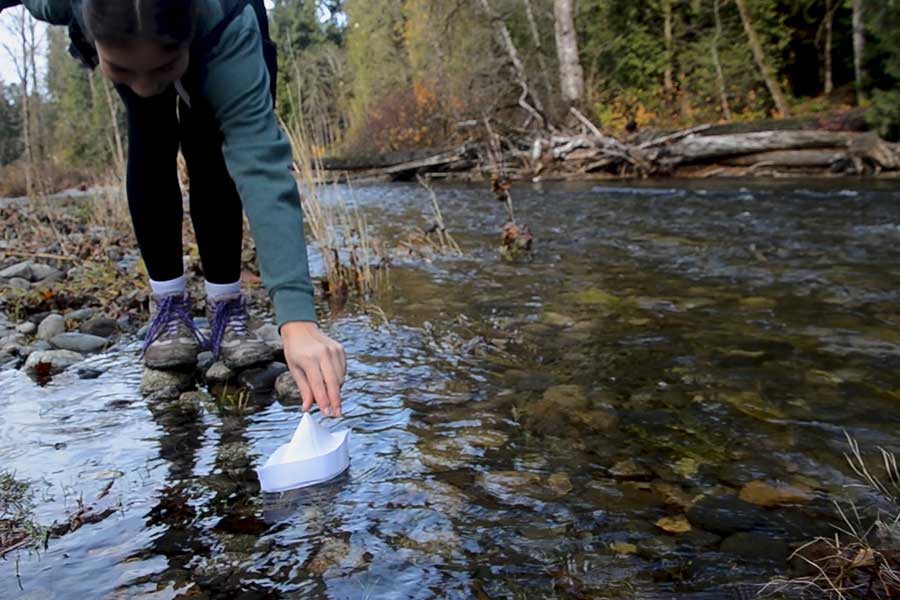
Photo: Inez Londoño, The Paper Boat, 2025,© & Courtesy the artist
Info: Curator: Serena Steel, The Polygon Gallery, 101 Carrie Cates Court, North Vancouver, BC, Canada, Duration: 11/3-12/4/2026, Days & Hours: Wed & Fri-Sun 10:00-17:00, Thu 10:00-21:00, https://thepolygon.ca/