PHOTO: Guido Guidi Col tempo, 1956–2024
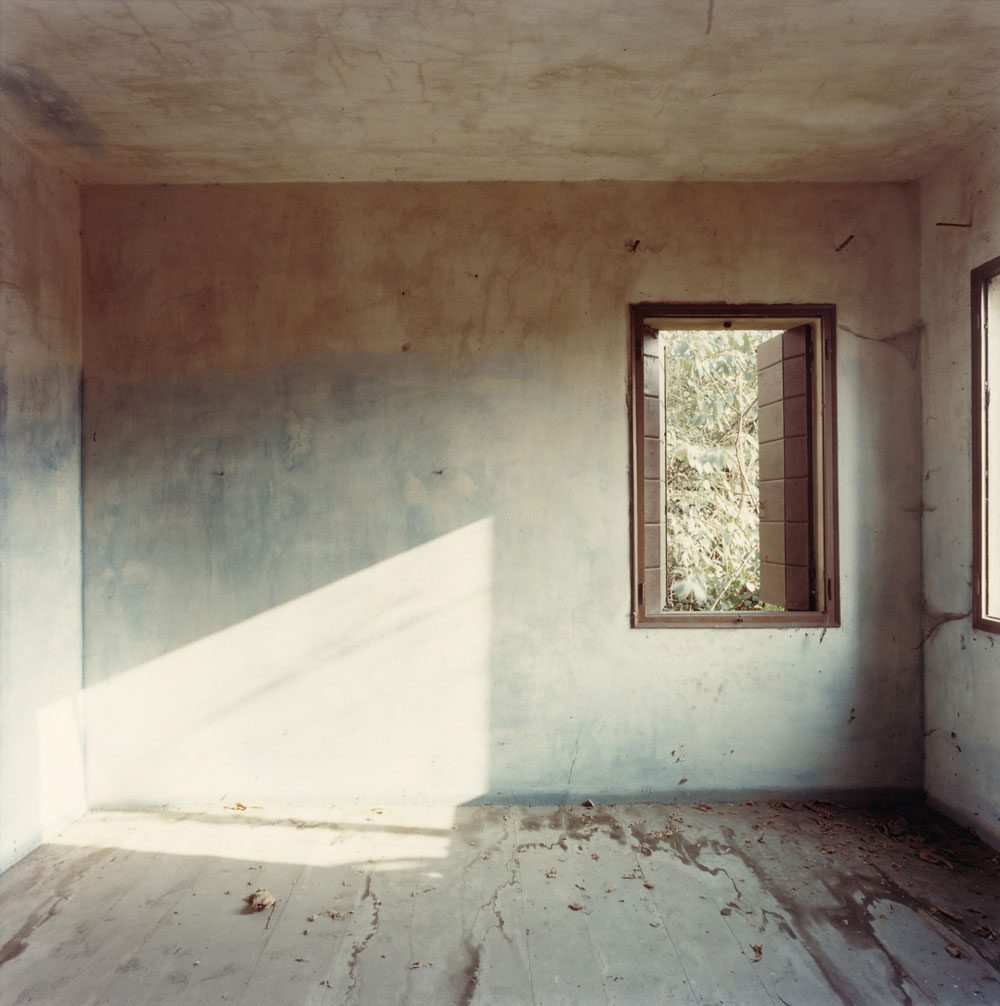
Guido Guidi reads and threads together the signs of the world. He collects and observes rather than claiming to “create.” He seldom speaks in the first person and, by conviction, steers clear of the personalism of “I”. He favors silence over speech, suggestion over symbol, the epigram over the manifesto, the quotation over the declaration. He delights in ambiguity, misreading, wordplay, and transgression, and, in his reserve, most often speaks through the words of others, “in quotation marks”. For all this—and indeed because of it—he is regarded as a master by several generations of artists.
By Dimitris Lempesis
Photo: LE BAL Archive
A major exhibition to Guido Guidi, a central figure in European photography whose work has reshaped how images mediate our understanding of territory, architecture, and everyday space is shown at LE BAL. Conceived in collaboration with the MAXXI, the exhibition “Col tempo, 1956–2024” unfolds across eighteen photographic sequences devised by the artist himself—an ambitious attempt to render visible the temporal, conceptual, and perceptual structures underpinning his practice.
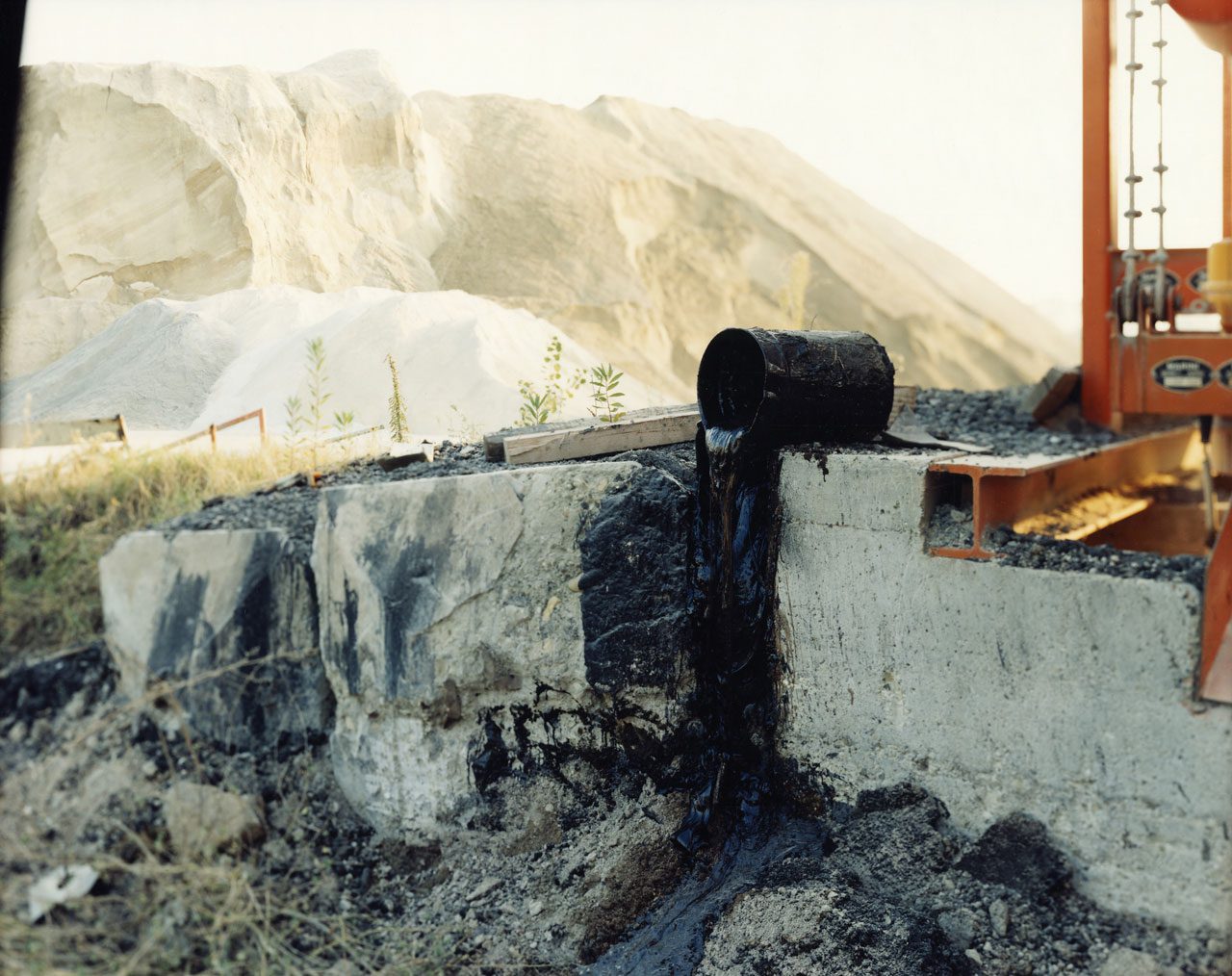
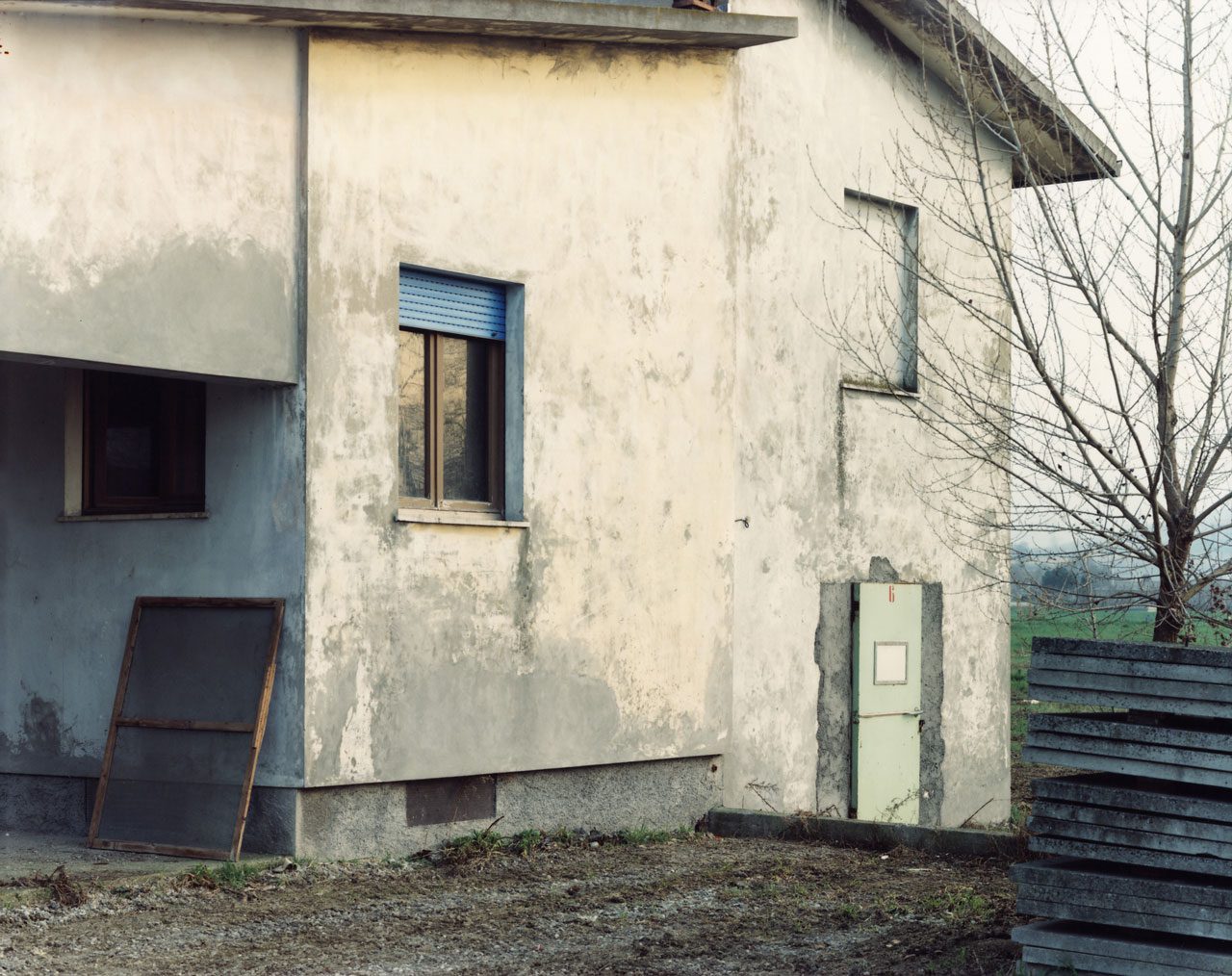
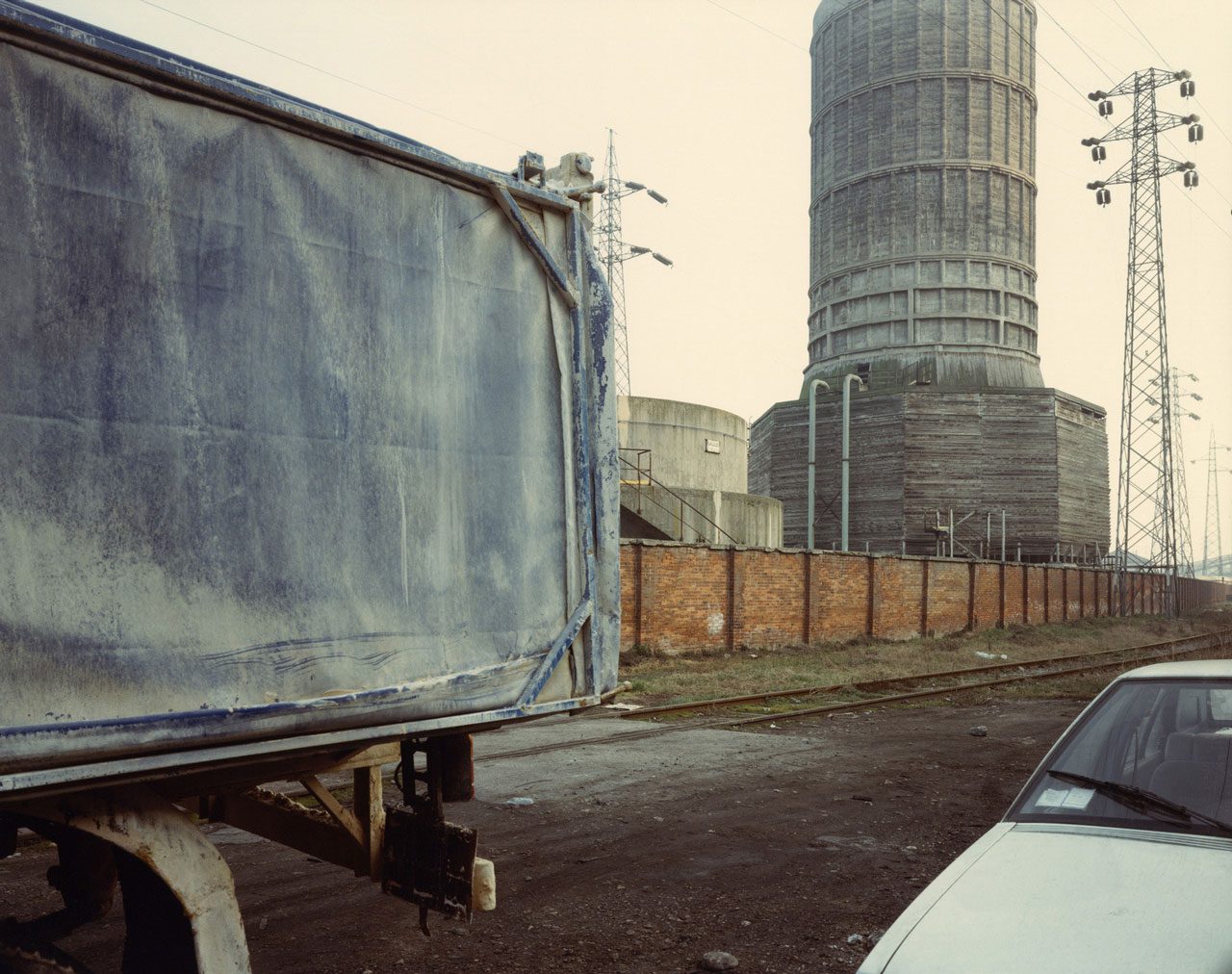
Born in Italy in 1941, Guidi belongs to a generation that profoundly transformed the relationship between photographic language and the perception of landscape. His gaze moves fluidly between the ordinary and the monumental: fragments of seemingly insignificant terrain in his native Romagna coexist with images of iconic architectural works. This refusal to hierarchize subject matter—placing neglected details on equal footing with established forms—gradually crystallized into a radical artistic position that has made him a reference point in the history of the medium.
For Guidi, photography begins not with representation but with relation. The act of looking is a form of encounter—an event unfolding between observer, camera, and world. He often describes the photograph as a “note,” a modest “scribble,” a provisional “attempt,” rejecting the myth of the perfect image or the definitive artwork. What matters is not resolution but process: the experience of seeing, the specificity of the medium that records it, and the passage of time that transforms both.
This approach positions photography as an epistemic practice—a mode of knowledge rather than a final product. Guidi’s images accumulate as stages in an ongoing investigation: variations, repetitions, detours, and rediscoveries. Over decades of daily shooting, a poetic archive of territory emerges—one grounded in persistence rather than virtuosity, attention rather than spectacle.
At LE BAL, more than two hundred photographs are arranged as a continuous visual line that retraces Guidi’s trajectory from early black-and-white experiments in the 1960s and 1970s to later research on landscape and architecture, and on to recent projects. Notebooks, manuscripts, models, and previously unseen documents illuminate the working logic behind the images.
The exhibition is structured not as a retrospective in the conventional sense but as a thinking apparatus. The intervals between photographs—pauses, gaps, transitions—play a crucial role, rhythmically articulating a visual syntax that mirrors Guidi’s own conception of photography as a language.
Guidi began photographing in the 1950s and developed two complementary lines of inquiry during the following decades: the exploration of his immediate personal microcosm through small-format cameras, and a sustained investigation of vernacular architecture, informed in part by the legacy of Walker Evans. From the 1980s onward, he increasingly adopted medium- and large-format cameras and embraced color, while expanding his geographic scope from Cesena to broader Italian contexts.
Architecture occupies a central position in his work—not as an autonomous subject but as a field of learning. Guidi’s long engagement with the projects of Carlo Scarpa, particularly the Brion Tomb, exemplifies his method: through patient observation, he reveals subtle configurations of light and material that echo the architect’s own thinking.
In these photographs, buildings are not monuments to be documented but environments to be experienced. They become part of the same perceptual continuum as roadside details, peripheral landscapes, and overlooked spaces—sites where the act of looking becomes a form of inhabiting.
The exhibition also foregrounds Guidi’s archive—his studio in Ronta near Cesena, conceived as both workspace and site of exchange. Here, photography unfolds as a cumulative practice: a layered constellation of negatives, prints, notes, and teaching materials that trace decades of sustained inquiry. This archival dimension underscores the artist’s belief that images gain meaning not in isolation but through sequence, comparison, and temporal distance.
The final section turns toward the studio itself as a space of research and encounter. A recent series assembled for the exhibition, “Raccolta indifferenziata”, signals the persistence of a radical vision grounded in observation, repetition, and openness to contingency.
Guidi’s work resists spectacle and narrative closure. Instead, it cultivates a poetics of attention—one rooted in slowness, humility, and the ethics of looking. Across decades, his photographs have consistently asked how images mediate experience: how they register time, how they construct space, and how they shape the relationship between subject and world.
That sustained inquiry has made him a decisive influence on several generations of artists and photographers. His images do not impose meaning; they invite it. Each frame functions less as a statement than as a proposition—a point of entry into a broader reflection on seeing, remembering, and inhabiting the contemporary landscape.
In “Col tempo, 1956–2024”, Guidi’s practice appears not as a linear career but as an ongoing conversation with the visible: a disciplined, patient exploration of what photography can be when it abandons certainty and embraces the complexity of perception.
Photo: Guido Guidi, Rimini Nord, 1991, © Guido Guid
Info: Curators : Simona Antonacci, Pippo Ciorra, and Antonello Frongia, LE BAL, 6 Impasse de la Défense, Paris, France, Duration: 20/2-24/5/2026, Days & Hours: Wed 12:00-20:00, Thu-Sun 12:00-19:00, www.le-bal.fr/
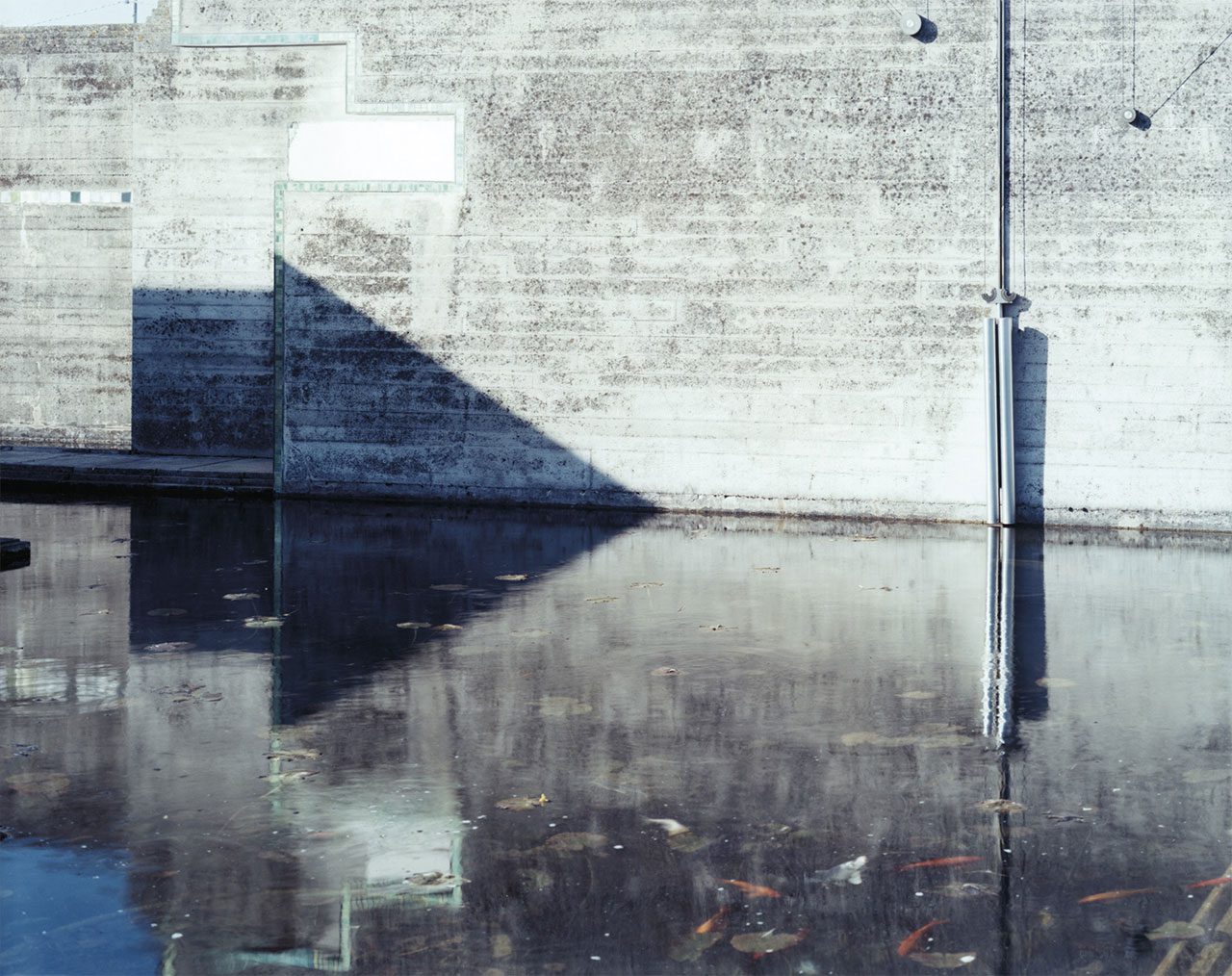
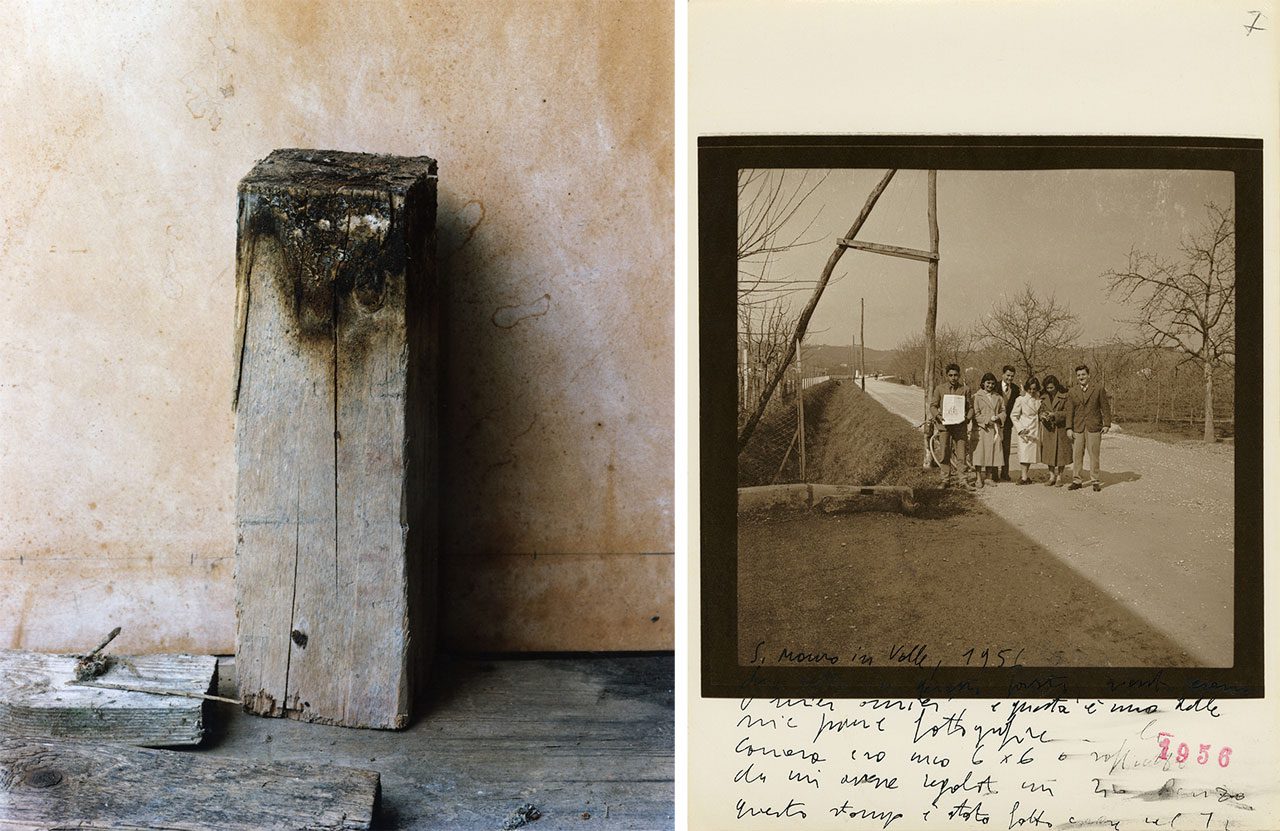
Right: Guido Guidi, San Mauro in Valle, 1956 © Guido Guidi