PRESENTATION: Rituals of Perception (Part II)
The Tanoto Art Foundation’s inaugural exhibition, “Rituals of Perception”, currently on view at Singapore’s New Bahru School Hall from 21 January to 1 March 2026, articulates a critical recalibration of artistic engagement in an era dominated by digital acceleration and fragmented attention. Curated by Xiaoyu Weng, Artistic Director of the Foundation, the show presents over twenty works drawn from the Tanoto Family Collection alongside new commissions and international loans, constituting a multifaceted inquiry into the poetics of making, the temporality of presence, and the sensory politics of materiality (Part I).
By Dimitris Lempesis
Photo: Tanoto Art Foundation Archive
At the heart of the exhibition “Rituals of Perception” is a philosophical proposition: that the rituals of artistic process and sensory attention offer an antidote to the hyper-accelerated, efficiency-driven modes of contemporary life. Rituals of Perception turns its focus toward practices that insist on duration, tactility, and bodily knowledge, reframing gesture itself as a “quiet act of resistance” against what the curatorial statement describes as an “increasingly dehumanised sense of time.”
This resistance is anchored in the concept of presentiment, a term adapted from the work of philosopher Byung-Chul Han to describe an intuitive awareness that transcends linear temporal logic. Rather than orienting solely toward future anticipation, presentiment traverses multiple registers of temporality, revealing what is already extant yet difficult to articulate within dominant informational paradigms. Within this framework, mind and matter converge in the activity of making, and time is transformed from an abstract metric into a felt experience—visible through traces of engagement and the marks left by embodied labor.
The exhibition’s emphasis on iterative, contemplative processes is manifest in the materials and techniques employed across diverse practices: kneading clay, weaving fibers, folding and cutting paper, casting cement, stitching textiles, and even digitally “copying and pasting” images. Each gesture underscores the slowness of craft and the rootedness of meaning in touch and repetition, inviting viewers to engage with works not as instantaneous objects of consumption but as sites of temporal depth and reflective presence.
In this context, materiality bears history. Clay, cement, paper, and fiber—whether natural or manufactured—are positioned as vessels of ancestral and collective memory. These substances carry with them histories of labor, tradition, and social formation, prompting a reimagining of perception not as a primarily cognitive or visual faculty but as a corporeal, sensorial act. Bodies encounter textures, weights, and atmospheres, recognizing in materials something pre-reflective and affective. The exhibition suggests that such engagements—when sustained and attentive—constitute rituals that counteract the compulsive performance demands of neoliberal temporality.
This emphasis on bodily engagement and temporality resonates with broader currents in contemporary art that prioritize process, embodiment, and sensory experience. Across recent exhibitions worldwide, artists have explored the physical presence of the body, durational performance, and the ontological stakes of perception itself. The history of performance art, for instance, is deeply rooted in the interplay between action, time, and lived experience—where the body and its gestures become primary media for artistic expression.
In situ at New Bahru School Hall, Rituals of Perception becomes more than a survey of object-making; it functions as a meditation on resistance through stillness, and an invitation to reconsider the ways art can slow us down. The exhibition embodies a renewed commitment to material history and shared sensibility, positioning artistic labor as a counterforce to digital disenchantment and fragmentary attention. In doing so, it gestures toward a collective reimagining of perception as a practice—one that is embodied, ritualized, and deeply attuned to the material world.
Participating Artists: Shuvinai Ashoona, Trisha Baga, Ali Cherri, Stephanie Comilang, Carolina Fusilier, Hu Xiaoyuan, Lotus L. Kang, Suki Seokyeong Kang, Tarik Kiswanson, Heidi Lau, Ma Qiusha, Claudia Martínez Garay, Pan Caoyuan, Simon Speiser, Sriwhana Spong, Sung Tieu, Tong Wenmin, Tsang Kin-Wah, Wang Ye, Yuyan Wang, Anicka Yi, Yin Xiuzhen, Zhang Ruyi
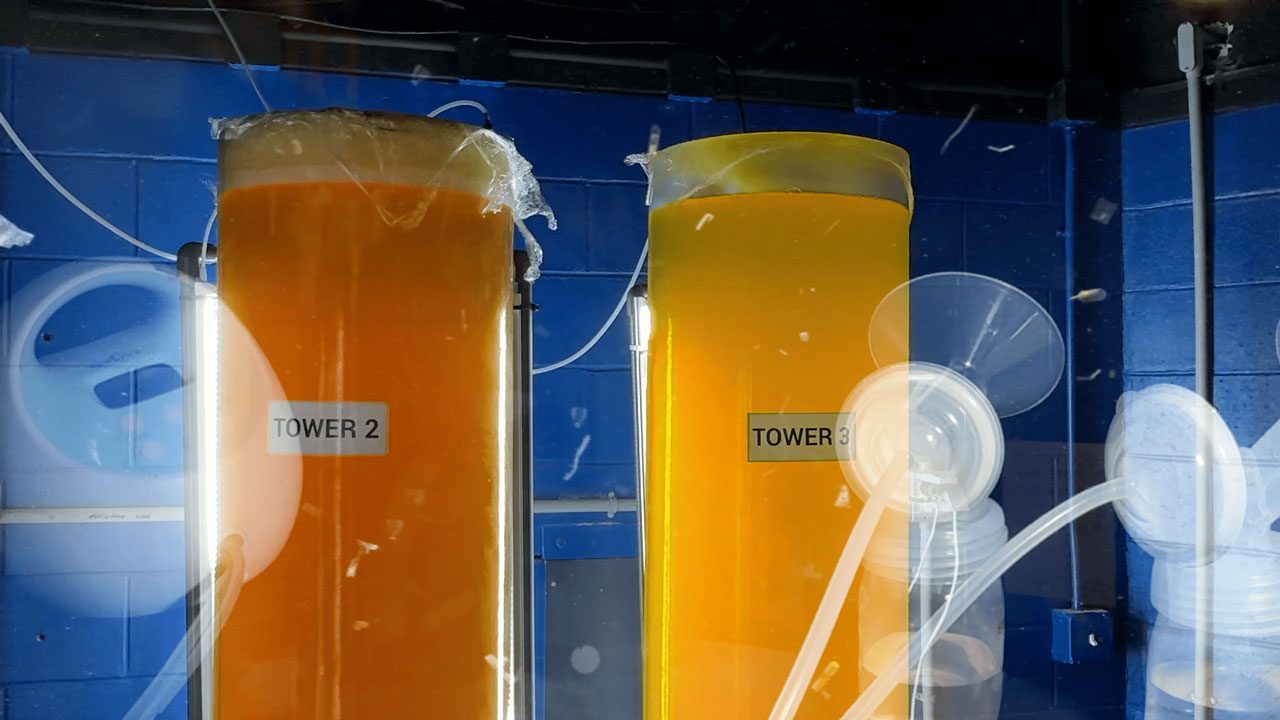
Photo: Trisha Baga. MORE. 2025. 3D stereoscopic single-channel video. 40 min 17 sec. 16:9 aspect ratio. Video still courtesy of the artist and Société Berlin
Info: Curator: Xiaoyu Weng, Tanoto Art Foundation (TAF), New Bahru School Hall, 80 Raffles Pl, #50-01 UOB Plaza 1, Singapore, Duration: 21/1-1/3/2026, Days & Hours: Mon-Fri & Sun 11:00-19:00, Sat 11:00-21:00, www.tanotoartfoundation.org/
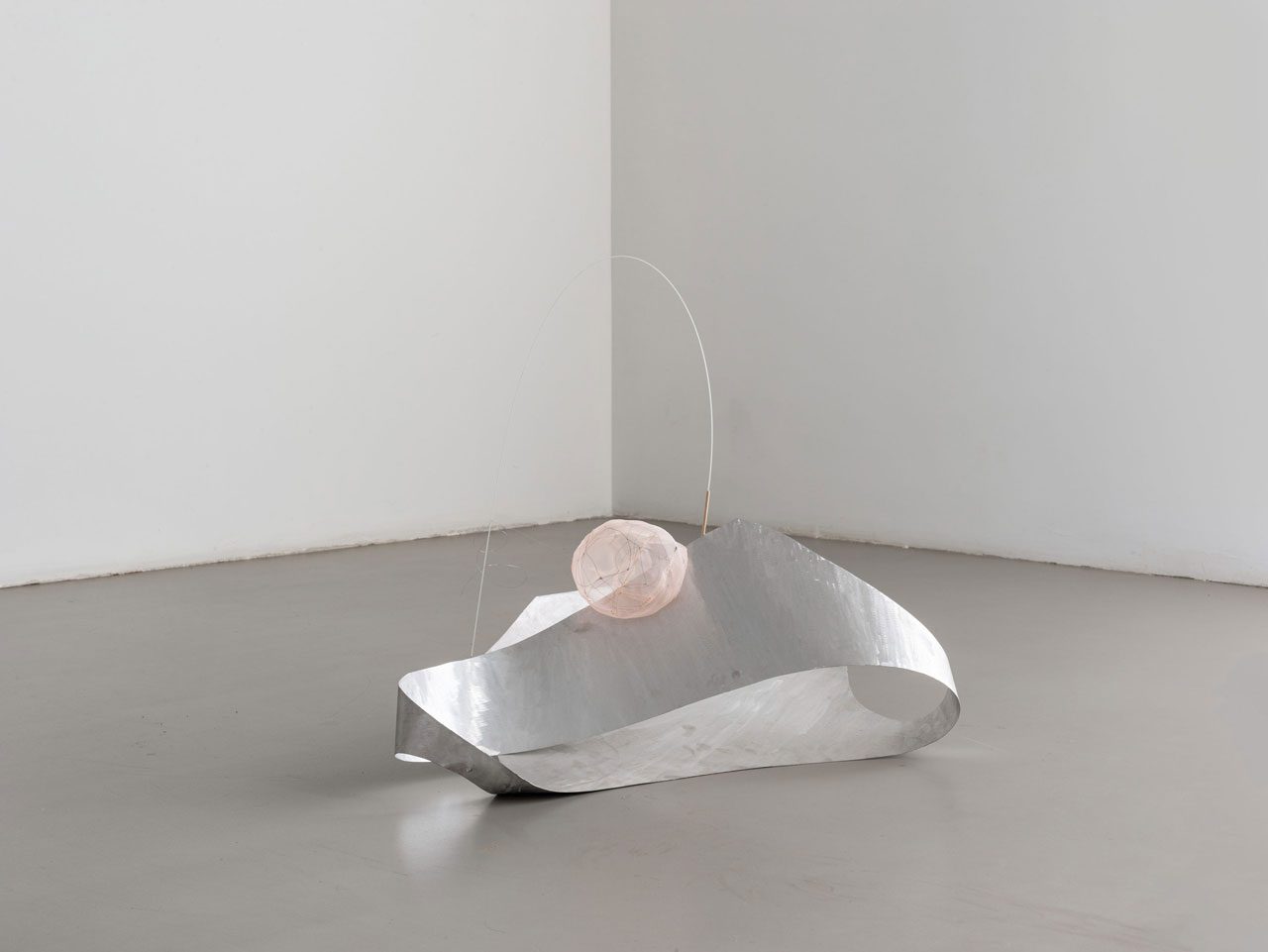
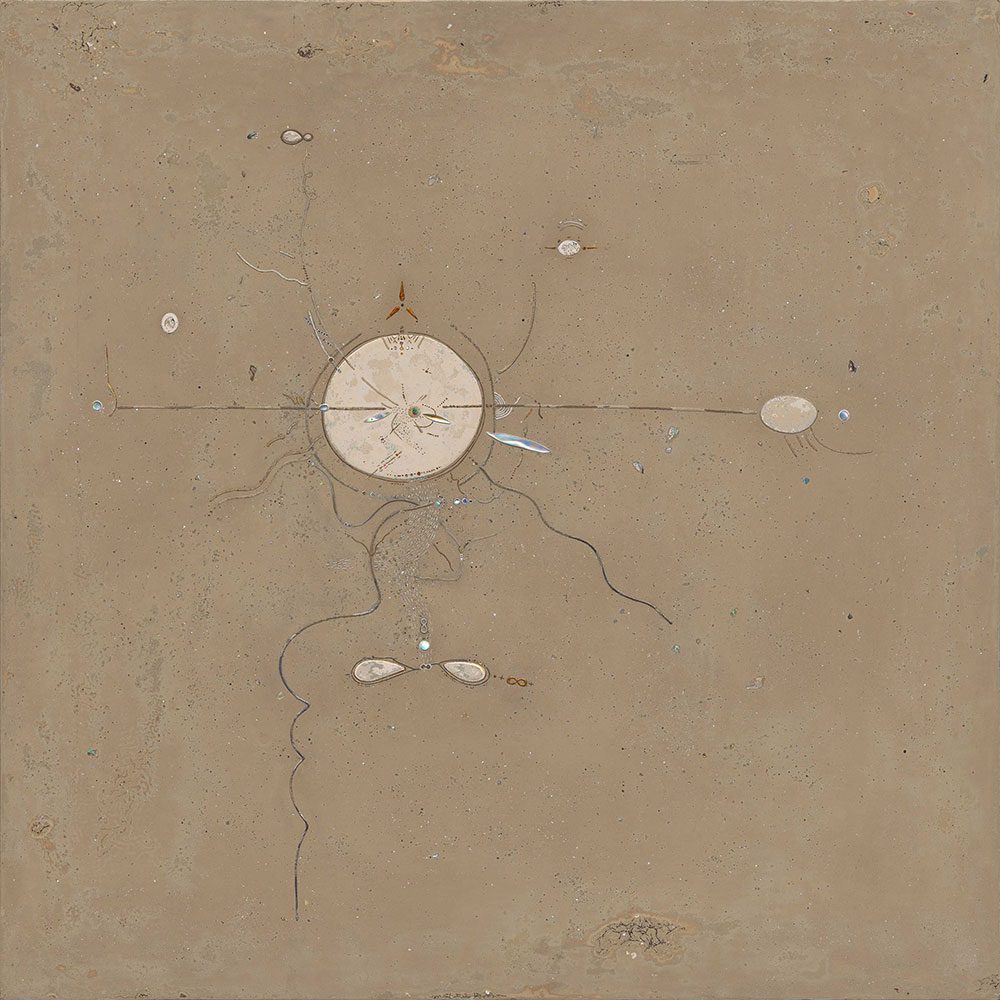
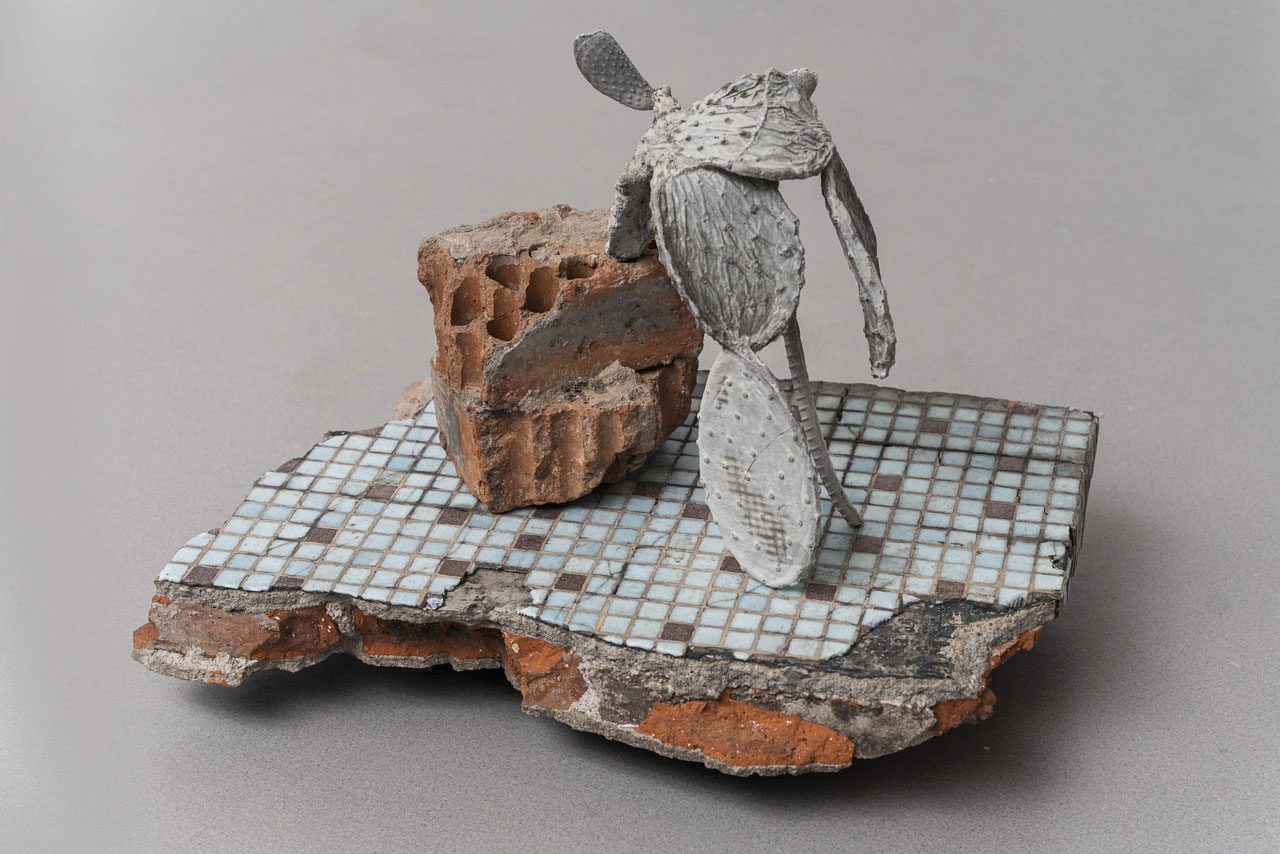
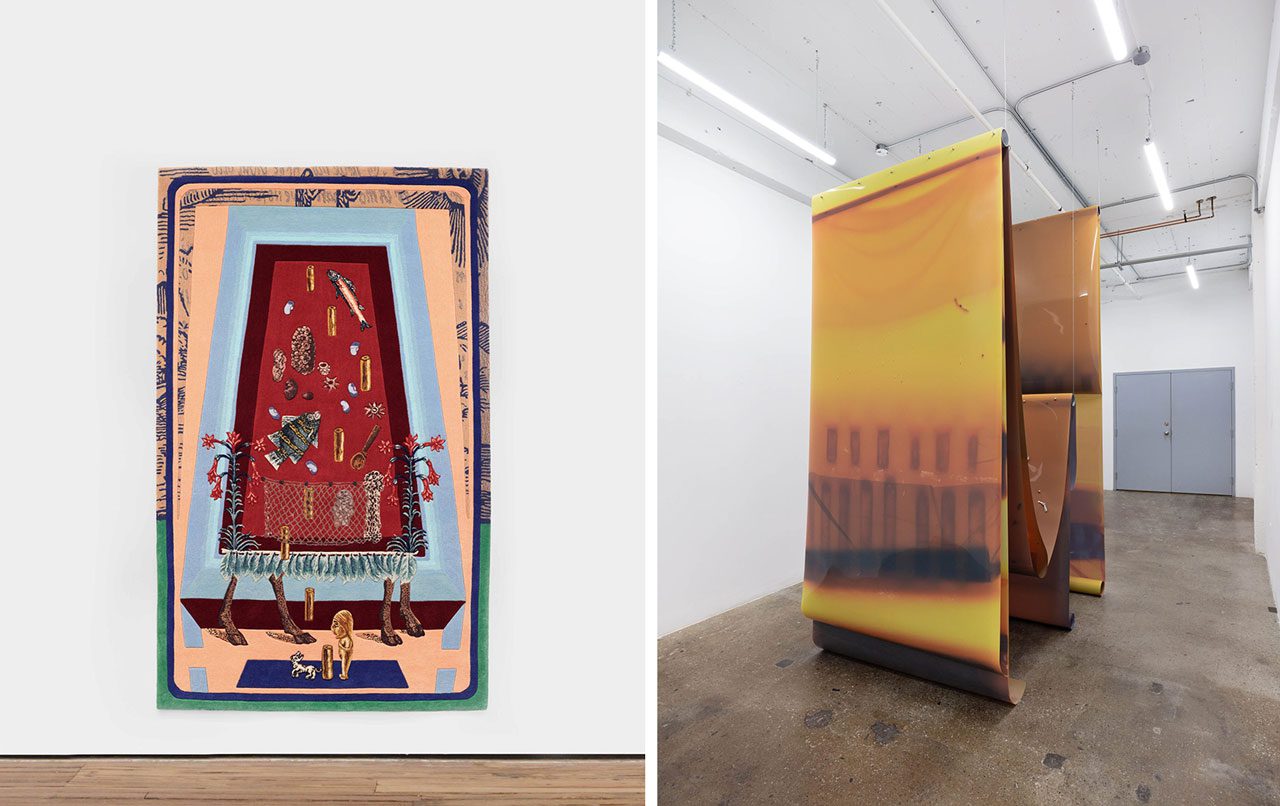
Right: Lotus L Kang. Molt (Woodridge-New York-London-). Tanned and unfixed film (continually sensitive), spherical magnets, cast aluminium kelp knot, steel tubing. 274.3 x 127 x 106.7 cm. Tanoto Family Collection. Courtesy of the artist and Franz Kaka Gallery
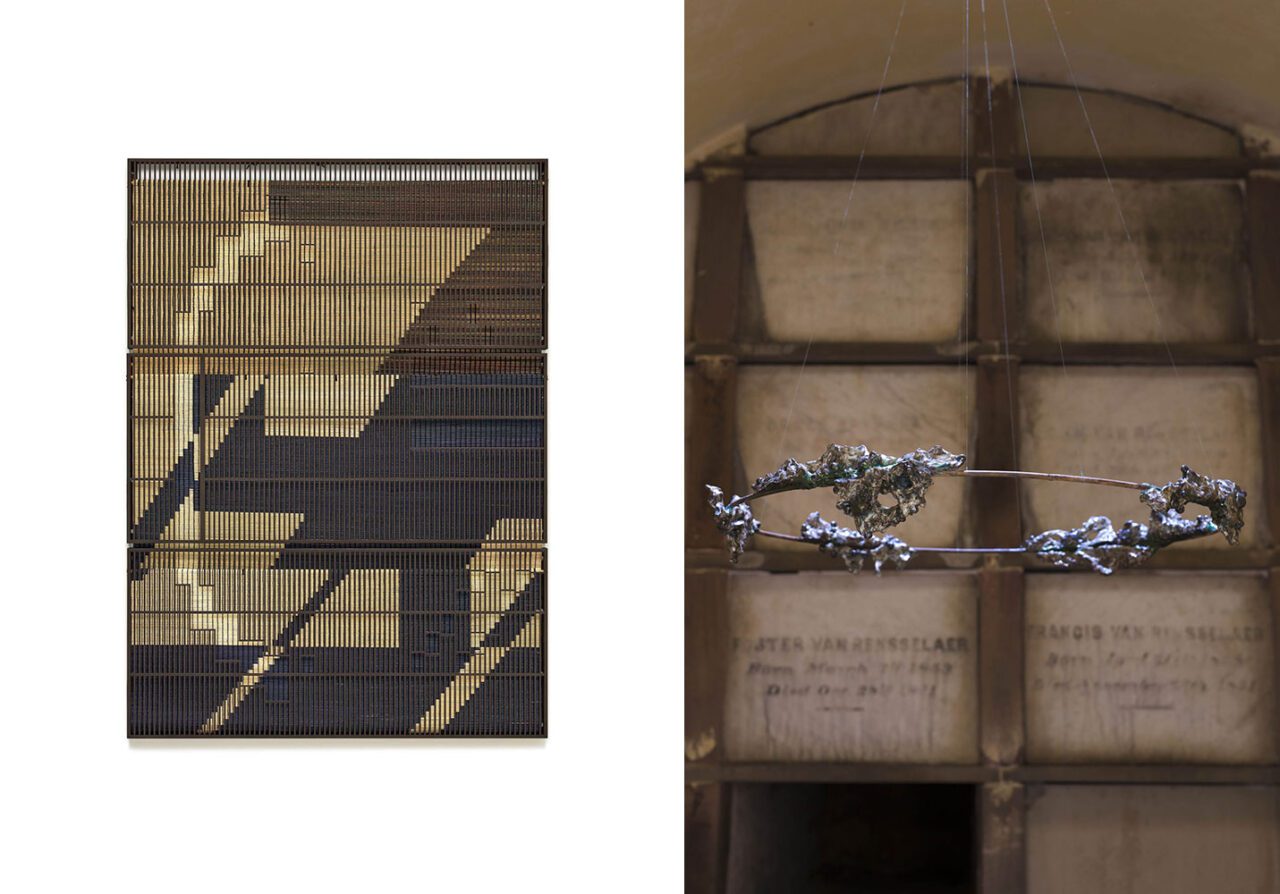
Right: Heidi Lau. Rings of Saturn. Glazed ceramic. 12.7 x 68.6 x 68.6 cm. Tanoto Family Collection. Courtesy of the artist and Matthew Brown