PRESENTATION: Nigerian Modernism, Part ii
Set against the backdrop of cultural and artistic rebellion, the exhibition “Nigerian Modernism” celebrates the achievements of Nigerian artists working before and after the decade of national independence from British colonial rule in 1960. The exhibition tells the story of artistic networks which spanned Zaria, Ibadan, Lagos and Enugu, as well as London, Munich and Paris. Through groups like the Zaria Art Society and Mbari Artists’ and Writers’ Club, they fused Nigerian, African and European techniques and traditions to create vibrant, multidimensional works (Part I).
By Dimitris Lempesis
Photo: Tate Archive
At Tate Modern, the exhibition “Nigerian Modernism” offers the first comprehensive UK exhibition to chart the development of modern art in Nigeria, reframing a narrative too often marginalised within global art history. Spanning five decades—from the era of indirect British colonial rule through national independence and into the late twentieth century—the exhibition foregrounds Nigerian artists as active agents in shaping modernism, rather than peripheral respondents to European movements.
Bringing together more than 250 works by over 50 artists, the exhibition traces a rich, international network of creative exchange. Painting, sculpture, ceramics, textiles, and works on paper drawn from institutions and private collections across Africa, Europe, and the United States collectively reveal how Nigerian artists fused Indigenous visual languages with European artistic training. The result is not a derivative modernism, but a distinct, intellectually rigorous, and politically engaged African vision of the modern.
The exhibition opens in the 1940s, a period marked by growing calls for decolonisation across Africa and its diaspora. Under British governance, Nigeria’s education system enabled many artists to train in Britain, where they encountered Western modernism and its paradoxical fascination with African art. Nigerian artists navigated this tension with remarkable clarity. Figures such as Aina Onabolu pioneered realist portraiture that captured Lagos’ emerging elite, while Akinola Lasekan turned to Yoruba legends and history, asserting local narratives within modern pictorial forms.
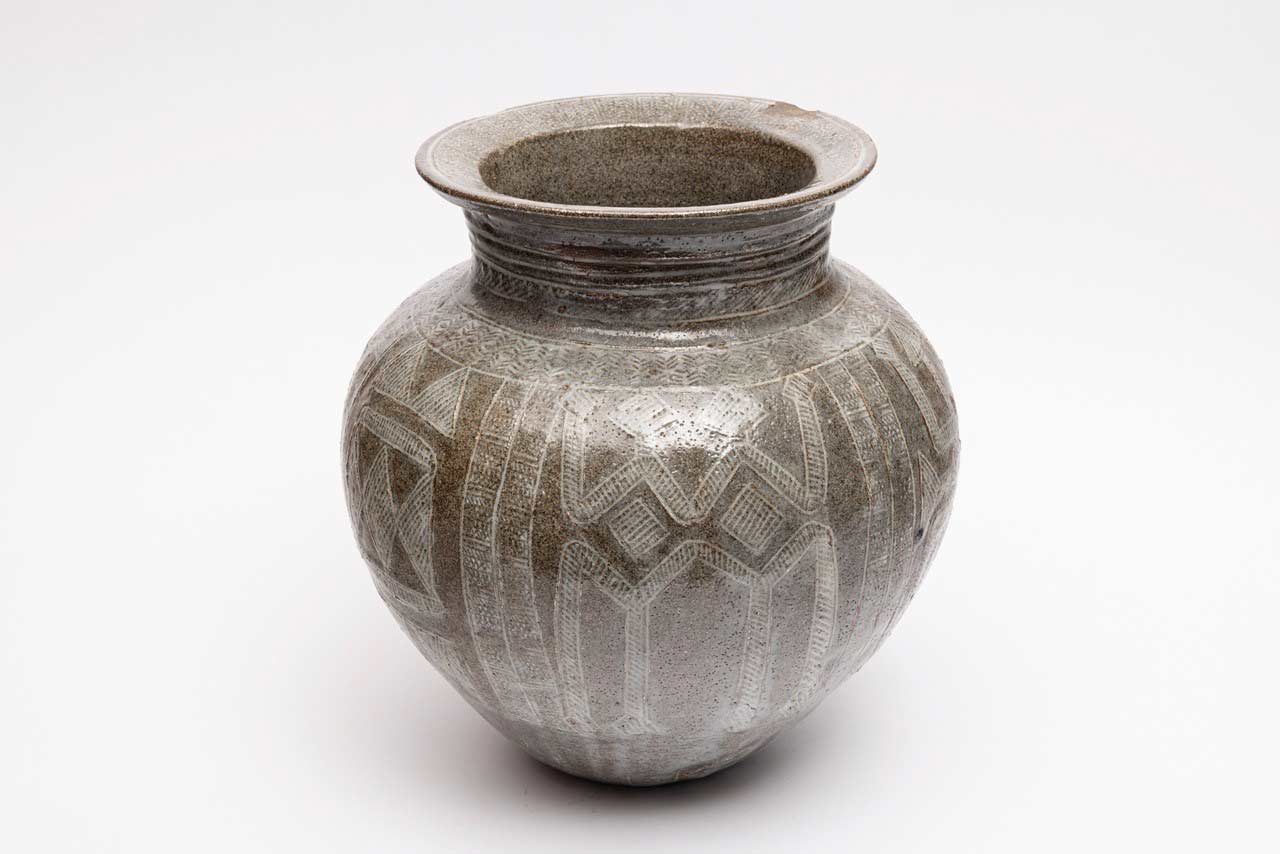
Two globally celebrated figures anchor this early period: Ben Enwonwu and Ladi Kwali. Enwonwu, drawing on his knowledge of Igbo sculptural traditions, adapted his Slade School training to articulate a confident celebration of Black and African identity. Kwali, trained under British potter Michael Cardew at the Pottery Training Centre in Abuja, transformed Gwarri ceramic traditions into a modern studio practice that challenged hierarchies between craft and fine art. Together, their works exemplify the exhibition’s central thesis: Nigerian modernism emerged through synthesis, not imitation.
National independence on 1 October 1960 ushered in a wave of optimism, reflected in ambitious artistic experimentation. Central to this moment was the Zaria Arts Society, whose members—including Uche Okeke, Demas Nwoko, Yusuf Grillo, Bruce Onobrakpeya, and Jimo Akolo—articulated the influential concept of “Natural Synthesis.” Encouraged by educators such as Clara Etso Ugbodaga-Ngu, these artists sought to merge Indigenous forms with contemporary expression, rejecting colonial academic constraints in favour of self-determined modernity.
The 1960s also saw Lagos emerge as a vibrant cultural capital. Economic growth fuelled tropical modernist architecture, public art commissions, and nightlife animated by Highlife music. In Ibadan, the Mbari Artists’ and Writers’ Club—founded by German publisher Ulli Beier—became a crucible for intellectual exchange. Artists, writers, and dramatists including Chinua Achebe, Wole Soyinka, and Malangatana Ngwenya found in Mbari a space for debate, experimentation, and Pan-African solidarity. Closely linked to the influential journal Black Orpheus, Mbari positioned Nigerian modernism within a broader transnational discourse, fragments of which are on view at Tate Modern.
Religious and cultural plurality also shaped artistic production during this period. In the late 1950s, the New Sacred Art Movement emerged under the leadership of Austrian-born artist Susanne Wenger. Drawing on Yoruba cosmology, the movement explored art’s ritual power, most notably through the restoration of the Osun-Osogbo Sacred Grove. Cement sculptures and carvings transformed the site into a living synthesis of ancient belief and modern form. At the same time, the Oshogbo Art School arose from workshops at Duro Ladipo’s Popular Bar, offering an experimental space for untrained artists such as Nike Davies-Okundaye, Twins Seven Seven, and Jacob Afolabi. Their works, deeply rooted in Yoruba mythology and personal symbolism, expanded definitions of authorship and artistic legitimacy.
The outbreak of the Nigerian Civil War in 1967 marked a profound rupture. The optimism of independence gave way to division, displacement, and loss, prompting artists to reassess questions of identity and belonging. A key response highlighted in the exhibition is the revival of uli, a linear Igbo design tradition historically passed down among women. Artists associated with the Nsukka Art School—including Uche Okeke, Obiora Udechukwu, Tayo Adenaike, and Ndidi Dike—reimagined uli as a modernist language. In doing so, they reclaimed ancestral knowledge while addressing the trauma and fragmentation of war.
The exhibition concludes by turning outward, examining Nigerian modernism within a global context. A focused presentation on Uzo Egonu encapsulates this shift. Living in Britain since the 1940s, Egonu developed an artistic voice shaped by exile, memory, and transnational identity. His “Stateless People” series, begun in 1980 and reunited here for the first time in four decades, reflects on nationhood and cultural displacement. Each painting depicts a solitary figure—a musician, an artist, a writer—symbolising the growing visibility of Nigeria’s diaspora and the enduring tension between national identity and artistic autonomy.
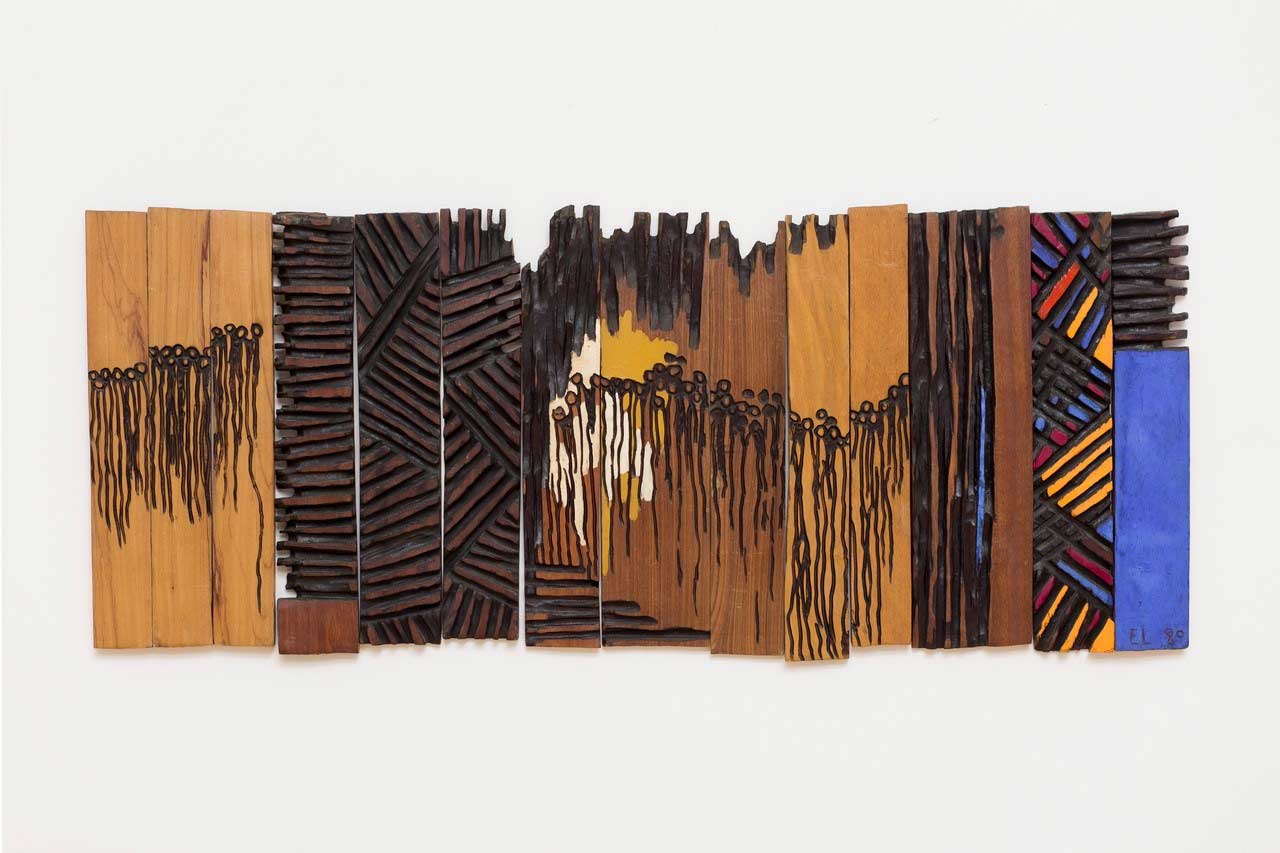
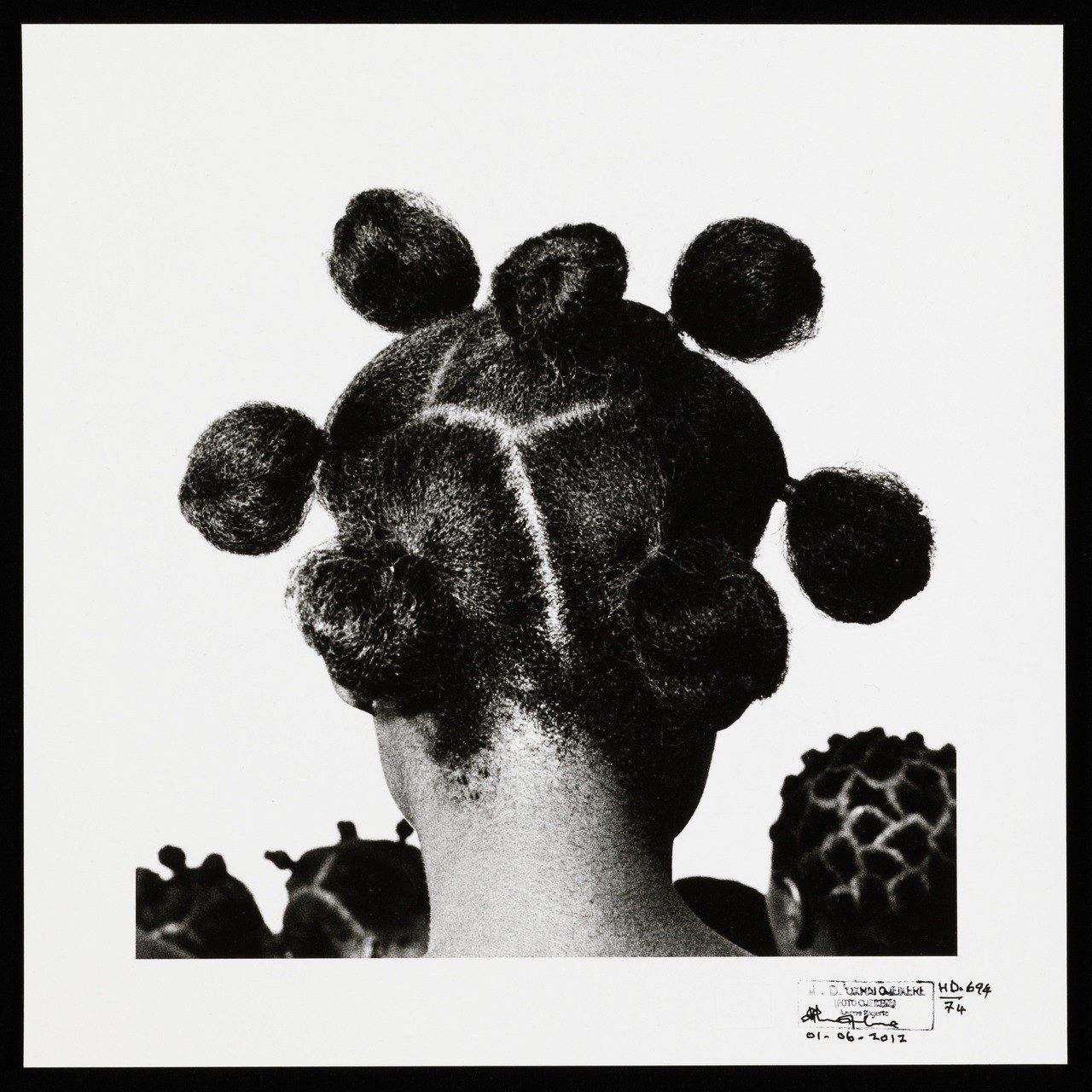
Participating Artists: Jonathan Adagogo Green, Tayo Adenaike, Jacob Afolabi, Adebisi Akanji, Justus D. Akeredolu, Jimo Akolo, El Anatsui, Chike C. Aniakor, Abayomi Barber, Georgina Beier, Alexander “Skunder” Boghossian, Jimoh Buraimoh, Avinash Chandra, Nike Davies-Okundaye, Ndidi Dike, Uzo Egonu, Ibrahim El-Salahi, Afi Ekong, Erhabor Emokpae, Ben Enwonwu, Sir Jacob Epstein, Clara Etso Ugbodaga-Ngu, Okpu Eze, Adebisi Fabunmi, Agboola Folarin, Buraimoh Gbadamosi, Sàngódáre Gbádégesin Àjàlá, Yusuf Grillo, Felix Idubor, Solomon Irein Wangboje, Ladi Kwali, Akinola Lasekan, Jacob Lawrence, Valente Malangatana, Naoko Matsubara, Demas Nwoko, Olu Oguibe, Rufus Ogundele, J.D Ojeikere, Emmanuel Okechukwu Odita, Simon Okeke, Uche Okeke, Olowe of Ise, Asiru Olatunde, Lamidi Olonade Fakeye, Oseloka Okwudili Osadebe, Aina Onabolu, Bruce Onobrakpeya, Ben Osawe, Muraina Oyelami, Ru van Rossem, Karl Schmidt-Rottluff, Gerard Sekoto, Twins Seven Seven, Ahmad Shibrain, F.N. Souza, Ada Udechukwu, Obiora Udechukwu and Susanne Wenger.
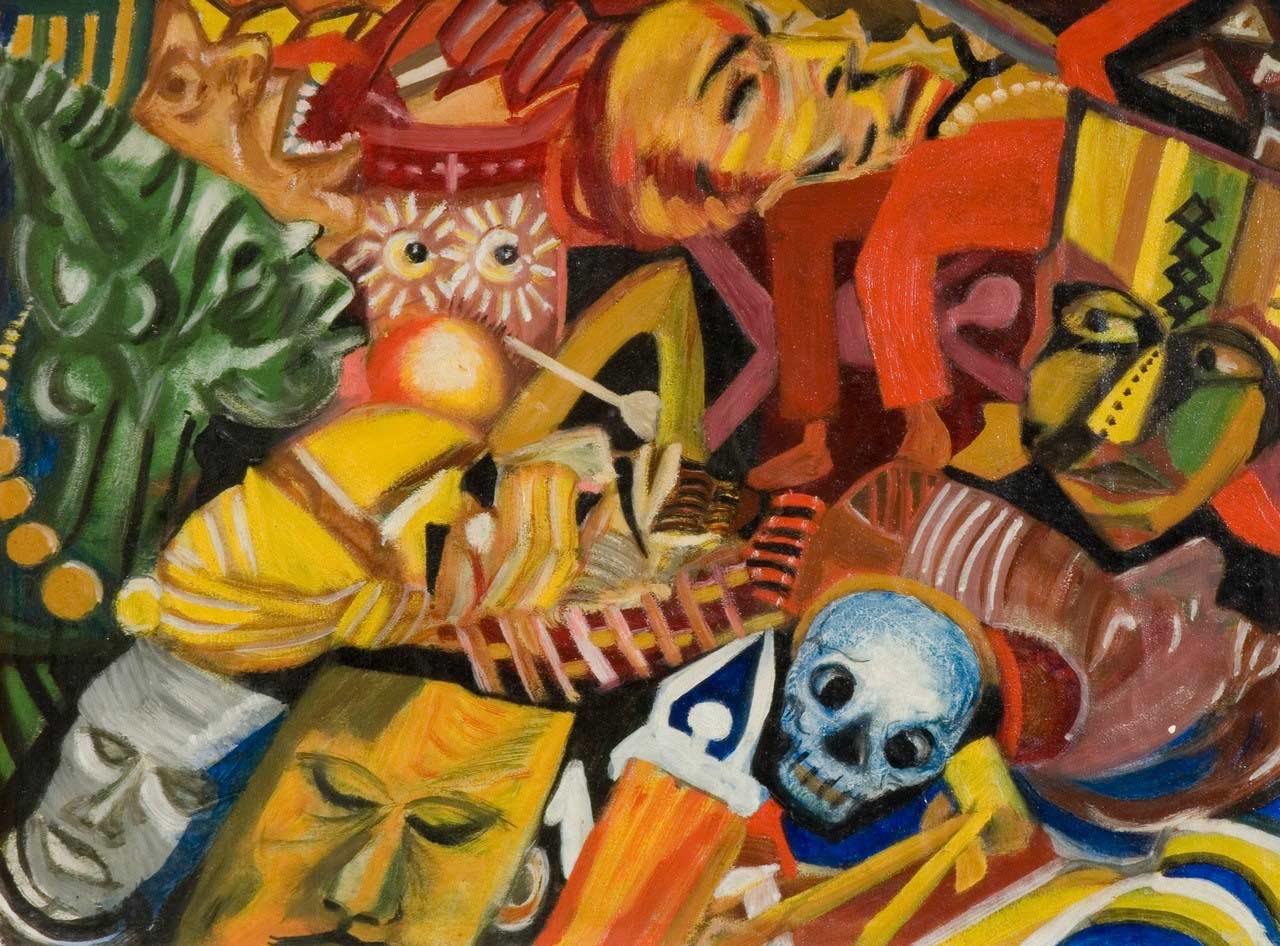
Photo: Uche Okeke, Fantasy and Masks c.1960. © The Prof Uche Okeke Legacy Limited and Asele Institute Ltd. Photo courtesy of Research and Cultural Collections University of Birmingham
Info: Curators: Bilal Akkouche, Osei Bonsu, Manuela Buttiglione, Jarelle Francis and Stephanie Hadfield, Tate Modern, Bankside, London, United Kingdom, Duration: 8/10/2025-10/5/2026, Days & Hours: Mon-Thu & Sun 10:00-18:00, Fri-Sat 10:00-21:00, www.tate.org.uk/
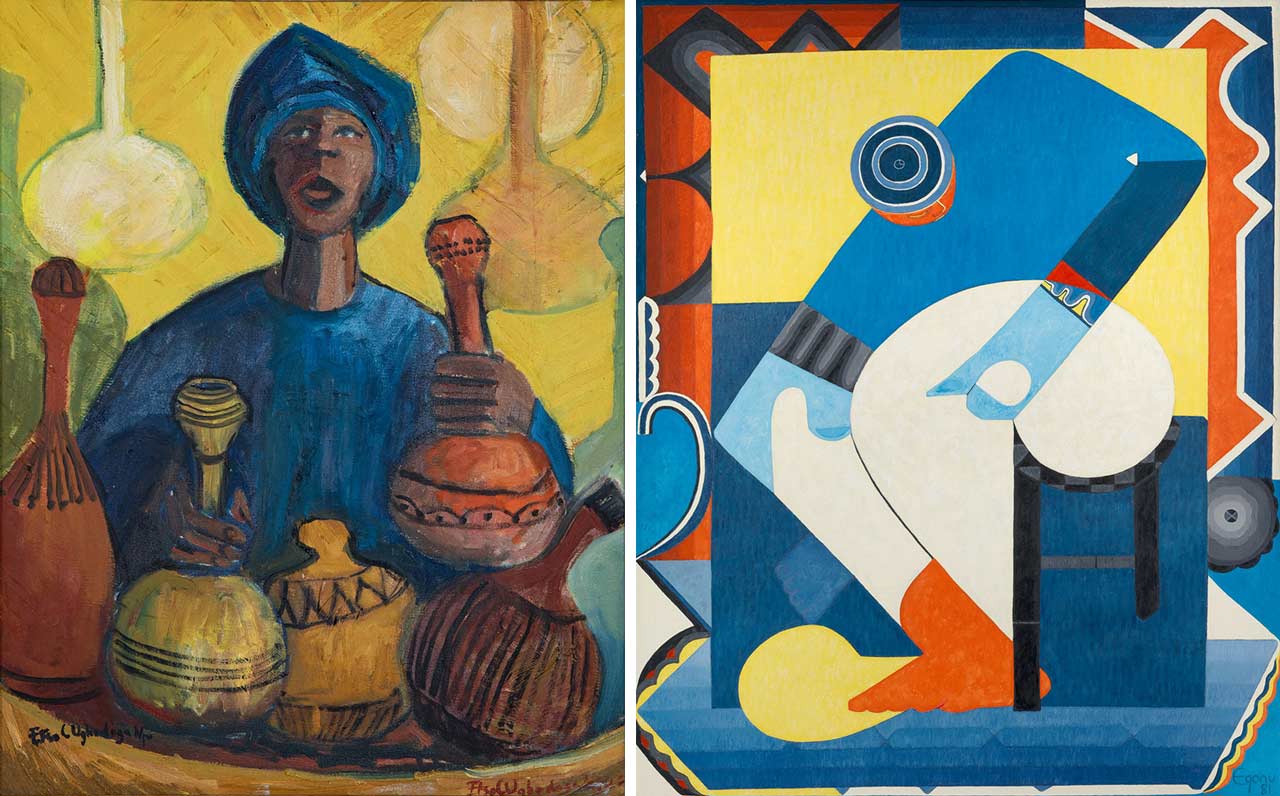
Right: Uzo Egonu, Stateless People an artist with beret 1981. © The estate of Uzo Egonu. Private Collection
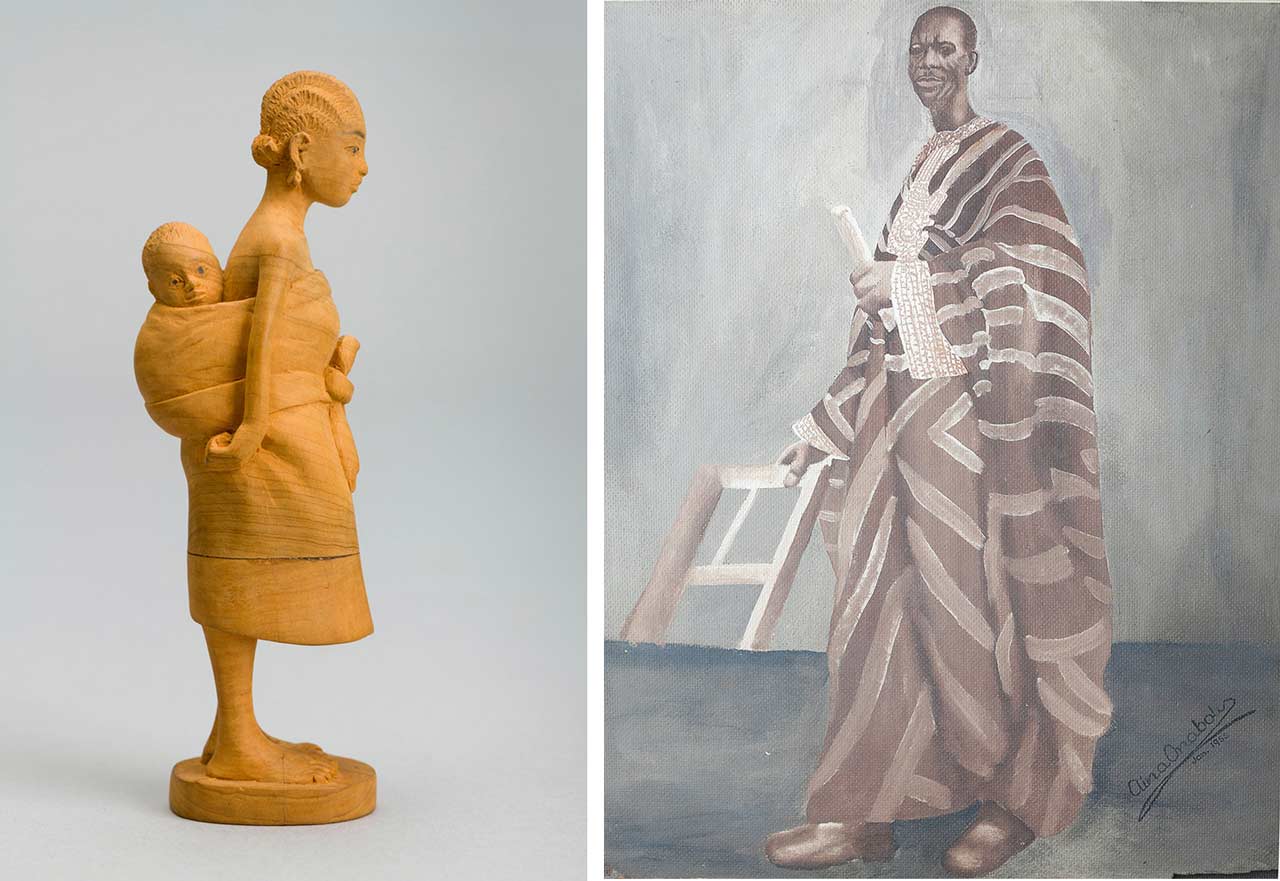
Right: Aina Onabolu, Portrait of an African Man 1955. © Aina Onabolu. Yemisi Shyllon Museum of Art, Pan-Atlantic University