PRESENTATION: The Donator, National Socialism, and the House

In early 2026, the Haus für Medienkunst Oldenburg is hosting a discursive project that confronts the contested legacy of Edith Maria Ruß (1919–1993), the institution’s original founder. New historical research into Ruß’s life and work during the National Socialist period has sparked intense local and national dialogue on memory, responsibility, and how cultural institutions reckon with problematic historical figures.
By Dimitris Lempesis
Photo: Haus for Media Art Oldenburg
Edith Ruß, a journalist, educator, and art patron, endowed her considerable estate to her hometown of Oldenburg to establish an art institution that would promote cultural engagement at the turn of the millennium. Her gift made possible the opening of the Edith-Russ-Haus für Medienkunst in 2000, a venue dedicated to contemporary media art. In her will, she expressly stipulated that the building bear her name.
For decades, Ruß’s biography emphasized her cultural interests and philanthropy. However, recent scholarly research commissioned by the city has uncovered that Ruß was a member of the National Socialist German Workers’ Party (NSDAP) from 1941 onward and worked as a journalist in the National Socialist press during the Second World War. In these publications, she contributed articles—some with völkisch-nationalist themes—that supported the cultural apparatus of the regime, even if they did not contain overtly antisemitic rhetoric. After 1945, she consistently denied her party membership in official proceedings, including her denazification process.
“Die Stifterin, der Nationalsozialismus und das Haus” (The Donator, National Socialism, and the House), the current project at the Haus für Medienkunst Oldenburg is designed not simply as a retrospective but as a structured platform for critical reflection on Ruß’s life, her complicity with National Socialism, and the broader dynamics of personal and collective memory.
The first section foregrounds archival materials from Ruß’s life during the Nazi era. Key artifacts include her own newspaper articles published between 1939 and 1945, among them the short story Die sanfte Gewalt (Gentle Force), which was circulated in the press of the time. Personal items such as bronze sculptures she donated to local institutions and a painted portrait from her estate are displayed alongside contextual artworks and biographical narratives that illuminate not only her activities but also the cultural milieu in which she operated.
The second part situates Ruß’s history within a broader artistic inquiry into National Socialism, authoritarianism, and the psychosocial tensions that shaped individual choices. Contemporary artists address these themes critically, inviting visitors to connect past injustices with present cultural and political dynamics.
The third element of the project is a forum of lectures, presentations, and facilitated dialogue. The main exhibition hall hosts regular talks, and curators maintain a “curatorial office” within the exhibition space to encourage open, considered conversation. This structural choice responds to a social moment in which many debates occur online, often anonymously and without depth. Organizers emphasize the value of direct engagement and democratic dialogue during what they describe as “a month of intense debate.”
Public awareness of Ruß’s Nazi-era activities intensified following the release of the expert report by historians Dr. Mareike Witkowski and Dr. Joachim Tautz. Their findings led the Oldenburg city council in February 2025 to remove Ruß’s name from the building, renaming it the Haus für Medienkunst Oldenburg. The decision acknowledged that honoring Ruß without critical context was no longer tenable, given her documented association with National Socialism and her postwar denial of that history.
The debate has been contentious, involving discussions about historical responsibility, collective memory, and the role of cultural institutions in shaping public understandings of the past. By confronting Ruß’s biography with artistic and scholarly interpretations, the current exhibition invites visitors to grapple with the complexities of individual agency, ethical legacy, and the persistent influence of twentieth-century history on the present.
This discursive project at the Haus für Medienkunst Oldenburg embodies a rigorous attempt to balance historical accountability with cultural reflection. By integrating archival documents, contemporary art, and facilitated public discourse, the exhibition encourages nuanced engagement with difficult questions about memory, complicity, and the responsibilities of both individuals and institutions. It reflects a broader cultural effort to understand—and learn from—the layered histories that continue to shape communities and cultural spaces today.
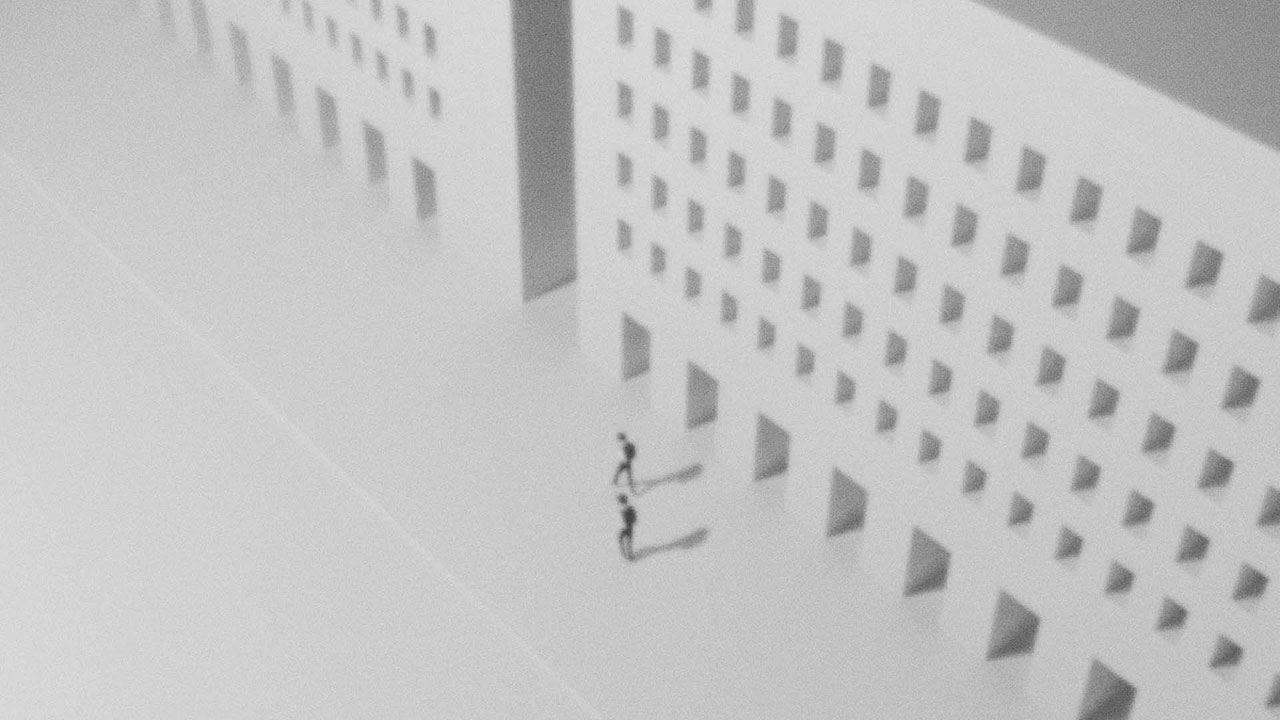
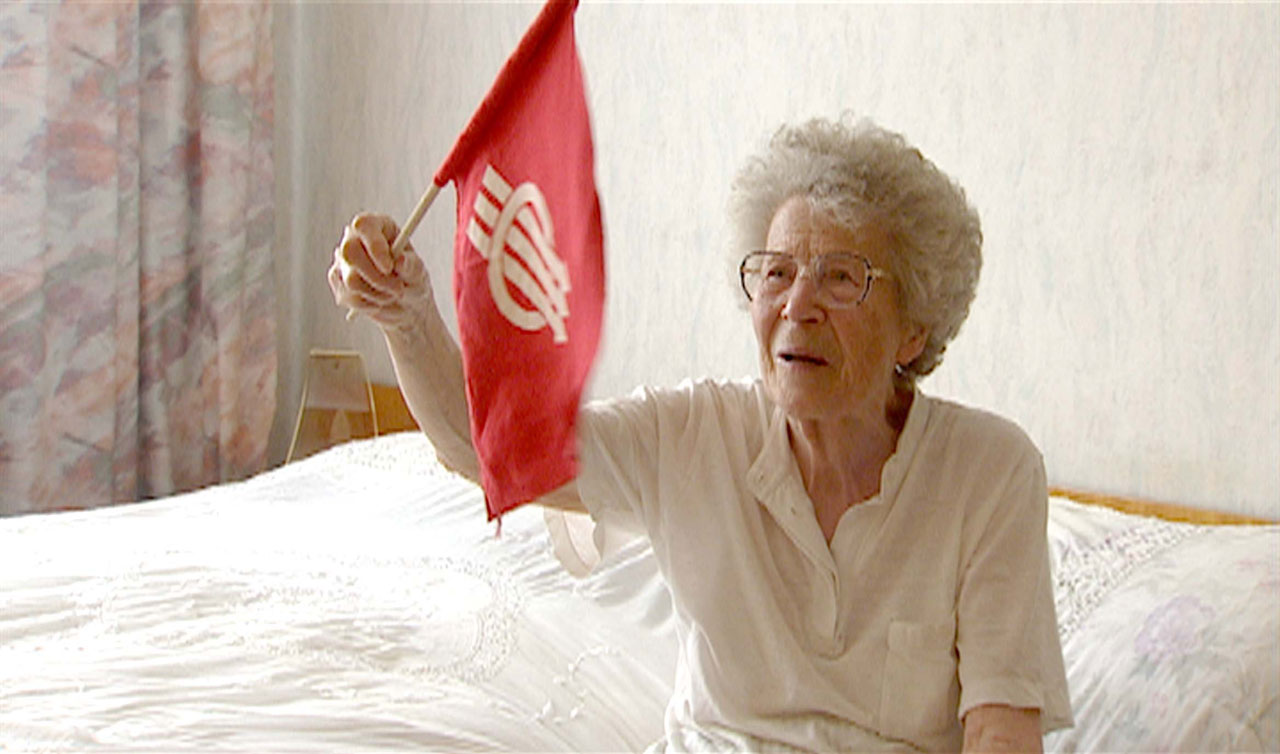
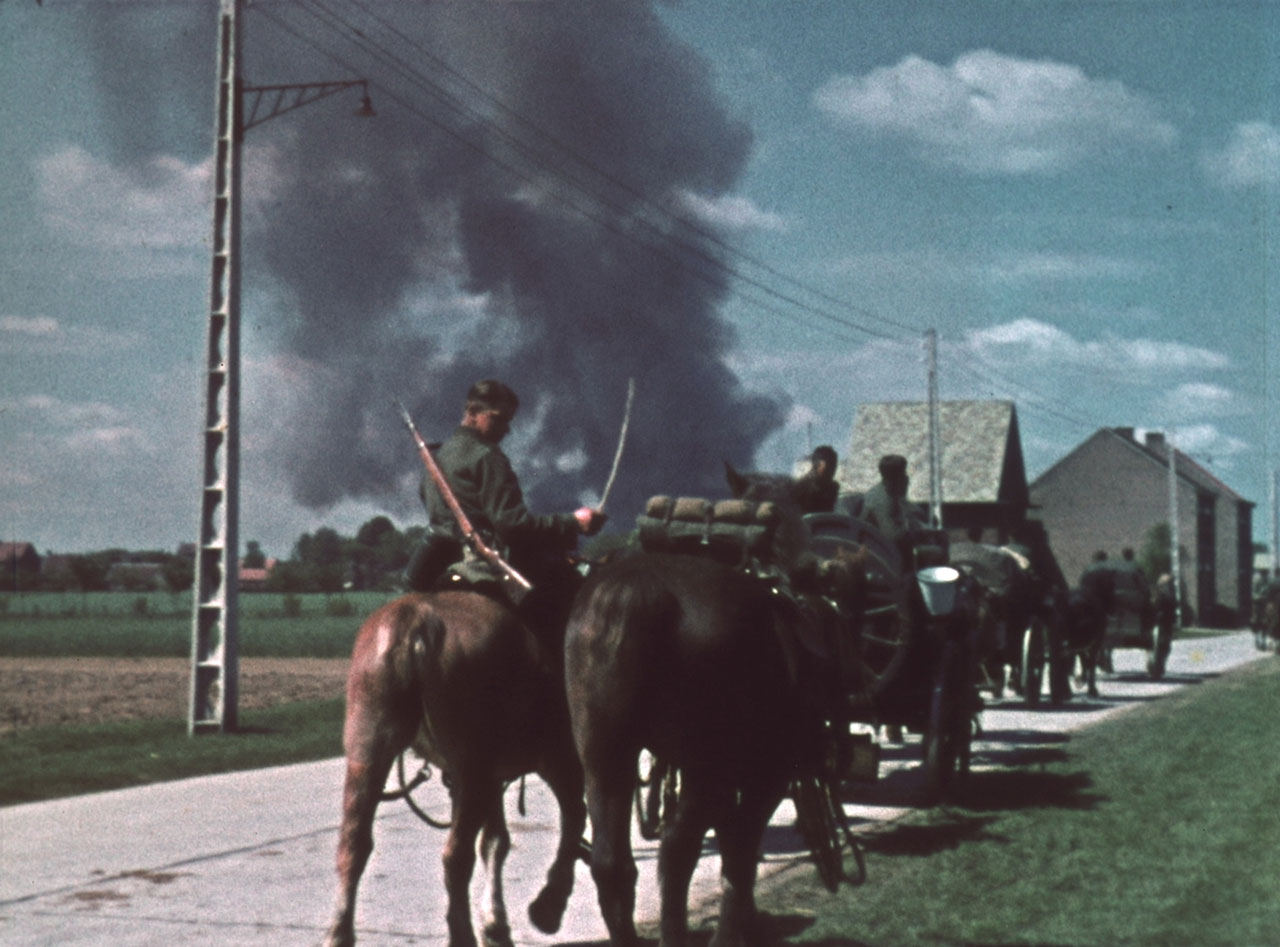
Participating Artists: Dani Gal, Rajkamal Kahlon, Susanne Kriemann, Fynn Ribbeck, Roee Rosen, Anja Salomonowitz, Clemens von Wedemeyer
Photo: Live and Die as Eva Braun # 79 (A buried wolf). Preparatory image for The Oldenburg Wolf suite, a wall painting © Roee Rosen, 2026
Info: Haus for Media Art Oldenburg, Katharinenstraße 23, Oldenburg, Germany, Duration: 28/1-1/3/2026, Days & Hours: Tue-Fri 14:00-18:00, Sat-Sun 1:00-18:00, https://hausmedienkunst.de/
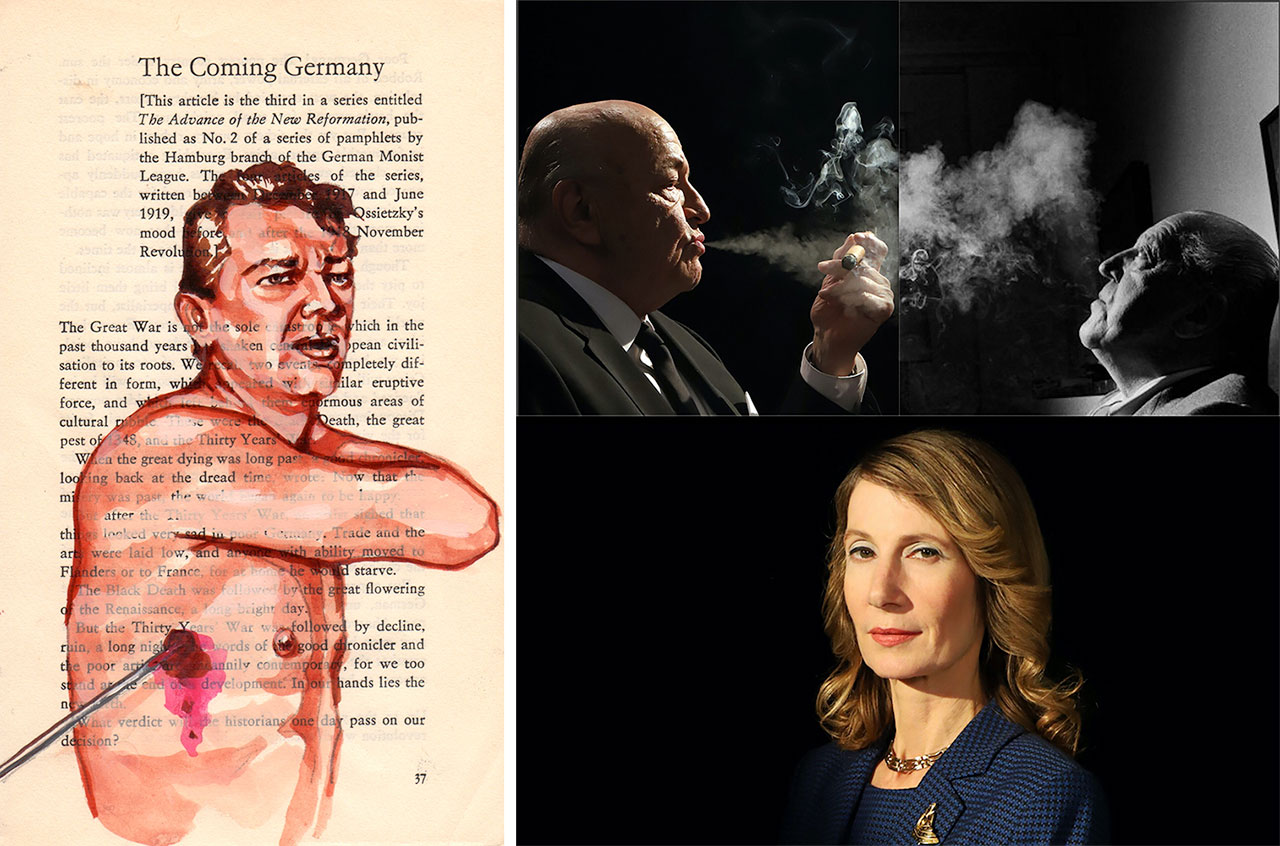
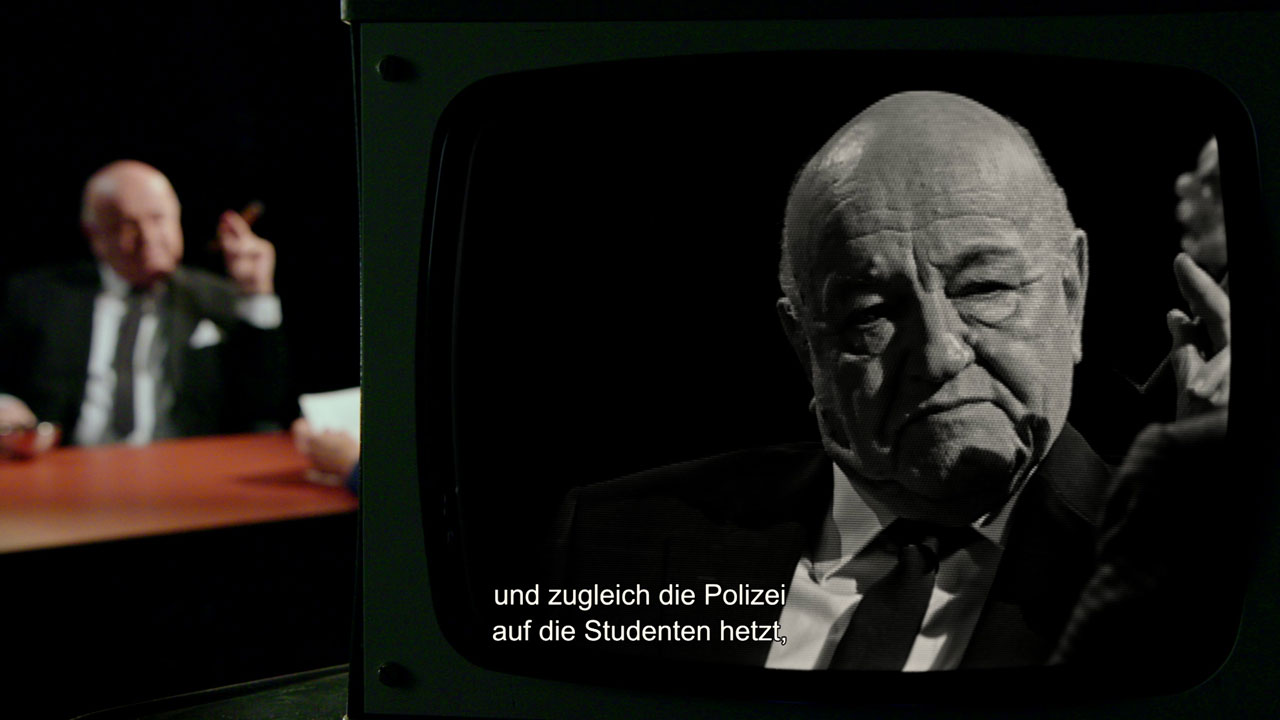
Right: Fields of Neutrality (The Last Interview with Ludwig Mies Van Der Rohe) , Videostill © Dani Gal 2019