ART CITIES: Paris-Jean Dewasne

A major figure of the revival of geometric abstraction, in the 1950s Jean Dewasne established himself as one of the most daring artists of his generation. In post-war Paris, he conceived of pure geometry and colors as symbols of a new humanism underway, incorporating the scientific thinking and technological progress of the time. Although his early work followed in the footsteps of the pioneers of abstraction, he quickly asserted a resolutely new vision based on the use of industrial materials and a monumental approach to creation.
By Efi Michalarou
Photo: Galerie Almine Rech Archive
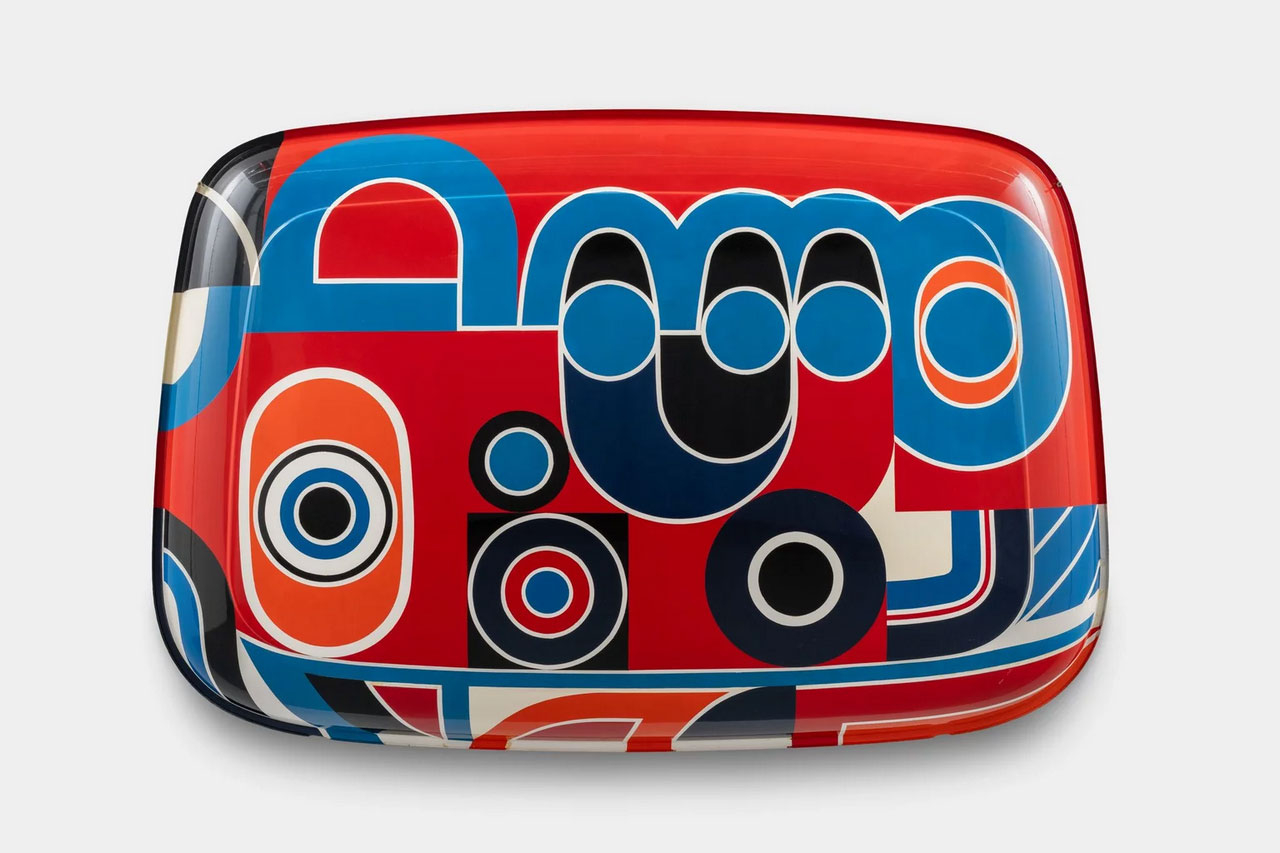
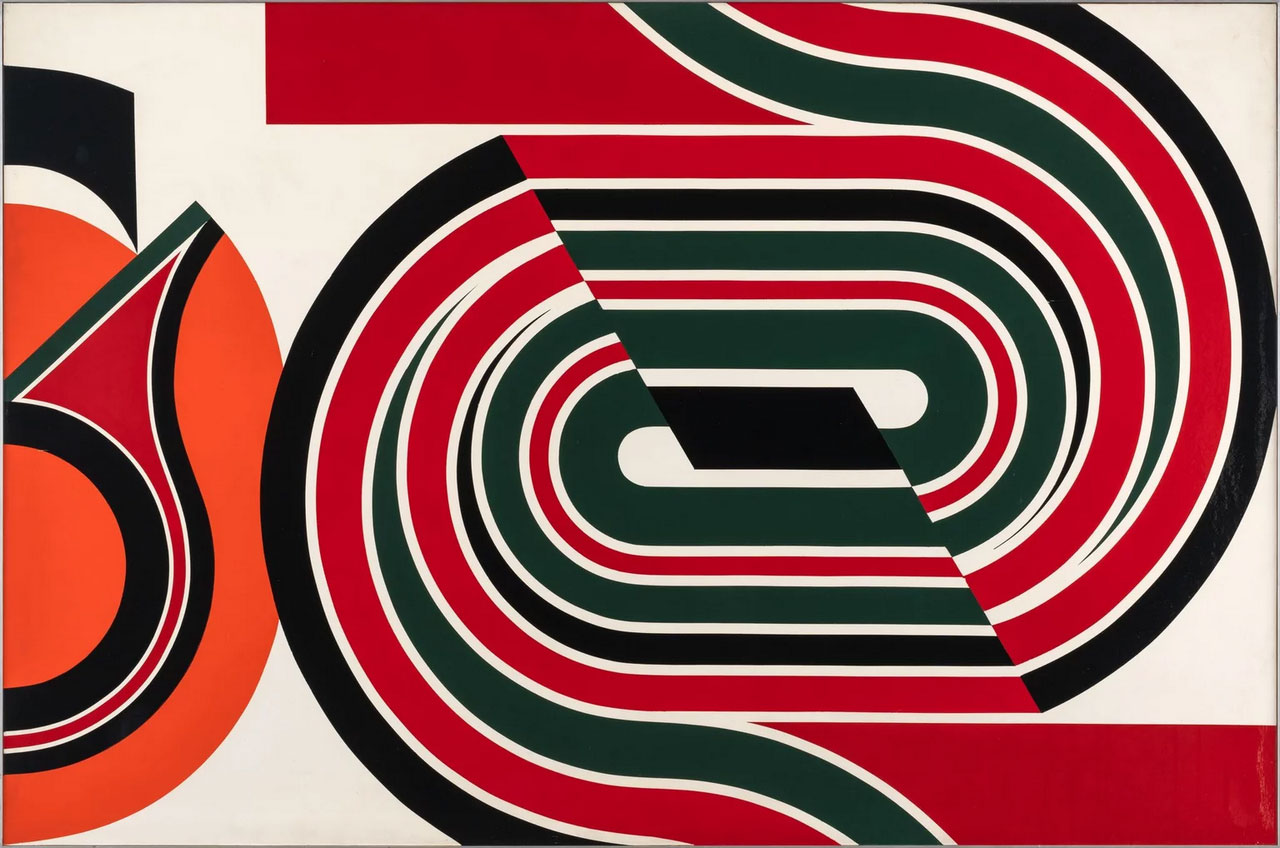
In Paris there a comprehensive exhibition dedicated to Jean Dewasne, this solo presentation marks Dewasne’s first with the gallery and offers a focused view of his formal and chromatic investigations that shaped French abstraction in the 20th century. Jean Dewasne (1921–1999) emerged in post-war Paris as a central figure in the revival of geometric abstraction, where he redefined the relationship between form, color, and space. In the 1950s, he embraced pure geometry and vibrant color as metaphors for a new humanism, linking artistic creation with scientific and technological progress. While his early works drew upon Cubist legacies, Dewasne quickly evolved toward an uncompromising modernism, distinguished by industrial materials and a monumental sensibility. Educated initially in music and then architecture at the Beaux-Arts, Dewasne turned to abstraction in 1943. He won the Prix Kandinsky in 1946 alongside Jean Deyrolle and played a pivotal role in founding the Salon des Réalités Nouvelles, which was instrumental in legitimizing abstract art in France and internationally. He collaborated with peers like Herbin, Sonia Delaunay, Arp, and Pevsner, reflecting his deep engagement with the avant-garde network of the time. A defining moment in Dewasne’s career was the creation of “L’Apothéose de Marat” (1951), which marked his shift to industrial enamel paints on hardboard, rendering surfaces with a machine-like precision and clarity. These works display Dewasne’s signature use of geometric language—hexagons, ellipses, squares, concentric forms—configured into dynamic compositions with rhythmic interplay of color and shape.
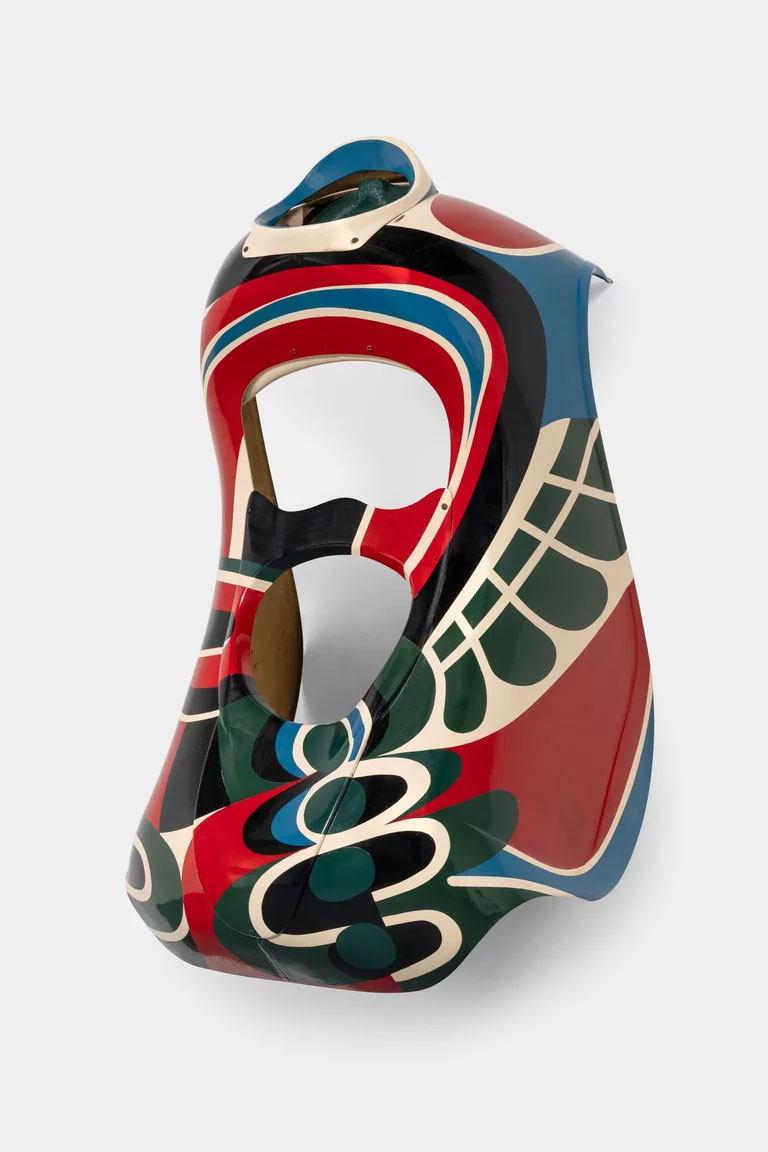
His innovation extended beyond painting: Dewasne pioneered what he called “anti-sculptures”—hybrid objects that blurred the boundary between painting and sculpture. This began with “Tombeau d’Anton Webern” (1951–52), in which he repurposed the bodywork of a pre-war racing car as a pictorial surface, aligning color and form in three dimensions. These works prefigure aspects of American hard-edge painting while expressing Dewasne’s fascination with industrial processes and materials. Dewasne’s work was underpinned by a political and utopian commitment: as a committed communist, he saw abstraction as a tool for social transformation, challenging the art establishment to rethink art’s role in society. His theoretical endeavors included “Le Traité d’une peinture plane” (1949) and co-founding the Atelier d’art Abstrait with Edgar Pillet in 1950, a pedagogical initiative promoting constructive abstraction and attracting international students. The exhibition at Almine Rech foregrounds major paintings and graphic works that trace Dewasne’s formal evolution, showcasing the interplay of geometry, surface, and color that characterizes his contribution to abstract art. Displayed in the gallery’s Paris Matignon space, the show highlights the dialogue between rigor and vibrancy in his practice, offering both informed viewers and newcomers a coherent narrative of his radical visual language. As a figure whose work extended far beyond traditional categorization—bridging painting, sculpture, theory, and pedagogy—Jean Dewasne’s exhibition underscores his enduring influence on geometric abstraction and his aspiration to merge art with lived experience.
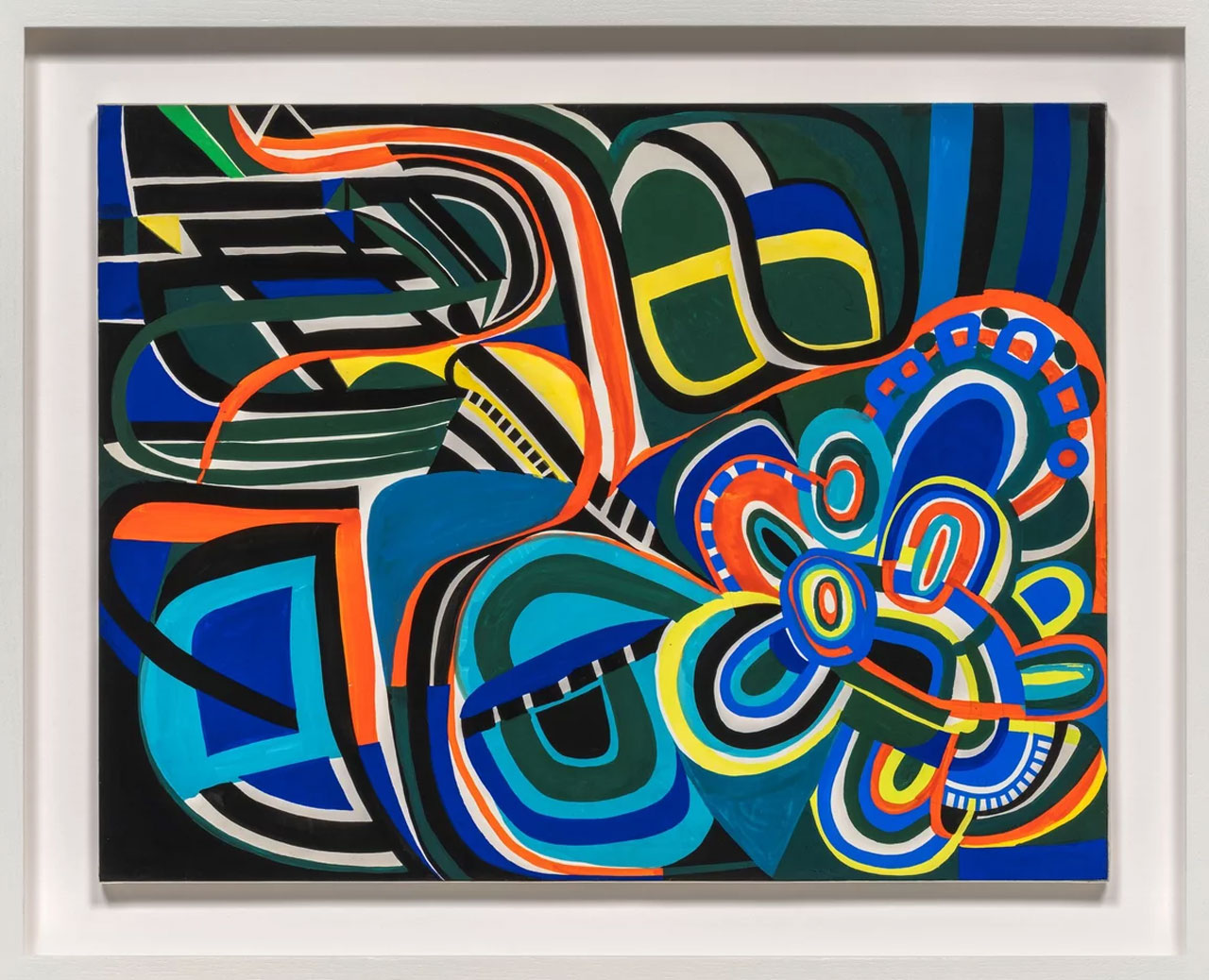
Photo: Jean Dewasne, Prisons internes, ca. 1970, Gouache on cardboard, 50 x 65 cm, 19 1/2 x 25 1/2 in, © Jean Dewasne, Courtesy the artist and Galerie Almine Rech
Info: Galerie Almine Rech, 18 Avenue Matignon, Paris, France, Duration: 10/1-14/3/2026, Days & Hours: Tue-Sat 11:00-19:00, www.alminerech.com/