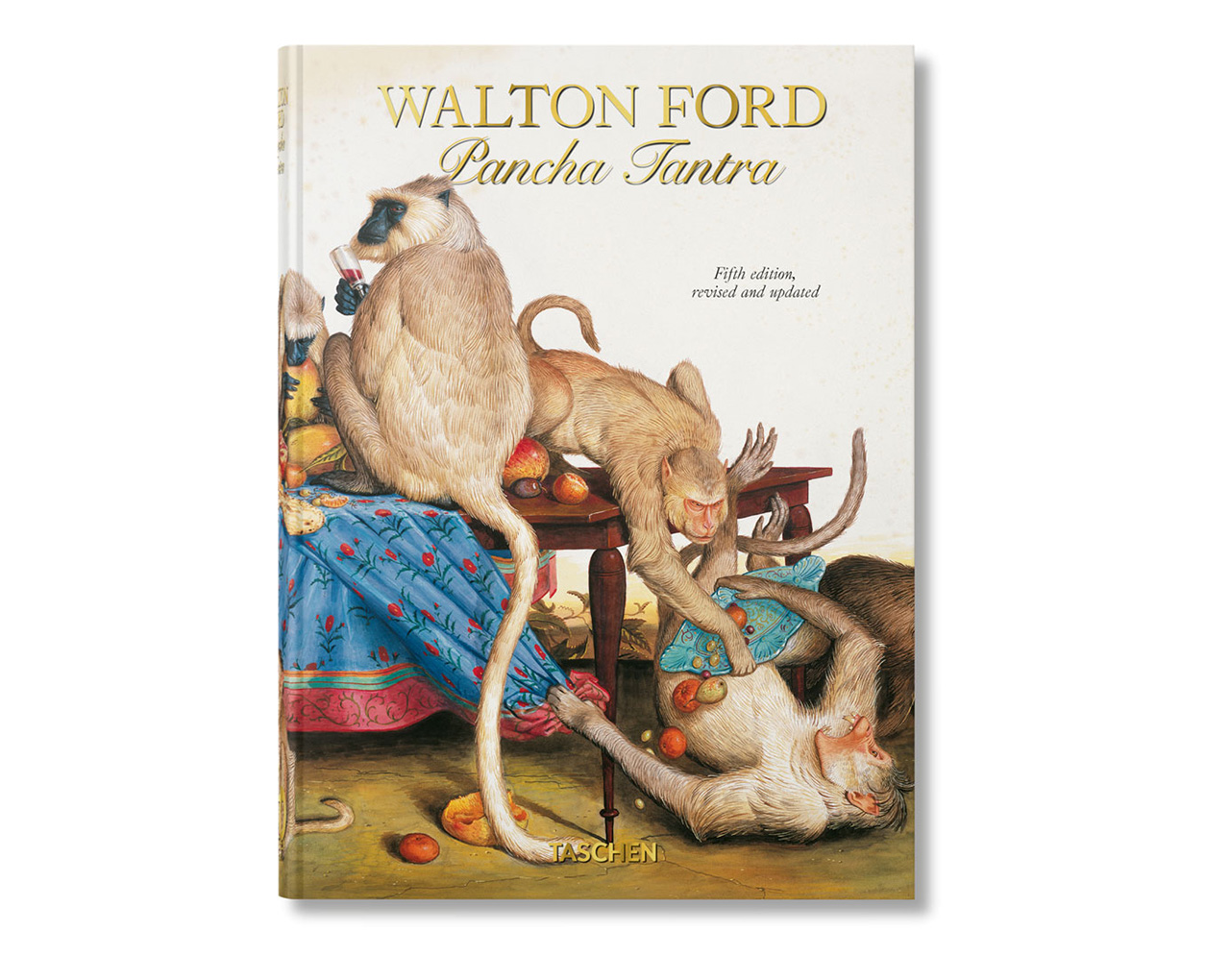
BOOK: Walton Ford-Pancha Tantra, Taschen Books
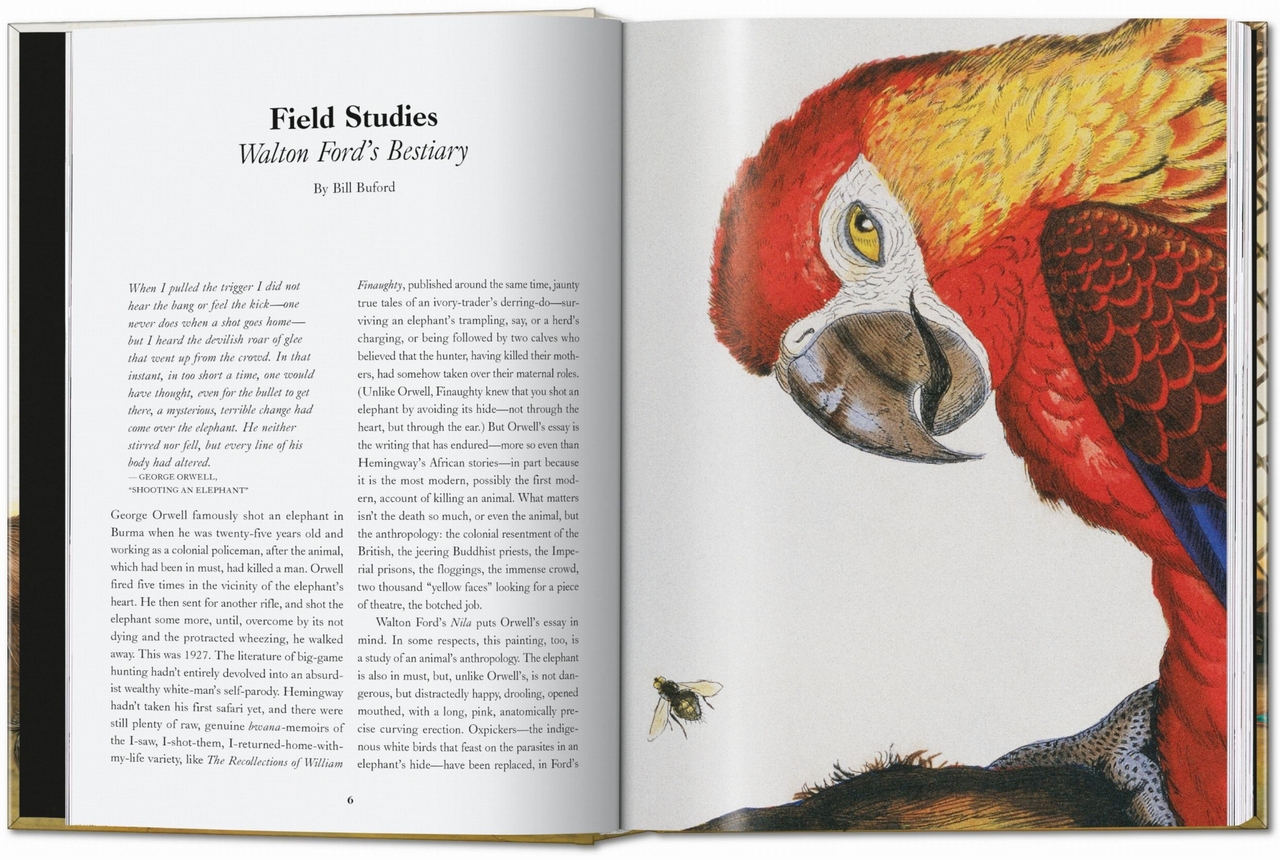
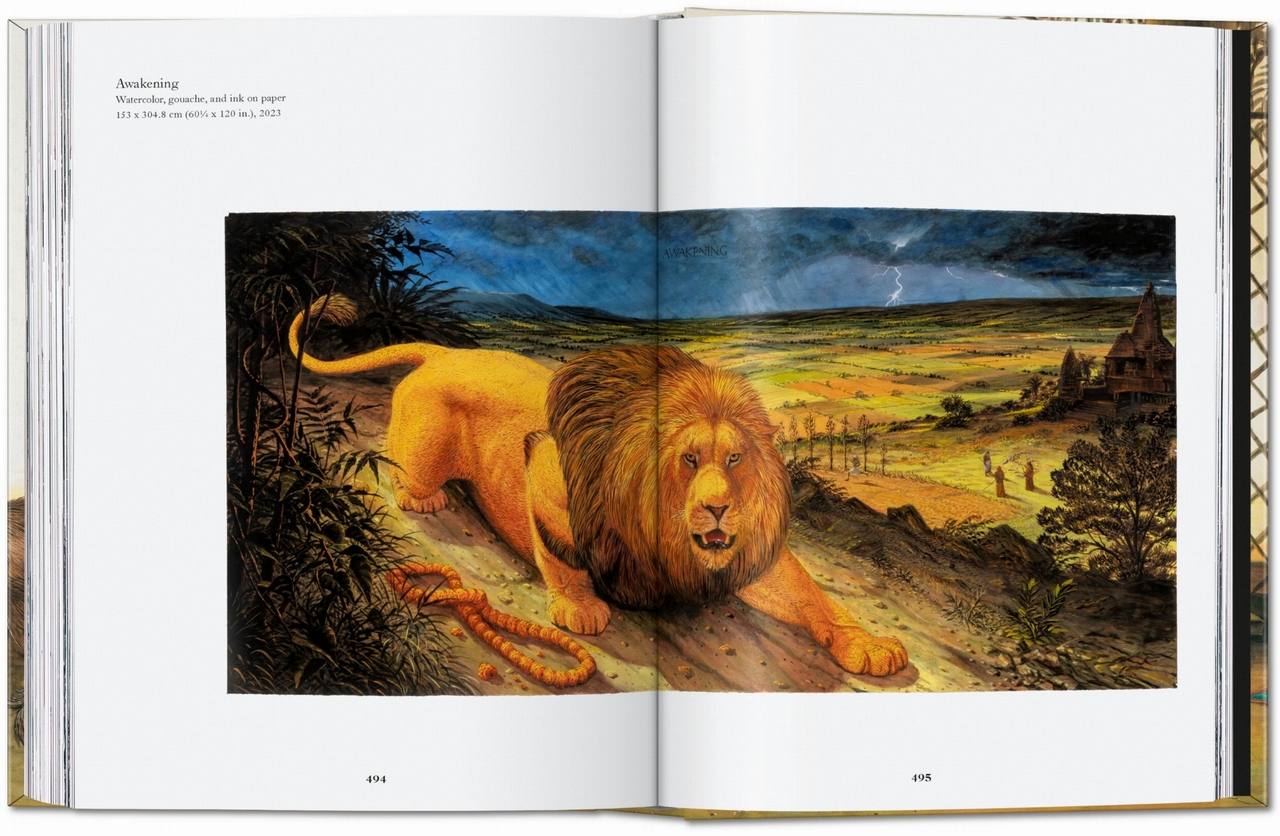
“Walton Ford: Pancha Tantra” is a monumental art book that positions Walton Ford’s watercolor paintings of animals within a narrative and symbolic universe as compelling as it is unsettling. Presented as the most comprehensive survey of Ford’s oeuvre to date, this updated edition assembles his large-scale, highly detailed works with contextual essays, biographical material, and source texts that illuminate the complex intertextual world the artist constructs.
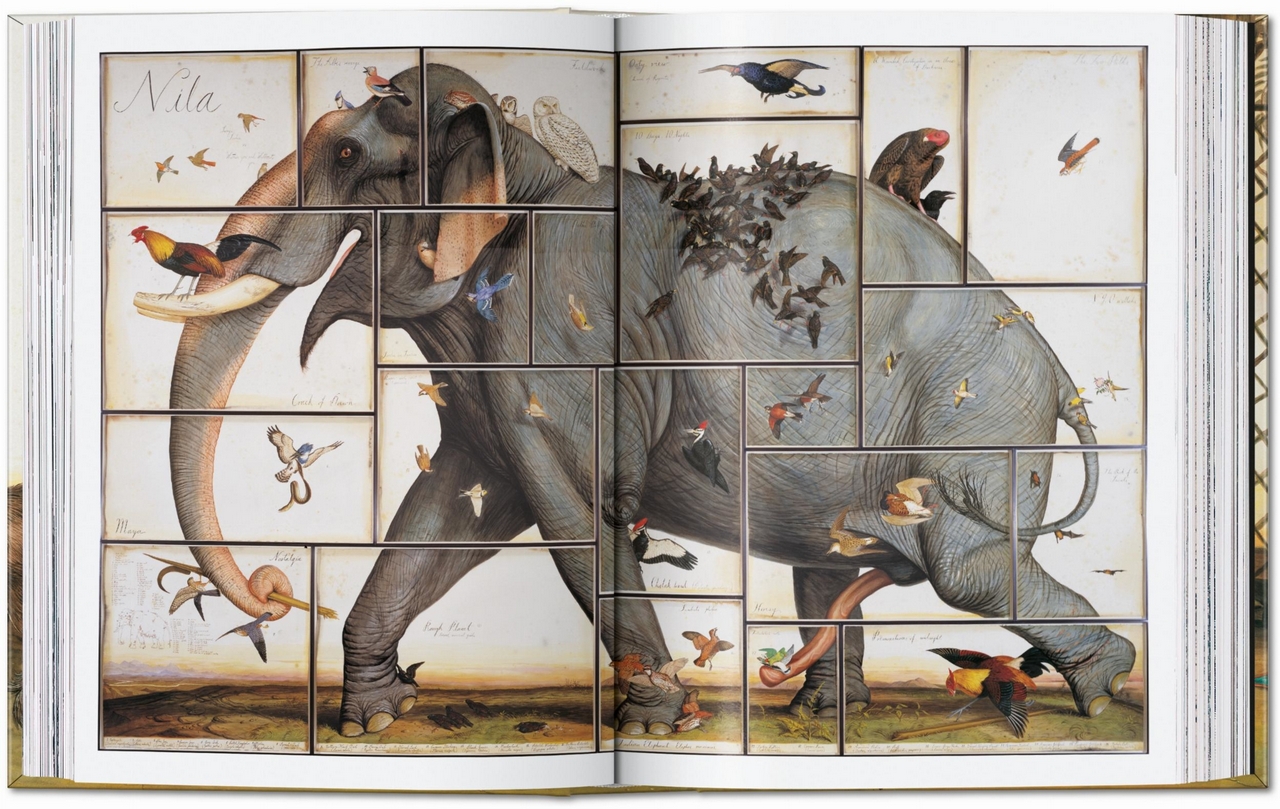
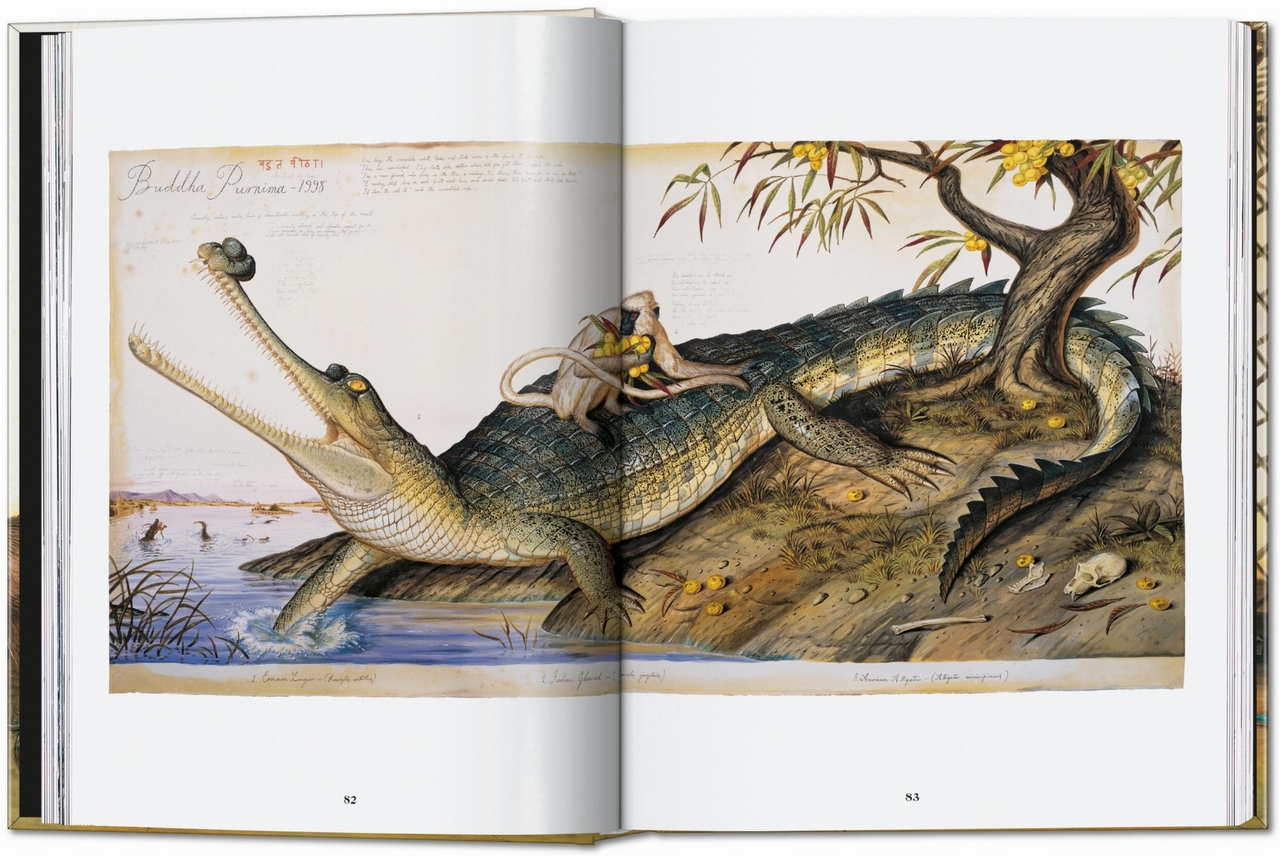
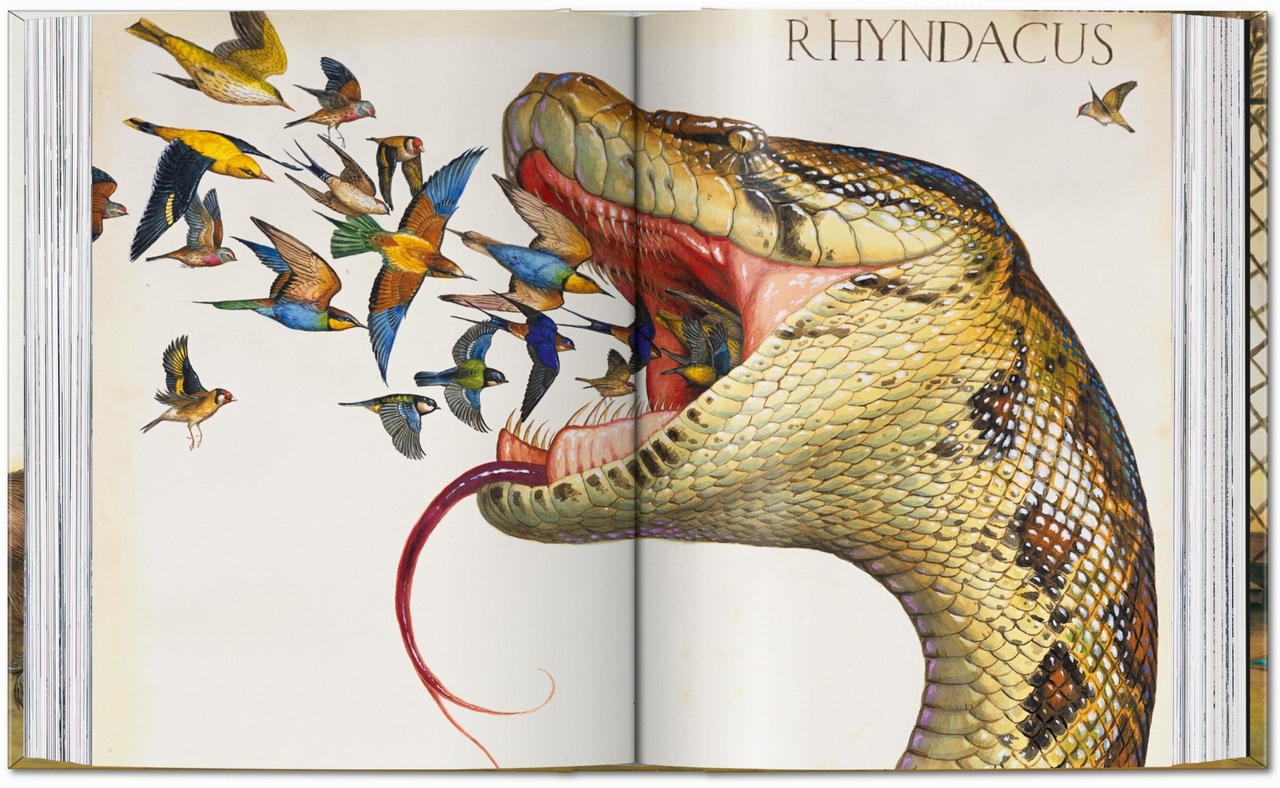
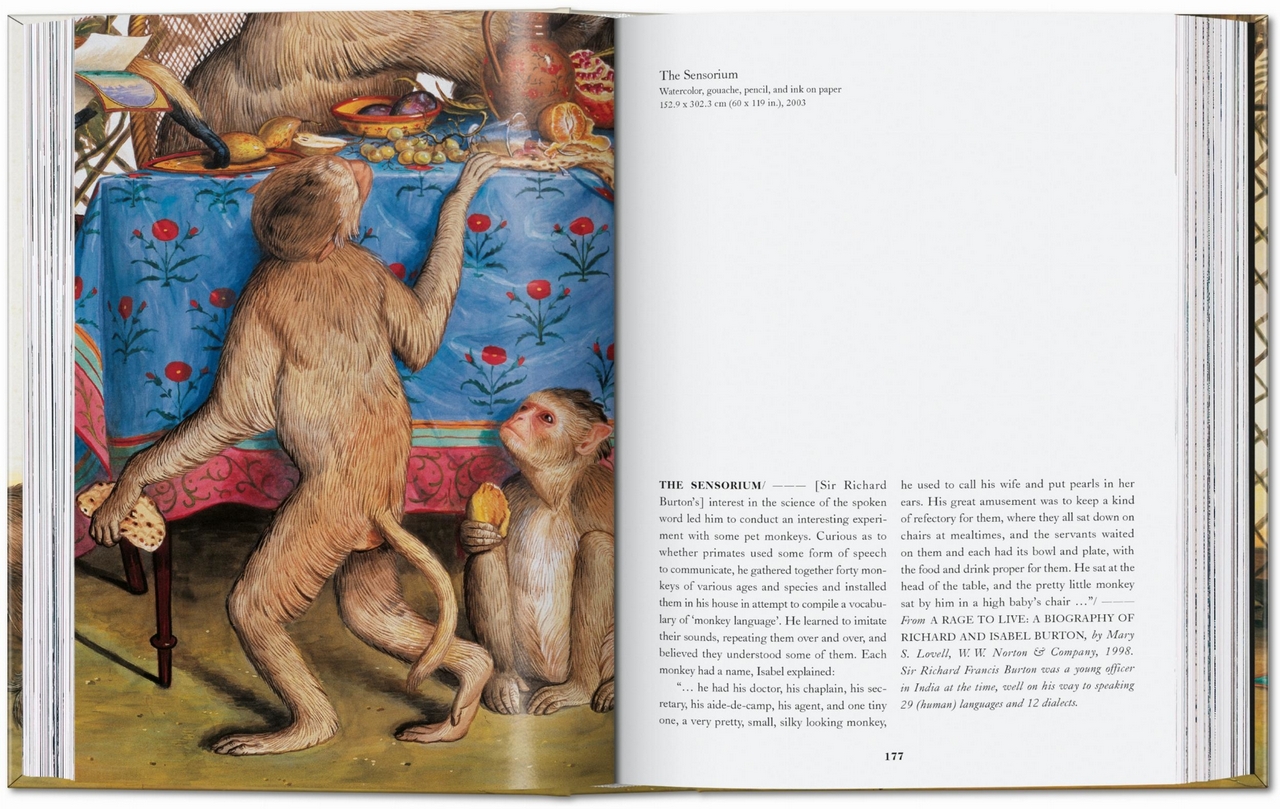
At first glance, Ford’s work evokes the 19th-century natural history illustrators such as John James Audubon and Edward Lear—artists celebrated for their meticulous depictions of flora and fauna. Indeed, the watercolors in Pancha Tantra mirror that heritage in their precision and craftsmanship. However, upon closer inspection, the viewer confronts an anthropomorphic and allegorical realm in which animals are dynamic, sometimes violent protagonists in scenes laden with metaphor and narrative tension. Birds and beasts do not merely inhabit landscapes; they enact dramas that range from capricious humor to stark brutality—a wild turkey crushing a parrot in its claws, monkeys wreaking havoc amidst a ruin of human civilization, or a buffalo surrounded by bloodied wolves.
The book’s title itself alludes to The Pancha Tantra, the ancient Indian compendium of animal fables that preceded Aesop’s work; this framing suggests an intent to elevate Ford’s paintings beyond illustration toward fable and moral inquiry. Ford’s choice of textual inspirations—included as excerpts in the volume—further underscores this ambition. Alongside classic sources such as Benjamin Franklin’s letters, the Autobiography of Benvenuto Cellini, and Audubon’s own Ornithological Biography, these texts situate Ford’s paintings within a broader cultural and literary lineage.
The construction of the book itself enhances the viewing experience. The updated edition expands the scope of the original with more than 40 new works and additional pages, offering a deeper survey of themes and techniques. John J. Audubon is an explicit touchstone, yet Ford subverts purely scientific representation by infusing his compositions with theatricality and ambiguity—inviting interpretations that cut across natural history, myth, and satire.
Critically, “Pancha Tantra” positions Ford not merely as a painter of animals but as a contemporary storyteller who uses the natural world to grapple with human narratives and anxieties. His paintings are remarkable not only for their technical mastery but for their ability to provoke reflection on the relationship between humanity and nature, on the histories embedded in colonial illustrations, and on the stories we tell through images. The effect is both seductive and disquieting: readers/viewers linger over the sumptuous watercolors even as they confront their underlying tensions.
In sum, “Walton Ford: Pancha” Tantra is essential for readers interested in contemporary figurative art, narrative painting, and the intersections of art, literature, and natural history. It affords an expansive look at an artist whose work challenges the viewer to see beyond representation to the narrative forces. -Efi Michalarou