
PHOTO: Nan Goldin-The Ballad of Sexual Dependency

Emerging from her own life and relationships, and including herself as a subject, Nan Goldin’s work has transformed the role of photography in contemporary art. Her photographs and moving-image works address essential themes of identity, love, sexuality, addiction, and mortality. Uniting art and activism, Goldin has confronted the HIV/AIDS epidemic since the 1980s and today brings international attention to the overdose crisis.
By Dimitris Lempesis
Photo: Gagosian Archive
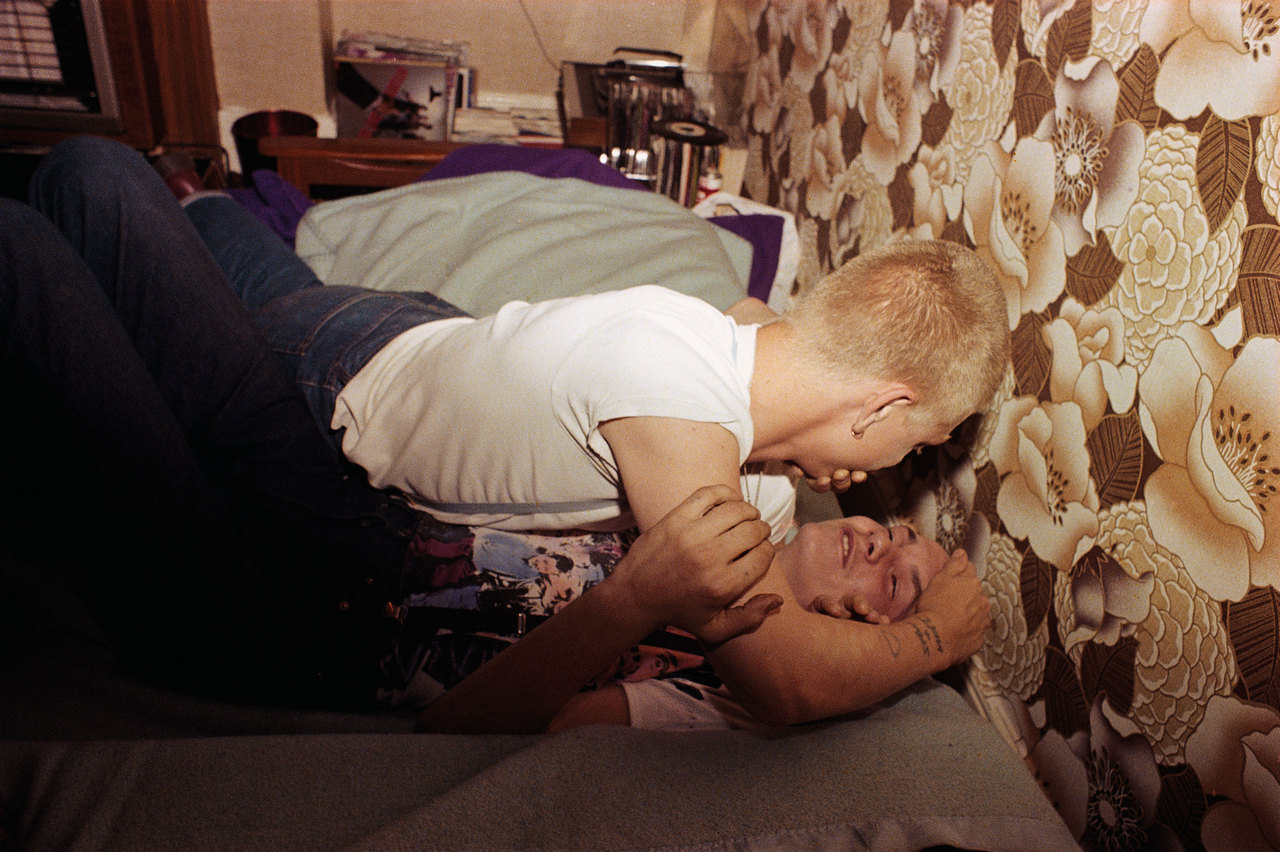
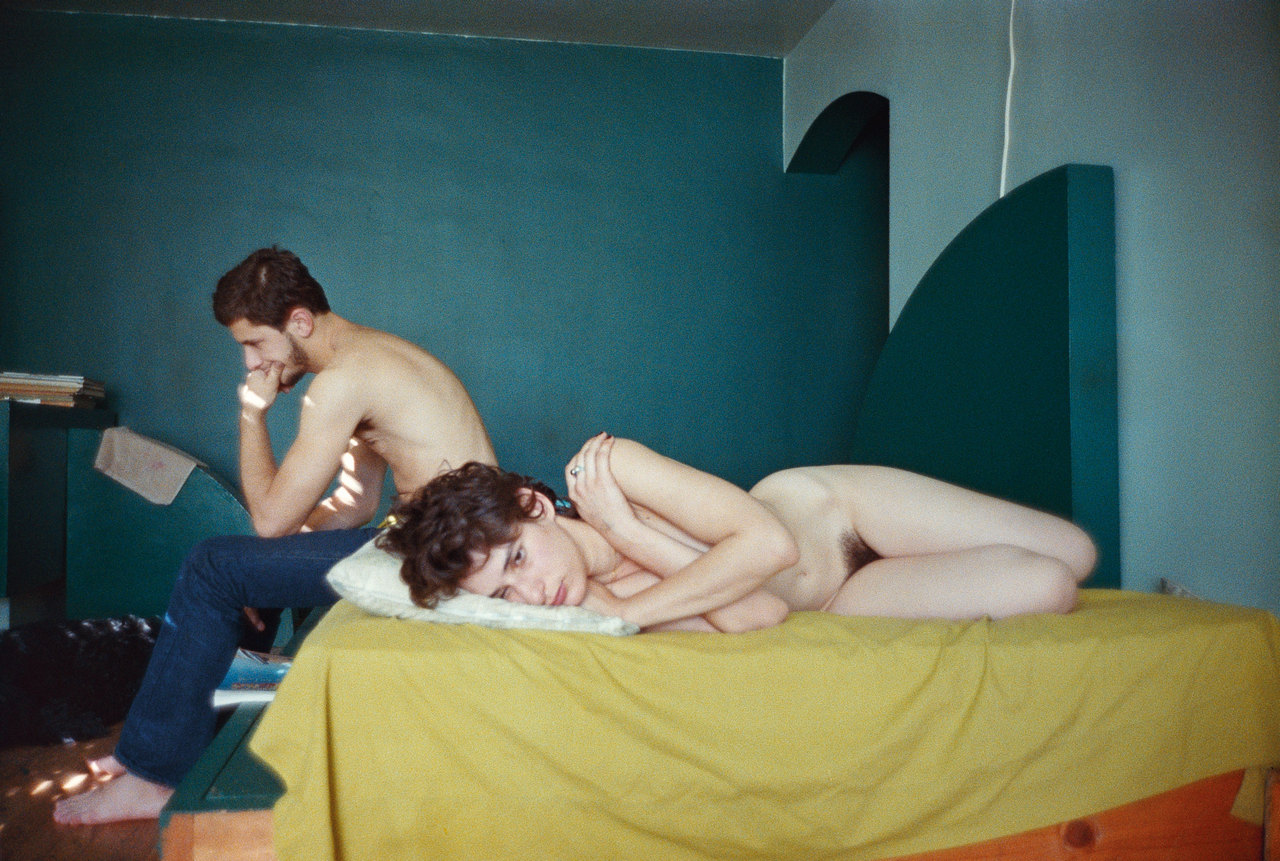
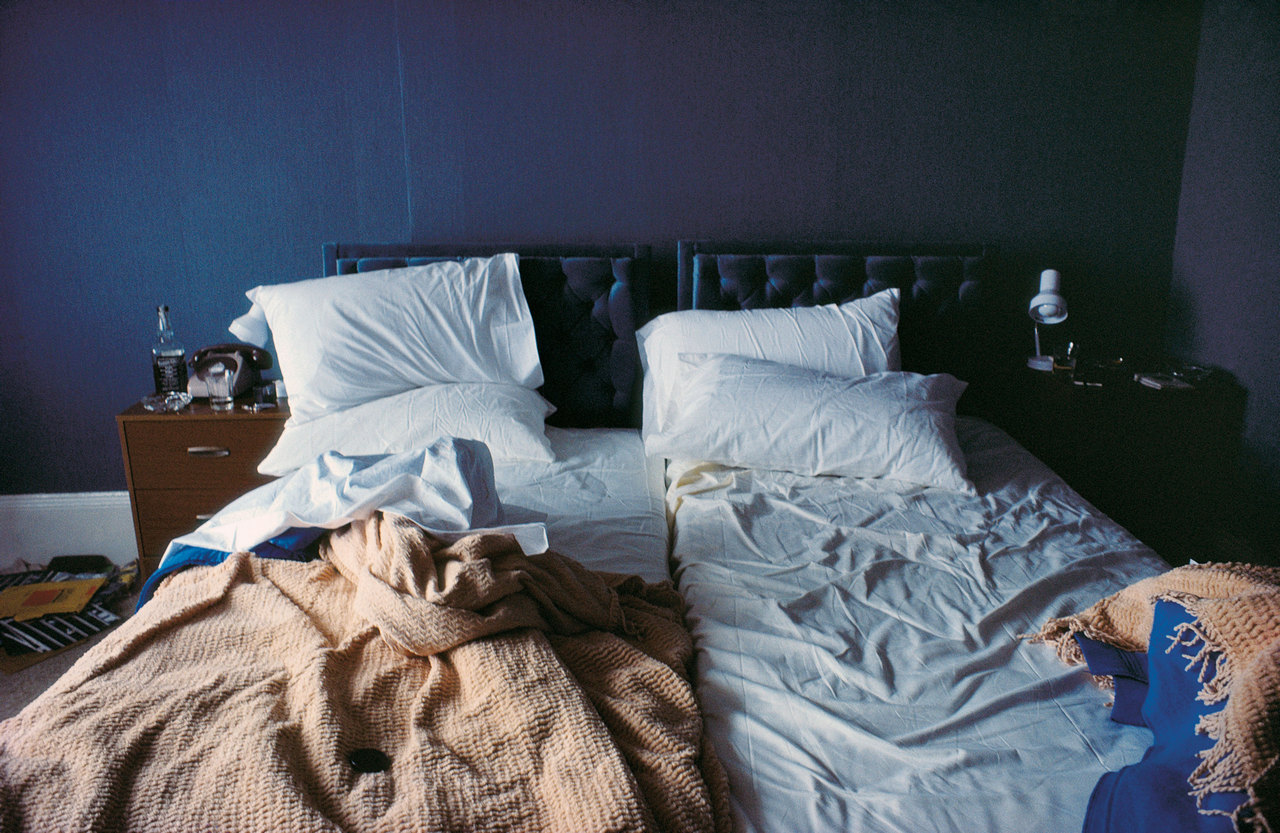
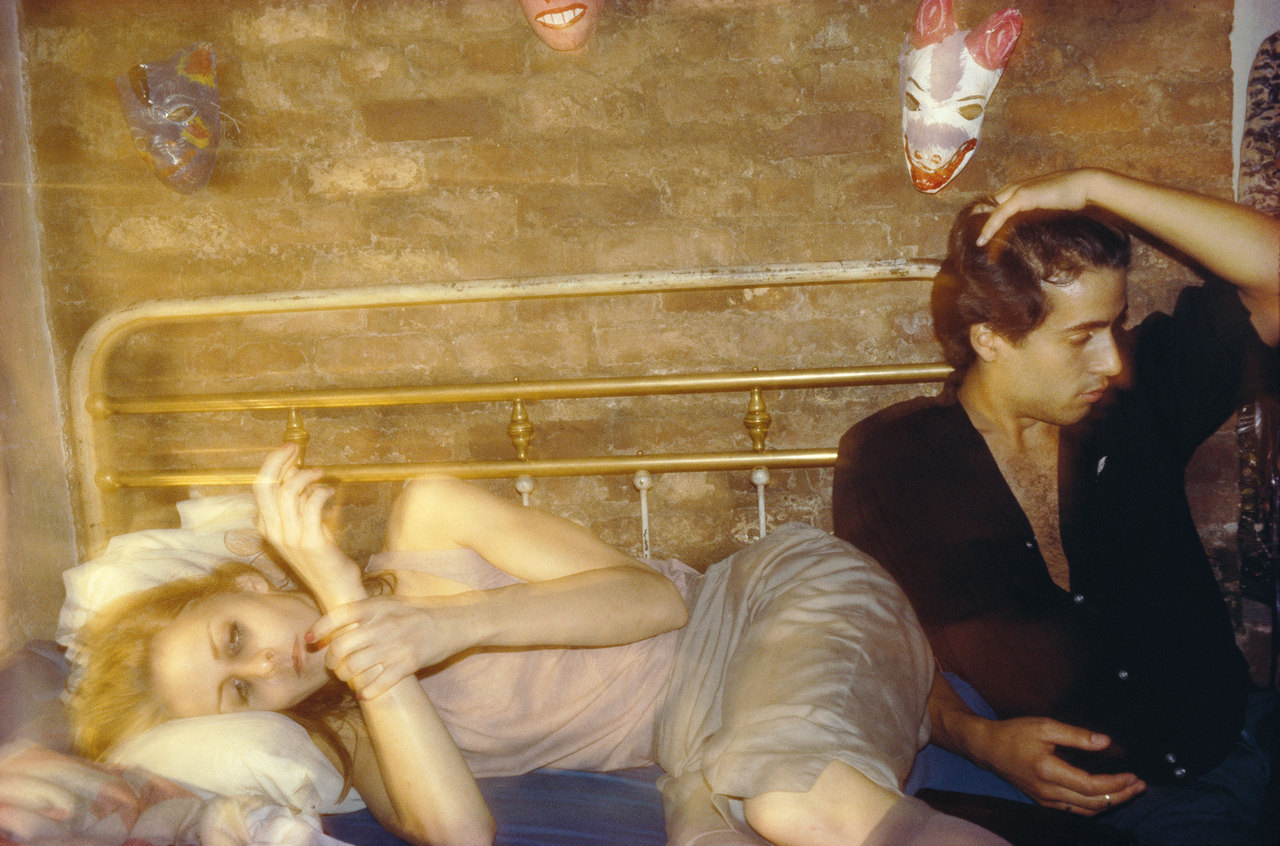
The presentation of all 126 photographs from “The Ballad of Sexual Dependency” marks a watershed moment for audiences in the United Kingdom. Shown here in its entirety for the first time, the exhibition coincides with the fortieth anniversary of Nan Goldin’s genre-defining photobook—an anniversary that invites both historical reflection and renewed urgency. When it was first published in 1986, Goldin famously described “The Ballad” as “the diary I let people read.” Four decades on, that diary has become a collective record: intimate, abrasive, and enduringly alive.
Created between 1973 and 1986, “The Ballad of Sexual Dependency” is widely regarded as Goldin’s magnum opus. It is an unflinching meditation on gender, intimacy, addiction, love, and power, drawn directly from the artist’s lived experience. The photographs chronicle a world that was, in many ways, on the brink—downtown New York in the late 1970s and 1980s, shaped by sexual liberation and its costs, by drugs, by the AIDS crisis, and by communities forged in both ecstasy and precarity. Yet the work has never remained fixed in its moment. Its influence has rippled across decades of visual culture, shaping generations of artists who have found in Goldin’s images a permission to look—and to live—without distance.
“I don’t select people in order to photograph them; I photograph directly from my life,” Goldin has said. “These pictures come out of relationships, not observation.” This ethos underpins the radical force of The Ballad. Shot in bedrooms, bars, kitchens, bathrooms, and clubs, the photographs collapse the boundary between subject and author. Goldin’s approach—formally loose, chromatically saturated, and emotionally raw—upended prevailing hierarchies within photography. At a time when the medium was still often relegated to the margins of contemporary art, The Ballad asserted a new potential for the photographic image: personal, diaristic, and insistently political.
First conceived as a slideshow accompanied by music, “The Ballad of Sexual Dependency” debuted not in museums but in New York nightclubs and alternative art spaces. Its operatic structure was integral from the outset. Sequenced against a soundtrack that ranged from Maria Callas and the Velvet Underground to James Brown, Screamin’ Jay Hawkins, and Yoko Ono, the work unfolded as a kind of downtown opera—improvised, excessive, and emotionally cumulative. Goldin ran the slides by hand, often with friends helping to prepare the music, presenting the work to audiences who closely resembled the people depicted onscreen. Only later was the project distilled into book form by Aperture, becoming the first of Goldin’s many publications and one of the most influential photobooks ever produced. Now in its twenty-third printing, it remains a foundational text.
The narrative of “The Ballad” is deeply personal, spanning Goldin’s life in Boston, New York, Berlin, and beyond. Its title, borrowed from a song in Bertolt Brecht and Kurt Weill’s The Threepenny Opera, underscores the work’s theatrical and tragic dimensions. Lovers fight and embrace; friends shoot up, dance all night, raise children, and bury the dead. The photographs register pleasure and devastation with equal clarity. Domestic violence and the ravages of AIDS sit alongside tenderness, humor, and moments of grace.
At the emotional core of the work is Goldin herself. She turns the camera on her own body with the same unsparing honesty she grants others. “The photo of me battered is the central image of the Ballad,” she wrote, referring to the self-portrait taken after she was severely beaten by a lover—an assault that required major surgery. That image functions as the hinge of the slideshow, a moment where intimacy, violence, and vulnerability collide. It also reverberates backward into Goldin’s childhood trauma: the suicide of her sister when Goldin was eleven years old. The tension between pain, loss, and desire—experienced early and repeatedly—propels the work forward.
Terrified she too would die young, Goldin left home before the age of fifteen. Her subsequent moves—to Provincetown, where she became immersed in the drag queen scene; to Boston, where she studied with photographer Henry Horenstein and encountered the work of Larry Clark; and finally to New York City—were formative. These communities did not merely provide subject matter; they shaped the ethics of the work itself. Goldin’s camera is never neutral. It is embedded, implicated, loving, and accusatory all at once.
This exhibition presents “The Ballad of Sexual Dependency” in its original 35mm slide format, restoring the work’s performative and temporal dimensions. Alongside the slideshow are photographs from the Museum of Modern Art’s collection that appear within the sequence, as well as archival materials—posters and flyers announcing early iterations of The Ballad—that situate the project within its original cultural ecosystem. Together, these elements underscore the work’s status not as a static masterpiece but as a living, evolving entity.
Photo left: Nan Goldin, C.Z. and Max on the beach, Truro, Mass. (1976) from “The Ballad of Sexual Dependency,” 1973–86, 126 archival pigment prints, in frames, each: 15 3/4 × 11 × 1 1/8 inches (40 × 27.9 × 2.9 cm), overall dimensions variable, edition of 10, © Nan Goldin, Courtesy the artist and Gagosian. Photo right: Nan Goldin, Skeletons coupling, New York City (1983) from “The Ballad of Sexual Dependency,” 1973–86, 126 archival pigment prints, in frames, each: 15 3/4 × 11 × 1 1/8 inches (40 × 27.9 × 2.9 cm), overall dimensions variable, edition of 10, © Nan Goldin, Courtesy the artist and Gagosian
Info: Gagosian, 17–19 Davies Street, London, United Kingdom, Duration; 13/1-21/3/2026, Days & Hours: Tue-Sat 10:00-18:00, https://gagosian.com/
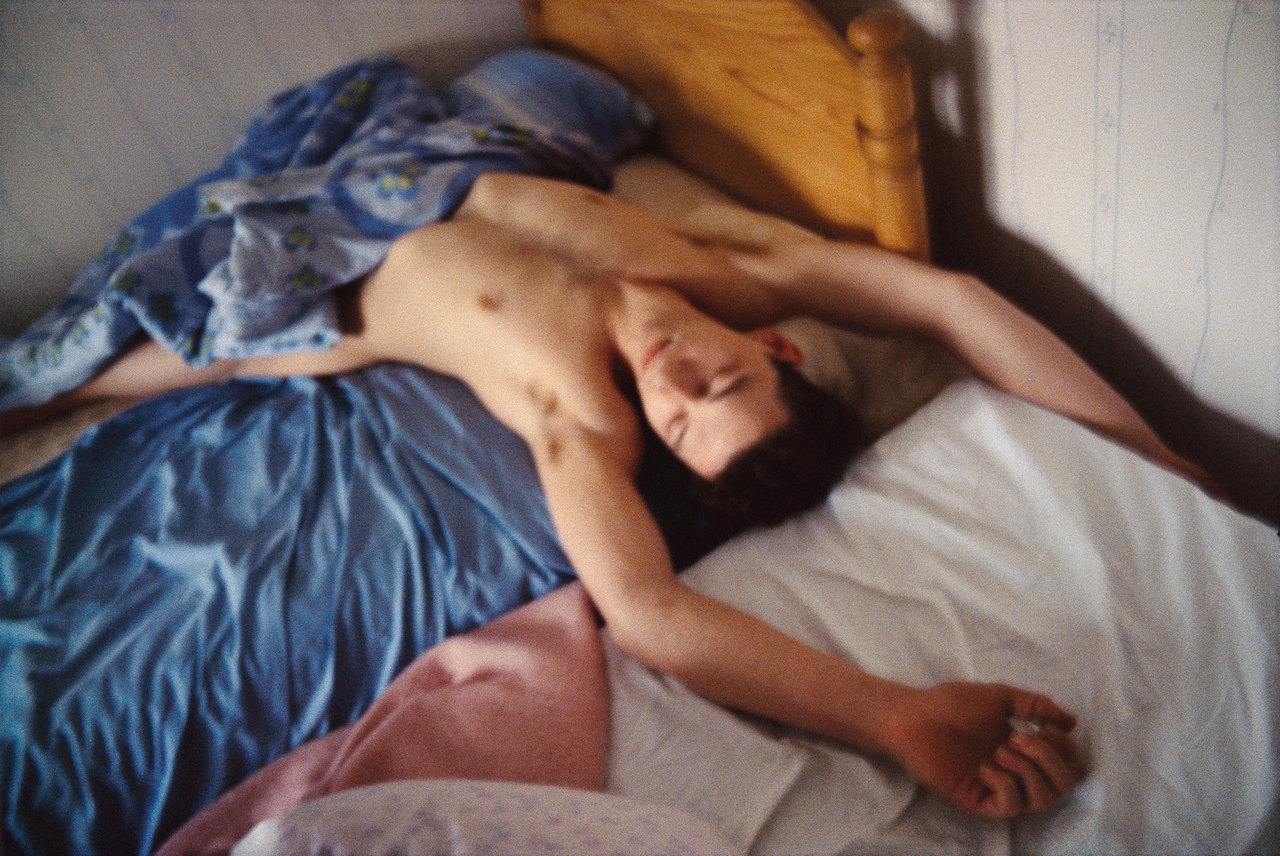
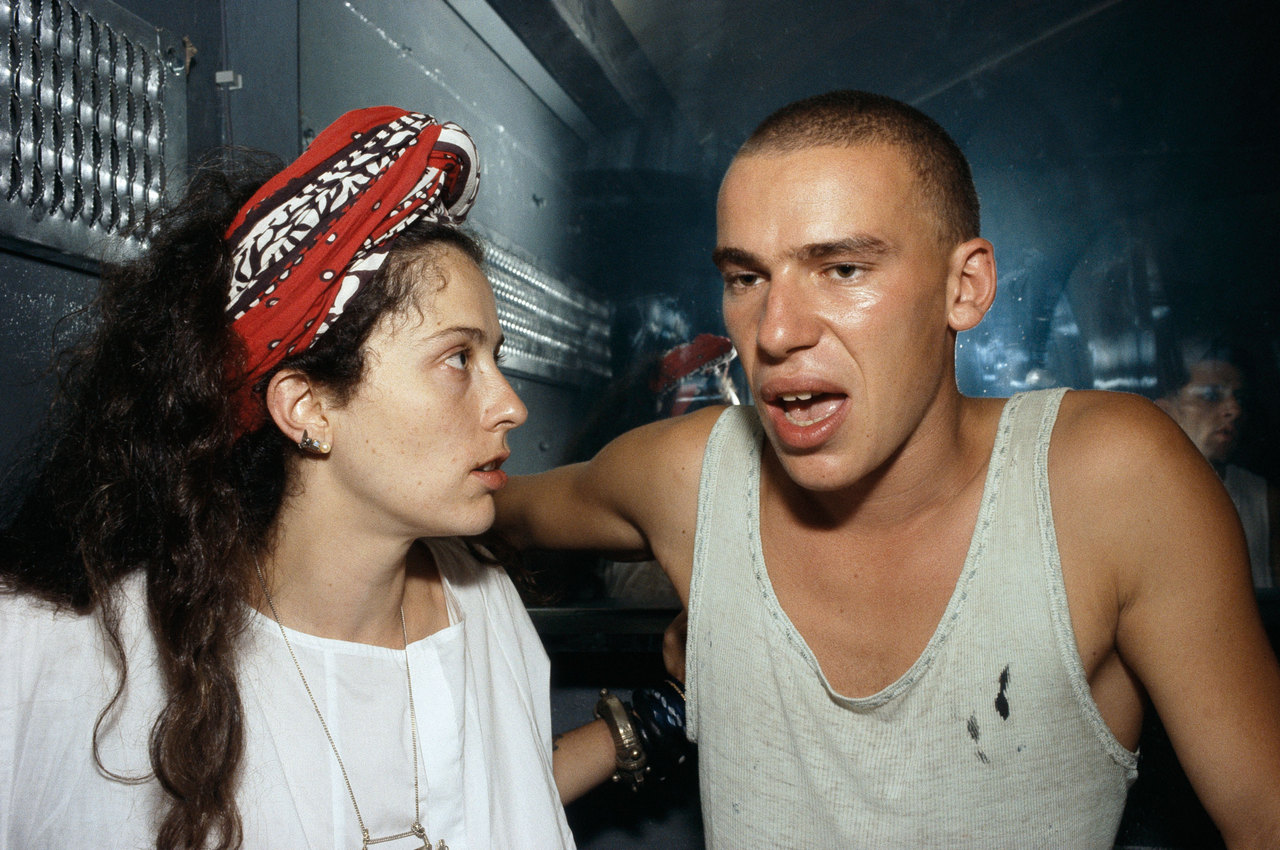
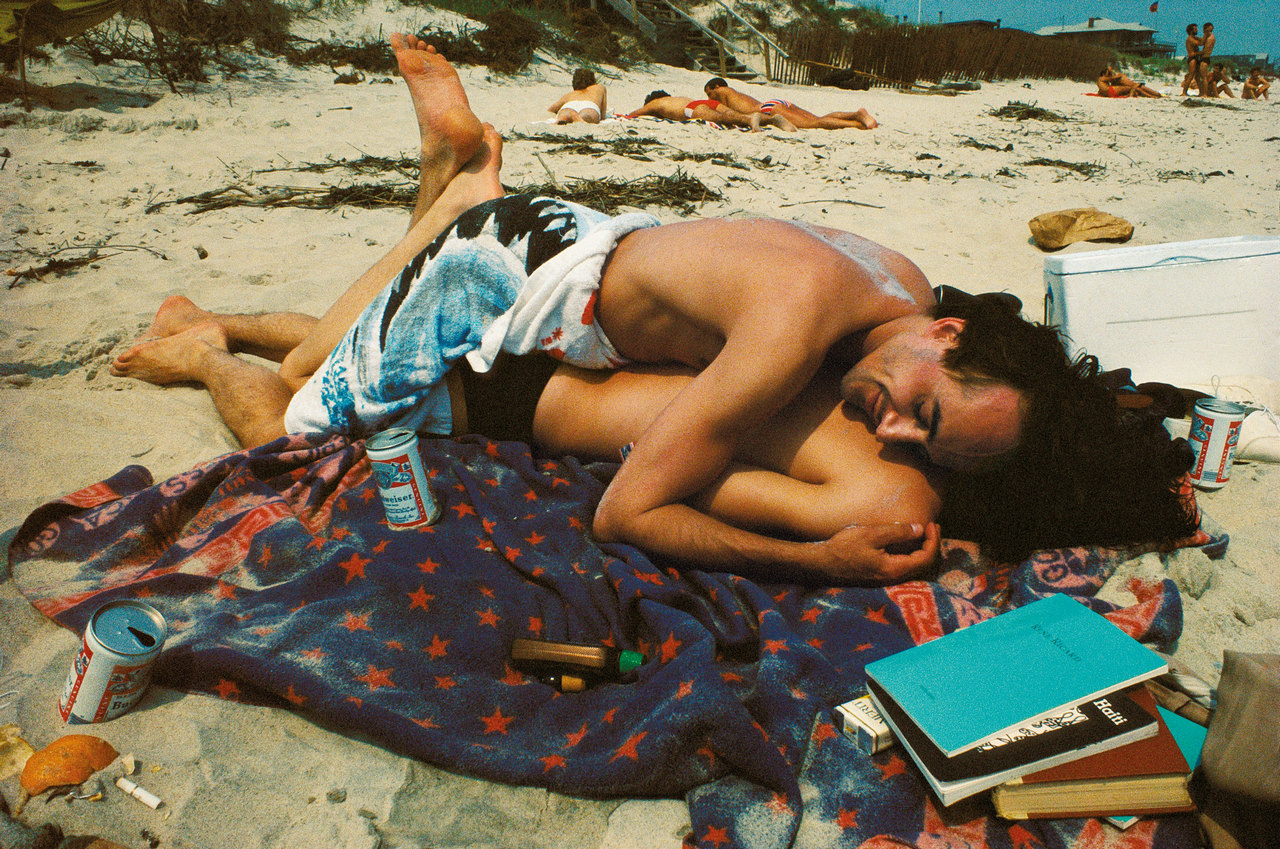
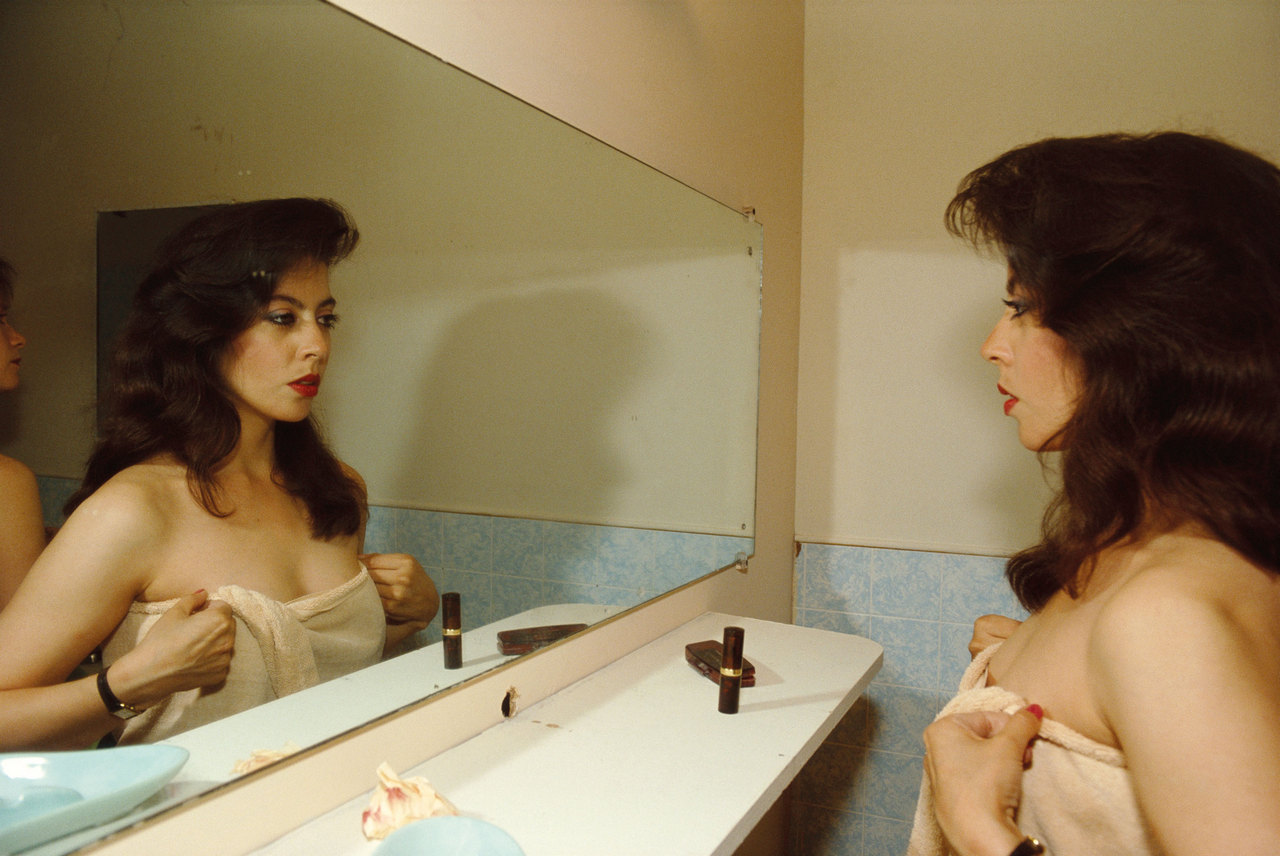

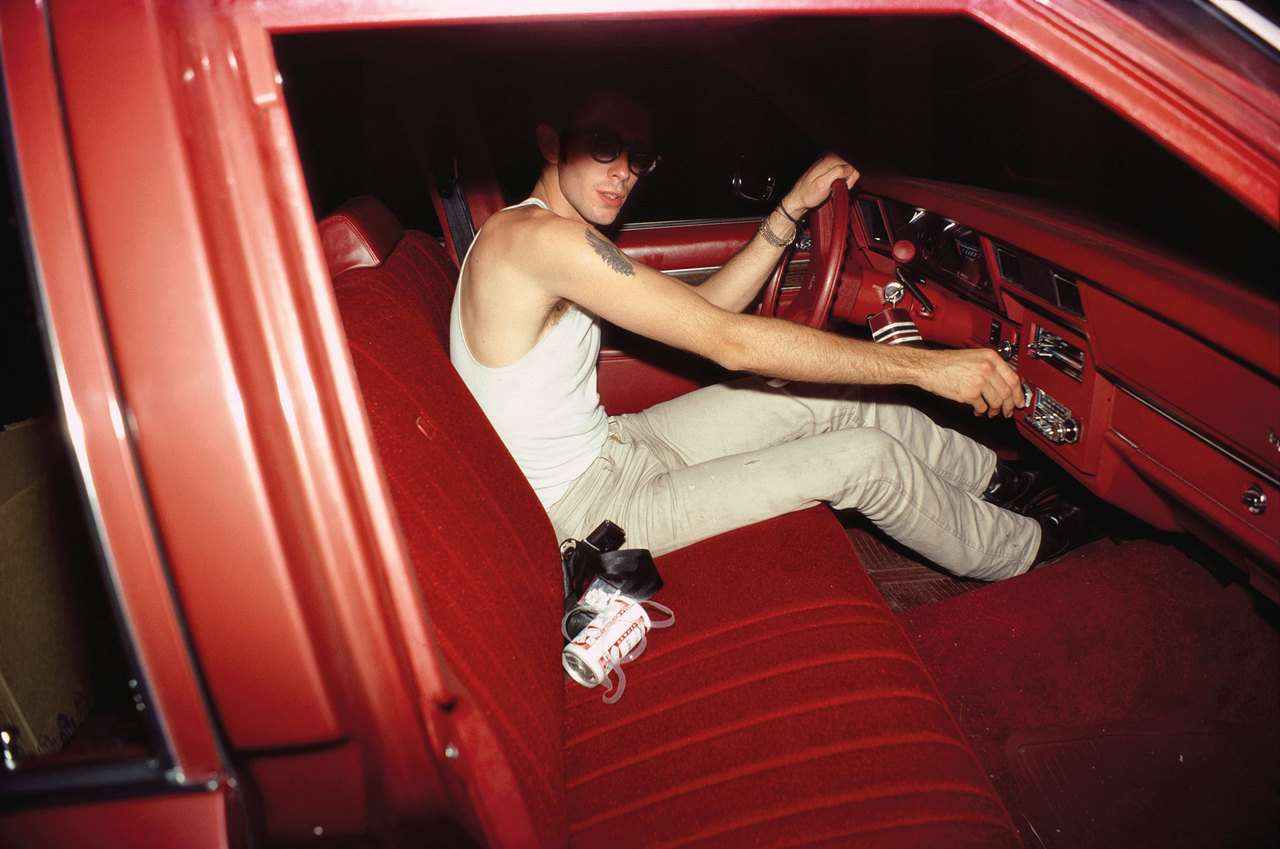
Nan Goldin, Mark in the red car, Lexington, Mass., (1979) from “The Ballad of Sexual Dependency,” 1973–86, 126 archival pigment prints, in frames, each: 15 3/4 × 11 × 1 1/8 inches (40 × 27.9 × 2.9 cm), overall dimensions variable, edition of 10, © Nan Goldin, Courtesy the artist and Gagosian