BOOK: Mamma Andersson-Adieu Maria Magdalena, David Zwirner Books

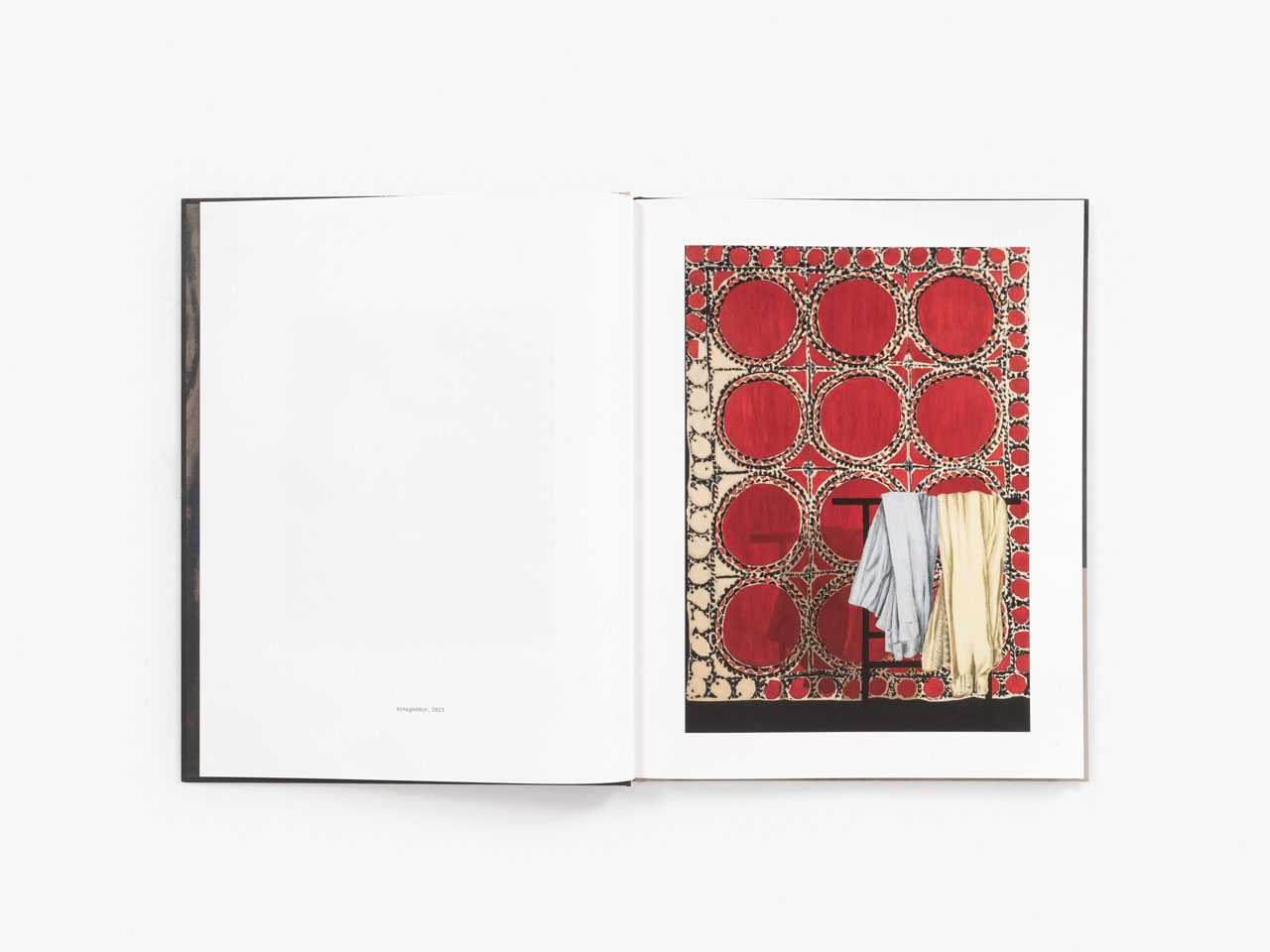
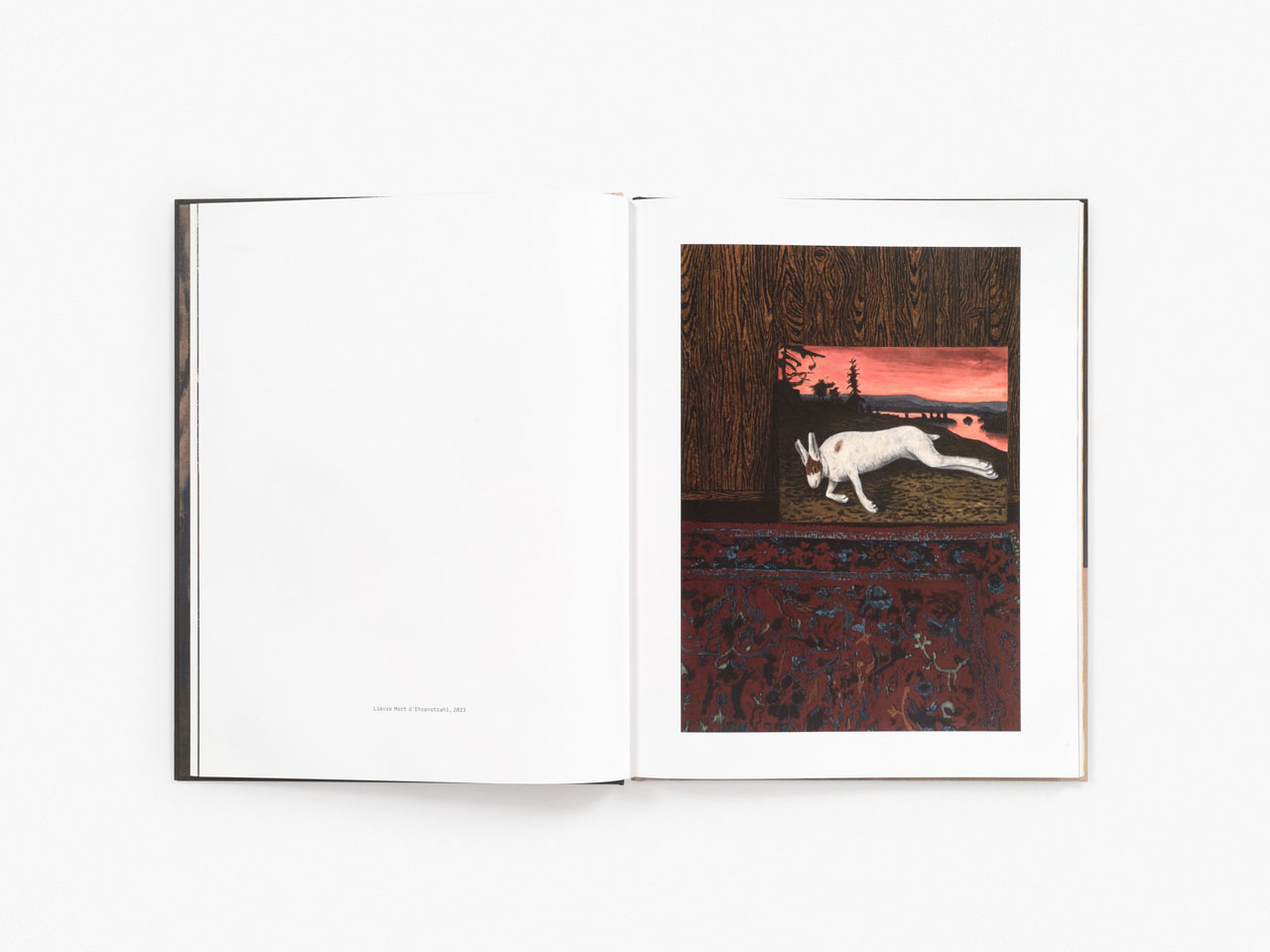
Mama Andersson’s “Adieu Maria Magdalena” positions itself deliberately within a Northern European painterly lineage, drawing on the psychological restraint of Carl Fredrik Hill and the austere interiority of Vilhelm Hammershøi. Yet Andersson’s engagement with these precedents is neither nostalgic nor reverential; rather, it is instrumental. The tension she constructs between interior and exterior worlds is less about architectural space than about mental and emotional enclosure. Her shift from oil-on-board to canvas is not a merely technical evolution but a conceptual one, enabling expanded scale and compositional depth while paradoxically intensifying claustrophobia. The larger pictorial field does not offer release; instead, it becomes a more elaborate stage for confinement, where trompe l’oeil effects destabilize spatial certainty and implicate the viewer in a carefully orchestrated fiction.
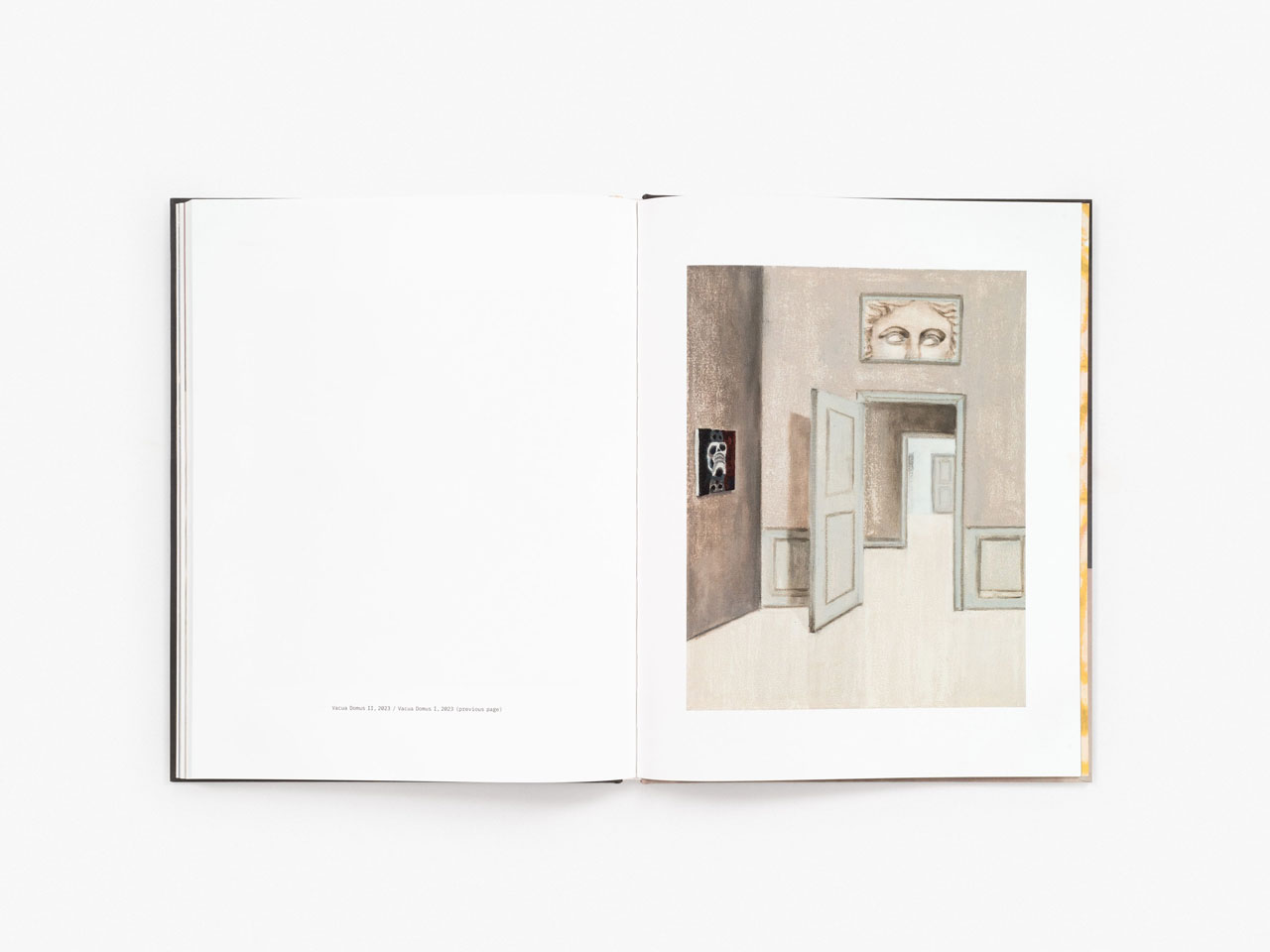
The domestic interiors that dominate this body of work are neither autobiographical in a literal sense nor purely imagined. Andersson layers fragments from her own home with invented scenes, producing spaces that feel familiar yet fundamentally estranged. This strategy foregrounds representation itself as a subject: walls behave like surfaces that refuse transparency, rooms appear as images within images, and screens or dividers fracture vision rather than organize it. The recurring use of trompe l’oeil is crucial here, not as a virtuoso display but as a means of unsettling perception. By collapsing distinctions between depicted space and pictorial surface, Andersson renders the domestic sphere subtly oppressive, charged with latent unease rather than overt drama.
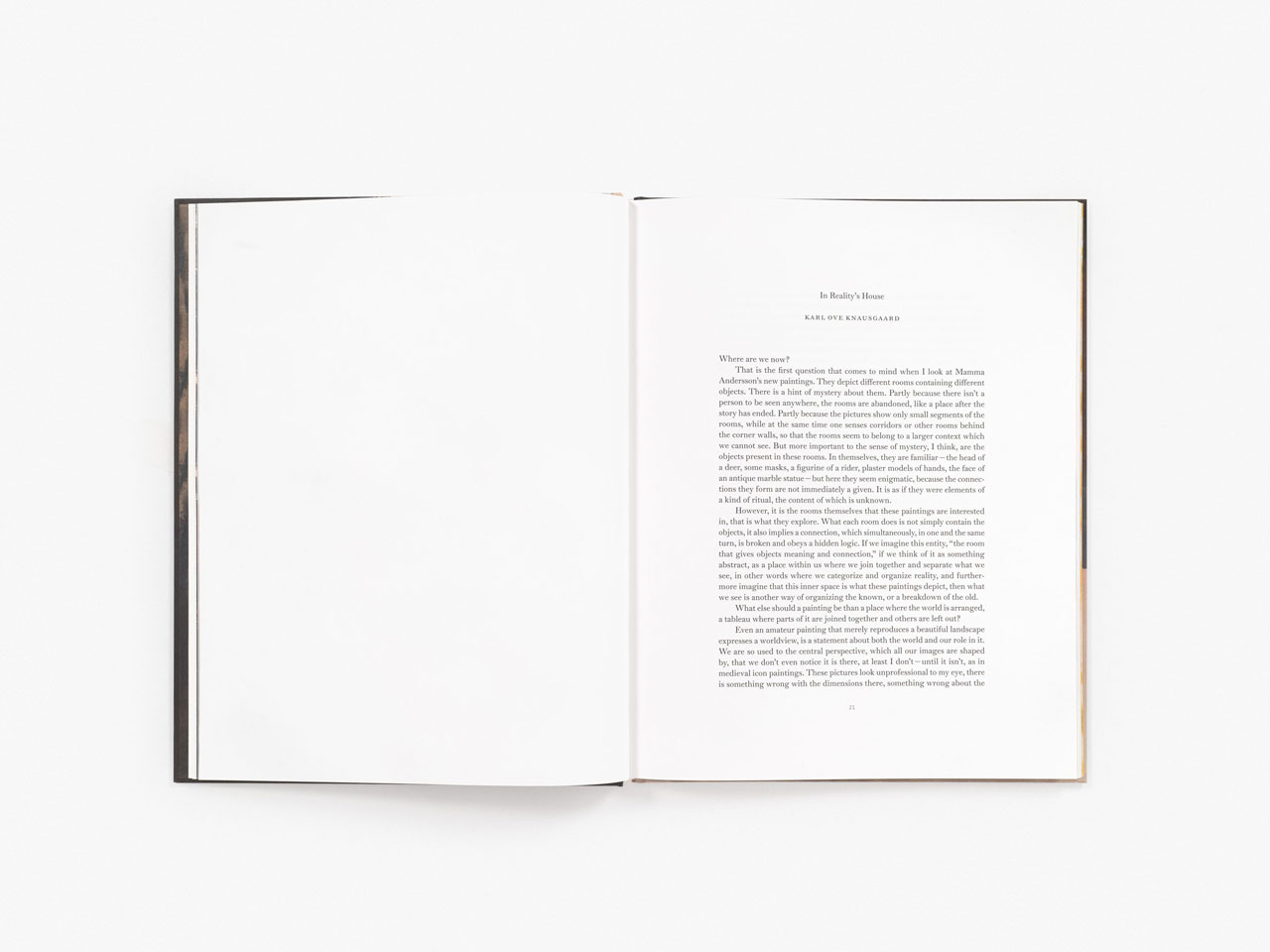
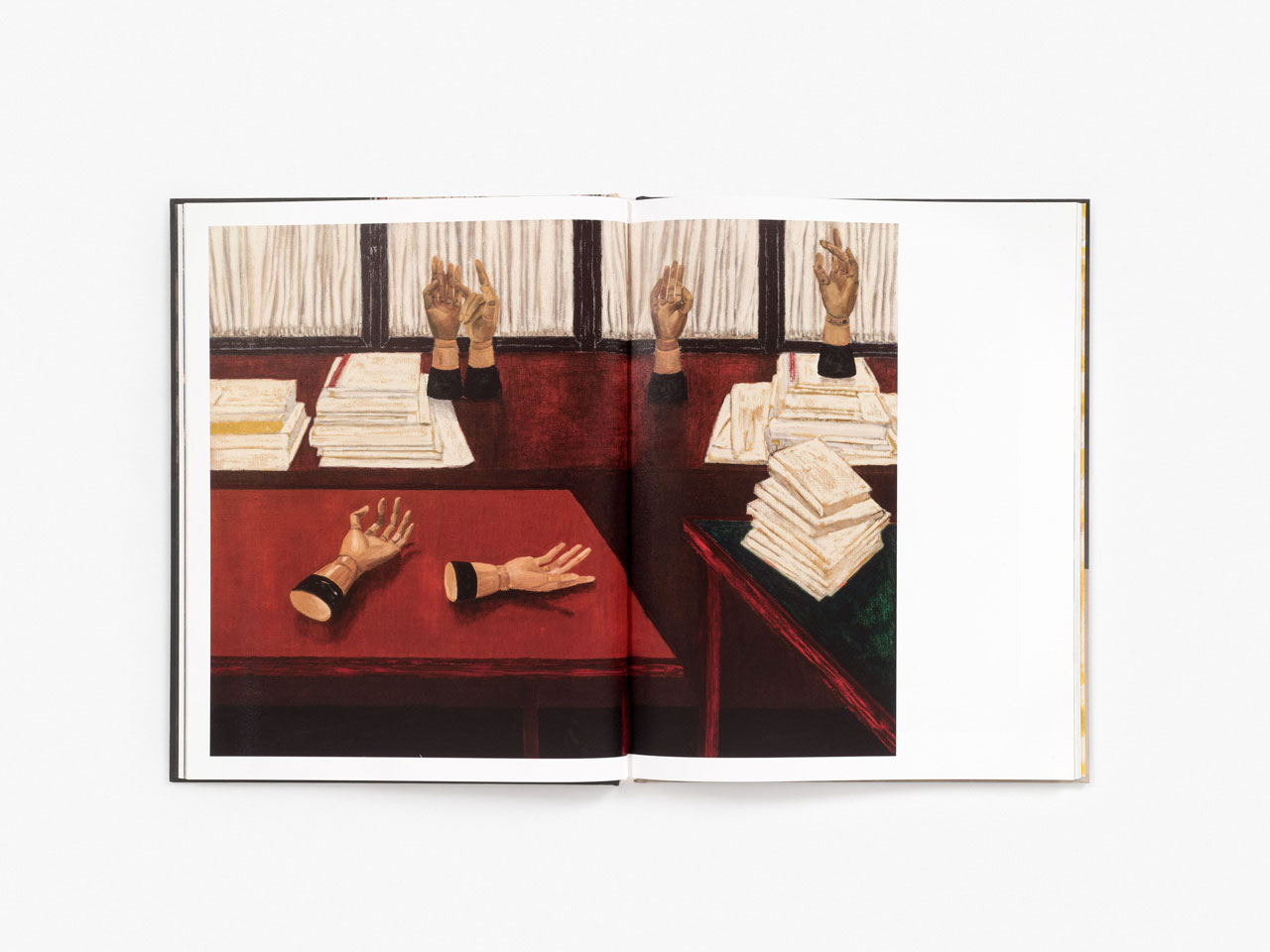
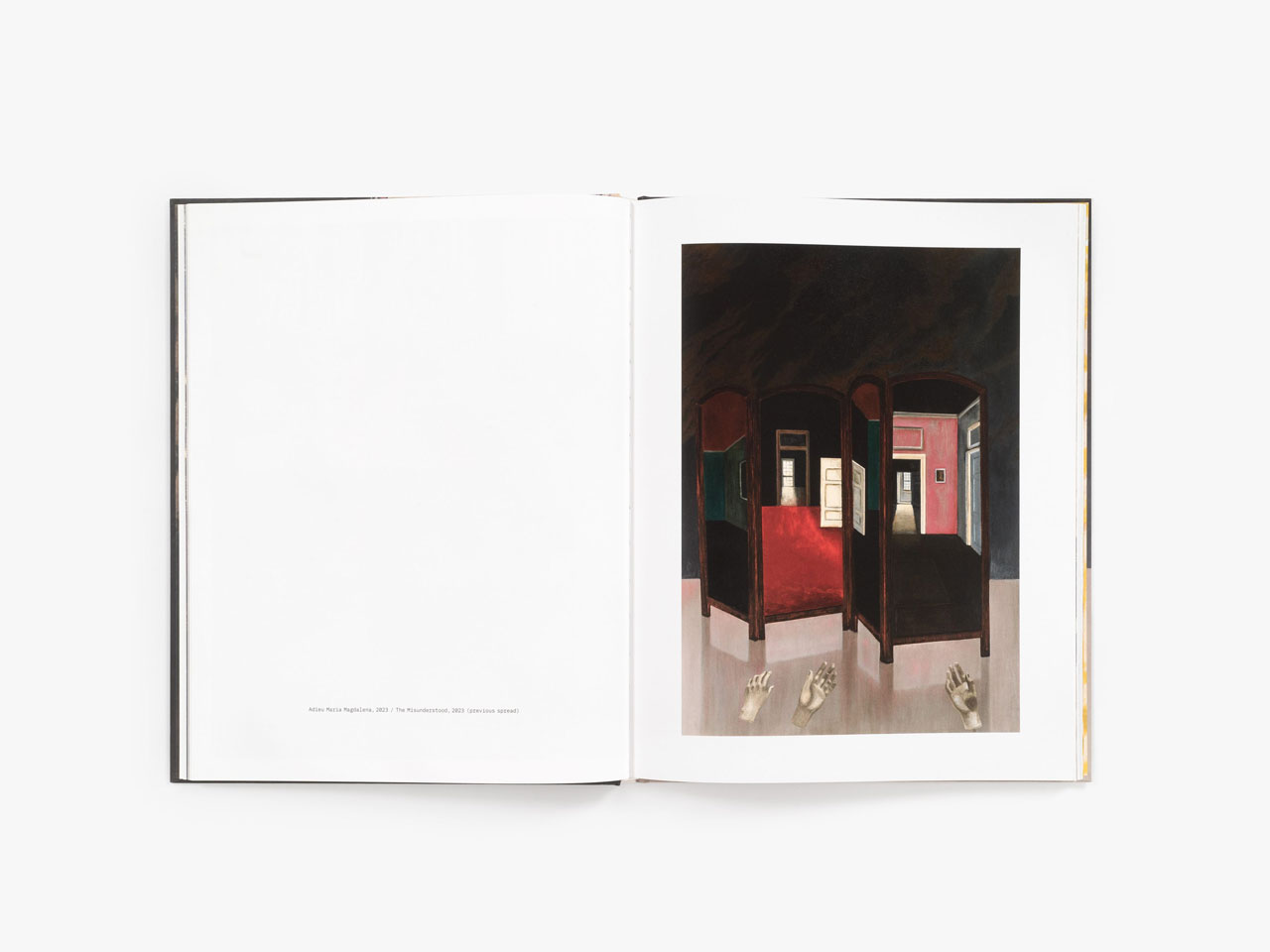
The exhibition and accompanying catalogue frame this work as a metaphorical farewell, a reading reinforced by Karl Ove Knausgaard’s oneiric text, which mirrors the paintings’ layered temporality and emotional ambiguity. Loss operates not as narrative content but as atmosphere—diffuse, unresolved, and persistent. The titular painting, with its screen divider revealing uninhabited rooms and the unsettling presence of disembodied mannequin hands, encapsulates this condition. These hands, severed from agency or body, function as quiet markers of absence and interruption, recurring signals of something once animate now rendered inert. Taken together, the works in “Adieu Maria Magdalena” resist closure. They do not resolve the tensions they stage between memory and imagination, surface and depth, farewell and continuation. Instead, they sustain them, asserting Andersson’s continued investment in painting as a medium capable of holding psychological complexity without surrendering to explanation. -Efi MIchalarou