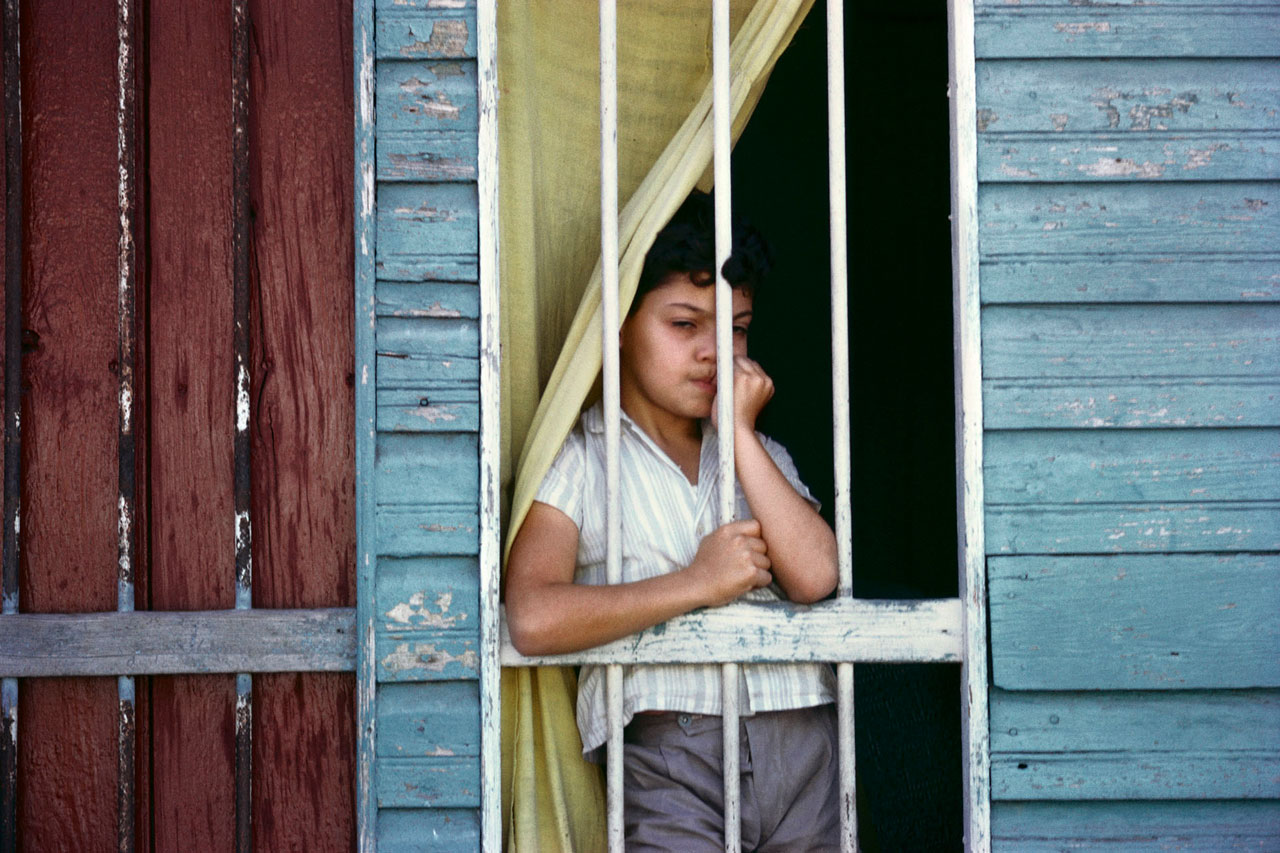
PHOTO: Agnès Varda-Photography · AGNÈS VARDA · Cinema

Agnès Varda, best known as a filmmaker, began her career as a photographer for the Avignon Festival and the Théâtre National Populaire (1948-1961) before directing her first feature film, “La Pointe Courte” (1954), which she also wrote and produced. She documented China (1957) and Cuba (1963) with thousands of photographs. After several shorts and features, her cinema gained momentum in 1961 with “Cléo from 5 to 7”. In 1968, while in the United States, she filmed and photographed the Black Panthers’ struggles and the counterculture movement.
By Dimitris Lempesis
Photo: IMS Paulista Archive
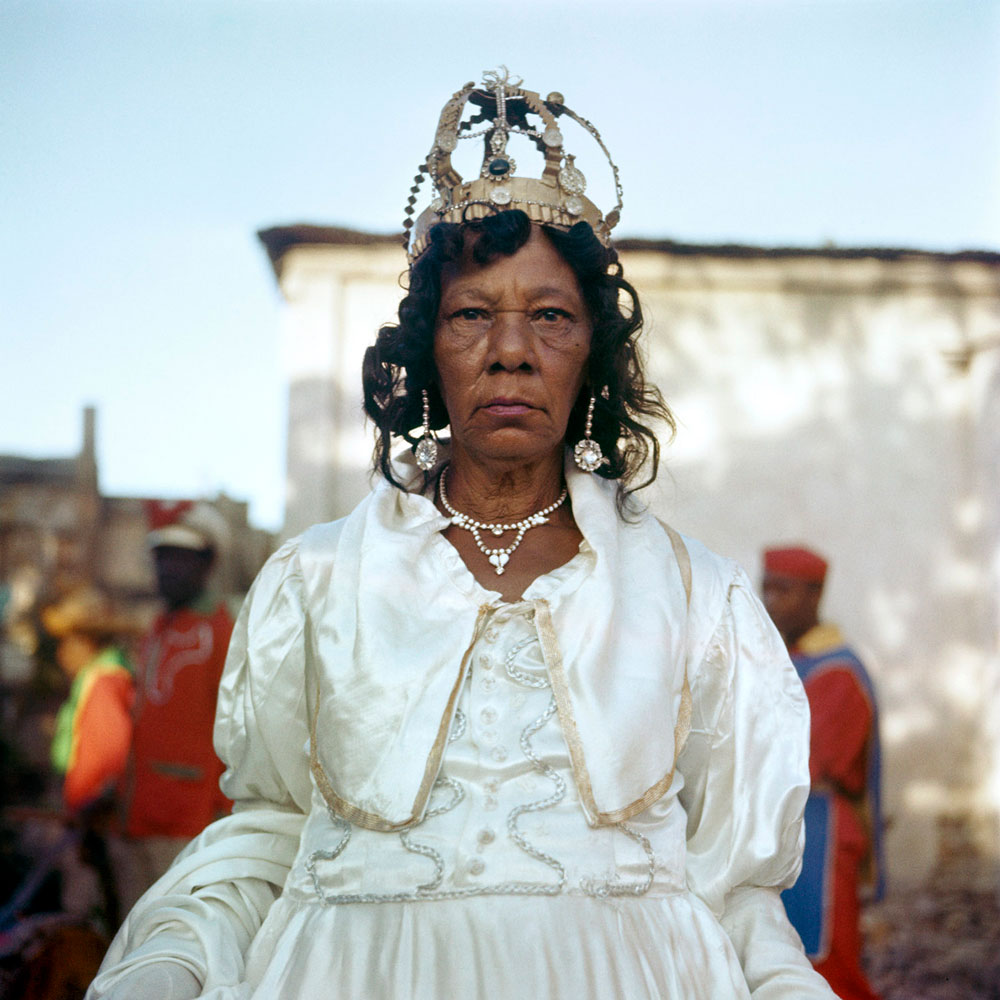
The exhibition “Photography · AGNÈS VARDA · Cinema” with 200 photographs taken by Agnès Varda between the 1950s and 1960s, in dialogue with her cinematic work, traces the artistic and ethical journey of Agnès Varda through the intertwined practices of photography and filmmaking. Moving across geographies and decades, it follows her travels through working-class Paris, the impoverished landscapes of Southern Europe in the postwar years, and revolutionary contexts in China, Cuba, and the United States. Across these contexts, Varda consistently aligned her gaze with those living at the margins—women, children, workers, and political collectives—offering images shaped by empathy, intimacy, and a deep attentiveness to everyday life.
At its core, the exhibition explores Varda’s continual movement between still and moving images. From her beginnings as a photographer to her pioneering role in cinema, and finally to her late return to photography within the field of contemporary art, Varda never ceased to reflect on the mutual influence of these two mediums. Photography and cinema are presented not as opposing forms, but as elements of a single visual grammar—what she famously termed “cinécriture”—through which she wrote with images, time, and lived experience.
The exhibition opens with Varda’s first photographic exhibition in 1954, held in the courtyard of her home on Rue Daguerre in Paris. At once a domestic space, studio, and laboratory, the site embodied her early refusal of conventional art venues. The display—recreated here using her original method of fixing photographs to walls—brought together landscapes, portraits, still lifes, nudes, and everyday objects imbued with humor and anthropomorphic resonance. Friends, neighbors, and fellow artists such as Brassaï and Hans Hartung gathered in this outdoor, site-specific presentation that blurred the boundary between art and daily life, announcing from the outset Varda’s singular sensibility.
Photography soon became a preparatory and generative tool for cinema. This is evident in her work around “La Pointe Courte” (1954), filmed in a fishing village in southern France and later recognized as a foundational work of the Nouvelle Vague. Varda’s photographic studies for the film—abstract compositions, textures of wood and sand, reflections in water, scenes of labor and community—stand as autonomous images while simultaneously rehearsing cinematic space. Here, still and moving images operate together, shaping a poetic yet concrete vision of reality.
Varda’s role as a stage photographer between 1948 and 1961, particularly her collaboration with Jean Vilar at the Festival d’Avignon and the Théâtre National Populaire, forms another key chapter. The exhibition highlights her documentation of “Papa Bon Dieu” (1958), staged by Les Griots, the first Black theater company in postwar Paris. Through her photographs, Varda captured not only the intensity of performance and composition, but also the emergence of a new representational grammar that challenged dominant narratives and paved the way for future generations.
Her early films further deepen this intertwining of the personal, the social, and the political. “Diary of a Pregnant Woman (L’Opéra Mouffe)” (1958), filmed on Rue Mouffetard in Paris, combines documentary observation with poetic essay and autobiographical reflection. Accompanied in the exhibition by preparatory photographs and notebook pages, the work reveals how photography nourished her cinematic thinking. Varda’s approach to nudity, love, and embodiment—understood as a meeting point between formal and moral beauty—underscores her belief in images as spaces of shared vulnerability rather than spectacle.
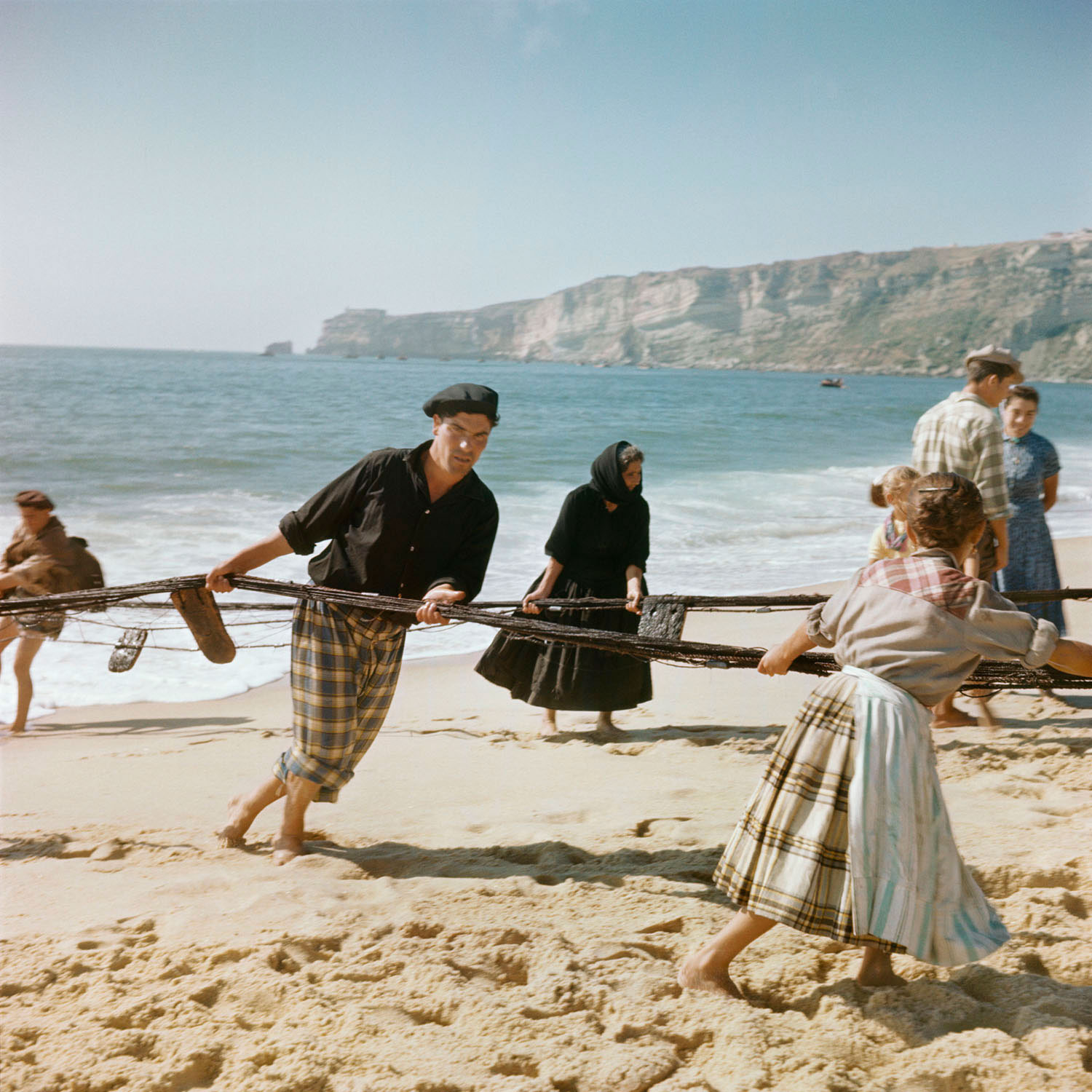
Throughout the 1950s, Varda expanded her photographic geography across Southern Europe, documenting communities shaped by poverty, migration, and social exclusion. Images from Marseille, Spain, and Portugal portray fishermen, women, and children with dignity and attentiveness, often revealing the tensions between historical power structures, popular culture, and everyday life. These photographs resist grand narratives, instead offering subtle redefinitions of visibility and presence.
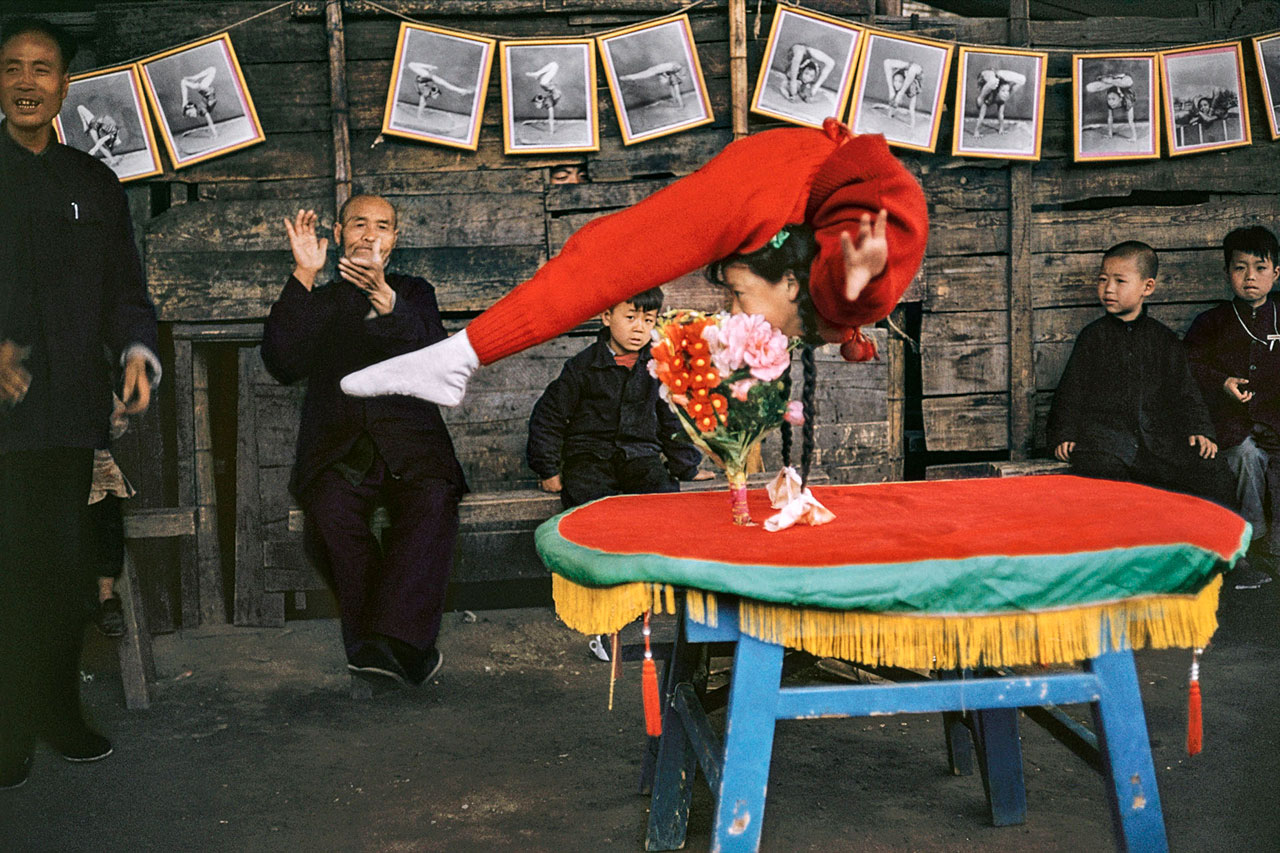
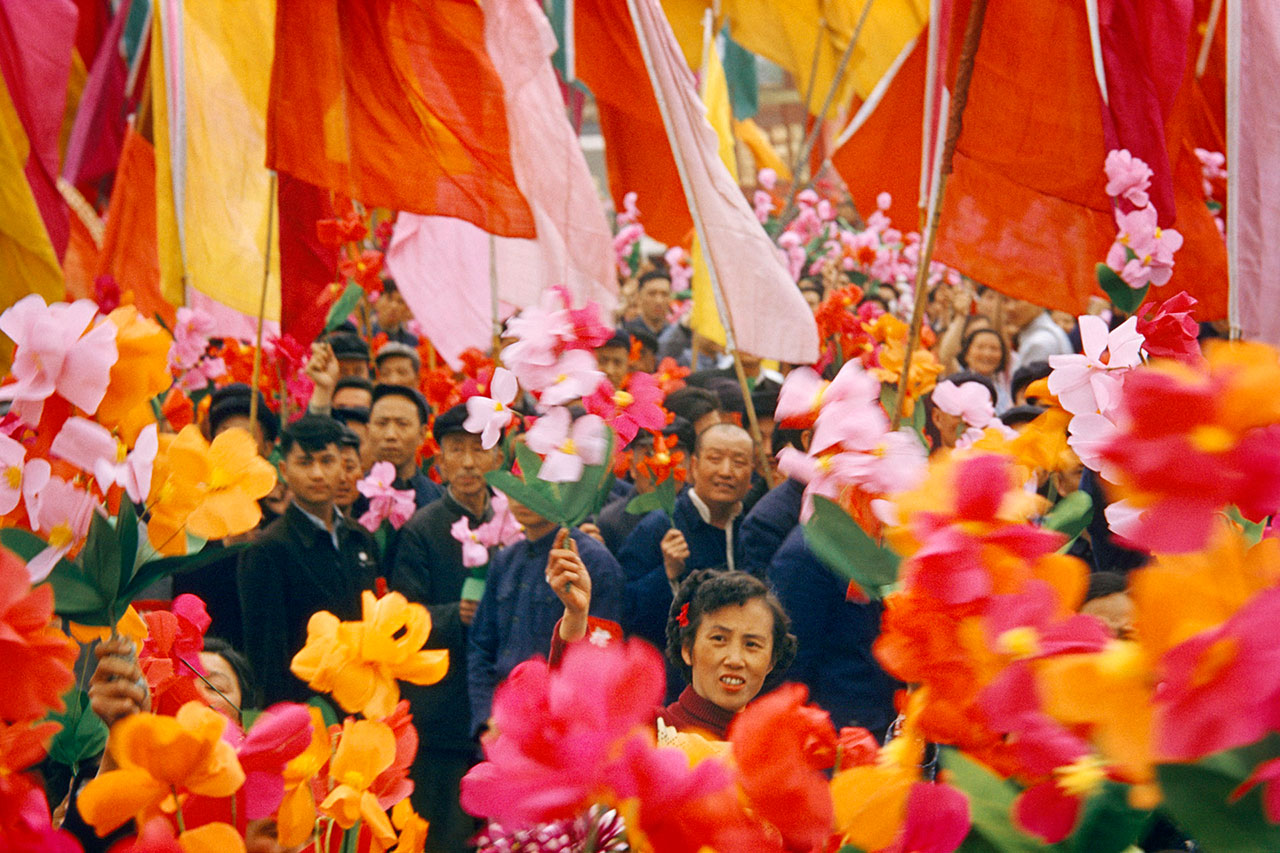
This attention to ordinary lives within historical transformation also characterizes Varda’s work in revolutionary contexts. During her extended visit to China in the early 1960s, she focused on gestures, encounters, and especially children, whom she described as the country’s “154 million kings.” Her images and writings avoid monumentalism, instead capturing a society in transition through fragments of daily life. Similarly, her 1962 trip to Cuba resulted in “Salut les Cubains” (1963), a film composed entirely of photographs animated through montage and narration. This hybrid form transforms photography into movement, rhythm, and political tribute, reflecting both Varda’s enthusiasm and her ambivalence toward revolutionary futures.
In the United States, during 1967–1968, Varda turned her lens toward political struggle and counterculture. Her documentation of the Black Panther Party, culminating in the film “Black Panthers” (1968), offers a rare perspective that counters official narratives of threat and repression. Through interviews, close attention to faces and bodies, and moments of collective joy and resolve, Varda foregrounded Black beauty, solidarity, and resistance as lived experience.
The exhibition concludes with Varda’s late installations and contemporary art projects, in which photography expands into space and dialogue with film becomes explicit. Works such as “Stilled Moments” (2016) and her revisitations of earlier photographs—Le Corbusier’s terrace in Marseille, or the enigmatic image of Ulysses (her son) on a Normandy beach—demonstrate her enduring fascination with non-decisive moments. By suspending movement or reconstructing stillness through film, Varda invites reflection on time, memory, and the mysteries images cannot resolve.
Across seven decades, Agnès Varda remained restlessly inventive, guided by curiosity, political commitment, and a profound respect for others. This exhibition brings together photography and cinema not only as techniques, but as ethical ways of seeing. It invites visitors to experience the emotional resonance that so many encountered through her films, her images, and her presence—and to leave, as she hoped, more sensitive to others and to the world.
Photo: Agnès Barda on the set of The Gleaners and I (Les Glaneurs et la glaneuse), 1999. Photograph by Didier Doussin © Ciné-Tamaris
Info: Curators: João Fernandes and Rosalie Varda, Assistant Curator: Horrana de Kássia Santoz, IMS Paulista, Avenida Paulista, 2424. São Paulo, Brazil, Duration: 29/11/2025-12/4/2026, Days & Hours: Tue-Sat 10:00-18:00, https://ims.com.br