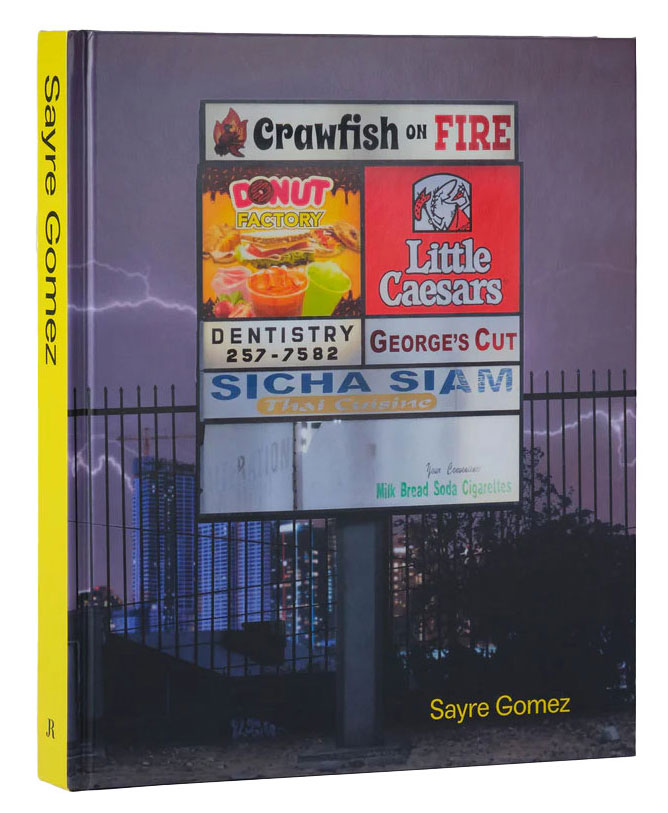
BOOK: Sayre Gomez, JRP|Editions
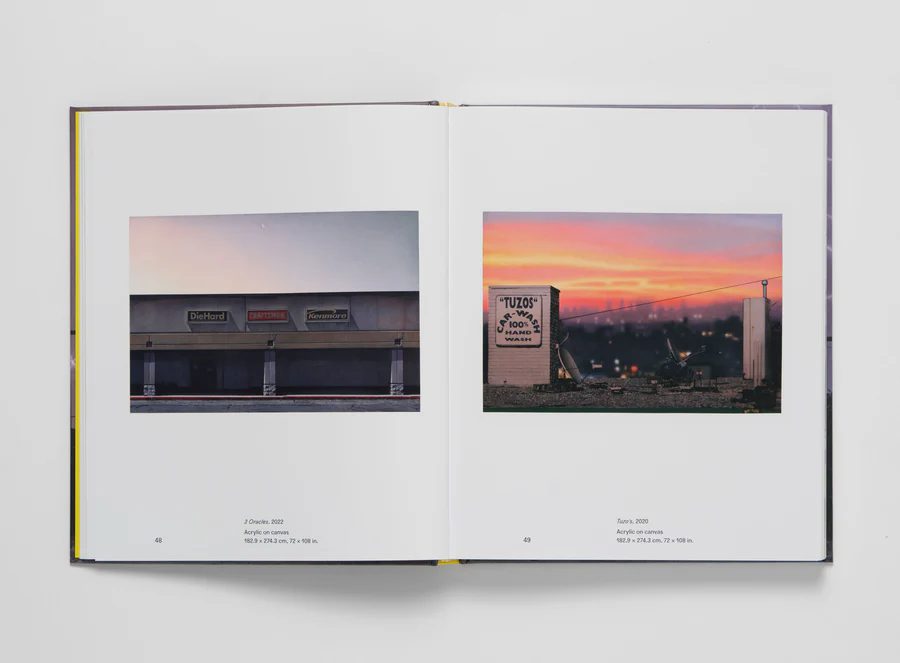
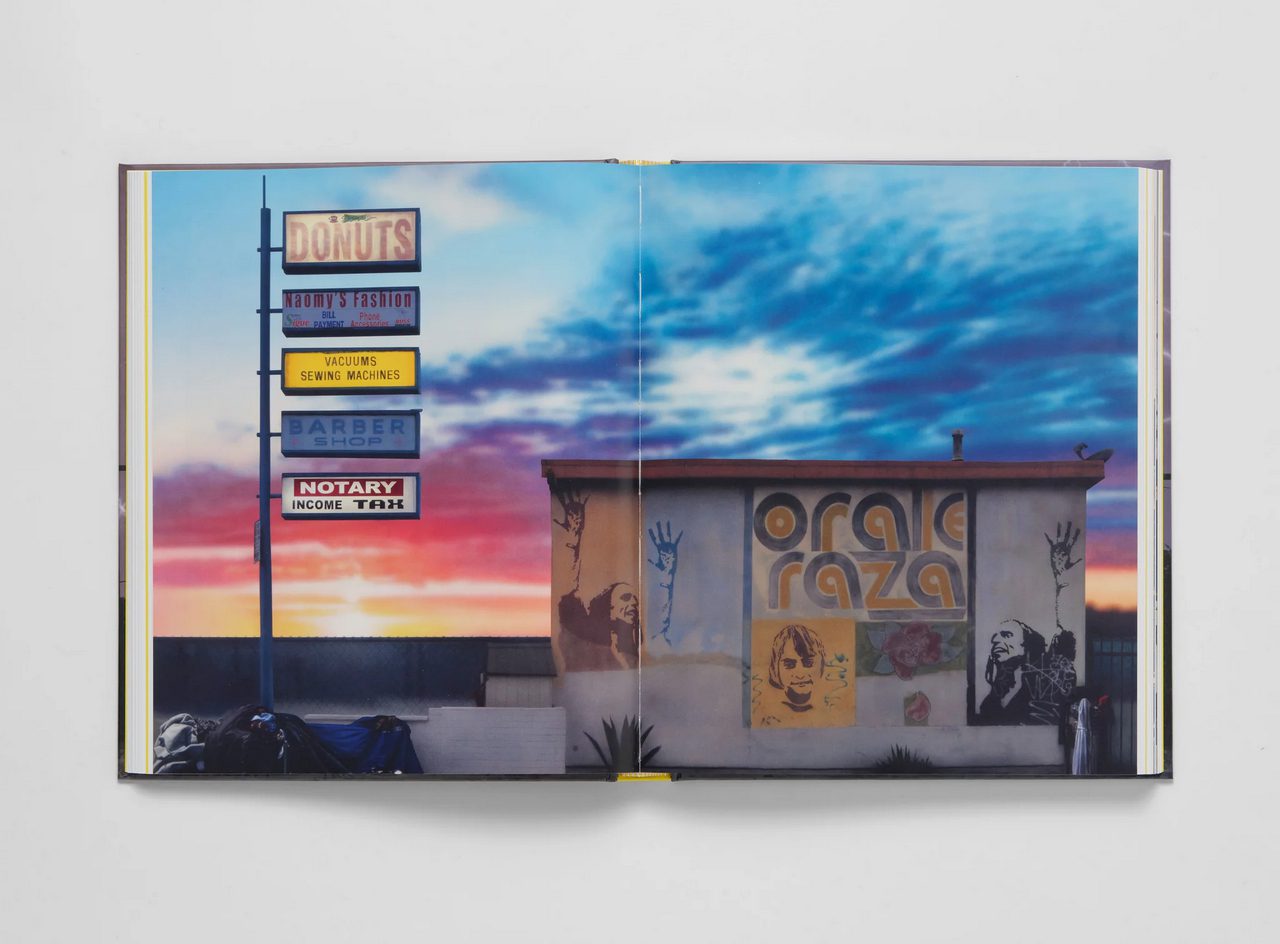
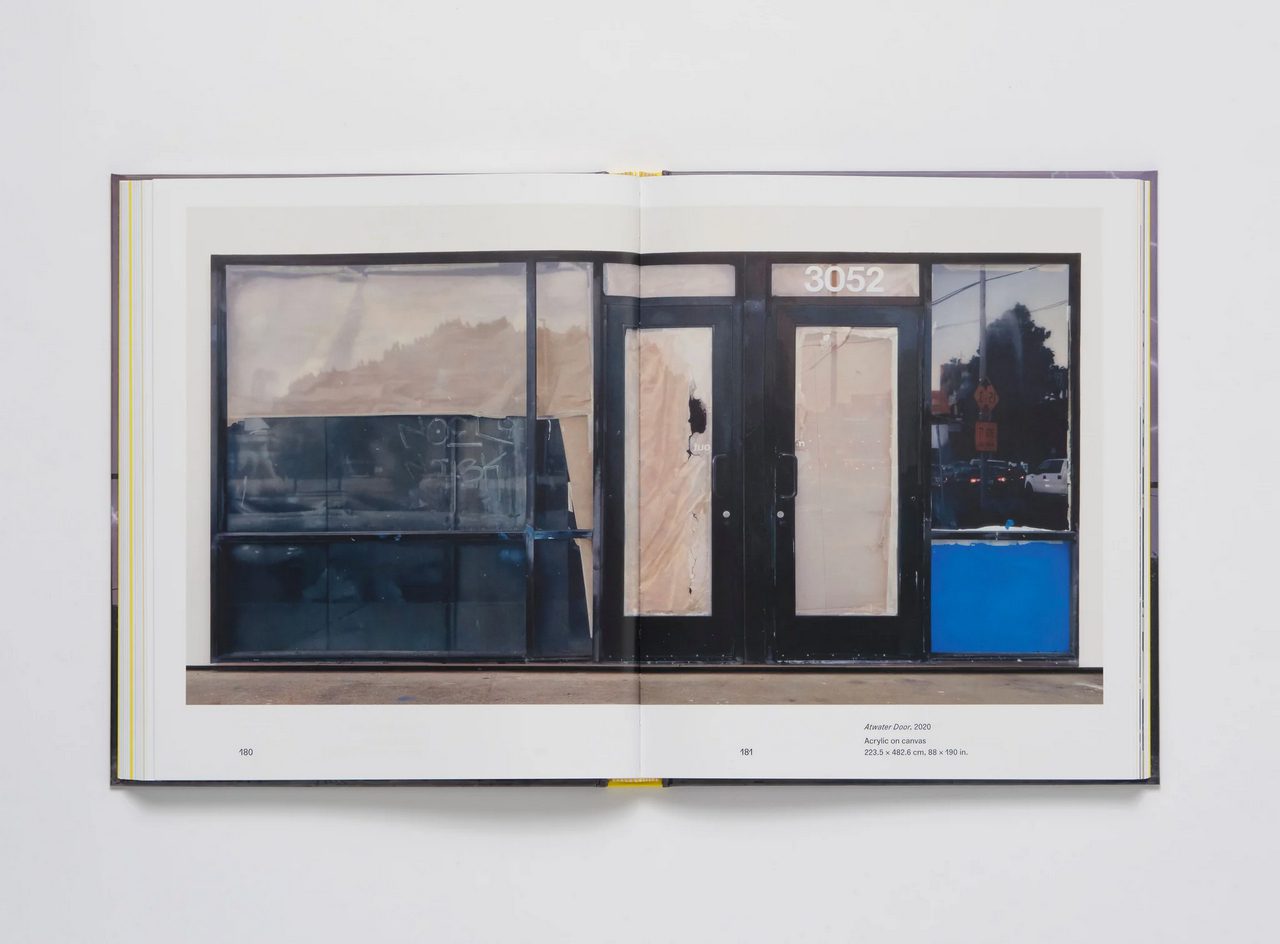
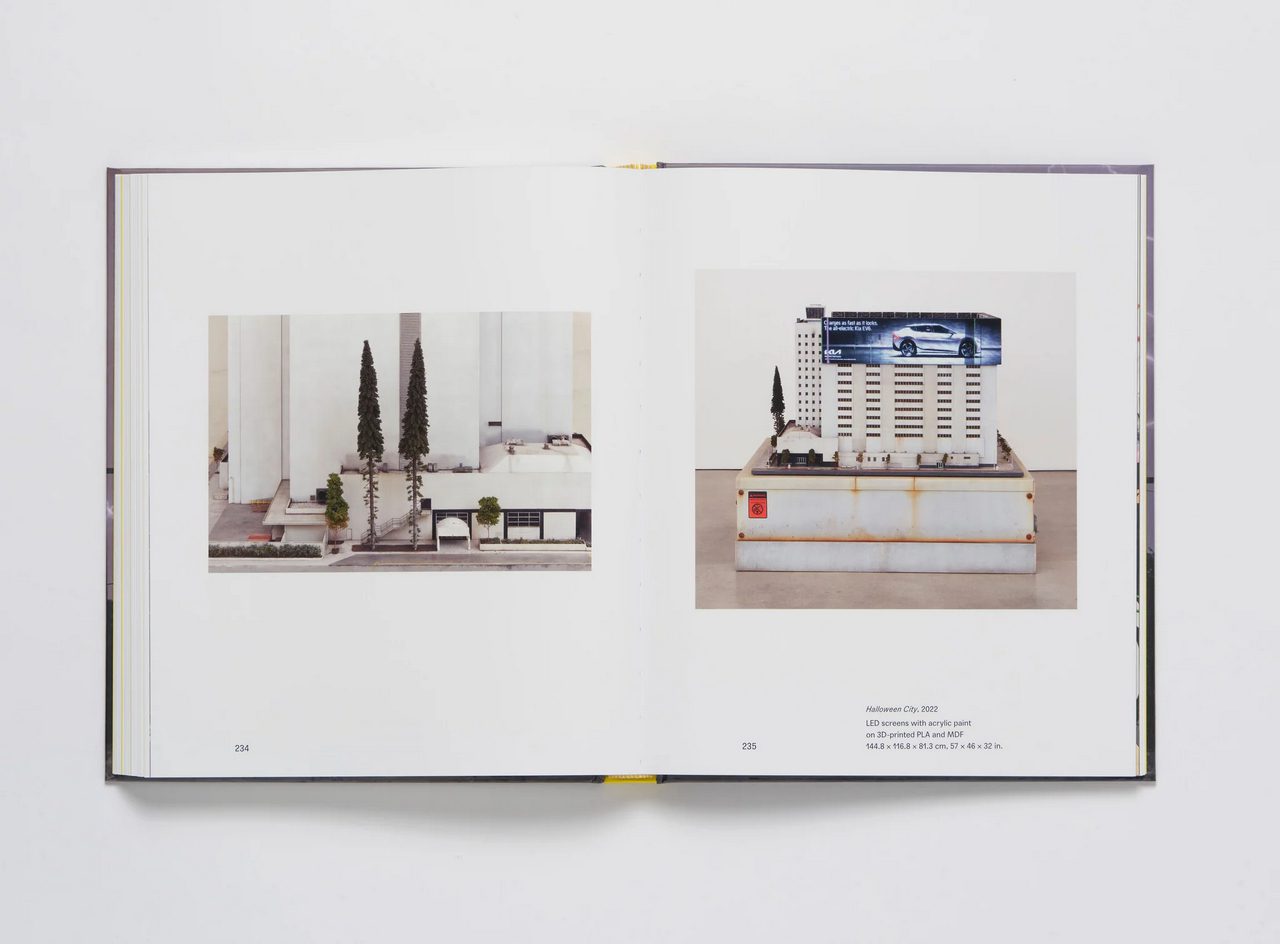
Sayre Gomez’s painterly strategies, described in the book and corroborated by external exhibition texts, are noteworthy for their hybridization of techniques. Drawing from Hollywood set painting, commercial sign painting, airbrushing, and trompe l’oeil traditions, his canvases blur the line between representation and construction, prompting viewers to question authenticity in an image-saturated era. This conceptual thread—of authenticity versus simulation—is perhaps the most compelling critical contribution of the volume, aligning Gomez with broader debates about the impact of digital culture on visual experience.
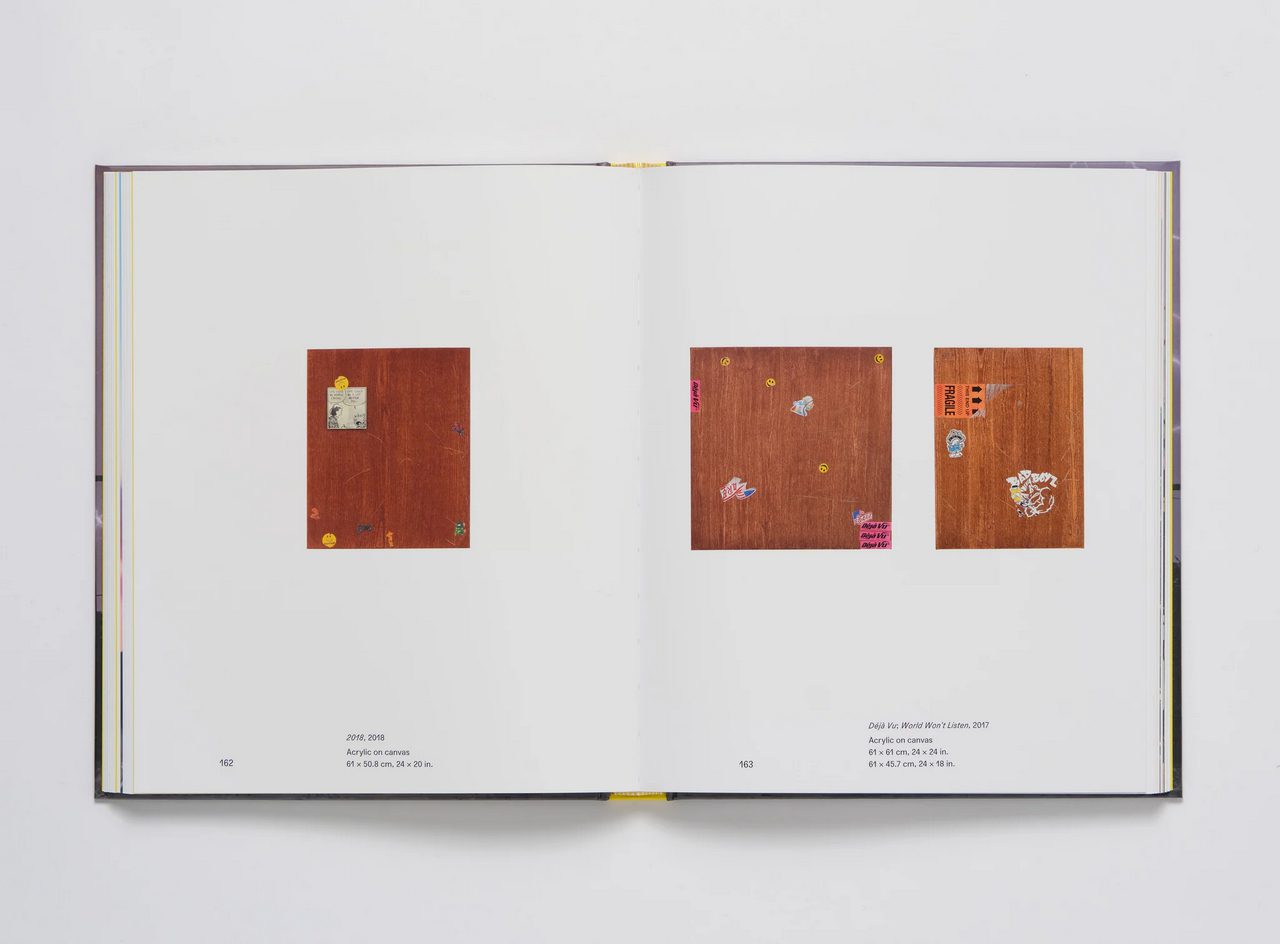
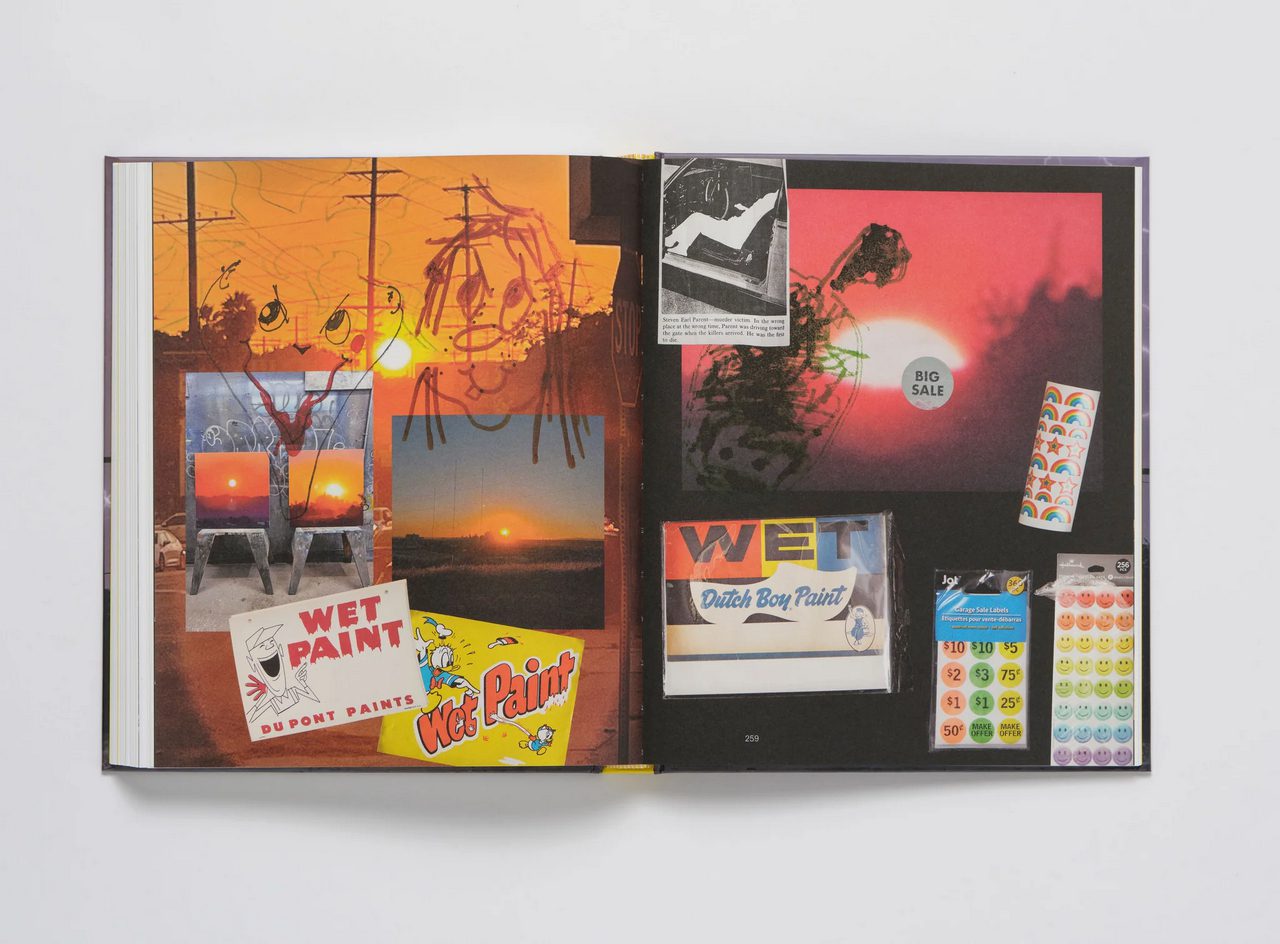
Yet the monograph also reflects limitations inherent in the project of consolidating a decade of work. The very coherence of Gomez’s thematic preoccupations—from barriers and threshold motifs to the oscillation between urban decay and seductive atmospherics—runs the risk of flattening moments of genuine conceptual friction into a single narrative of Los Angeles as both promise and desolation. While this dichotomy is well supported by the texts, overemphasis on the city as trope sometimes risks reductive readings that overlook the formal subtleties and material engagements in Gomez’s practice—particularly his sculptural and installation works, which are less thoroughly contextualized than his paintings.
Critically, the book’s documentation of Gomez’s technique is evocative but could benefit from a deeper interrogation of historical referents. Comparisons to canonical urban landscape painters or practitioners of photorealism remain largely implicit, and readers might find themselves seeking a more explicit anchoring of Gomez’s work within contemporary painting discourses. Here, the volume’s critical apparatus—despite anchoring essays—sometimes lacks the analytic precision that would position Gomez’s innovations in productive tension with the broader field. External reviews of his exhibitions, such as those discussing X-Scapes and related works, often gesture toward these associations, noting affinities with both urban realism and post-photographic strategies, but the monograph stops short of fully integrating these dialogues.
Overall, “Sayre Gomez” is a visually rich and thematically cohesive monograph that succeeds as an archival and promotional object. It consolidates Gomez’s achievements to date and confirms his significance as a chronicler of urban image culture. However, its critical framing may feel too descriptive for readers seeking rigorous theoretical engagement. The book is essential for those familiar with Gomez’s work or invested in contemporary representations of urbanity.– Efi Michalarou