ARCHITECTURE: Democratic Design – Space for Cooperation, Collaboration and Compromise, Part II

In “Democratic Design – Space for Cooperation, Collaboration and Compromise”, Aedes Architecture Forum explores how architecture, planning processes and public spaces can foster democratic engagement and social cohesion – both more urgent than ever in times of profound societal uncertainty. The programme consists of an exhibition, a series of four Lab Talks and a catalogue featuring contributions from practitioners in Berlin, Germany and across Europe, selected through an open call in collaboration with European architecture centres and through research conducted by the Aedes team.
By Efi Michalarou
Photo: Aedes Archive
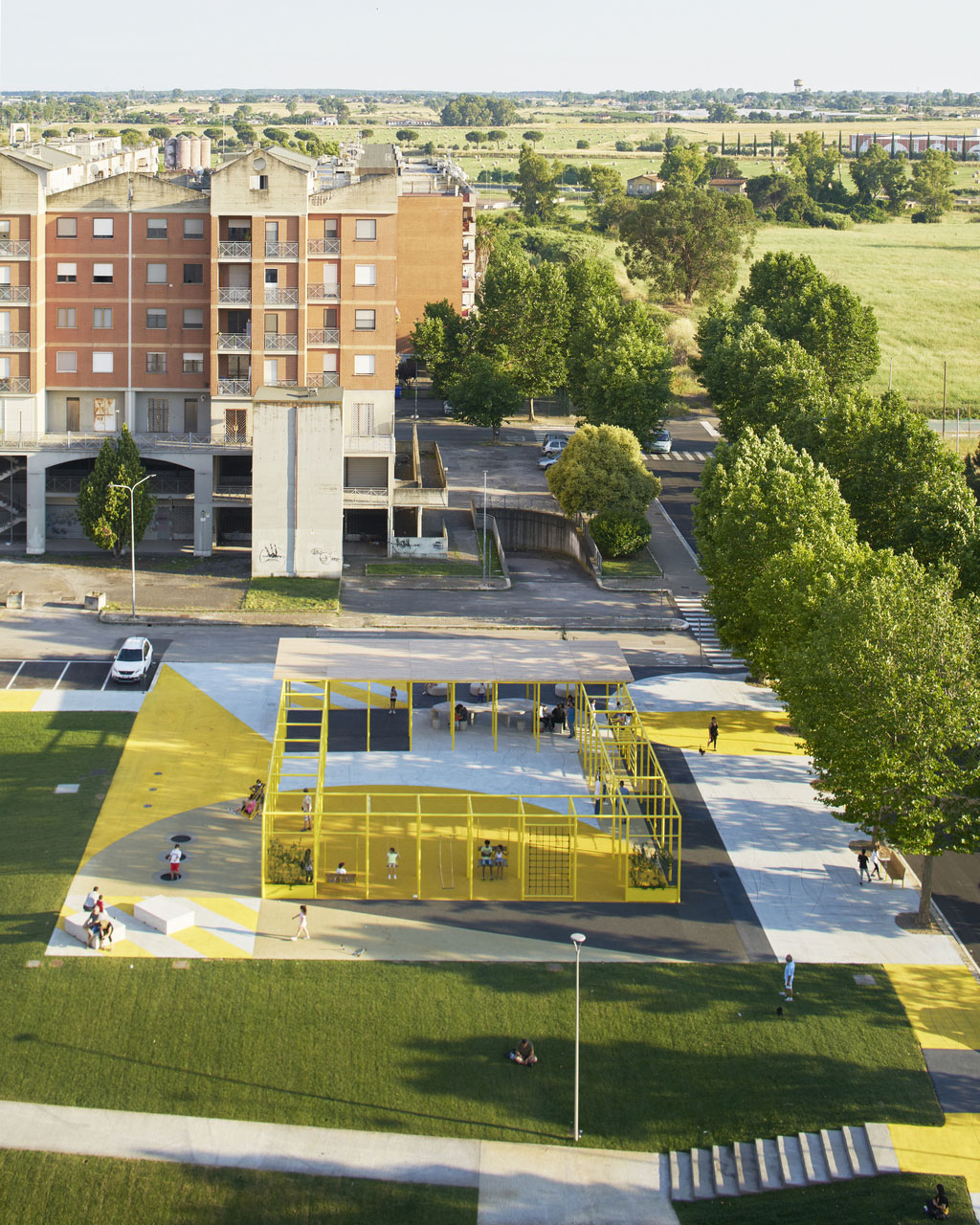
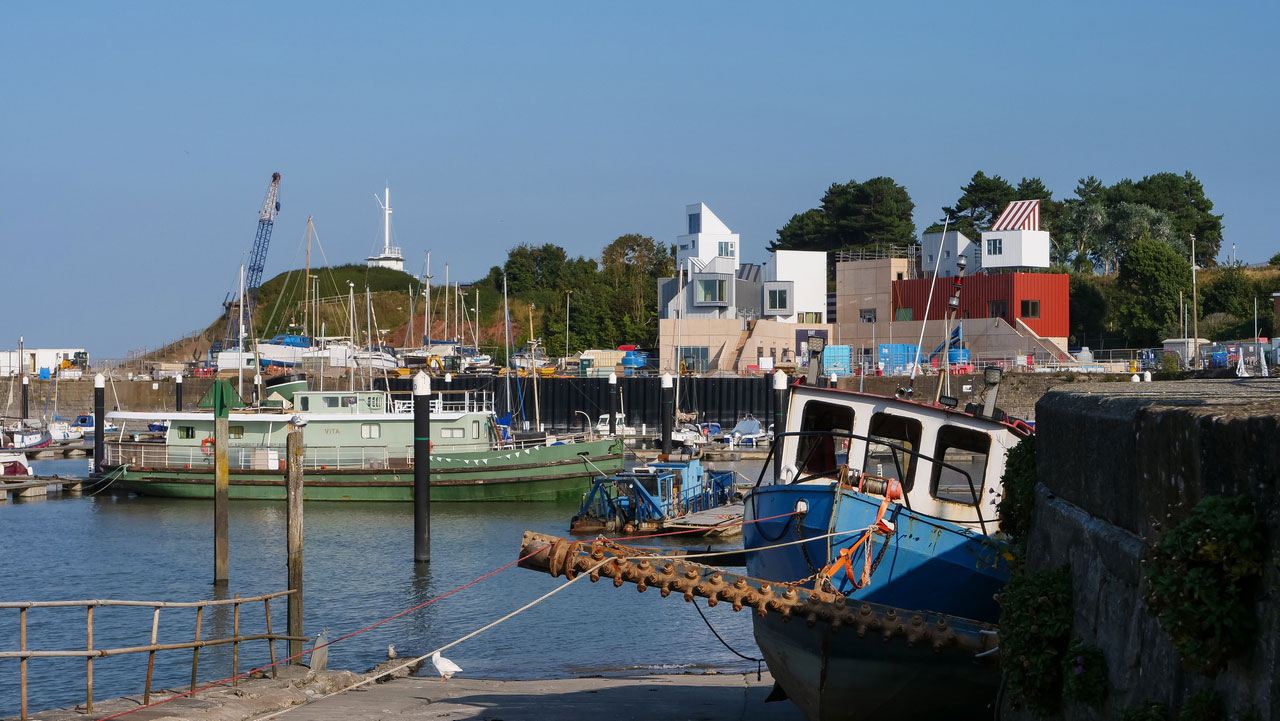
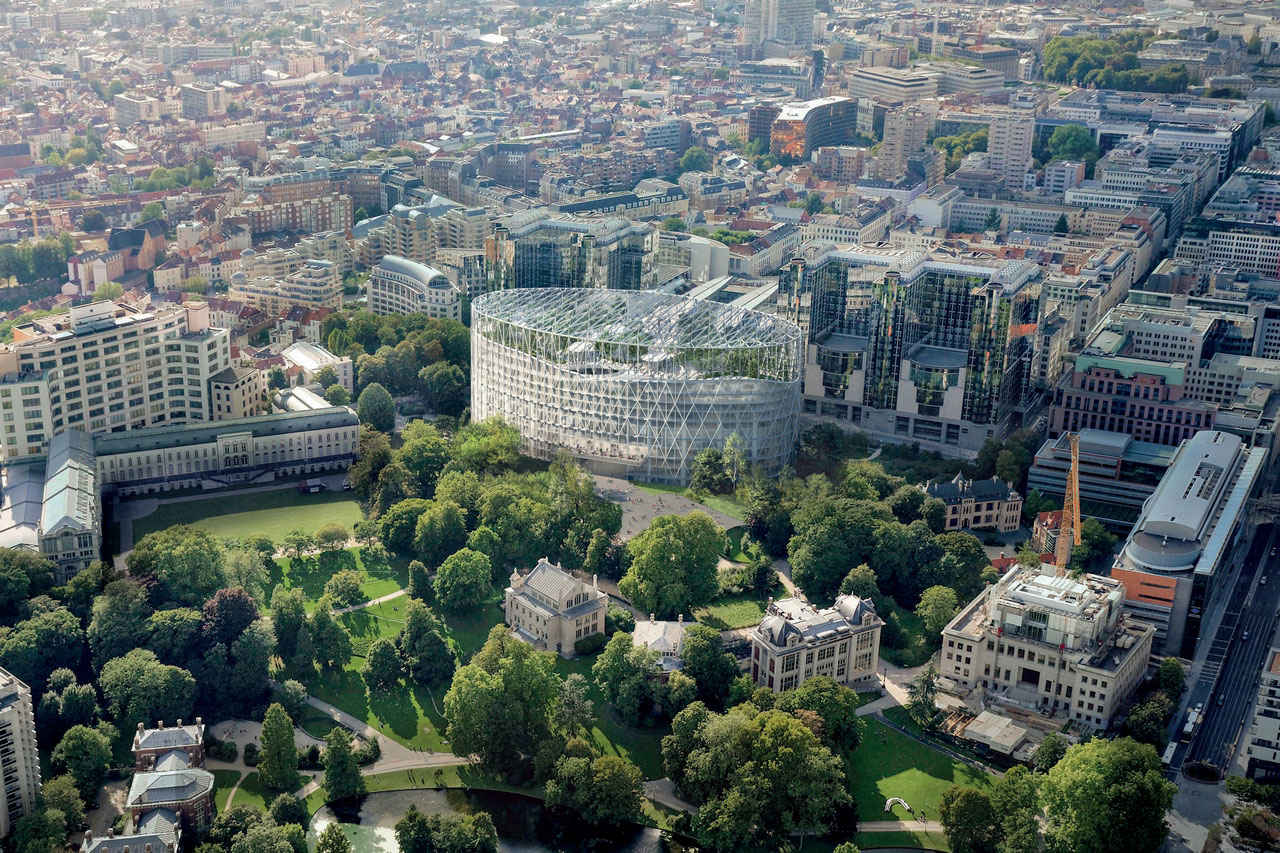
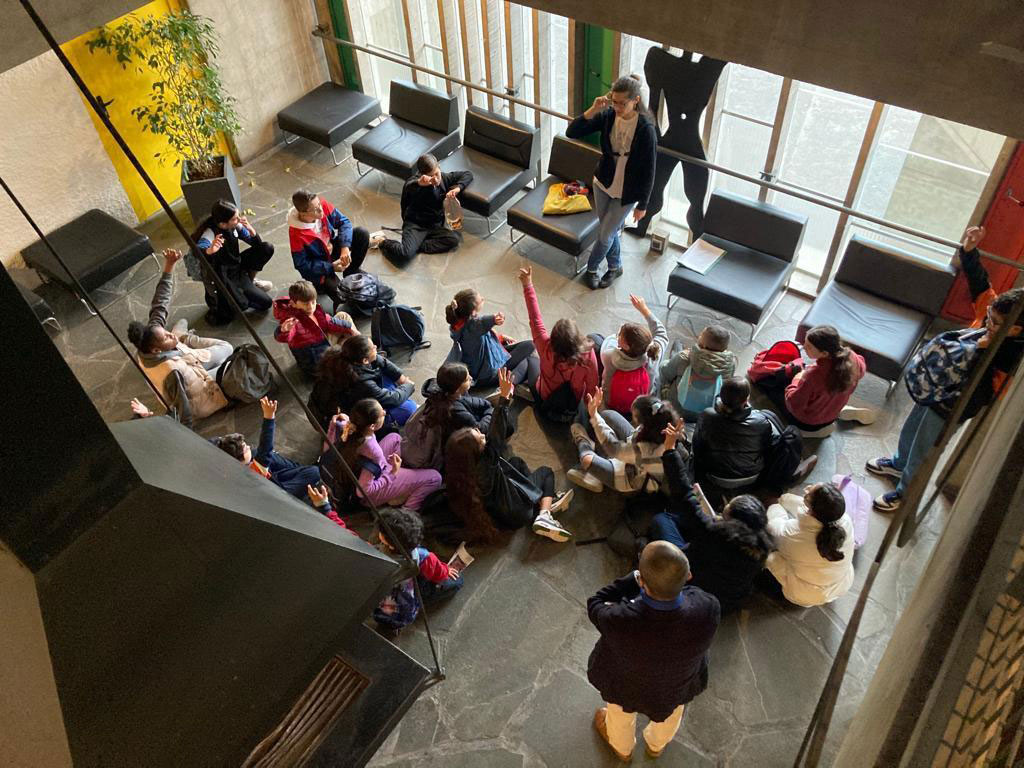
At the core of “Democratic Design” are democratic planning processes and the spaces they create. The presented projects amplify marginalised voices, encourage participation and inspire collective visions for the future. Dialogue and exchange are essential conditions for democracy, cultivating the ability to accept differing viewpoints and to compromise – the very foundations of democratic culture. This conviction underpins “Democratic Design – Space for Cooperation, Collaboration and Compromise”, curated by the Aedes team and presented at Aedes in Berlin. The exhibition presents notable projects, buildings, tools and spatial interventions by studios, collectives and initiatives, showing how inclusive planning and design processes can strengthen democratic participation and a shared sense of responsibility for the built environment. Alongside projects from across Europe, a special focus on Berlin highlights the city as a vibrant centre of democratic design. The exhibition design reflects the core ideas of Democratic Design, using a variety of media – texts, photographs, plans, films, objects, games and models – to create an accessible and engaging experience. A reading corner with selected literature invites visitors to explore further. The exhibition is presented in three languages – German, simple German and English – and is aimed at a broad, diverse audience. Among the projects are:
“Concrete to Culture” is an adaptive urban intervention by the Collective Foundation, founded in 2020 by landscape urbanist Martin Yankov and activists, architects, curators and cultural managers in response to the way the pandemic changed work. Many office buildings in Sofia are underused, while residential areas often lack cultural facilities. Through a needs analysis with residents, employees and local businesses, The Collective Foundation transformed seven vacant ground-floor units in the Business Park Sofia (BPS) into rent-free studios. An open call invited local artists to develop site-specific installations, performances and workshops; over 20 artists stayed long-term. The 3,000 m² rooftop became a publicly accessible multifunctional platform with one of Europe’s largest ground murals, modular wooden furniture and greenery. Film screenings, concerts, dance and workshops animate the neighbourhood and enhance the workplace appeal.
“Cotranspose – Reclaiming Spaces of Belonging” is a creative initiative in rural North Evros that revitalises inactive spaces for social and cultural projects. It engages with the poetics and politics of place, going beyond commercial uses and opening access to artistic practice, blurring the lines between practitioner, participant and public. Anyone can join – using the sites, collaborating, or simply being present – to build lasting connections with local communities. Residencies, workshops and events allow artists and locals to collectively reimagine their environment. A former shop in Dikea became the STEKI Cultural Hub, hosting exhibitions and gatherings in collaboration with the owners in exchange for maintenance. Nearby, a reactivated amphitheatre offers performances, screenings and community programmes, bringing culture into daily life. So far, “Cotranspose” has reclaimed numerous spaces, some permanent, others temporary, across three villages. Houses, common areas and public sites host events that foster storytelling, dialogue and knowledge-sharing, preserving and reimagining local histories. Participatory tools invite audiences to rethink spaces and bring them to life in their own contexts. This demonstrates how access, space activation and creative use can foster democratic community-building in rural and peripheral areas.
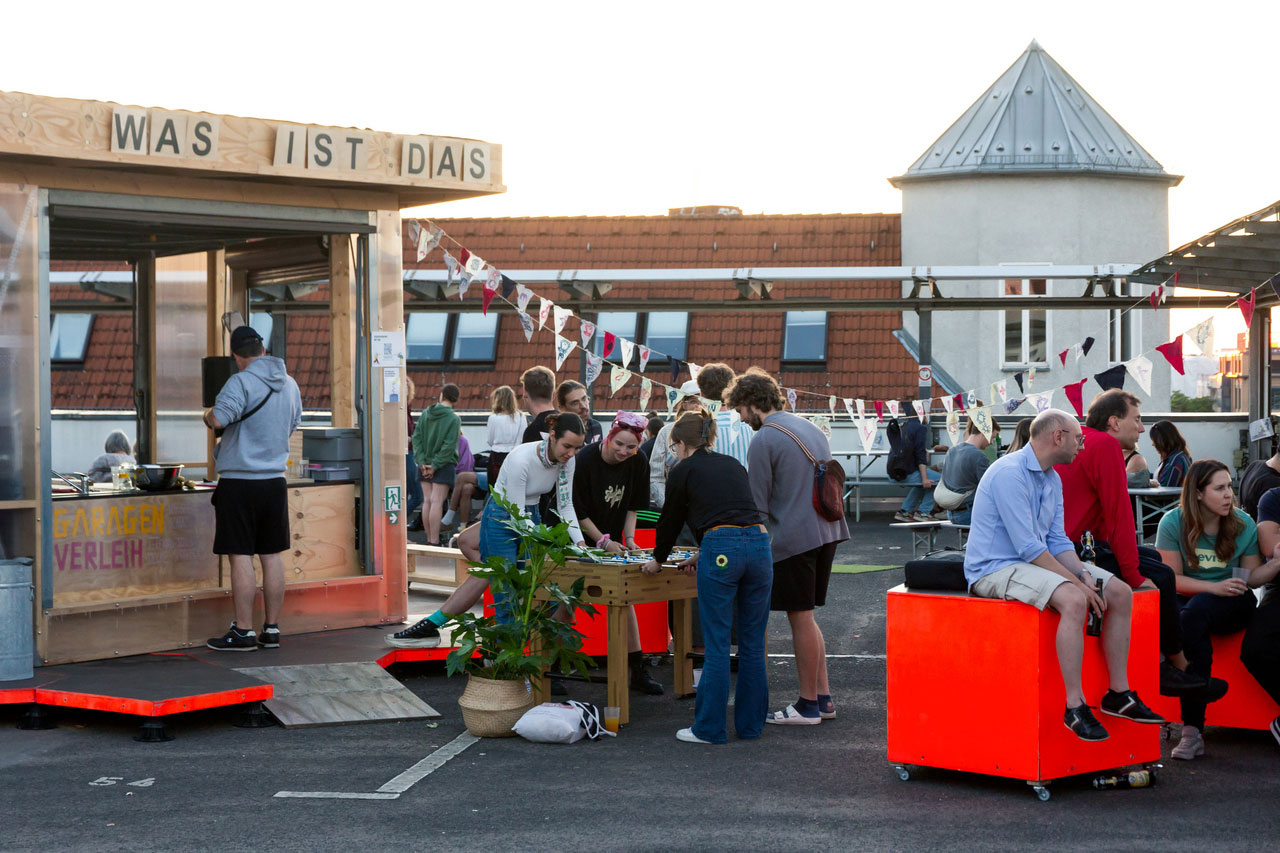
The “Kiosk of Solidarity” is a mobile, temporary structure in public space that addresses the contested fields of work, health and housing in Berlin. It makes visible marginalised groups – such as migrants, refugees, queer communities and people experiencing homelessness or addiction – and connects them with other initiatives. Launched in 2023 as a spin-off of TU Berlin’s research project Transforming Solidarities and operating autonomously since 2024 within Constructlab e.V., the kiosk functions as a community-oriented infrastructure supporting civil society. Since its launch, over 30 initiatives – including Gesundheitskollektiv Neukölln, Bündnis gemeinsam gegen Obdachlosigkeit, Fixpunkt and IG Habersaathstraße – have used the kiosk across the city to temporarily bring their solidarity practices into public space. The kiosk carries their knowledge and claims for a more solidaristic city into the urban fabric, serving as an open invitation to engage, contribute and challenge.
“Maison Commune” is a collective housing project created with its inhabitants and owned by a Société Civile Immobilière – a non-commercial company composed of partners who hold shares proportional to their contribution. Conceived by Paris-based architecture office Plan Común, the project transforms a small urban plot in Pantin into five apartments linked by generous collective spaces. Self-commissioned, the architects retained autonomy over brief, design and process, offering a model for future self-initiated housing. The fragile rear worker’s house was partially preserved, while the street- facing volume was replaced by a resilient three-storey concrete frame. This rational structure, built with prefabricated slabs and masonry, was completed with reclaimed bricks sourced from Belgium. Although four storeys were permitted, the team chose three, reducing the impact on neighbours and creating space for a shared rooftop greenhouse. The project balances private (336.7 m²) and collective (230.2 m²) areas, with communal spaces forming a continuous sequence across all levels. These foster encounters, rituals and a strong sense of community among tenants.
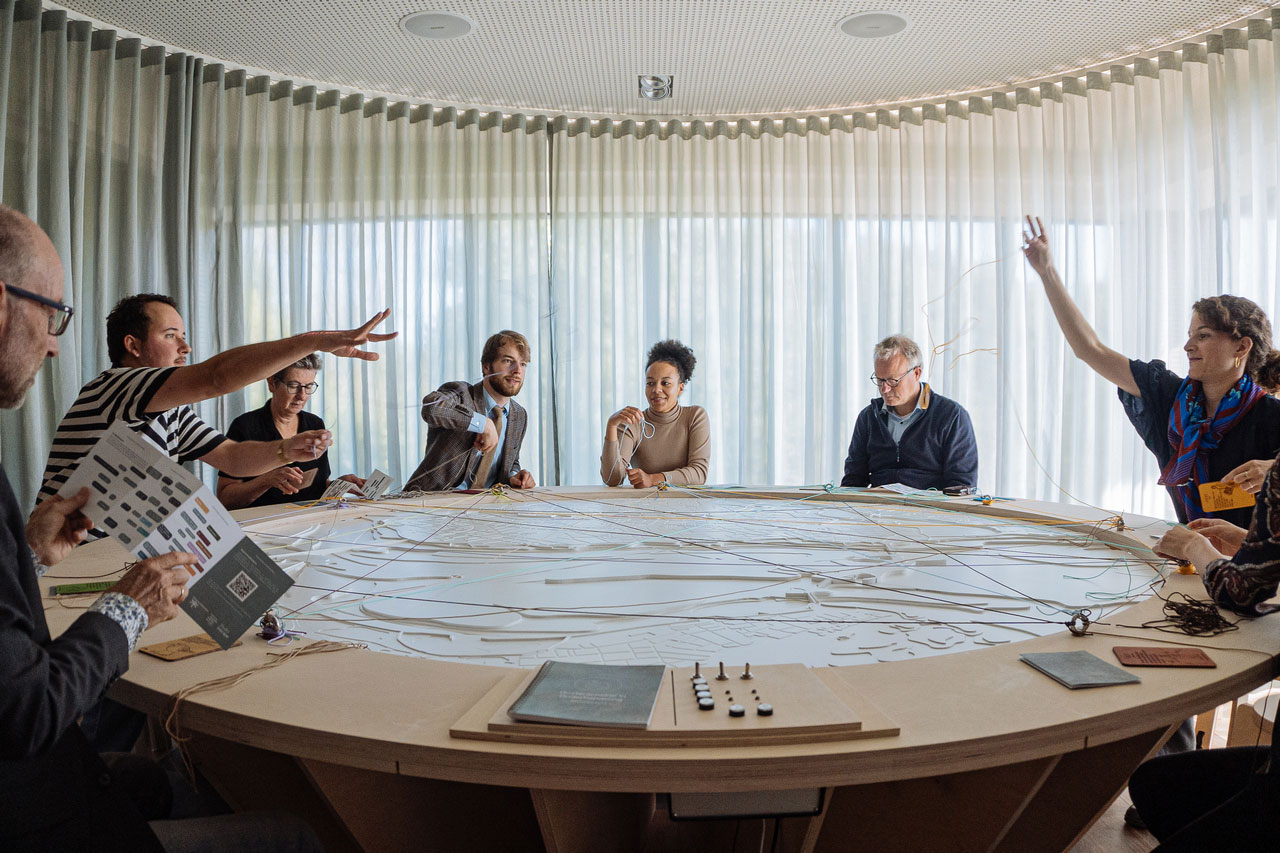
“The Blue Table” is an installation by the architecture firm Office ParkScheerbarth that reflects on the diverse perspectives shaping our built environment. Inspired by the planning of Haus Eins, a proposed high-rise within Berlin’s cooperative cultural village Holzmarkt 25, it functions both as a deconstructed model and a project diary – opening up questions of values, perceptions and psychogeographies in urban development. The circular, two-metre-wide table is populated by twelve stakeholders – abstract stand-ins for real individuals. Around them, one hundred site-specific buildings and objects form a landscape of distorted scales and proximities – a pretzel larger than a building, a disco ball looming overhead – illustrating the symbolic weight different actors attach to the same place. Attendees observe and discuss, moving through shifting viewpoints and translating the relationships they encounter into their own contexts. Rather than presenting a finished vision, “The Blue Table” shifts the focus from singular truth to relational understanding. By combining precise modelling with abstraction and playfulness, it offers an accessible platform that requires no prior knowledge. Visitors are invited to walk around, shift perspectives and encounter the tensions often hidden in planning processes.
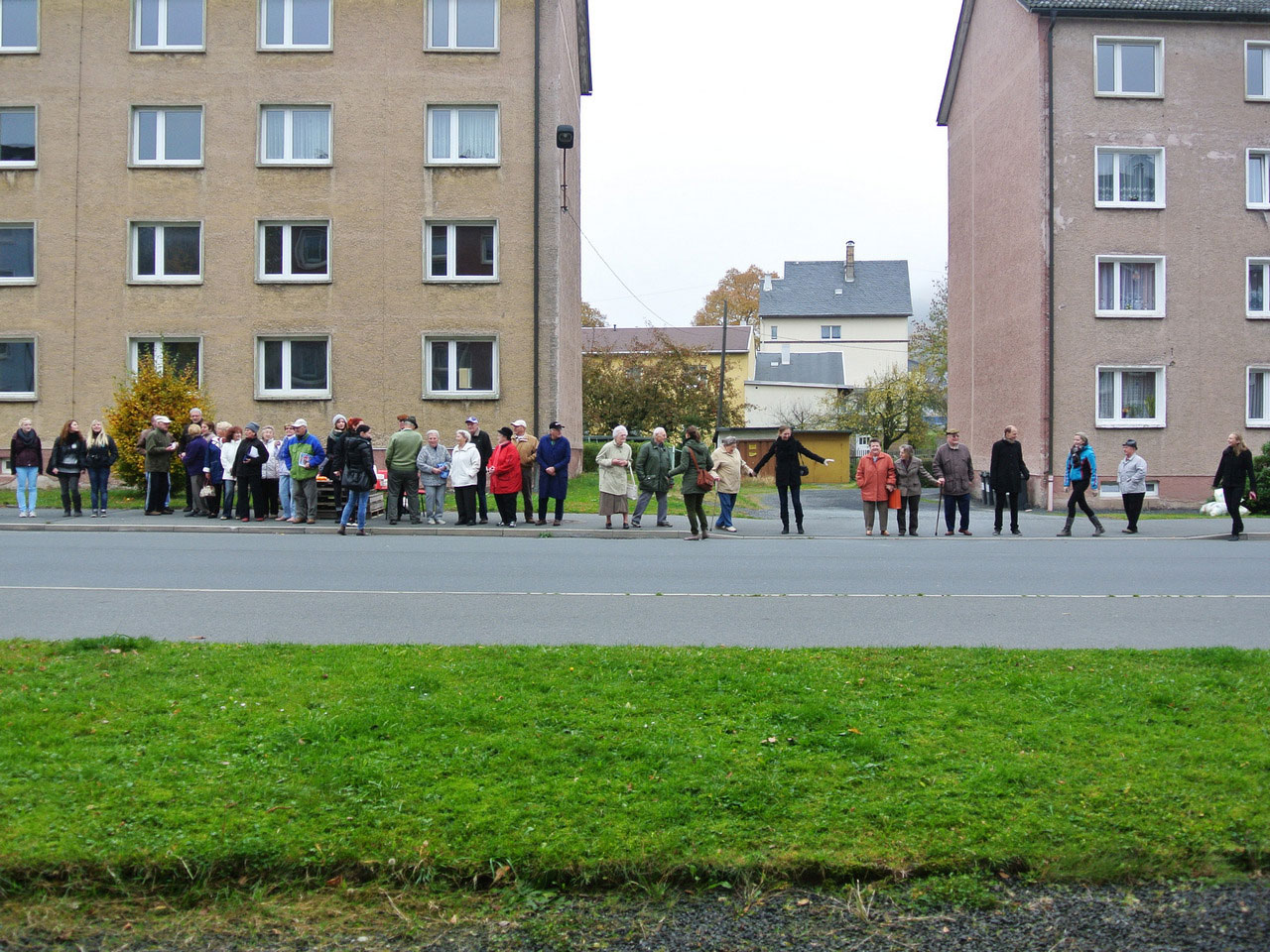
“Open Jazdów” is an association preserving the Jazdów settlement in central Warsaw. Built in 1945 with 96 Finnish wooden houses to support post-war reconstruction, 26 heritage-listed houses remain, surrounded by gardens, used for public housing, NGOs, informal groups and cultural, academic and ecological projects. In 2013, when the city planned to demolish the houses, Open Jazdów was founded by residents, NGOs and other groups. Cultural and public events raised awareness of the settlement’s heritage. After demolition plans were abandoned, a local partnership framework was created in 2015, uniting NGOs, residents and supporters. Participatory decision-making is central: meetings rotate among the houses, welcoming residents, volunteers and visitors to discuss maintenance, events, long-term planning and alternative self- governance. Notable projects include self-help groups, neighbourhood initiatives and ecological experiments such as soil regeneration or energy cooperatives. Temporary open calls invite diverse organisations to use the houses. The hybrid community of residents and cultural organisations is regarded as a living social experiment.
Photo: The Blue Table © Office ParkScheerbarth_Studio Eyecandy
Info: Curator: Aedes Team, Aedes Architecture Forum, Christinenstr. 18-19, Berlin, Germany, Duration: 13/12/2025-28/1/2026, Days & Hours: Tue-Wed & Fri 11:00-18:30, Thu 11:00-20:00, Sun-Mon 13:00-17:00, www.aedes-arc.de/