ART CITIES: Tokyo-Anti Action: Artist-Women’s Challenges and Responses in Postwar Japan
The exhibition “Anti-Action: Artist-Women’s Challenges and Responses in Postwar Japan” revisits the work of women artists active during the 1950s and 1960s. Using “anti-action” as a critical framework, it reassesses their experimental practices and resistance strategies, offering a renewed interpretation of Japanese modern and contemporary art history within a broader postwar cultural context and highlighting overlooked contributions and artistic narratives.
By Efi Michalarou
Photo: MOMAT Archive
During this albeit short period, artist-women received a great deal of attention for their work in the field of avant-garde art. This was underpinned by the international abstract art movement of Art Informel (“unformed art”), which flourished in the West and arrived in Japan via France, and criticism related to the trend. On reflection, however, Art Informel proved to be little more than a passing “whirlwind,” the formal concept of “Action Painting” was imported from the U.S., and artist-women were excluded as a subject of criticism.
Critics, the majority of whom were men, embraced the concept of “action” with its associations of boldness and force — qualities culturally coded as masculine. This resulted in a reassertion of traditional gender hierarchies. In analyzing this chain of events in her 2019 book “Anti-Action: Post-war Japanese Art and Women Artists”, Nakajima Izumi highlights the activities of women artists who reacted to the “action” era in other ways, and suggests “anti-action” as a term to describe this trend.
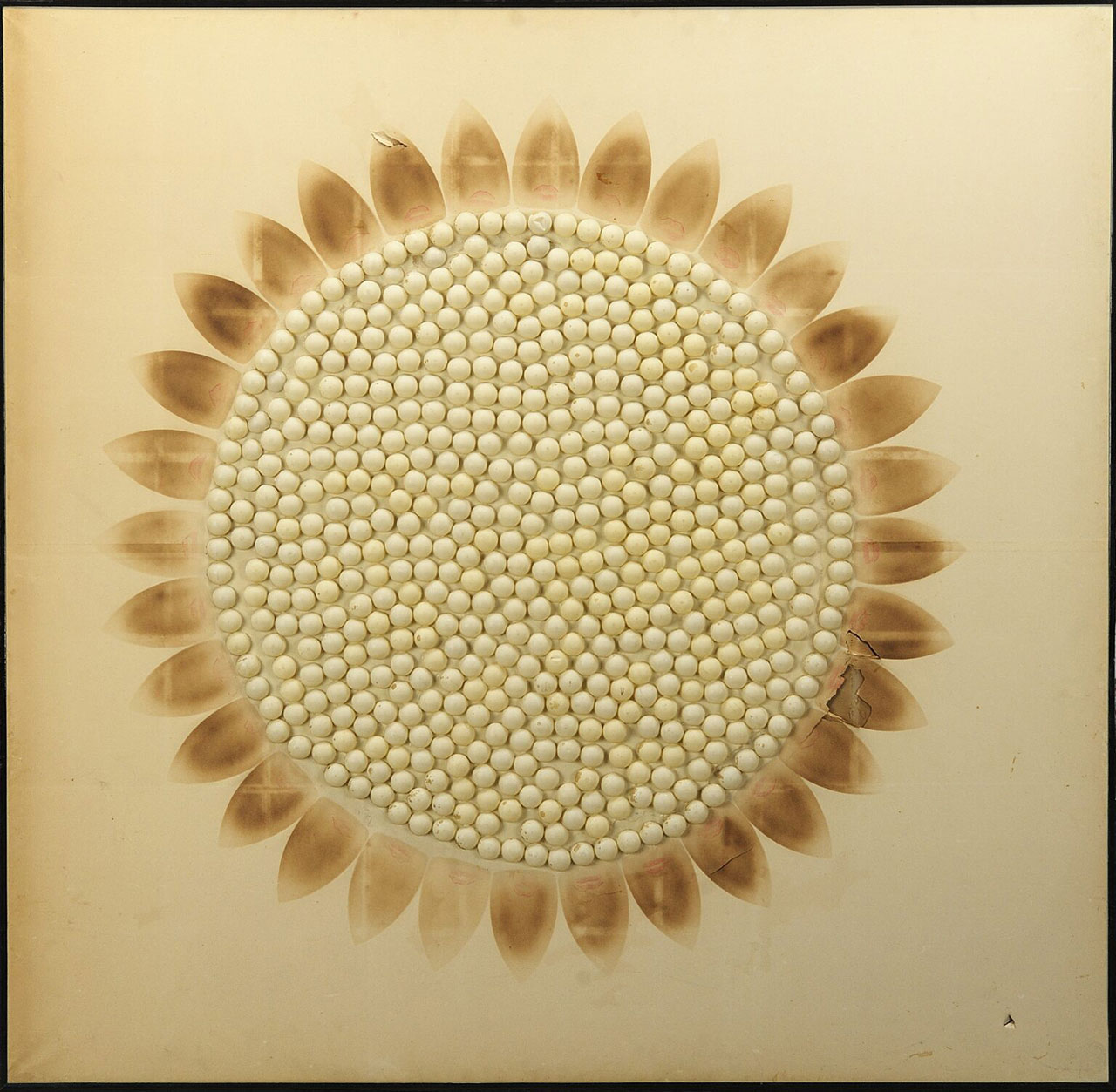
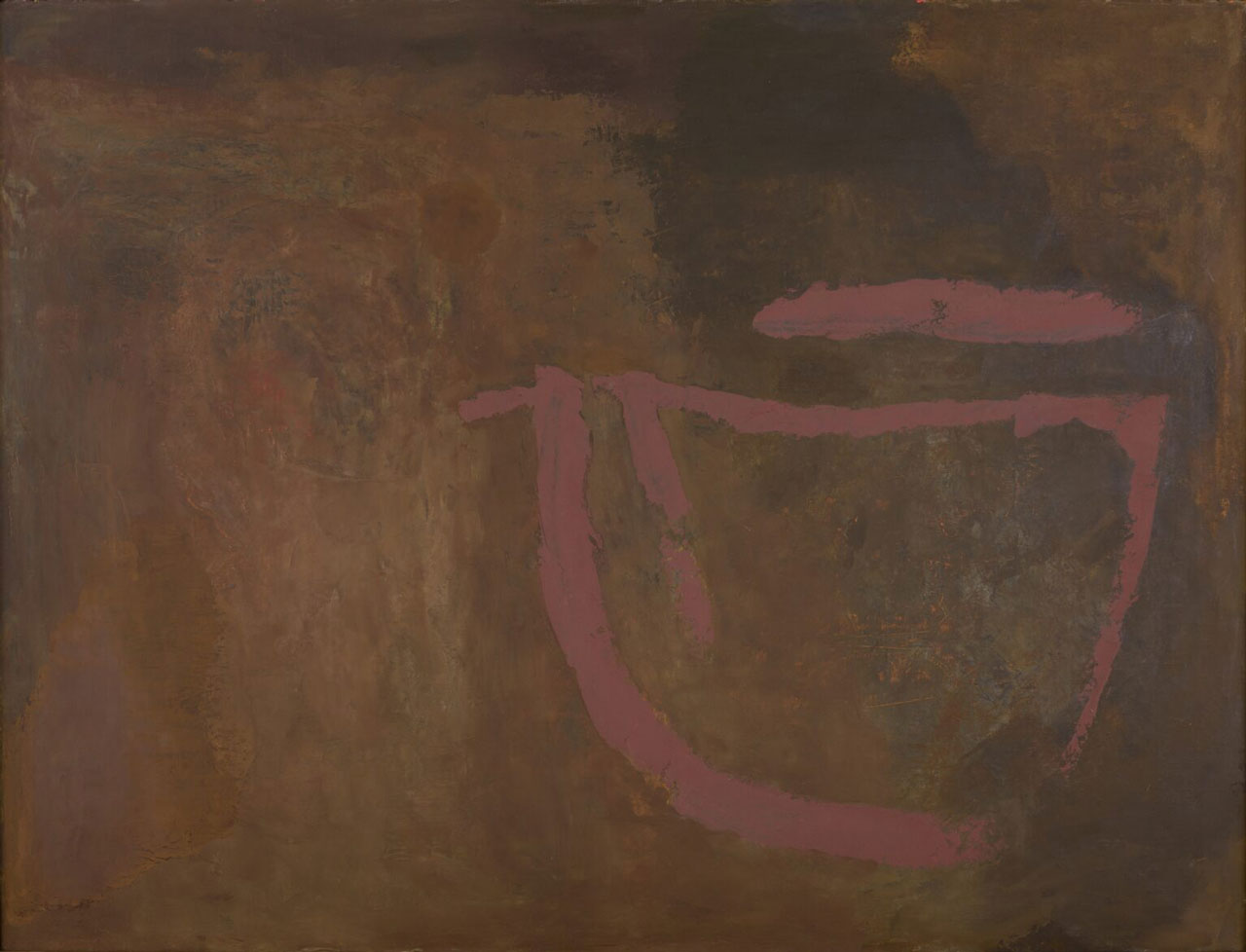
With anti-action as a starting point for reinterpreting art history from the perspective of gender studies, this exhibition introduces artists who were easily mysticized or alienated from the historical narrative. In addition to Kusama Yayoi, Tanaka Atsuko, and Fukushima Hideko, who are the central focus of Nakajima’s book, the exhibition presents some 120 works by a total of 14 artists, based on the body of prior research and surveys conducted for this exhibition. This exhibition will not only serve to disseminate recent scholarly developments in contemporary art history to a wider public, but also provide an occasion for viewers to reflect more deeply on how artworks and their critical reception are shaped, interpreted, and valued.
Akana Keiko (1924–1998) was a Japanese artist associated with postwar abstraction, developing a practice characterized by restraint, material awareness, and compositional balance. Her works often emphasize subtle surface variation and rhythmic structuring rather than overt gesture. Through a disciplined approach to form and color, Akana contributed to the broader discourse on abstraction in Japan during the postwar period, aligning modernist concerns with a sensitivity to quiet visual tension.
Akutagawa (Madokoro) Saori (1924–1966) was an avant-garde artist whose career, though brief, coincided with a formative moment in postwar Japanese experimental art. Her work engaged abstraction and embodied gesture, reflecting a strong interest in process and physical engagement with materials. Operating within a rapidly evolving artistic environment, she participated in redefining the role of the artist and the artwork during the 1950s and 1960s. Her contributions remain significant despite her early death.
Enomoto Kazuko’s (1930– ) work is marked by an emphasis on repetition, tactile surfaces, and nuanced chromatic modulation. Her abstract compositions often unfold through sustained, methodical processes that foreground time and accumulation. Drawing from both modernist abstraction and Japanese aesthetic traditions, Enomoto has maintained a consistent and introspective practice over several decades. Her work privileges quiet intensity over dramatic expression.
Emi Kinuko (1923–2015) worked primarily in painting and printmaking, developing expressive abstract compositions in the postwar period. Her works frequently juxtapose organic forms with underlying structural order, creating a dynamic tension between spontaneity and control. Emi’s practice reflects an engagement with emotional depth while remaining formally rigorous. She contributed to the expanding field of abstraction among women artists in mid-century Japan.
Yayoi Kusama (1929– ) is one of the most influential contemporary artists to emerge from postwar Japan, internationally recognized for her immersive installations and repetitive visual language. Her practice encompasses painting, sculpture, performance, film, and writing, unified by motifs such as polka dots, nets, and mirrored space. Kusama’s work explores themes of infinity, psychological trauma, and self-obliteration, often drawing directly from personal experience. Her sustained global impact has reshaped contemporary art across generations.
Shiraga Fujiko (1928–2015) was a central member of the Gutai Art Association, producing boldly colored abstract paintings distinguished by dynamic brushwork and physical immediacy. Her work emphasizes movement and material force while maintaining a strong sense of compositional structure. Unlike more extreme performative approaches within Gutai, Shiraga’s practice balanced gestural intensity with painterly control. She played a crucial role in establishing Gutai’s visual identity.
Tada Minami (1924–2014) pursued abstraction through an intellectual and measured engagement with form, structure, and spatial relationships. Her work reflects a commitment to clarity and compositional logic rather than expressive excess. Operating within the context of postwar Japanese modernism, she contributed to the development of a refined abstract language. Her practice demonstrates the analytical dimension of abstraction during this period.
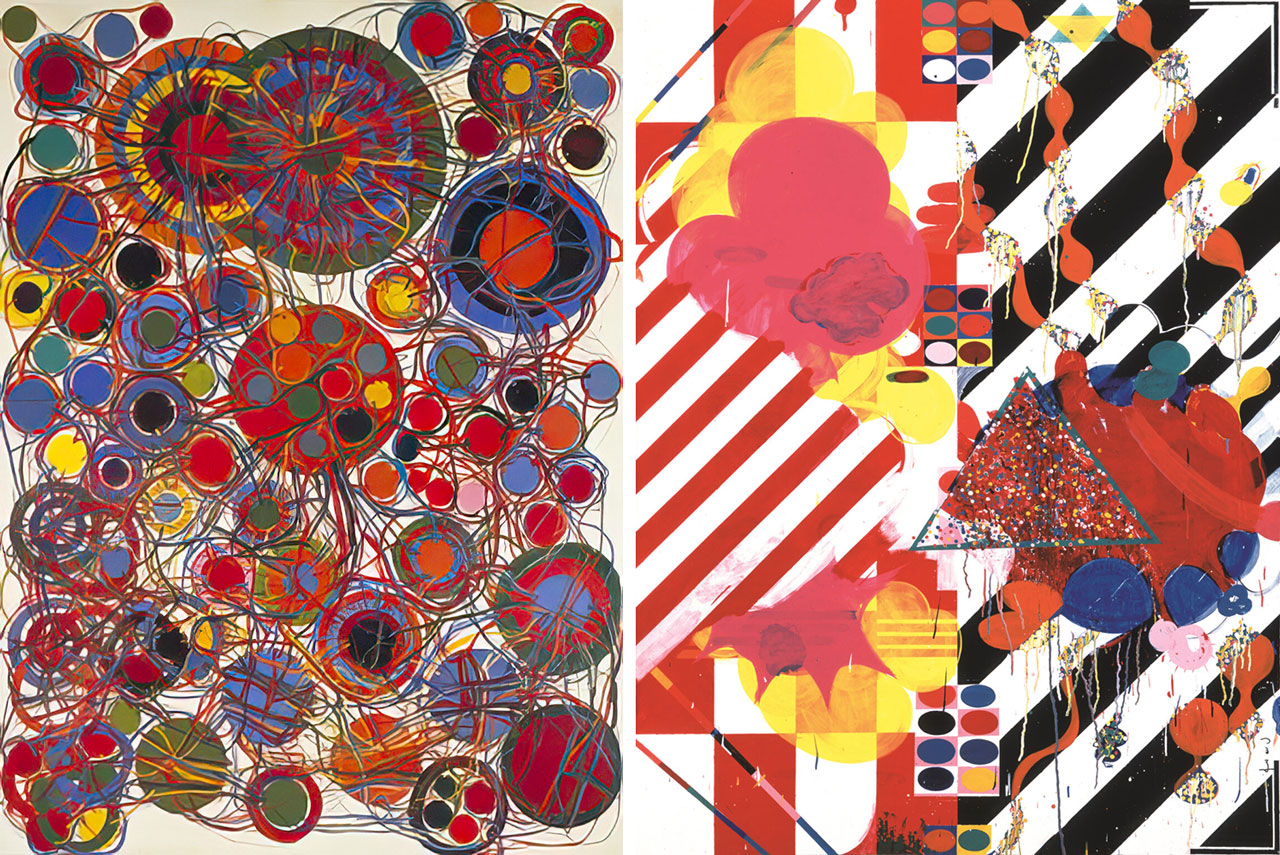
Tanaka Atsuko (1932–2005) was a leading figure in the Gutai Art Association and a pioneer of interdisciplinary art in Japan. She is best known for “Electric Dress” (1956), a groundbreaking work that combined performance, sculpture, and electrical technology. Tanaka’s practice consistently challenged the boundaries between body, object, and environment. Her work anticipated later developments in media art and remains influential internationally.
Tanaka Tazuko (1913–2015) sustained a long career dedicated to abstract painting, marked by precision, chromatic luminosity, and formal coherence. Her compositions often employ geometric structures and carefully modulated color relationships. Tanaka’s work reflects a deep engagement with perception and visual order, evolving steadily over decades. She represents a rigorous modernist trajectory within Japanese abstraction.
Tabe Mitsuko (1933–2024) developed a practice characterized by delicate surfaces, layered processes, and restrained tonal variation. Her work often conveys a sense of stillness and temporal depth, achieved through repeated application and erasure. Tabe’s abstraction privileges subtlety and material sensitivity over dramatic gesture. Her sustained inquiry into surface and time aligns her with meditative strands of postwar abstraction.
Fukushima Hideko (1927–1997) was an abstract painter known for powerful gestural marks and calligraphic energy. Her paintings convey movement and psychological intensity through dynamic brushwork and dense compositions. Fukushima’s work bridges abstraction and the expressive potential of calligraphy, reflecting both modernist and traditional influences. She remains a key figure in expressive postwar Japanese painting.
Miyawaki Aiko (1929–2014) was a sculptor associated with Mono-ha, recognized for minimalist installations using steel and natural materials. Her works often consist of slender metal elements arranged to emphasize balance, gravity, and spatial tension. Miyawaki’s practice foregrounds the quiet presence of materials and their relationship to surrounding space. She played an important role in shaping sculptural approaches within Mono-ha.
Mōri Mami (1926–2022) worked primarily in abstraction, producing compositions that emphasize texture, rhythm, and material layering. Her practice reflects the experimental climate of postwar Japanese art while maintaining a distinctly personal and introspective sensibility. Mōri’s works often suggest movement through repeated forms and surface variation. She contributed to the diversification of abstract expression among women artists of her generation.
Yamazaki Tsuruko (1925–2019) was a founding member of the Gutai Art Association and an early innovator in installation and performance-based practices. Her work employed unconventional materials, industrial processes, and spatial interventions to challenge traditional definitions of painting and sculpture. Yamazaki consistently explored the relationship between artwork, environment, and viewer. Her contributions were instrumental in expanding the scope of avant-garde art in postwar Japan.
Works by: Akana Keiko, Akutagawa (Madokoro) Saori, Enomoto Kazuko, Emi Kinuko, Yayoi Kusama Yayoi, Shiraga Fujiko, Tada Minami, Tanaka Atsuko, Tanaka Tazuko, Tabe Mitsuko, Fukushima Hideko, Miyawaki Aiko, Mōri Mami, Yamazaki Tsuruko
Photo left: Tanaka Atsuko, Gate of Hell, 1965-69, Vinyl paint, acrylic on canvas, 331.5×245.5 cm, The National Museum of Art, Osaka, ©Kanayama Akira and Tanaka Atsuko Association. Photo right: Yamazaki Tsuruko, Work, 1964, Vinyl paint on cotton cloth and board, 183.0×137.5 cm, Ashiya City Museum of Art & History, ©Estate of Tsuruko Yamazaki courtesy of LADS Gallery, Osaka and Take Ninagawa, Tokyo
Info: MOMAT (The National Museum of Modern Art, Tokyo), 3-1 Kitanomaru-koen, Chiyoda-ku, Tokyo, Japan, Duration: 6/12/2025-8/2/2026, Days & Hours: Tue-Thu & Sun 10:00-17:00, Fri-Sat 10:00-20:00, www.momat.go.jp/
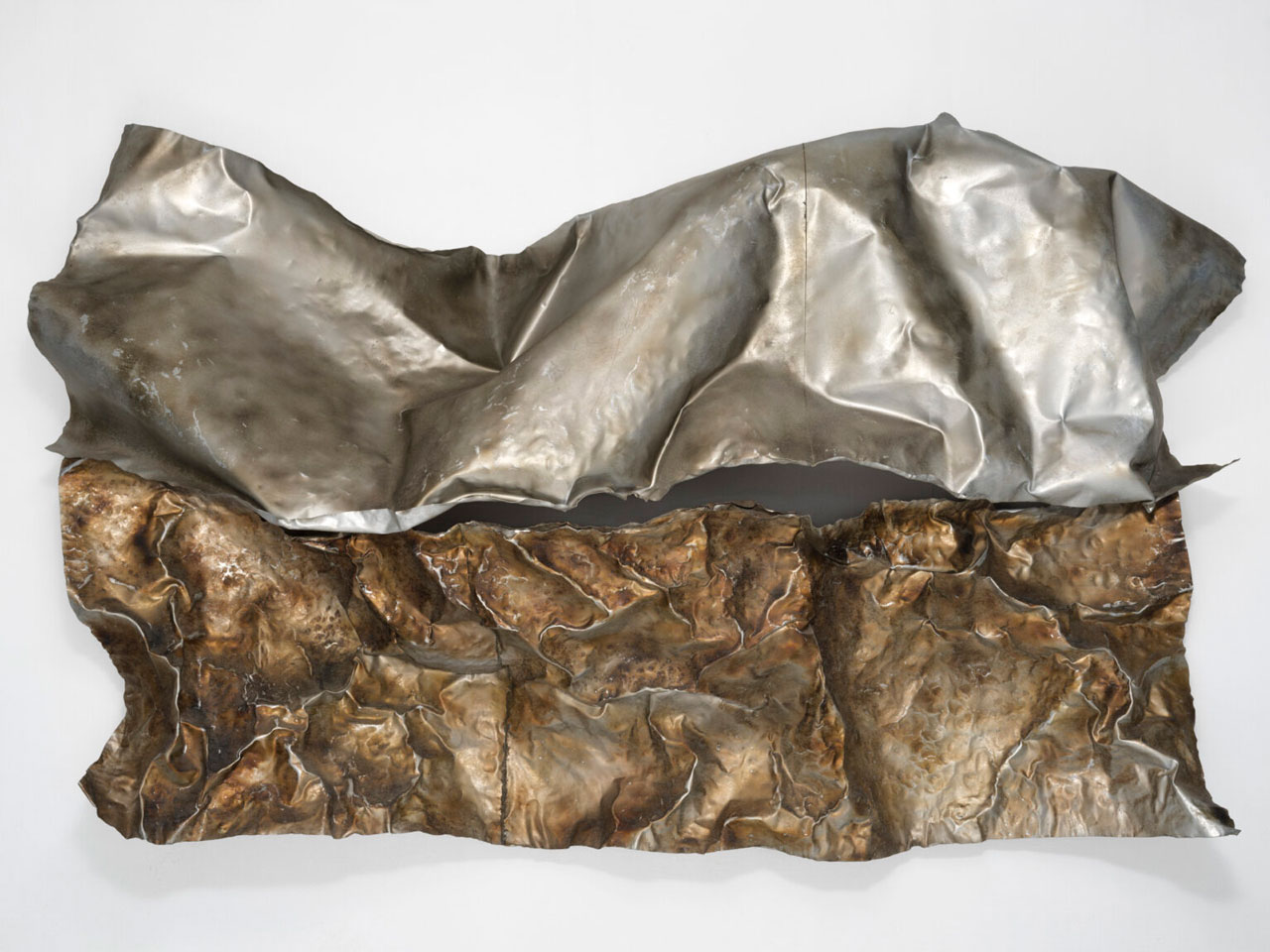
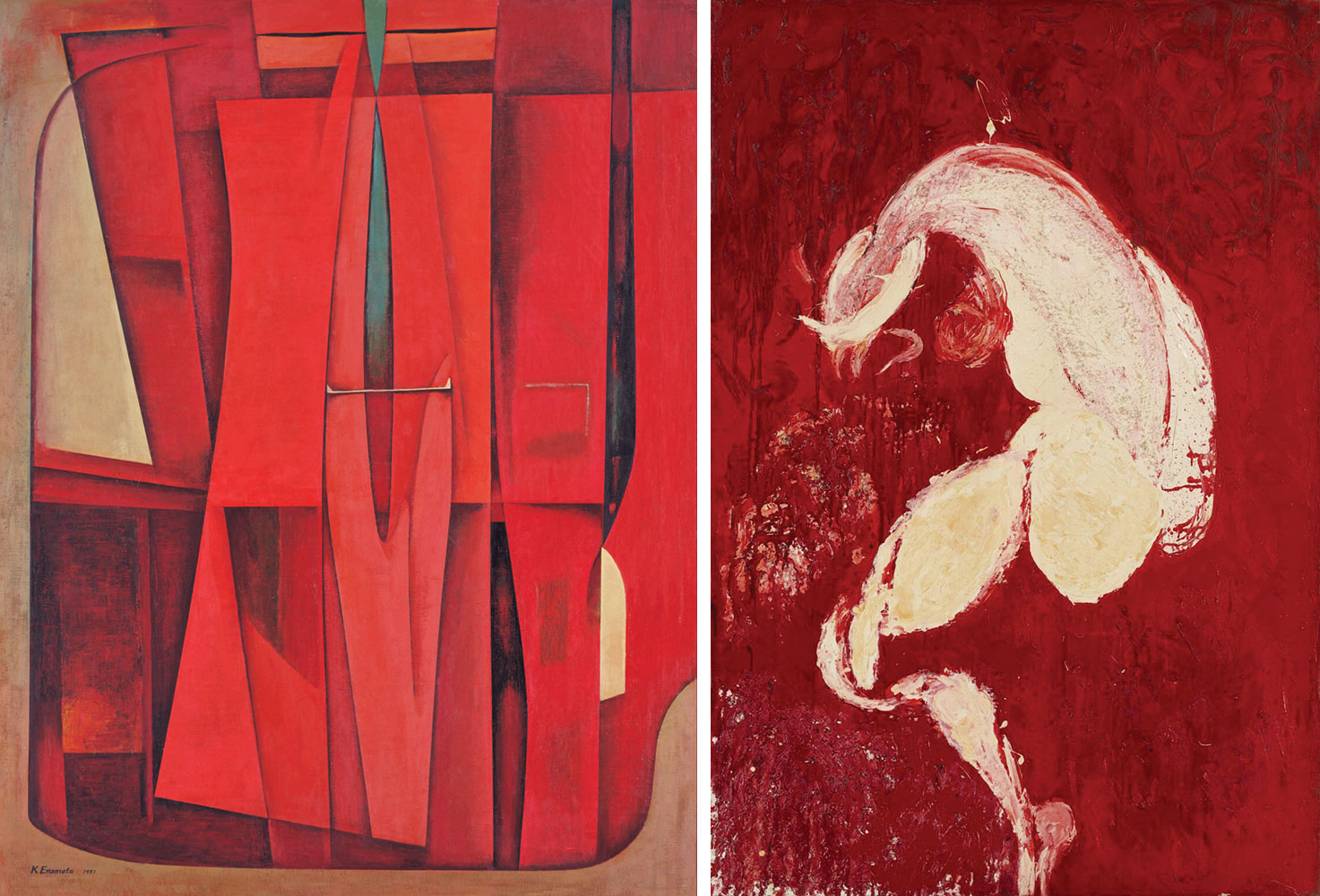
Right: Mori Mami, Nude (B), 1957, Oil on canvas, 130.0×89.0 cm, The National Museum of Modern Art, Tokyo
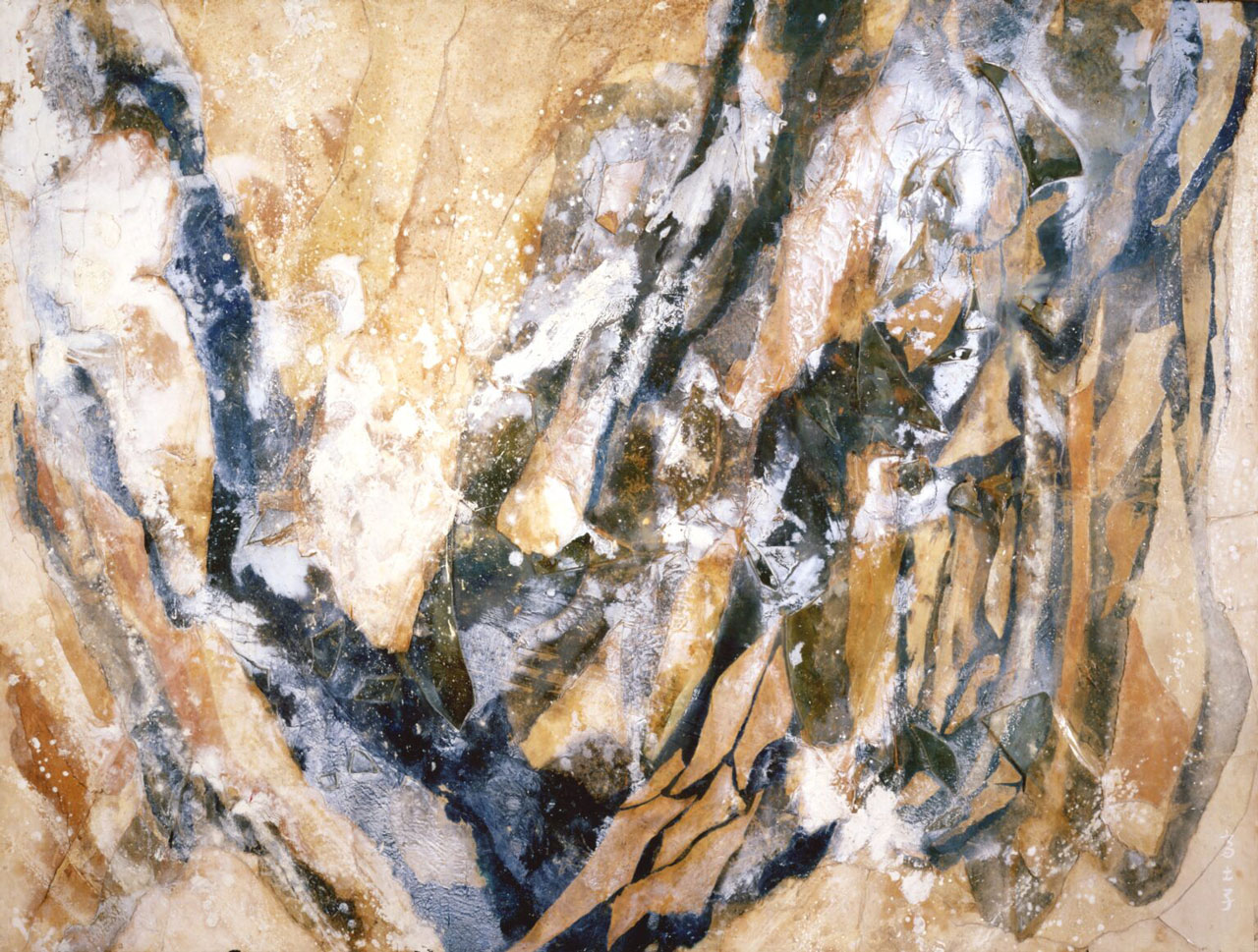
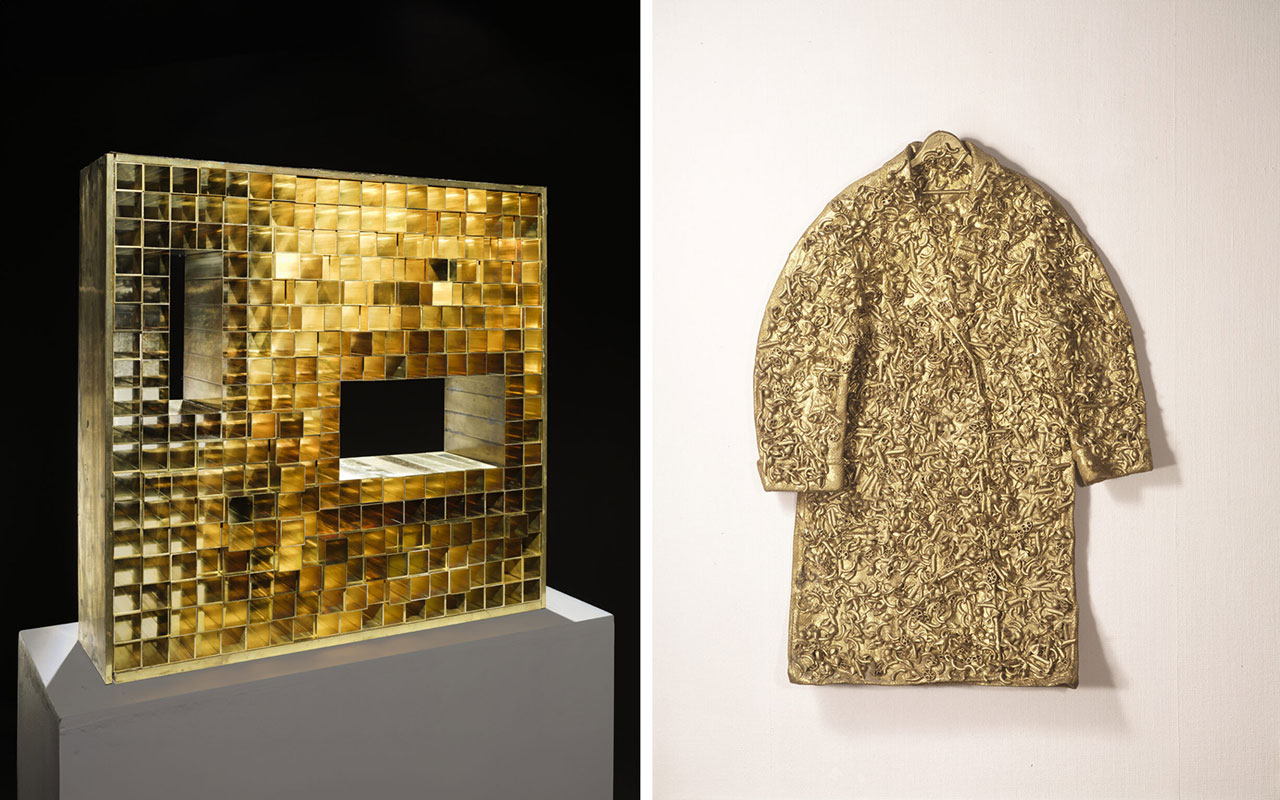
Right: Kusama Yayoi, Macaroni Coat, 1963, Mixed media, 118.5×80.3×12.0 cm, Itabashi Art Museum, ©YAYOI KUSAMA
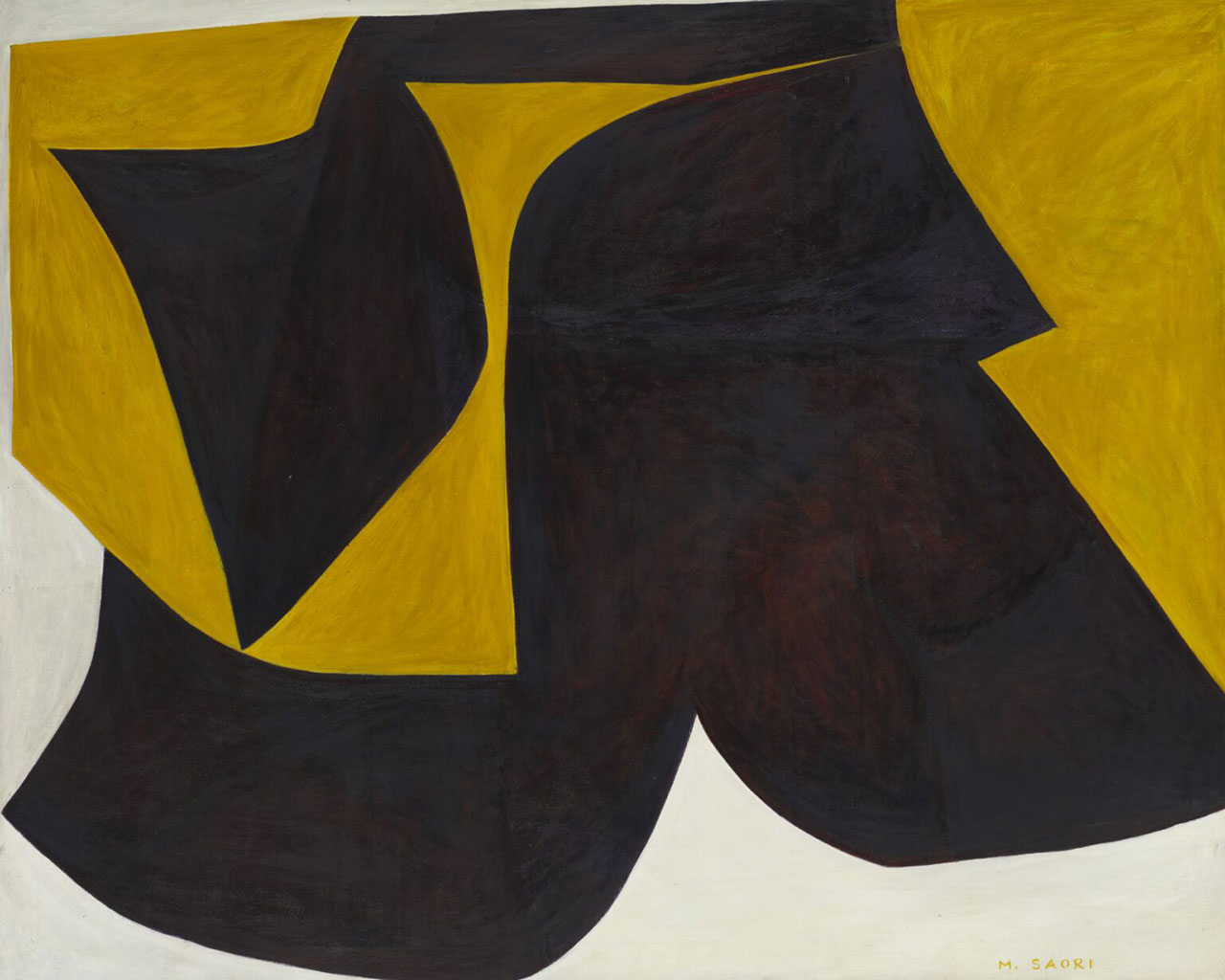
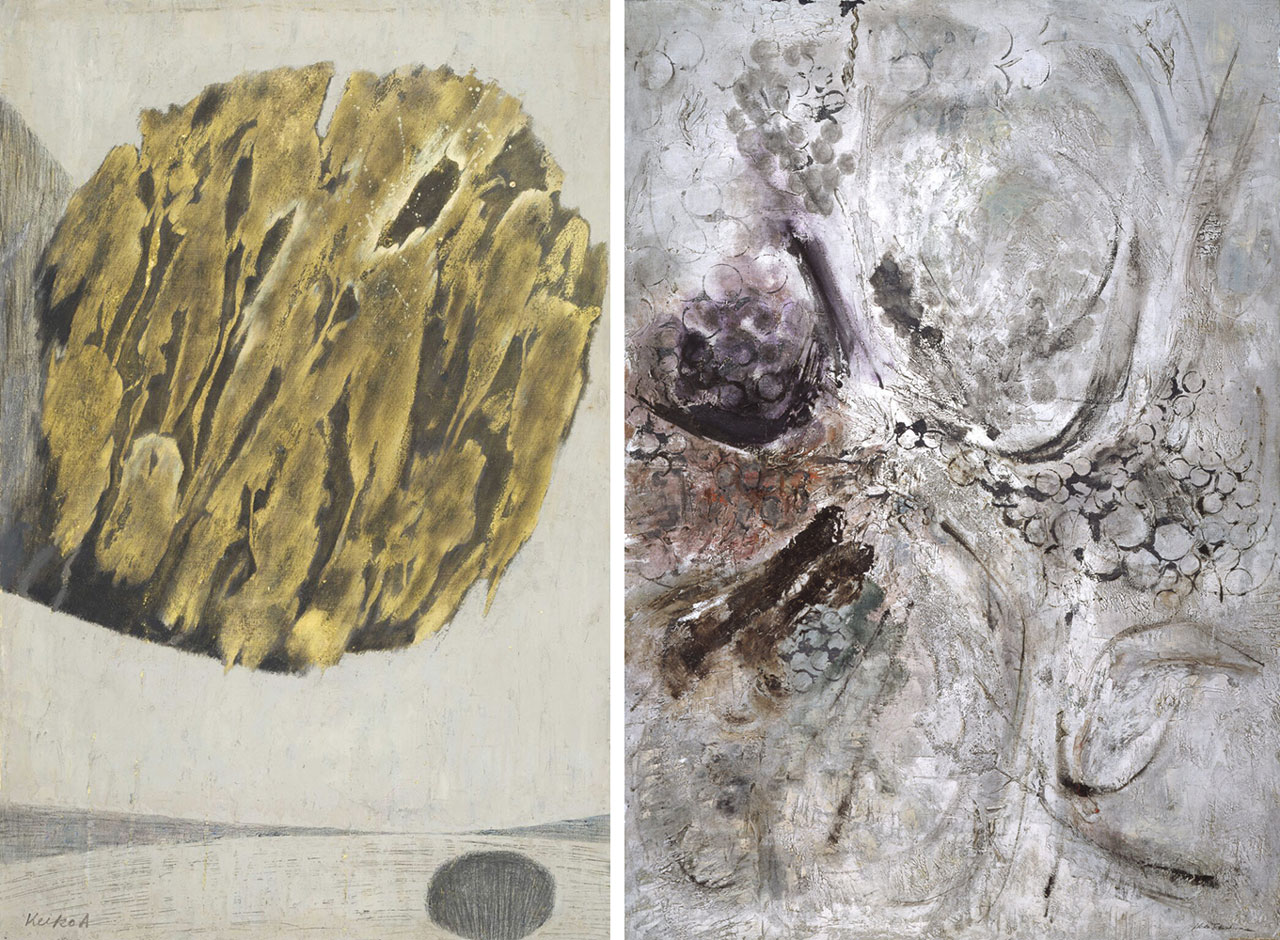
Right: Fukushima Hideko, White Noise, 1959, Oil on canvas, 130.5×92.0 cm, Tochigi Prefectural Museum of Fine Arts