BOOK: Sick Architecture, MIT Press

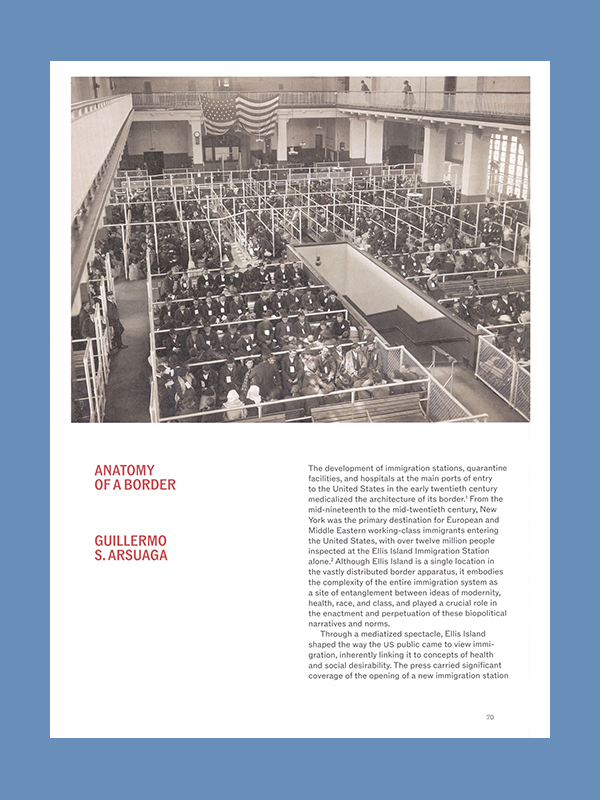
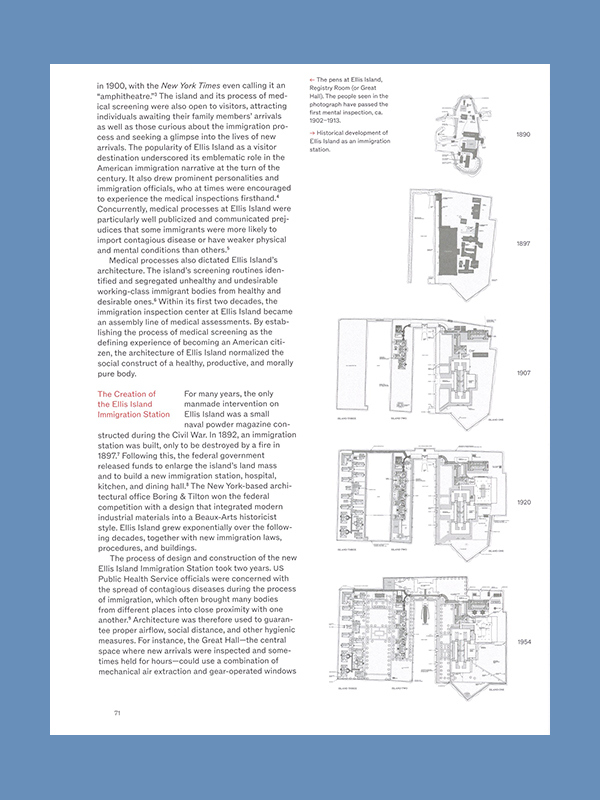
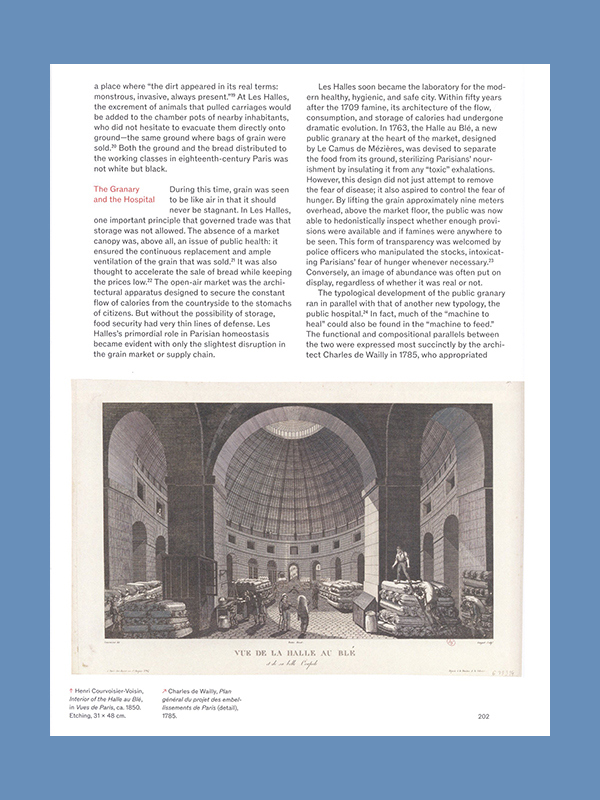
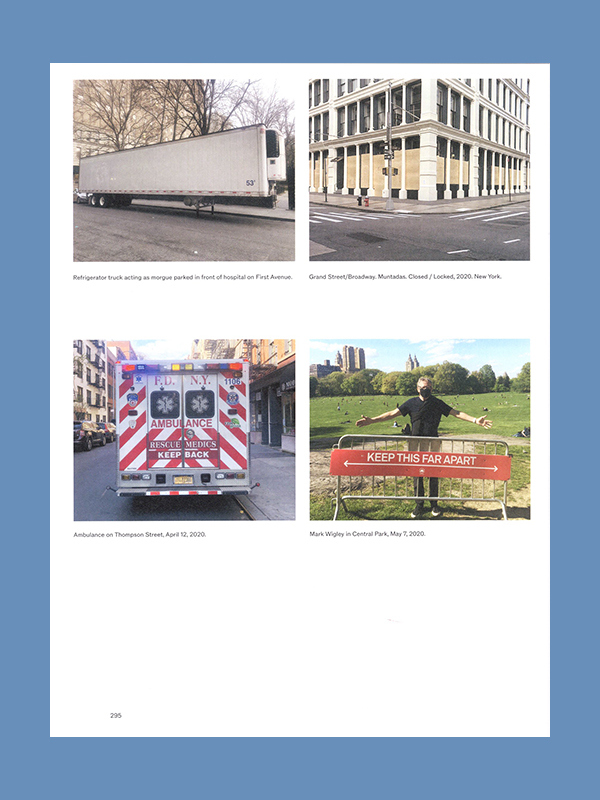
“Sick Architecture” is a challenging and timely collection that reframes architecture as both a symptom and a mechanism of broader social, political, and environmental dysfunction. Emerging from years of collaborative research, the volume argues that sickness is not confined to moments of crisis but embedded in the “normal” operations of the built environment. Editor Beatriz Colomina’s central claim—that architecture routinely produces and manages disease rather than merely responding to it—sets a provocative and coherent agenda.
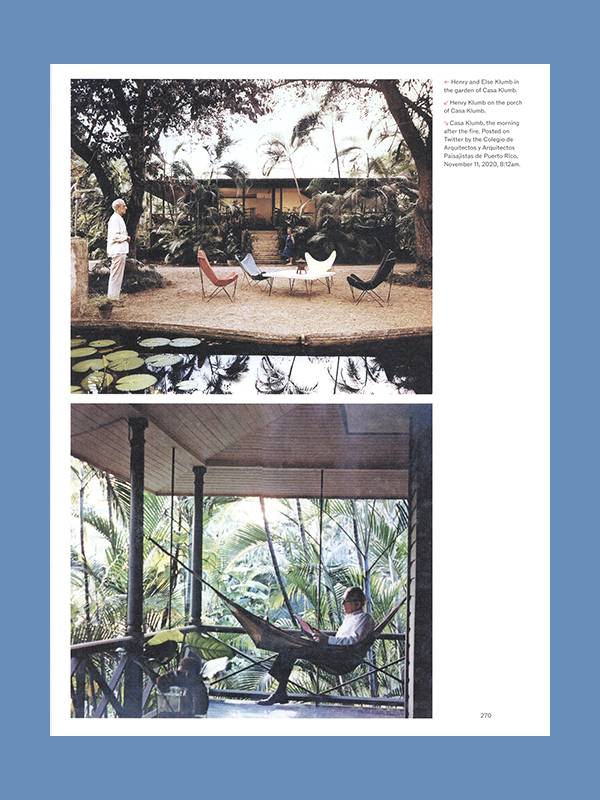
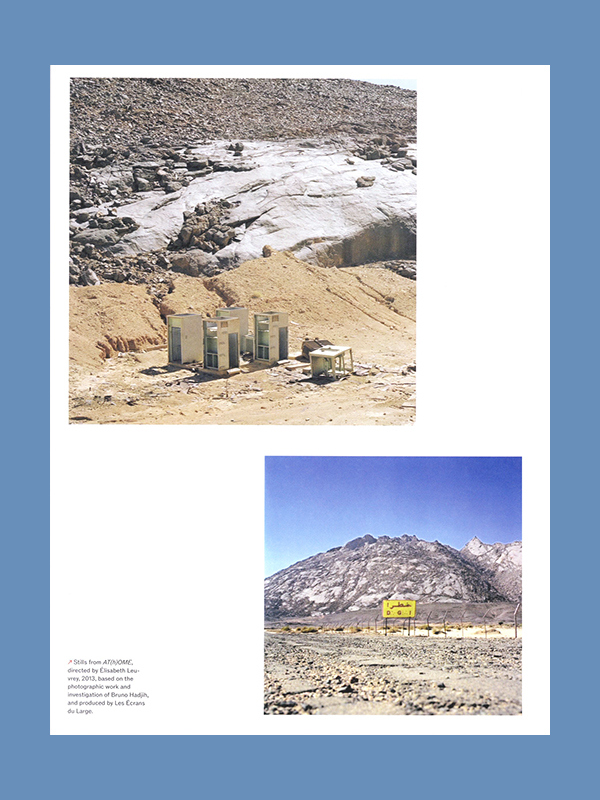
Organized around the themes of Borders, Bodies, Atmospheres, and Landscapes, the essays reveal how architecture has long mediated inequality, exploitation, and environmental harm. Case studies such as the Panama Canal and France’s nuclear testing infrastructure in Algeria demonstrate how disease and toxicity are structurally encoded through labor systems, housing, and infrastructure, often with consequences that persist across generations. Other contributions extend the notion of sickness beyond clinical definitions, examining how architecture incubates cultural and behavioral pathologies, including gendered and domestic norms.
While the collection is intellectually rich, its emphasis on Western and colonial histories limits engagement with Indigenous frameworks of health and land. Moreover, the essays prioritize diagnosis over prescription, offering little in the way of solutions. Yet this restraint also underscores the book’s seriousness: it insists on rigorous historical and theoretical excavation before any claims of repair.
Overall, “Sick Architecture” is a powerful act of disciplinary self-critique. It challenges architects and scholars to confront the uncomfortable reality that the built environment is deeply implicated in the conditions it claims to heal.-Dimitris Lempesis