PRESENTATION: Resistance. The Power of the Image
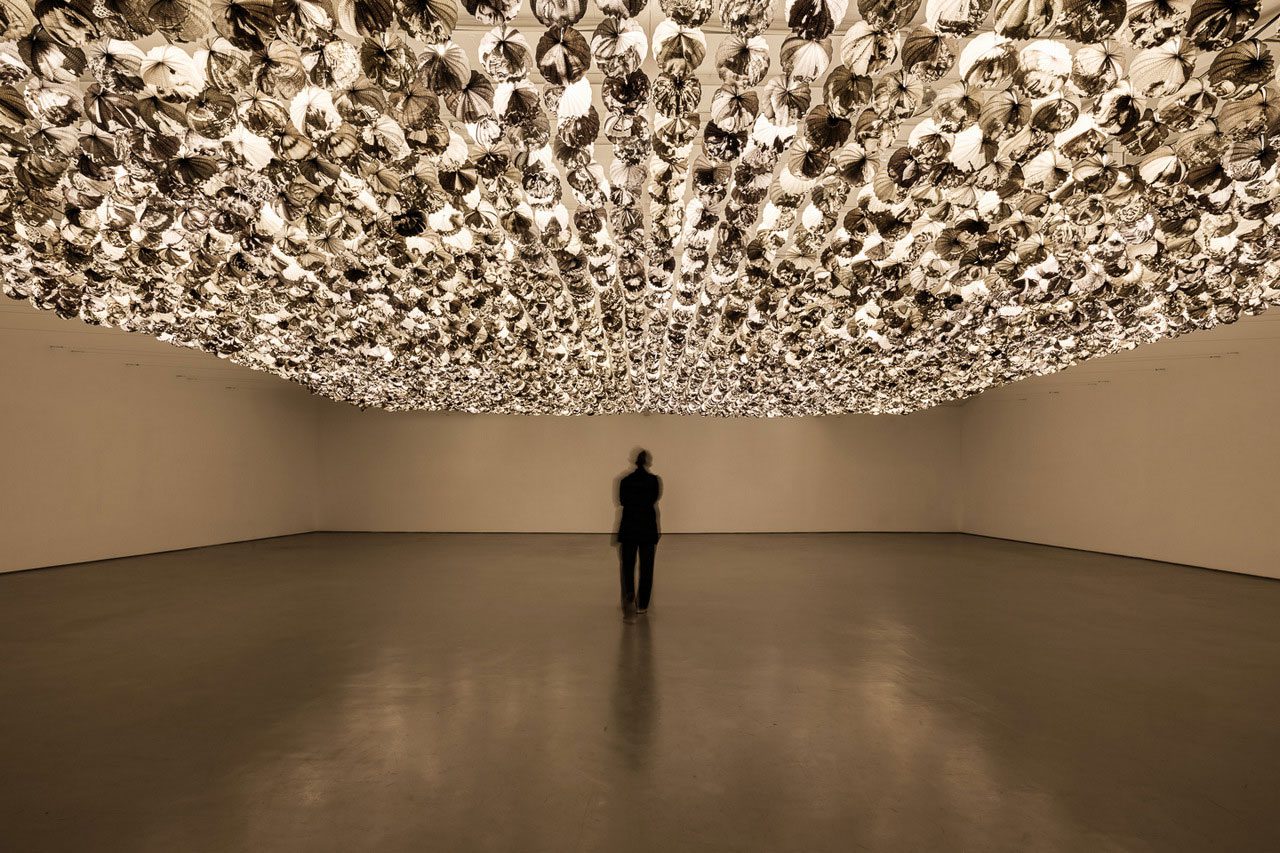
Presented as part of EUROPALIA ESPAÑA, the group exhibition “Resistance. The Power of the Image” traces a bold and complex lineage: how artists from Spain, from the outbreak of the Civil War (1936–1939) to the present day, have mobilized images as tools of protest, denunciation, and collective awakening. The exhibition consists of two parts: the presentation on the upper floors of the museum, and a film section on the ground floor that delves deeper into its themes.
By Dimitris LEmpesis
Photo: S.M.A.K. Archive
To consider the political agency of images—their production, circulation, blind spots, and revelations—is to interrogate the ways in which visual culture shapes, distorts, or contests reality. Every image carries a regime of truth or falsehood, an ethical stance, even a latent strategy. If images can operate as mechanisms of control, they can also become instruments of resistance.
A defining moment in this trajectory remains the Spanish Pavilion at the 1937 World Exhibition in Paris, a rallying point for international solidarity in the face of Civil War atrocities. Picasso’s “Guernica”, created specifically for the pavilion, rapidly became an emblem of resistance and an enduring testament to art’s capacity to translate horror into political urgency. Yet “Guernica” was only one voice among many: other artists also recognized the galvanizing potential of visual culture, experimenting with forms capable of mobilizing both emotion and action.
The war’s aftermath, defined by fascist victory, forced a generation of Spanish intellectuals and artists into exile. Among them was the philosopher María Zambrano, who developed the concept of poetic reason—a mode of thinking that transcends the rationalist strictures of modernity by insisting on sensitivity and perception as ethical foundations. For Zambrano, aesthetics was not a passive realm but a form of knowledge, a means of learning to “see” before acting. Art, she argued, is not only that which is looked at, but that which allows us to look differently.
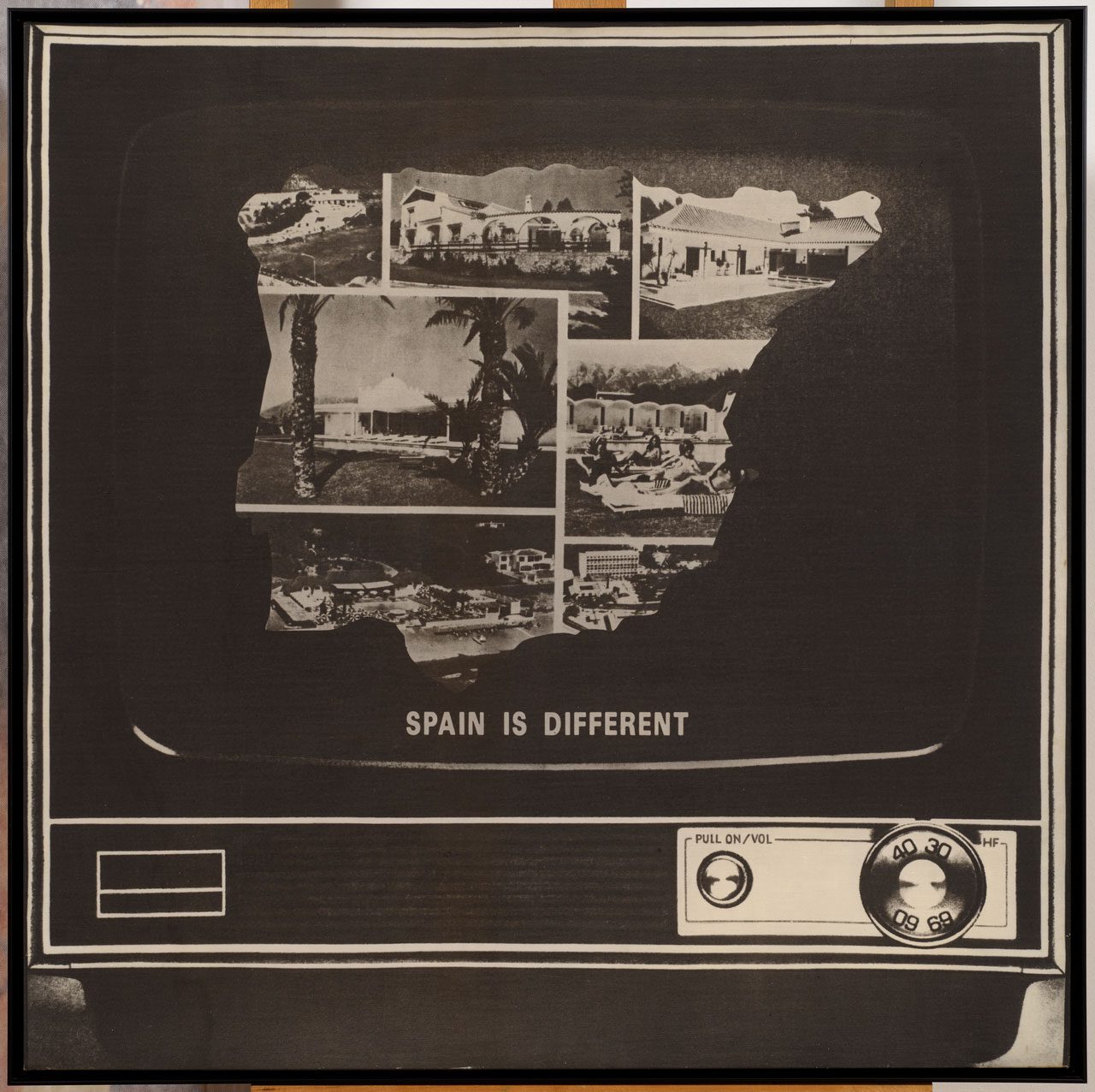
Picking up this thread, “Resistance. The Power of the Image” centers on two critical moments in Spain’s democratization, when artistic practice became inseparable from political resistance. The first spans the final years of Franco’s dictatorship and the turbulent yet often mythologized transition to democracy in the 1970s. The second speaks directly to the past decade, marked by mass mobilizations—most notably the Indignados—against financial abuses, state corruption, gender violence, and the erosion of democratic rights. Though shaped by new technologies and contemporary conditions, these movements echo earlier visual strategies, repeating the desire for a more egalitarian and inclusive society.
Artistic practices born in struggle did not disappear with the arrival of democracy; they persisted as subterranean forces. Today, they re-emerge with renewed urgency, intersecting with the perspectives of younger generations confronting the historical silences and unresolved traumas that still permeate Spanish society. In this sense, the exhibition becomes both a repository of memory and a catalyst for political imagination.
Philosopher Gilles Deleuze famously observed: “Every act of resistance is not a work of art, even though, in a certain way, it is. Every work of art is not an act of resistance, and yet, in some ways, it is.” The artists featured in this exhibition—and the frictions, urgencies, and energies embedded in their processes—embody this paradox. Their works do not merely communicate; they provoke. They activate. They resist.
Ultimately, the exhibition asks viewers to confront the unresolved tensions of Europe’s shared histories: How do we visualize wounds that remain open? What meanings do they carry? How do past violences continue to mark bodies, landscapes, and social relations? And perhaps most importantly, how can we imagine futures that acknowledge these histories without being bound by them?
In bringing together these artists and their images, “Resistance. The Power of the Image” invites us not only to look back, but to look forward—through the lens of art as a site of vigilance, memory, and possibility.
Participating artists: Carlos Aires, Xavier Arenós, Pilar Aymerich, Alán Carrasco, Colita, Lúa Coderch, Eli Cortiñas, Daniel G. Andujar, Ana García-Pineda, Eulàlia Grau, Núria Güell, Agustín Ibarrola, José Ortega, Joan Rabascall, Josep Renau, María Ruido, Avelino Sala, Fernando Sánchez Castillo, Diego del Pozo Barriuso, Darío Villalba
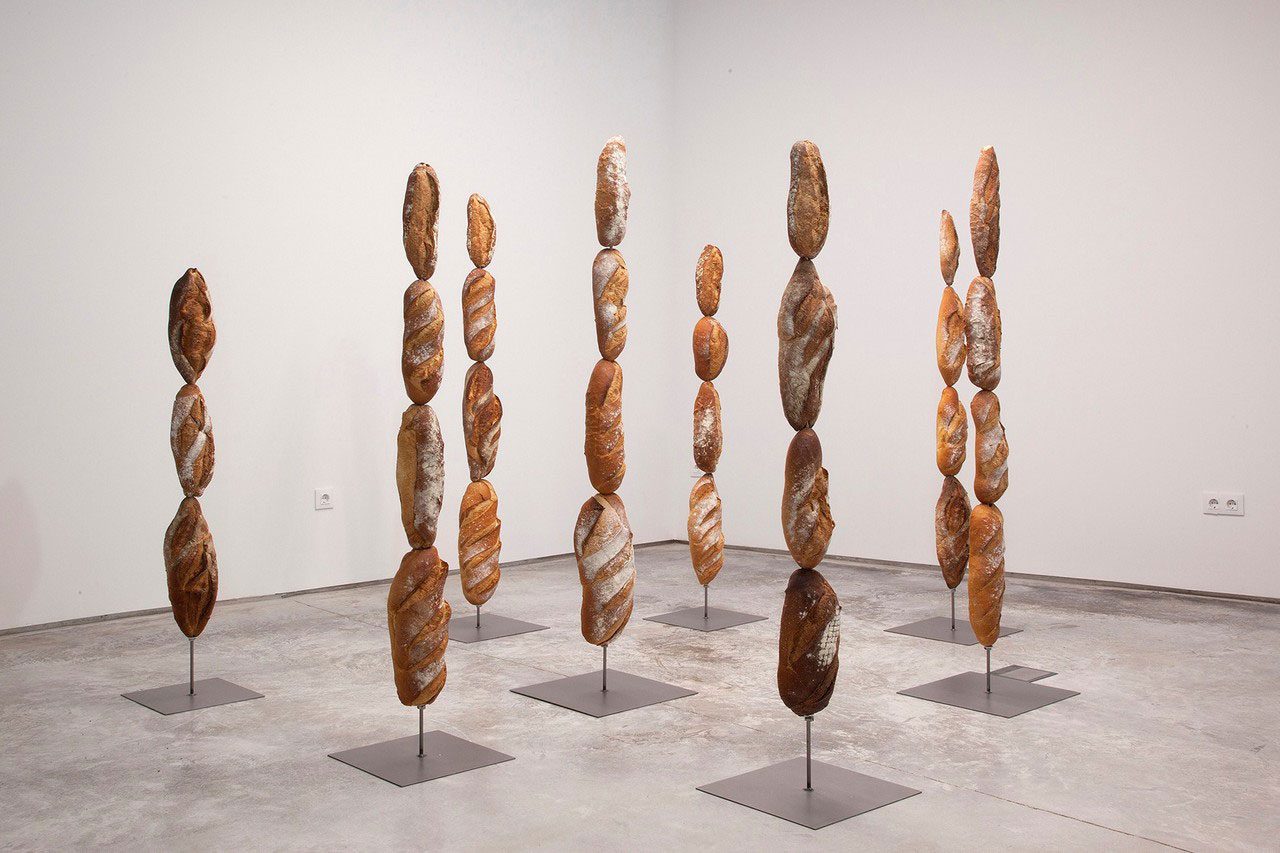
Photo: Carlos Aires, BLIND, 2025. Installation view Sabrina Amrani’s Gallery, Madrid, 2025. Courtesy of Sabrina Amrani gallery & Carlos Aires Studio. © Juan Carlos Quindós, SABAM Belgium 2025
Info: Curators: Marta Ramos-Yzquierdo and Sam Steverlynck, S.M.A.K., Jan Hoetplein 1, Ghent, Belgium, Duration: 29/11/20258/3/2026, Days & Hours: Tue-Fri 9:30-17:30, Sat-Sun 10:0018:00, https://smak.be/en
![Ana García-Pineda, Film still ‘La Curva del Olvido [The curve of Forgetting]’, 2013.](http://www.dreamideamachine.com/web/wp-content/uploads/2025/12/00_Ana-Garcia-Pineda-La-Curva-del-Olvido-500.jpg)
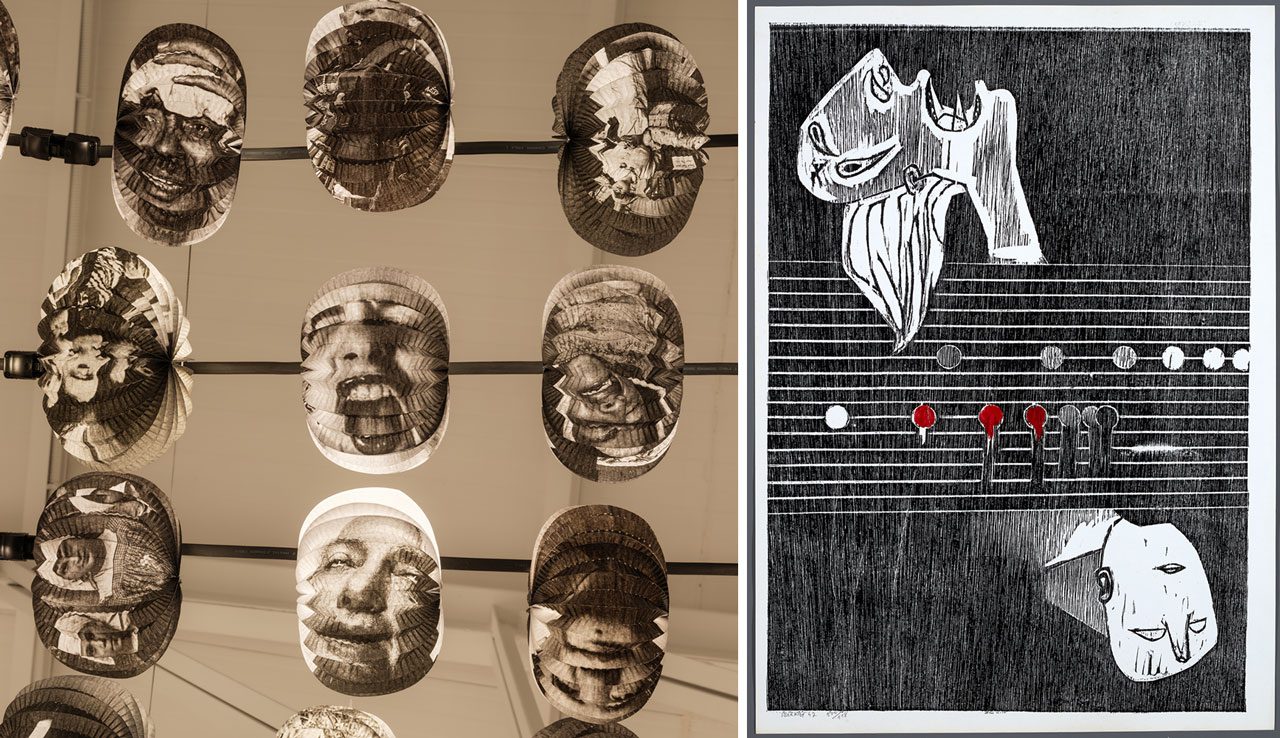
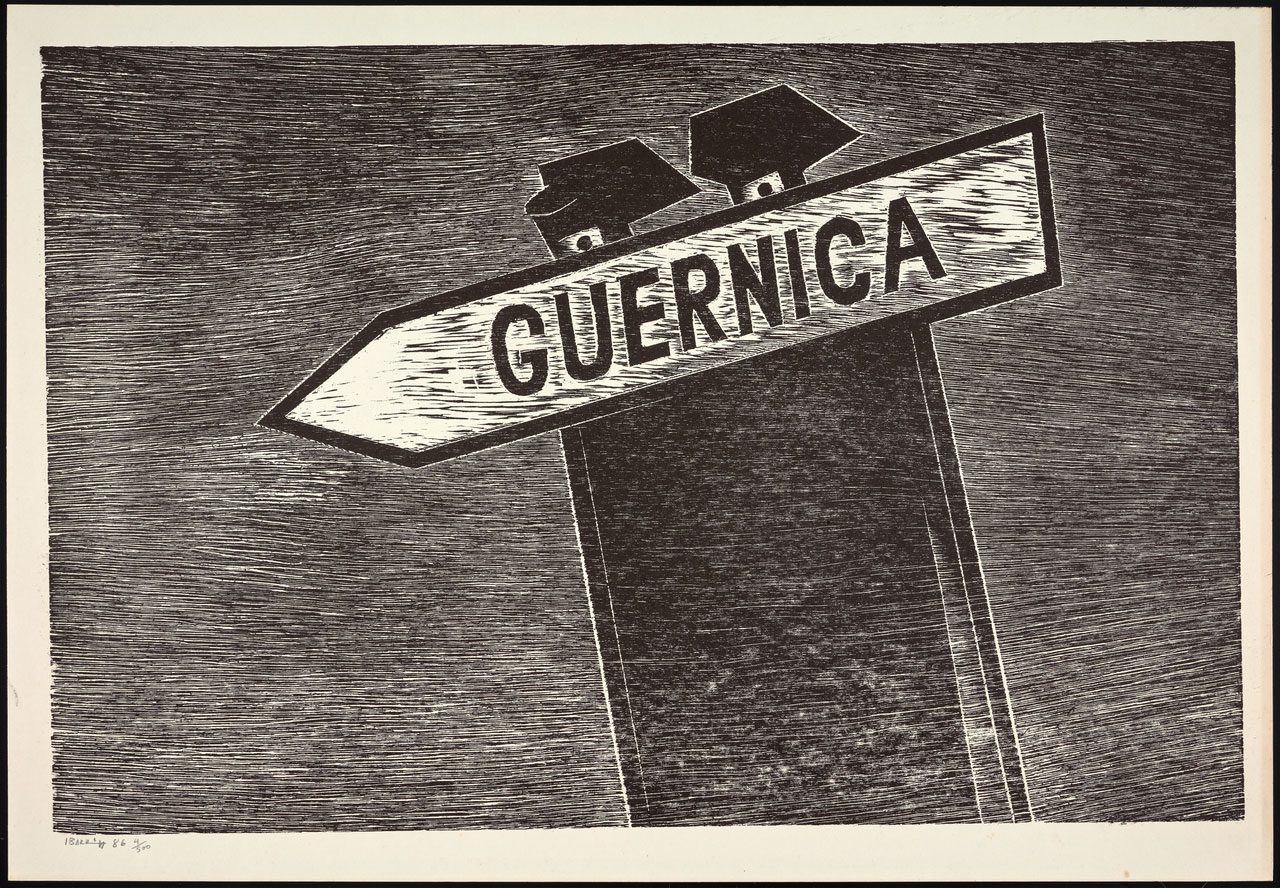
Right: Augustin Ibarralo, Paisajes de Euskadi series, ca. 1970-1979. Museo Nacional Centro de Arte Reina Sofía