PRESENTATION: Yoko Ono-Insound and Instructure
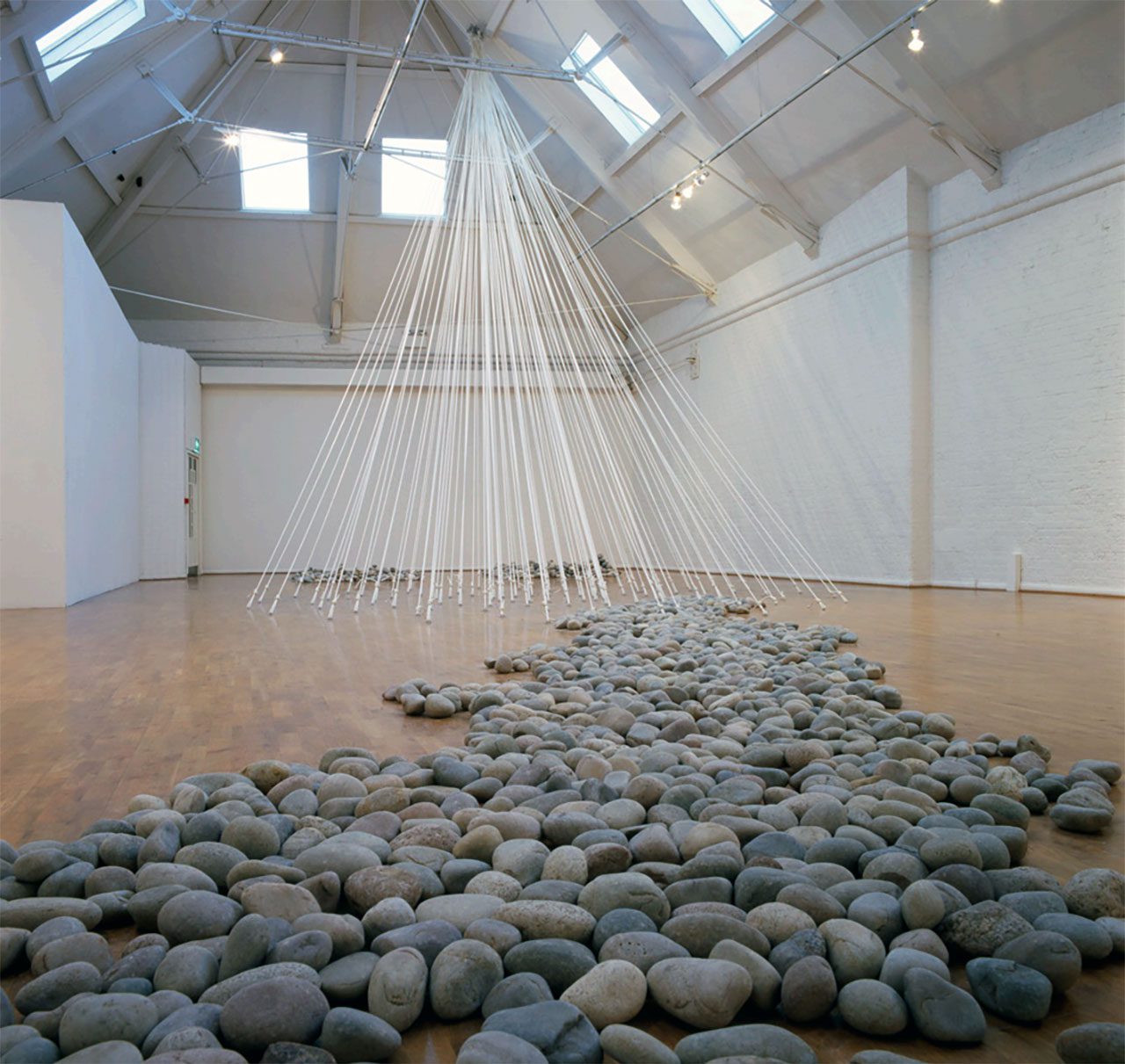
Yoko Ono is an artist whose impact on the history of contemporary art continues to grow as we come to understand the influence she has had on subsequent generations. The exhibition “Insound and Instructure” allows visitors to immerse themselves in a creative universe that defies categorization and challenges the boundaries between artist and audience.
By Efi Michalarou
Photo: MUSAC Archive
Featuring over 80 works, the exhibition “Insound and Instructure” allows visitors to experience Ono’s creations from the 1960s—many of which are included in the historic publication “Grapefruit” (1964)—to the large-scale installations she developed from the 1990s onwards. The title of the exhibition originates from a Yoko Ono concert and exhibition that took place on July 20, 1964 at Yamaichi Hall in Kyoto. Both terms refer to the way in which Yoko Ono integrates sound and instruction into her artistic practice. The starting point of many of Ono’s works lies in the “Instructions”, text-based works that invite the reader to imagine, experience, perform, or complete the piece. Ideas, rather than materials, are the main component of the artist’s practice.
The exhibition showcases a range of media Yoko Ono has worked with, including performance, film, music, installation, painting, and photography, exploring key themes throughout her career: the power of imagination, her activism for peace, her subtle sense of humor and absurdity, her commitment to women’s roles in society, and the presence of nature in her works.
Among the selected works are some of her most recognized pieces, including iconic works from the 1960s such as “Cut Piece” (1964),” Voice Piece for Soprano” (1961) and “Draw Circle Painting” (1964), that requires audience participation to be completed. This audience involvement in some of her work is one of the distinctive features that define her creation.
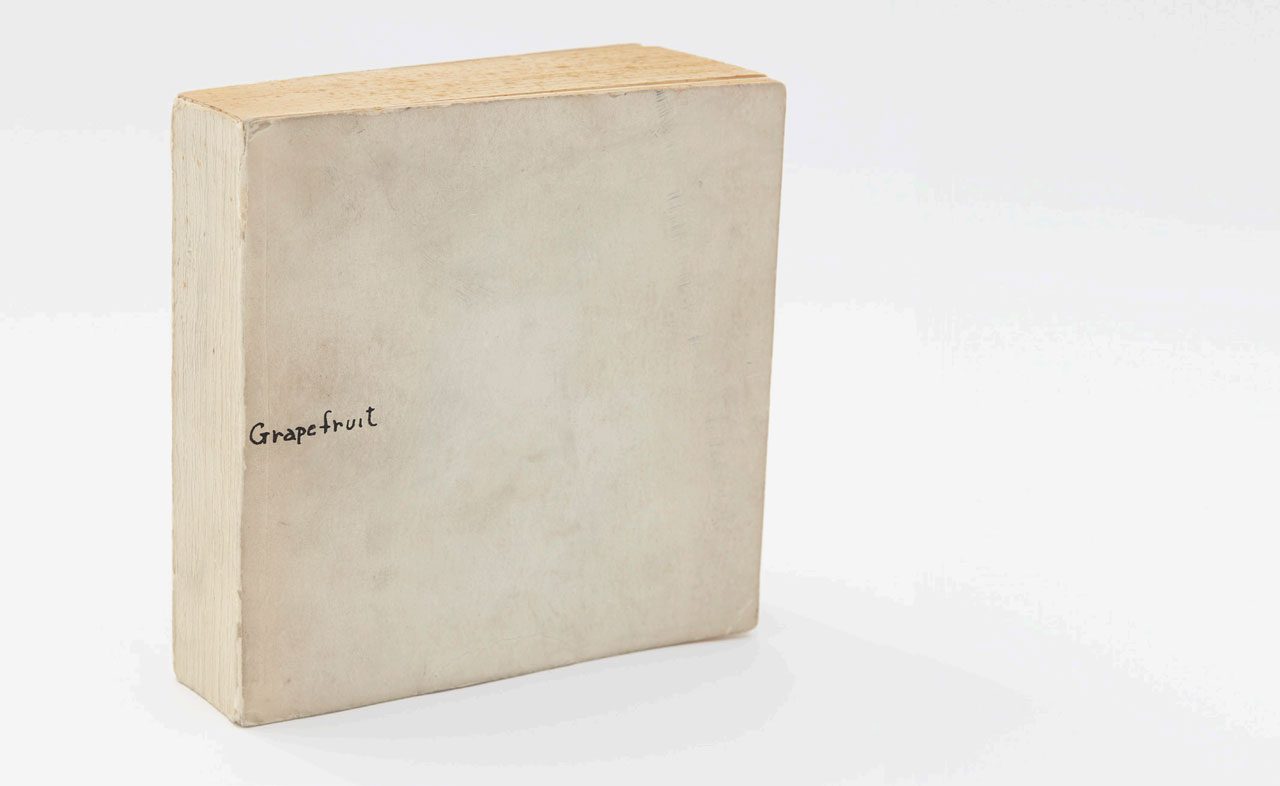
In the 1964 version of “GRAPEFRUIT”, was published by Yoko Ono. The book contains more than 200 written instruction works by the artist for music, painting, events, poetry, and objects. This publication was a significant step toward enshrining instructions as a pillar of her oeuvre. Ono compiled the text-based works we see here while living in New York and Tokyo. The first edition of “GRAPEFRUIT” came out on July 4, 1964, thereby associating her work with the idea of freedom. She published a total of 500 copies via her own Tokyo-based imprint, Wunternaum Press. Several of the works we see in the exhibition are products of these instructions. In 1970 Ono released a second, expanded edition with an introduction by John Lennon.
Yoko Ono is considered a pioneer of performance art, and “CUT PIECE” is one of her most famous works in this genre. She has performed it on at least six occasions: the first time in July 1964 in Kyoto, in Tokyo, and the following year at New York’s Carnegie Hall, which is the version shown in this video. In this piece, the artist goes on the stage with a pair of scissors and invites members of the audience, one at a time, to cut away her clothing. It is important to note that the work was intended to be performed by both men and women. The piece has elicited multiple interpretations. In a later interview, Yoko Ono shared her perspective: “Instead of giving the audience what the artist chooses to give, the artist gives what the audience chooses to take. That is to say, you cut and take whatever part you want; that was my feeling about this purpose.”
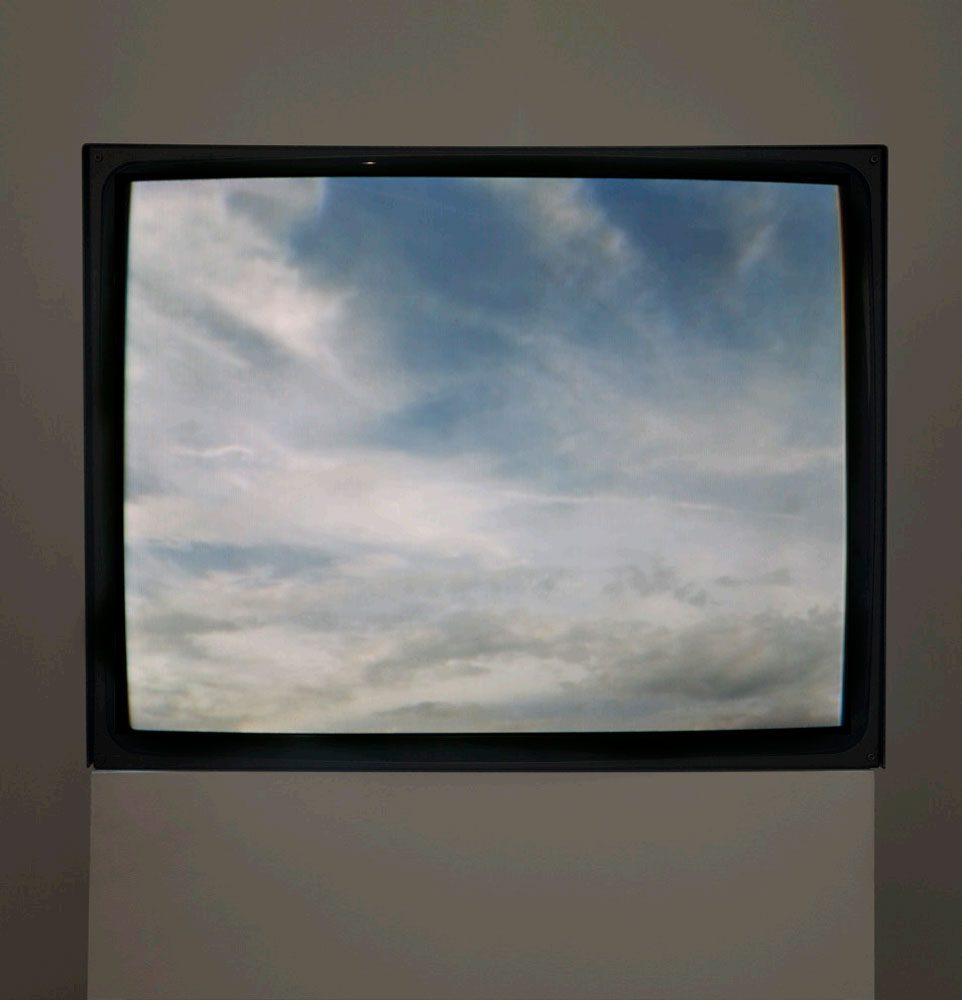
“SKY TV” is one of the first closed-circuit video installations. What we are seeing is actually the sky over León. The sky is a recurring theme in Ono’s body of work. Here the camera shows a dynamic, constantly changing landscape, where we find ourselves incapable of taking in the entire work. Moreover, “SKY TV” blurs the distinction between the museum’s interior and exterior by connecting the two.
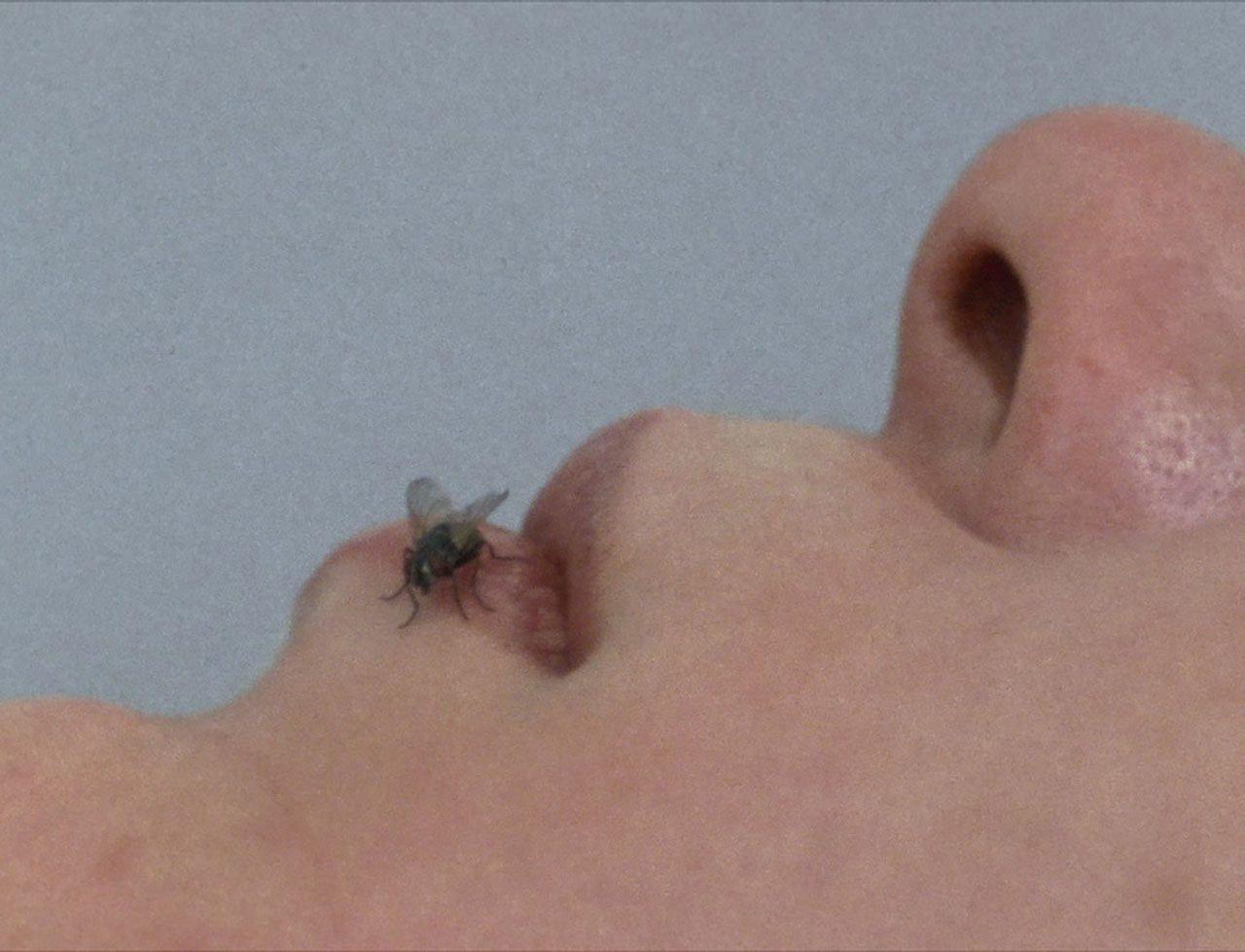
Ono first used film as an expressive medium in the 1960s. In subsequent years, she created a number of films. “FLY” is based on an instruction from “THIRTEEN FILM SCORES BY YOKO ONO” (1968), also included in this exhibition. Ono made this piece at a time when she was increasingly interested in women’s rights, the body, and the quest for personal freedom. The camera pans over a naked woman’s body, tracking several flies as they move across her skin. On the accompanying soundtrack, Yoko Ono performs vocals evoking the sound of the flies’ movements. This film was screened for the first time at the Elgin Theater as part of the 7 ¾ New York Film Festival.
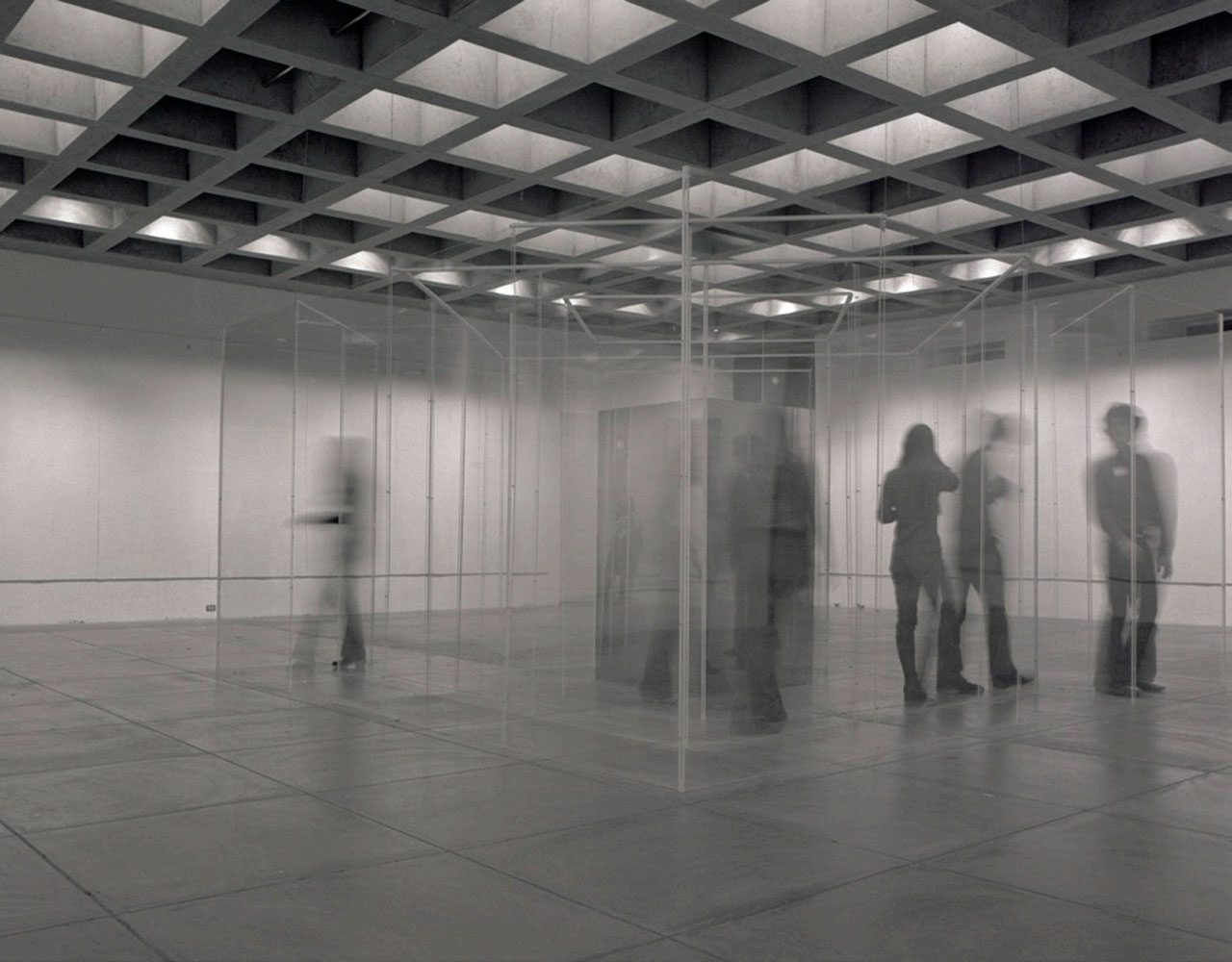
The work “AMAZE” was first produced in 1971 for Yoko Ono’s solo show at the Everson Museum of Art. In that early version, a toilet is placed in the center of the maze. The plexiglass labyrinth rests directly on the museum floor, and three sides and a half of the central cubicle are lined with one-way mirror film so that it can’t be seen from outside. Visitors can step into the maze and find their way to the middle. Upon entering the installation, they go from being observers to being observed. This work also reminds us of confined spaces and the public-private dichotomy. In 2011, Yoko Ono made a new version for the Yokohama Museum of Art. Instead of a toilet, this time she put a telephone in the center of the maze, which visitors could use to speak directly with the artist when she called.
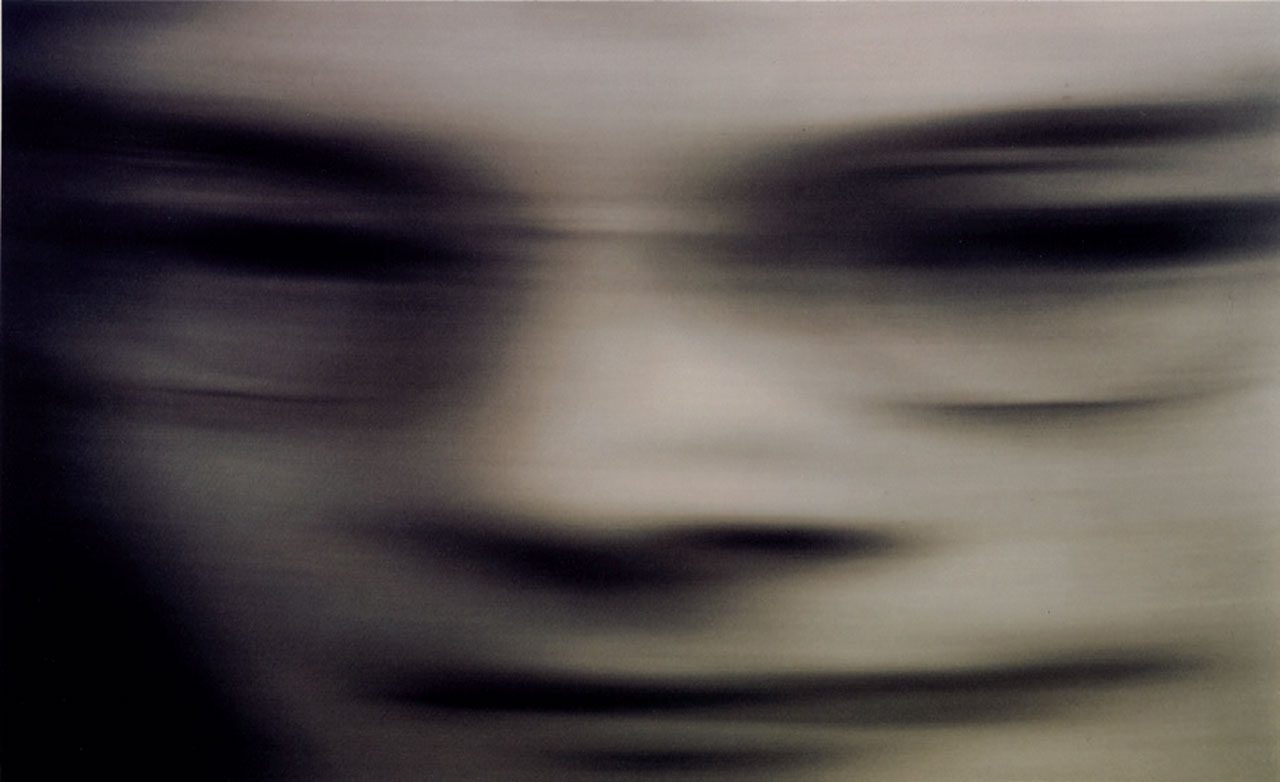
“VERTICAL MEMORY” is a series of twenty-one photographs superimposes digitally manipulated images of three men who have played a relevant role in the artist’s life—her father, her husband, and her son—and the result is a composite portrait in which they are all looking in the same direction. Yoko Ono says, “Every photo represents the man who was looking over me in a precise moment when I went through an important situation in my life.” The bottom plaques narrate her observations of those specific experiences, being a metaphorical portrait of her life, from birth to death. For Ono, photography is just another medium for creating her conceptual art.
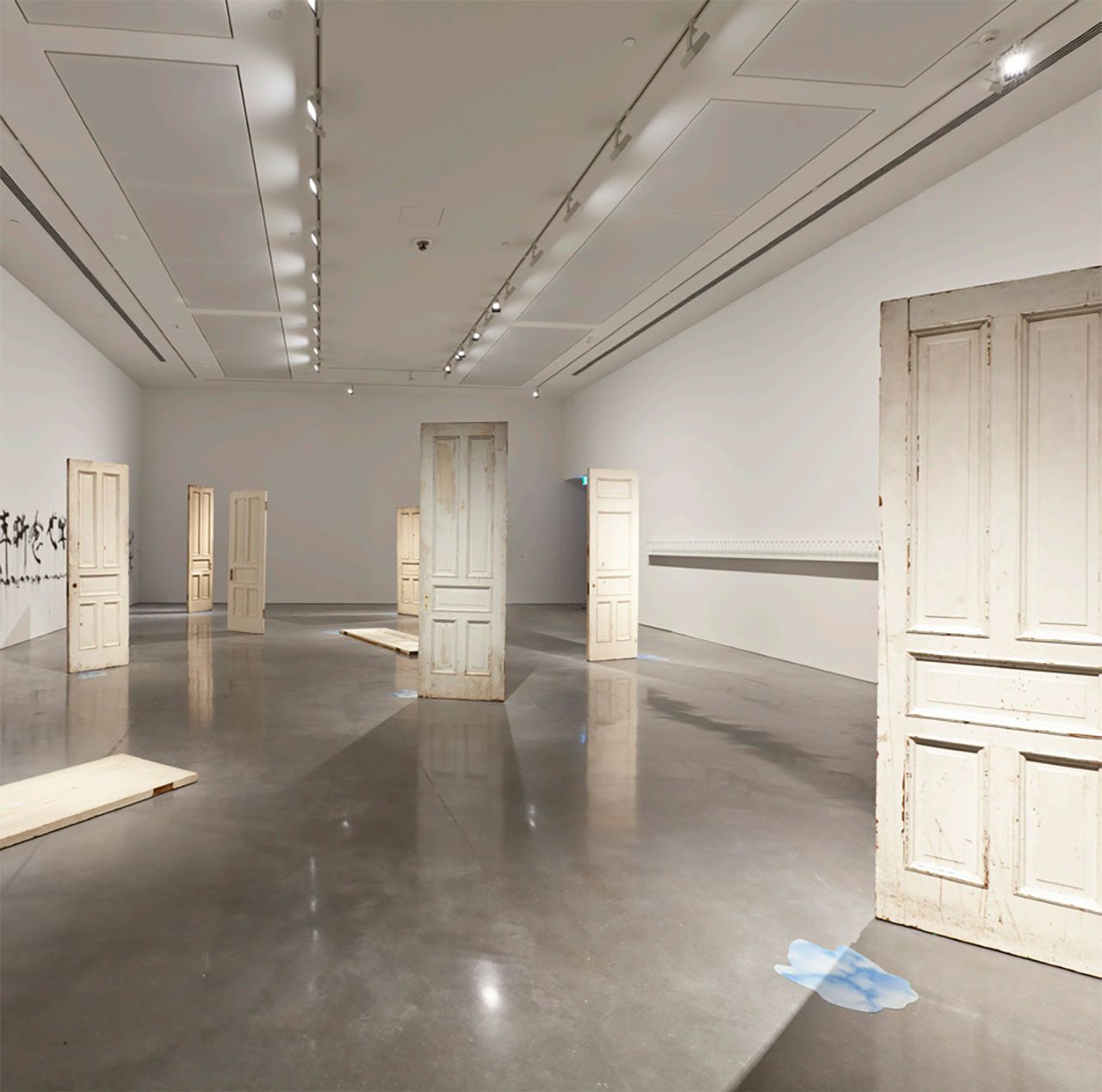
The artist made the installation “DOORS” uring an especially productive year, when she created several large-scale installations for her one-woman show in Hiroshima. “DOORS” is designed in a way that deprives the doors of their conventional purpose as thresholds, forcing the audience to walk around and among rather than through them. In this itinerary, the walls become invisible. This work could represent the trials one has to overcome in life, deciding which doors to open and which paths to take. As visitors follow the itinerary, they can read the different phrases that the artist wrote on the doors.
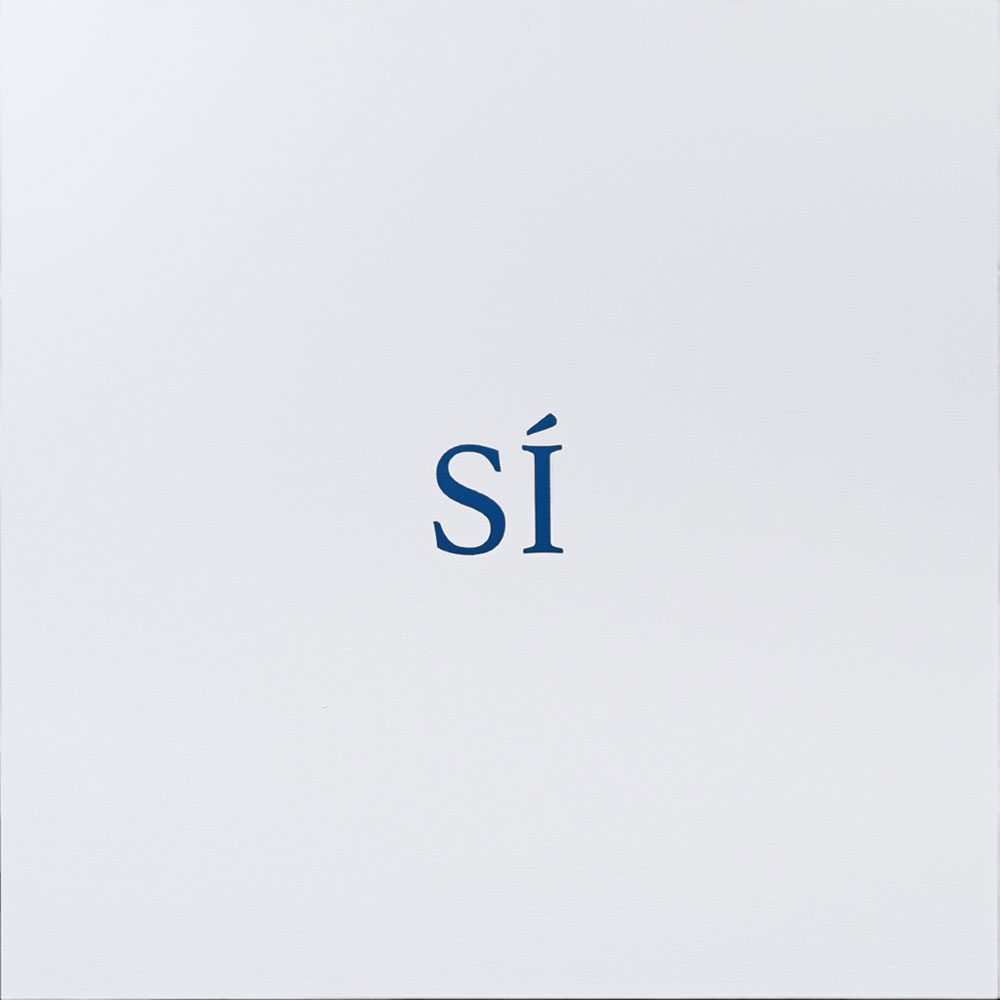
“YES” is related to “CEILING PAINTING” (sometimes referred to as YES PAINTING) from 1966, which was exhibited at the Indica Gallery in London that year. Ono met John Lennon through that piece. The artist has used the word “YES” repeatedly, explaining that “it was a time I needed the word yes in my life.” It is also used in public works, like banners, billboards, and apparel. Using the same message or concept across a range of different media is one of the signature traits of Yoko Ono, who has worked in both museums and urban spaces. This painting is connected to eleven other paintings located throughout the exhibition itinerary, works with instructional messages that act as catalysts of imagination or contemplation. “YES” also appeared in the book that Ono wrote in 1952, titled “An Invisible Flower”.
Photo: Yoko Ono, MORNING BEAMS, 1997, Installation, polyester ropes, and metal, 600 x 600 x 900 cm, © Yoko Ono, Courtesy the artist and MUSAC (Museo de Arte Contemporaneo de Castilla y Leon)
Info: Curators: Jon Hendricks, Connor Monahan and Álvaro Rodríguez Fominaya, MUSAC (Museo de Arte Contemporaneo de Castilla y Leon), Avda. Reyes Leoneses 24m León, Spain, Duration: 8/11/5025-17/5/2026, Days & Hours: Tue-Sat 11:00-14:00 & 17:00-20:00, https://musac.es/#
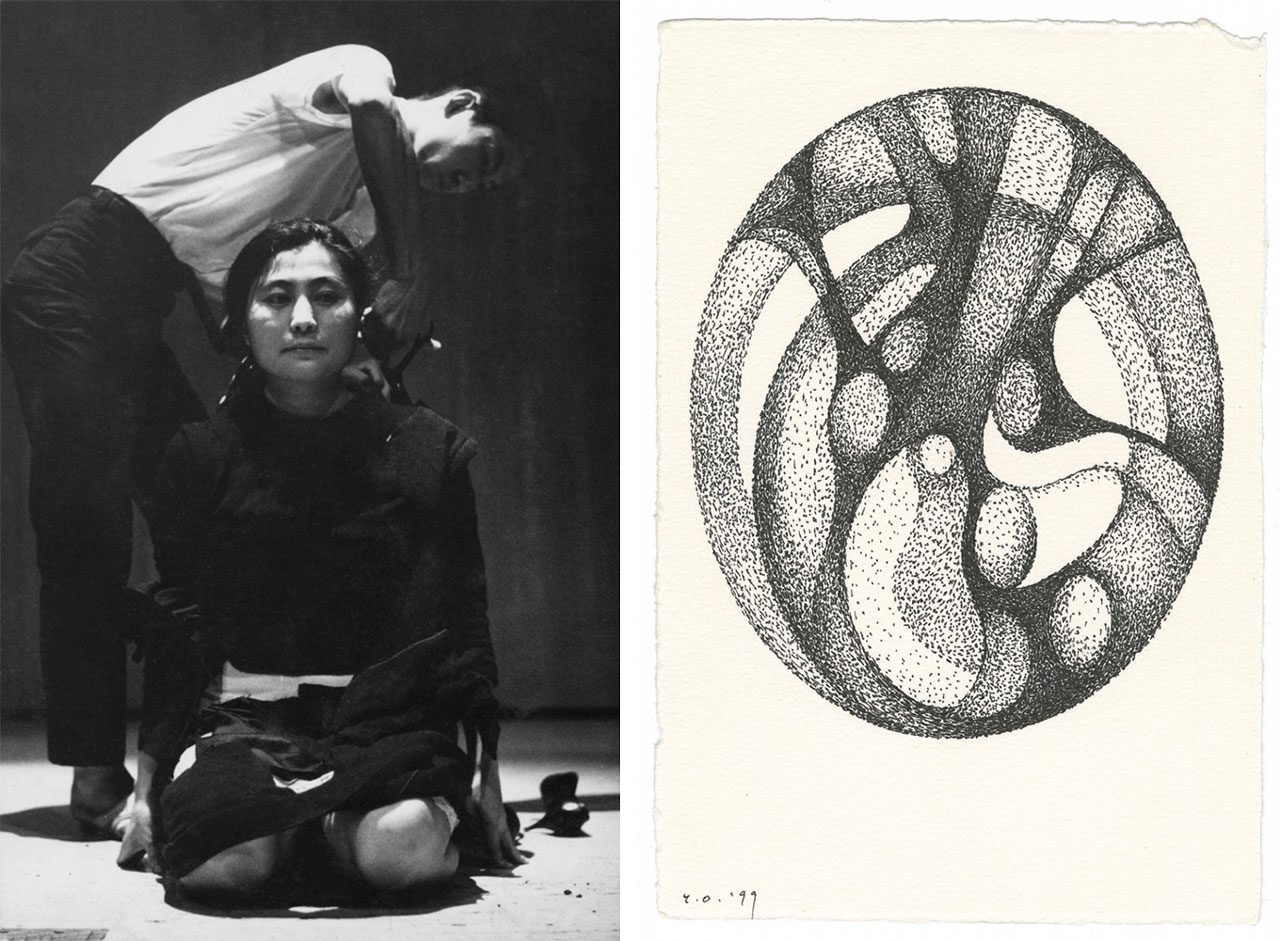
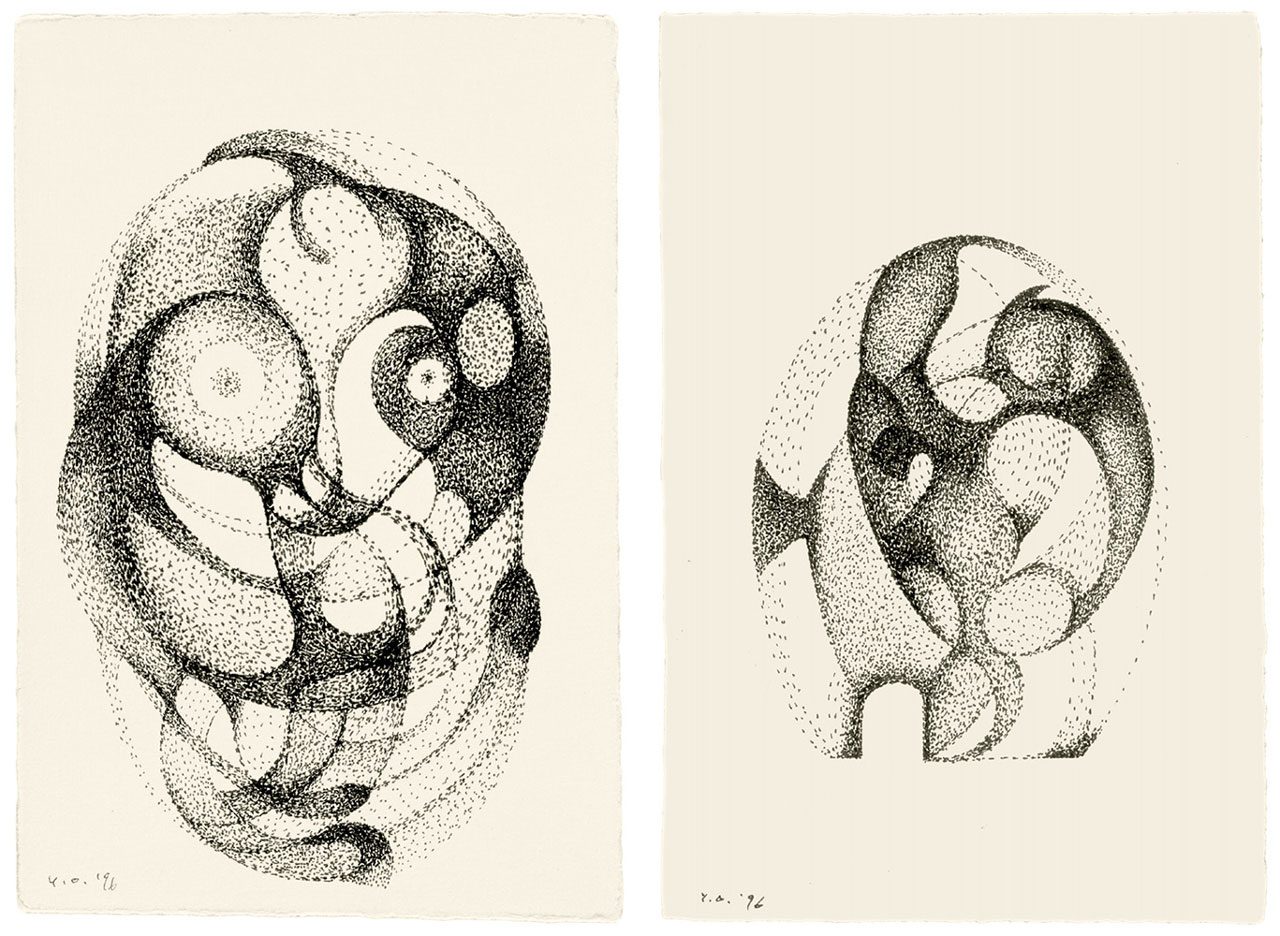
Right: Yoko Ono, FRANKLIN SUMMER, 1994-2006 36 ink on paper drawings, 40 x 27.9 each, © Yoko Ono, Courtesy the artist and MUSAC (Museo de Arte Contemporaneo de Castilla y Leon)