TRIBUTE: Robert Rauschenberg-Robert Rauschenberg and Asia

One of the most innovative and influential artists of the past century, Robert Rauschenberg had a long association with Asia. An enthusiastic traveller from his youth, Rauschenberg was deeply impacted by the cultures with which he came into contact. His extended engagement with Japan began in the mid-1960s and his residency in India in 1975 inspired new approaches to working with materials and color. After his first trip to China in 1982, he developed the Rauschenberg Overseas Culture Interchange (ROCI, 1984–1991), a global programme of travelling exhibitions and cultural dialogues.
By Dimitris Lempesis
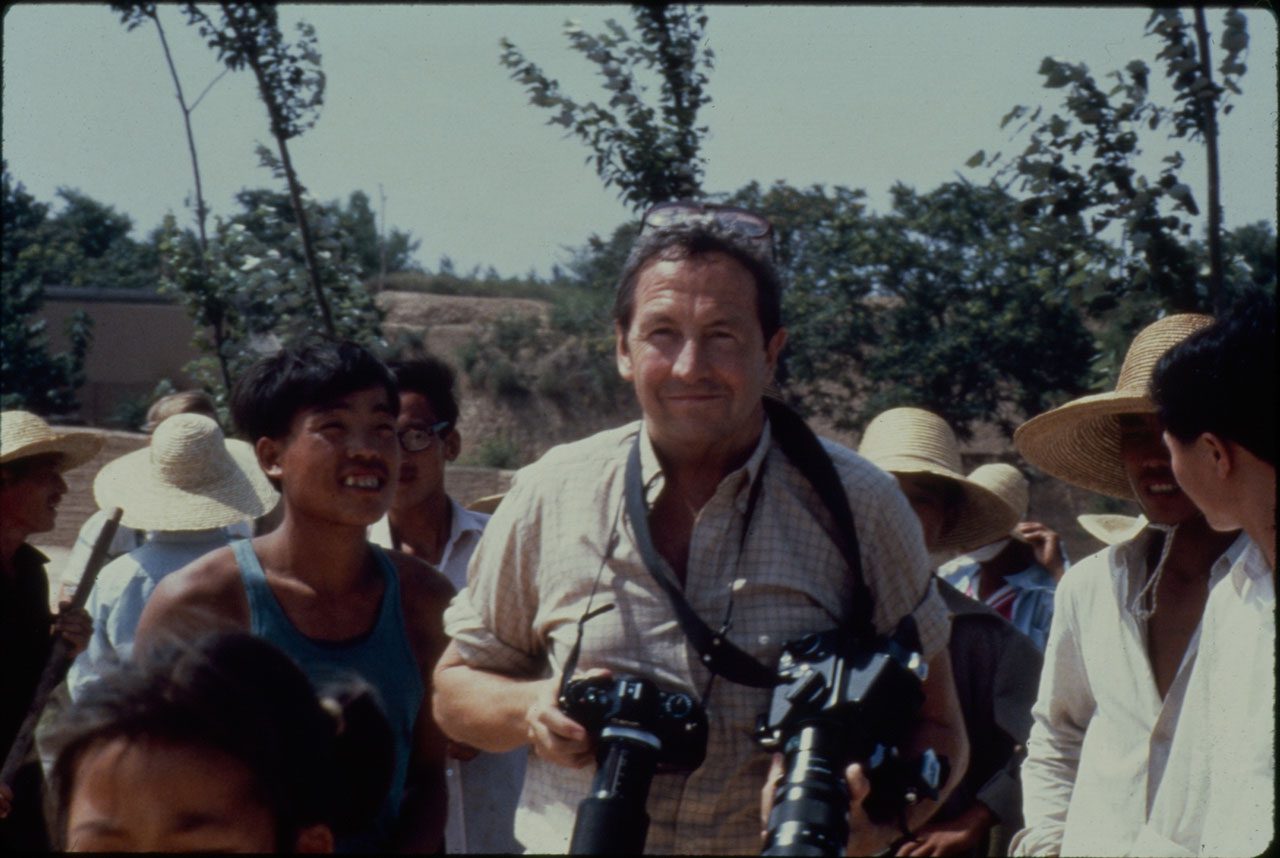
Photo: M+ Museum Archive
“Robert Rauschenberg and Asia”, is the first exhibition dedicated to art by Robert Rauschenberg created during and in response to his travels across Asia. The exhibition highlights cross-cultural and cross-temporal artistic exchange, featuring more than forty pieces by the artist alongside select works by Asian artists in dialogue with his practice. One of the most significant artists of the twentieth century, Rauschenberg espoused a spirit of experimentation and boundless curiosity. He redefined artistic boundaries by incorporating everyday objects and mass media images into his work, profoundly influencing the development of Pop Art, Conceptual Art, and installation art. Collaboration was central to his practice. Rauschenberg’s extensive engagement with Asia included working with artisans in India in 1975, in China in 1982, and in Japan throughout the early 1980s, each inspiring new uses of colour, materials, and techniques. These experiences culminated in the launch of the Rauschenberg Overseas Culture Interchange (ROCI, pronounced ‘Rocky’, 1984–1991), a groundbreaking initiative in an era of limited global connectivity.
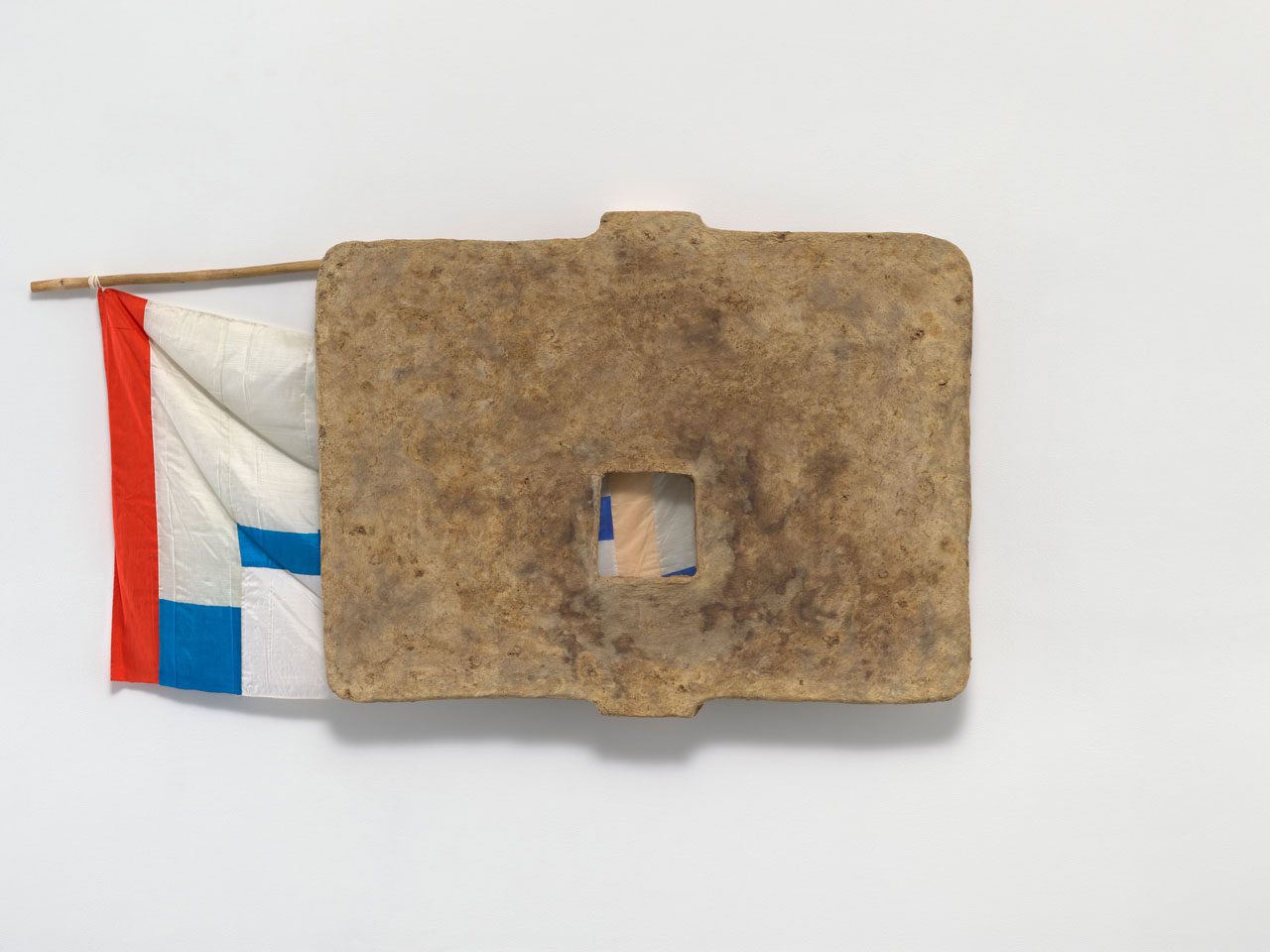
Featuring assemblage, sculpture, photography, drawing, prints, textiles, and archival materials, the exhibition presents Rauschenberg’s travels and exhibitions between 1964 and 1990. It explores his collaborations with paper makers and ceramicists in China, India, and Japan, while also revisiting the history and legacy of his Asian ROCI projects and their relevance to contemporary practices. The exhibition also features a selection of works by Asian artists who encountered Rauschenberg during his travels, revealing the dialogues he created with artists across the region.
The first part of the exhibition introduces Rauschenberg’s formative encounters in Asia. It spotlights his ongoing engagement with Japan, beginning with a legendary 1964 performance in Tokyo followed by an experimental collaboration with a ceramics company in Shigaraki in the 1980s. This section also explores his transformative 1975 visit to India, where he worked with a paper mill at Mahatma Gandhi’s ashram in Ahmedabad. This experience strengthened his belief in art as a tool for connection and empowerment. Featuring works from key series such as “Unions” (1975), “Jammers” (1975–1976), and “Japanese Recreational Clayworks” (1982–1983/1985), this room showcases how Rauschenberg’s early intercultural exchanges informed his thinking about materials, aesthetics, and the social impacts of art.
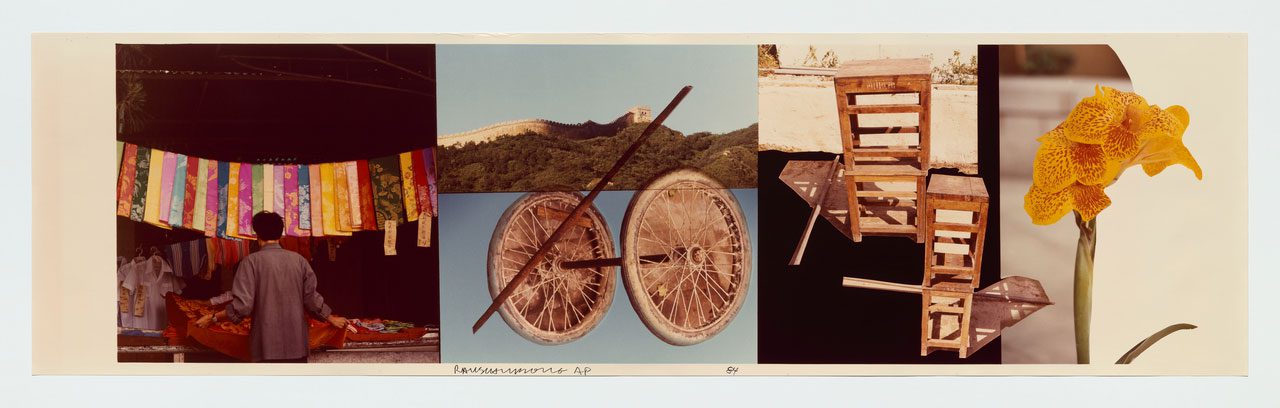
The second part of the exhibition explores the Asian segments of the Rauschenberg Overseas Culture Interchange (ROCI), a self-funded global initiative launched by the artist in 1984 to promote cultural dialogue and world peace during the late Cold War. ROCI comprised exhibitions of Rauschenberg’s work in eleven locations, including Mexico, Chile, Venezuela, China (Beijing and Tibet), Japan, Cuba, the former Union of Soviet Socialist Republics (USSR), Germany, Malaysia, and the United States. Each project generated new works inspired by local materials and images, as Rauschenberg forged important connections in the region. ROCI CHINA (1985) became the first Western contemporary art exhibition in the country, while ROCI TIBET (1985) remains the only known solo show by a Western artist there. Although reactions to ROCI were mixed, it also foreshadowed the globalisation of the art world in the 1990s and 2000s and proposed a hopeful vision of cross-cultural exchange in times of international tension.
Photo: Robert Rauschenberg, Happy Birthday Baby Leech / ROCI JAPAN, 1984, © Robert Rauschenberg Foundation, Photo: Ron Amstutz, Image courtesy of Robert Rauschenberg Foundation
Info: M+ Museum, West Kowloon Cultural District, 38 Museum Drive, Kowloon, Hong Kong, Duration: 22/11/2025- 26/4/2026, Days & Hours: Tue-Thu & Sat-Sun 10:00-18:00, Fri 10:00-22:00, www.mplus.org.hk/
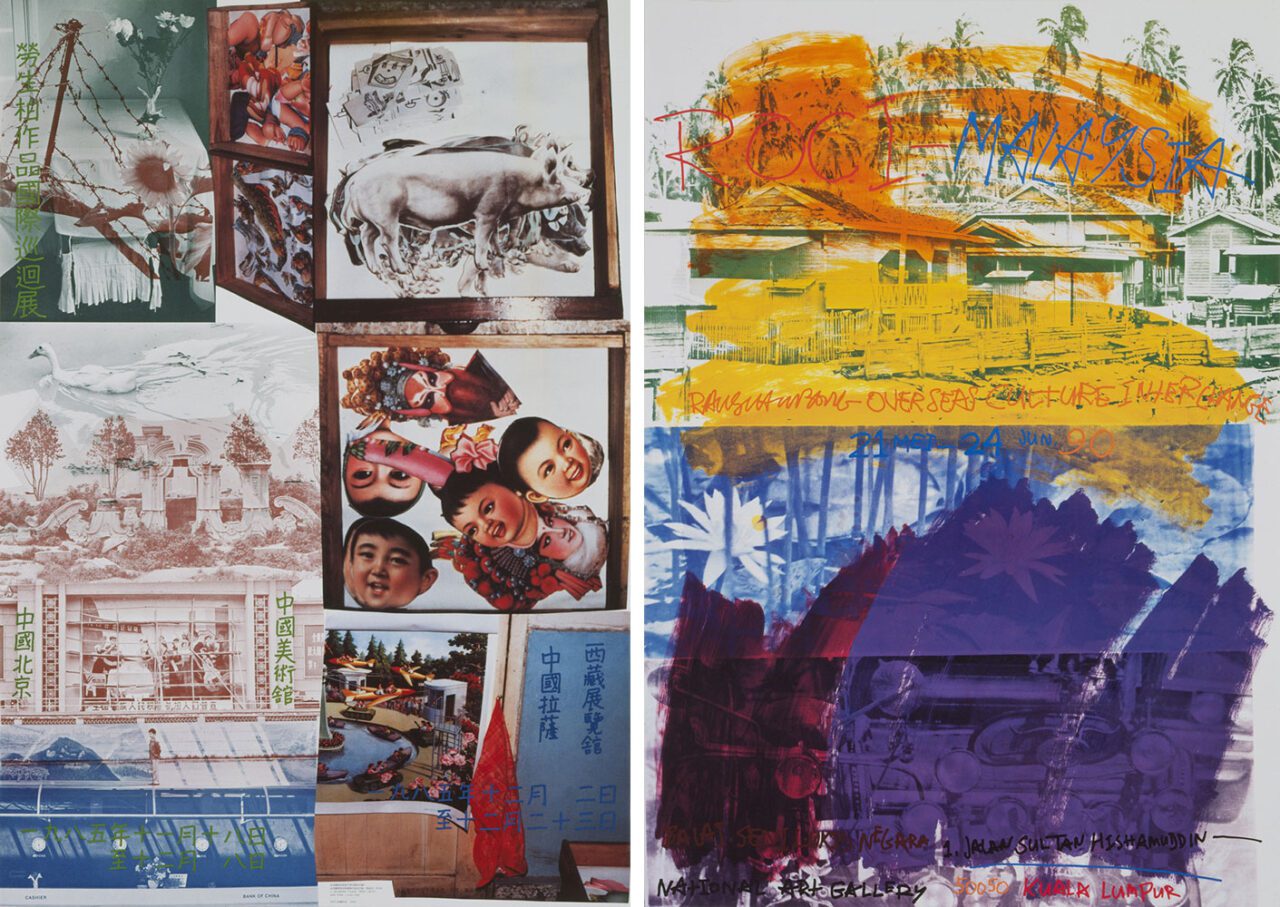
Right: Robert Rauschenberg, Poster for ROCI MALAYSIA, 1990, From an un-numbered edition produced by Universal Limited Art Editions, West Islip, New York, © Robert Rauschenberg Foundation, Photo: Dorothy Zeidman, Image courtesy of Robert Rauschenberg Foundation
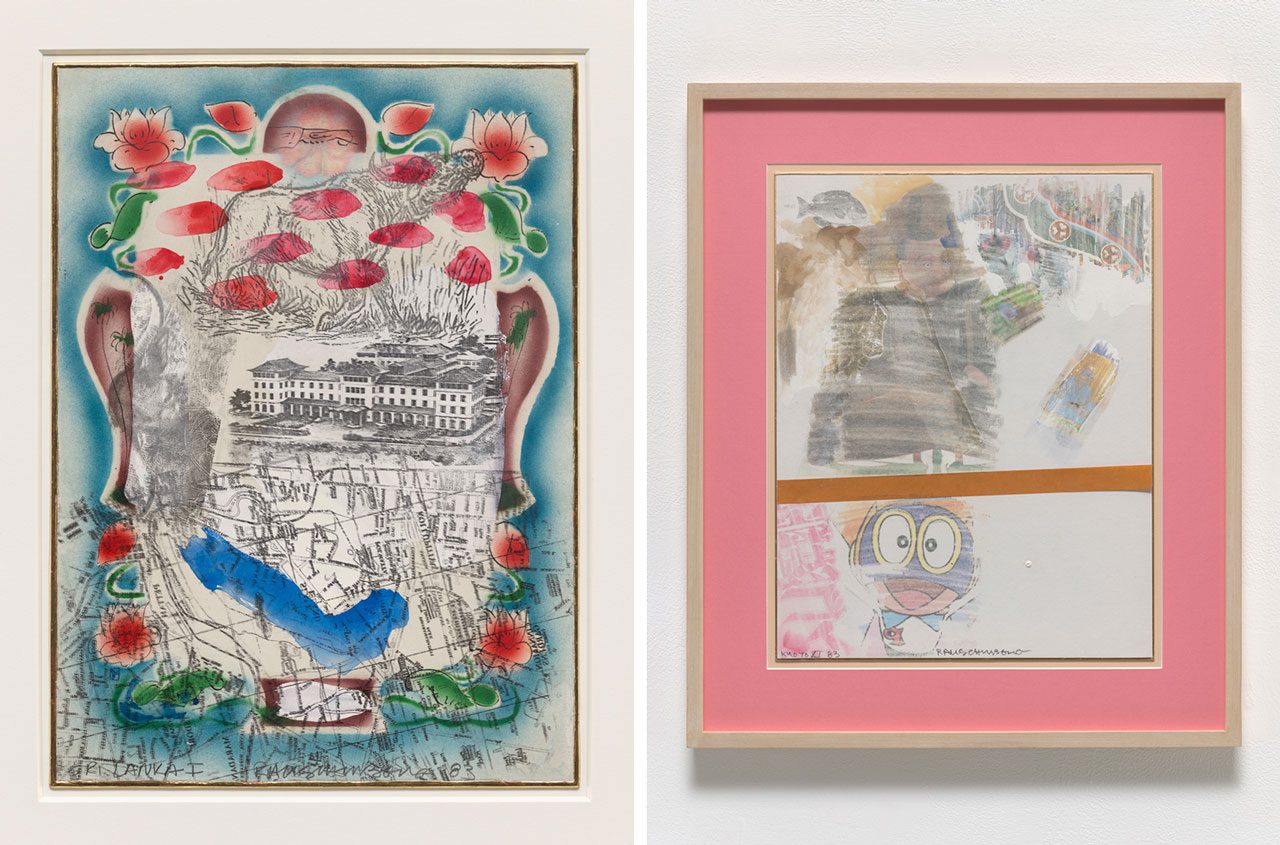
Right: Robert Rauschenberg, Kyoto XI, 1983, © Robert Rauschenberg Foundation, Photo: Ron Amstutz, Image courtesy of Robert Rauschenberg Foundation

Right: Robert Rauschenberg, 1982, From an edition of 70 unique variations, published by Gemini G.E.L., Los Angeles, © Robert Rauschenberg Foundation, Photo: Ron Amstutz, Image courtesy of Robert Rauschenberg Foundation

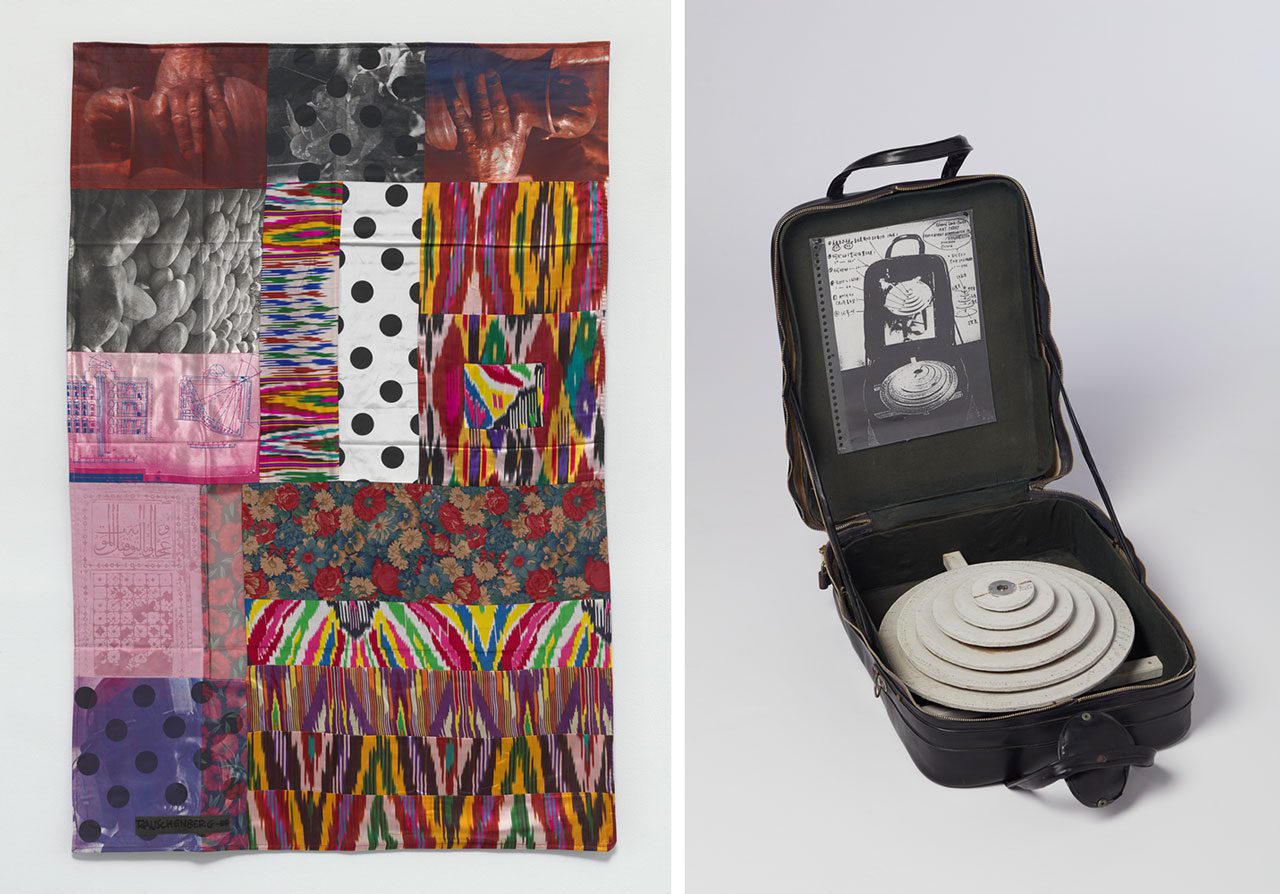
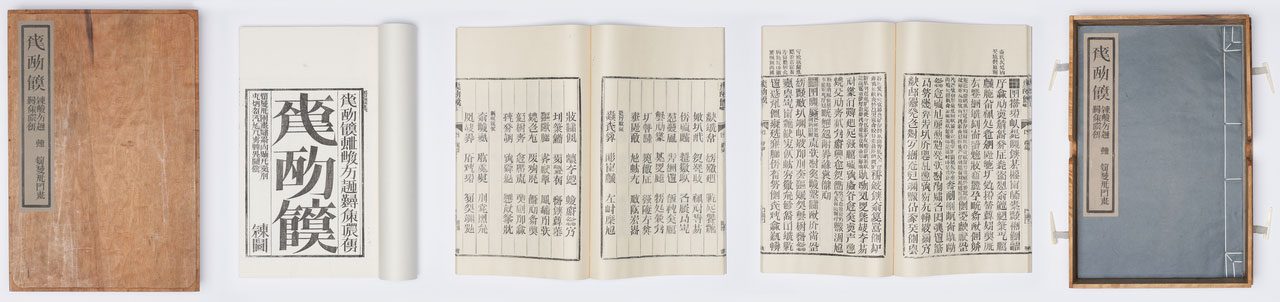
Right: Huang Yong Ping, Six Small Turntables, 1989, M+ Collection, © Huang Yong Ping, Photo: Arnold Lee , Image courtesy of M+, Hong Kong
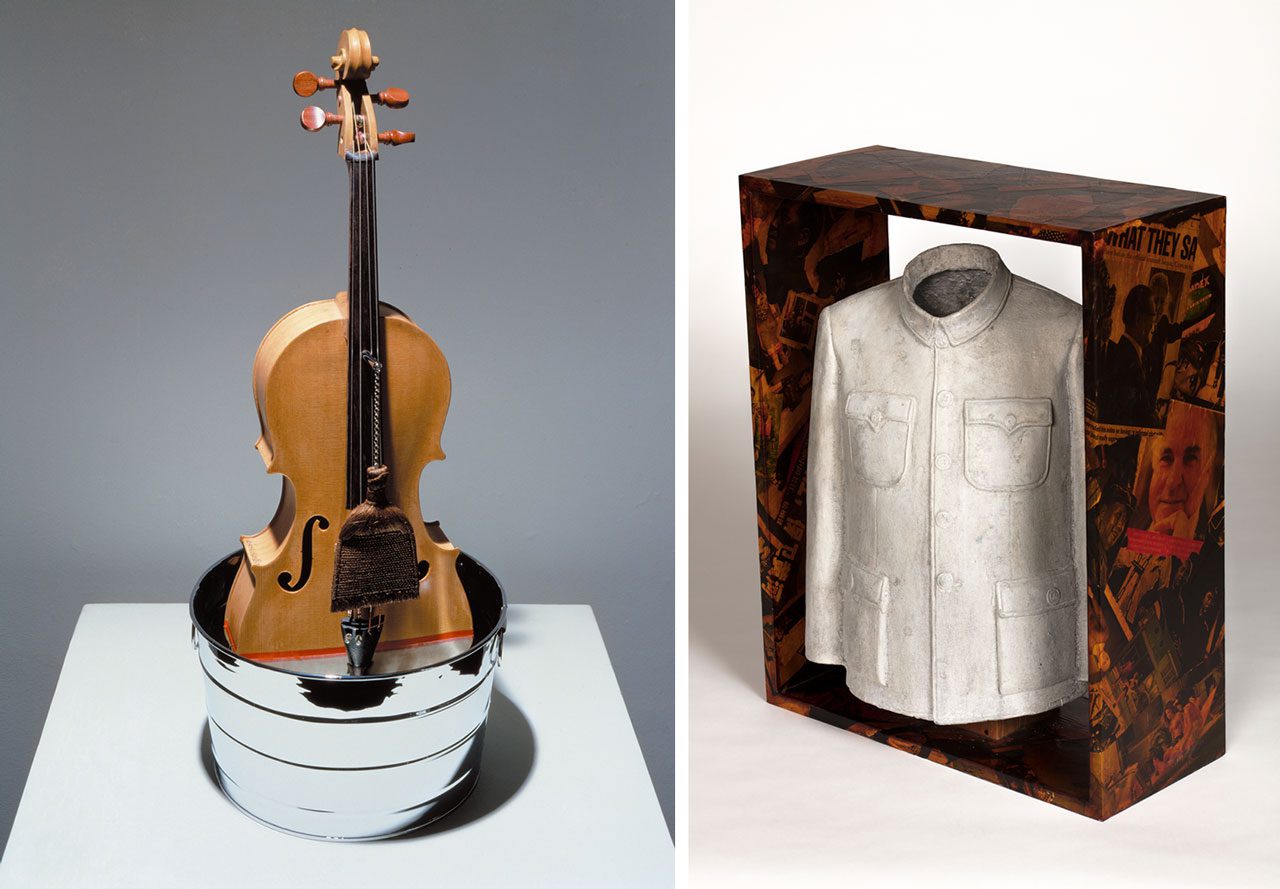
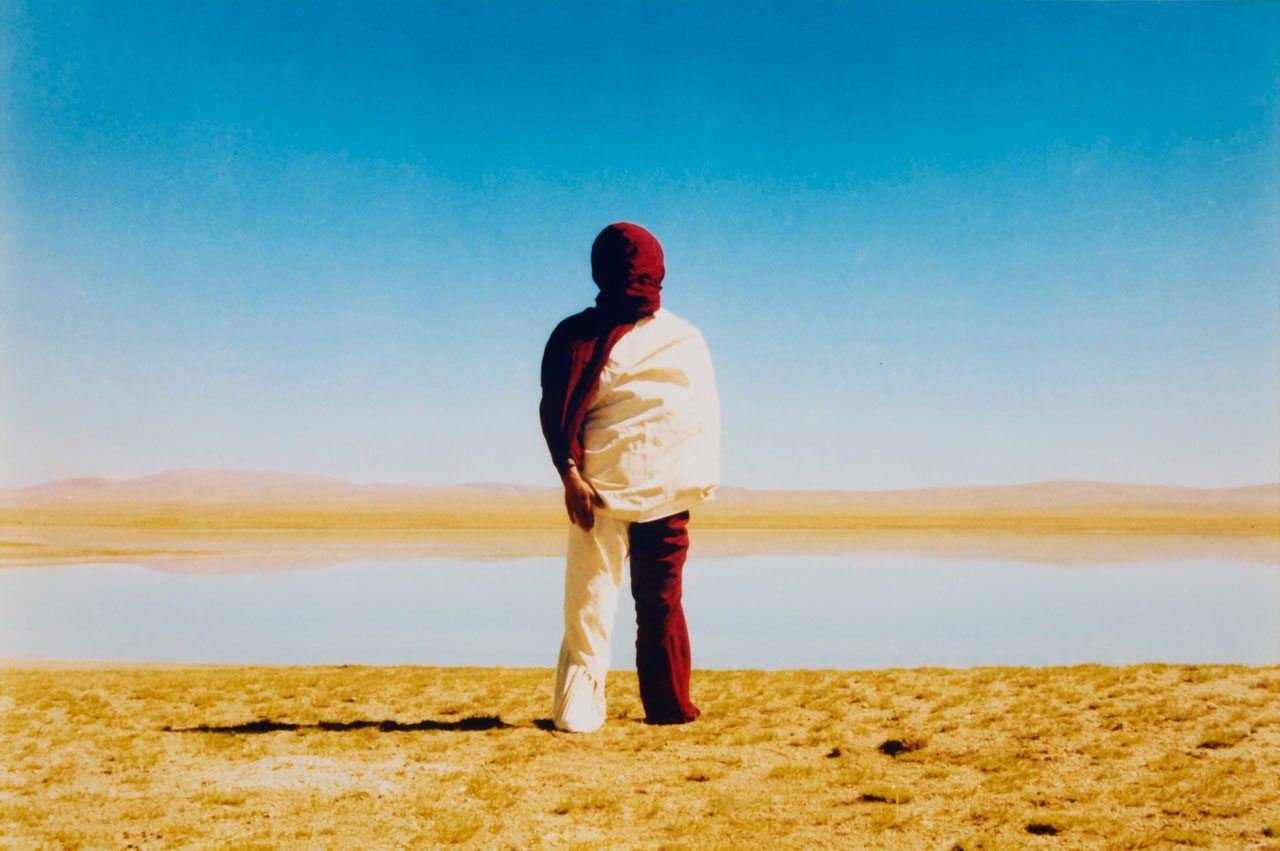
Right: Sui Jianguo, Legacy Mantle (Mao Jacket), 1998, M+ Collection, © Sui Jianguo, Photo: Bruno Bühlmann, Image courtesy of M+, Hong Kong