PRESENTATION: Walter De Maria-The Singular Experience
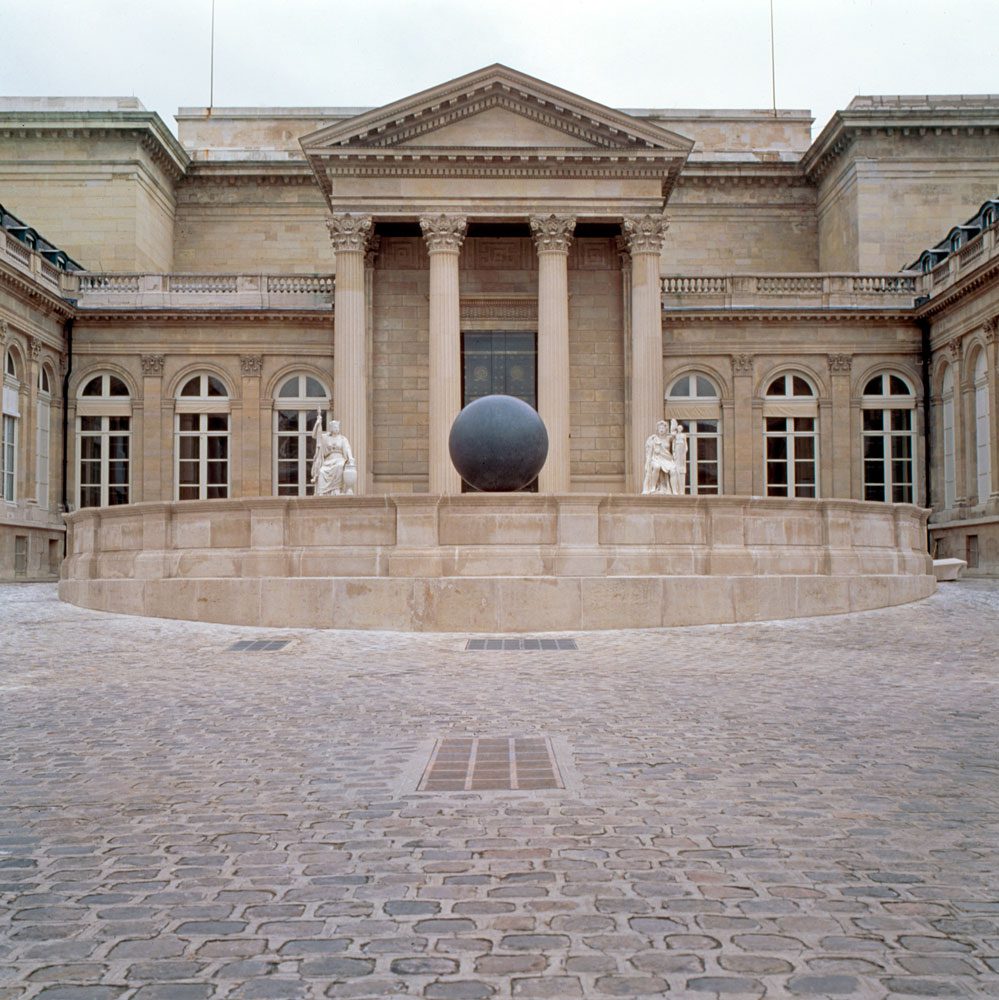
In his sculptures, land works, and installations, Walter De Maria (explored the relationship between the relative and the absolute, using basic geometric components to produce sublime repetitions. By arranging forms according to mathematical sequences, he worked at the intersections of Minimalism, conceptual art, and land art—drawing attention to the limits of gallery spaces, prioritizing bodily awareness, and locating the content of an artwork in the viewer.
By Efi Michalarou
Photo: Gagosian Archive
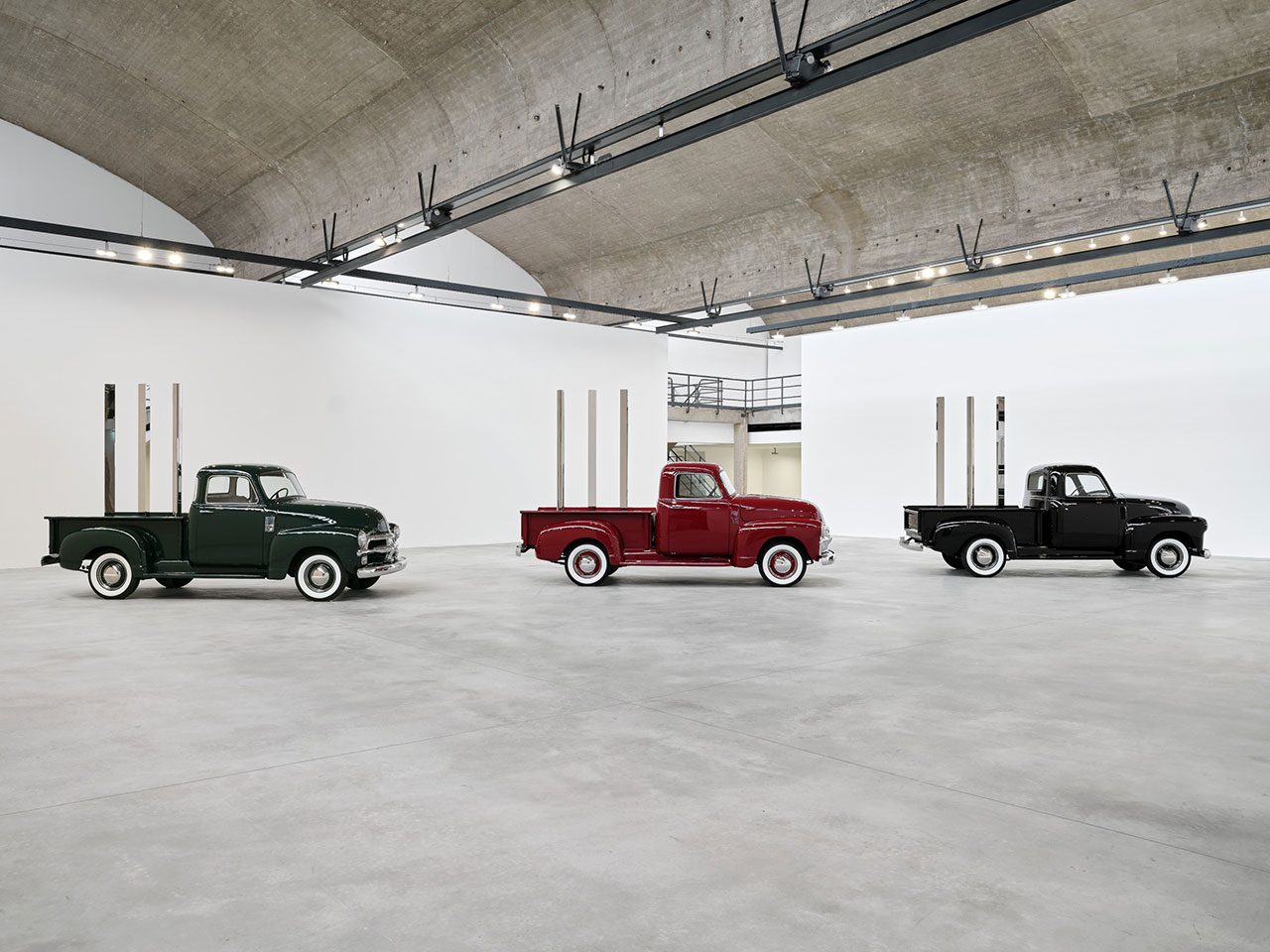
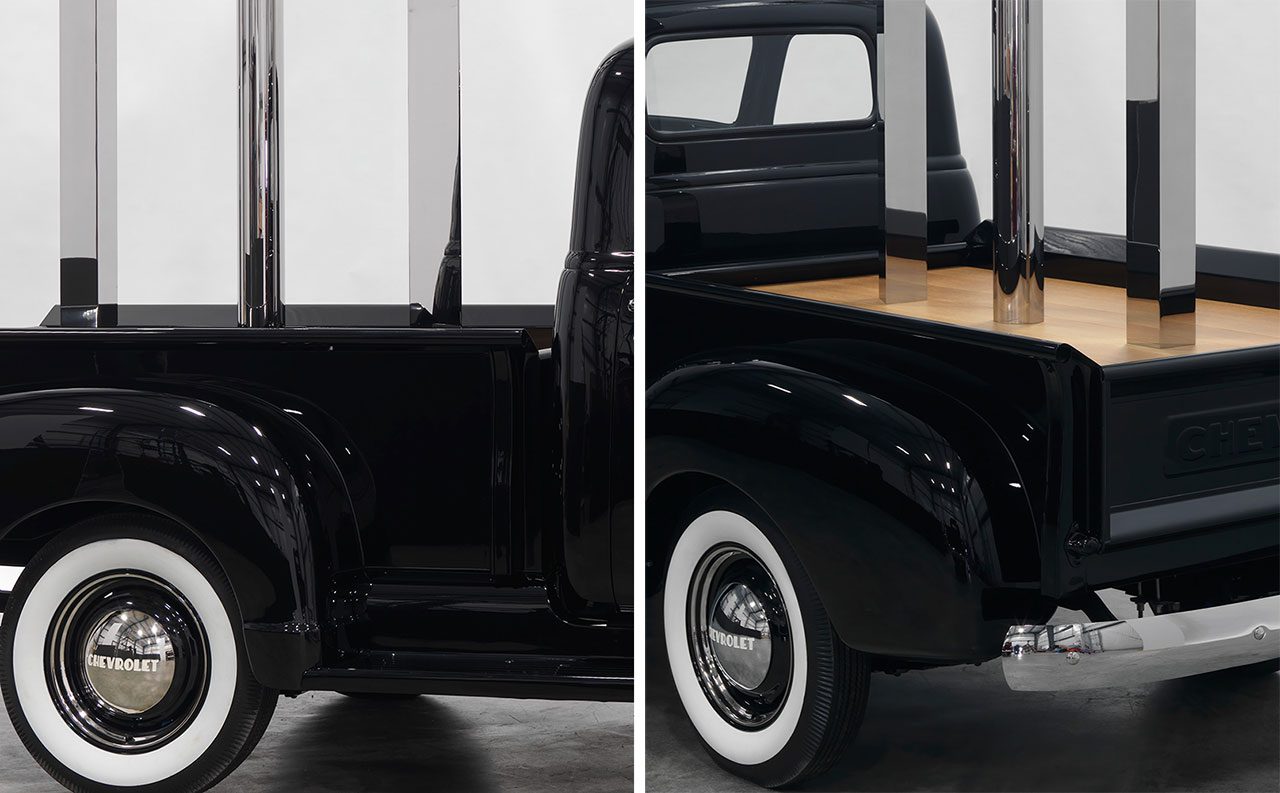
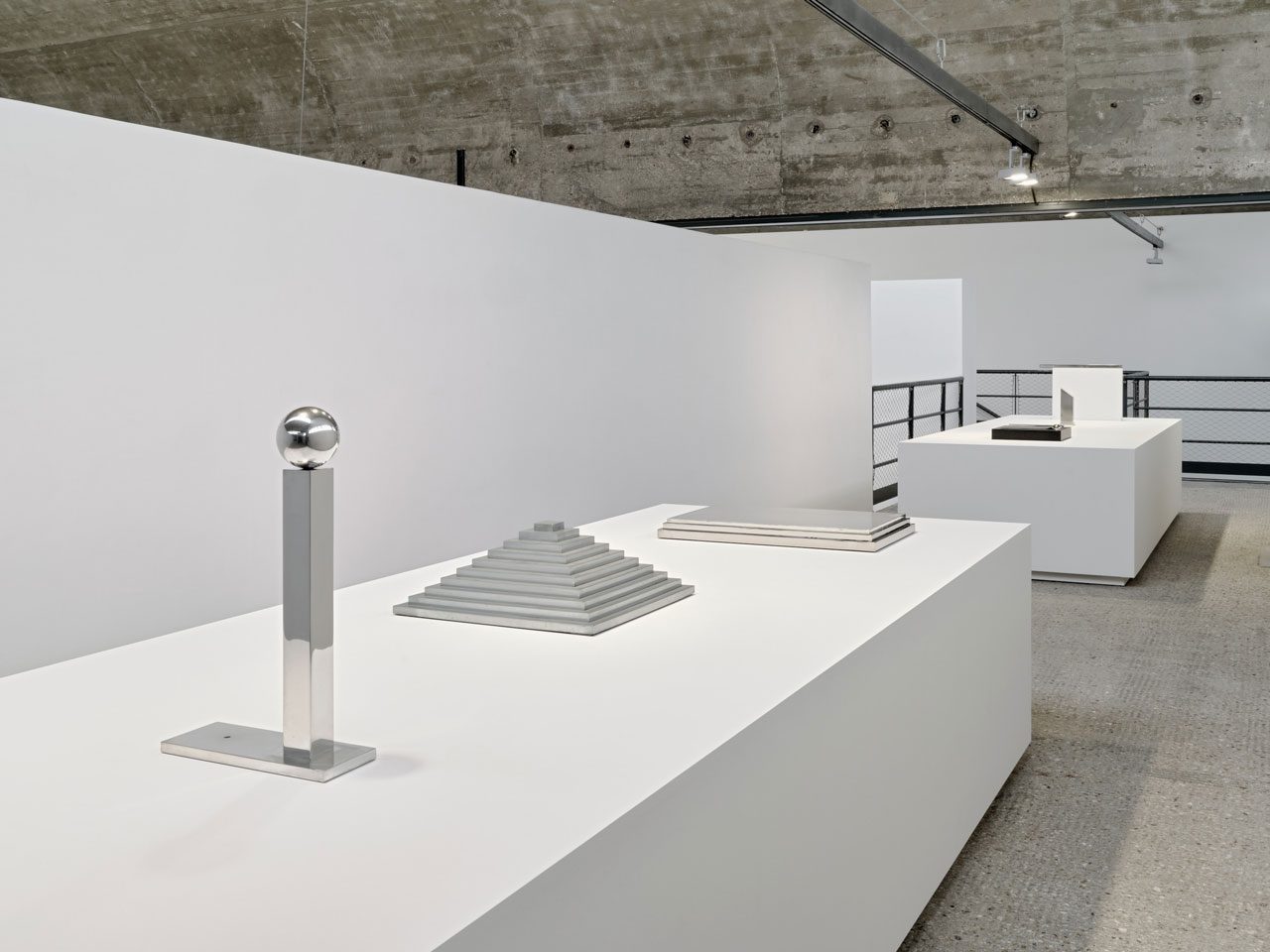
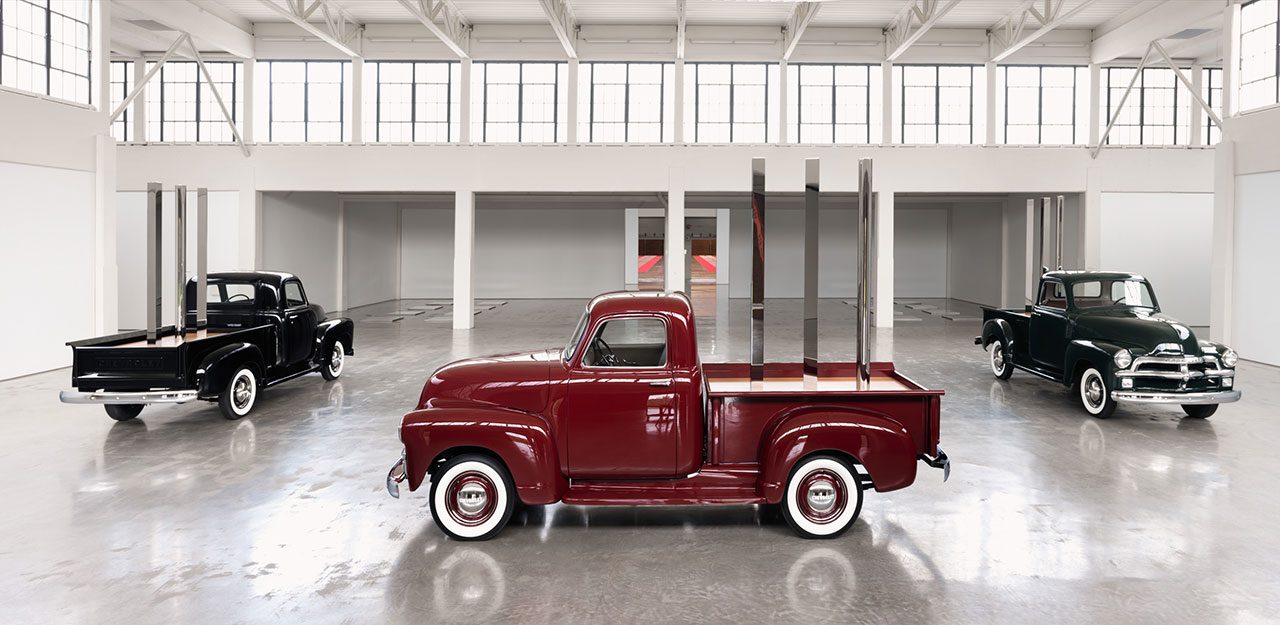
Walter De Maria’s final sculpture, “Truck Trilogy” is shown for the first time outside of the United States in an exhibition at Gagosian’s Le Bourget gallery on October 19, the month that would have marked De Maria’s ninetieth birthday. Incorporating three classic pickup trucks from the 1950s, the sculpture has been presented only once before, at Dia Beacon in New York, from 2017 to 2019. Shown alongside a selection of other rarely seen sculptures, drawings, films, and archival materials, “Truck Trilogy” is the centerpiece of an exhibition that illuminates De Maria’s lifelong preoccupation with precise measurement and the imagined.
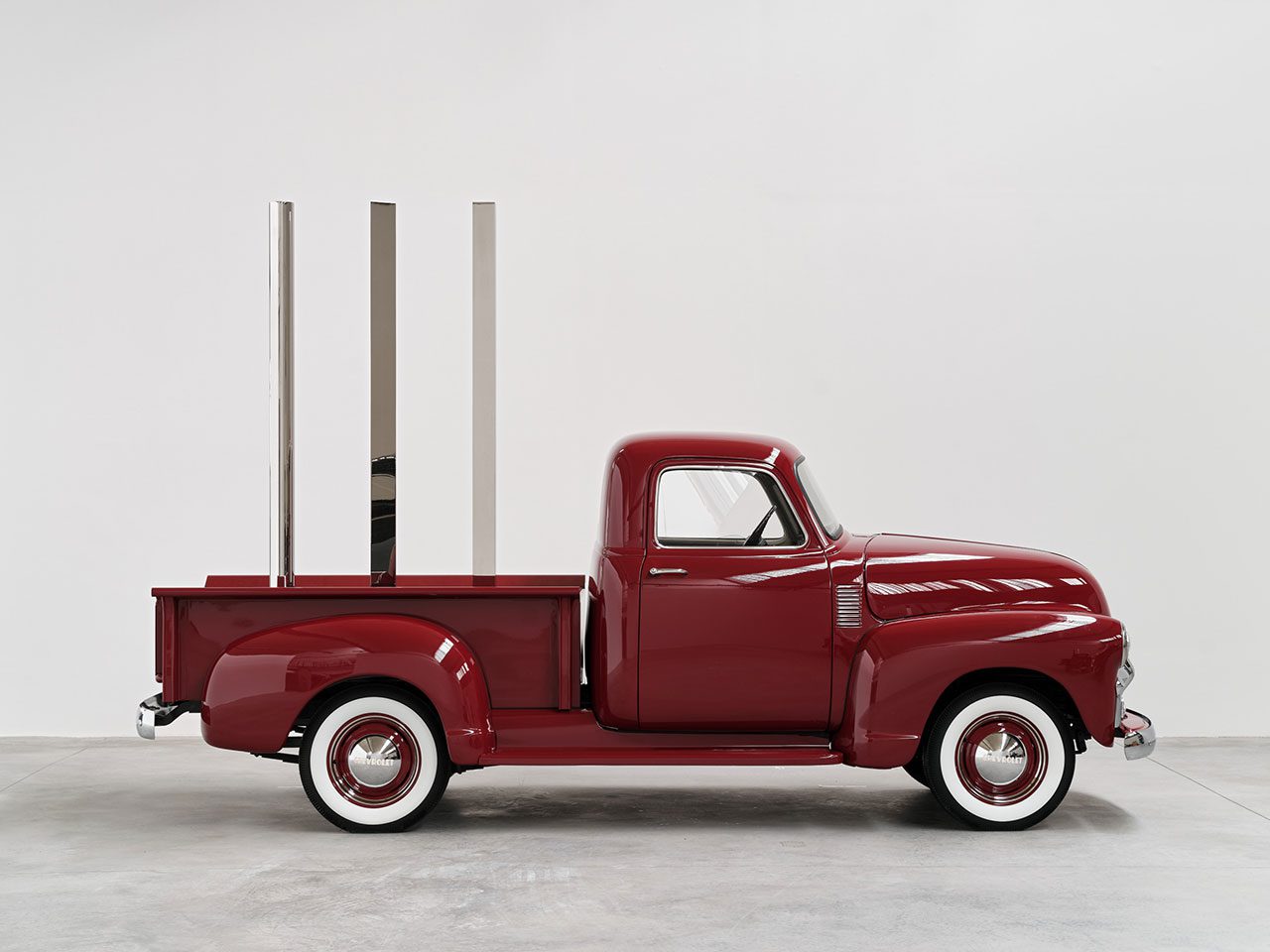
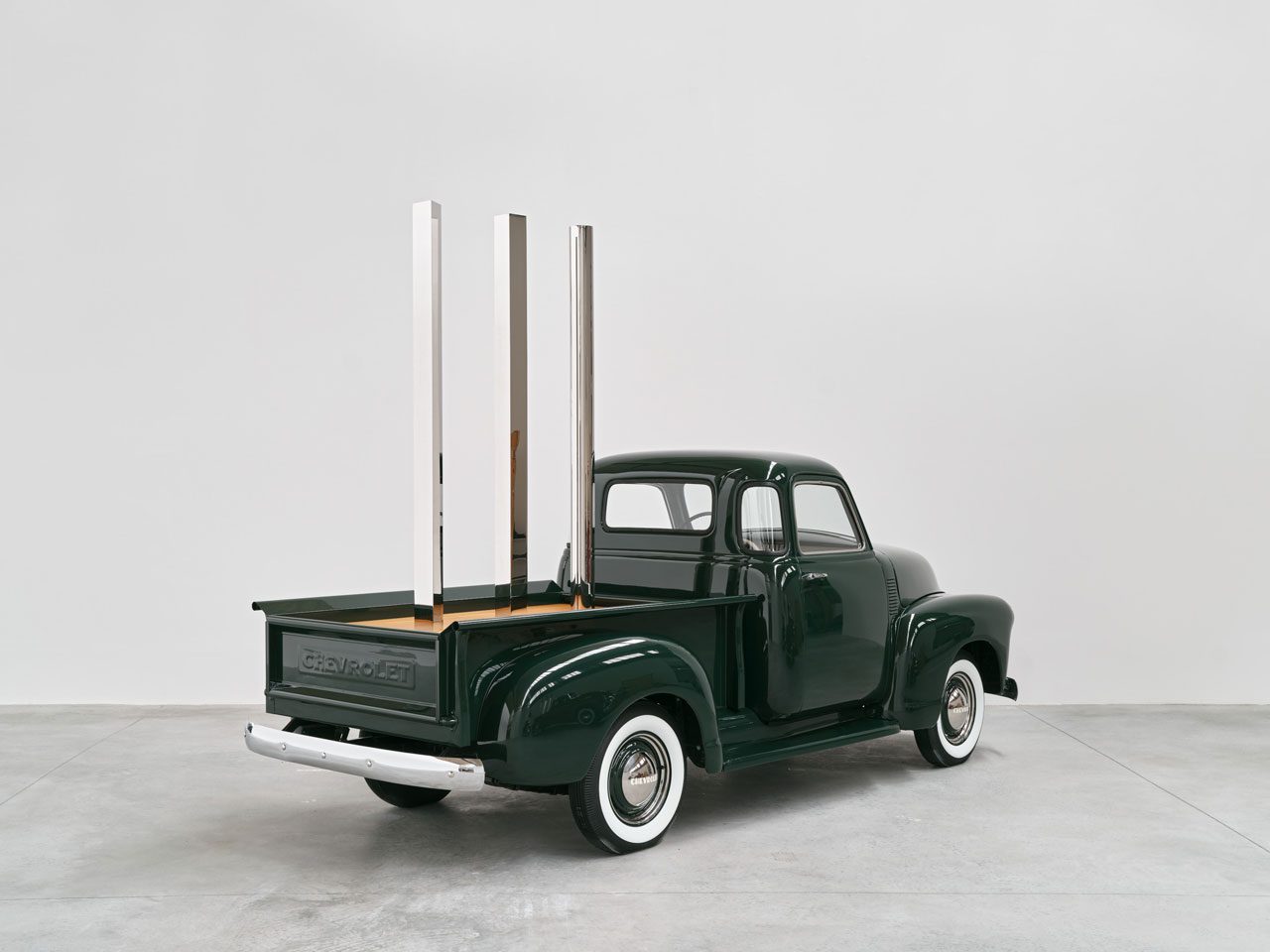
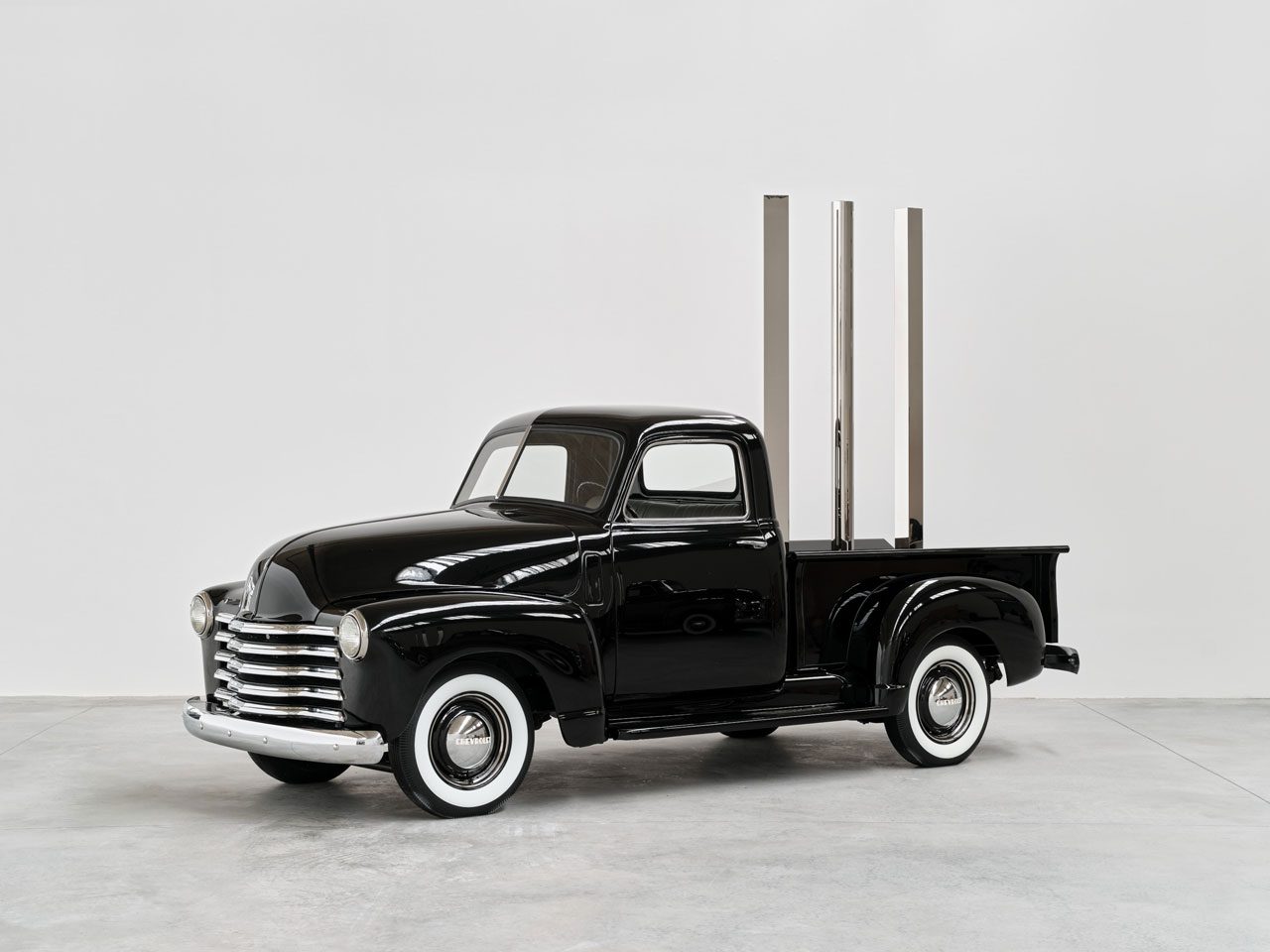
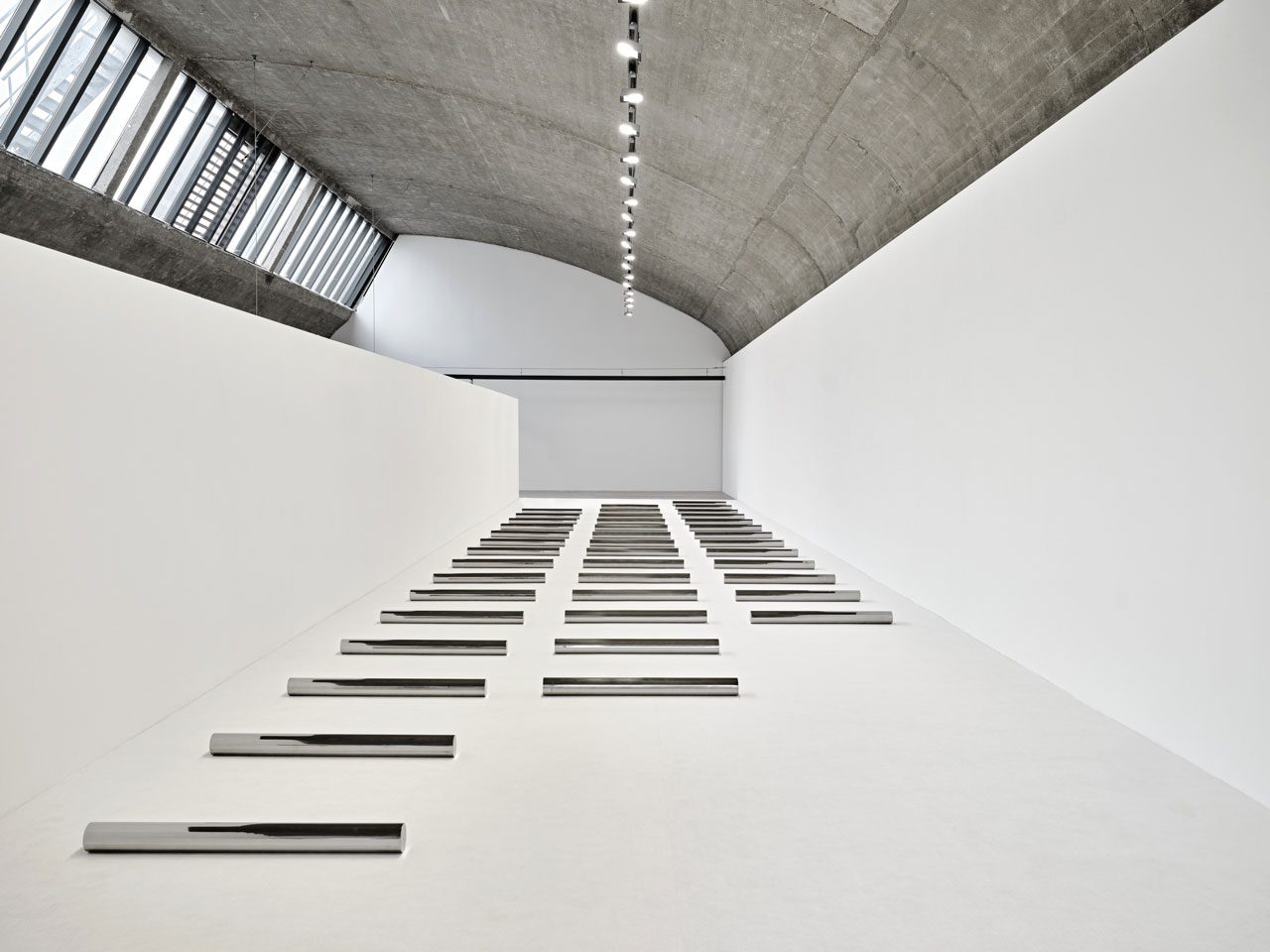
Conceived in 2011 and completed posthumously in 2017 according to his specific directions, De Maria’s final work comprises three Chevrolet Advance Design 3100 pickup trucks, iconic models manufactured from the late 1940s to mid-1950s, when the artist was a young man. Polished, stripped of all extraneous elements and therefore function, and fitted with upright stainless-steel rods in their finished oak panel beds, they stand as monuments both austere and hallucinatory. A different configuration of triangular, square, and circular rods crowns each vehicle, turning tools of transport into geometric beacons of reflection. At once humorous and solemn, industrial and metaphysical, the work condenses De Maria’s pursuit of fusing hard fact with wonder. “Truck Trilogy” is complemented by “13, 14, 15 Meter Rows” (1985), a floor sculpture that consists of forty-two polished polygonal solid stainless-steel rods arranged horizontally in three rows, each successive row increasing by a meter in length. The work attests to De Maria’s fascination with mathematical sequences that produce visual harmony, while also reflecting viewers’ movements.
De Maria was a trained percussionist, and rhythmical patterns, frequency, and perceptions of harmony can be traced throughout his expansive oeuvre back to the 1960s, when he was an integral member of avant-garde music projects in downtown New York. A founding member of the Druds—a band with Andy Warhol, Patty and Claes Oldenburg, Jasper Johns, Larry Poons, and La Monte Young—De Maria went on to play drums with the Primitives, a band that would later become the Velvet Underground, and produced sculptural and conceptual works directly connected to music.
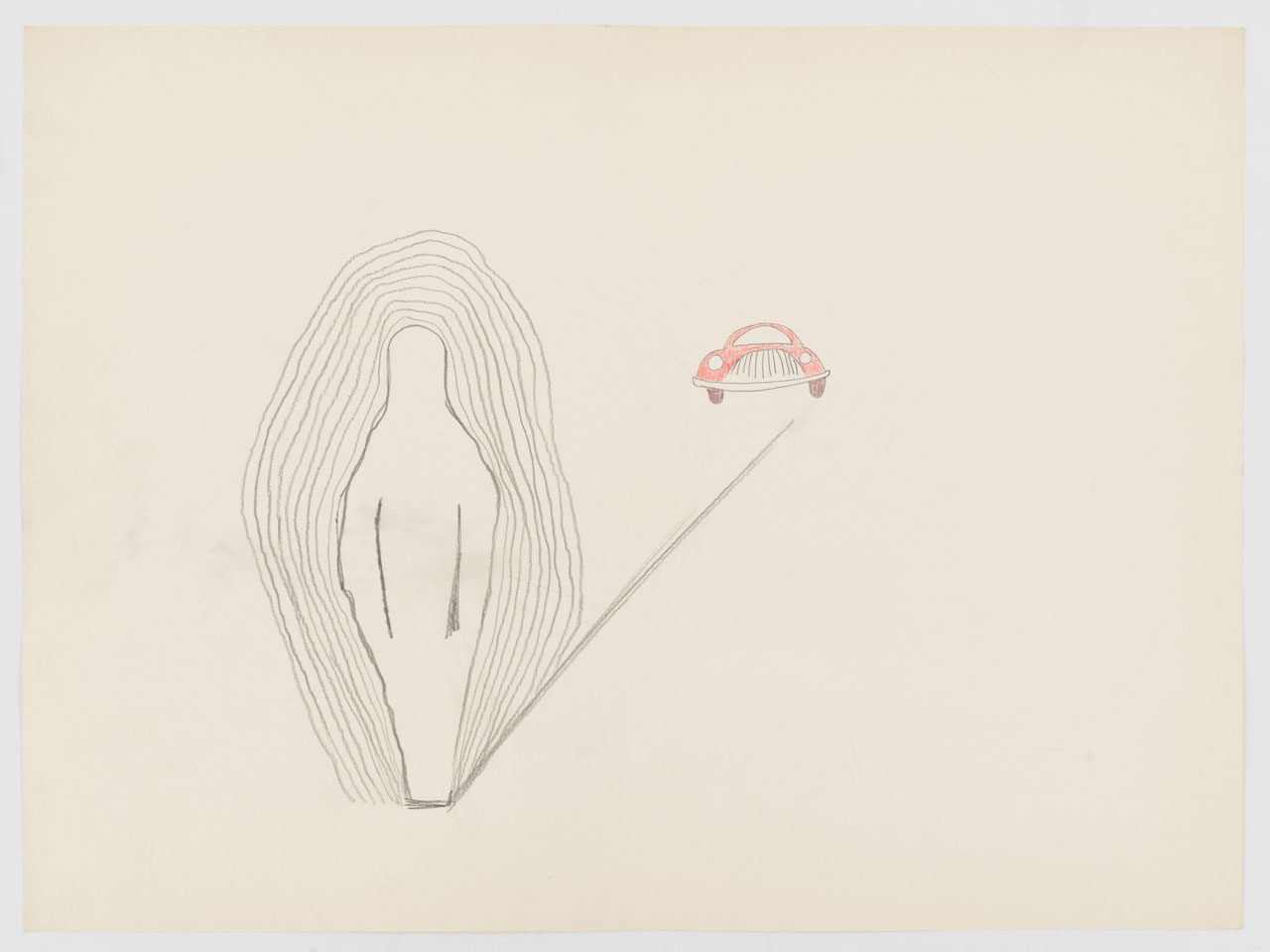
Musical and poetic qualities of meter and repetition are found throughout the works at Le Bourget. The layout of the five sequential entries from “10 through 17-Sided Open Polygons “(1984) encourages further awareness of distance, angle, and the viewer’s physical presence. Drawings—such as the enigmatic “Invisible Flying Saucer” drawings (1974)—and films such as “Hard Core” (1969) and “Three Circles and Two Lines in the Desert”( 1969) satisfy De Maria’s criterion that “every work should have at least ten meanings” and underscore the breadth of his practices, which were rigorous yet playful, systematic yet imaginative.
Photo: Walter De Maria, Truck Trilogy, 2011–2017, installation view at Dia Art Foundation, Beacon, New York, 2017–19, © 2025 Estate of Walter De Maria, Photo: Rob McKeever, Courtesy Gagosian
Info: Curator: Donna De Salvo, Gagosian, 26 avenue de l’Europe, Le Bourget, France, Duration : 19/10/2025-18/3/2026, Days & Hours: Tue-Sat 11:00-18:00, https://gagosian.com/