PHOTO: Jeff Wall-Living, Working, Surviving
Jeff Wall’s photographs often depict events the artist has witnessed and reconstructed in a process he calls ‘cinematography’. His subject matter ranges from everyday occurrences photographed in real places to imaginary situations constructed in a studio. He is considered to be one of the artists who since the 1970s has led the way in emphasizing the affinities between photography, painting, and cinema.
By Dimitris LEmpesis
Photo: MAST Foundation Archive
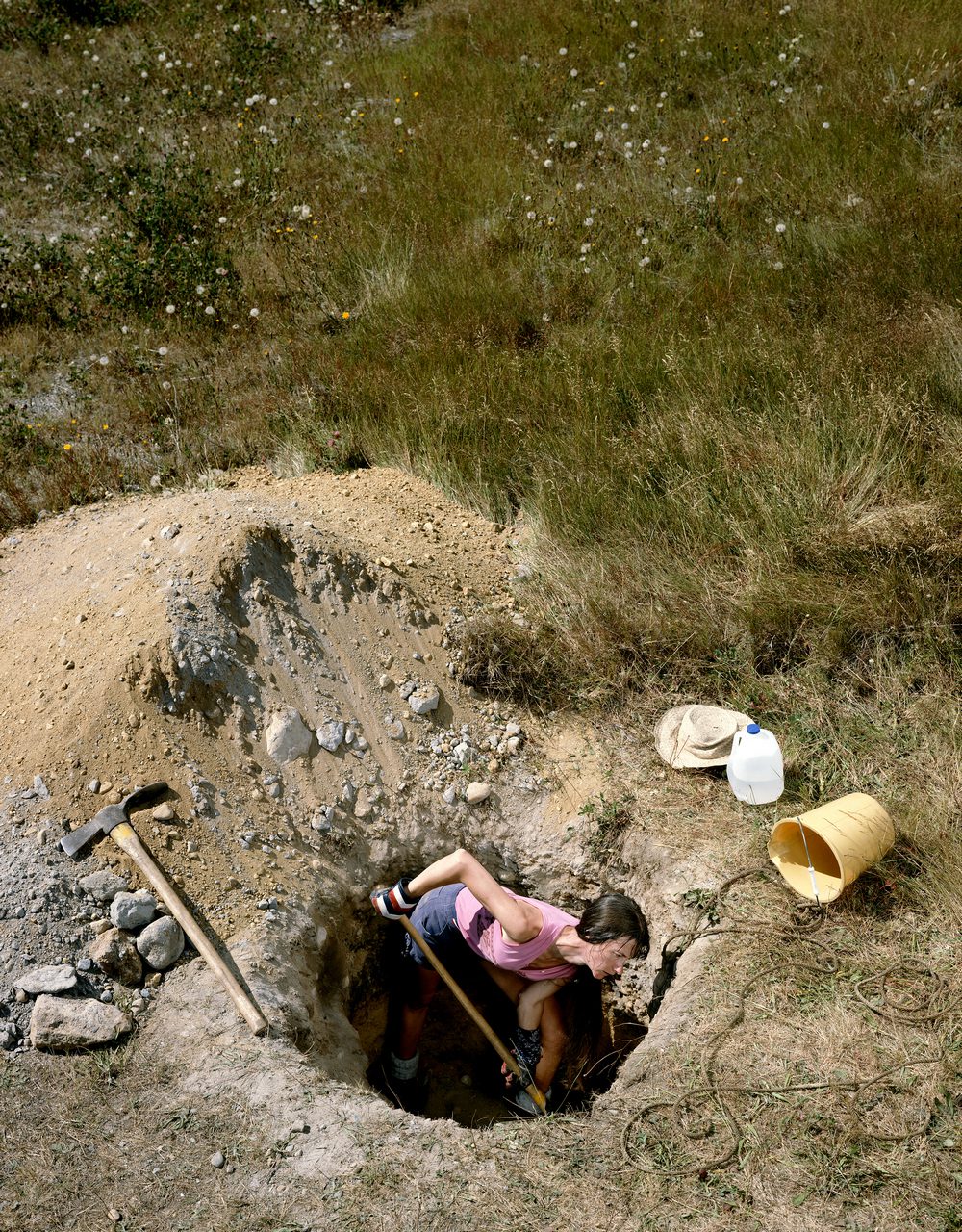
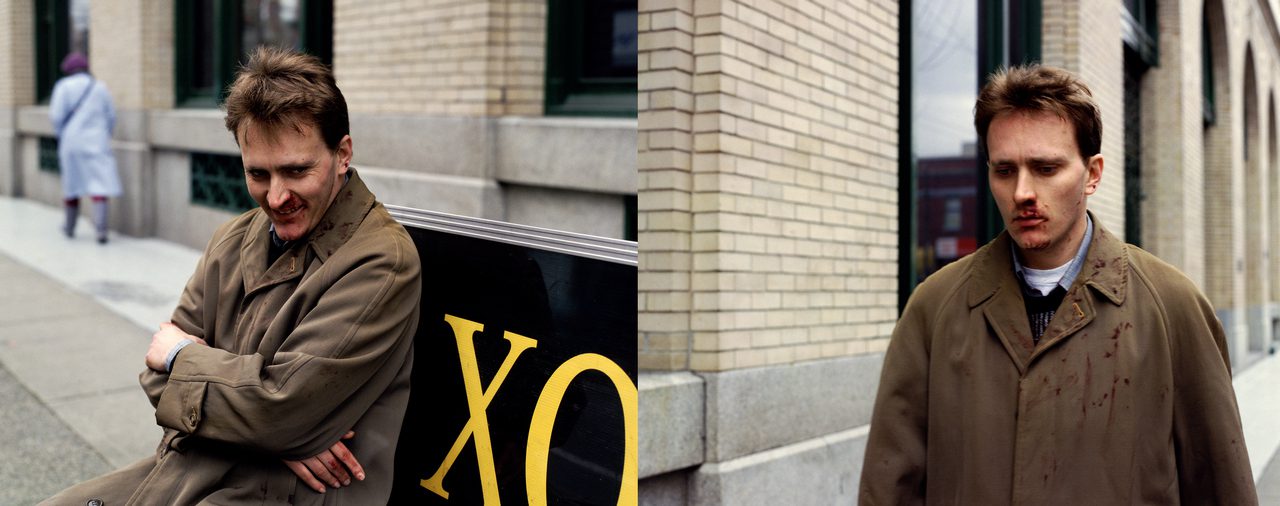
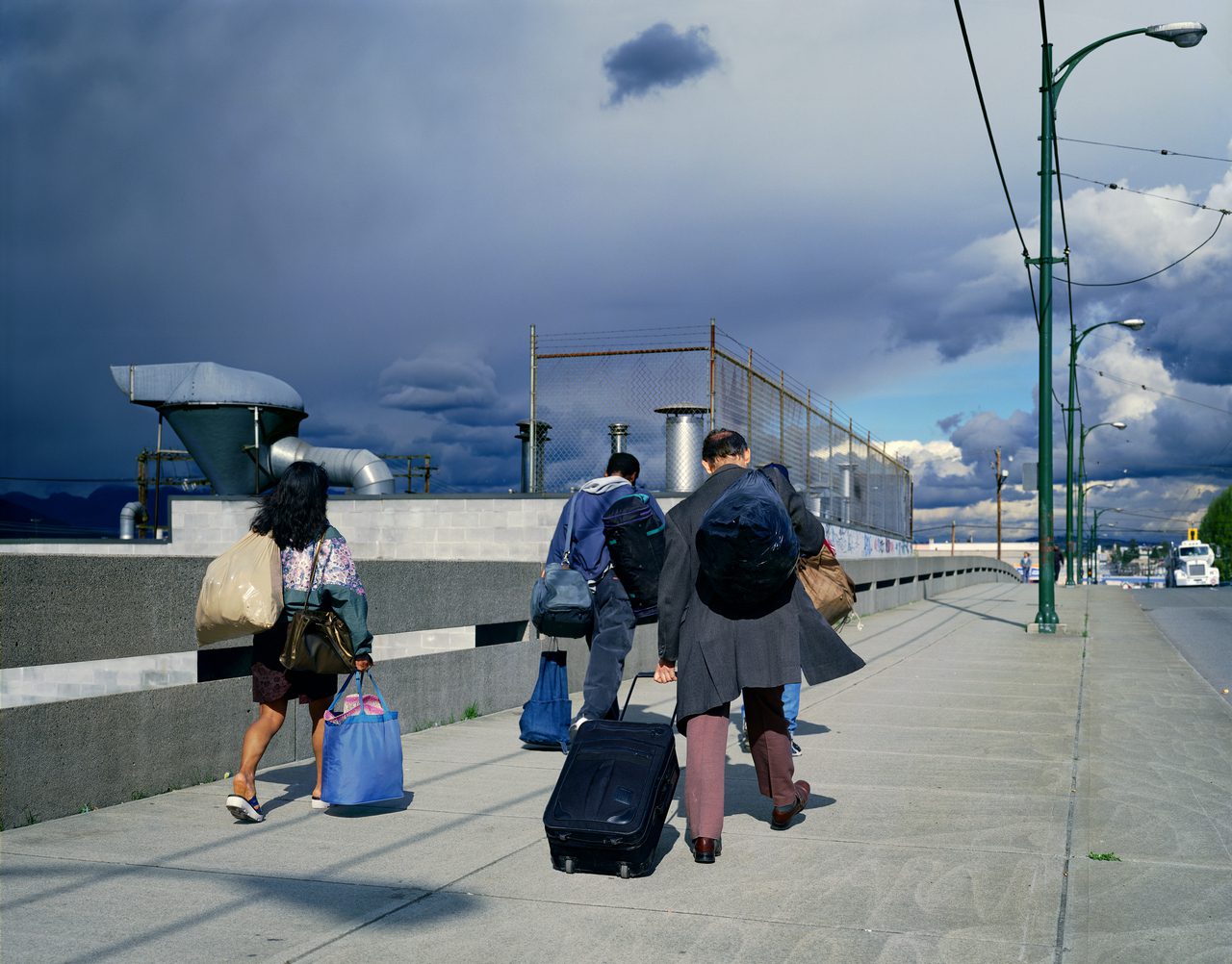
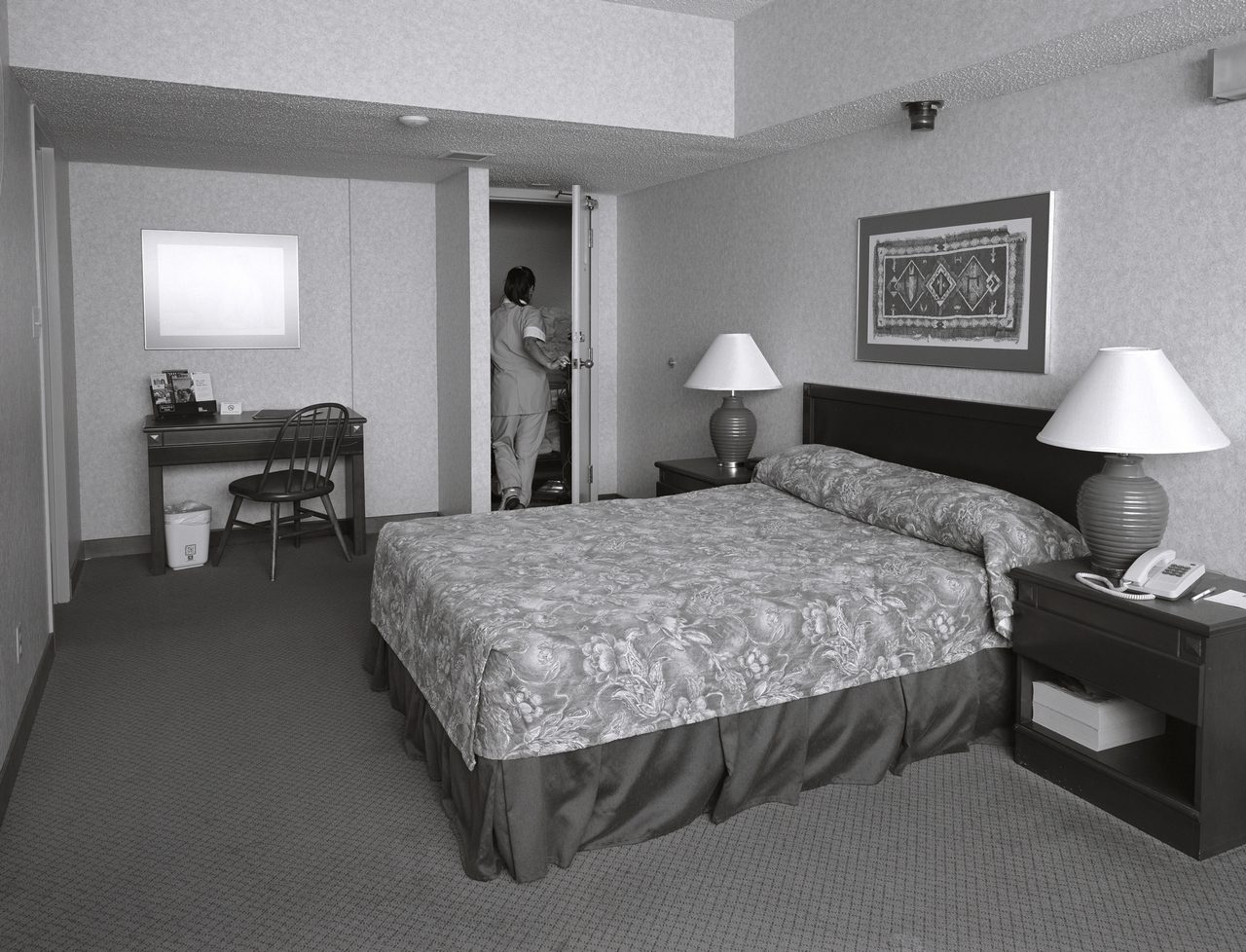
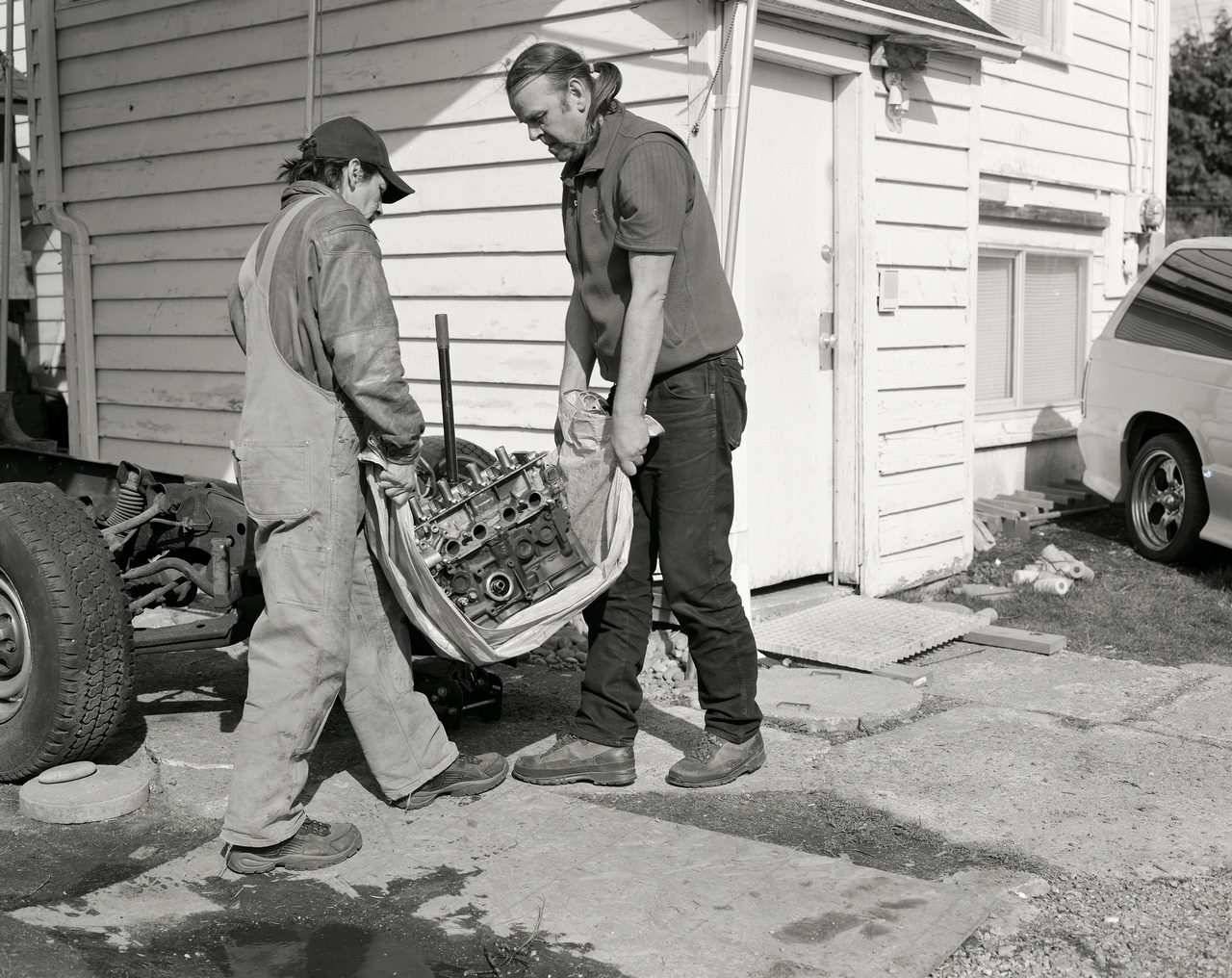
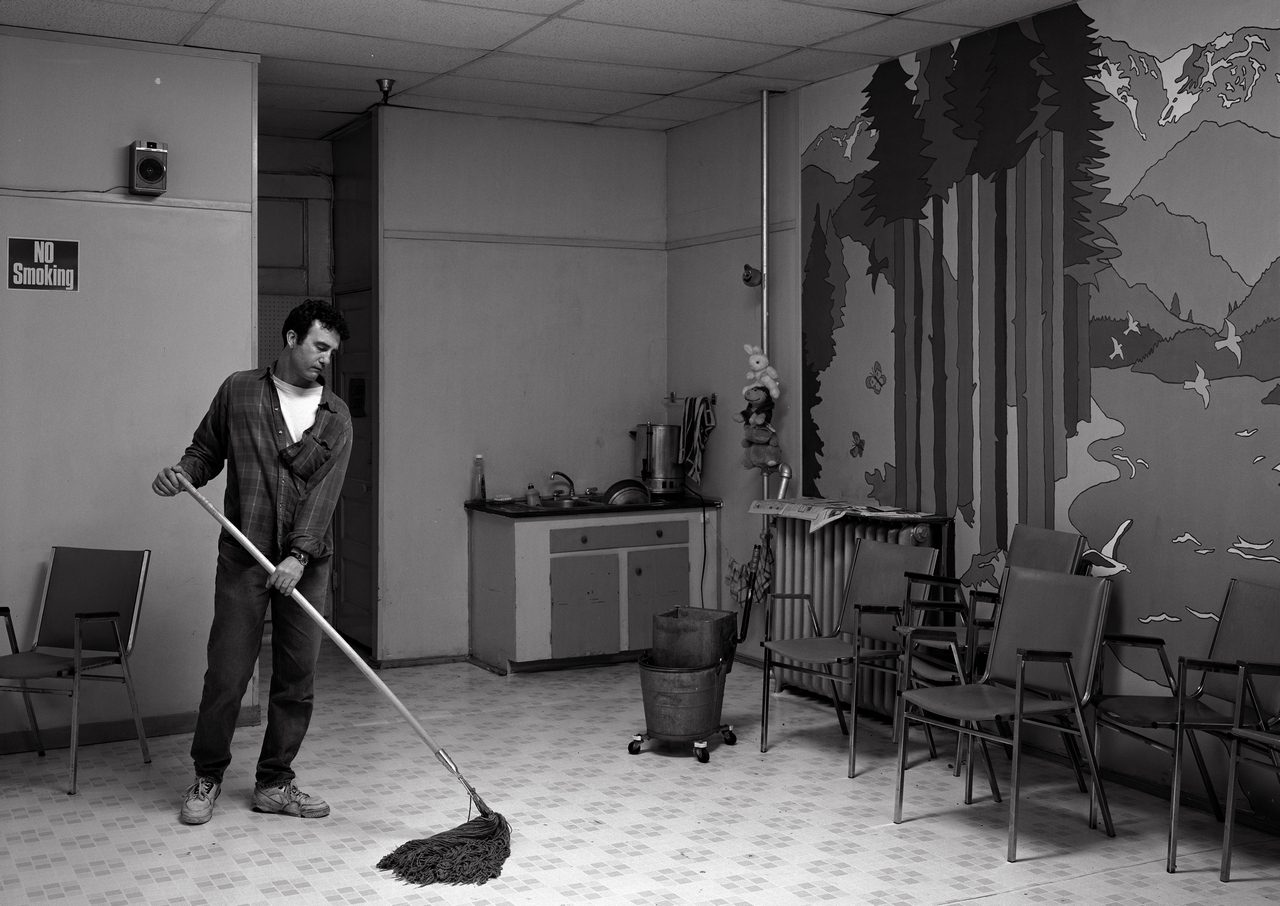
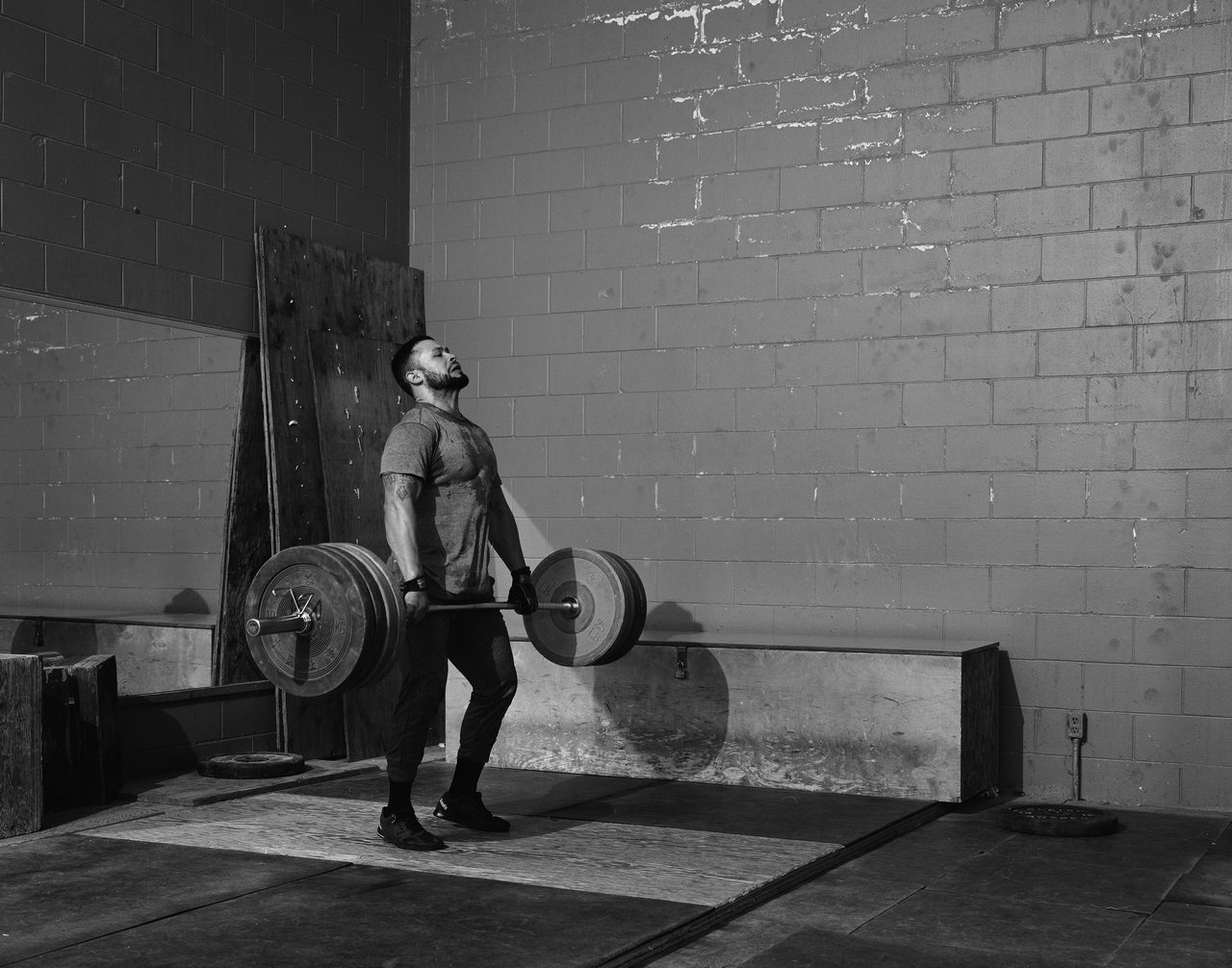
As part of the Foto/Industria Biennale of Industrial and Work Photographym Jeff Wall’s exhibition “Living, Working, Surviving” presents 28 works spanning four decades, offering a profound meditation on everyday gestures, social contradictions, and the painterly possibilities of photography, and 28 large-format works—lightboxes, color prints, and black-and-white photographs—created between 1980 and 2021 and sourced from private collections and international museums. These images appear at first glance to be candid snapshots of daily life: workers carrying out tasks, people moving through urban spaces, individuals caught in ordinary gestures. Yet, as viewers soon discover, they are **carefully staged, enigmatic compositions of events that never occurred**, deliberately ambiguous scenes that invite reflection and interpretation. Jeff Wall has been instrumental in redefining photography as a painterly medium. His practice draws on the tradition of the tablea, inspired by Velázquez, Delacroix, and Manet, while simultaneously engaging with cinema and advertising. Wall’s lightboxes, introduced in 1978, became a hallmark of his work for nearly thirty years. By adapting a familiar urban communication tool into the gallery space, he created luminous panoramas that projected outward toward the viewer, evoking the immersive qualities of theatre and film.
In contrast, his black-and-white photographs, introduced in 1997, function as an “antithesis to large-format slides,” presenting a world where colour has suddenly vanished. Wall himself described them as “hallucinations of the disappearance of color, which create a kind of shock.” Later, colour prints expanded his repertoire, offering yet another layer of complexity. Wall’s dual use of lightboxes and prints underscores his fascination with the tension between revelation and concealment. Lightboxes project the image outward, demanding attention, while prints absorb the gaze, requiring viewers to cross a threshold and enter the scene imaginatively. His frequent use of life-size formats intensifies this effect, making spectators feel as though they are standing within the unfolding drama.
Beyond formal innovation, Wall’s work is deeply rooted in social observation. His images condense the “aspirations and contradictions of Western society”, portraying both the middle class and those on the margins. He often references Dostoevsky’s “Humiliated and Insulted”, drawing parallels between the slums of St. Petersburg and the Vancouver neighbourhood where his studio is located—a place inhabited by low-income and homeless populations. This proximity has kept him in contact with society’s most vulnerable, shaping his empathetic yet unsparing vision. Ultimately, “Living, Working, Surviving” affirms Jeff Wall’s role as a **painter of modern life through photography. His staged yet lifelike images blur the line between reality and fiction, between documentary and invention. They are not stories told, but aspirations formulated, awaiting the viewer’s participation. In their luminous ambiguity, they remind us that the everyday is never simple, but layered with meaning, struggle, and beauty.
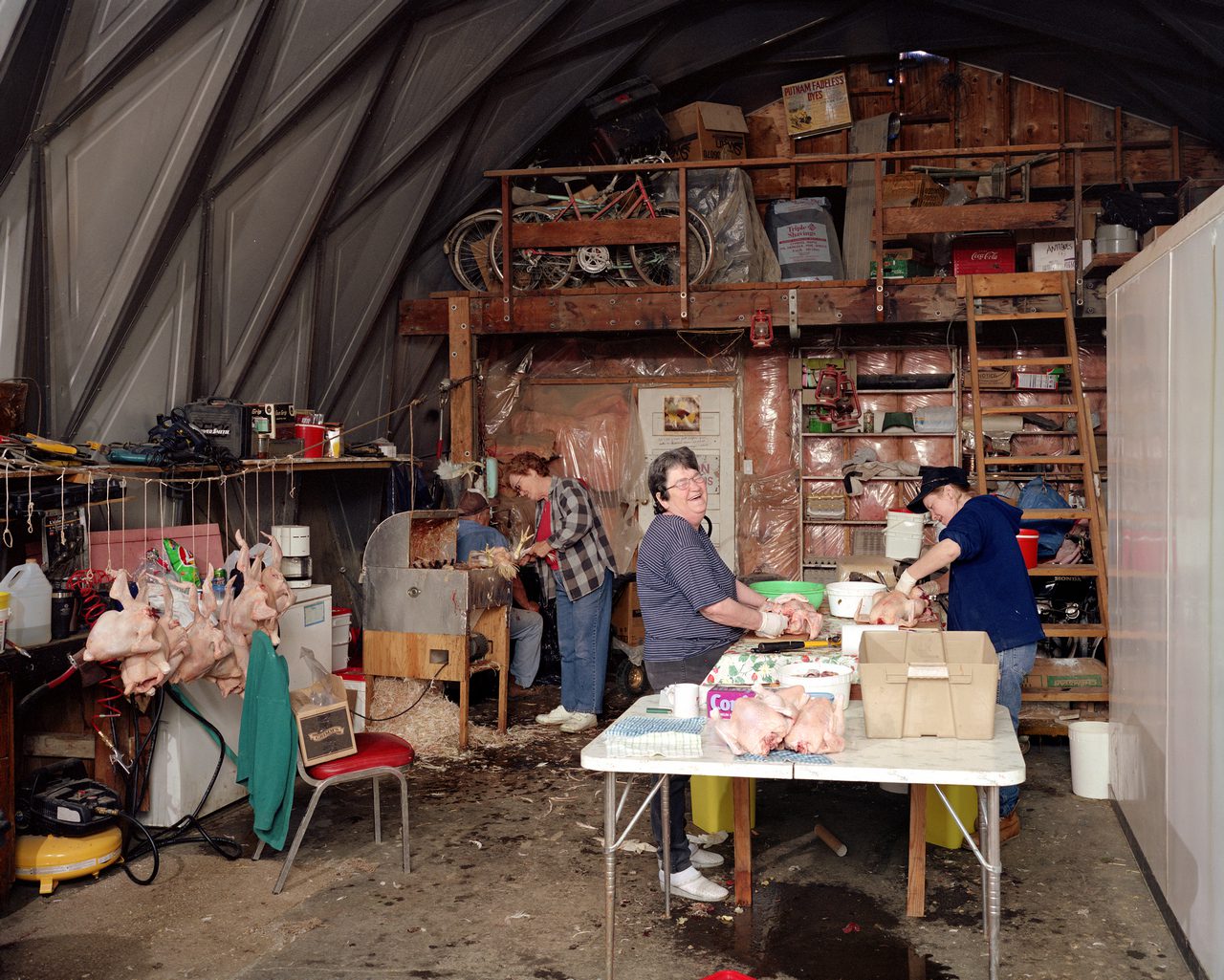
Photo: Jeff Wall, Dressing Poultry, 2007, transparency in lightbox, 201,5 x 252 x 20 cm, ©: Jeff Wall, Courtesy: Cranford Collection, London
Info: Curator: Urs Stahel, Fondazione MAST, via Speranza 42., Bologna, Italy, Duration: 7/11/2025-8/3/2026, Days & Hours: Tue=sun 10:00-19:00, www.mast.org/