BIENNALS: Foto/Industria 2025 – Home, Part II
Fo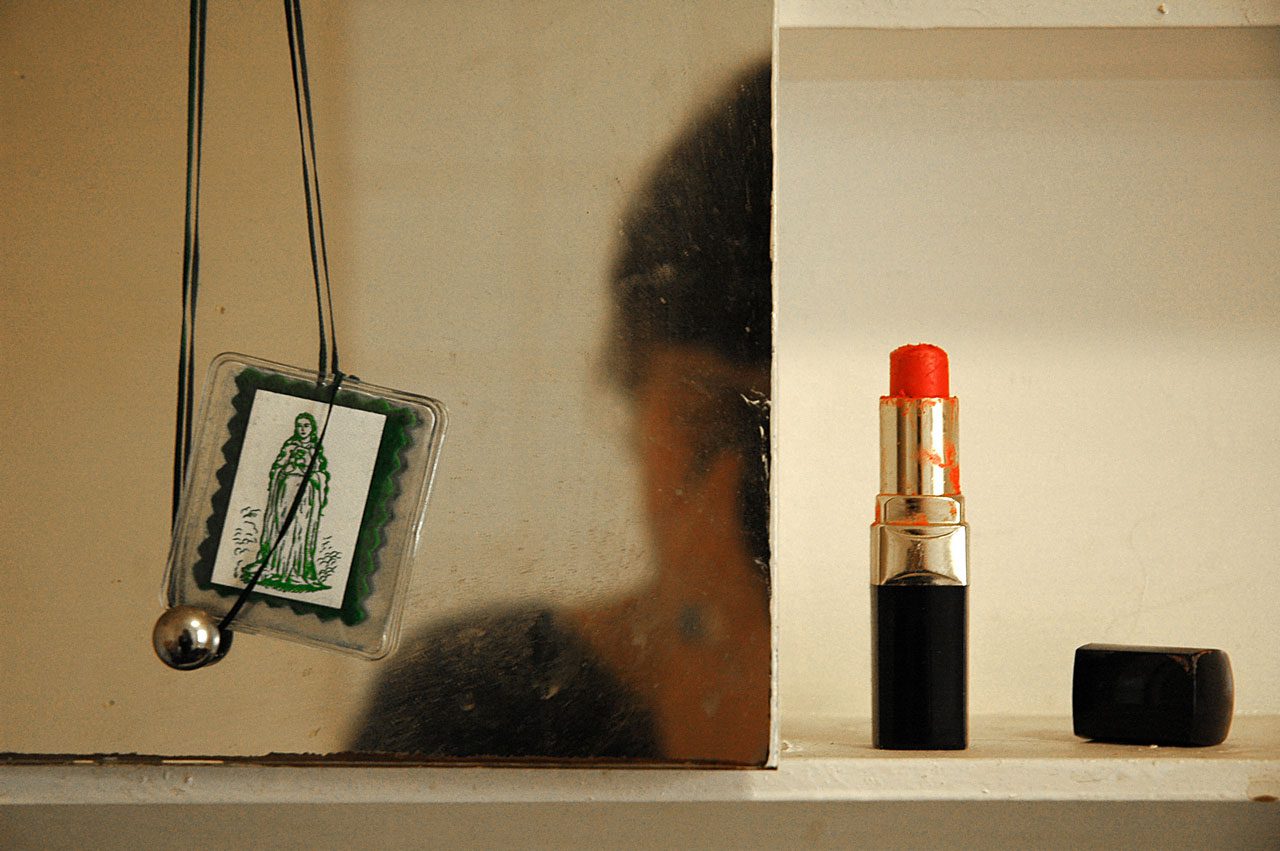 Foto/Industria is the first biennial in the world dedicated to photography of industry and work. It is an event promoted, produced and organised by the MAST Foundation, an international cultural centre related to the Coesia Group. Through Foto/Industria the MAST Foundation aims at a double goal: on one hand promoting photography in its historic and contemporary dimensions and on the other narrating through different gazes the extraordinary relevance of industry and its power of transforming geographic and human communities (Part I).
By Dimitris Lempesis
Photo: MAST Foundation Archive
The 7th edition of Photography Biennial of Industry and Work is dedicated to the theme of the home. Ten exhibitions are set up across seven venues in the historic centre of Bologna. At the same time, the solo exhibition by Jeff Wall open in the MAST Galleries, the exhibition presents a selection of powerful and vivid representations of post-modern life and late-capitalist society, featuring large light boxes and black-and-white prints. “HOME”, the house, is the theme of the photographic journey for the 7th edition of the Biennial, expressed in ten exhibitions across seven venues in the historic centre of Bologna, along with an eleventh exhibition “Living, Working, Surviving| by Jeff Wall. “HOME” represents a new chapter in Foto/Industria’s exploration of the relationship between photography, industry, work, and technology. In this edition, both artworks and visitors not only occupy and share spaces, but are invited to inhabit them. The home is a physical structure, whose construction in itself is a major industrial challenge, but it is also a symbol of belonging, protection, and identity. It is a space of memory and transformation, whose evolution stems from the conditions, needs, habits, and desires of those who live in it. It is an object that changes as technology advances, inside and out (becoming more energy-efficient, safer, better equipped with assistance and automation systems), as well as a true cultural artefact. Exploring the concept of home offers new perspectives and tools for understanding its complexity and contemporary dimension. Photographers and artists have long worked with the theme of the home, analysing its connections with architecture (from traditional dwellings to contemporary megalopolises), psychology (the home as a shelter or a prison), economy (from luxury districts to workers’ villages, from real estate speculation to housing crises, and the home as a workplace), politics (shared or expropriated spaces, from welfare to migration flows), and even climate change, which demands new design approaches.
The exhibitions of Foto/Industria 2025– offer a visual chronology on the theme of the home, from the early 20th century to modern times and the opportunity to observe and study the work of a selection of international artists (from emerging talents to leading figures on a global stage) through ten exhibitions that span over a century and explore diverse geographies:
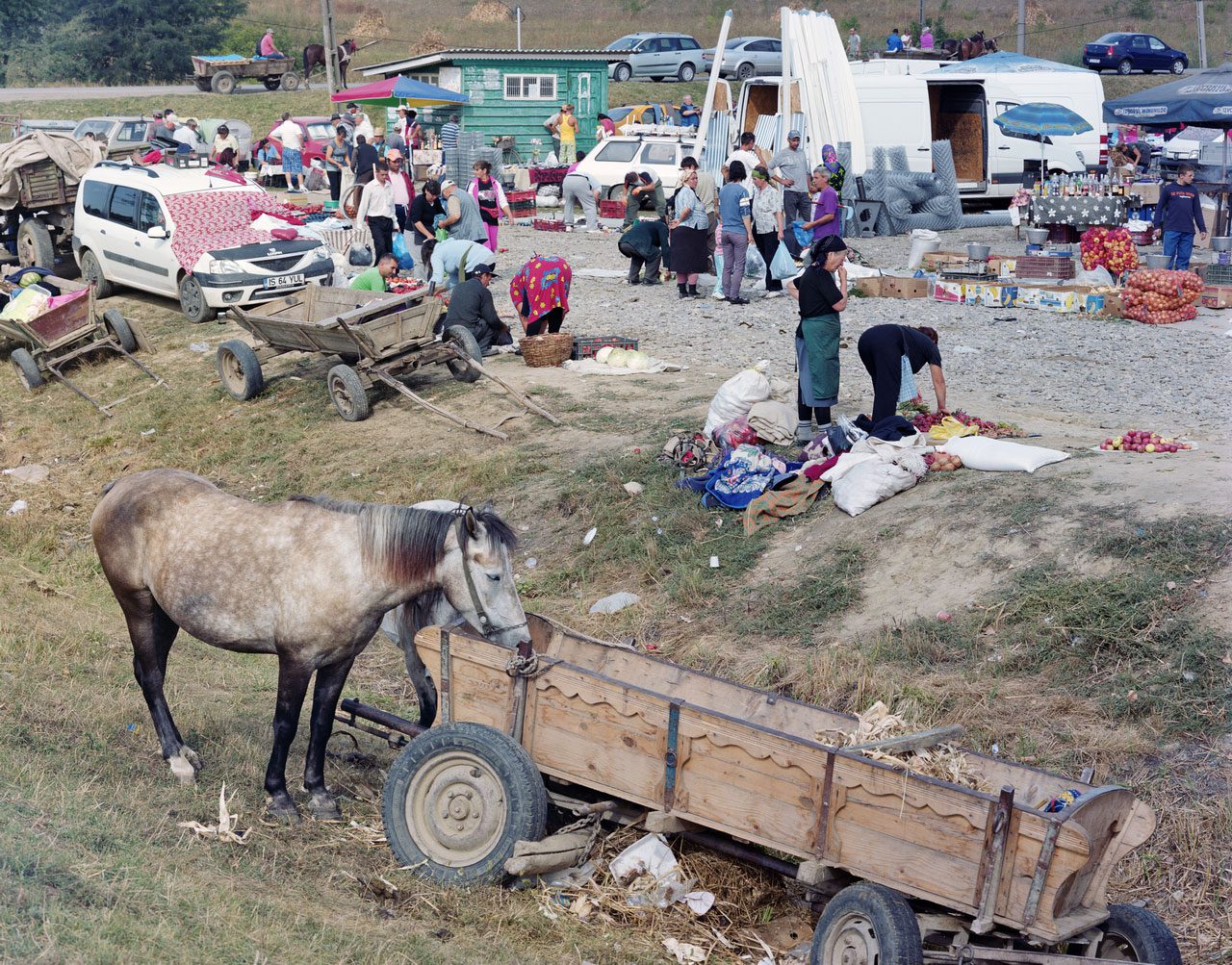
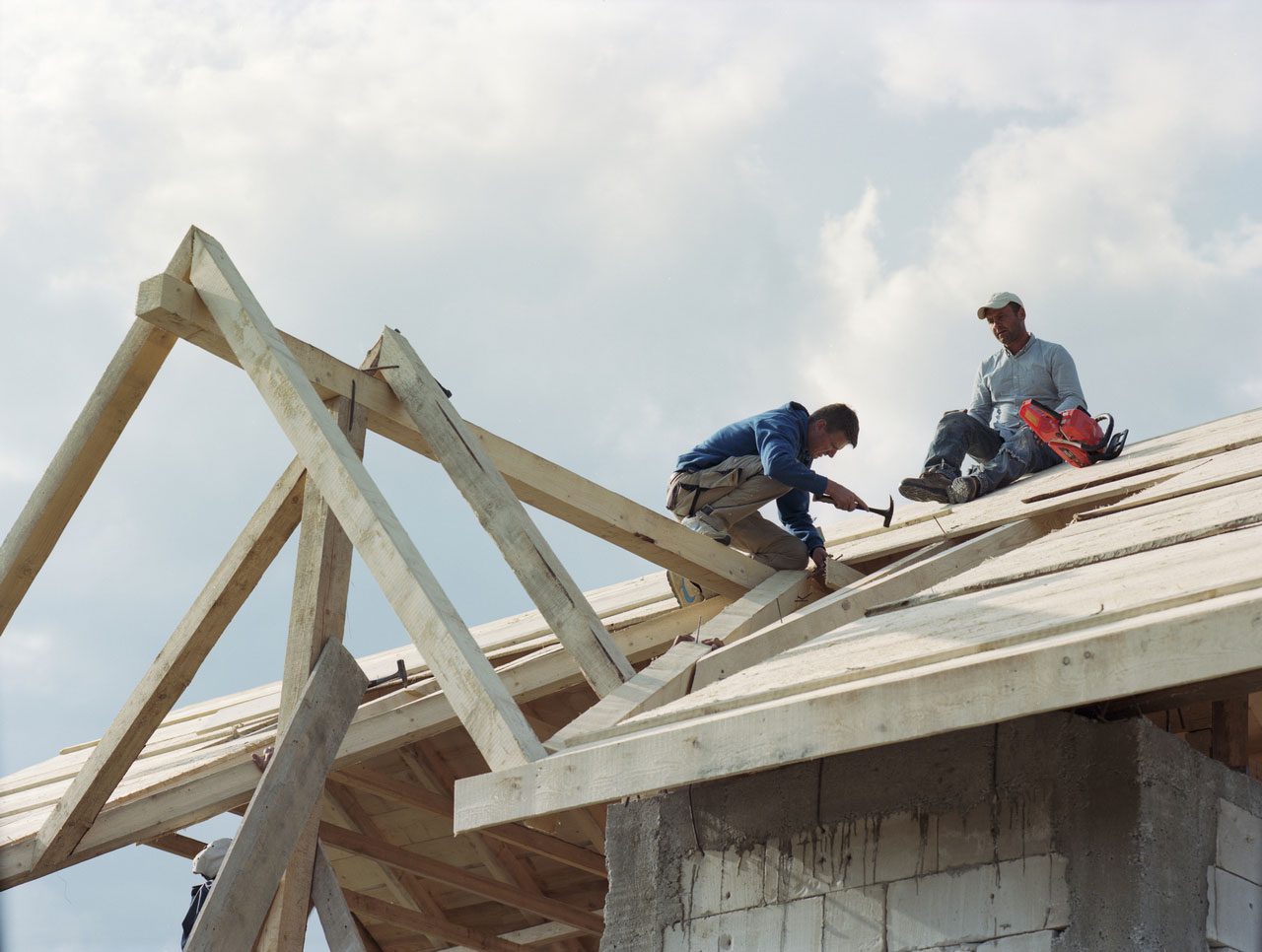
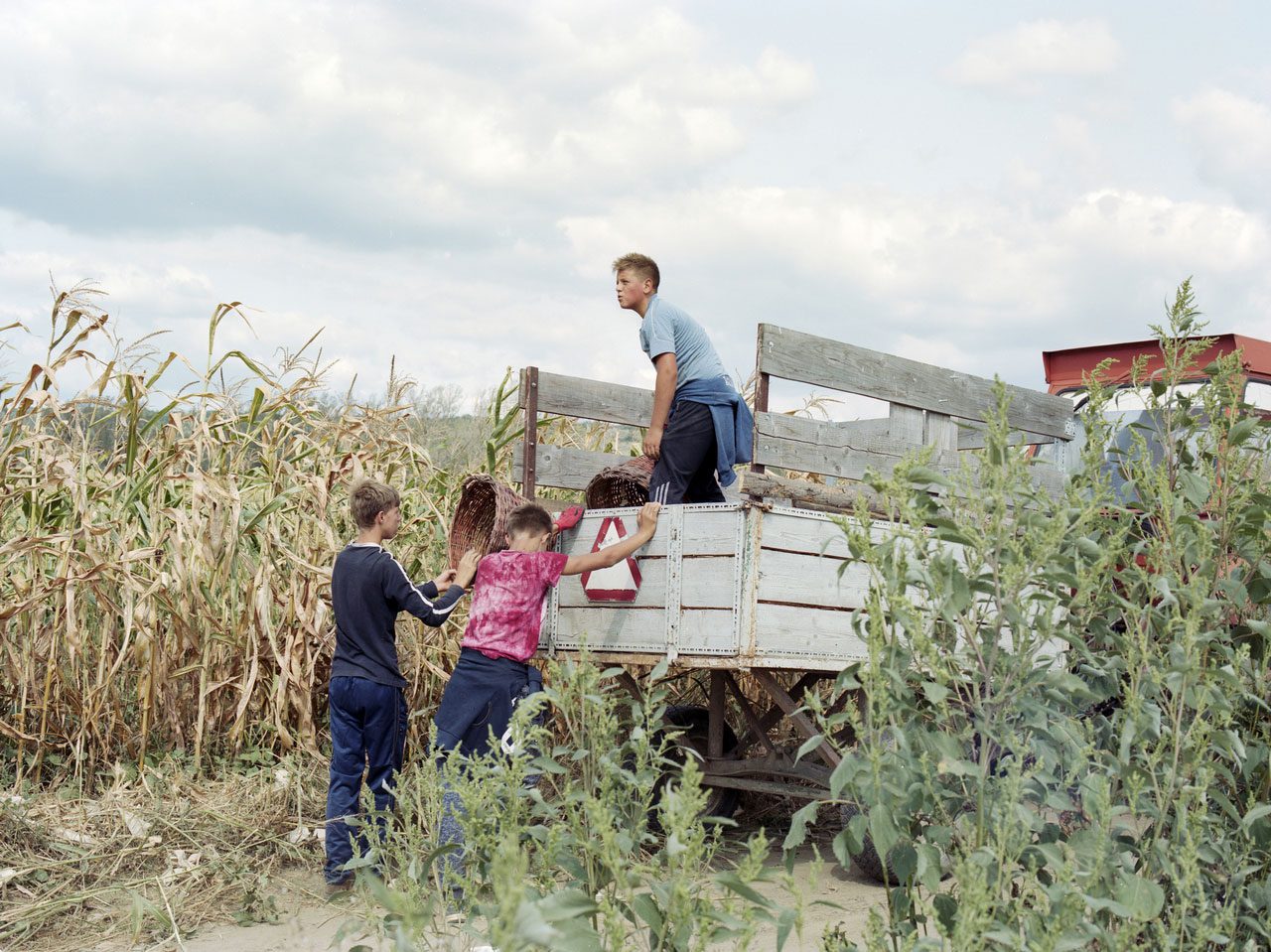
“Prut” by Matei Bejenaru is an ongoing project begun in 2011, focused on villages along the two banks of the Prut River, which since Romania’s accession to the European Union in 2007 has been a natural boundary of the new political Europe. These images connect us with a rural world rooted in the past yet exposed to the changes of the contemporary world. By observing daily life along the river—which is home to him—the artist tells the broader story: the political dynamics of the last fifty years, economic cycles, and ecological changes.
“A Small Guide to Homeownership” by Alejandro Cartagena is the result of thirteen years of research on the phenomenon of suburbanisation that has radically transformed the Mexican city of Monterrey over the past two decades. Organising his images into four thematic sections—the new neighbourhoods, their inhabitants, environmental impacts, and transportation systems—, the artist presents a paradoxical journey that, while appearing to guide the viewers toward the purchase of a home, actually challenges the rhetoric of property as a guarantee of well-being and stability, exposing its contradictions: a fragmented landscape of distant, isolated suburbs in conflict with the surrounding environment, with urban growth driven more by profit than collective welfare.
“Looking for Palestine” by Forensic Architecture is a research centre founded in the Goldsmiths University in London. Its mandate is to develop, employ, and disseminate new architectural and technological tools, methods, and concepts for investigating violations of human rights state crimes. The term ‘forensic architecture’ refers to the production and presentation of spatial evidence within legal, political, and cultural contexts, and to the use of architecture as an optical device to investigate armed conflicts and environmental destruction. Today the group provides crucial evidence to international courts and works with a wide range of activist organisations and NGO, Amnesty International and the UN. In the project presented at Foto/Industria, the collective reconstructs the destruction of Palestinian villages from 1948 on using documentaries, maps, historic photographs, virtual models, and infographics.
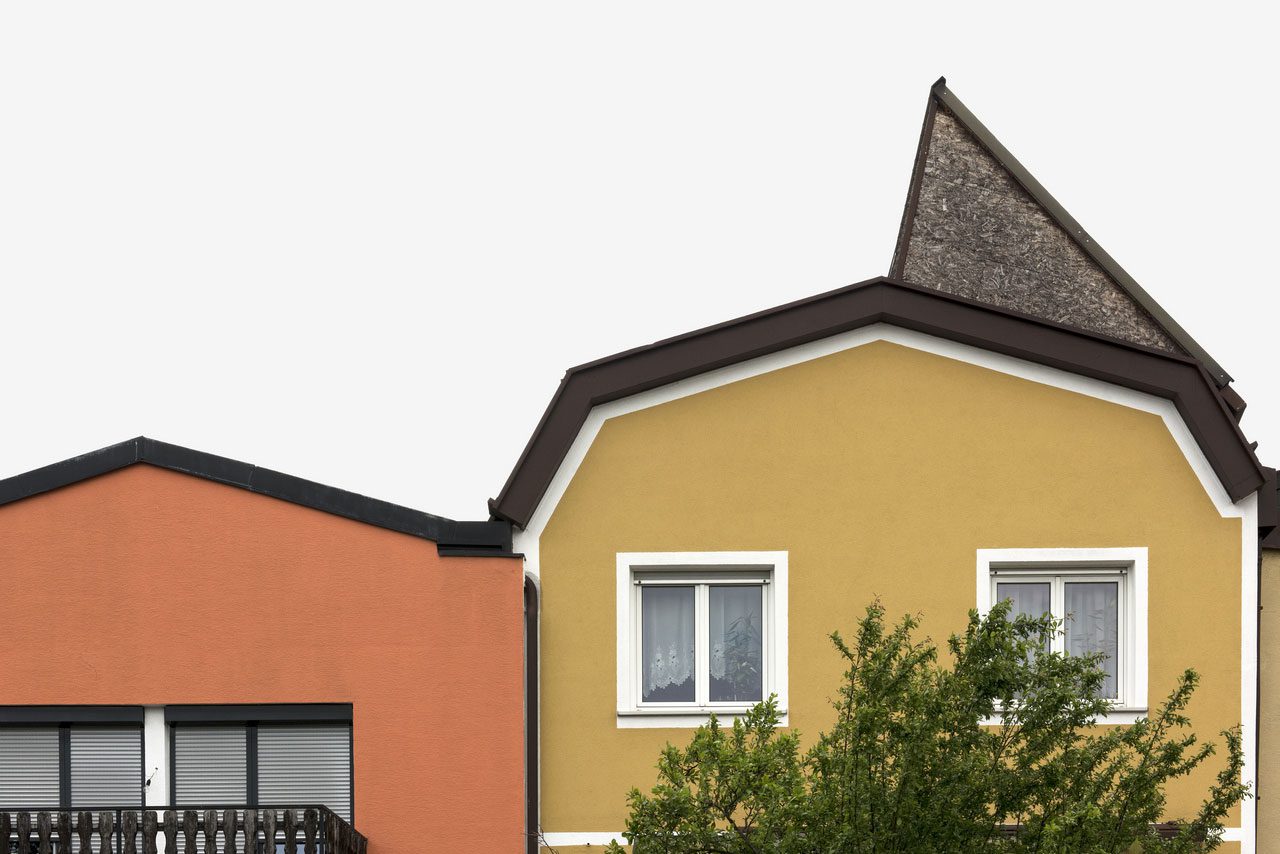
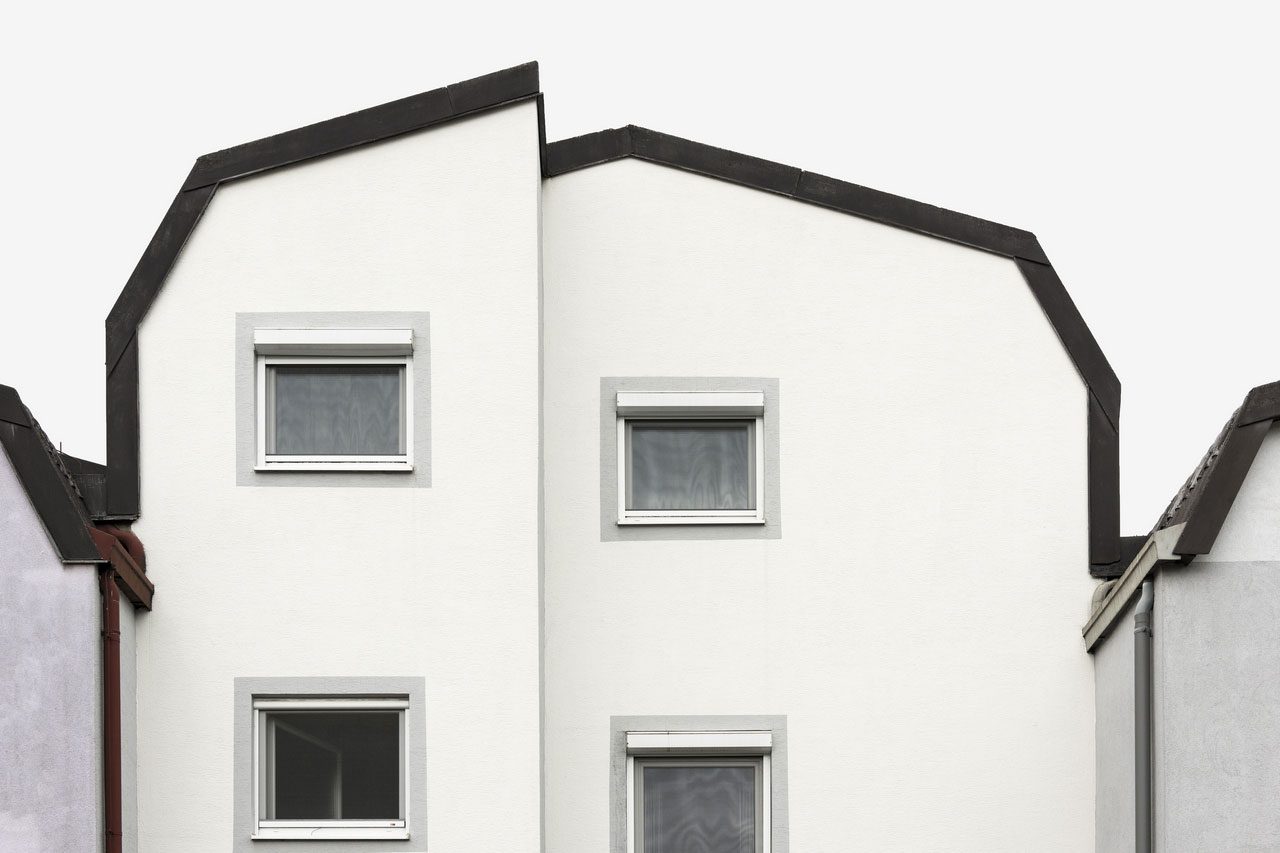
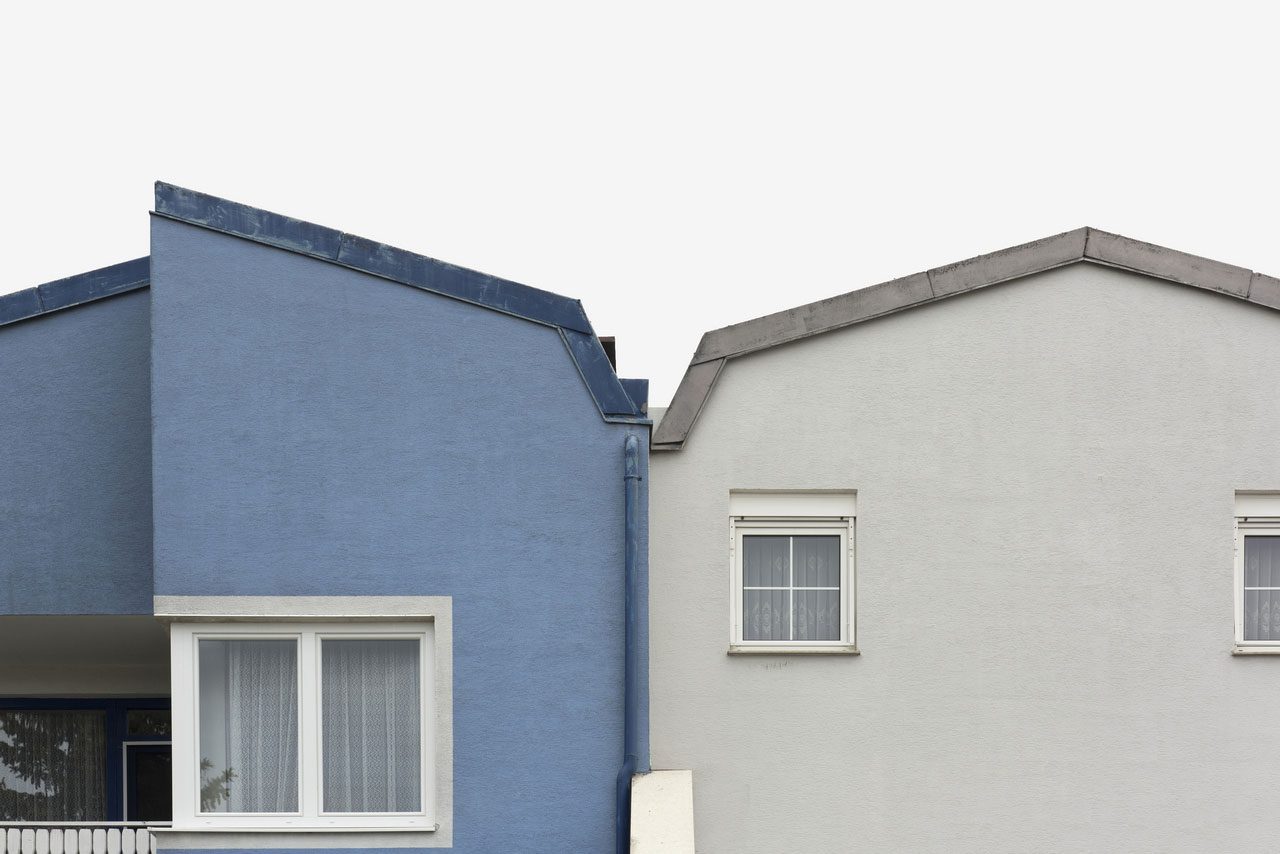
“My Dream House is not a House “by Julia Gaisbacher is dedicated to the Gerlitzgründe residential complex in Graz, one of Austria’s first participatory social housing experiments, designed in the 1970s by architect Eilfried Huth. In that pioneering context, Huth introduced a radical method where architectural design took place alongside future residents, fostering a collaborative relationship based on equality and mutual listening. He thus created a laboratory which gave concrete form to new architecture and at the same time built solid communities and friendship networks. Through a photographic series, a documentary film, a selection of archival images provided by the residents, and an original architectural model, the exhibition reconstructs a complex mosaic that represents the layered dimension of the original project.
“The series Popihuise” by Vuyo Mabheka, exists in an intermediate space between document and fiction, past and present, autobiography and collective narrative. The title refers to a game popular in South African townships, ‘popihuis,’ a low-cost version of a dollhouse in which children recreate domestic spaces with improvised materials, bringing to life alternative microcosms. Here, the home is not just material but also affective and symbolic. The artist reinvents his early life, cutting out childhood photos, removing context, and integrating them into colourful, evocative scenes.
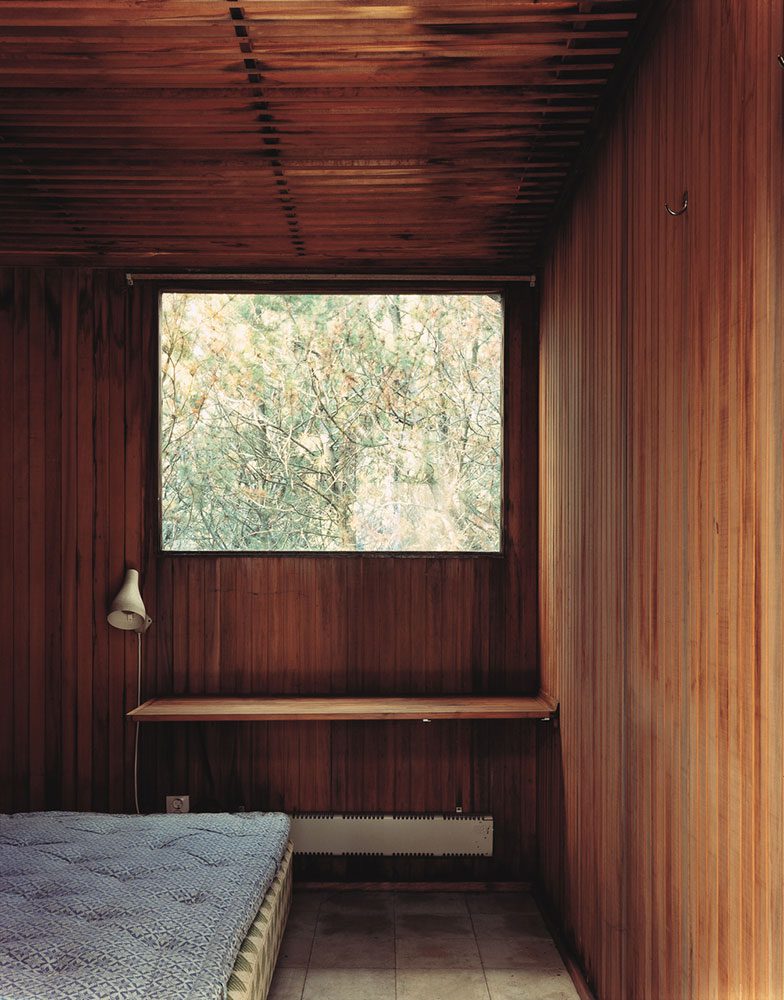
“Södrakull Frösakull” by Mikael Olsson is a study conducted from 2000 to 2006 on two emblematic houses by modernist architect and designer Bruno Mathsson, built respectively in the 1950s and 1960s in Värnamo, southern Sweden. The two buildings are not only homes but conceptual statements, radical experiments on the relationship between individual and environment, domestic space and natural landscape. Olsson’s work eschews conventional architectural photography—based on clarity and neutral representation—in favour of transforming subjects into vital, enigmatic, and unsettling presences. In these two houses, not only does the geometric perfection and purity of design emerge, but also their fragility—the way they embrace and reveal the passage of time, how they age, and how they preserve layers and memories.
“Quarta casa” is the first retrospective dedicated to Moira Ricci, featuring a broad selection of works spanning about twenty-five years. The exhibition highlights the coherence and depth of her research through the recurring, essential theme of the home, a framework where relationships unfold, memories are preserved, and private and collective life intersect, particularly in the Maremma region. A pioneer in Italy in the use of archival materials and the recontextualisation of family photography, Ricci has conducted a systematic study and reassessment of the roles played by this medium in society. Her work takes the form of a critical reflection on broad themes such as identity, popular culture, individual and collective memory, and strategies for their preservation and representation.
“Some Homes” by Ursula Schulz-Dornburg presents six series created between the 1960s and the early 2000s across Netherlands, Georgia, Russia, Turkey, Iraq and Indonesia, documenting homes built from natural materials meant to disappear within a few years, as well as installations designed to last centuries, combining a documentary style with conceptual influences and social concerns. Some of these structures result from deliberate architectural planning, others from millennia-old traditions rooted in specific environmental contexts, and yet others from spontaneous, childlike impulses. What unites them, however, is their ability to simultaneously respond to practical needs (shelter, rest, storage) and cultural purposes (self-representation, affirmation of belonging to a group, communication of social status), always within the limits imposed by the relationship with the resources and the environmental conditions.
“Microcosmo Sinigo” by Sisto Sisti depicts the Montecatini chemical plant and company village in Sinigo (Merano), built between 1924 and 1928. The author, a self-taught photographer and worker of Emilian origin who had emigrated to South Tyrol, documents not only the labour but also the daily lives of the families who lived there between 1935 and 1950. The exhibition features many private moments and views of the village, conceived almost as a collective dwelling. A true microcosm, with shared spaces, community gardens, bars, a cinema, a store, a school, and a medical clinic. There are over six hundred images on display, selected from the more than thirteen thousand preserved in the Fototeca, the provincial archive of Bolzano, and projected across five thematic stations. One room is dedicated to insights on the photographer, featuring a filmed interview with his daughters, original materials, and printed reproductions.
Kelly O’Brien” explores domestic work by intertwining her family’s stories with issues of class, gender, and occupation, advocating for the visibility of working women and their struggles. In her works, the narrative shifts between the tensions of domestic burdens—a shadowed space where gender disparities persist—and the paradox of the home as a sanctuary. “No Rest for the Wicked” celebrates the home to reveal the invisible labour that underlies it. The project highlights the experiences of women whose work, both inside and outside the home, often goes unrecognised.
The theme of the home will also be explored through an extensive programme of talks, screenings, presentations, and workshops for the public, as well as a series of educational activities for schools and families, held at MAST and at the venues in the historic city centre. All events are with free admission – advance booking is required.
Artists: Matei Bejenaru & Forensic Architecture (Palazzo Bentivoglio). Alejandro Cartagena (Palazzo Vizzani), Julia Gaisbacher, Vuyo Mabheka, Mikael Olsson, (Fondazione Collegio Venturoli), Moira Ricci (MAMbo – Museum of Modern Art of Bologna), Ursula Schulz-Dornburg (National Art Gallery of Bologna), Sisto Sisti (Fondazione Del Monte) & Kelly O’Brien (Spazio Carbonesi)
Photo: Kelly O’Brien, Self Portrait, 2015, digital photography, Size: variable, Series: No Rest For The Wicked, ©: Kelly O’Brien
Info: Artistic Director: Francesco Zanot, Foto/Industria 2025 , Varius Venues, Bologna, Italy, Duration: 7/11-24/12/2025, Days & Hours: Tue-Sun 10:00-19:00, www.mast.org/
List of Venues
- Palazzo Bentivoglio, Via del Borgo di San Pietro 1, Bologna
- Palazzo Vizzani, Via Santo Stefano 43, Bologna
- Palazzo Bentivoglio, Sottospazio, Via Mascarella 2, Bologna
- Fondazione Collegio Venturoli , Via Centotrecento 4, Bologna
- Spazio Carbonesi Via De’ Carbonesi 11, Bologna
- MAMbo – Museo d’arte moderna di Bologna, Via Don Giovanni Minzoni 14, Bologna
- Pinacoteca Nazionale di Bologna, Via delle Belle Arti 56, Bologna
- Fondazione del Monte, Palazzo Paltroni, Via delle Donzelle 2, Bologna

Right: Alejandro Cartagena, Carpoolers #11, 2011-2012, Archival pigment print, 55,9 x 36,3 cm, Series: Carpoolers, ©: Alejandro Cartagena
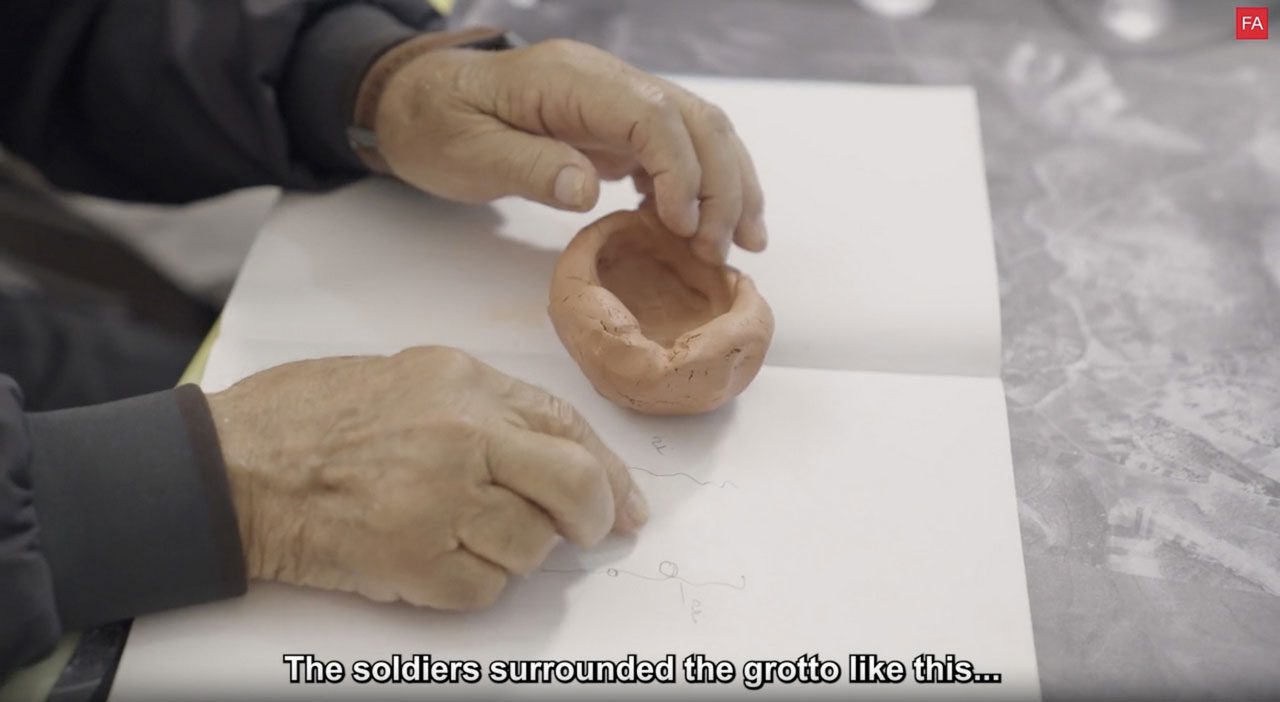
Description: Nakba survivor Abu Bassam during a ’situated testimony’ interview with Forensic Architecture researchers, holding his clay model of Tur al-Zagh cave, the site of one of the major massacres carried out by Israeli forces in the Palestinian village of al-Dawayima on 29 October 1948. From The Massacre at Tur al-Zagh: al-Dawayima, 29 October 1948
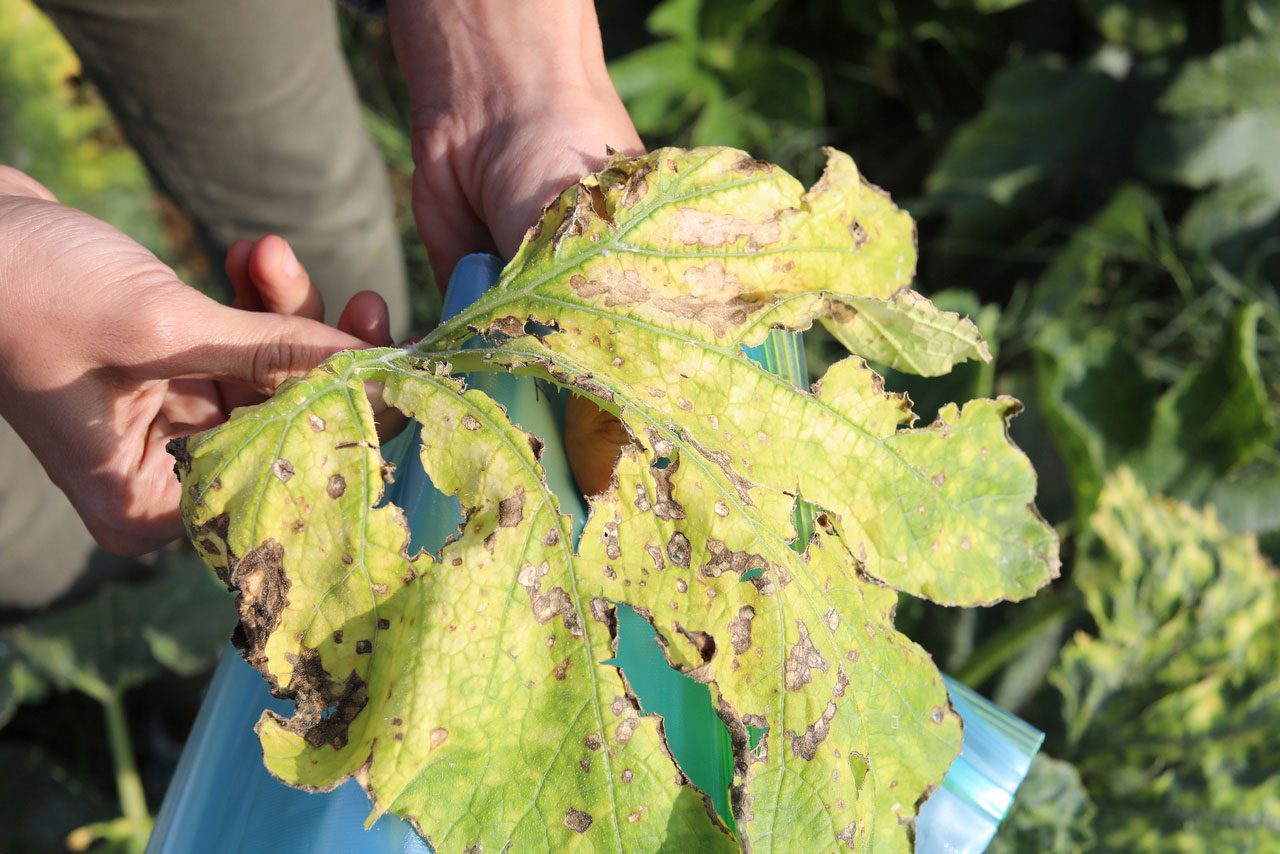
Description: Leaves damaged by the aerial spraying of crop-killing herbicides by Israeli forces, collected by FA researcher Shourideh C. Molavi in 2018. From Herbicidal Warfare in Gaza
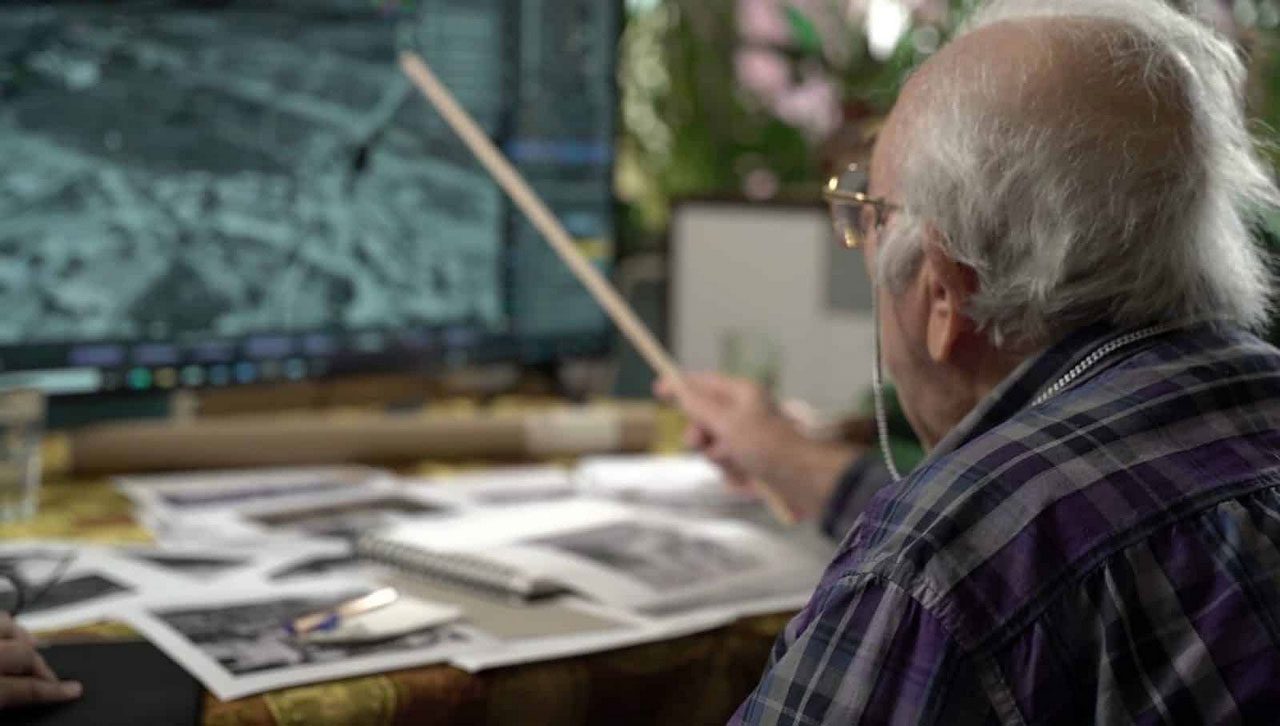
Description: ‘Situated testimony’ interview with Nakba survivor Adnan Yahya. Adnan was a resident of the Palestinian fishing village of Tantura when it was was attacked and occupied by the 33rd Battalion of the Alexandroni Brigade (later made a part of the Israeli army) on 22-23 May 1948
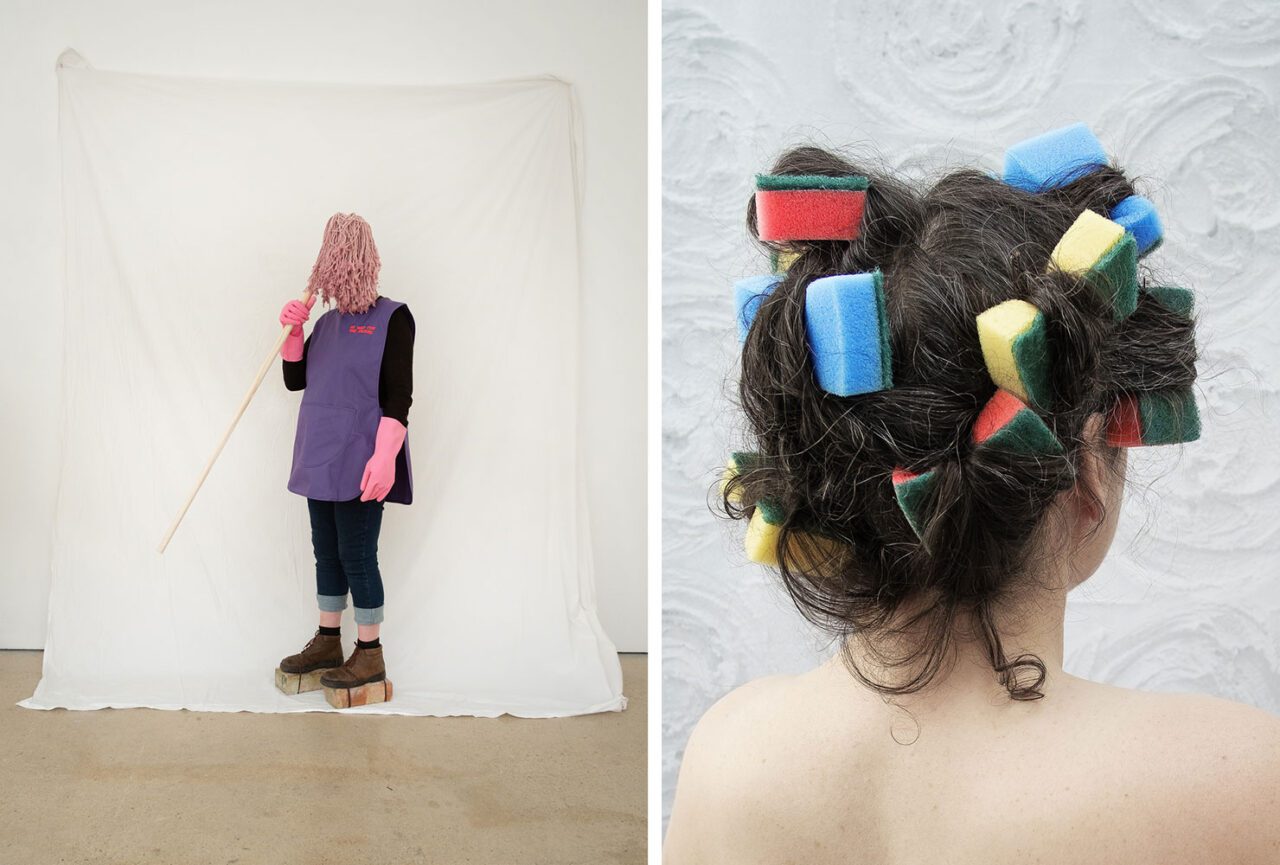
Right: Kelly O’Brien, Scrubber, 2025, digital photography, variable, Series: No Rest For The Wicked, ©: Kelly O’Brien