ART CITIES: Berlin-Archie Rand
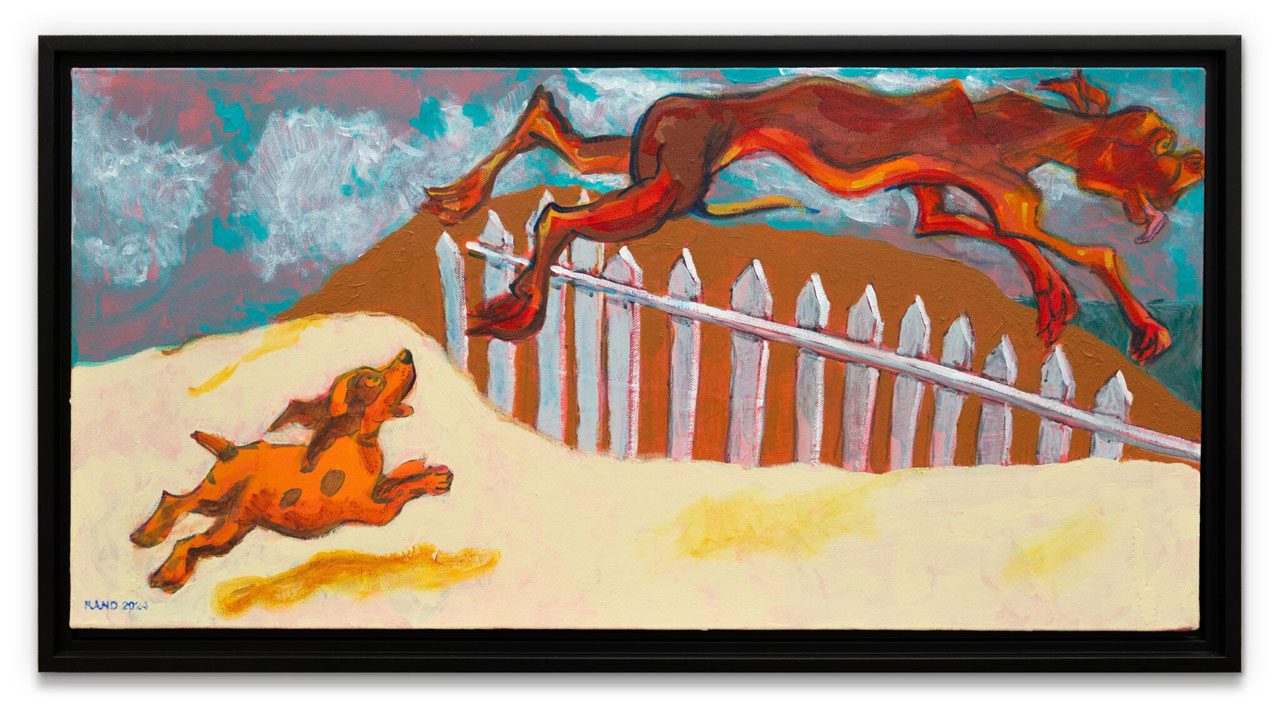
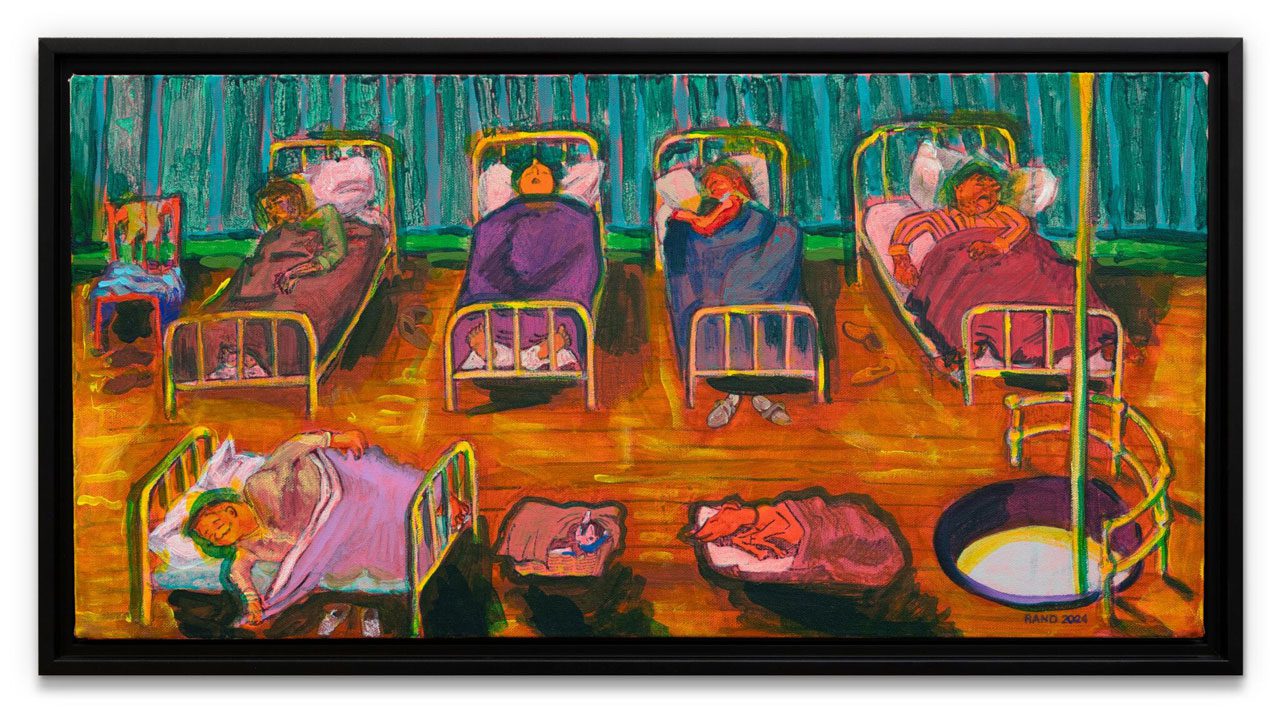
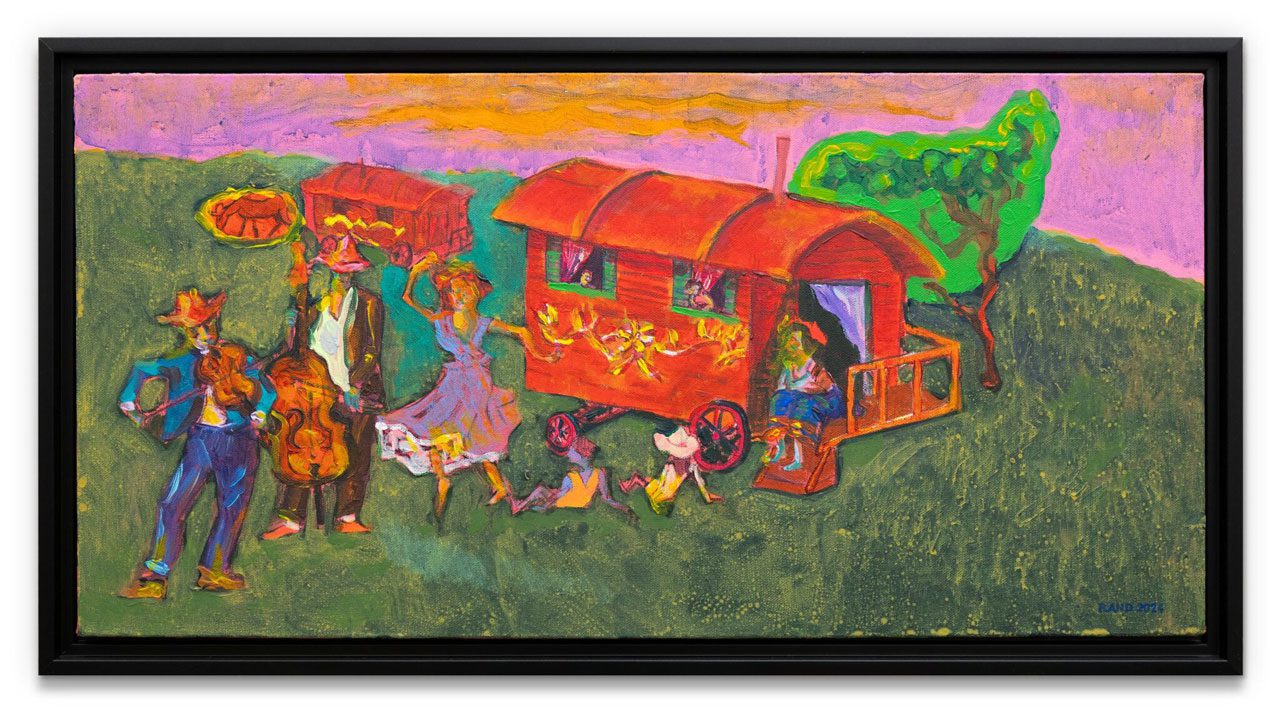
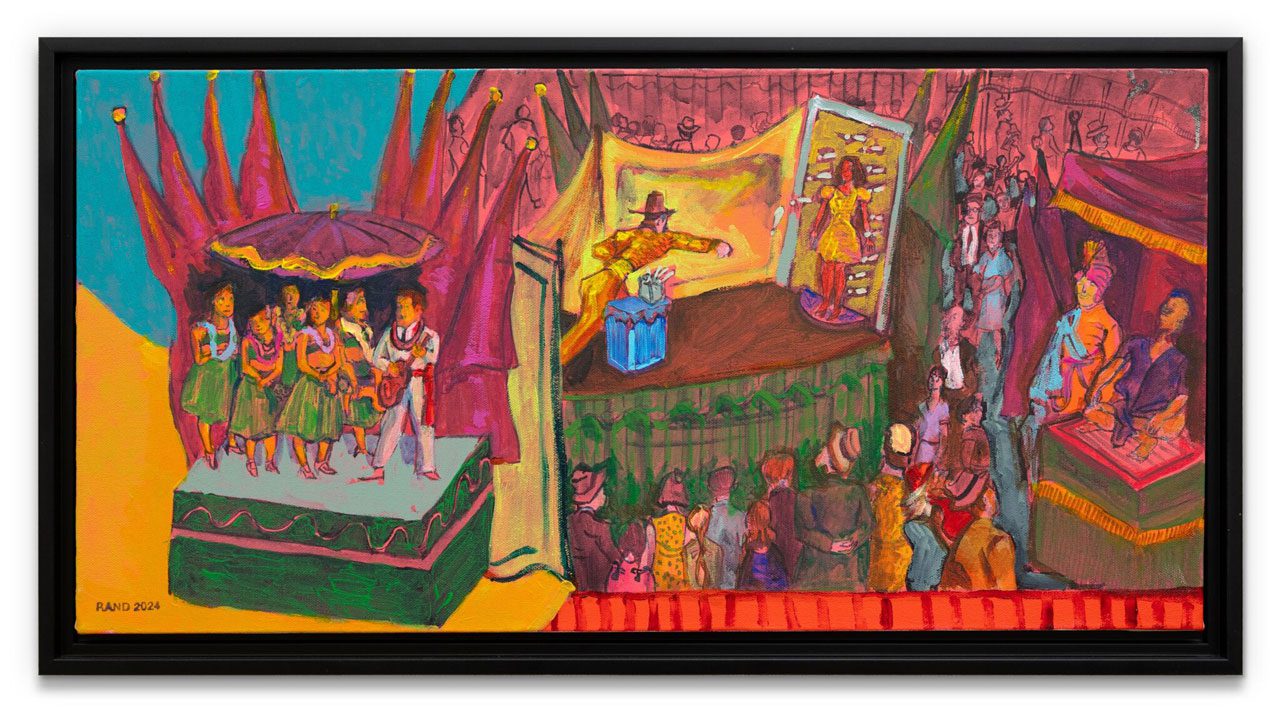
Born in Brooklyn in 1949, Archie Rand has long occupied a singular place in American painting—an audacious voice at the crossroads of text, religion, and pop culture. Over five decades, he has forged a visual language that defies hierarchy: a raucous dialogue between word and image, between sacred history and mass culture. His canvases—flooded with incandescent color, comic grotesquerie, and narrative fervor—don’t illustrate so much as argue, sing, and shout.
By Dimitris Lempesis
Photo: Contemporary Fine Arts Galerie GmbH Archive
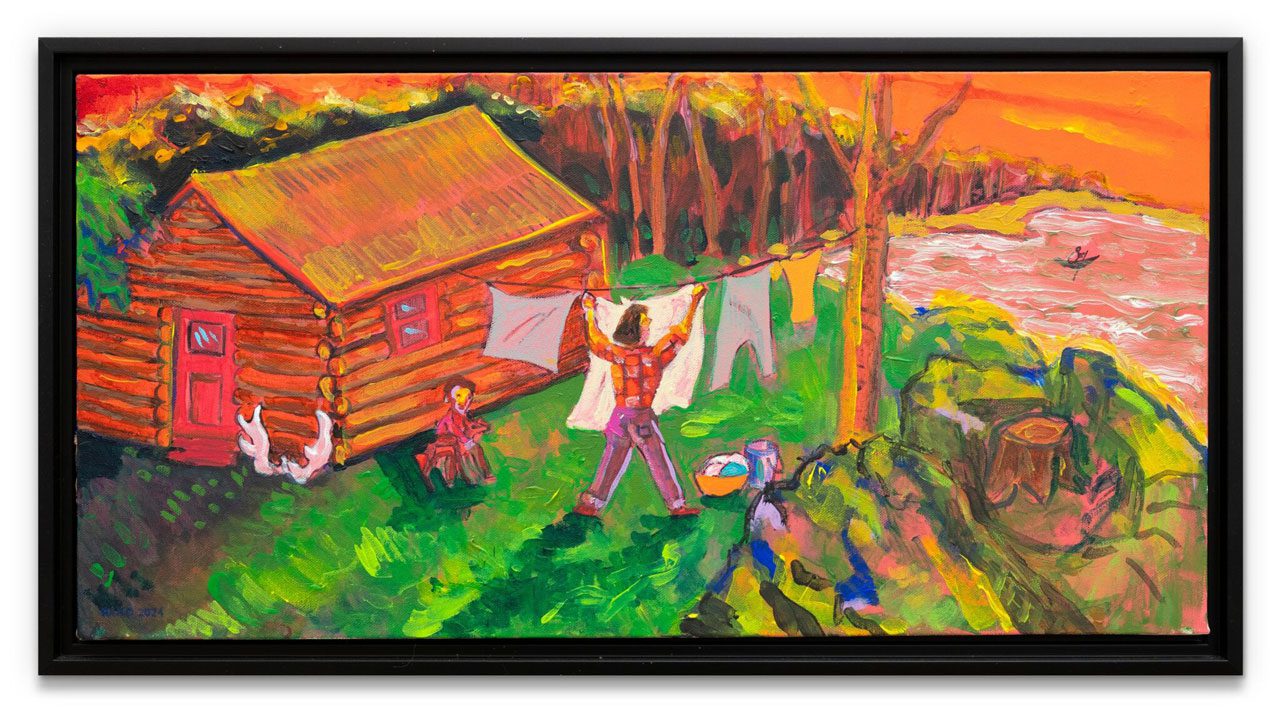
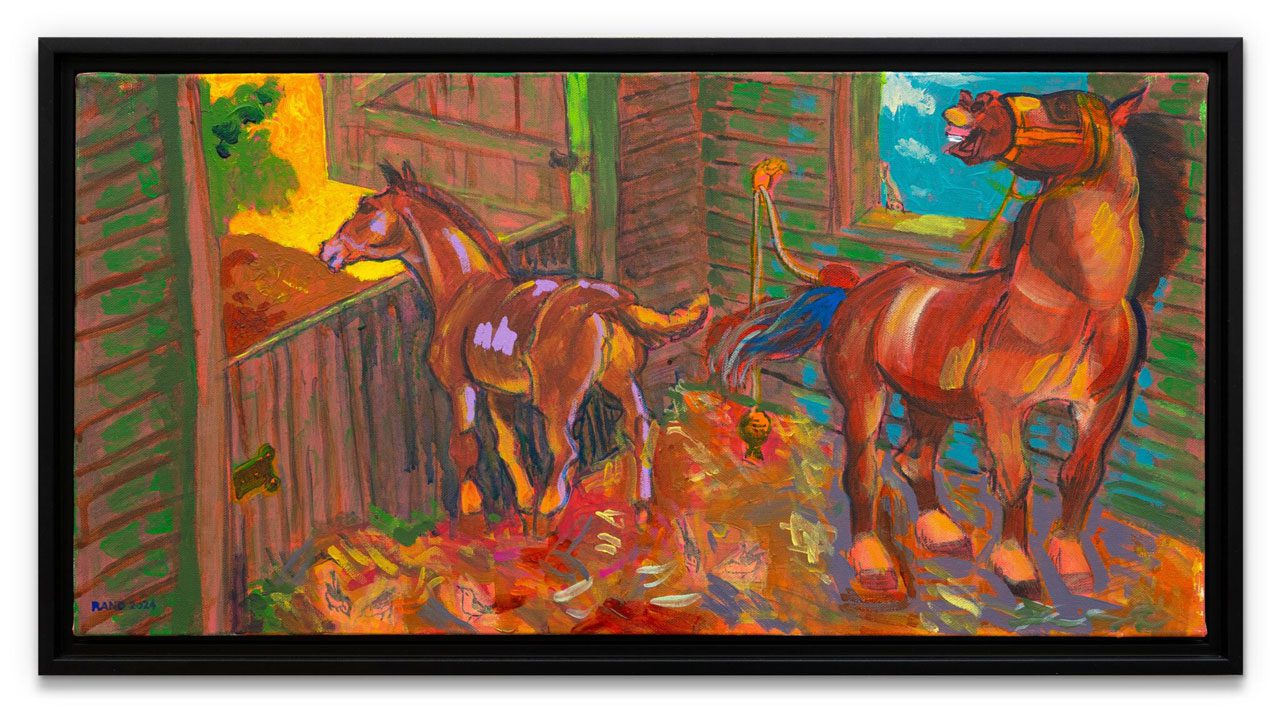
Rand’s latest monumental cycle, “Sons” (2018–2024), takes as its starting point Francisco de Zurbarán’s Baroque series “Jacob and His Twelve Sons”. But where Zurbarán offered stately, emblematic portraits of the biblical patriarchs, Rand instead paints their dreams—surreal, feverish tableaux populated by knights, dinosaurs, cowgirls, and postwar urban heroes. These figures emerge not from scripture, but from the artist’s own inner mythology: the kaleidoscopic memory of a Brooklyn childhood steeped in Jewish lore, comic books, pulp paperbacks, and television.
In this inversion, Rand both honors and disobeys Zurbarán. He abandons the father—Jacob is absent from the series—and with him, the notion of protection. His twelve sons are left to navigate their own psychic terrain, untethered and dream-struck. “The image and text have to have a counterbalance so evenly weighted that you bounce back and forth,” Rand has said. “And it all becomes a song.”
This song, in “Sons”, oscillates between reverence and rebellion, myth and autobiography. The painter’s lifelong engagement with Jewish textual tradition—seen most famously in his 2006 magnum opus The “613”, a sprawling suite of canvases corresponding to the Torah’s 613 commandments—remains a guiding force. Yet here, the textual anchor gives way to art-historical lineage: Zurbarán’s saints become Rand’s dreamers. The gesture is filial and insurgent at once, as if the painter were reclaiming a pictorial inheritance through the logic of dream and parody.
Each of Rand’s twelve sons inhabits a private cosmos. In Issachar, two cowgirls gallop in opposite directions across a desert sky. In “Benjamin”, a shaggy caveman wrestles a dinosaur, a vision of primal struggle turned comic myth. “Zebulo0”n offers a medieval knight fleeing as his castle wall crumbles, while “Naftali” stages a blind man’s bluff amid a cavalry charge that recalls both Degas and EC Comics. The scenes are absurd, radiant, and strangely sincere—painted in what might be called Rand’s mode of transcendental buffoonery, a term borrowed from Friedrich Schlegel and wholly apt.
For Rand, irony is not detachment but complexity—the “serene co-presence of irreconcilable perspectives,” as the critic might say. His canvases hold contradiction in suspension: piety and profanity, tragedy and slapstick, memory and myth. The humor is fierce, not flippant. Beneath the surface exuberance lies something rawer: a sense of vulnerability, of sons unguarded, cast into the world without their patriarch.
In this way, “Sons” feels like a deeply autobiographical cycle without self-portraiture. The artist who once hid his comic books from his parents now transforms those forbidden images into his own mythology. The paintings are not nostalgic; they do not sentimentalize the past. Instead, they confront the psychic charge of visual memory—the horror, desire, and wonder that survive from childhood into adulthood, that persist long after belief has fractured.
Archie Rand’s Sons reminds us that the modern imagination is biblical in structure and comic in form—its pantheon crowded not with angels, but with cowboys, soldiers, and dreamers. These are the sons we all carry: fragments of lost faith and pop delirium, floating in the ocean of images into which we’ve all been thrown.
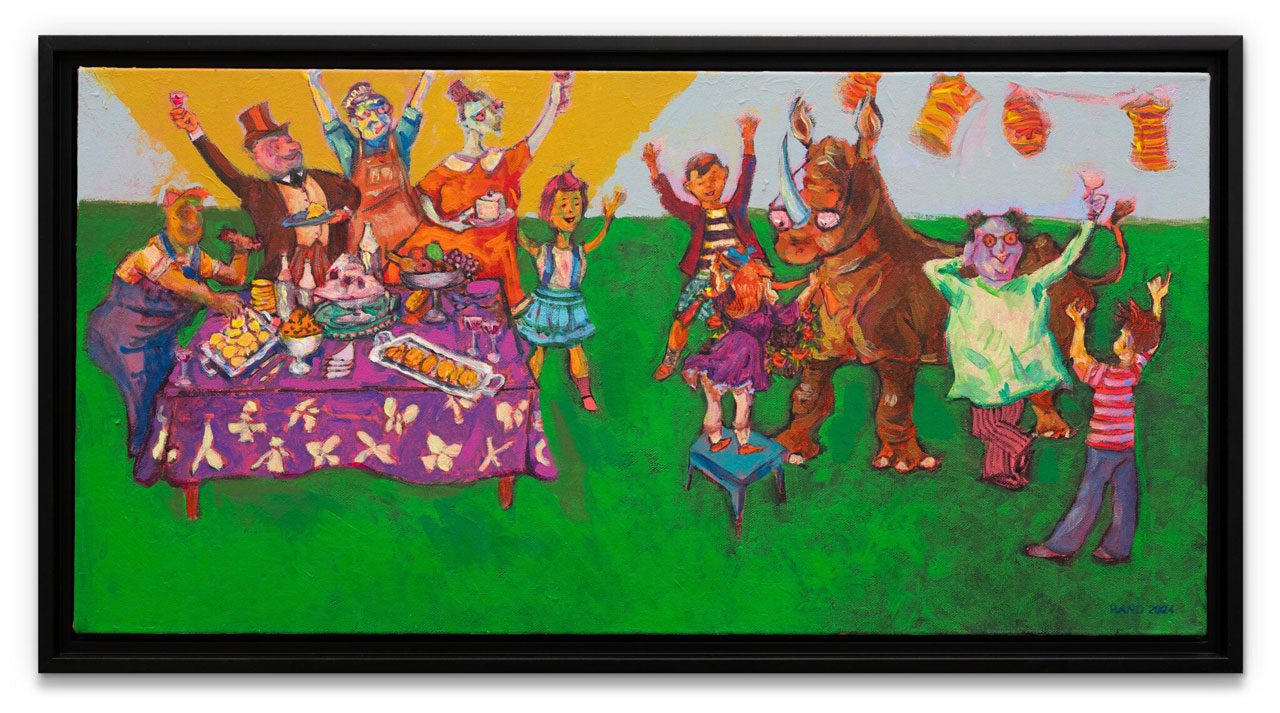
Photo: Archie Rand, Untitled #5, 2024, Acrylic on canvas, 34.3 x 64.7 cm, © Archie Rand, Courtesy the artist and Contemporary Fine Arts Galerie GmbH
Info: Contemporary Fine Arts Galerie GmbH, Grolmanstraße 32/33, Berlin-Charlottenburg, Germany, Duration: 15/11-20/12/2025, Days & Hours: Tue-Fri 10:00-18:00, Sat 11:00-17:00, https://cfa-gallery.com/
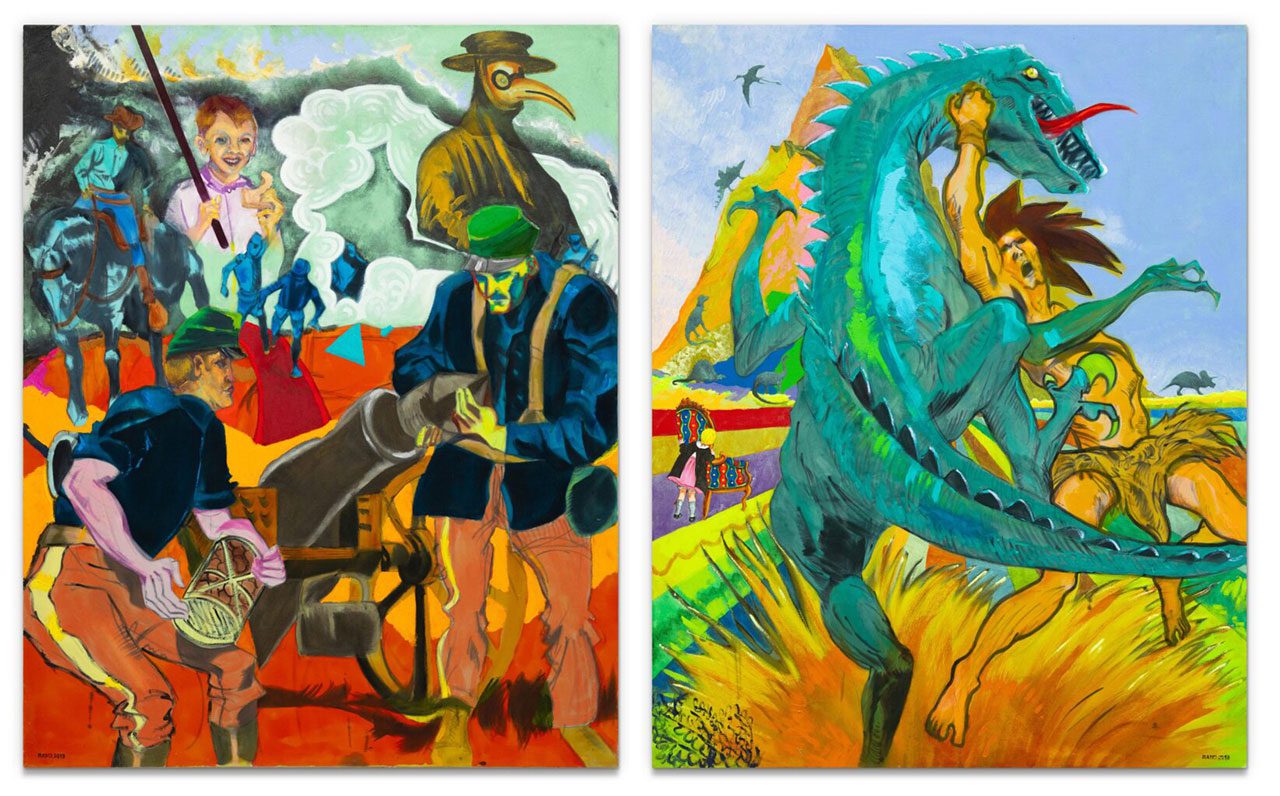
Right: Archie Rand, Benjamin, 2019, acrylic on fabric, 152 x 121 cm, © Archie Rand, Courtesy the artist and Contemporary Fine Arts Galerie GmbH
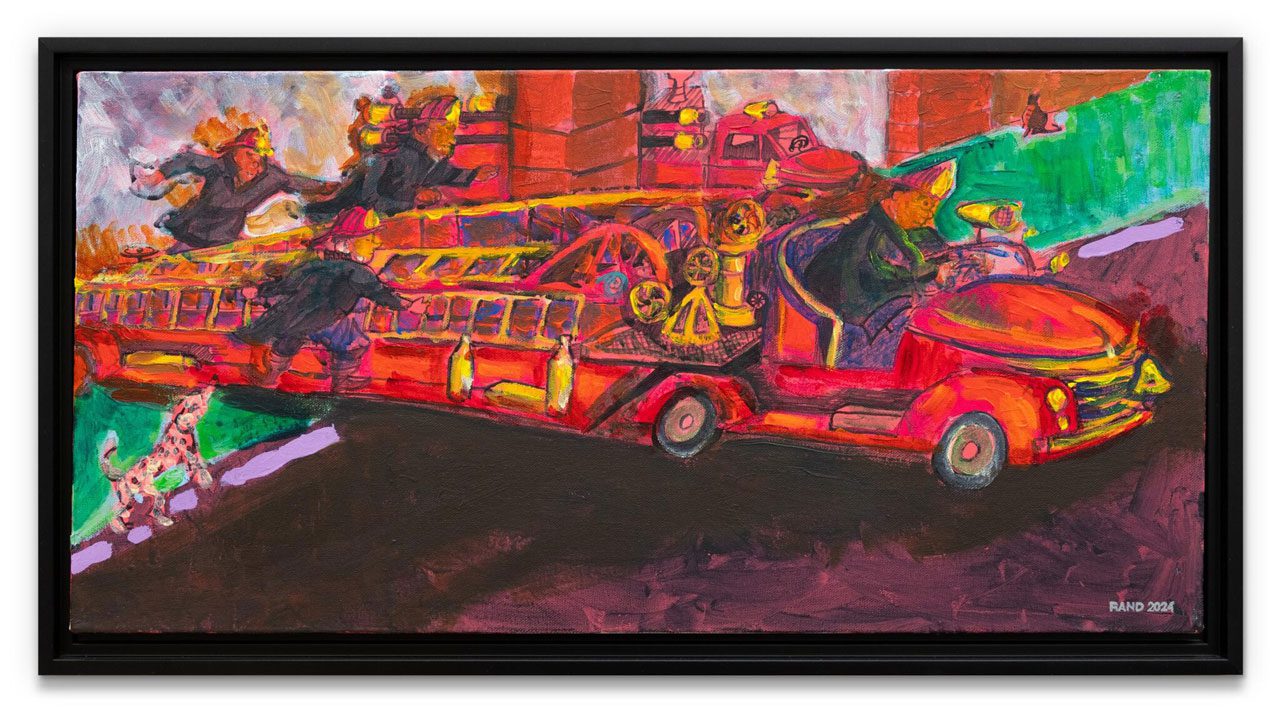
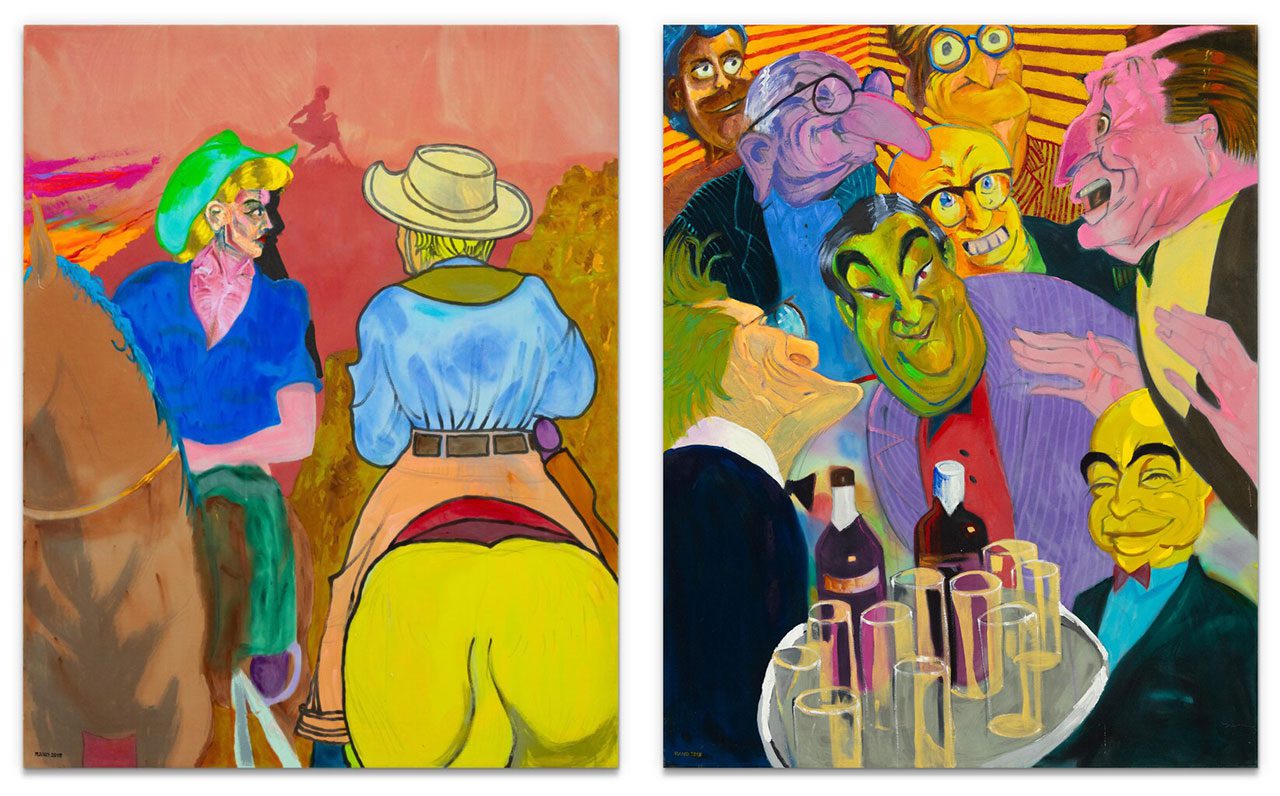
Right: Archie Rand, Asher, 2019, acrylic on fabric, 152 x 121 cm, © Archie Rand, Courtesy the artist and Contemporary Fine Arts Galerie GmbH