
PHOTO: Nan Goldin-This Will Not End Well

From 1979 to the present, Nan Goldin has produced many different slideshows, consisting of thousands of still images with eclectic sound-tracks. Over the time she has increasingly expanded the language of her work, adding video, voice over, as well as archival and found footage. The narratives of Goldin’s work stem from her own experiences. The subjects range from traumatic history to her world of friends; from the celebration of trans lives to the mystery of childhood; and from the euphoria of drug induced highs to the darkness of addiction. Intensely raw and intimate, these stories also stand as universal tales of love and loss that continuously impact generations and audiences.
By Dimitris Lempesis
Photo: Pirelli HangarBicocca Archive
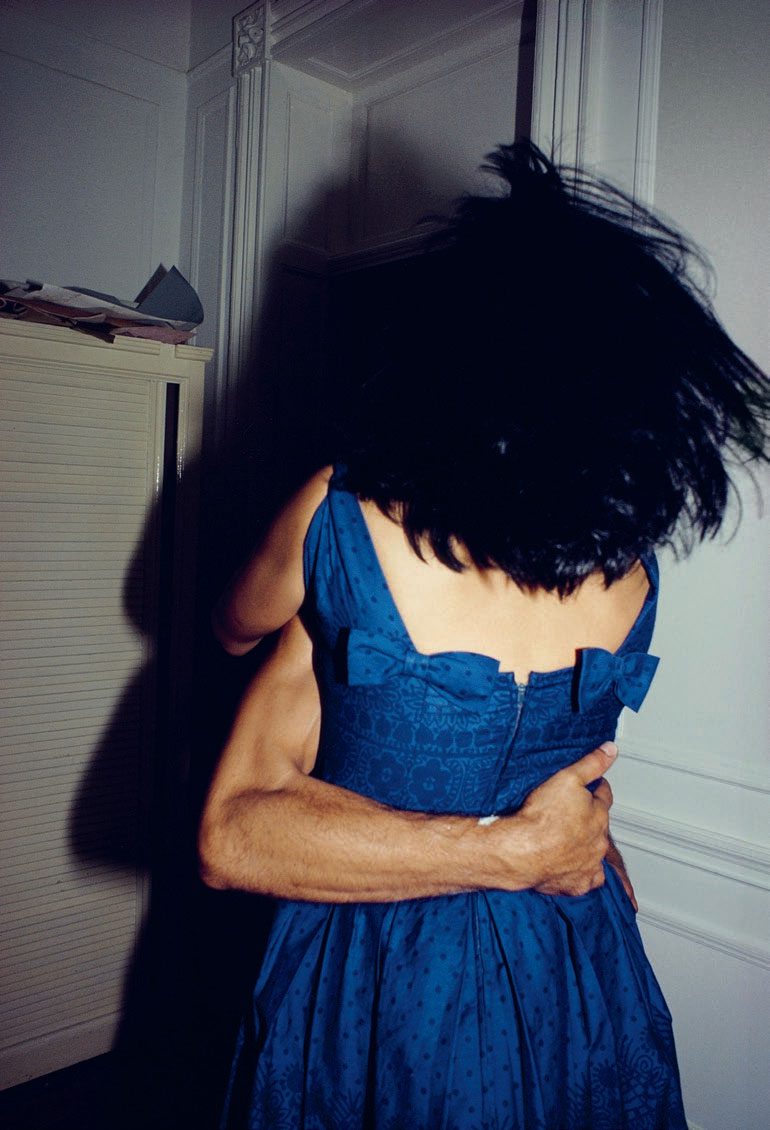
At once intimate and monumental, “This Will Not End Well“ marks the first exhibition devoted entirely to Nan Goldin’s work as a filmmaker. Presented in its most ambitious form to date, the Italian iteration brings together the largest constellation of Goldin’s legendary slideshows ever assembled. Two new works are displayed in a museum context for the first time in Europe, alongside a freshly commissioned sound installation that deepens the emotional resonance of her visual language. The retrospective unfolds across a series of striking architectural structures conceived by Hala Wardé—Goldin’s longtime collaborator—each designed in dialogue with a specific piece. Together, they form a symbolic village: a landscape of memory, grief, and transcendence. The title, “This Will Not End Well”, seems to foretell tragedy, yet it hums with Goldin’s ironic humor and fierce vitality. Beneath its darkness lies an affirmation of her unshakable joie de vivre. The exhibition opens with “Bleeding” (2025), an immersive sound installation by Soundwalk Collective, created with Goldin as a sonic prelude to her world. Drawing from ambient recordings of past iterations in Stockholm, Amsterdam, and Berlin, the piece weaves spectral traces of memory into the air—a ghostly overture to Goldin’s cinematic village.
In “Memory Lost” (2019–2021), Goldin confronts the abyss of addiction with disarming vulnerability. Composed of rediscovered photographs and video fragments from her vast archive, the 24-minute digital slideshow is underscored by an unsettling, poetic soundtrack by Mica Levi, with contributions from CJ Calderwood and Soundwalk Collective. The work delves into the cycles of dependence, withdrawal, and self-erasure, punctuated by audio traces from the artist’s own life—phone messages from the 1980s, voices of friends pleading, “Nan, are you there?” The images blur and dissolve: expansive skies and claustrophobic interiors mirror the duality of freedom and confinement. Goldin’s deeply personal meditation on addiction becomes a universal reflection on the fragility of memory, empathy, and survival.
Its companion piece, “Sirens” (2019–2020), explores the opposite pole—the rapture and seduction of intoxication. Goldin constructs a hypnotic montage of found footage from cinema history: Andy Warhol’s “Screen Tests”, Fellini’s “Satyricon”, works by Kenneth Anger and Lynne Ramsay, even a flash of London’s 1988 rave scene. Set to another haunting score by Levi, Sirens pays homage to Donyale Luna—the world’s first Black supermodel, who died of a heroin overdose in 1979. The mythical siren becomes an emblem of allure and destruction, desire and death. In Wardé’s subterranean cinema, the work vibrates like an underwater dream—an ode to the dangerous beauty of escape.
The installation “Sisters, Saints, and Sibyls” (2004–2022) traces the intertwined fates of Goldin and her older sister Barbara, who took her own life at eighteen after years of institutionalization. Structured as a triptych and originally commissioned for the chapel of the Hôpital de la Salpêtrière in Paris, the piece merges mythology, biography, and ritual. The first sequence reimagines the legend of Saint Barbara; the second reconstructs Barbara Holly Goldin’s life through family photographs and hospital documents; and the final chapter turns inward, chronicling Nan’s own descent into addiction and her eventual survival. Within the towering “Cubo,” a structure echoing the proportions of the original Parisian chapel, two wax figures—a reclining girl and a standing man—are illuminated by spectral light, transforming the space into a shrine to grief, rebellion, and sisterhood.
“Fire Leap” (2010–2022) shifts the tone toward wonder and curiosity. Spanning nearly four decades, the slideshow captures Goldin’s godchildren and the children of her friends, tracing their evolution from birth to adolescence. She photographs them with the same honesty she once turned on her adult subjects—raw, tender, unguarded. The soundtrack, sung entirely by children, ranges from David Bowie’s “Space Oddity” to the country ballad “Please Don’t Go Topless Mother”. The result is a moving meditation on the fleeting paradise of childhood: the moment before socialization dims our innate knowledge of freedom and play.
At the heart of the exhibition lies “The Ballad of Sexual Dependency” (1981–2022), Goldin’s magnum opus. Composed of nearly 700 photographs, this legendary slideshow chronicles her life among friends, lovers, and outsiders in New York, Provincetown, Berlin, and London from the late 1970s through the 1990s. Its images—raw, luminous, and deeply human—speak of love, violence, intimacy, and loss. The soundtrack, edited by Goldin in 1987, remains unchanged, a time capsule of the artist’s emotional world. The Ballad, once described by Goldin as “the diary I let people read,” remains an indelible testament to the endurance of community amid chaos.
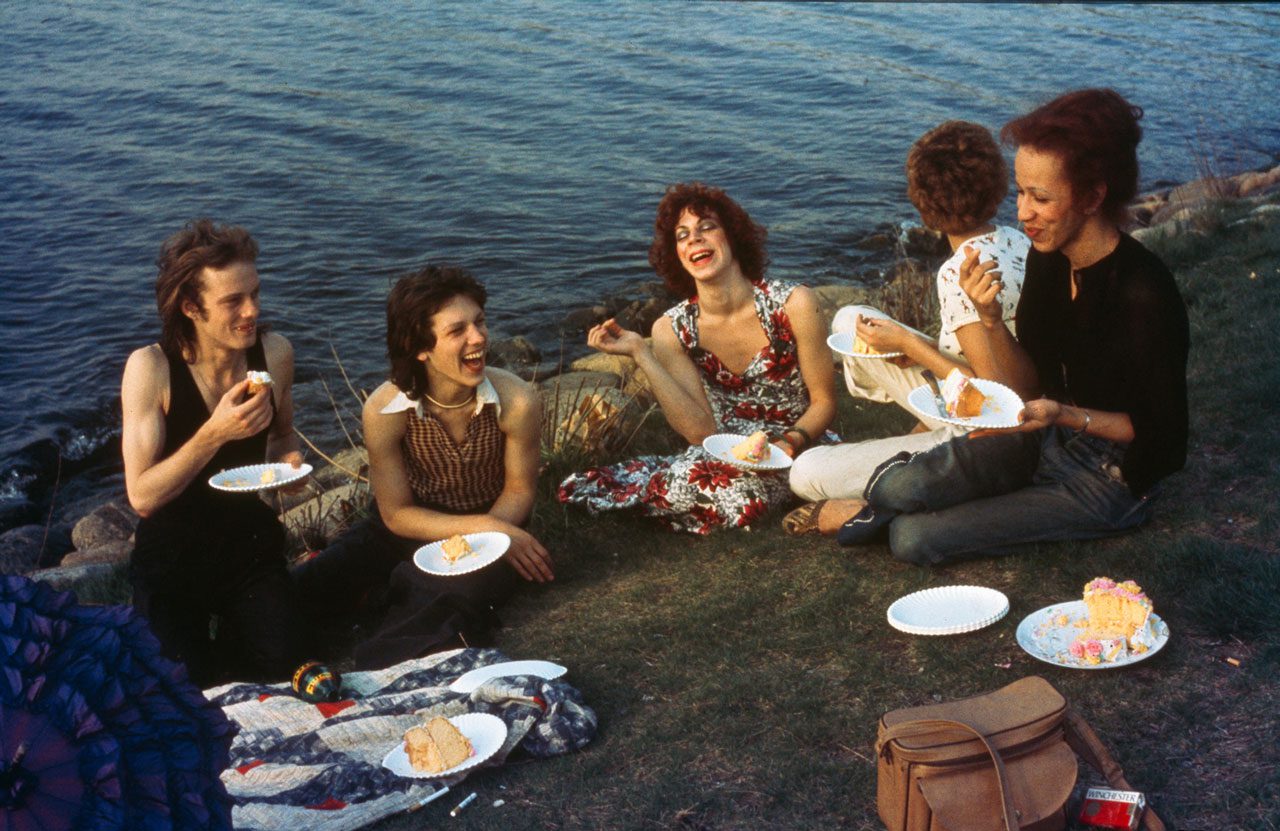
Named after a Boston bar that served as a sanctuary for trans women and drag queens in the 1970s, “The Other Side” (1992–2021) celebrates the beauty and resilience of Goldin’s chosen family. In these portraits, her camera becomes a tool of devotion rather than documentation. “I wanted to show them how beautiful they were,” she once said. The slideshow, and its accompanying book (reissued in 2020), expands her archive of love and resistance—an ongoing homage to those who redefined gender and freedom long before it was safe to do so.
Two recent works extend Goldin’s storytelling into the realm of myth and abstraction. “You Never Did Anything Wrong” (2024), inspired by the ancient belief that animals cause eclipses by stealing the sun, is a poetic meditation on mortality and cyclical renewal. “Stendhal Syndrome” (2024) interlaces six myths from Ovid’s “Metamorphoses” with Goldin’s portraits and museum photographs, staging a visual dialogue between past and present, myth and lived experience. These late works affirm her continuing evolution—her gaze ever expanding, yet grounded in the personal.
A poetic montage of scenes centered around the totality of the solar eclipse, “You Never Did Anything Wrong” (2024) is a film shot on Super 8 and 16mm. It weaves an abstract and spiritual story about the consciousness of all species and the condition of inhabiting this planet together. Its title comes from an epitaph on a pet’s gravestone in Portugal and is followed by a sequence of other pet graves—sometimes accompanied by their human companions. These monuments speak to the ways humans regard animals, imbued with a sense of love and loss, questioning the definition of the construction of owners and pets versus the autonomy of animals. This first segment is accompanied by the mournful accordion of composer Valerij Fedorenko. After the viewer experiences the slow revelation of the eclipse, the world is wholly inhabited by animals. Following the ambient recordings of natural sounds during an eclipse, the cacophonous score by Mica Levi is a haunting introduction to the confrontational gaze of cats, dogs, and horses. The viewer is drawn into the inner lives of animals that no lon- ger exist within the human sphere. The film then shifts into a series of tender and evocative portraits of animals’ lives: a pig making i
The photographs in “Stendhal Syndrome,” (2024) contrast images from Renaissance masterpieces with Goldin’s intimate portraits of friends, family, and lovers. Stendhal Syndrome is an evolution of Goldin’s earlier work “Scopophilia” (2010), born from her repeated visits to the Musée du Louvre in 2010 in which she had an experience she defined as “Scopophilia”, from the Greek skopein (“to look”) and philia (“love”), the intense desire fulfilled through the act of looking. The piece has developed into an exploration of Stendhal Syndrome, which the writer Stendhal described as a collapse provoked by the overwhelming beauty of art. Goldin recalls her own experience in museum, “I found the faces of my friends in the paintings. Stendhal spoke of paintings as a surface for the imagination to complete”. Spanning across centuries, these photographs engage in a dialogue, revealing striking parallels in composition, color, form, and emotional resonance. Goldin says that her friends and community always existed, raising profound questions about traditional hierarchies within art and the enduring hu- man compulsion to memorialize beauty in works fueled by love, and grief.
“This Will Not End Well” is more than a retrospective—it is an ecosystem of feeling. Goldin’s world, built of slides, sounds, and memories, stands as both confession and communion. Her films, like her photographs, exist in perpetual motion: living documents of survival, solidarity, and love. Though the title hints at despair, what resonates most is resilience—the pulse of an artist who insists on beauty even in the wreckage.
Photo: Nan Goldin, My horse Roma, Valley of the Queens, Luxor, Egypt (2003) © Nan Goldin
Info: Curators: Fredrik Liew, Roberta Tenconi and Lucia Aspesi, Pirelli HangarBicocca, Via Chiese, 2, Milan, Italy, Duration: 11/11/2025-15/2/2026, Days & Hours: Thu-Sun 10:30-20:30, https://pirellihangarbicocca.org/
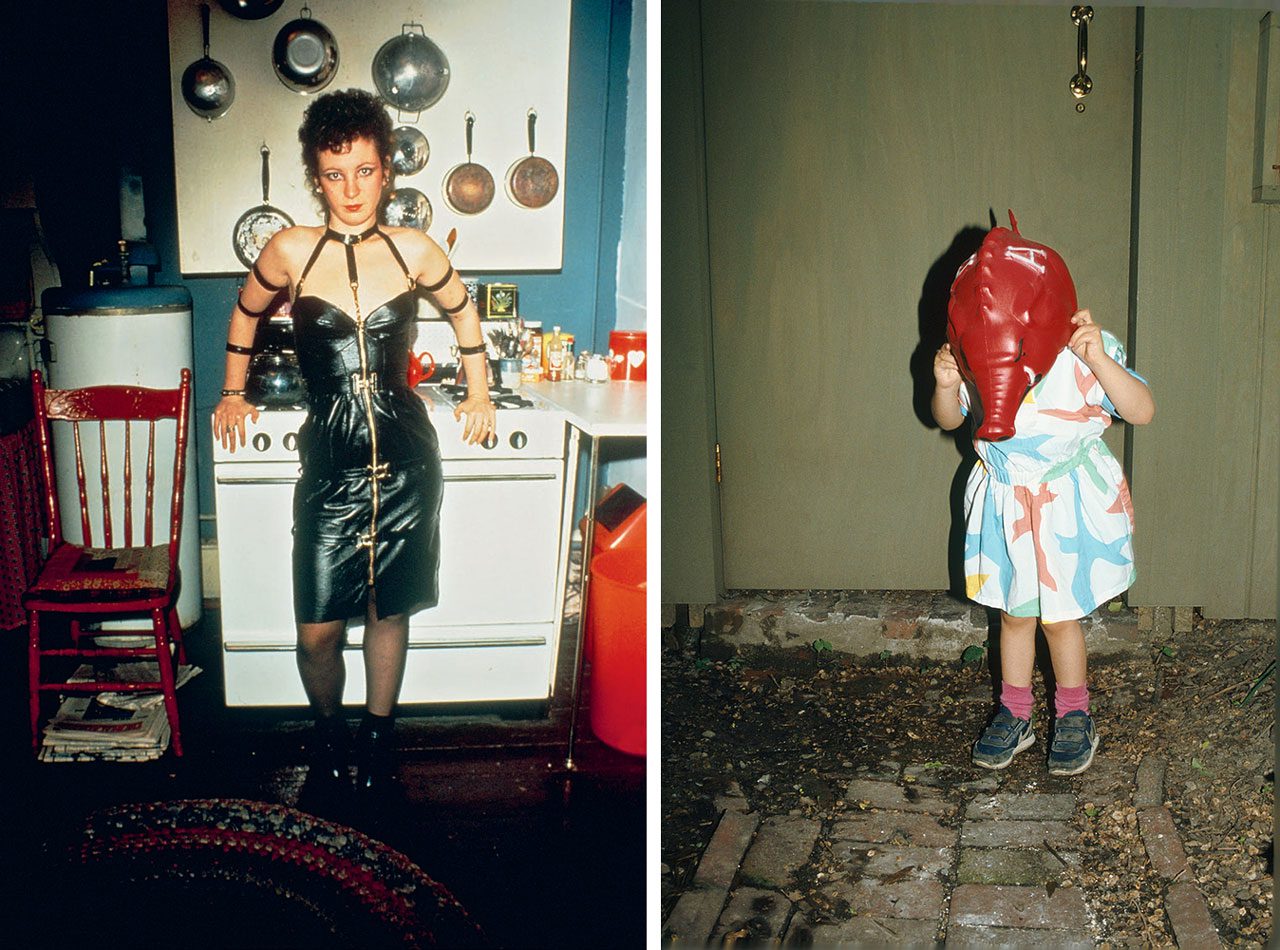
Right: Nan Goldin, Michele’s daughter in her elephant mask, Boston, 1985, © Nan Goldin
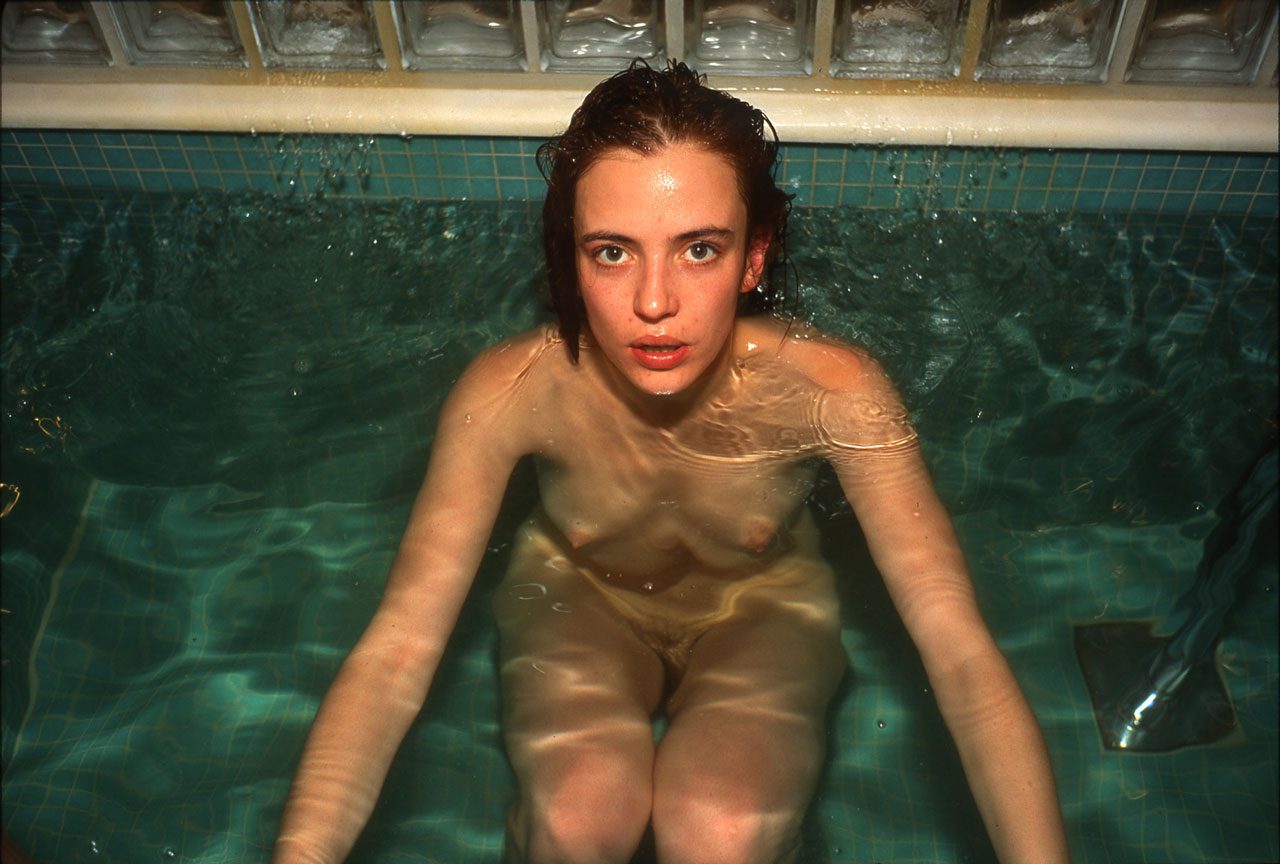
![Left: Nan Goldin, Screen Test [St195]: Donyale Luna, Directed by Andy Warhol, United States, 1965, © Nan GoldinCenter: Nan Goldin, Thomas as a Ghost, Boston, 1977, © Nan Goldin Right: Nan Goldin, Barbara in Mask, Washington D.C., 1953, © Nan Goldin](http://www.dreamideamachine.com/web/wp-content/uploads/2025/11/04a.jpg)
Center: Nan Goldin, Thomas as a Ghost, Boston, 1977, © Nan Goldin
Right: Nan Goldin, Barbara in Mask, Washington D.C., 1953, © Nan Goldin
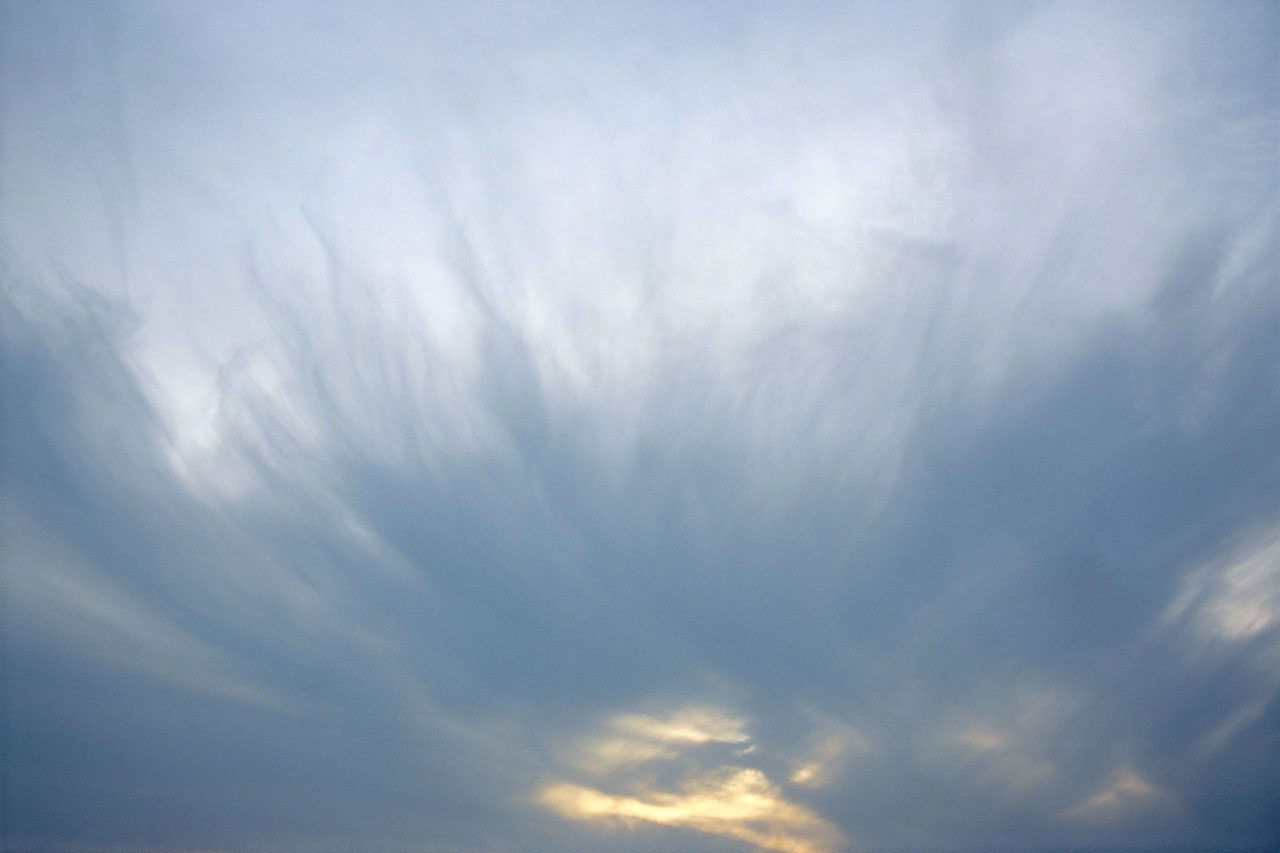
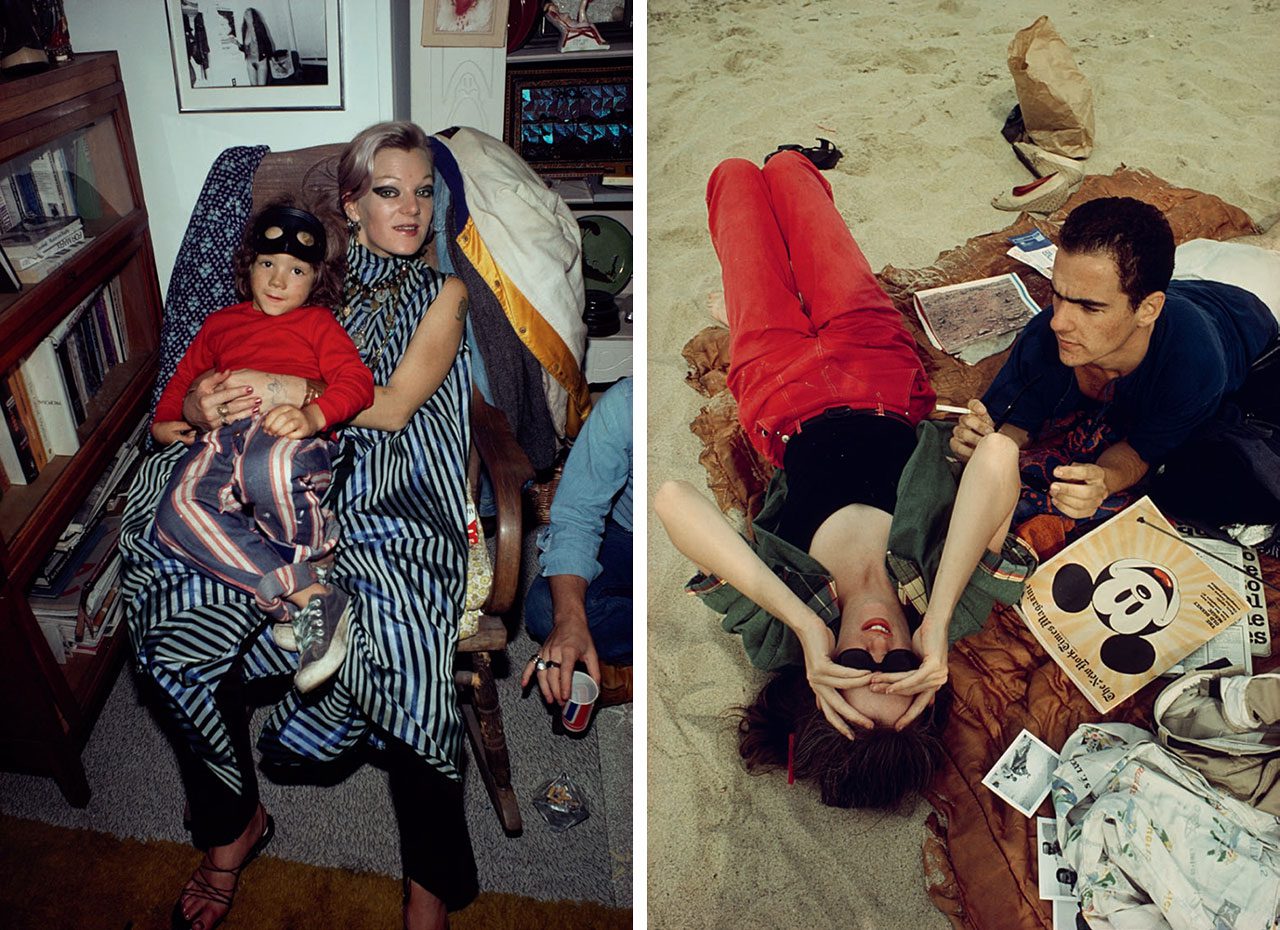
Right: Nan Goldin, C.Z. and Max on the Beach, Truro, MA., 1976, © Nan Goldin