BOOK: Companion 2025, White Cube Gallery
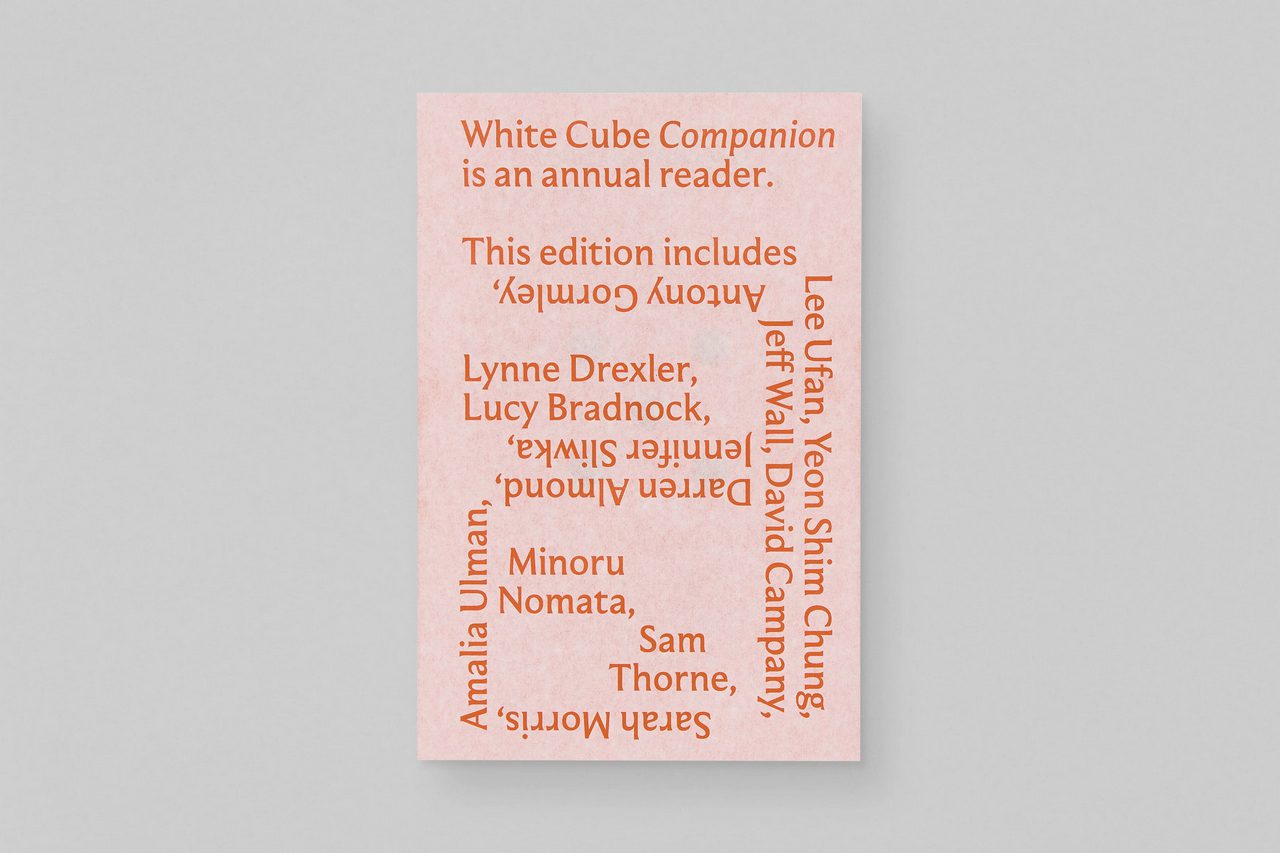
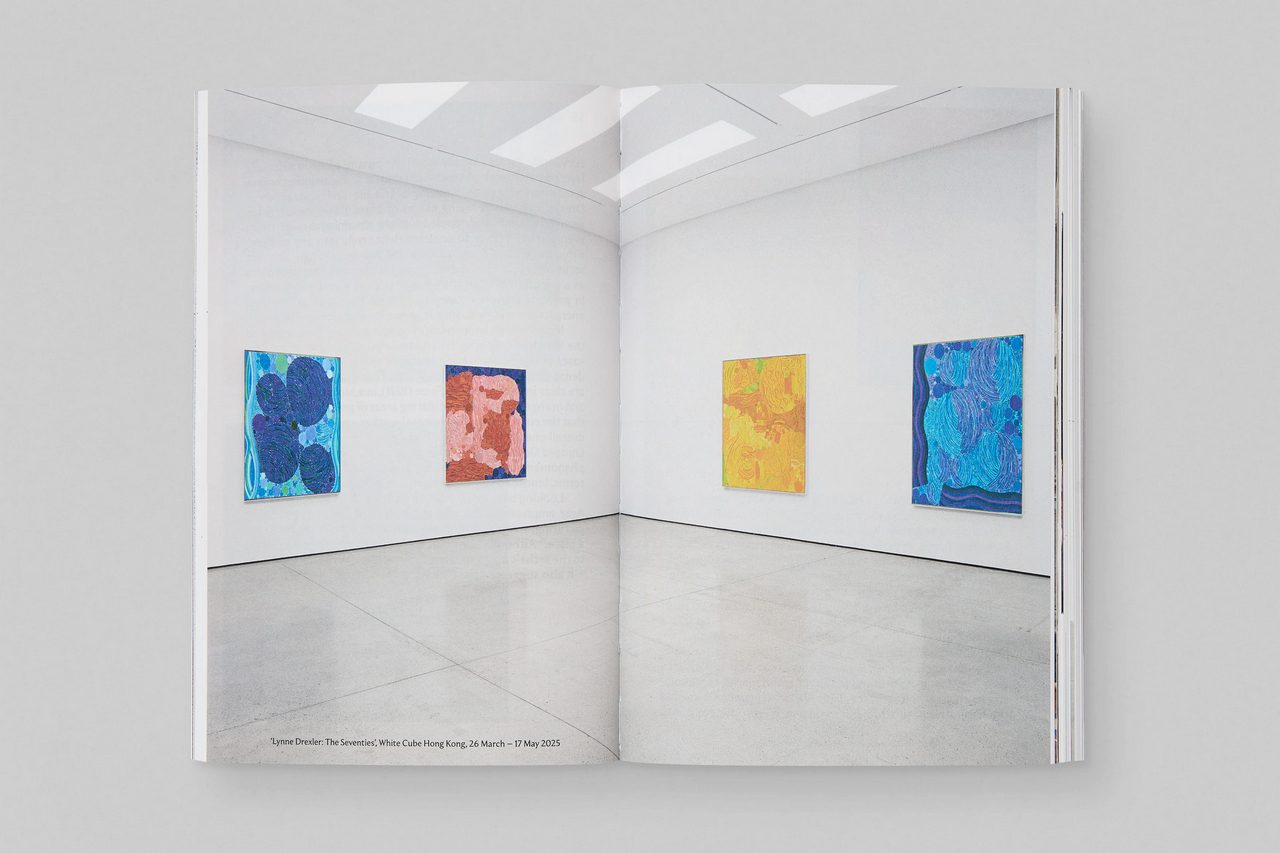
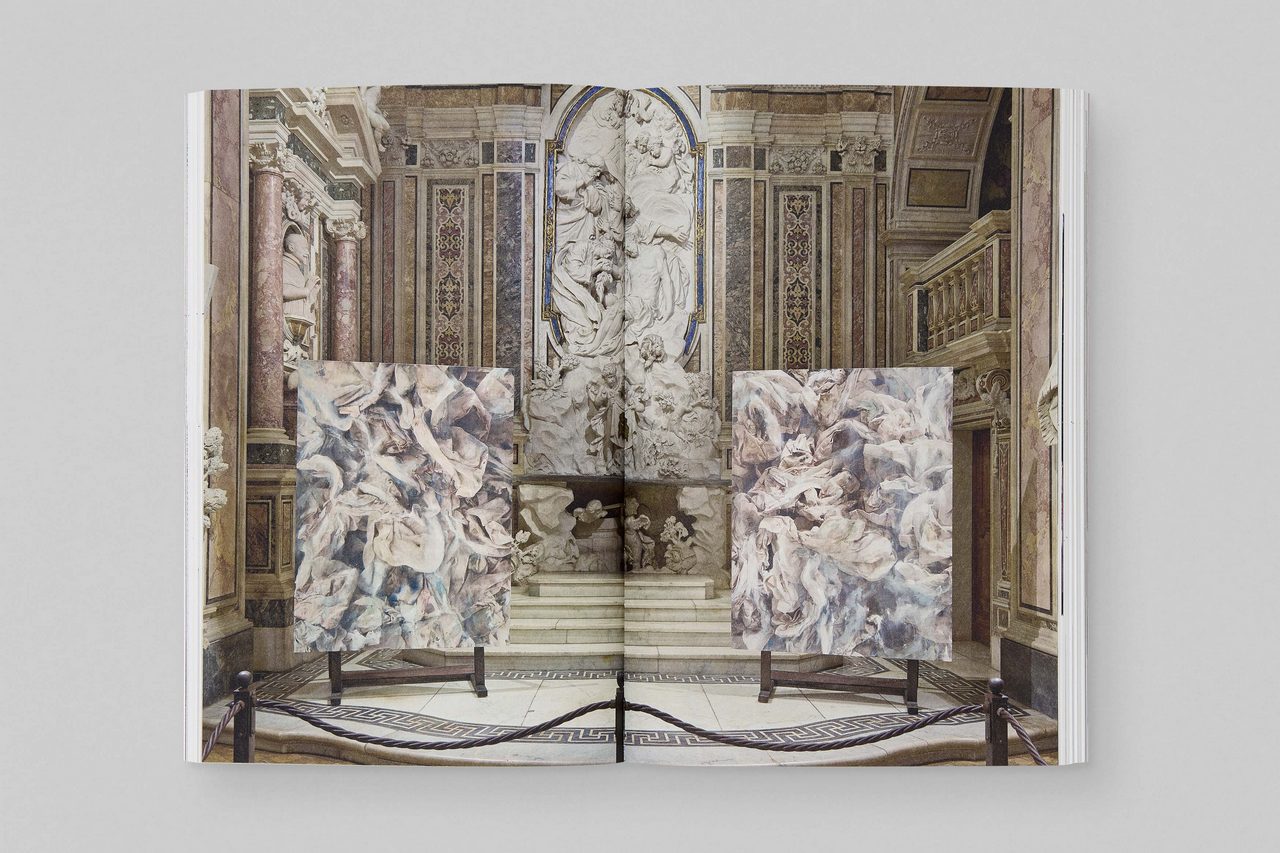
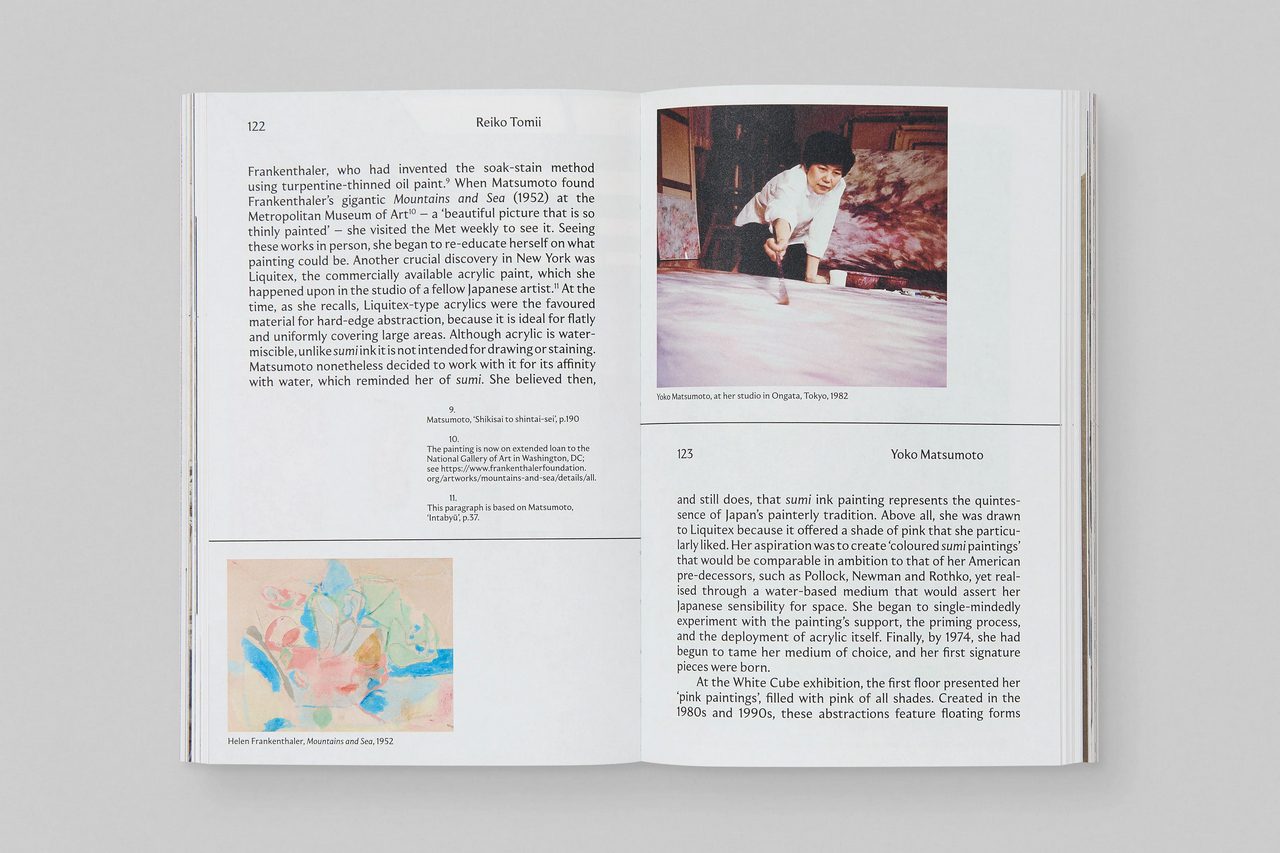
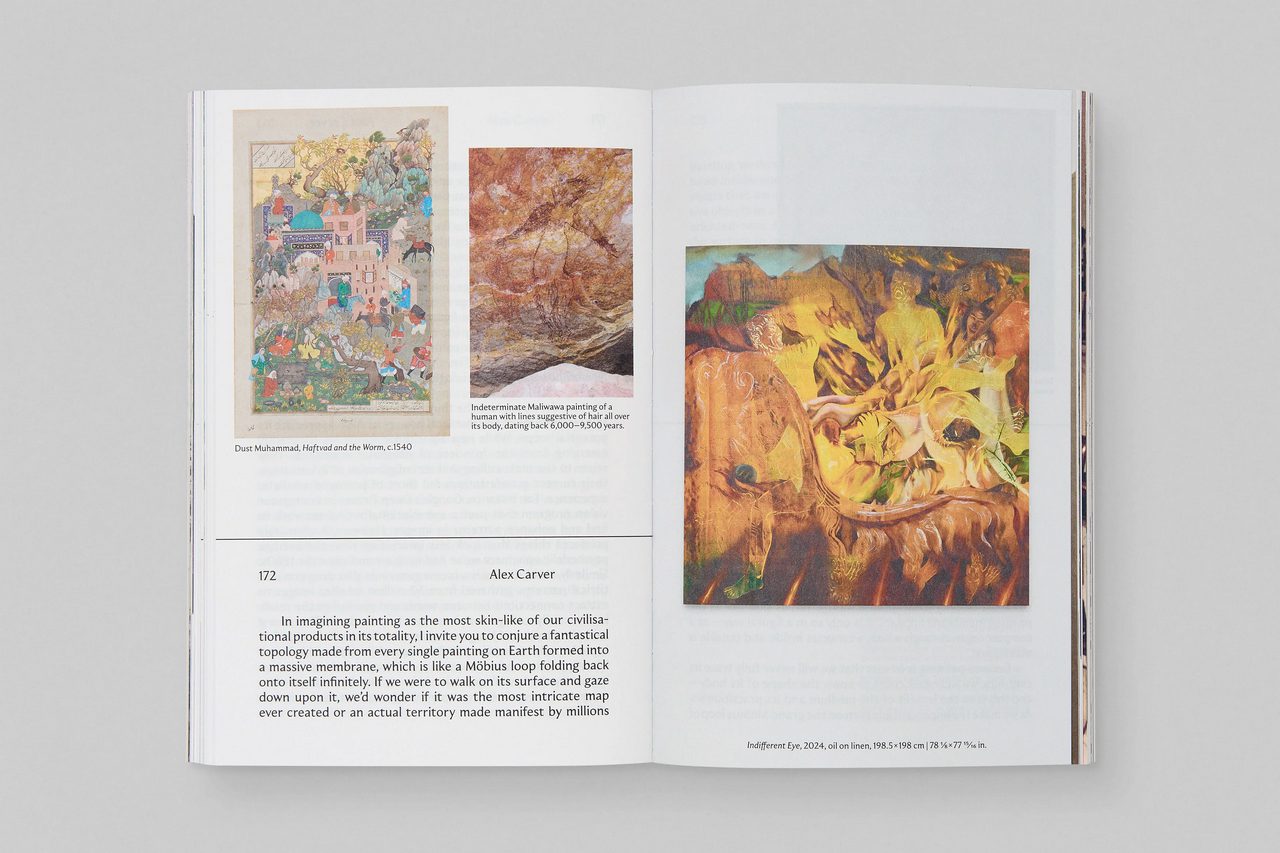
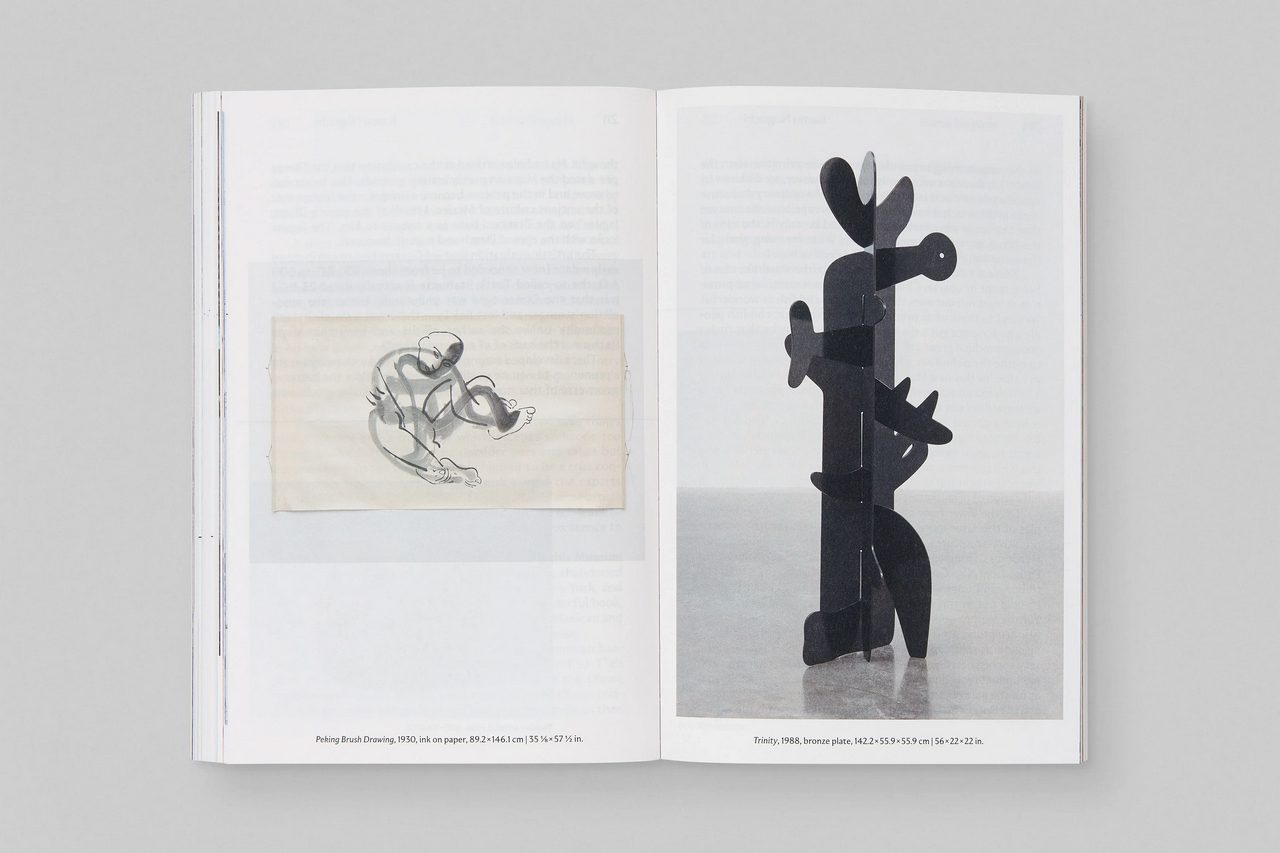
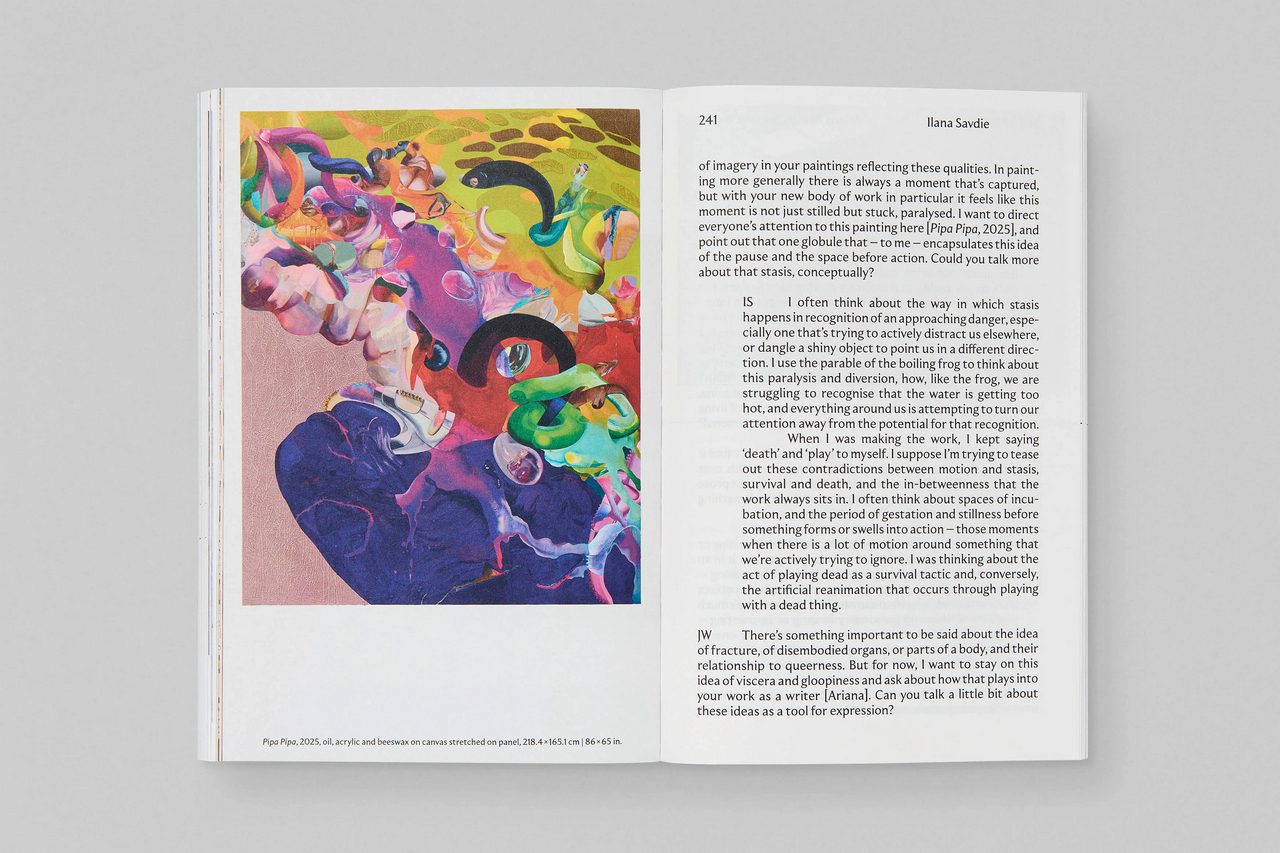
“Companion”, White Cube gallery’s annual reader, stands out as an ambitious and multifaceted publication that brings together contemporary art and discourse in a single, visually engaging volume. The book combines visual essays, in-conversations, lectures, poetry, artist writings, and newly commissioned texts, resulting in a dynamic exploration of art and thought across different mediums and generations. Among its many highlights are newly commissioned writing by Amalia Ulman on Sarah Morris’s “Los Angeles” (2004), Adrian Searle’s close reading of an early work by Gilbert & George, a visual essay on Doris Salcedo’s public projects in Bogotá, a 1952 cultural commentary by Isamu Noguchi, a conversation between Ilana Savdie, Ariana Reines, and Jasmine Wahi, an essay by the late Polish sociologist Zygmunt Bauman on the practice of Mirosław Bałka, and new work by Haim Steinbach created exclusively for the book using a random number generator.
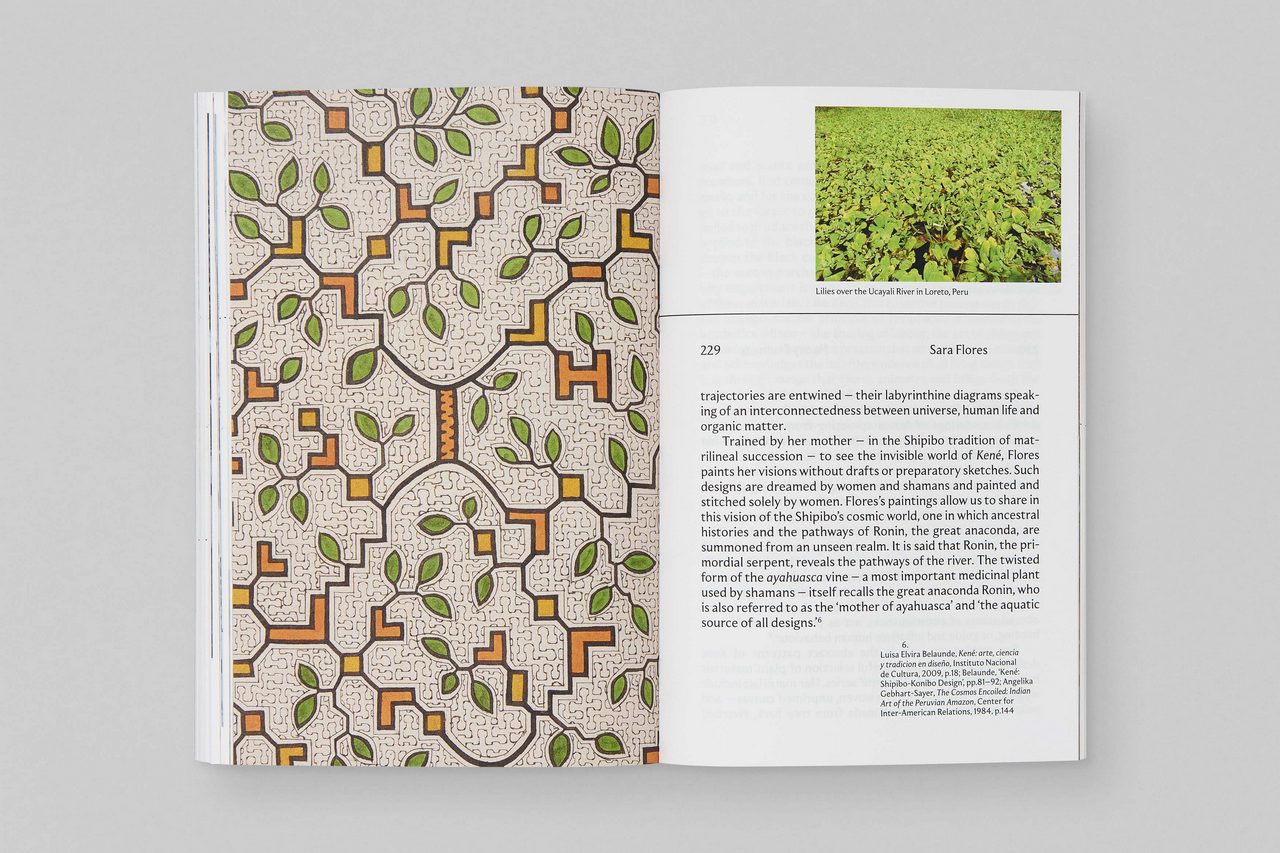
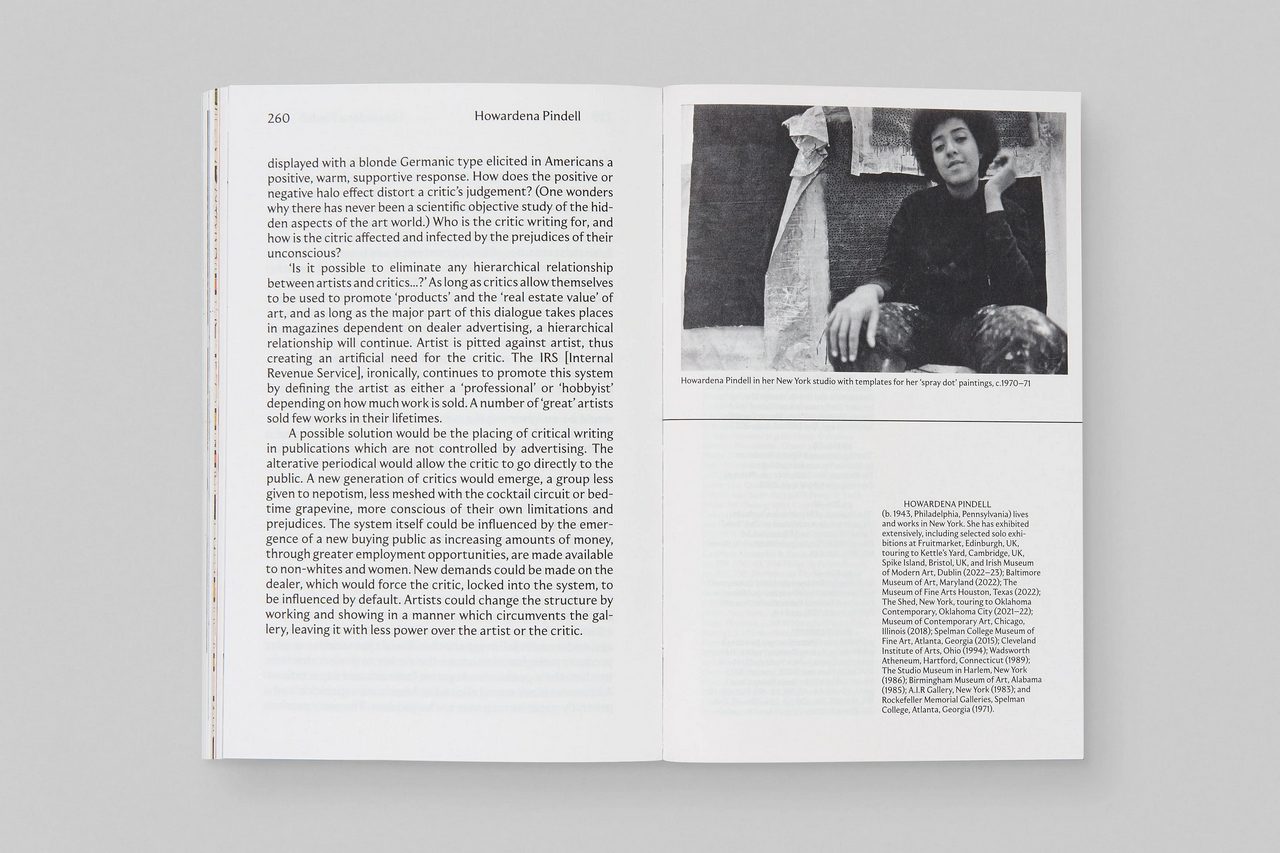
One of the publication’s major strengths is its sheer breadth and ambition. “Companion” draws together artists, critics, sociologists, and poets, bridging disciplinary and generational divides. The mix of established figures such as Noguchi and Bauman with emerging voices like Ulman and Reines produces a vibrant, layered conversation about the role of art and its surrounding discourse today. The inclusion of multiple formats—textual and visual—expands the traditional idea of what a reader can be, reflecting the increasingly hybrid nature of contemporary art publishing. Visually, the book is carefully produced: its full-colour layout and 264 pages emphasize that both text and image carry equal weight in shaping meaning.
As a publication issued by White Cube, one of the world’s most prominent contemporary art galleries, “Companion” also serves as a form of institutional self-reflection. It showcases the gallery’s engagement not only with exhibiting art but also with sustaining intellectual dialogue about art’s place in culture and society. In this sense, the reader blurs the boundary between a gallery catalogue and an independent journal of ideas.
“Companion” is both a reflection of White Cube’s curatorial identity and a valuable contribution to contemporary art publishing. It invites readers to move fluidly between image and text, history and present, theory and practice. While it may not provide a singular narrative or easily digestible overview, its mosaic structure is precisely what gives it vitality. For readers interested in the intersections of art, writing, and institutional critique, Companion is a significant and rewarding volume—one that reaffirms the power of publication as an artistic and intellectual space in its own right.-Efi Michalarou