ART CITIES: Tokyo-Sheila Hicks
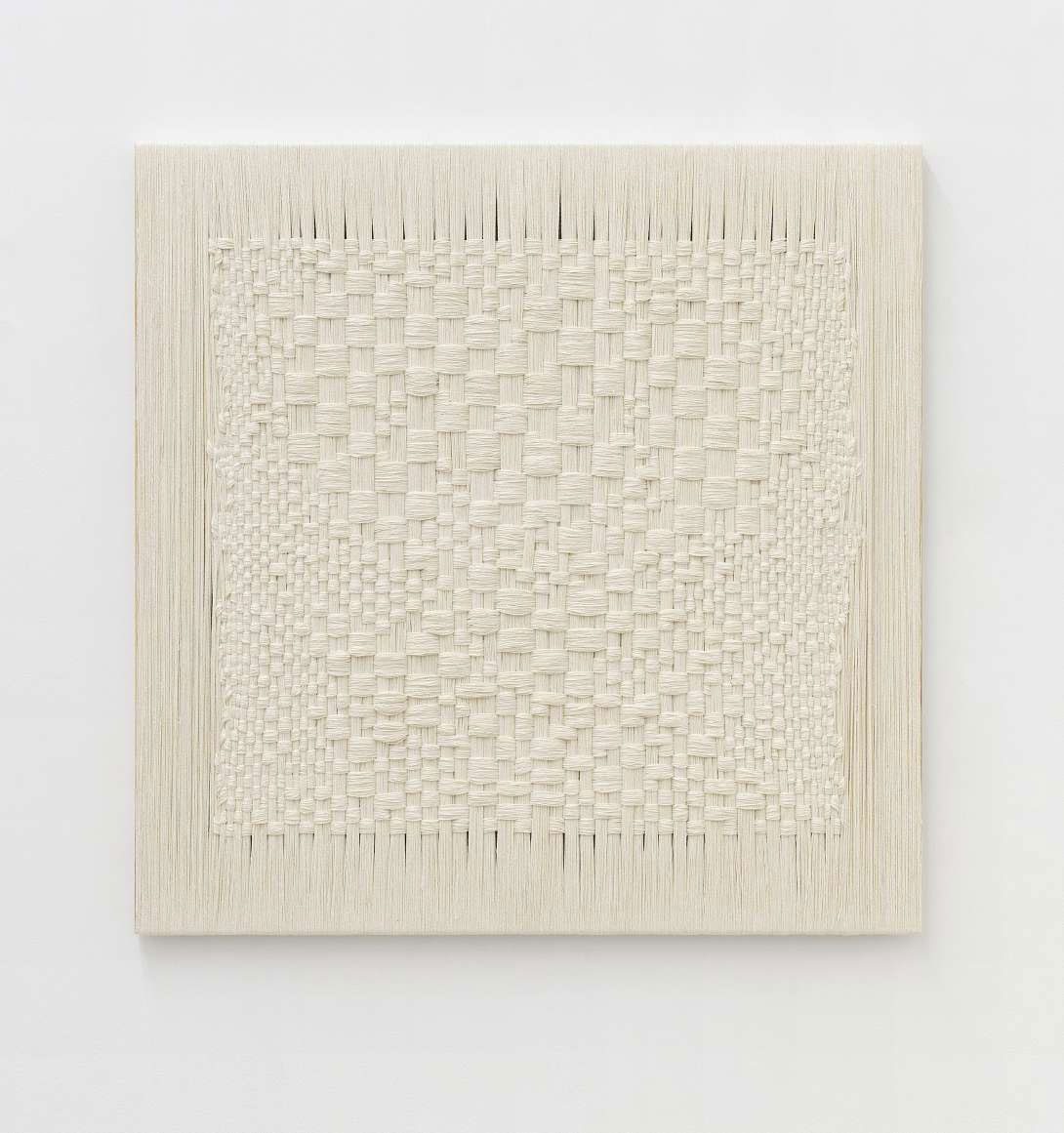
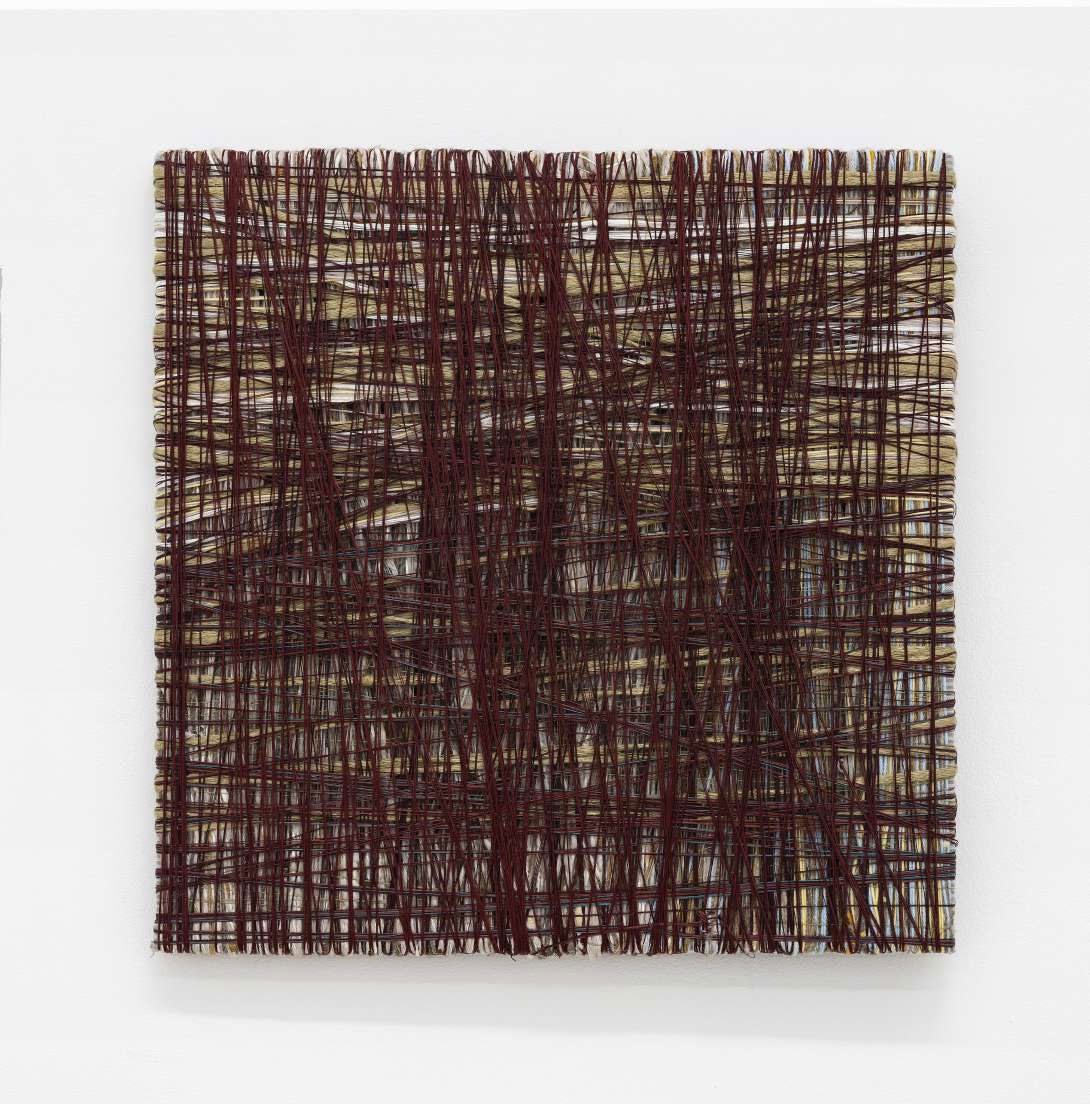
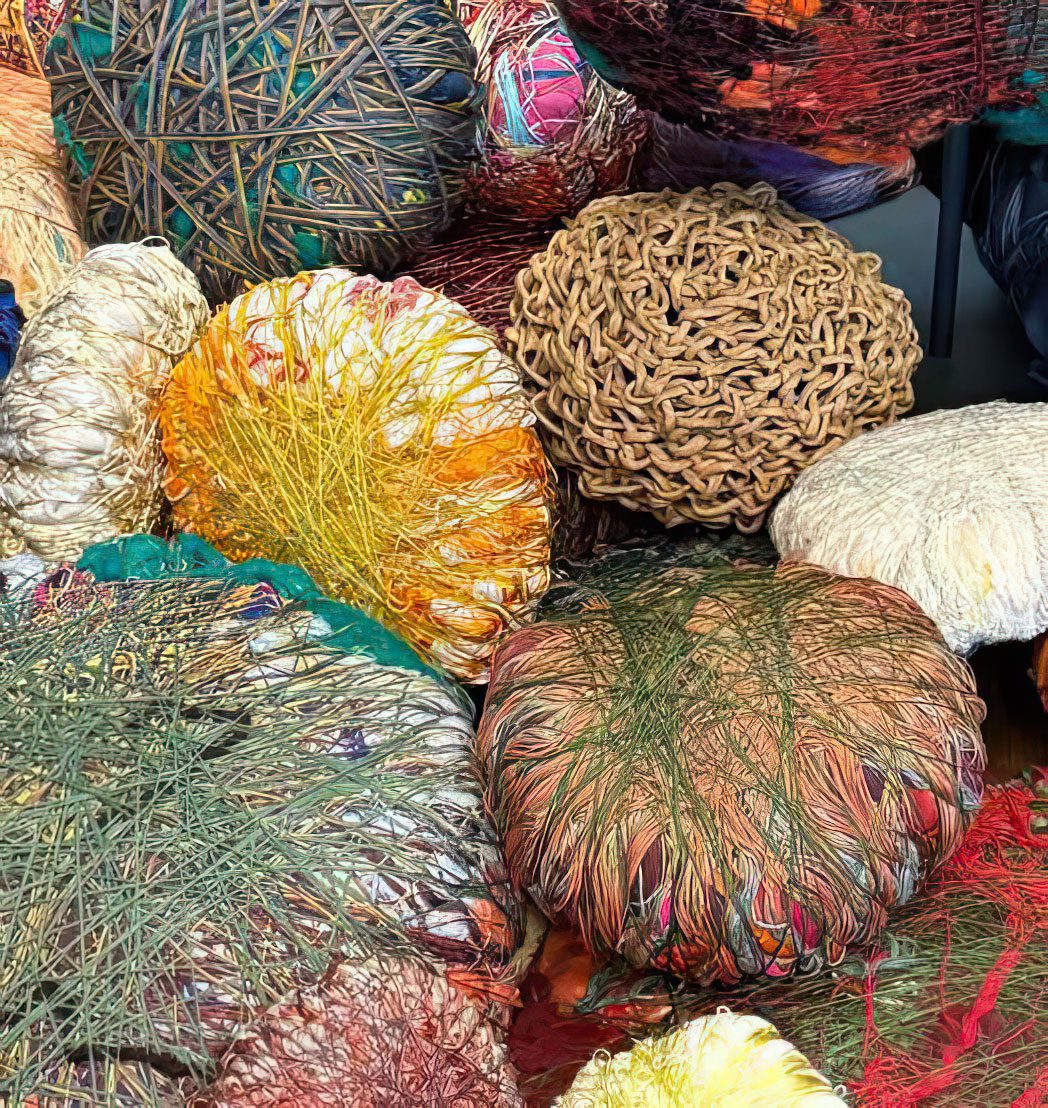
For “Hatano and Bill, Linked Destinies”, her solo presentation at Shibunkaku in Tokyo Sheila Hicks presents a selection of works that respond to the spirit of the space—its distinctive architecture, material palette, and atmosphere. The exhibition will include works ranging from the intimate scale of her framed “Minimes” to larger thread panels and a sculptural installation of boules, offering a compelling overview of the artist’s multifaceted practice.
By Efi Michalarou
Photo: galerie frank elbaz Archive
Sheila Hicks has dedicated “Hatano and Bill, Linked Destinies”, to a deeply personal story of friendship within her own family. In the early 1950s, while studying at the university, her brother, Bill Hicks, formed a close bond with a Japanese student named Hatano. In the fraught post-war climate, few were willing to share a room with Hatano, but Bill chose to do so—an act of empathy that marked the beginning of a lifelong friendship. Over the years, their paths remained closely intertwined. This presentation also reflects the enduring presence of Hicks’s work in Japan, where she has exhibited in both institutional and public settings. Her first major installation dates back to the 1990s at the Fuji Cultural Center, with the most recent, in 2018, located at the Tri-Seven building in Tokyo.
“Textiles had been relegated to a secondary role in our society, to a material that was considered either functional or decorative. I wanted to give it another status and show what an artist can do with these incredible materials” (Sheila Hicks, 2004, interview from Archives of American Art).
From the earliest woven fibers to contemporary art installations, textiles have been more than material—they have been a mode of thought. The interlacing of warp and weft is not only a technique but a metaphor for how human culture itself is constructed: through the weaving together of diverse threads—social, sensory, and intellectual—into a cohesive fabric of experience. This textile logic has guided not only the making of garments but also the shaping of cities, the structuring of space, and even the abstraction of mathematics.
Textiles tuned the senses—teaching humans to see through pattern, to touch through rhythm, to move and listen through the cadence of threads. They created bridges among disciplines: between music and architecture, between poetry and craft. Long before alphabets and maps, cloth served as both script and chart, encoding memory, narrative, and place. In this sense, textiles were not mere decoration but the primal medium through which humanity interpreted and organized the world. They were, quite literally, the fabric of civilization.
This insight was echoed by the early modernist architect Adolf Loos, who saw in textiles the foundation of architecture itself. For Loos, buildings were not adorned with fabric; rather, the textile was the origin, and architecture merely its extension. The woven surface that embraced the body preceded the walls that enclosed it. In reversing the hierarchy between structure and covering, Loos affirmed that culture begins with the body, with touch, and with the craft that mediates between self and environment.
In the twentieth century, the Bauhaus revived this textile-centered way of thinking. The school’s belief that all arts—painting, sculpture, design—should be rebuilt from craft found its most potent symbol in weaving. Anni Albers, who studied and later taught at the Bauhaus, reconceived weaving as “the pliable plane”—a flexible architecture of color, texture, and form. Her work repositioned textiles from a utilitarian craft to a spatial and philosophical matrix, capable of shaping the modern understanding of space itself.
Among Albers’s intellectual heirs, Sheila Hicks emerged as the artist who most decisively reestablished textiles at the heart of modern artistic practice. Having studied under Josef Albers at Yale, Hicks inherited both the Bauhaus tradition and the rigorous historical perspective of art historian George Kubler. Under Kubler’s mentorship, she absorbed the idea that objects themselves—rather than merely artists—generate cultural continuity. This view resonated deeply with the textile arts, where patterns and techniques evolve as living lineages, transmitted from hand to hand, culture to culture.
Hicks’s art exemplifies this principle. By studying and reinterpreting weaving traditions from Latin America, Asia, and North Africa, she transformed textiles into a language of cultural memory. Her works, dense with color and tactility, are not static compositions but living processes—threads calling to threads, color birthing color, form unfolding from form. Through her, the textile becomes a site of connection between the local and the global, the personal and the historical.
In this lineage—from ancient weaving to the Bauhaus to Hicks—textiles reveal themselves not as a peripheral craft but as the mother of the arts. They embody the union of material and imagination, of the handmade and the conceptual. In their woven patterns, we find the structure of thought itself: an art that holds together body, space, and time in a single, pliant plane.
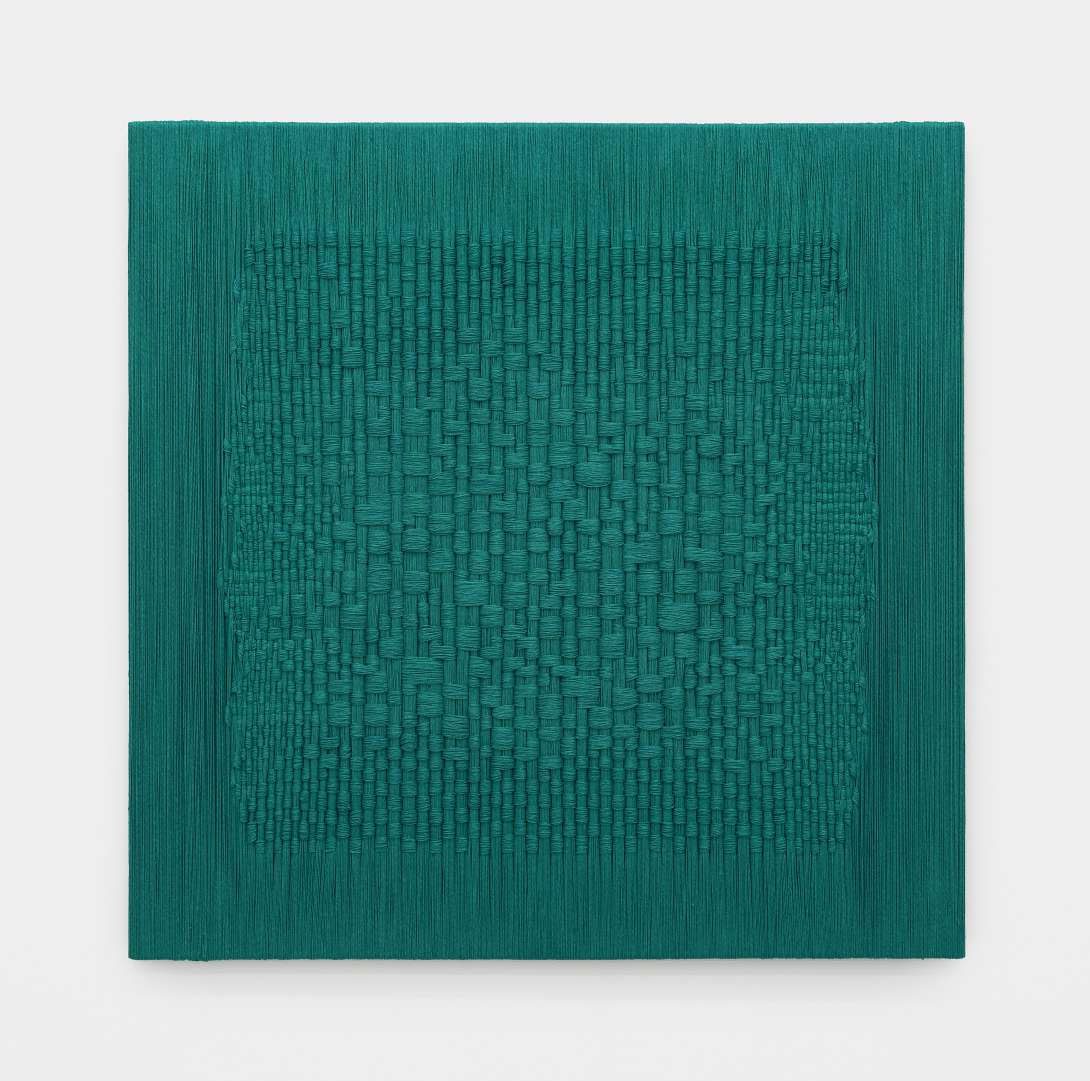
Photo: Sheila Hicks, Emerald Appearing Disappearing / Emeraude Apparaissant Disparaissant, 2025, Linen, 120 x 120 cm (47 1/4 x 47 1/4 in.), © Sheila Hicks, Courtesy the artist, galerie frank elbaz & Shibunkaku
Info: Shibunkaku Ginza, Ichibankan-Building, 5-3-12 Ginza, Chuo-ku, Tokyo, Japan, Duration: 1-15/11/2025, Days & Hours: Mon-Sat 10:00-18:00, www.shibunkaku.co.jp/
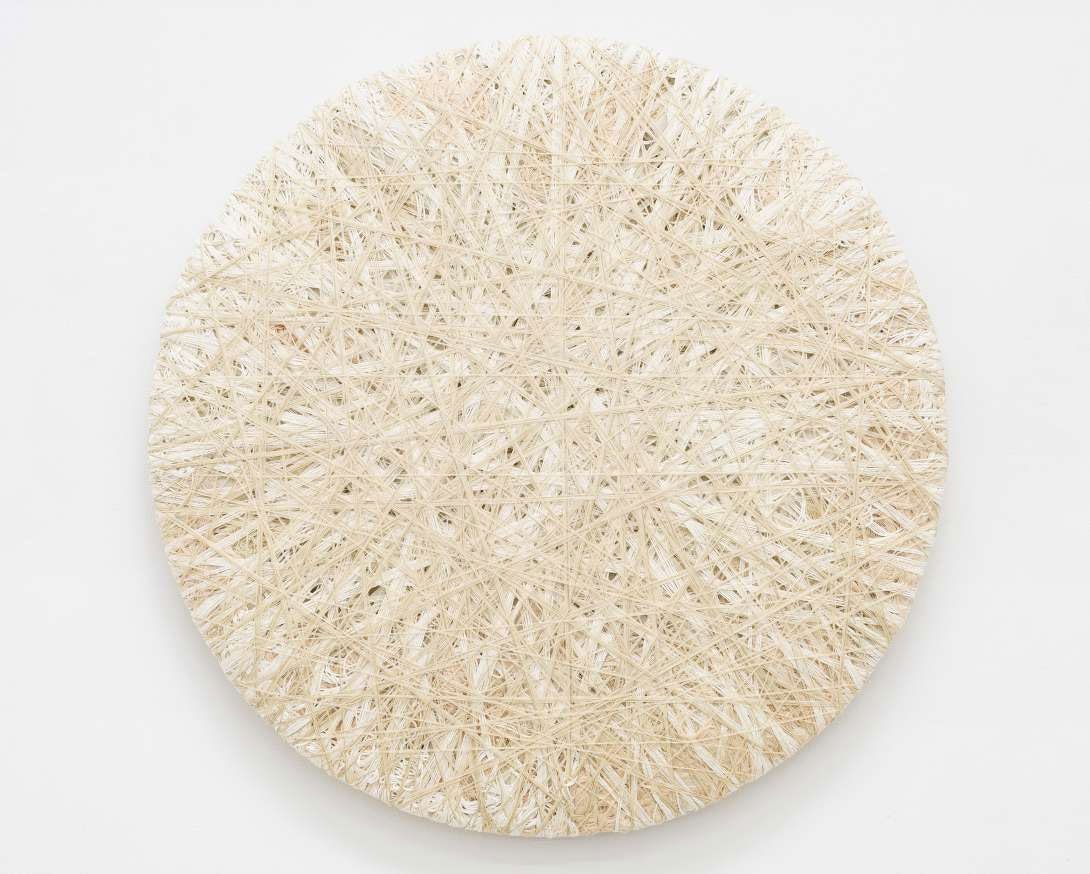
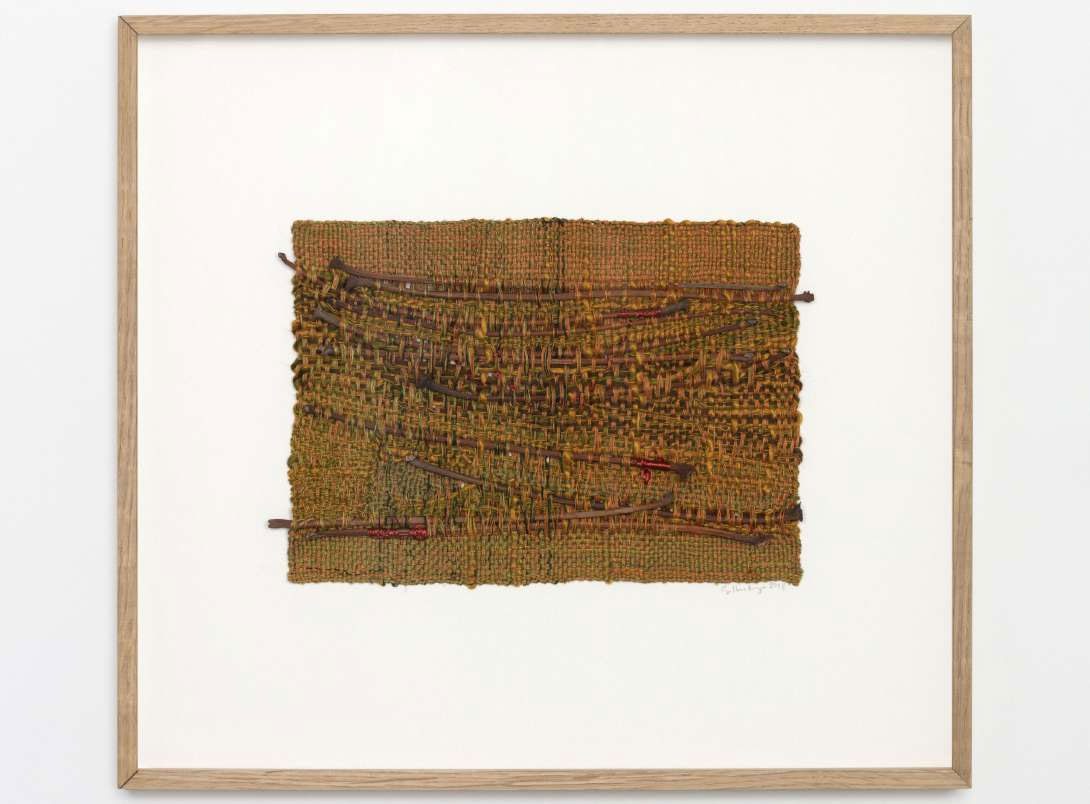
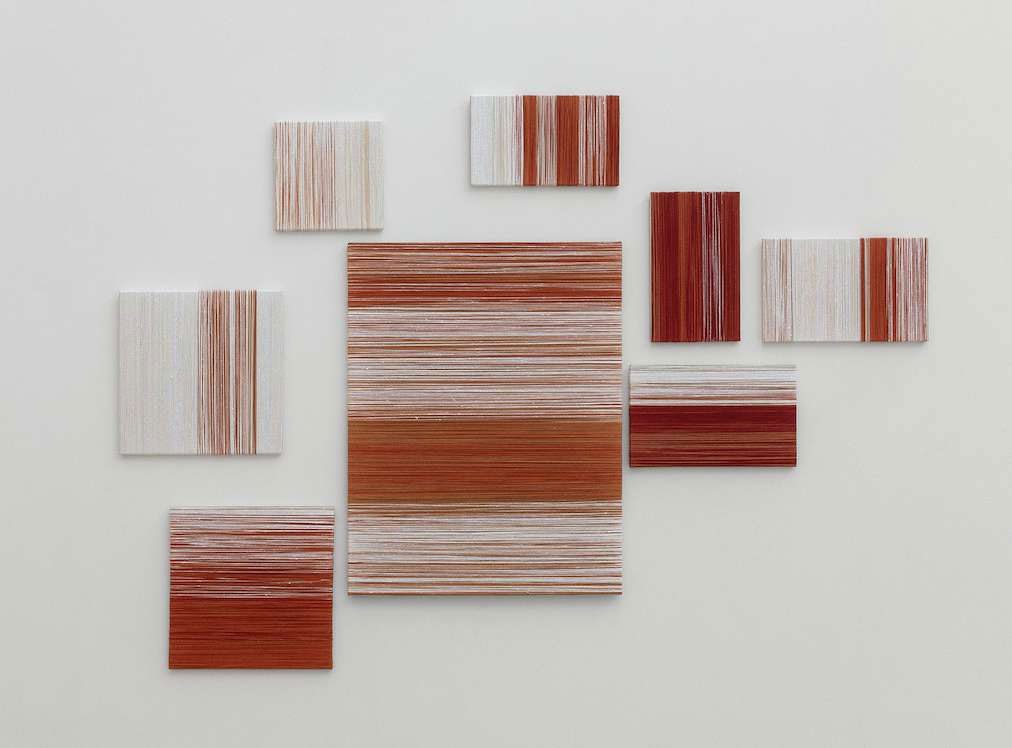
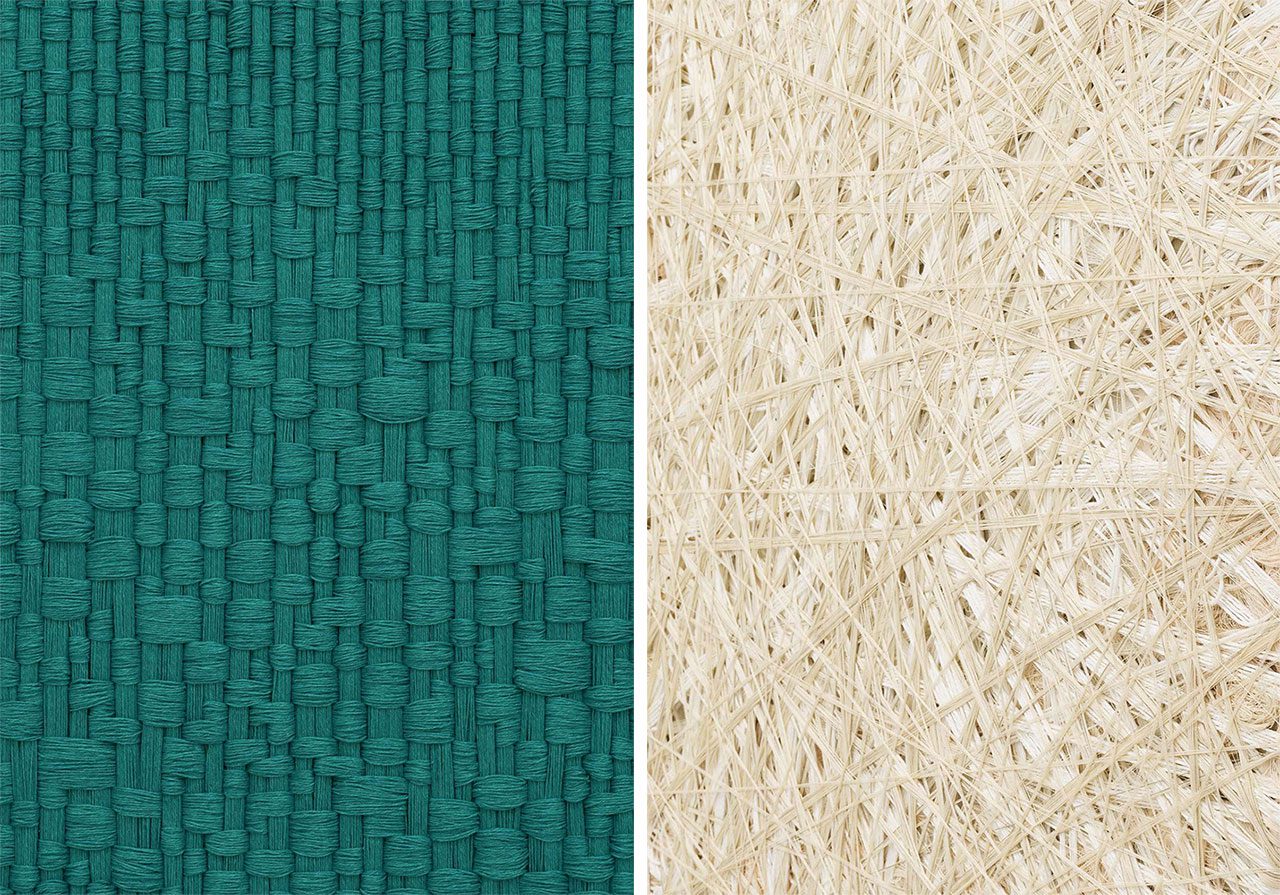
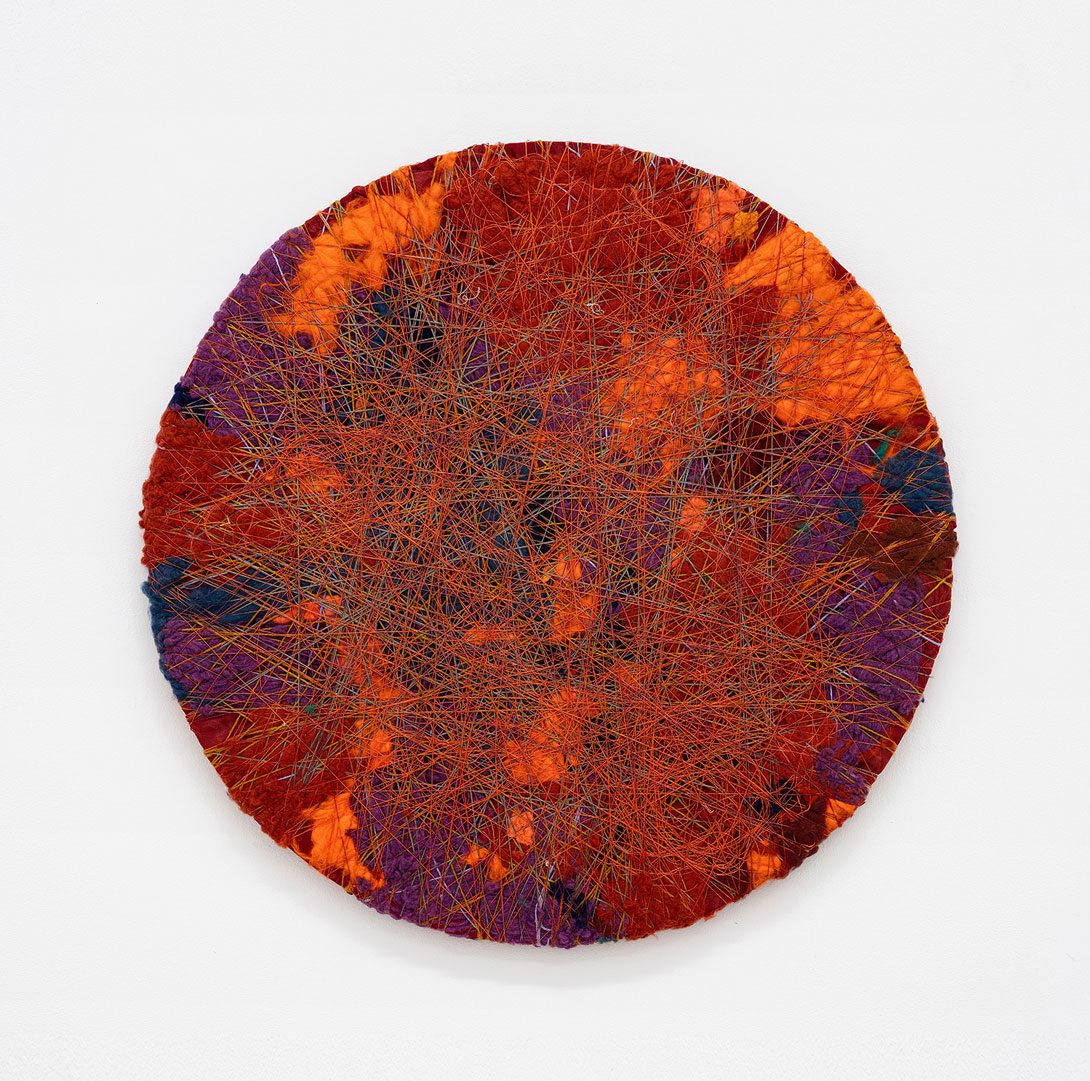
Right: Sheila Hicks, Dreams of Snow / Rêves Enneigés (detail), 2025 Linen, cotton, 83 cm (32 5/8 in.), © Sheila Hicks, Courtesy the artist, galerie frank elbaz & Shibunkaku
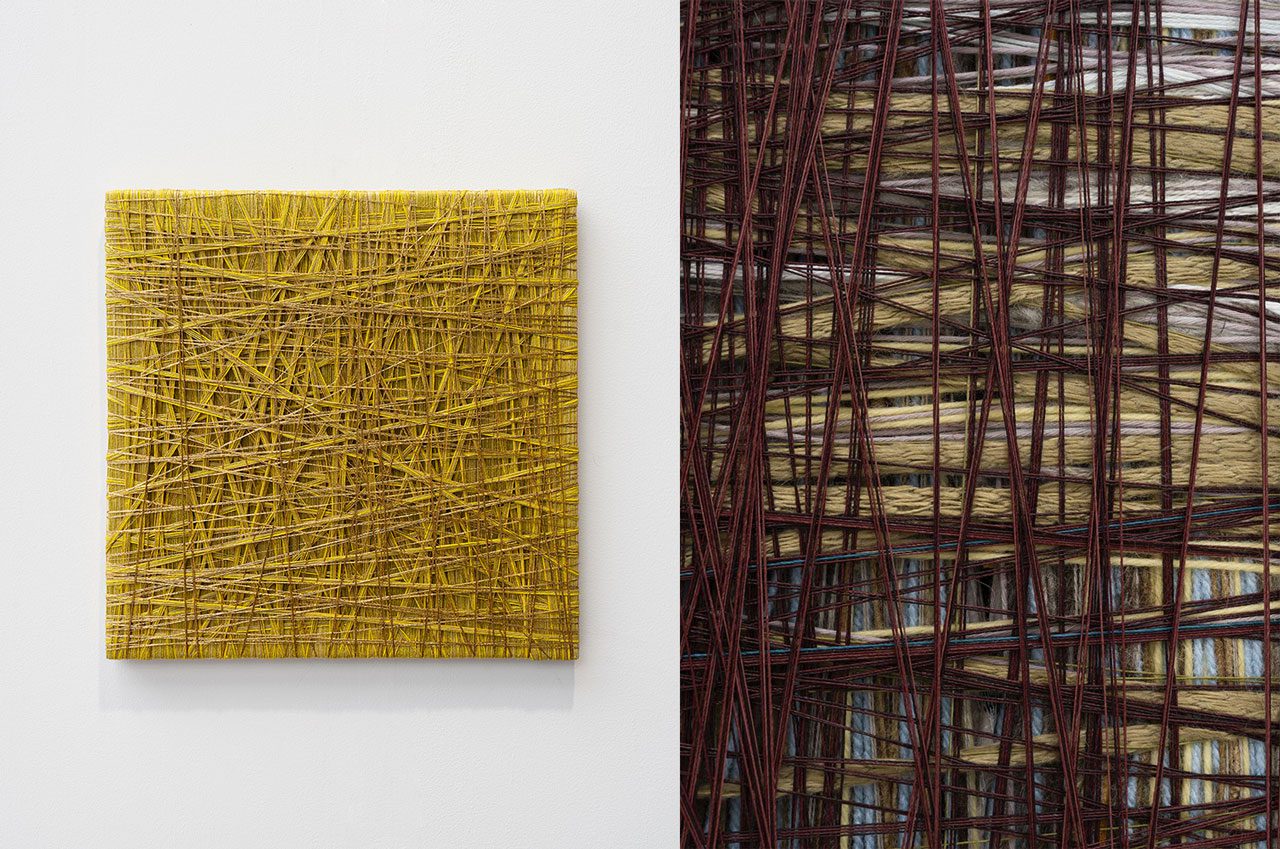
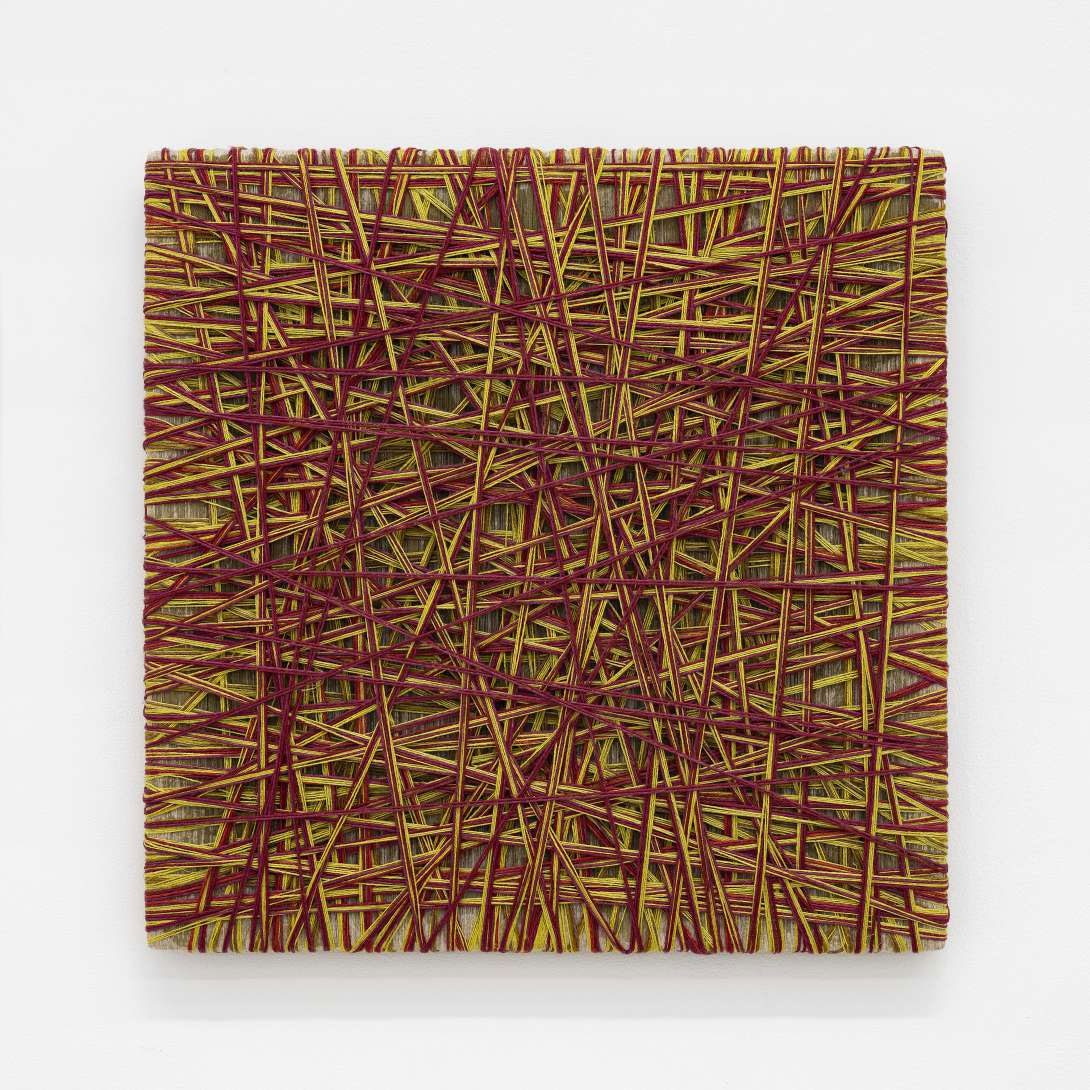
Right: Sheila Hicks, Secret Route / Itinéraire Secret (detail), 2025, Linen, cotton, 50 x 50 cm (19 3/4 x 19 3/4 in.), © Sheila Hicks, Courtesy the artist, galerie frank elbaz & Shibunkaku