BIENNALS: The Gaza Biennale-Greek Pavilion “In the Line of Fire. Miracles Amidst Ruins”
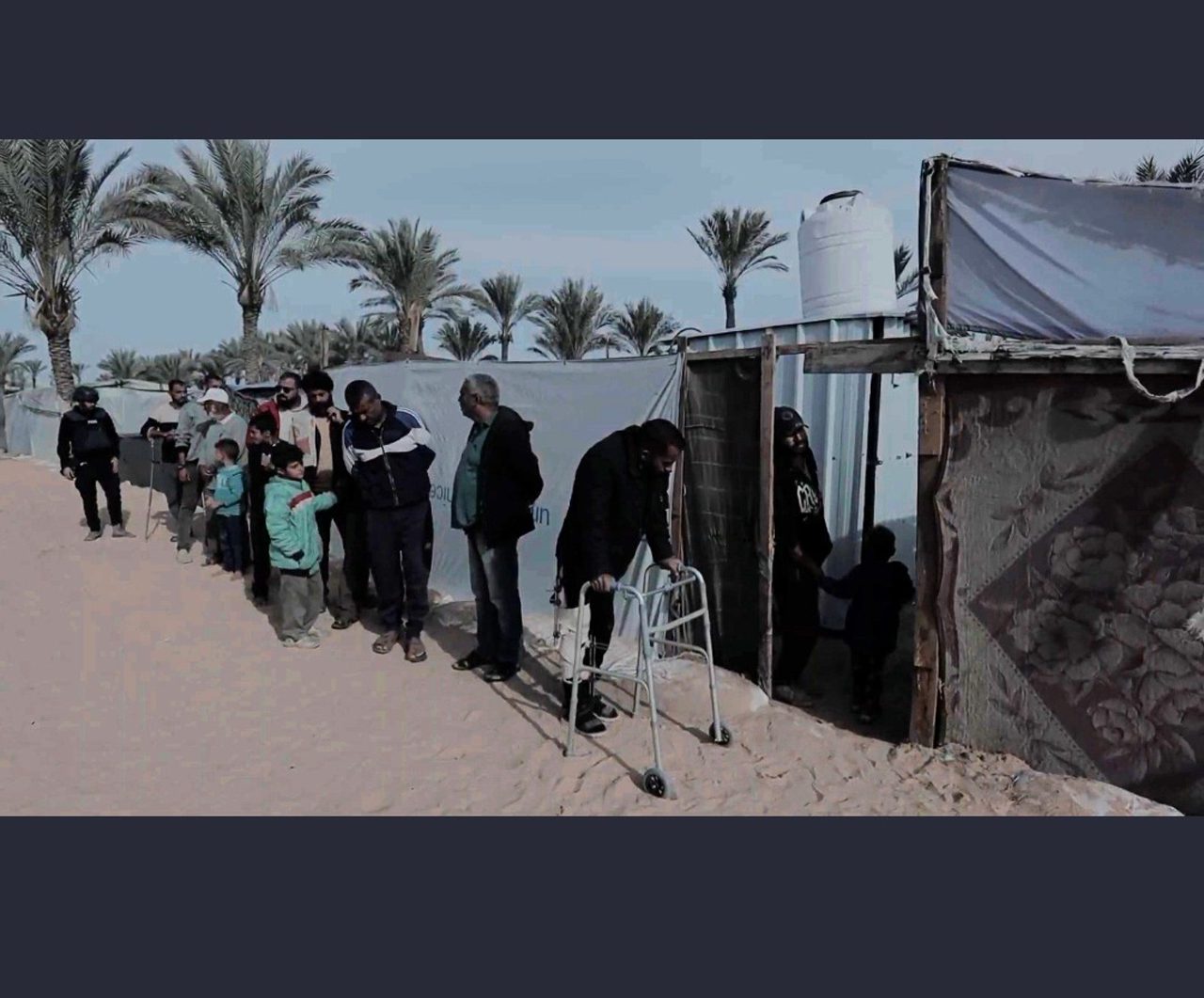
Since April 2024, artists from Gaza began to gather together under a single project, to find ways to utilize art to resist this genocide. Many artists in Gaza have been working throughout this war, defying all challenges, creating works that remind us that art is essential to life and our survival as a species. A collective project has emerged into a global art event, the Gaza Biennale.
By Dimitris Lempesis
Photo: Lofos Art Project Archive
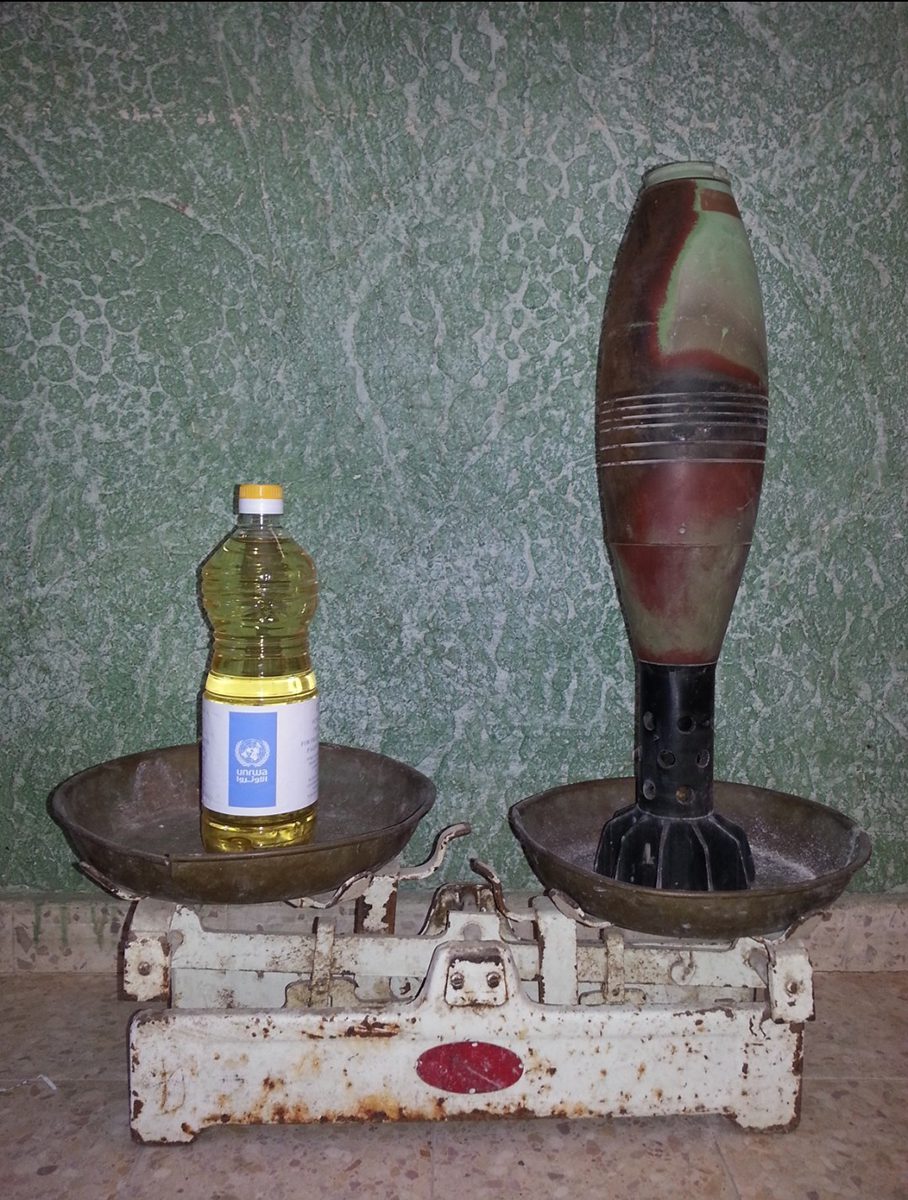
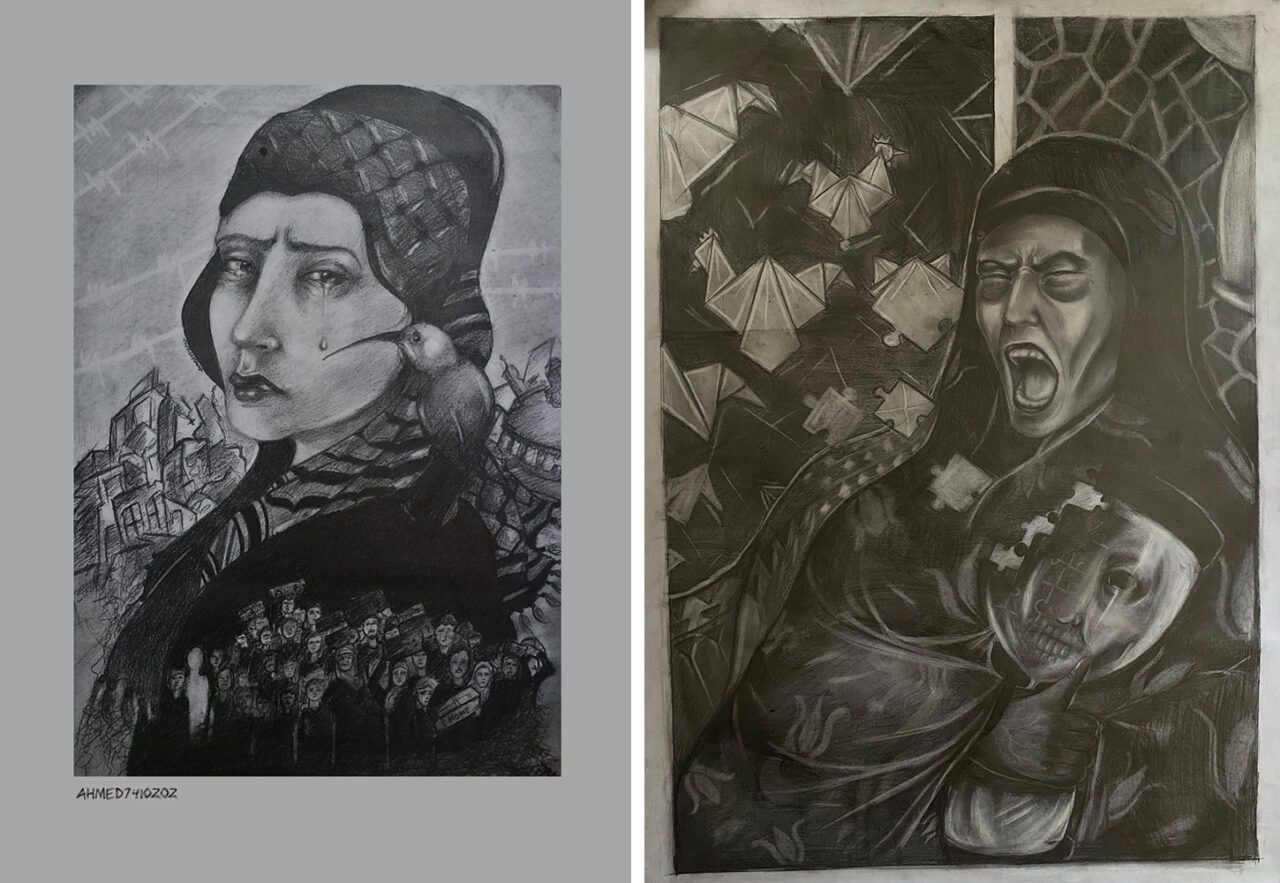
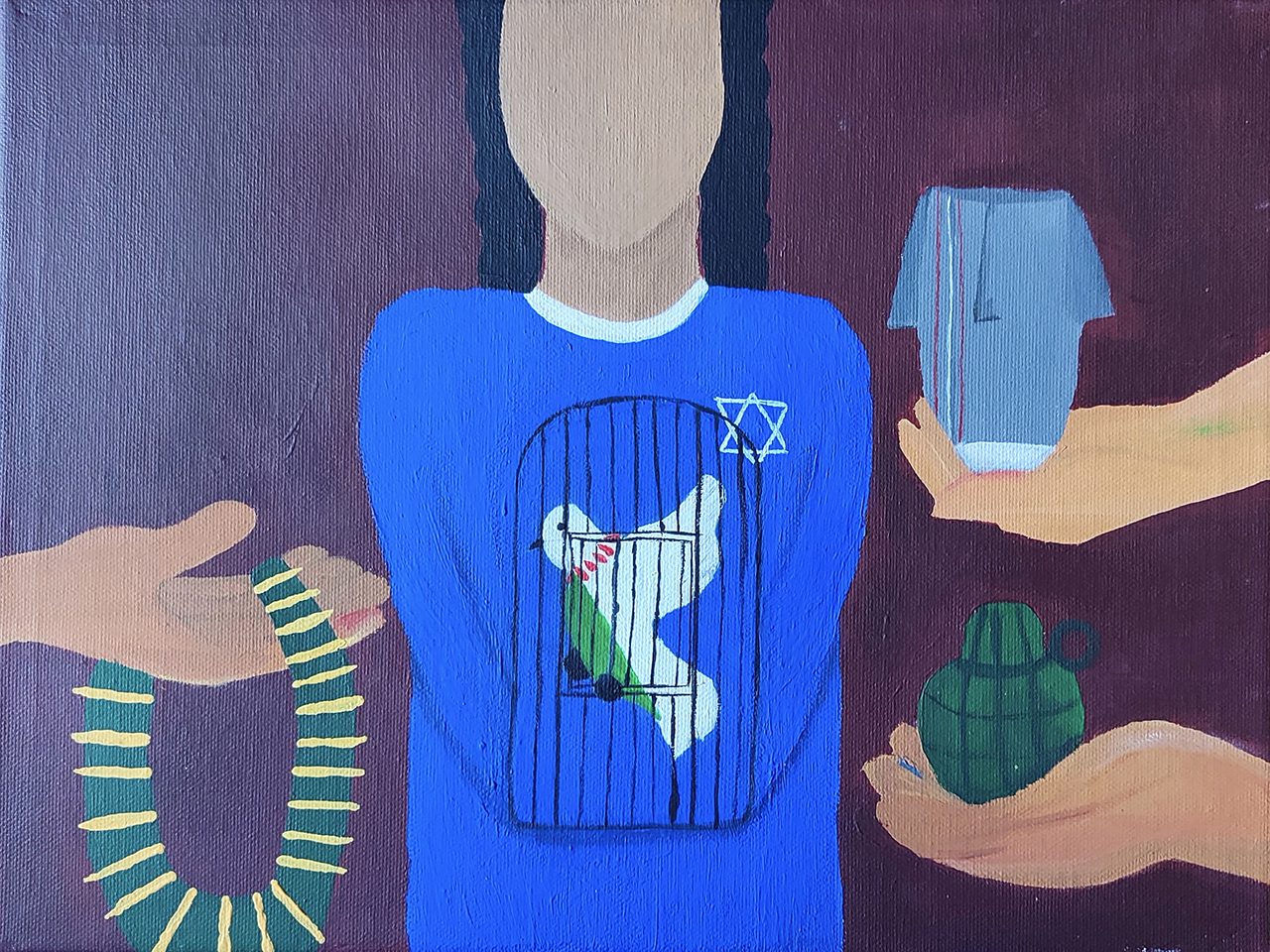
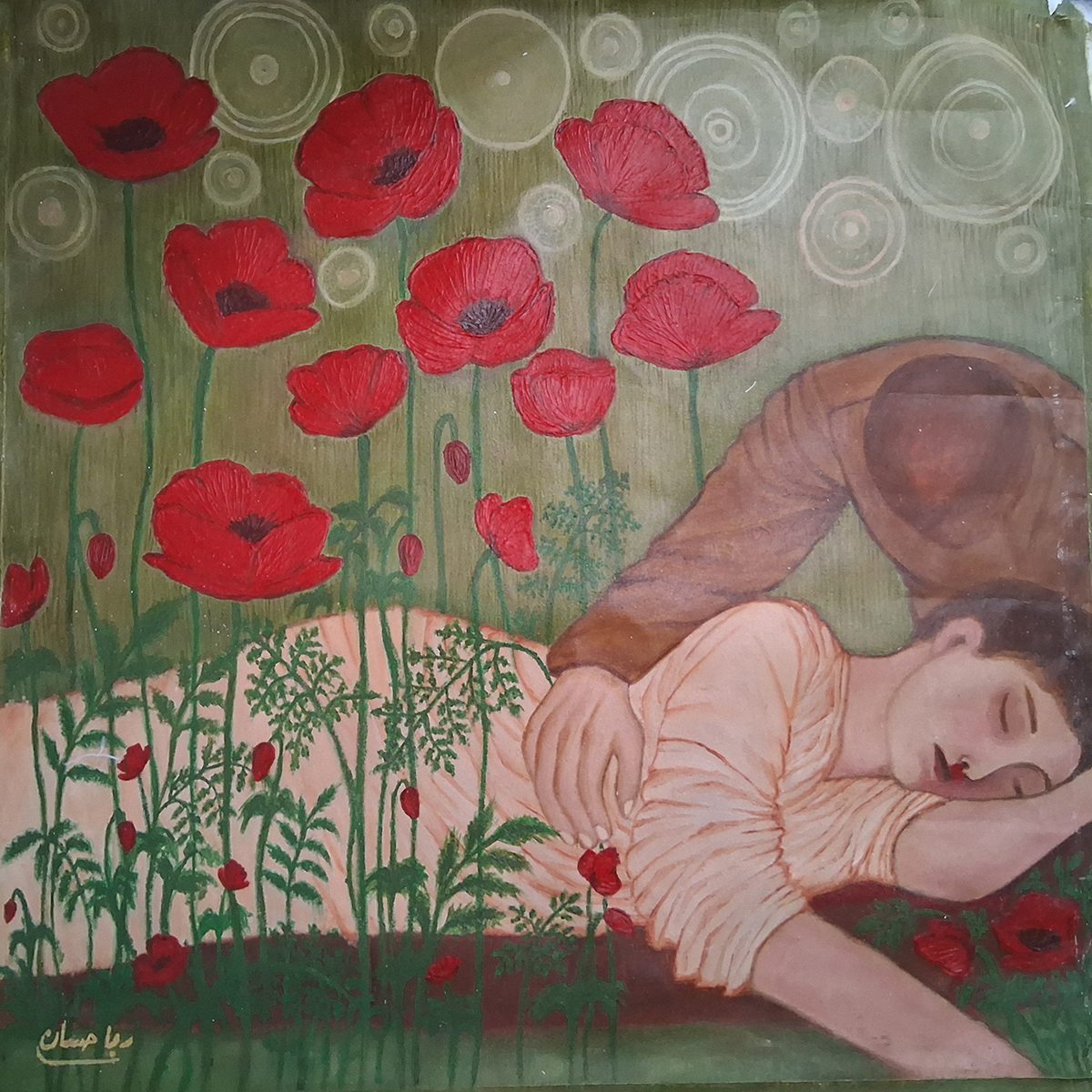
Lofos Art Project in Athens hosts “In the Line of Fire. Miracles Amidst Ruins – The Gaza Biennale, Greek Pavilion” an exhibition of works by artists living and creating in Gaza during the ongoing genocide and by artists who originate from Gaza. As one of 18 pavilions around the world, Lofos participates in a decentralized cultural mobilization that refuses neutrality in the face of colonial violence. This is not a neutral cultural event — it is a political act of solidarity with a people under attack. The exhibition bears witness to the deliberate assault on Palestinian life, culture, and memory. It insists that the world call the violence by its name: genocide, ethnic cleansing, and occupation. It exposes how political and military power has sought to erase Palestinian existence — not only bodies and homes, but also archives, museums, and the very traces of a living culture. Against this erasure, Palestinian artists insist on visibility, dignity, and historical truth. Art in Gaza has become a frontline of resistance. The works on view were produced during bombardment, dispossession and blockade; they are documents of survival and testimony. They register the facts of daily life under siege — the destruction of neighborhoods, the killing of civilians, the targeted attacks on cultural workers — and they insist that justice be more than a phrase. These pieces demand concrete action: cessation of the siege, an end to occupation, prosecutions for war crimes, and international enforcement of Palestinian rights to land, return, and self-determination.
The Gaza Biennale — born in Palestine in April 2024 as artists organized to resist annihilation through creation — is a transnational act of solidarity: artists and curators in Gaza and the Forbidden Museum on Al Risan Mountain have refused to be silenced. Their decentralized model rejects the complicity of institutions that equate “both-sides” neutrality with moral cowardice; instead, it invites cultural institutions, universities, and governments to choose justice over complacency. The Biennale asks cultural actors to do more than host exhibitions: to press for immediate humanitarian relief, to back enforceable measures that end the siege, to suspend cultural cooperation with complicit institutions and states, and to support Palestinian cultural sovereignty. This exhibition is a demand. It demands that states and international bodies stop enabling the machinery of destruction; that arms transfers, diplomatic cover, and financial flows supporting the assault be halted; and that those responsible for crimes against Palestinians be brought to account in courts of law. It demands that cultural and academic communities impose meaningful consequences on institutions that normalize or whitewash genocide. It urges citizens, artists, and activists to escalate solidarity — through boycott, divestment, sanctions, humanitarian corridors, and persistent public pressure — until Palestinian life and rights are restored.
“In the Line of Fire. Miracles Amidst Ruins” rejects erasure and refuses to accept a politics of indifference. Its artists do not ask for pity; they demand justice. Their work insists that the international community translate outrage into action: end the siege, lift the blockade, restore freedom of movement, open borders for the wounded and displaced, and implement reparations and guaranteed security for Palestinian communities. Through the Greek Pavilion, Athens becomes a site of principled solidarity. The exhibition amplifies Palestinian voices and centers the agency of those who continue to create despite targeted destruction. It urges every viewer not only to witness, but to act — to bring pressure to bear on elected officials, cultural institutions, and international organizations until Palestinian self-determination is realized and impunity ends. Art in Gaza today is not an escape from politics — it is politics. It is testimony, resistance, and an unresolved call to the global conscience. In this moment of moral emergency, “In the Line of Fire. Miracles Amidst Ruins” stands with Palestine: insisting on dignity, demanding accountability, and insisting that liberation is not negotiable.
Events in the final days of the Gaza Biennale at Lofos Art Project
On Saturday, November 1st at 9:30 PM, a musical evening will be held, dedicated to the composer of the Palestinian national anthem, Mikis Theodorakis, featuring Giorgos Makaris, Diamantis Dagiasis, Thanasis Gekas, and Argyris Dinas.
On Sunday, November 2nd at 7:00 PM, the film “When I Saw You” by Annemarie Jacir (2012) will be screened. The film was the official Palestinian entry for the 85th Oscar Academy Awards in the Best Foreign Language Film category and, among other awards, won the Best Asian Film award at the 63rd Berlin International Film Festival. The screening takes place as part of Palestine Cinema Days, in collaboration with the Greek section of Amnesty International, “FilmLab: Palestine” based in Ramallah, and the cultural organization We are Community.
On the same day, the Gaza Biennale in Athens will “bid farewell” to the Sohail Salem’s Artist Book a.k.a. genocide calendar, by screening the video created by the English Pavilion of the Gaza Biennale, before the work travels to the German Pavilion in Berlin.
On Monday, November 3rd at 7:30 PM, the documentary titled “48 | Resisting the Big Settlement”, filmed in the summer of 2022 in the occupied West Bank, will be screened. It is an attempt to express the everyday experience of people excluded by the apartheid regime, describing different facets of the Israeli occupation.
On the same day, the video created specifically for Lofos by the artist and activist Adam Broomberg, “In the darkest time will there be singing?”, featuring art critic John Berger reading Ghassan Kanafani, will be screened.
Participating artists: Ahmed Adnan, Ahmad Aladawi, Ahmad Muhanna, Alaa Abu Saif, Alaà Al Shawa, Ashraf Sahwiel, Aya Juha, Bassel Aklouk, Diana Alhosary, Emad Badwan, Fadel Tafesh, Hala Eid Alnaji, Jehad Jarbou, Ghanem Al Den, Ibrahim Al Sultan, Khaled Hussein, Liza Madi, Maysa Yousef, Motaz Naim, Osama Naqqa Hussein, Rasha Alrayes, Ruba Mahmoud Hassan, Ola Al Sharif, Sohail Salem, Yasmeen Al Daya, Yahya Alsholy, Yara Zuhod.
Independent Curators’ choice: Lamis Dajani Shawwa, Maisara Baroud, Mary Ann Jaraisy.
Photo: Emad Badwan, Courtesy the artist and Lofos Art Project
Info: Curators: Faye Tzanetoulakou and Dimitris Sarafianos, Lofos Art Project, Velvendou 39, Kypseli, Athens, Greece, Duration: 18/9-4/11/2025, Days & Hours: Tue-Sun 18:00-21:00, www.lofosartproject.com/
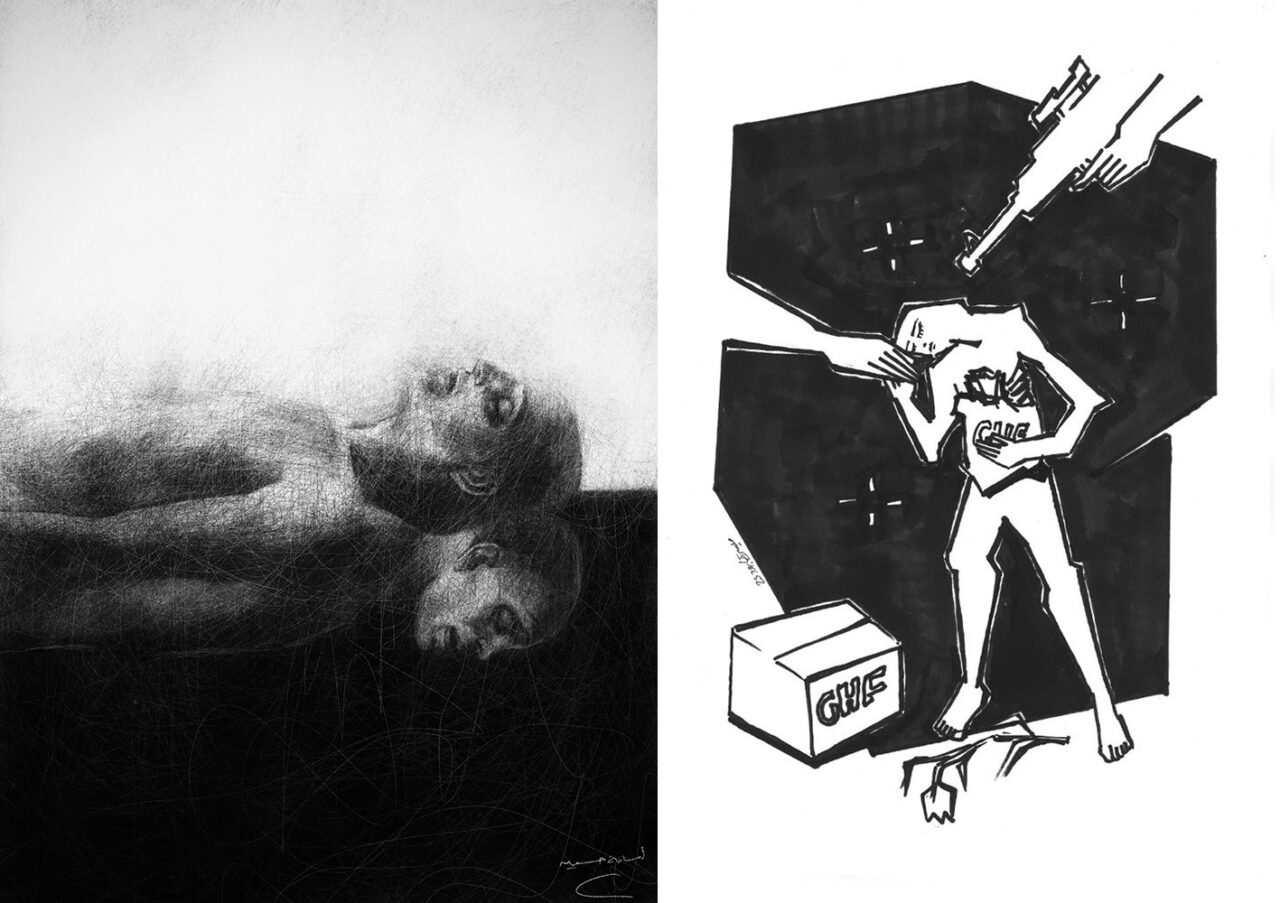
Right: Maisara Baroud, Courtesy the artist and Lofos Art Project