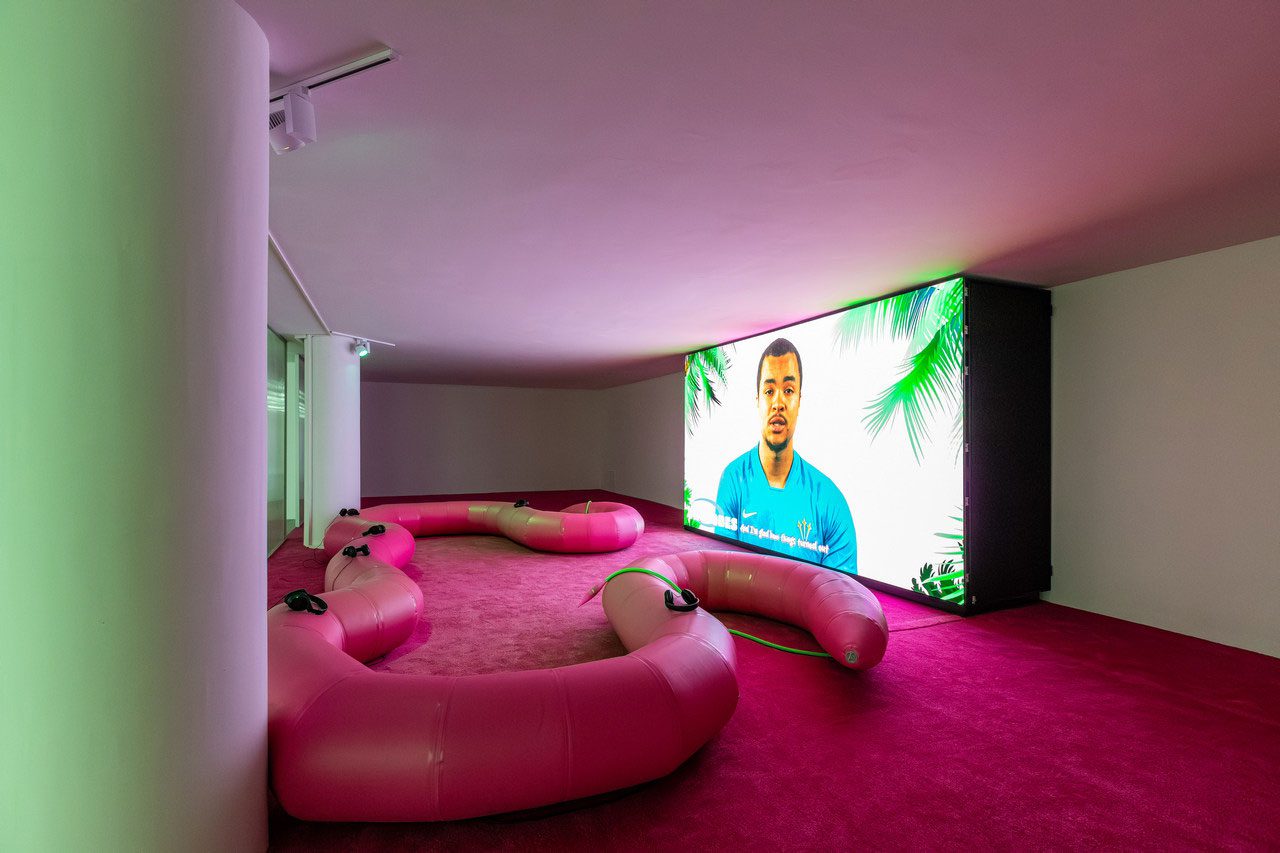
BIENNALS: 18th Istanbul Biennial, Part III
The Istanbul Foundation for Culture and Arts (İKSV) has been organising the Istanbul Biennial since 1987. The biennial aims to create a meeting point in Istanbul between artists from diverse cultures and audiences. The seventeen biennials İKSV has organised so far have enabled the formation of an international cultural network between local and international art circles, artists, curators and art critics by bringing together new ideas in contemporary art every two years (Part I, Part II).
By Efi Michalarou
Photo: Istanbul Foundation for Culture and Arts (İKSV) Archive
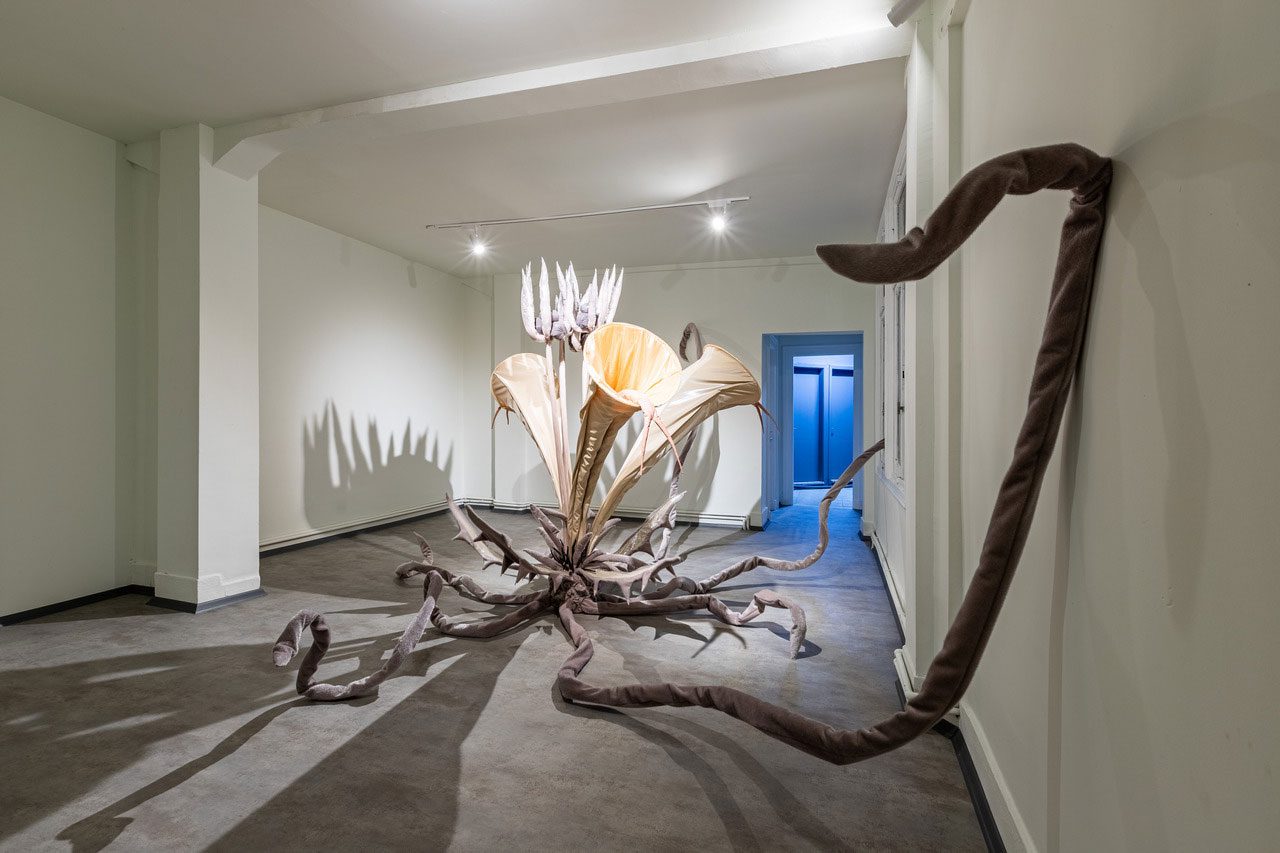
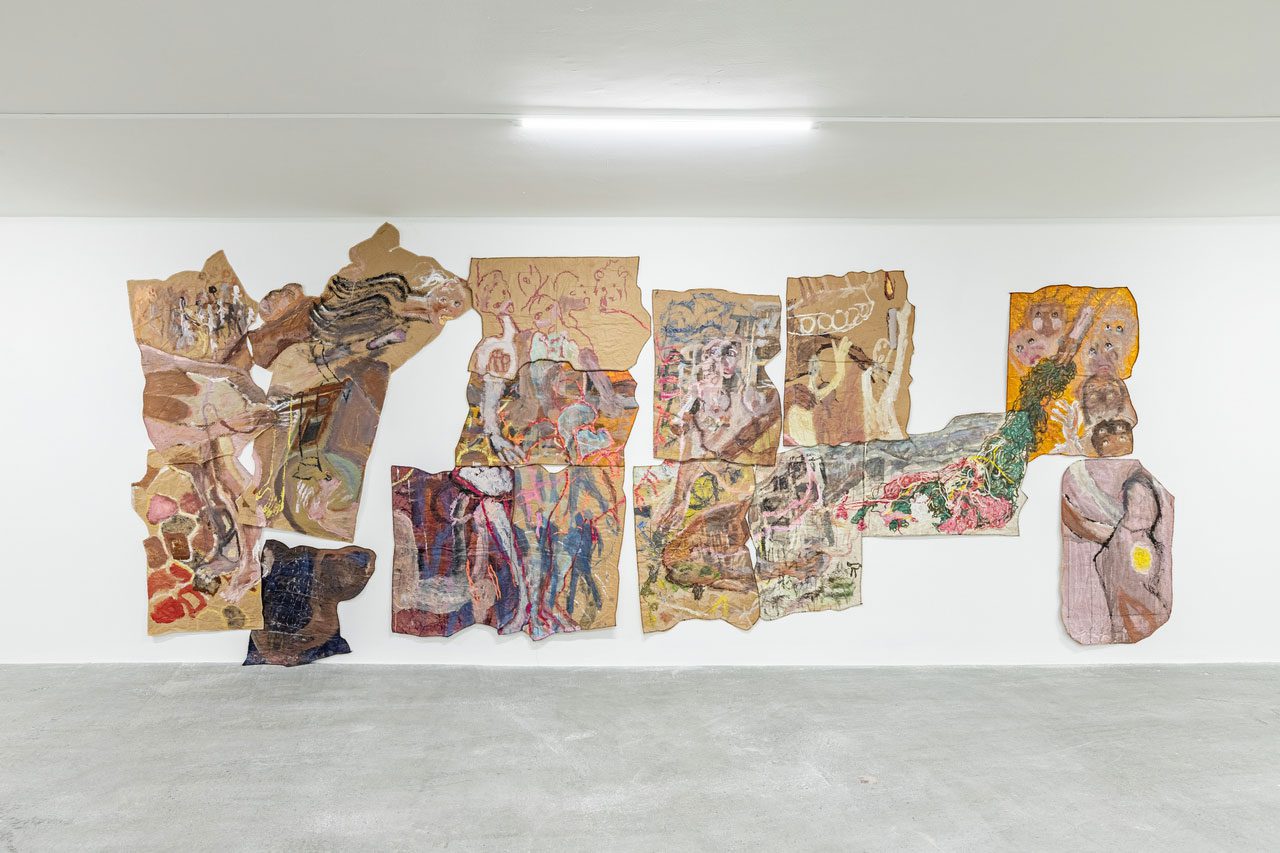
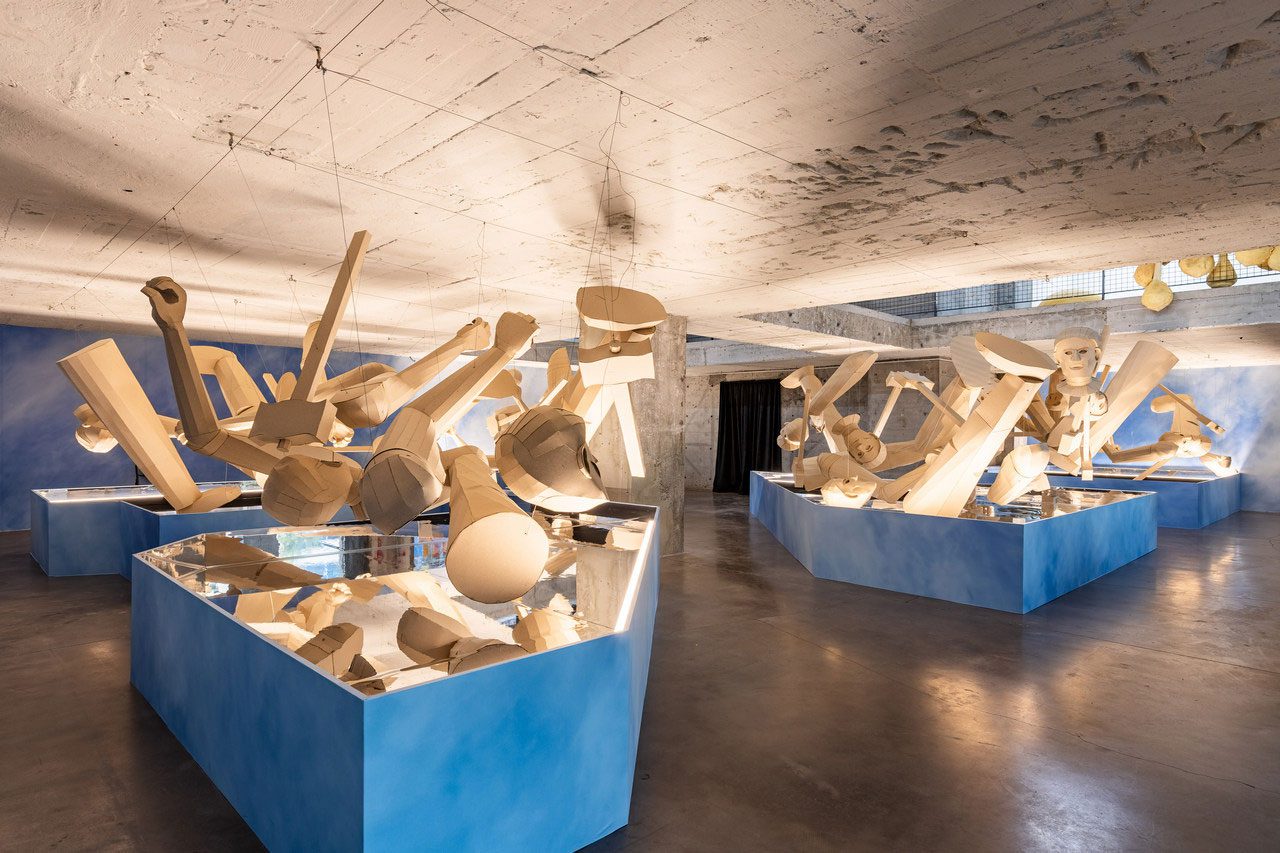
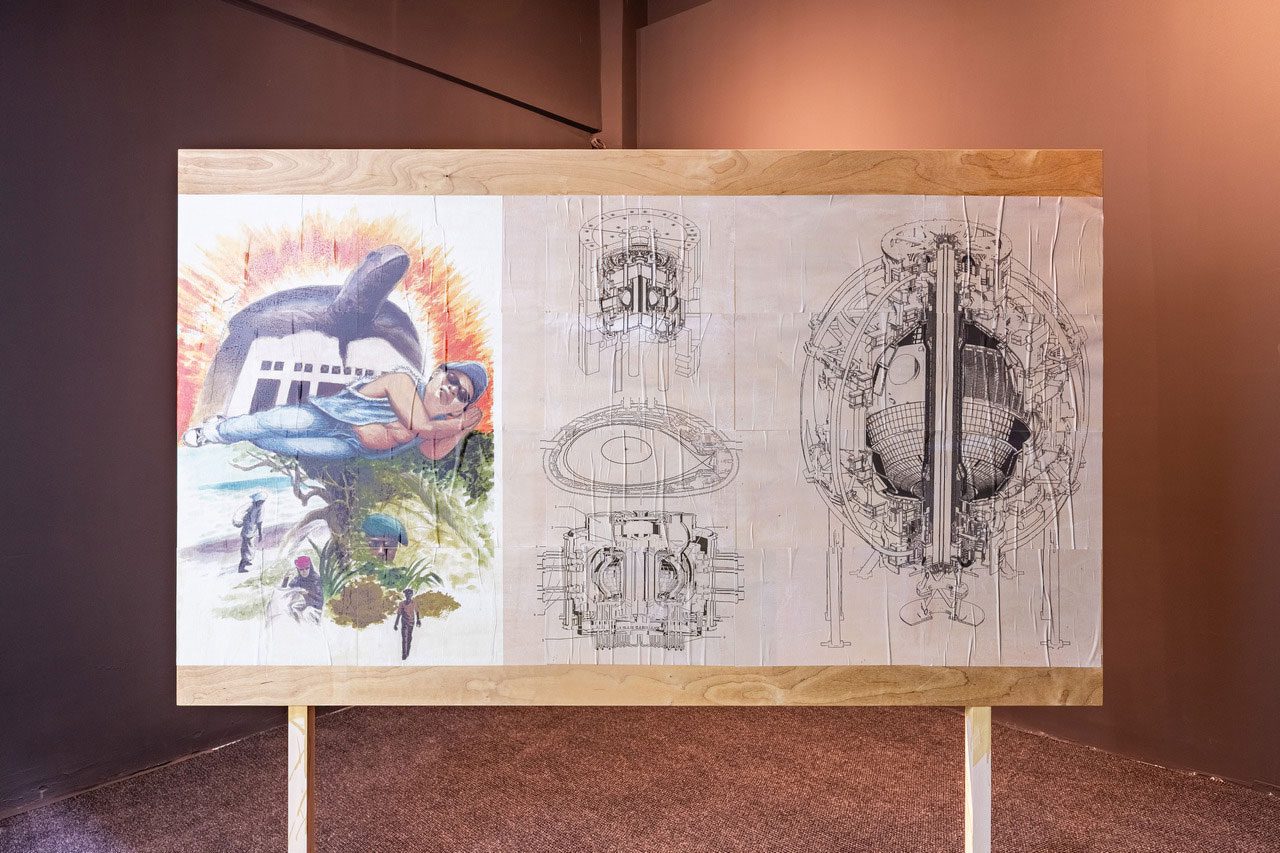
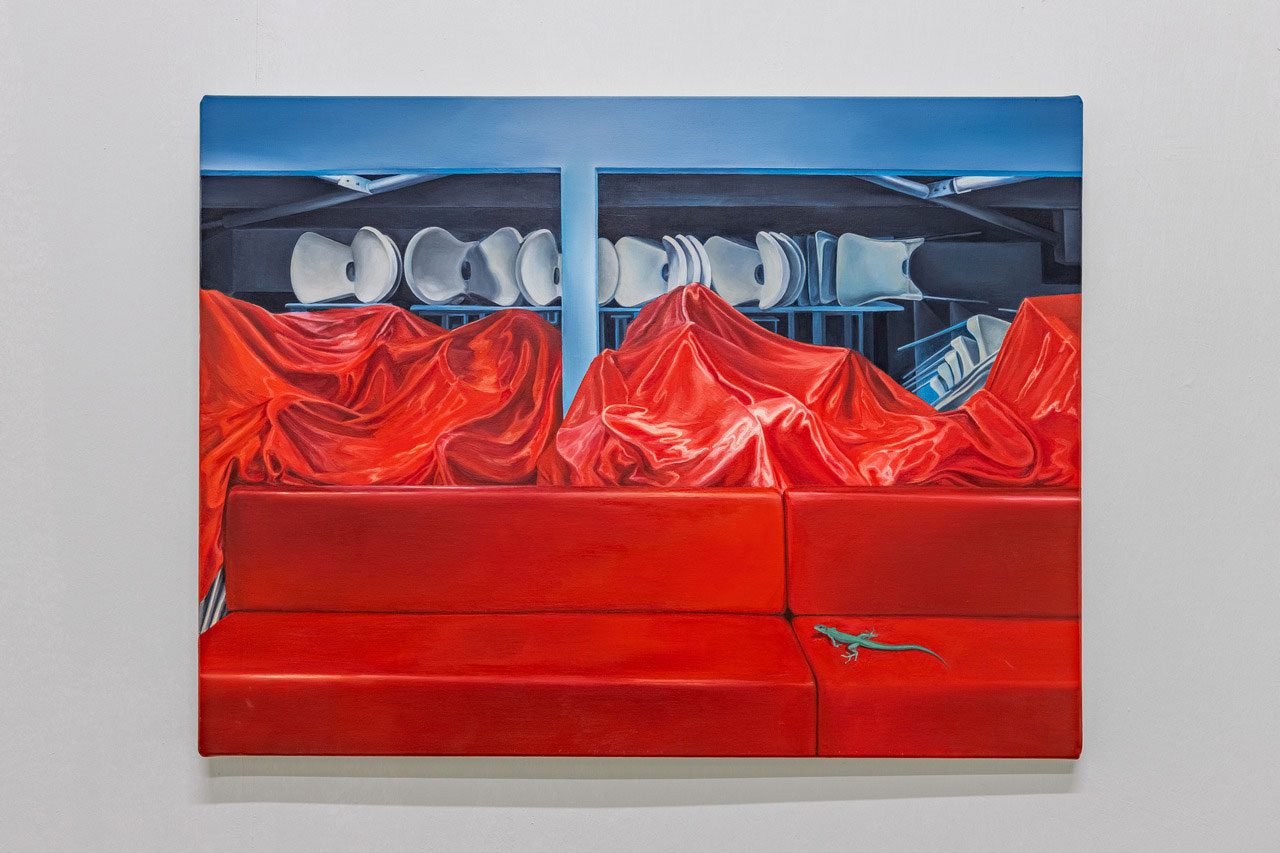
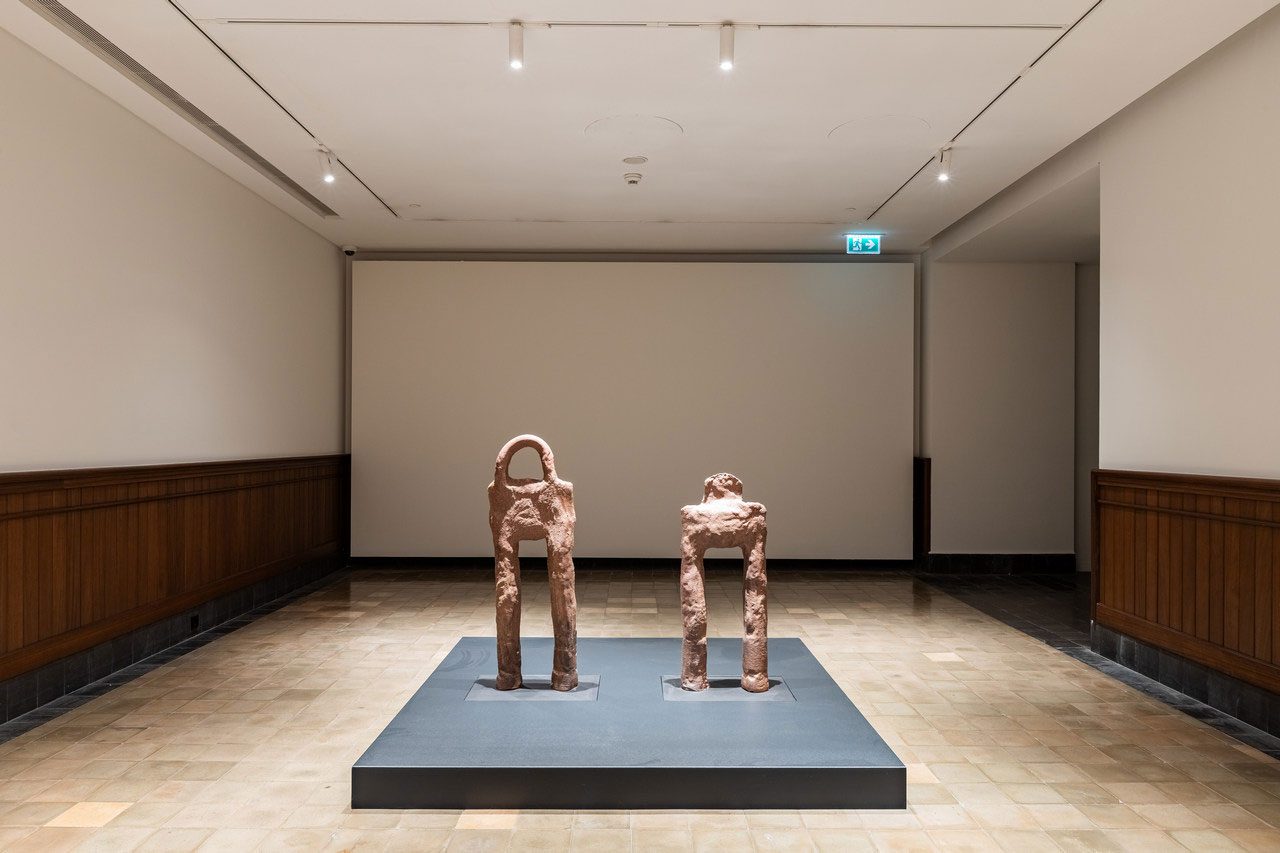
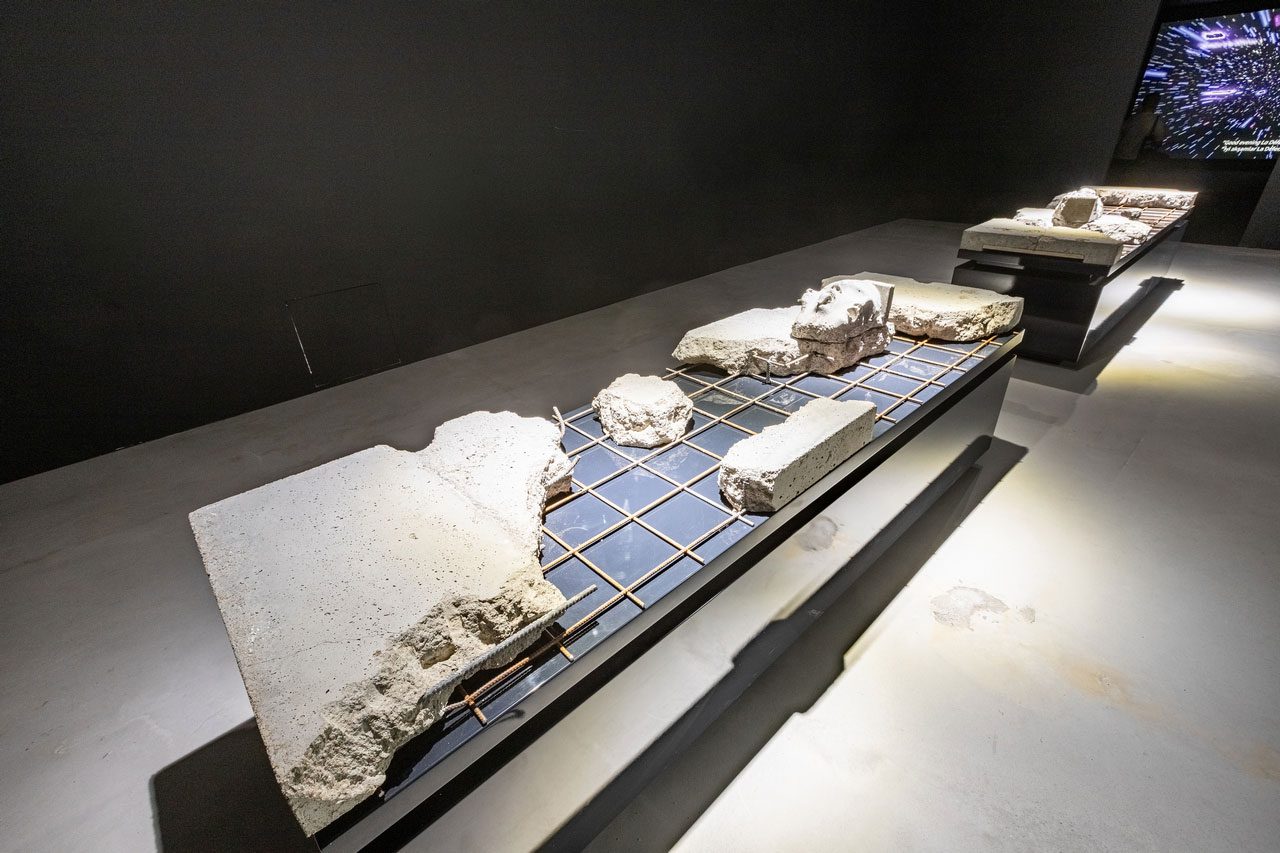
The 18th Istanbul Biennial, titled “The Three-Legged Cat”, unfurls as a living, breathing project over three full years. The cat, a creature said to possess nine lives, has long been Istanbul’s quiet confidant—threading itself through alleys and market stalls, slipping across rooftops and tramlines. It scavenges what others overlook, warms itself in sudden shafts of sunlight, and charms strangers with a glance. Domesticated for millennia yet never fully tame, the cat remains a sly emblem of survival, equal parts companion and fugitive. It moves between play and peril with restless poise. In a city—and a world—scarred by upheaval, that nimble spirit can come at a cost: sometimes even a limb. The three-legged cat pads forward anyway, its altered rhythm carrying the memory of unnamed disasters. Still, it lifts its gaze skyward, daring to imagine a wider horizon. It invents new balances, new leaps and stretches, stumbling and recovering with unshaken grace. To follow this cat is to step off the obvious path. It invites us to inhabit its mischief, to discover transformation in overlooked corners, to pause in a patch of late-afternoon sun. From 2025 through 2027, the Biennial takes on this feline nature—resting on three legs while stretching across time. Its pulse follows conversations, experiments, and the unending hum of the present. First Leg — 20 September to 23 November 2025: An exhibition featuring more than forty artists unfolds alongside performances, screenings, and talks that explore self-preservation, resilience, and the shimmer of possible futures. Second Leg — 2026: An experimental “academy” emerges, weaving partnerships with local initiatives and hosting a year-long series of public programmes. Third Leg — 2027: The Biennial gathers its discoveries, offering a concluding constellation of exhibitions and workshops that distill three years of wandering inquiry. Amont the artworks of the first leg are: Haig Aivazian’s “You May Own the Lanterns but We Have the Light” brings together three episodes from a cartoon mini-series screened in a continuous loop. Each episode comprises found cartoons and animations from a wide array of sources, all redrawn and re-animated with varying degrees of alterations to the original source material, with the help of various animators, music producers and other actors in Lebanon and the region. The plot of the trilogy sets up the night as a contentious space, where its attempted colonisations by unknown forces are countered by practices of escapism, fugitiveness and confrontation. Abdullah Al Saadi’s “Stone Slippers” (2013) draws inspiration from a quotidian artefact of daily use within the Gulf: the traditional sandal. Departing from a local anecdote in which small island communities historically reclaimed land by throwing worn slippers or sandals into the sea and hoping that sand would gather around them to constitute an island, Al Saadi’s worktakes on this daily object and recasts it in stone. Ana Alenso’s “What the Mine Gives, the Mine Takes” (2020) examines the reality of gold mining in the Amazonian regions of Venezuela. Amid the 2014–2016 oil crisis, Venezuela’s government turned to mega-mining of its precious mineral reserves, particularly gold. Employing an extraction process that leaves behind mercury and other byproducts as trace pollutants in water, this mining method had lasting effects on workers, local Indigenous communities, and the environment. A suite of eight paintings by Ian Davis revolves around themes of environmental extraction, natural disaster and dystopia. These works explore the thresholds between event and response, depicting monumental scenes where human labour and infrastructure intersect, charging ordinary environments with apocalyptic tension. Here, a sense of meticulously depicted order and precision becomes foreboding: a spiral staircase leads to an unseen formal event, and vast industrial scenery is occasionally dotted with human figures, dwarfed in scale by comparison both to the daunting, communal task at hand and the towering gaseous emissions that surround them.
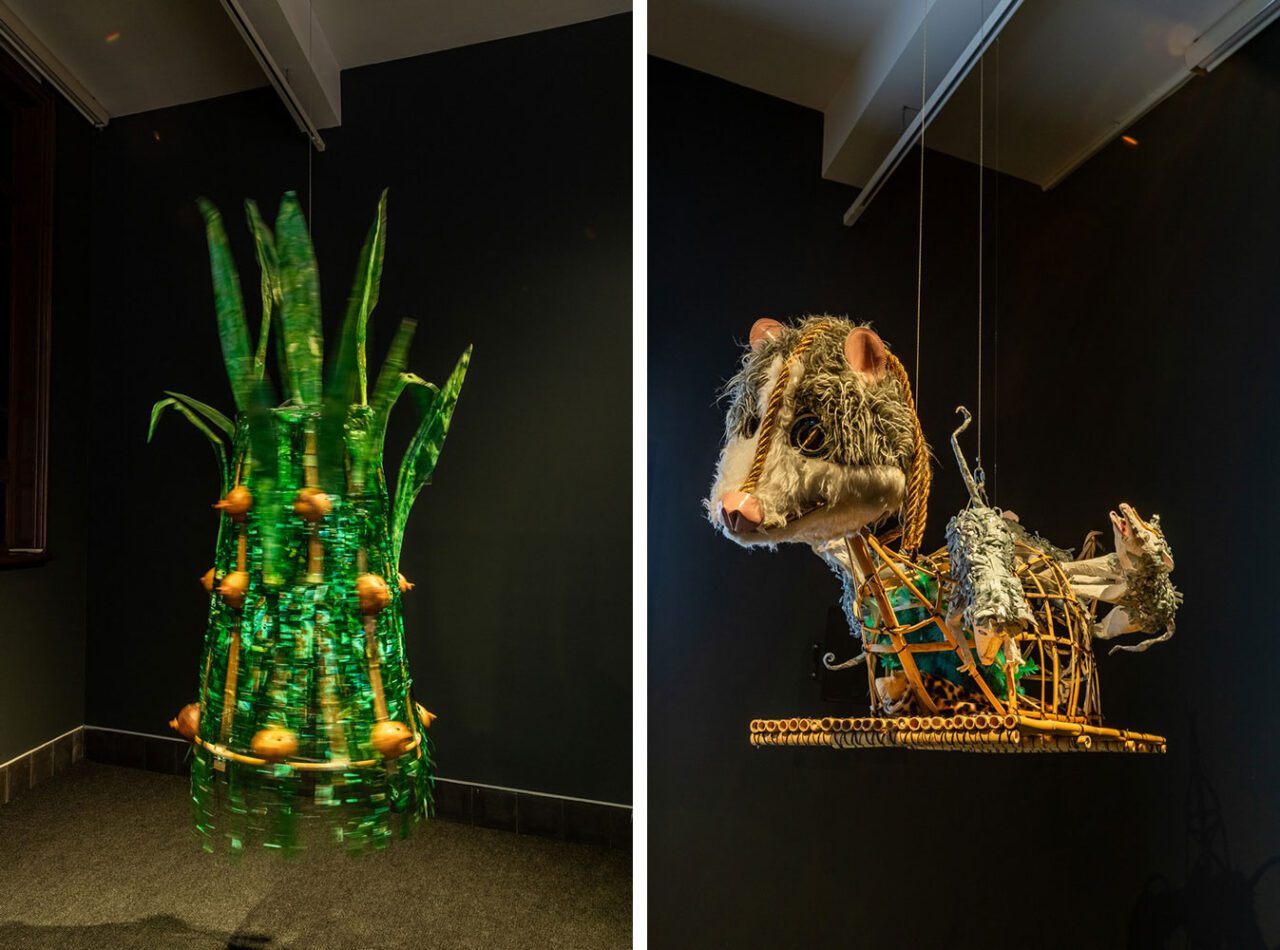
Stéphanie Saadé’s “Pyramid” (2022) series is composed of everyday clothing items, such as socks, T-shirts and leggings layered and sewn into one another in an incremental fashion, from the smallest infant size to largest adult sizes. Forming a gently sloping, vertical silhouette, the works resemble a stratified monument of growth and care, testifying to the evolution of intimate matter as well as its relationship to the body. The resulting structure is both familiar and uncanny: a cartography of life stages that materialises time as both visible and tactile. With “Pouring Without End and Spilled in Good Faith” the artists duo, VASKOS (Vassilis Noulas & Kostas Tzimoulis) revisits the iconography of ‘Greekness’, an idea sustained by the Greek state and tourism industry in attempts to monetise history. Within the vividly coloured visual realm of the textile panels, the duo take up the symbol of the jug or amphora, which has long been a shorthand symbol for Hellenic identity in the historicisation of Greek civilisation and mythology. Here, depictions of the artists themselves are interwoven with motifs from classical antiquity and other ornamental icons. Naomi Rincón-Gallardo’s “Resiliencia Tlacuache / Opossum Resilience” (2019) is part of “A Trilogy of Caves”, which is a series of politically grounded yet playfully psychedelic videos inspired by and shot in the Mexican state of Oaxaca. Oaxaca continues to experience the deleterious effects of land dispossession, such as those in the wake of recent aggressive mining concessions that have exacerbated existing social conflicts. Blending surreal and psychedelic imagery, the installation features a projected video surrounded by suspended sculptures – costumes and accessories worn by the characters on screen – elaborating a multi-layered aesthetic where layers of reality and mythology are continually subverted. Overlapping the deep time of creation with the contemporary socio-environmental reality of a mining project imposed on an Indigenous territory, the film is directly informed by research and interviews done by Rincón-Gallardo with Zapotec lawyer and activist Rosalinda Dionicio about resistance, art, ancestral memory and fiction. “A Horn That Swallows Songs” (2025) by Doruntina Kastrati investigates the residual cost of invisible labour – particularly that performed by women – in Istanbul’s Turkish Delight (lokum) factories. The installation unfolds across two rooms, generating an immersive environment that echoes the conditions of the factory floor: endless shifts, repetitive rhythms and prolonged standing. Meanwhile, low-frequency vibrations emanating from ultrasonic speakers, floor transducers and sub-woofers travel through the floor into viewers’ bodies, transmitting a visceral bodily sensation. At the heart of the installation stands a polished metal structure embedded with four video screens. Each screen displays documentary footage drawn from Kastrati’s field visits to lokum factories, including interviews with workers. One video features a single narrator’s voice taken from interview transcripts, highlighting the gap between the workers’ realities and the sanitised versions of management, further underscoring the enforced silence and controlled narratives surrounding their labour. While the presence of supervisors in these interviews is subtle, their influence remains palpable – shaping not only the workers’ conditions, but also their capacity for speech, expression and disclosure. In an adjoining room, a sculpture fashioned from repurposed factory machinery takes the form of a horn-like vent, recalling those used in halva-making and underscoring the entanglement between sound, labour, and architectures of production.
Participating Artists: Haig Aivazian, Abdullah Al Saadi, Ana Alenso, Willy Aractingi, Karimah Ashadu, Mona Benyamin, Chen Ching-Yuan, Ian Davis, Nolan Oswald Dennis, İpek Duben, Celina Eceiza, Ali Eyal, Eva Fàbregas, Simone Fattal, Lou Fauroux, Pélagie Gbaguidi, Lungiswa Gqunta, Rafik Greiss, Ola Hassanain, Doruntina Kastrati, Jasleen Kaur, Şafak Şule Kemancı, Kongkee, Seta Manoukian, Mona Marzouk, Merve Mepa, Valentin Noujaïm, Claudia Pagès Rabal, Pilar Quinteros, Khalil Rabah, Jagdeep Raina, Marwan Rechmaoui, Naomi Rincón-Gallardo, Riar Rizaldi, Lara Saab, Sara Sadik, Stéphanie Saadé, Sohail Salem, Elif Saydam, Selma Selman, Natasha Tontey, Sevil Tunaboylu, VASKOS, Ana Vaz, Dilek Winchester
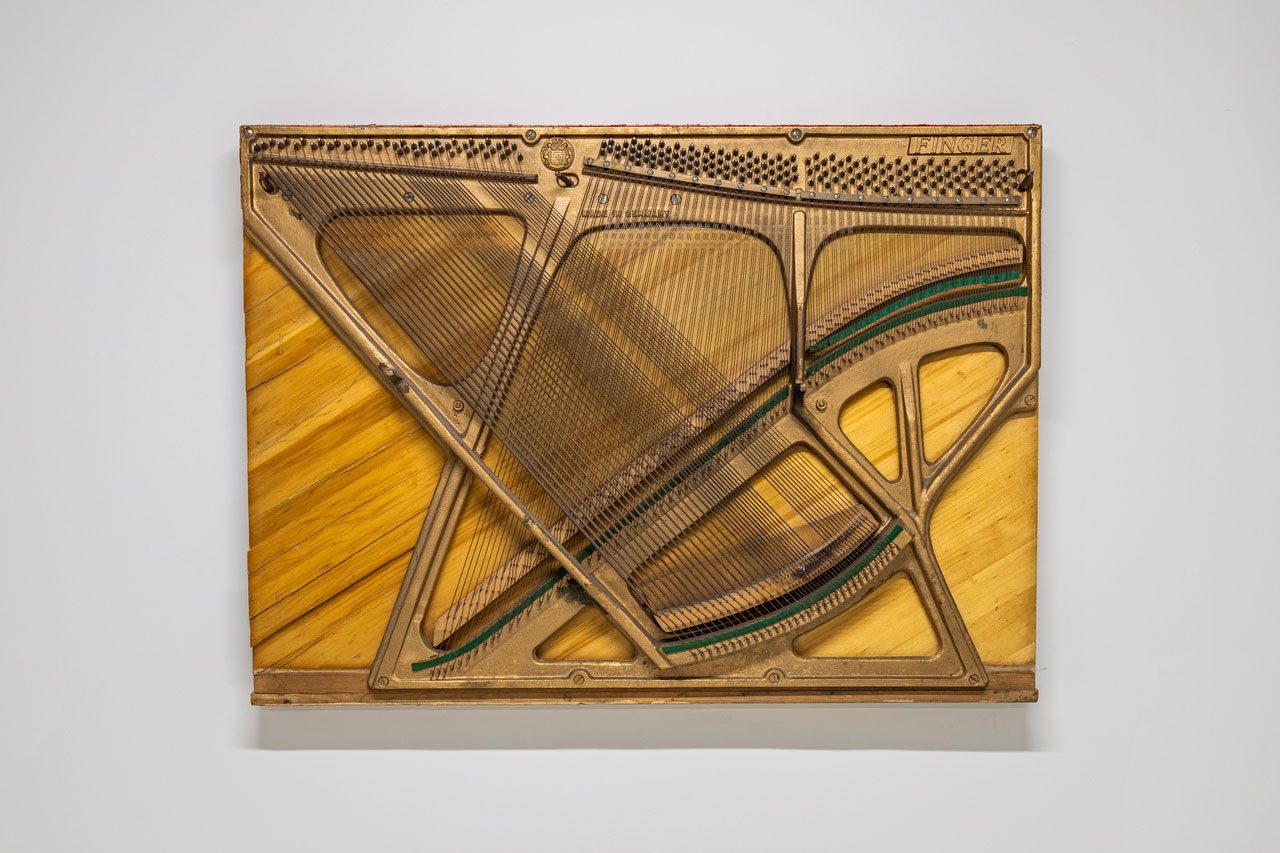
Photo: 18th Istanbul Biennial-The Three-Legged Cat, Installation view, Courtesy Istanbul Foundation for Culture and Arts (İKSV)
Info: Curator: Christine Tohmé, 18th Istanbul Biennial, Venues: 1: Galata Greek School, Kemankeş Karamustafapaşa Neighbourhood Kemeraltı Avenue 25 Karaköy, Beyoğlu, 2: Zihni Han, Kemankeş Karamustafapaşa Neighbourhood Tophane İskele Avenue 12 Karaköy, Beyoğlu, 3: Muradiye Han, Kemankeş Karamustafapaşa Neighbourhood Galata Şarap İskelesi Street 10 Karaköy, Beyoğlu, 4: Galeri 77, Kemankeş, Karamustafapaşa Neighbourhood Galata Şarap İskelesi Street 7 Karaköy, Beyoğlu, 5: Cone Factory, Kemankeş Karamustafapaşa Neighbourhood Murakıp Street 12 Karaköy, Beyoğlu, 6: Meclis-i Mebusan 35, Pürtelaş Hasan Efendi Neighbourhood Meclis-i Mebusan Avenue 35 Fındıklı, Beyoğlu, 7: Garden of the Former French Orphanage, Tomtom Neighbourhood Boğazkesen Avenue 65 Beyoğlu, 8: Elhamra Han, Asmalı Mescit Neighbourhood İstiklal Avenue 130 Beyoğlu, Duration: 20/9-23/11/2025, Days & Hours: Tue-Sun 10:00-18:00 (except Garden of the Former French Orphanage Daily 9:00-23:00), https://bienal.iksv.org/