
TRIBUTE: Warhol, Pollock And Other American Spaces
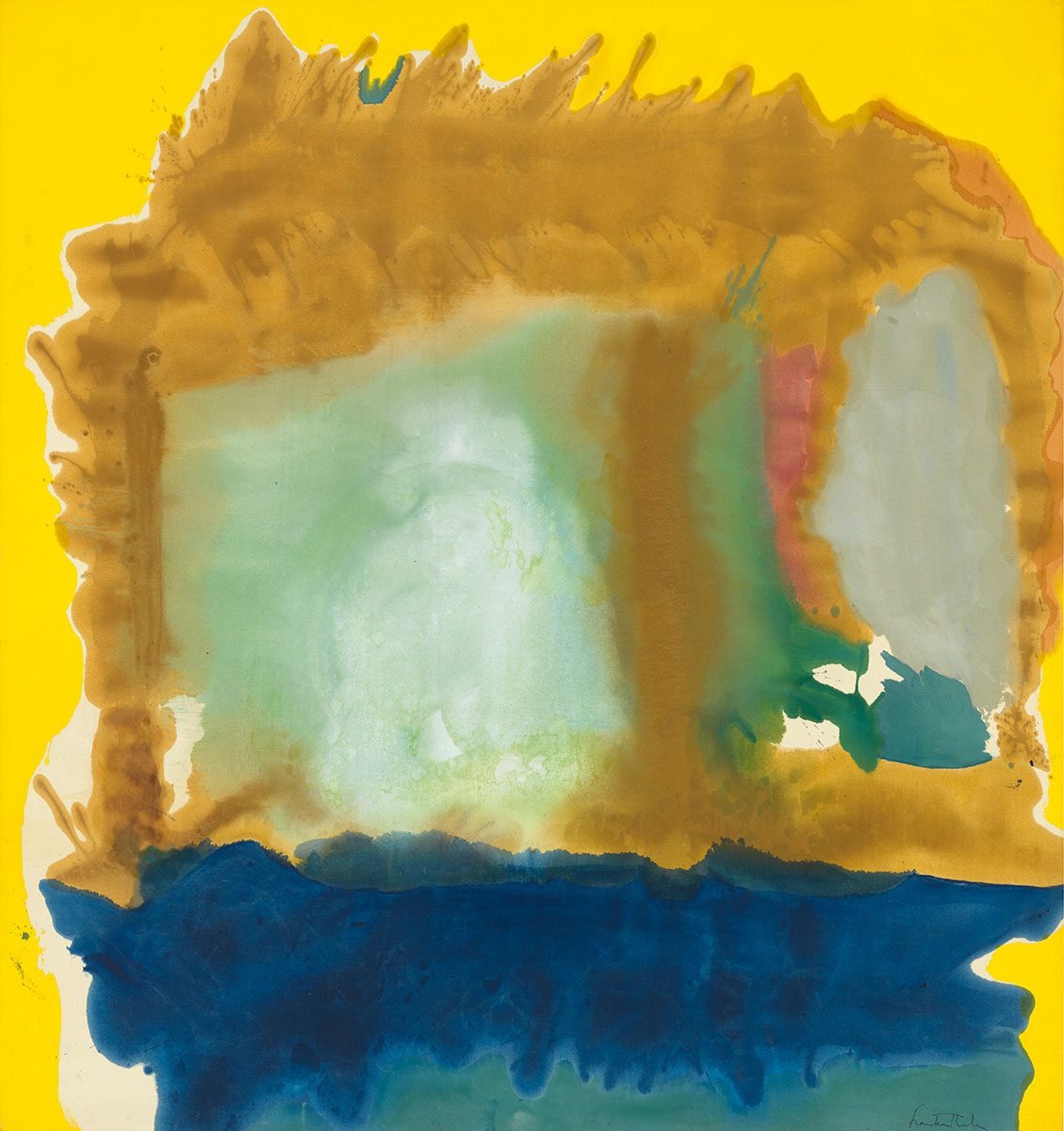
The exhibition “Warhol, Pollock And Other American Spaces” brings together the work of Andy Warhol and Jackson Pollock, two key figures in 20th-century art who focused on issues relating to new spatial strategies. Like other artists of that generation also present in the exhibition, they were united by their interest in changes in the pictorial tradition, spatiality and, in some cases, the use of large formats.
By Efi Michalarou
Photo: Museo Nacional Thyssen-Bornemisza Archive
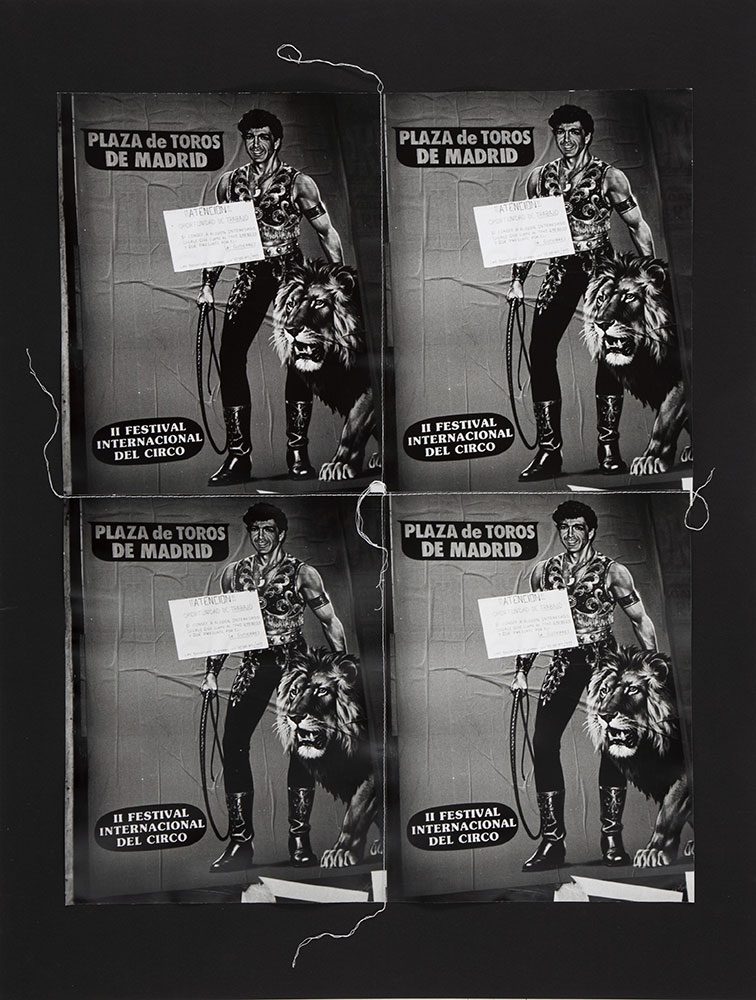
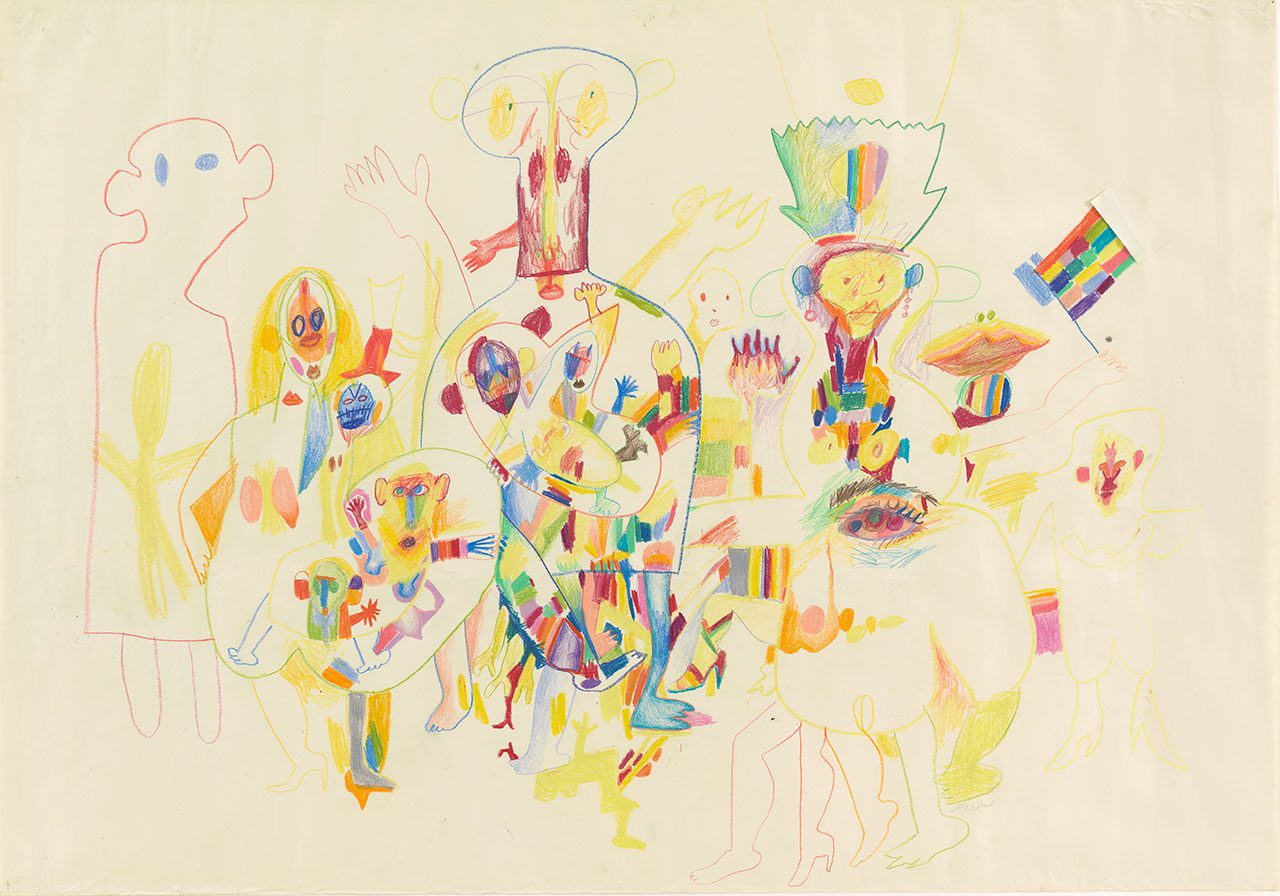
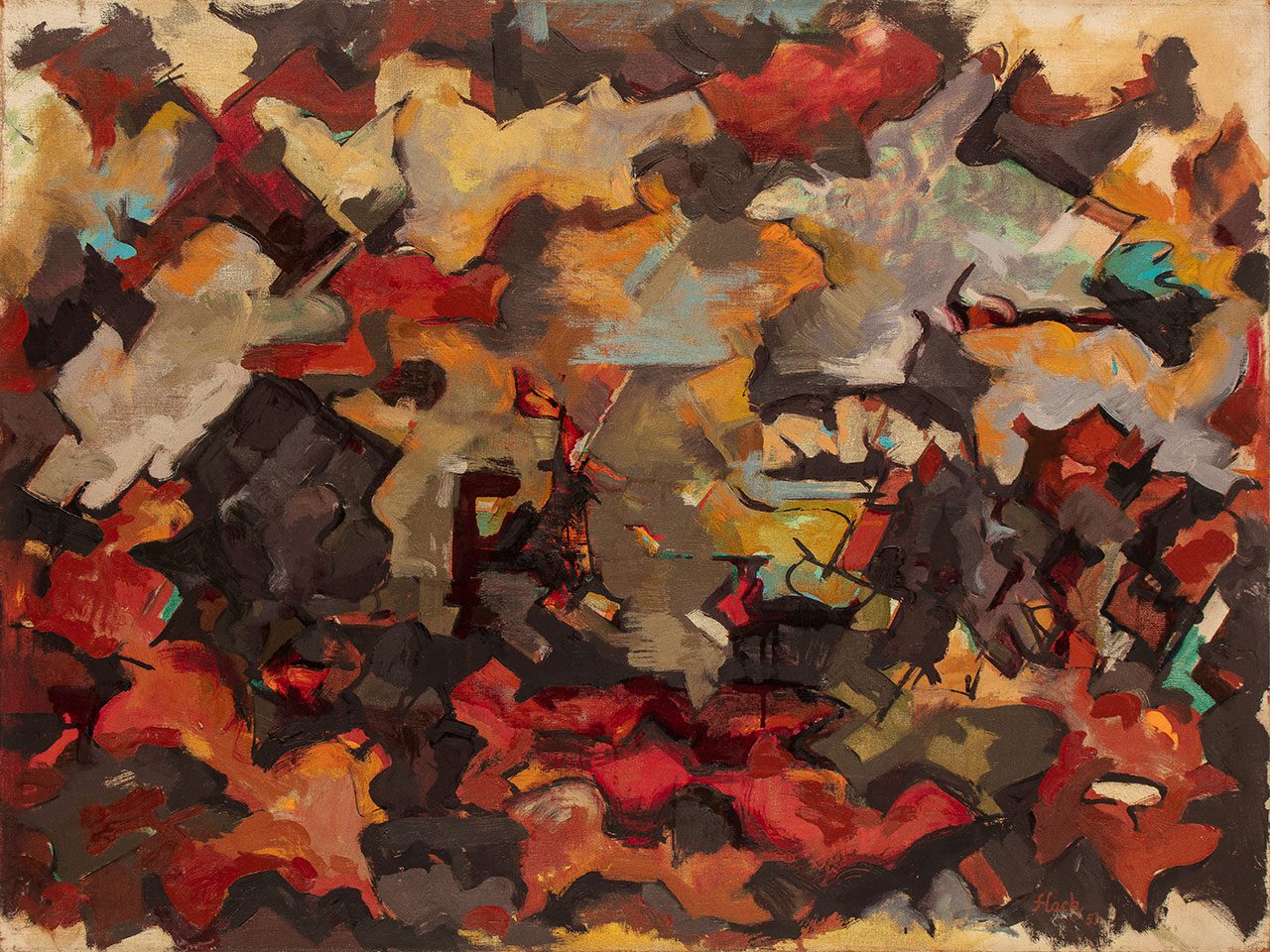
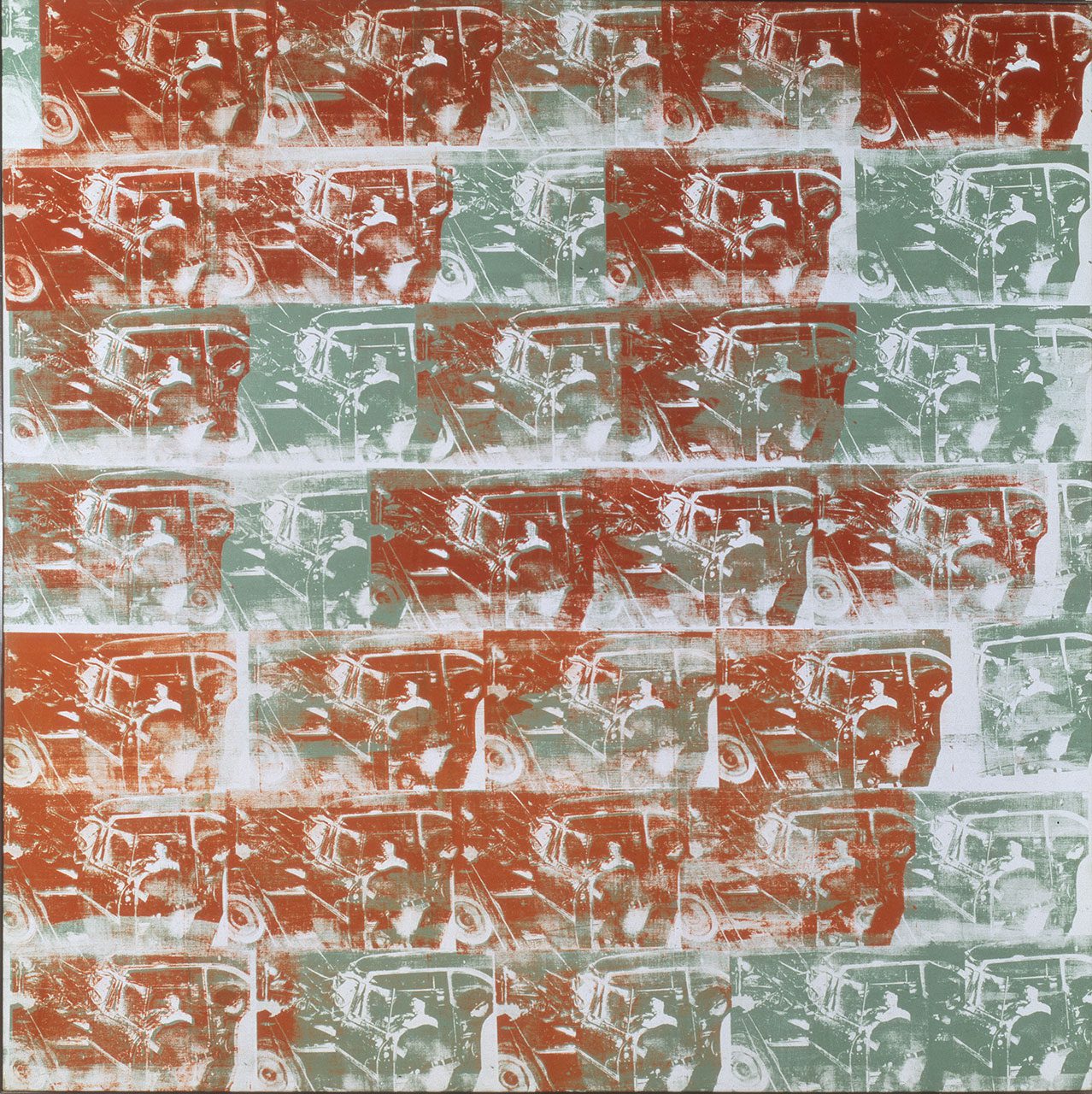
The works featured in the exhibition “Warhol, Pollock And Other American Spaces” reveal how Jackson Pollock was not always an “abstract master”, while also presenting a more complex Andy Warhol than the artist of dispassionately depicted, banal themes from popular culture. Midway between the abstract and the figurative, in their own way both set out to reassess the concept of space and its use as a place of concealment; a space revisited through repetition and seriality. Pollock and Warhol disrupted the notion of background and figure and developed a project which, through its very pictorial strategies, had something of camouflage about it. Frequently present in the works of both artists are traces and vestiges that refer to certain autobiographical aspects. The exhibition features more than one hundred works, many of which have never previously been seen in Spain. Loaned from around thirty institutions in the United States and Europe, they include works by Warhol and Pollock as well as other artists such as Lee Krasner, Helen Frankenthaler, Marisol Escobar, Sol LeWitt, Cy Twombly, Robert Rauschenberg and Mark Rothko. The exhibition is presented in six galleries, allowing for a reassessment of the rupture traditionally established in art history between abstraction and the figuration of Pop Art, revealing connections and dialogues between the two approaches to space and between artists, extending beyond Warhol’s lifelong fascination with Pollock, who died in a car accident in 1956. The first gallery offers a juxtaposition of a number of early works by Pollock and Krasner, revealing approaches that involve both figuration and abstraction, with two Coca-Cola bottles by Warhol from the early 1960s: the first with brushstrokes that imitate those characteristic of Abstract Expressionism, and the second, executed on a neutral background, influenced by his work as a commercial illustrator. This section is entitled “Space as negotiation: figure and ground again”. Focusing on the dialogue between figurative and abstract spaces, the next section, “Traces and vestiges”, brings together works by Audrey Flack, Marisol Escobar, Anne Ryan, Perle Fine, and Robert Rauschenberg as well as Warhol and Pollock. These works reveal figures or their traces, which build a space piece by piece in which figuration is disrupted and camouflaged. The third gallery, devoted to “Ground as figure”displays iconic works by Andy Warhol in which figures appear to float on a fading background. “Silver Liz as Cleopatra” (1963), “Single Elvis” (1964) and “Jackie II”( 1966) move away from the traditional notion of space through the differentiation between background and figure. A selection of the artist’s photographs loaned from the Andy Warhol Museum in Pittsburgh reveals his most formal exploration of abstraction, with images consisting of extended repetitions of objects. The series of snapshots by Sol Lewitt and Cy Twombly and canvases by Hedda Sterne, Krasner and Pollock complete the display in this room. The section “Repetitions and fragments” focuses on the duplications and multiplications of objects which Warhol produced in many of his works and through which he definitively departed from the Western concept of space. His celebrated series “Flowers” (1964), “Skulls” (1976), “Electric Chairs” (1971) and his depictions of car crashes, such as “Optical Car Crash” (1962) and “White Disaster I” (1963), follow on from each other in this section, in which each repeated image is different. Furthermore, although these works involve recognisable images, they are superimposed to the point where they saturate the space and ultimately de-structure it. The fifth section, “Spaces without horizons”, brings together eight of Warhol’s “Oxidation paintings”. Made with his own fluids, they mimic the works Jackson Pollock painted just before his death in 1956 and configure a space without precise boundaries. Displayed alongside them are two works by Helen Frankentaler characterised by large splashes of color. The final section, “Space as metaphysics”, is devoted to Warhol’s series on shadows from the late 1970s, comprising works executed with enigmatic brushstrokes in which it is now impossible to distinguish any figure. They are accompanied by “Untitled (Greenon Maroon)” of 1961 by Mark Rothko, establishing a dialogue between absences.
Works by: Andy Warhol, Jackson Pollock, Lee Krasner, Audrey Flack, Anne Ryan, Marisol Escobar, Perle Fine, Hedda Sterne, Helen Frankenthaler, Sol LeWitt, Cy Twombly, Robert Rauschenberg y Mark Rothko
Photo: Helen Frankenthaler, Milkwood Arcade, 1963, Acrylic on canvas, 219.7 x 205.1 cm. Helen Frankenthaler Foundation, New York. © Helen Frankenthaler, VEGAP, Madrid, 2025. Photo: Florian Kleinefenn
Info: Curator: Estrella de Diego, Museo Nacional Thyssen-Bornemisza, Paseo del Prado 8, Madrid, Spain, Duration: 21/10/2025-25/1/2026, Days & Hours: Tue-Fri & Sun 10:00-19:00, Sat 10:00-23:00, www.museothyssen.org/
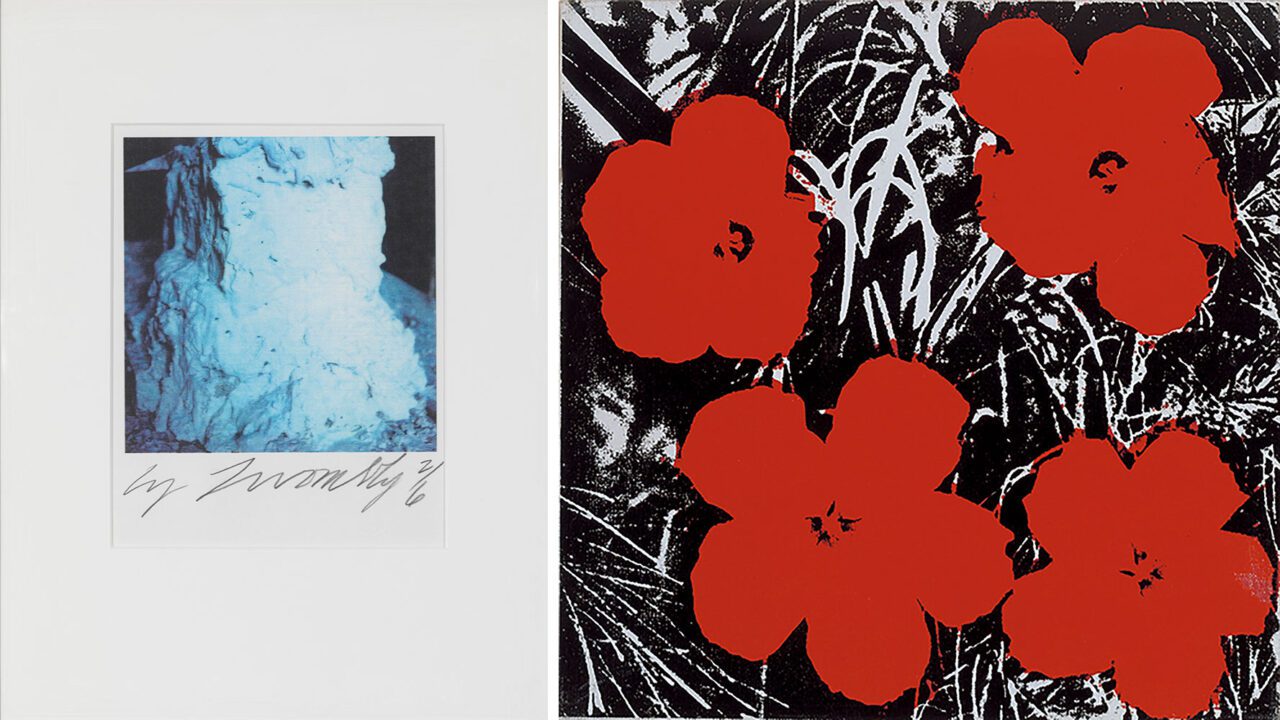
Right: Andy Warhol, Flowers, 1964, Silkscreen on canvas, 35.6 x 35.6 cm. Sonnabend Homem Collection. Courtesy de The Sonnabend Collection Foundation. © 2025 The Andy Warhol Foundation for the Visual Arts, Inc. / Licensed by VEGAP, Madrid, 2025
![Left: Andy Warhol, Coke [2], 1961, Silkscreen ink and acrylic on canvas, 176.5 × 132.7 cm. The Andy Warhol Museum, Pittsburgh, colección fundacional, aportación del Dia Center for the Arts. © 2025 The Andy Warhol Foundation for the Visual Arts, Inc. / Licensed by VEGAP, Madrid, 2025 Right: Andy Warhol, Single Elvis, 1964, Silkscreen on canvas, 209 x 107 cm. Ludwig Museum, Museum of Contemporary Art, Budapest. © 2025 The Andy Warhol Foundation for the Visual Arts, Inc. / Licensed by VEGAP, Madrid, 2025](http://www.dreamideamachine.com/web/wp-content/uploads/2025/10/WARHOL_Elvis.jpg)
Right: Andy Warhol, Single Elvis, 1964, Silkscreen on canvas, 209 x 107 cm. Ludwig Museum, Museum of Contemporary Art, Budapest. © 2025 The Andy Warhol Foundation for the Visual Arts, Inc. / Licensed by VEGAP, Madrid, 2025