PRESENTATION: Robert Rauschenberg-Gluts
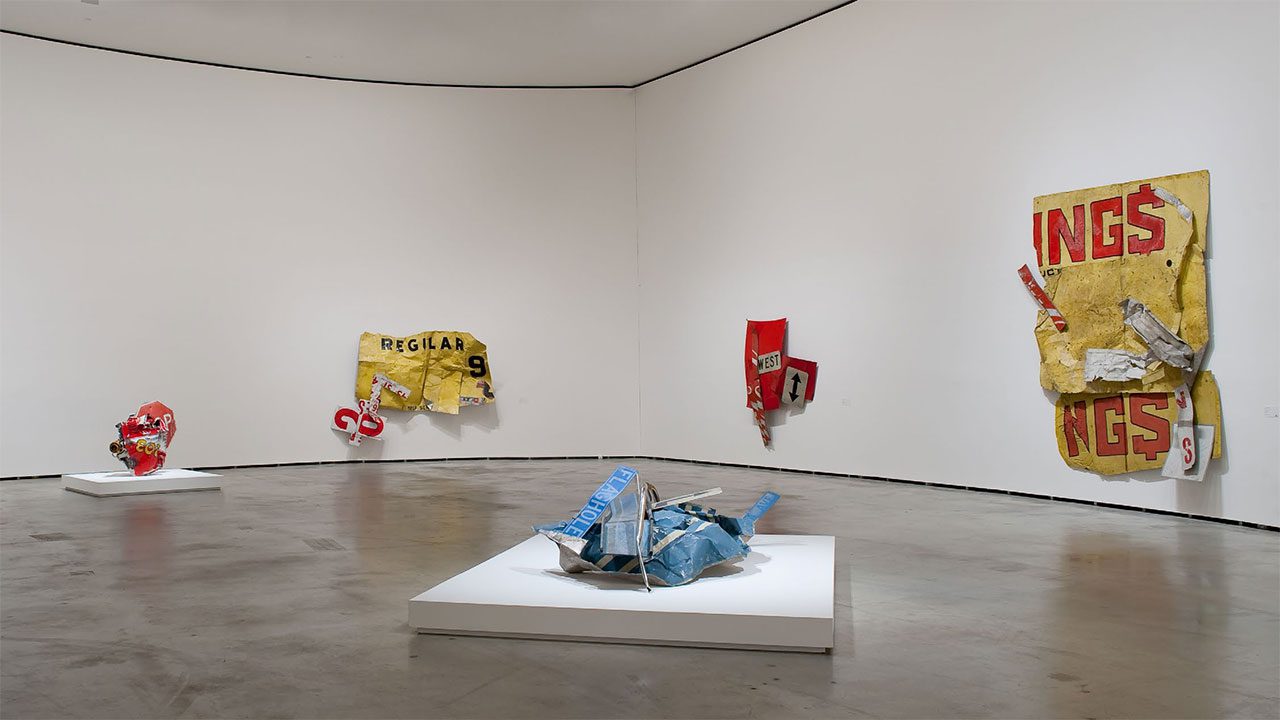
Over the course of his 60-year career, Robert Rauschen- berg’s work was inspired by wide-ranging experiences, lifelong collaborations and a spirit of experimentation with new materials and techniques. Although he eluded association with any specific movement, he has been identified as a forerunner of practically every post-war artistic development since Abstract Expressionism.
By Efi Michalarou
Photo: Thaddaeus Ropac Gallery Archive
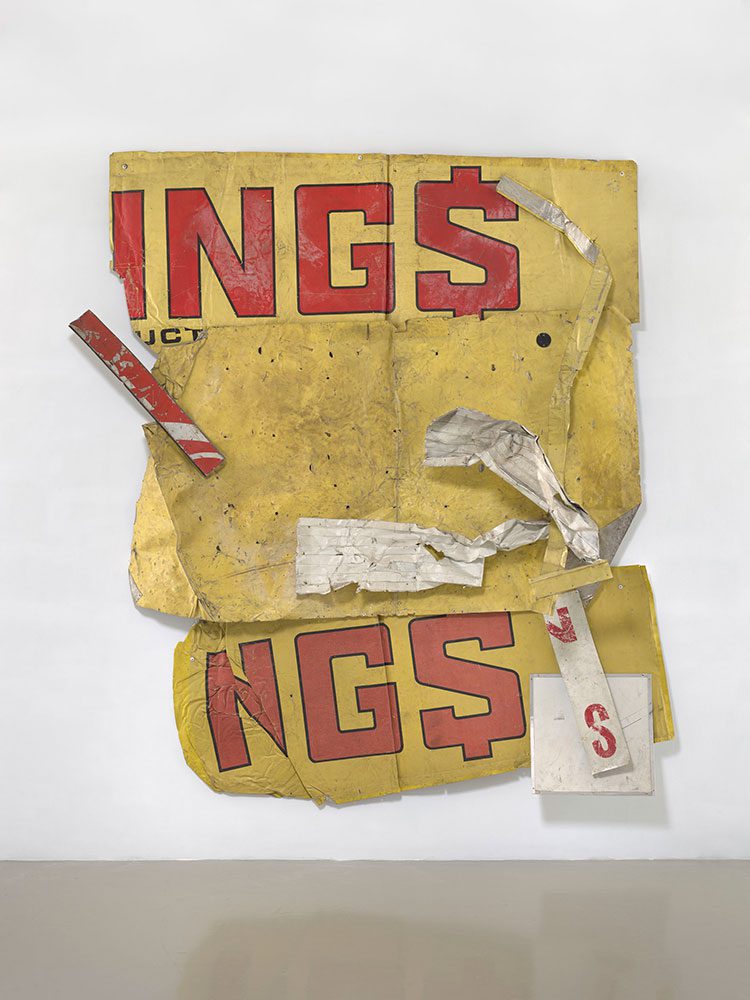
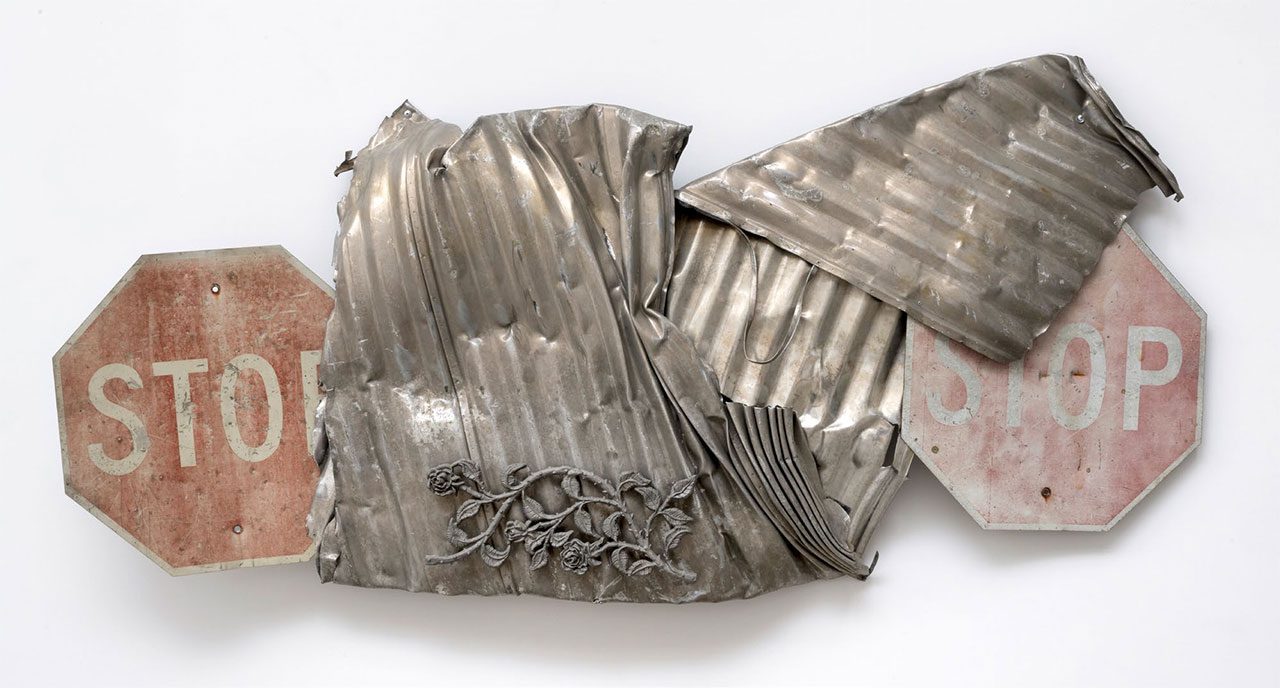
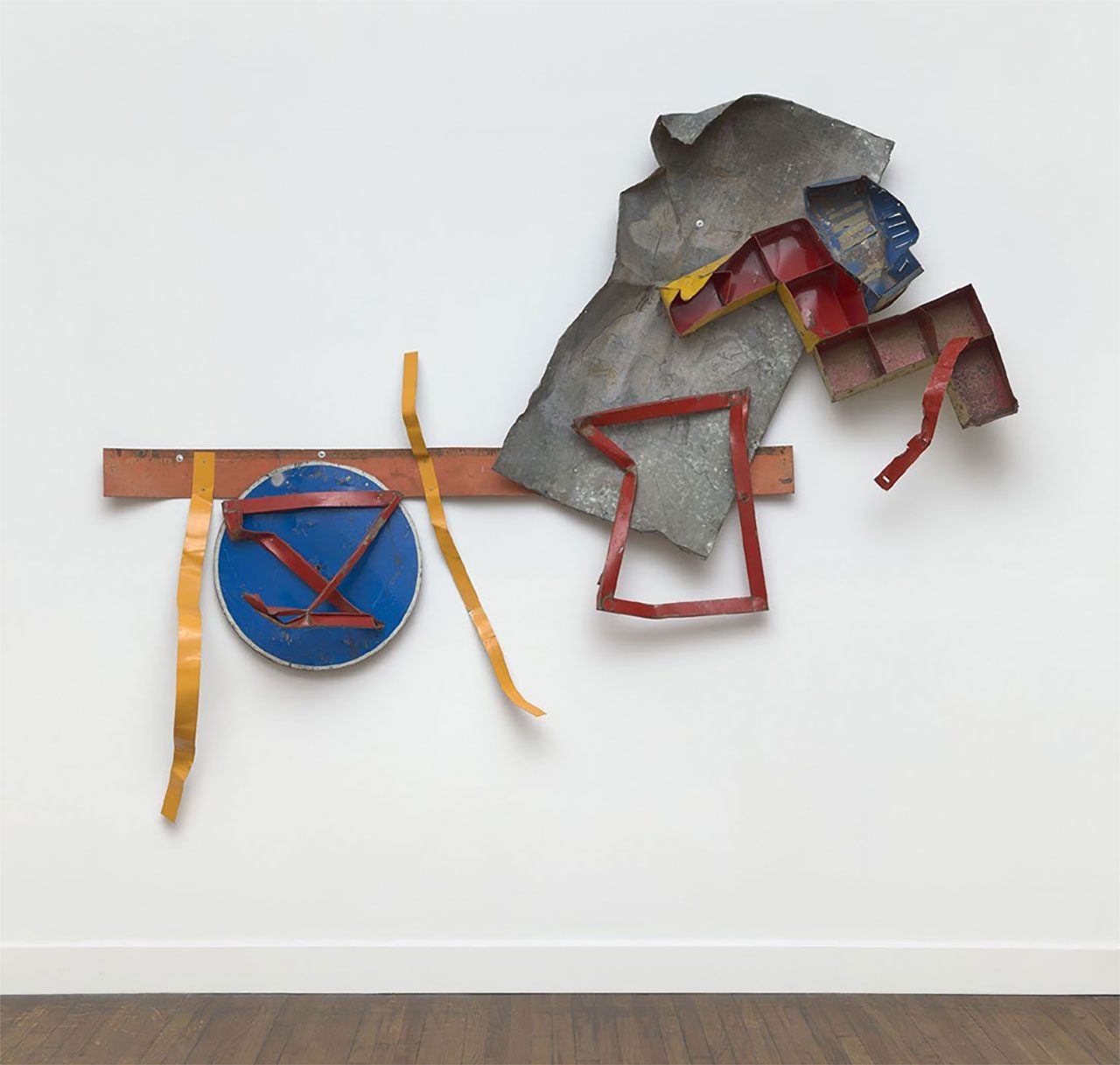
“Gluts” marks the first exhibition in fifteen years devoted to Robert Rauschenberg’s sculptural “Glut” series (1986–1994), and notably, the very first presentation of the series ever held in France. This long-awaited exhibition revisits a pivotal body of work that encapsulates Rauschenberg’s restless experimentation and his lifelong impulse to reimagine the material language of art. From his groundbreaking “Combines»” (1954–1964), Rauschenberg transformed the very notion of the picture plane, incorporating the detritus of everyday life—his so-called “gifts from the street”—into compositions that blurred the boundaries between painting and sculpture. With «Gluts», created three decades later, this radical approach evolved into something more elemental and sculptural. Here, the artist embraced metal—gleaming, corroded, or twisted—reconfiguring found automotive and industrial fragments into wall-mounted reliefs and freestanding assemblages. Unlike the «Combines», these works abandon the canvas entirely. The objects stand alone, autonomous and defiant, embodying a poetics of recycling and reclamation that feels strikingly prescient in today’s era of environmental consciousness. The “Gluts” represent Rauschenberg’s final sculptural series, yet also one of his most enduring obsessions. He returned to it over nearly a decade, from 1986 to 1994, continually drawn to its material possibilities and metaphorical resonance. The works were last seen together in 2009–10 in a traveling exhibition spanning the Peggy Guggenheim Collection in Venice, the Museum Tinguely in Basel, and the Guggenheim Museum Bilbao. The genesis of “Gluts” traces back to a trip to Rauschenberg’s native Texas in 1985, when he visited Houston for an exhibition at the Contemporary Arts Museum. The state, then gripped by an oil recession, was littered with the ruins of its own overproduction: rusting service stations, derelict cars, and collapsed signage—remnants of a surplus, or “glut,” in the oil market. This visual landscape of excess and obsolescence haunted the artist. Back in his Captiva Island studio in Florida, Rauschenberg began collecting similar discarded objects from local scrapyards, salvaging fragments of a consumerist culture in decline. Out of this debris, he forged the first “Gluts”—a prescient meditation on cycles of consumption and renewal that now resonates more urgently than ever.
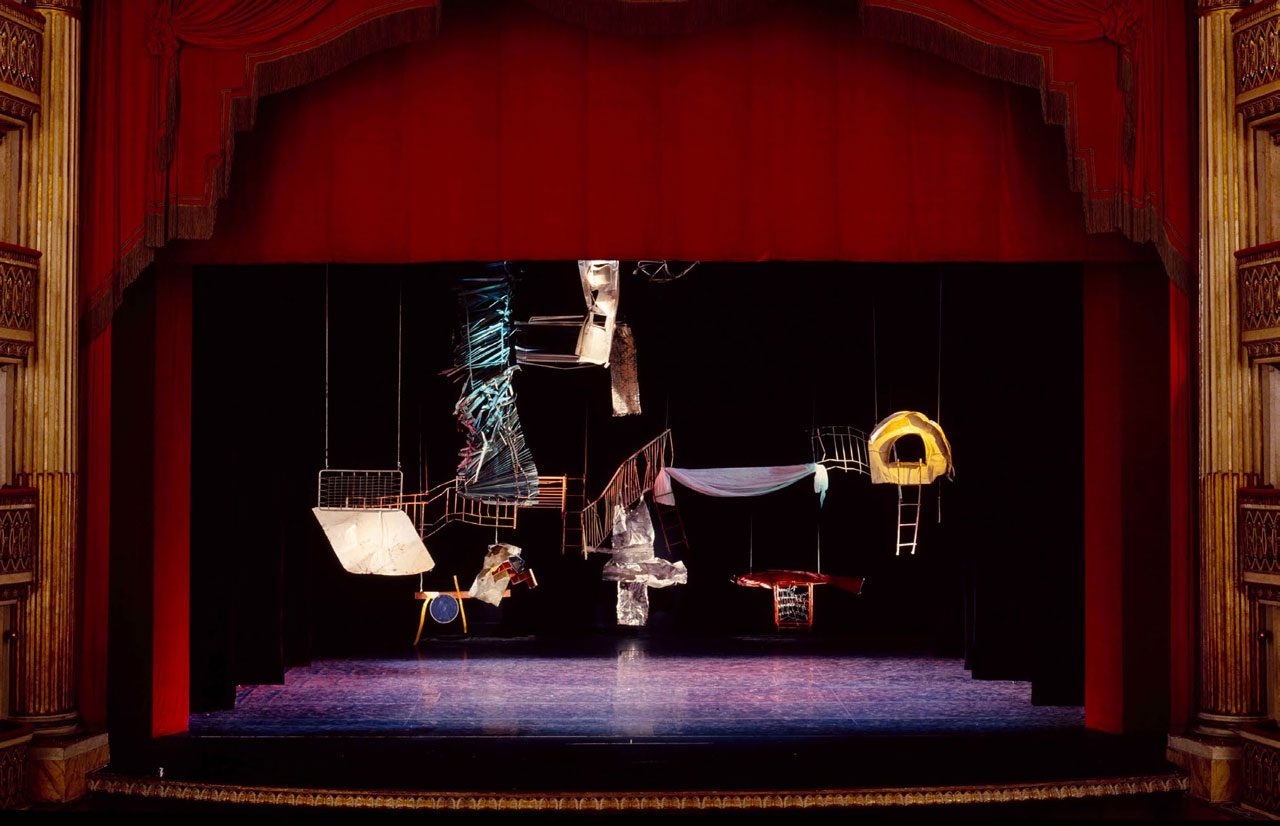
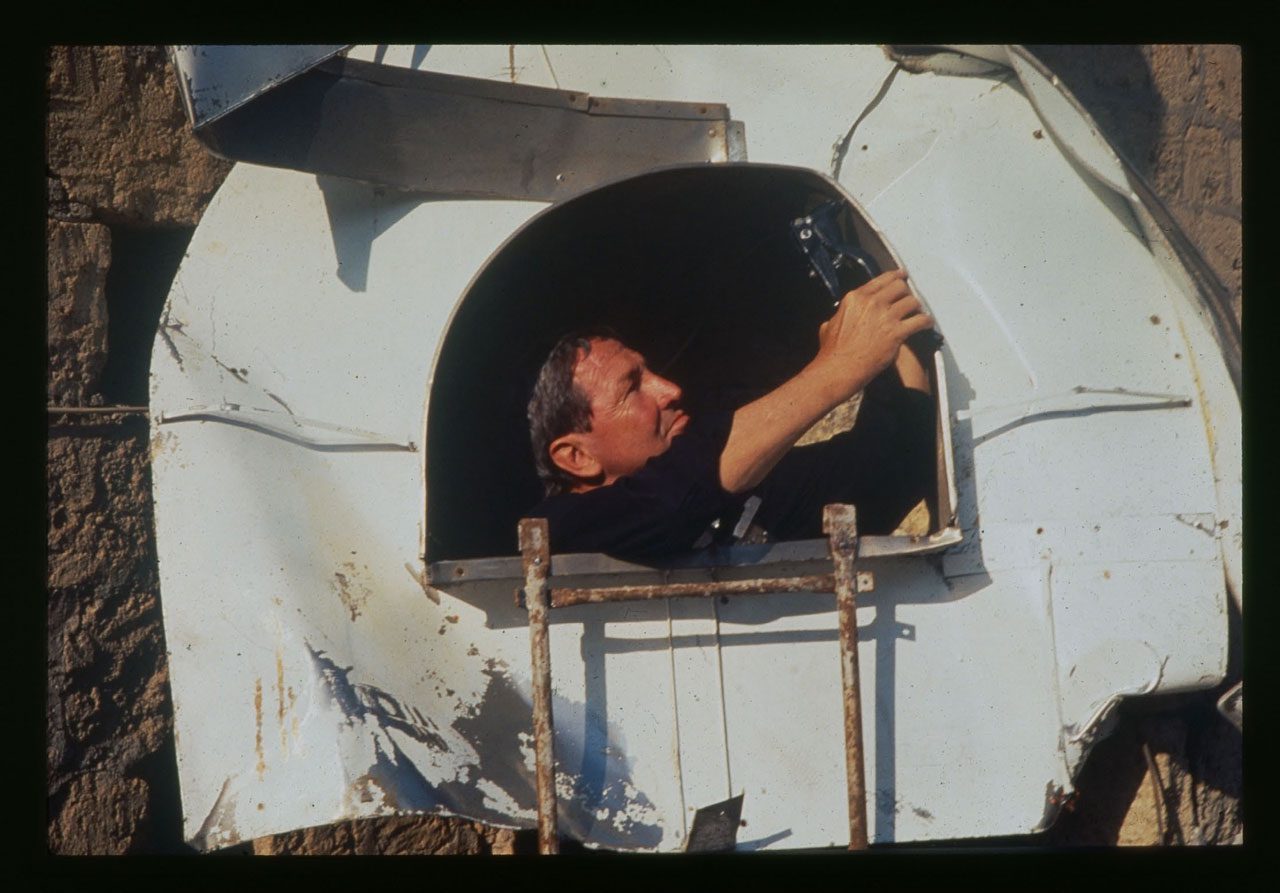
Collaboration was always central to Rauschenberg’s practice, spanning the worlds of art, dance, theatre, and technology. His creative partnerships with Merce Cunningham, Trisha Brown, and Paul Taylor—designing lighting, sets, and costumes—blurred the lines between disciplines, infusing each with the spirit of improvisation. One such episode directly shaped the “Gluts”: when the Trisha Brown Dance Company’s set for «Lateral Pass» (1985) was stranded in a dock strike in Naples, Rauschenberg scavenged the city’s streets and scrapyards to build a makeshift replacement. Later, he incorporated fragments from this impromptu set into his “Neapolitan Gluts”, several of which appear in this exhibition alongside works made in Captiva. Within the “Gluts” Rauschenberg maintained a delicate balance between recognition and abstraction. In some, source materials remain legible—weathered road signs, industrial instructions, or business lettering, as in “Summer Glut Fence” (1987), where two faded stop signs still command attention. Yet the artist’s intent was never purely semiotic. His assemblages also revel in formal rhythm: the play of curvature against flatness, the tension between shine and rust. Through compression, juxtaposition, and restraint, he distilled his found objects into what he once called “lean expressions”—works of surprising lyricism emerging from scrapyard fragments. In “Balcone Glut (Neapolitan)” (1987), a ladder thrusts through the mouth of a ventilation duct, evoking the architectural promise of a balcony. In “Tropical Mill Glut” (1989), an interlocked wheel conjures the machinery of an imagined device. Across the series, a subtle anthropomorphism animates the works: apertures read as eyes, dangling pipes as limbs, evoking uncanny echoes of the human form. Forged from the discarded remnants of industrial civilization, the «Gluts» stand as Rauschenberg’s elegy to excess—a vision of renewal rising from waste. In their stubborn vitality, they transform obsolescence into beauty, and metal into metaphor. They are, ultimately, a call—issued from the ruins of modernity—for a more human world.
Photo: Exhibition view “Robert Rauschenberg, Gluts”, Thaddaeus Ropac Gallery-Paris, 2025, Courtesy Thaddaeus Ropac Gallery
Info: Thaddaeus Ropac Gallery, 7 Rue Debelleyme, Paris, France, Duration: 20/10-22/11/2025, Days & Hours: Tue-Sat 10:00-19:00, https://ropac.net/