PRESENTATION: Małgorzata Mirga Tas-The Big Dipper Will Foretell the Future of the Roma
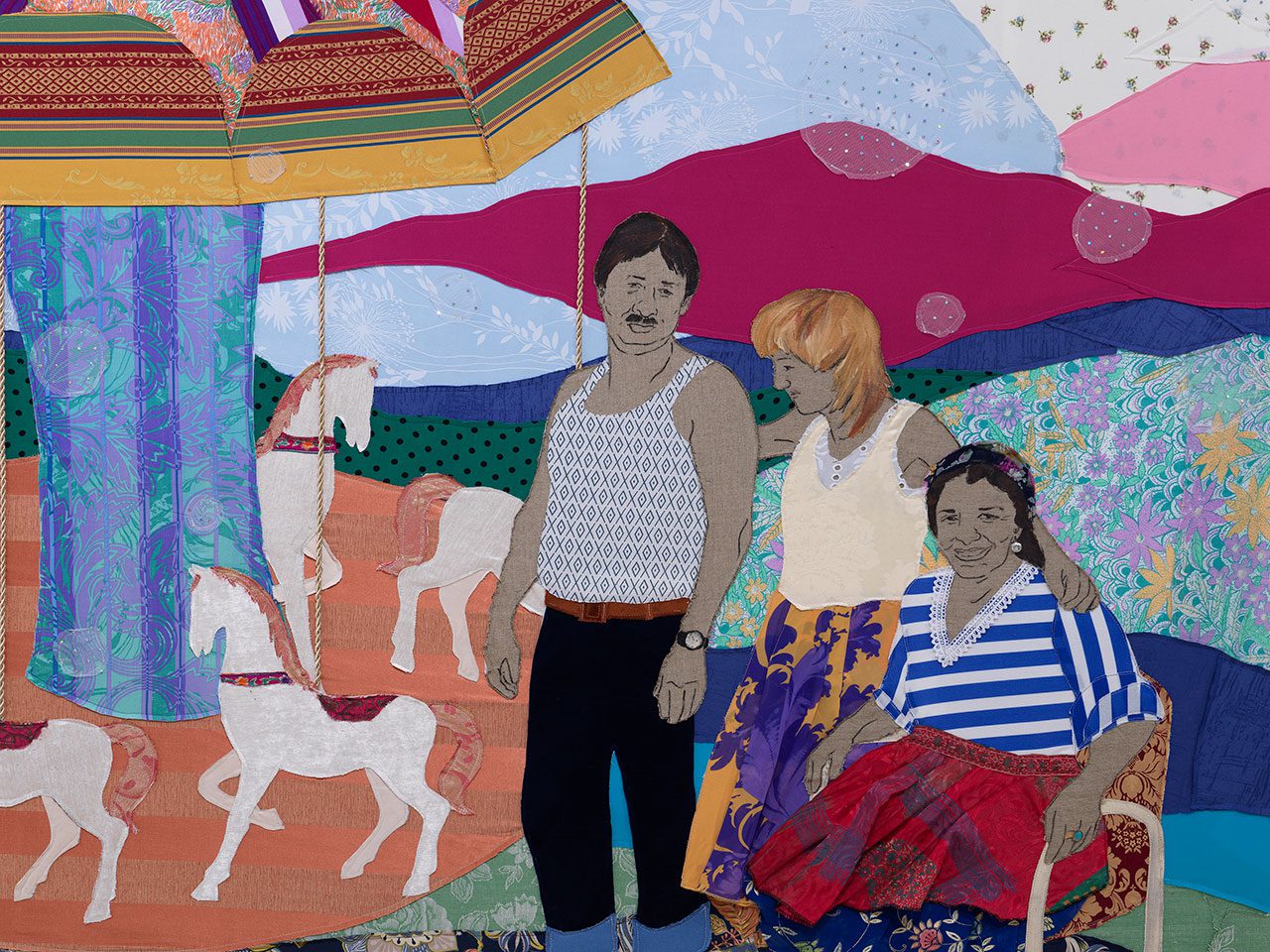
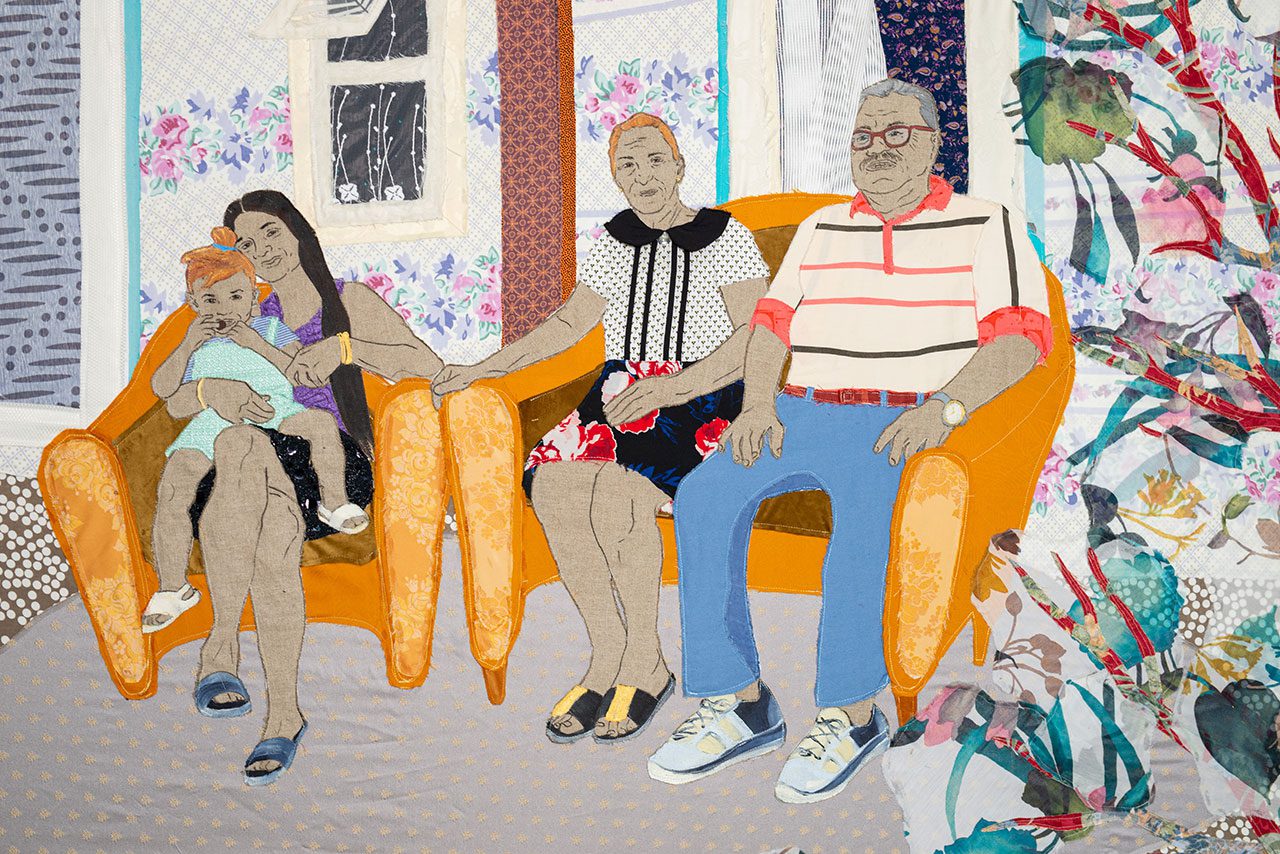
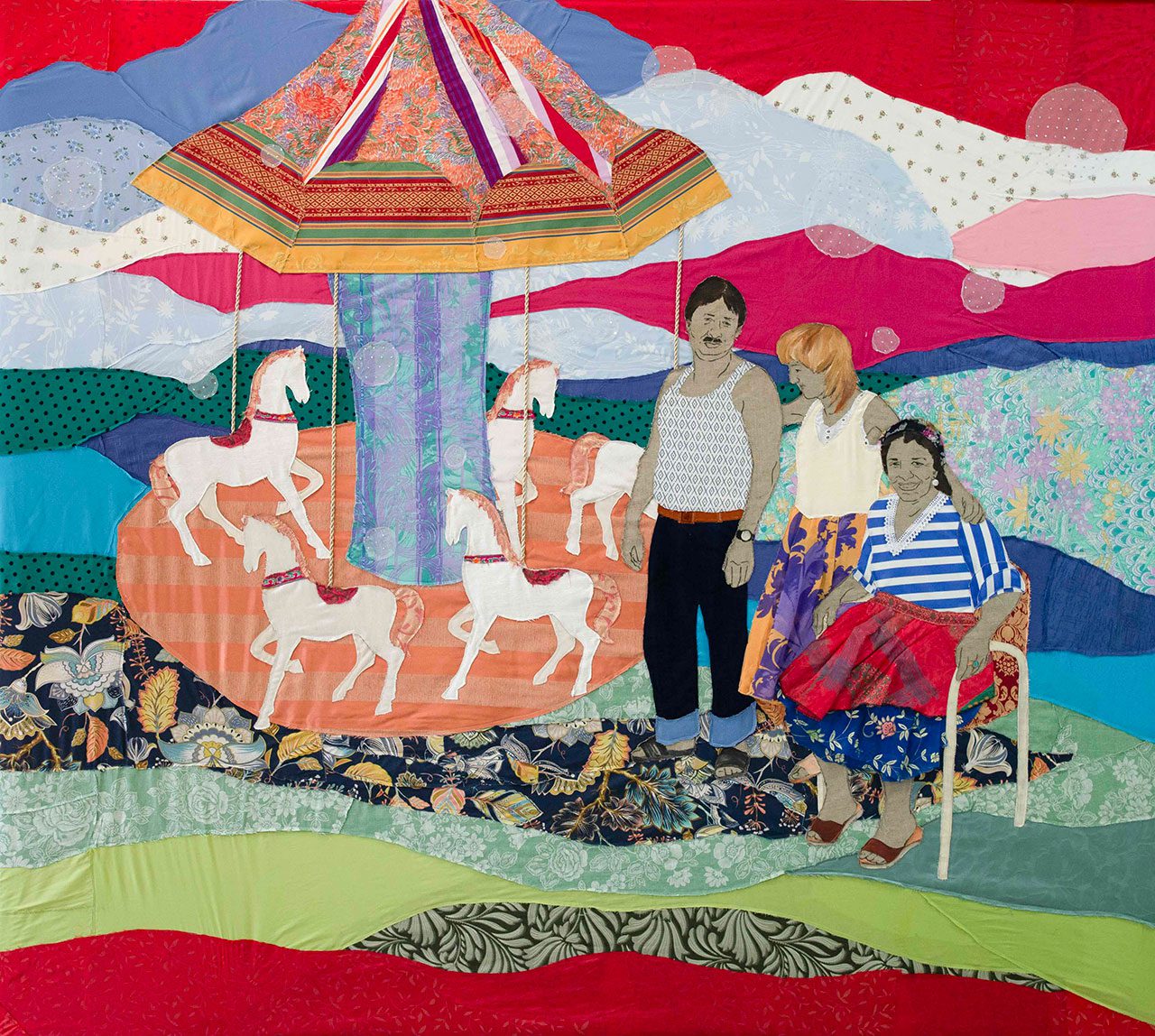
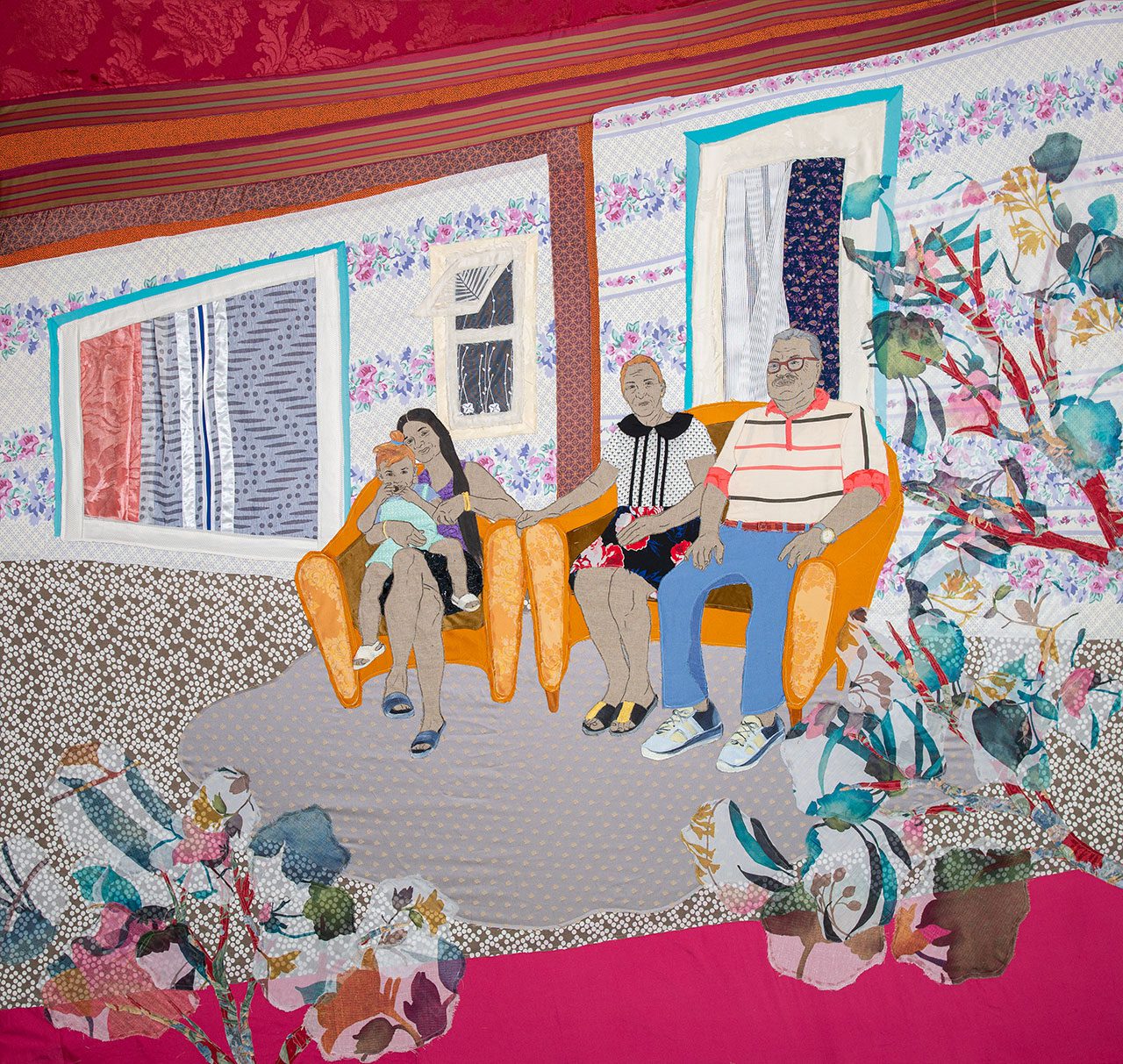
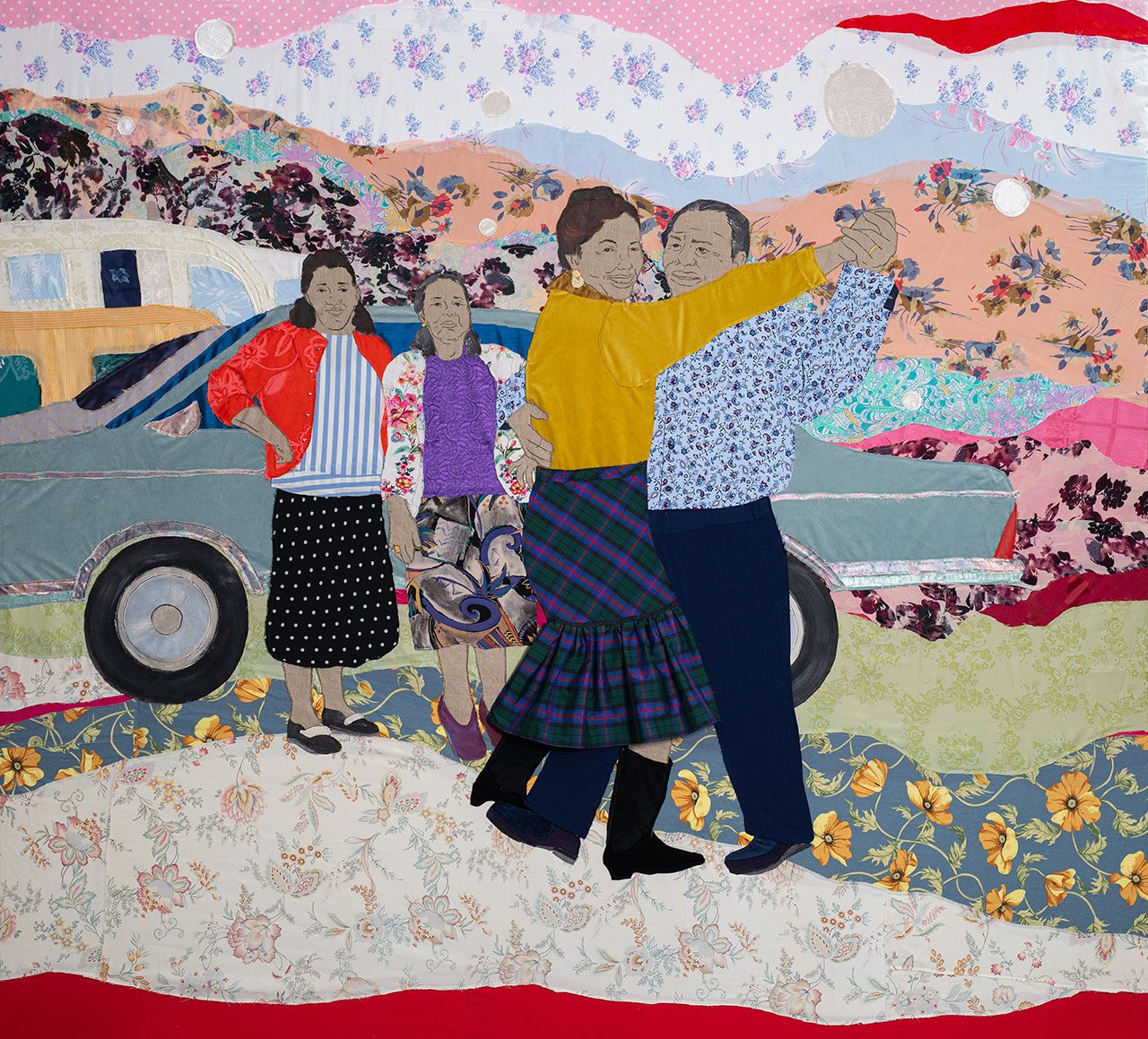
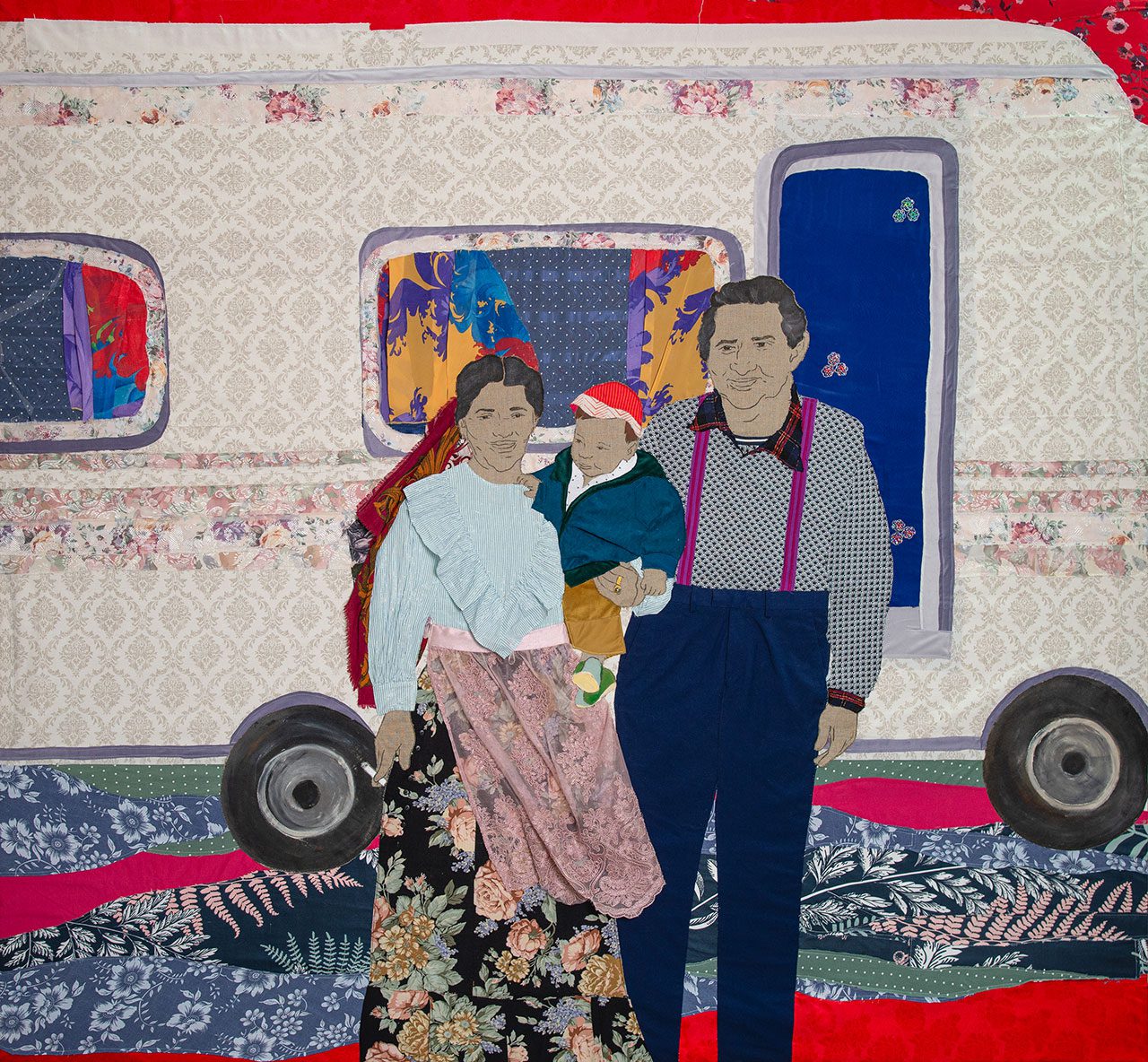
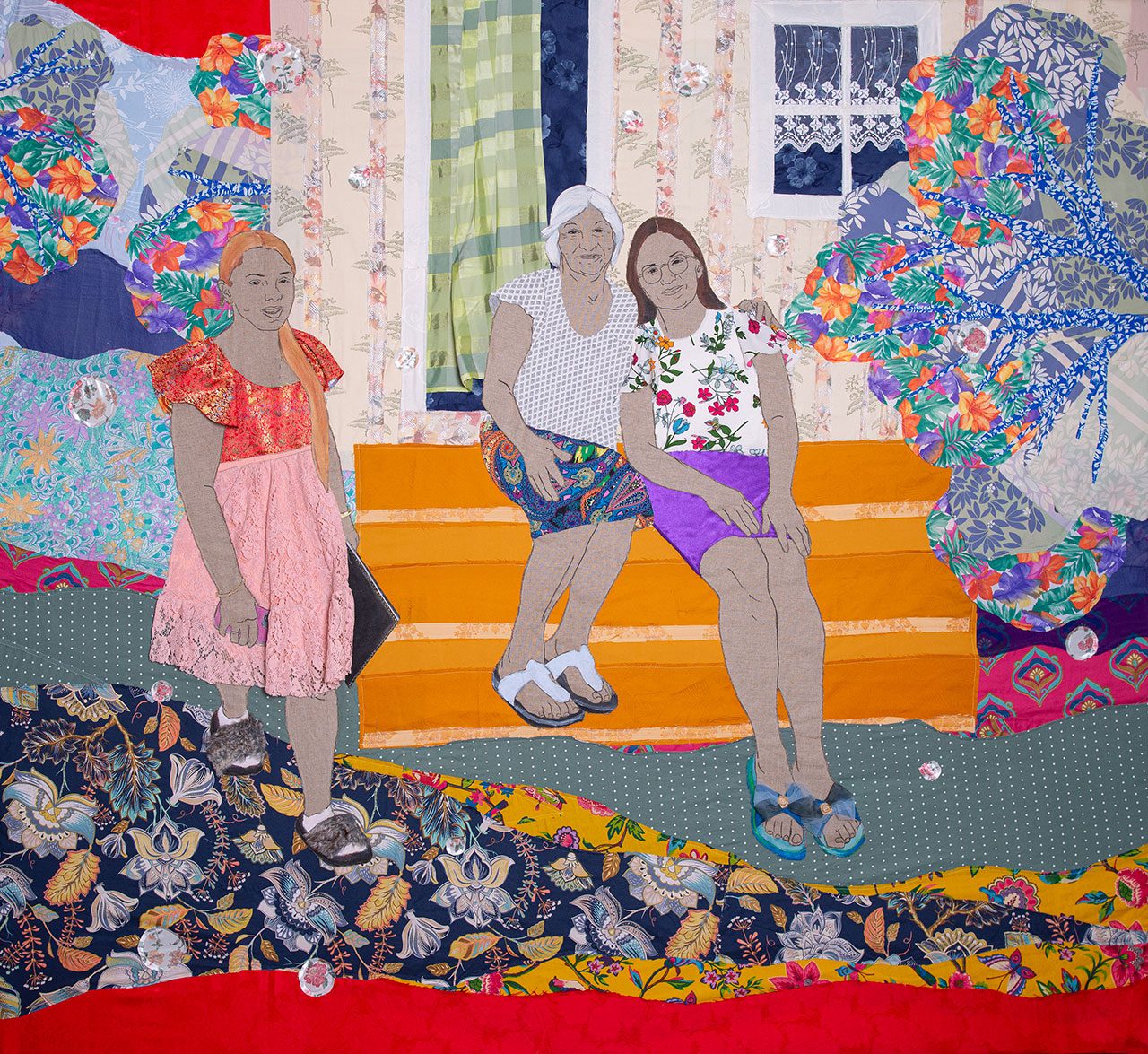
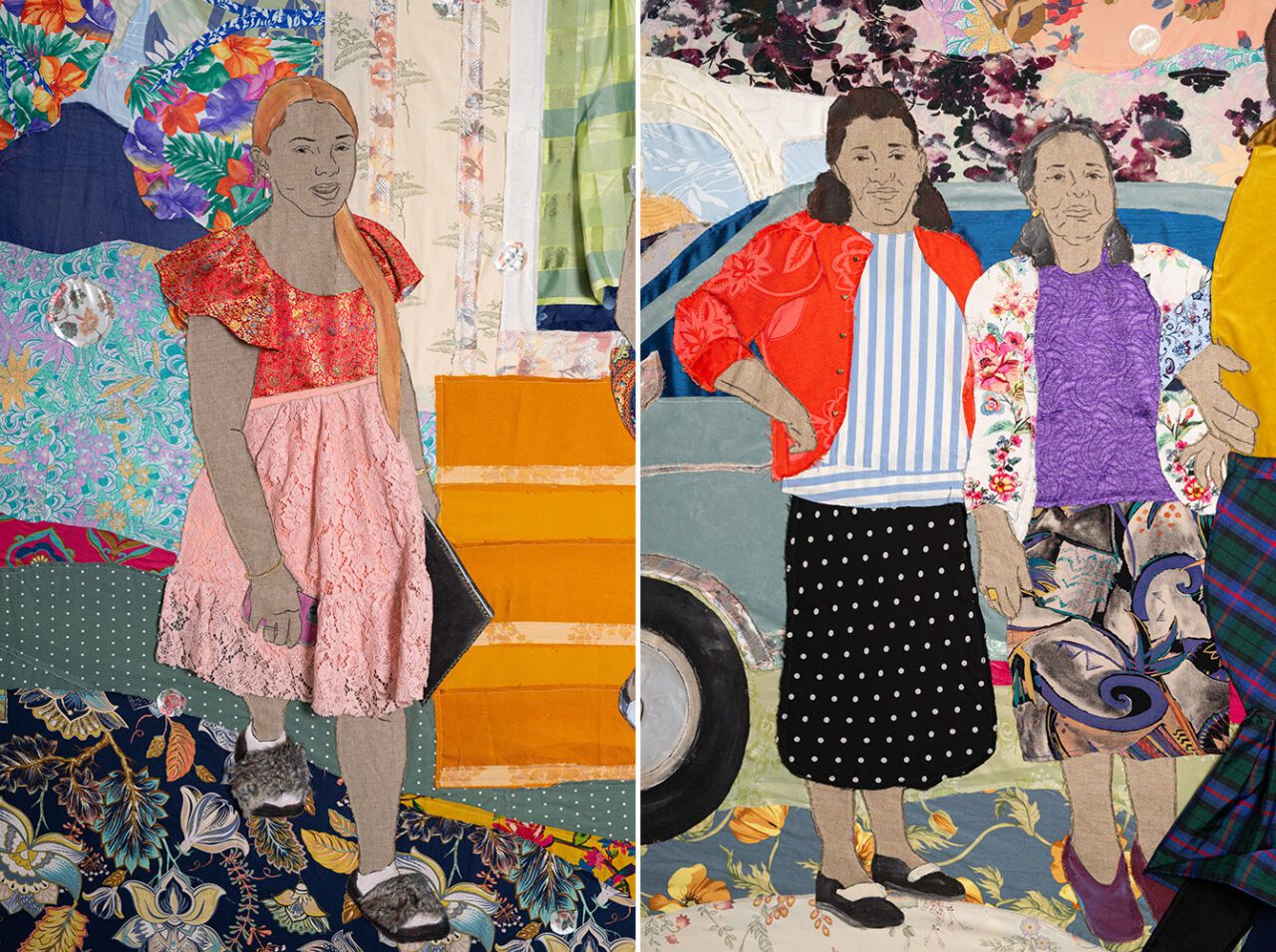
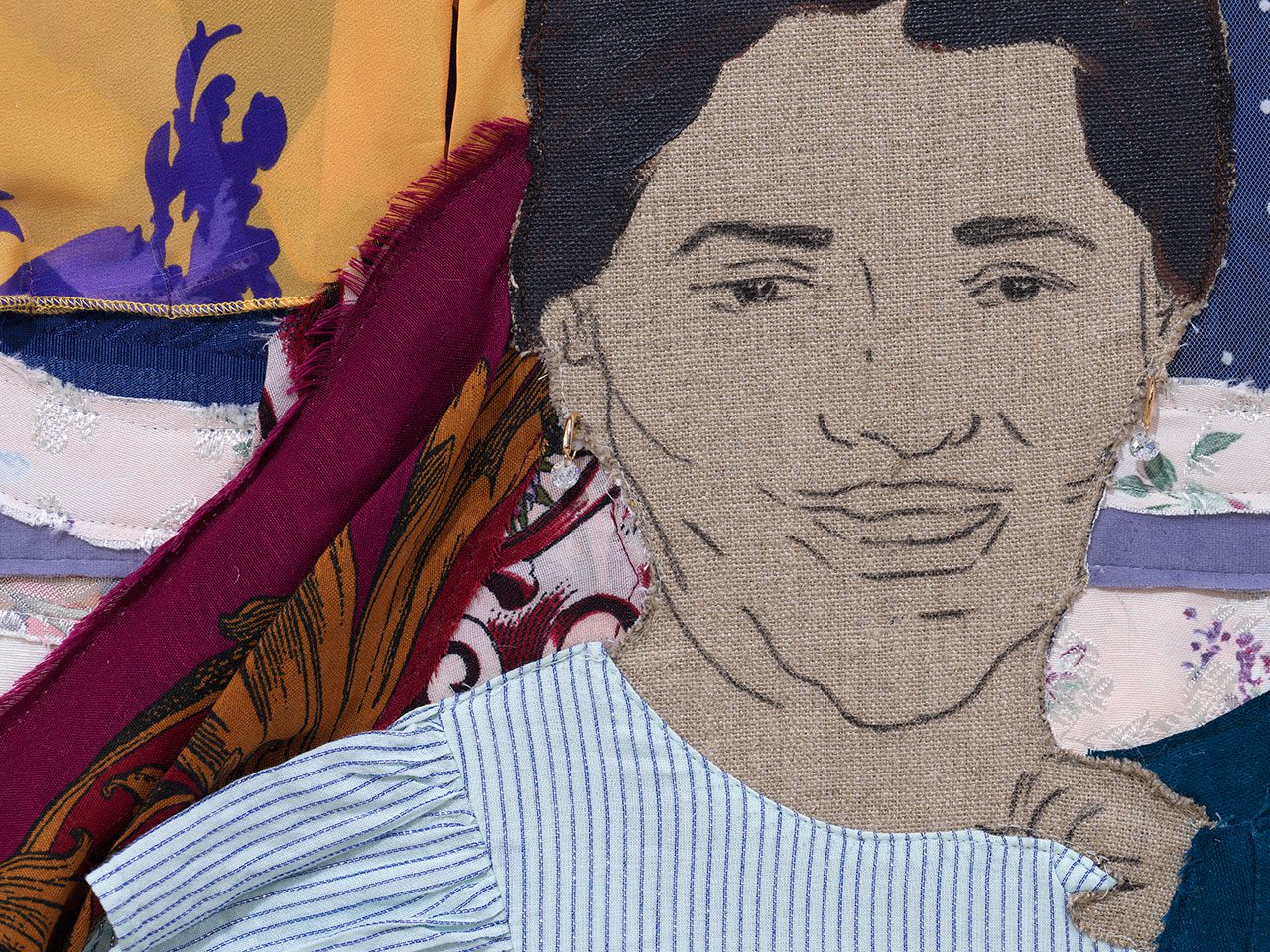
The work of Romani artist, educator, and activist Małgorzata Mirga-Tas addresses anti-Roma stereotypes and engages in building an affirmative iconography of Roma communities. Her work depicts everyday life: relationships, alliances and shared activities. Mirga-Tas’s vibrant textile collages are created from materials and fabrics collected from family and friends, which imbues them with a life of their own and a corresponding immediacy. Patchworks made of curtains, jewellery, shirts, and sheets, are sewn together to form so-called ‘microcarriers’ of history, just as resulting images revise macro perspectives.
By Efi Michalarou
Photo: Collezione Maramotti Archive
Małgorzata Mirga-Tas’s art unfolds at the intersection of feminism, cultural memory, and activism. Her practice embodies what she calls a form of “minority feminism”—a perspective that celebrates women’s resilience while remaining deeply rooted in her Roma heritage. “It is hard to separate activism from art,” she explains. “These two activities merge, permeating and affecting each other… I can’t shout. I thought that what I can do is talk about my community, show how we see ourselves. And the tool I use is art.” In 2022, Mirga-Tas made history as the first Roma artist to represent any country at the Venice Biennale, where she served as Poland’s official representative. Her vividly textured works offered a rare opportunity to see the Roma people through their own lens—contemporary yet steeped in centuries of cultural richness, both celebratory and reflective. Now, Mirga-Tas returns to Italy with “The Big Dipper Will Foretell the Future of the Roma”. The project intertwines personal memory with collective history, drawing from an archive of images, oral histories, and documents related to Roma and Sinti life in Italy. From vintage family photographs and conversations with elders to historical books and community archives, Mirga-Tas constructs an intricate narrative tapestry where art becomes both testimony and tribute. At the heart of this exhibition lies the Sinti community of Reggio Emilia—people the artist met, listened to, and collaborated with. The show’s genesis is rooted in their long-standing association with traveling fairs and funfairs, a generational craft that Mirga-Tas recognized as emblematic of Italian Romani culture. The result is a vibrant, sensorial homage to a world of color, sound, and perpetual motion—where joy and survival intertwine. The exhibition’s central motif—the chair swing ride—becomes a profound metaphor for existence itself. Its circular rhythm evokes the passage of time, the return of seasons, and the endless journeying that defines Roma and Sinti* history. Both exuberant and elegiac, the work captures the duality of vitality and impermanence, freedom and displacement. Each element is imbued with layered meaning: fabrics stitched into swirling patchworks depict scenes of everyday life—families at rest, women at work, communal gatherings, fleeting gestures of intimacy.
The installation’s upper sections feature verses from Roma literature, including the words of poet and singer Bronisława Wajs (Papusza), whose voice resonates as both ancestor and muse. A monumental textile collage and hand-carved wooden horses complete the scene, inviting viewers into a space where motion, memory, and material intertwine. Mirga-Tas’s textile practice transforms domestic remnants into acts of resistance. Curtains, tablecloths, and worn garments—gathered from family, friends, and second-hand dealers—carry traces of the lives once lived within them. Through her hands, these objects become active presences, participants in a collective story of endurance and emancipation. Their seams, left deliberately visible, speak of repair—not only of fabric, but of history itself. Her patchwork technique mirrors the communal labor of storytelling: cutting, piecing, stitching, reassembling. It is both an aesthetic and political gesture—an act of care toward what has been marginalized, a way to reposition forgotten narratives within a broader cultural frame. In this process, the artist grants new dignity to materials and to people alike, asserting the right to self-representation and reclaiming an image of Roma identity from the grip of prejudice. For Mirga-Tas, art is not only about representation but about reimagining what community can mean. Her work challenges antiziganism—the deeply ingrained stereotypes and discrimination against Roma people—by offering instead a vision of a transnational, transcultural, multilingual society that is free, self-determined, and non-violent. At its core, her practice foregrounds female agency: the domestic sphere becomes a site of strength and solidarity, and acts of making—sewing, mending, sharing—emerge as radical gestures of empowerment. In Mirga-Tas’s world, emancipation is not abstract; it is embodied in every stitch, every gesture of collaboration, every story passed from one generation of women to the next. Visually overflowing yet meticulously composed, her works radiate with the folk aesthetic of Roma art—an exuberant symphony of colors, textures, and patterns. Faces and figures emerge from the kaleidoscope: elders, children, caravans, animals, bicycles, skies. Together, they form a living cosmos where the ordinary and extraordinary converge—a world that is perpetually in motion, endlessly renewed. Through her art, Małgorzata Mirga-Tas reclaims history not as a static archive but as a living fabric. Each piece she creates is both memorial and prophecy: a vision of continuity that honors the past while imagining new futures. “The Big Dipper Will Foretell the Future of the Roma” is more than an exhibition—it is a constellation of voices stitched together, pointing toward a horizon where art, activism, and identity are one and the same.
* The Sinti and Roma settled in the countries of modern-day Europe centuries ago. The term ‘Sinti’ designates the members of an ethnic minority that settled in Germany and neighbouring countries in the early 15th century. The term ‘Roma’ refers to the ethnic minority that has lived in eastern and south-eastern Europe since the Middle Ages. Outside German-speaking countries, the term ‘Roma’ is also used as a collective term for the ethnic minority as a whole.
Photo: Małgorzata Mirga-Tas, The Big Dipper Will Foretell the Future of the Roma (detail), 2025, Textile patchwork, acrylic, mixed media, © Małgorzata Mirga-Tas. Courtesy of the artist; Foksal Gallery Foundation, Warsaw; Frith Street Gallery, London; and Karma International, Zurich, Ph. Dario Lasagni
Info: Collezione Maramotti, Via Fratelli Cervi 66, Reggio Emilia, Italy, Duration : 12/10/2025-8/2/2026, Days & Hours : Thu-Fri 14 :30-18 :30, Sat-Sun 10 :30-18 :30, www.collezionemaramotti.org/