PERFORMANCE: Marina Abramović-Balkan Erotic Epic
Since the beginning of her career in Belgrade during the early 1970s, Marina Abramović has pioneered performance as a visual art form. She created some of the most important early works in this practice. These performances married concept with physicality, endurance with empathy, complicity with loss of control, passivity with danger. They pushed the boundaries of self- discovery, both of herself and her audience. They also marked her first engagements with time, stillness, energy, pain, and the resulting heightened consciousness generated by long durational performance.
By Dimitris Lempesis
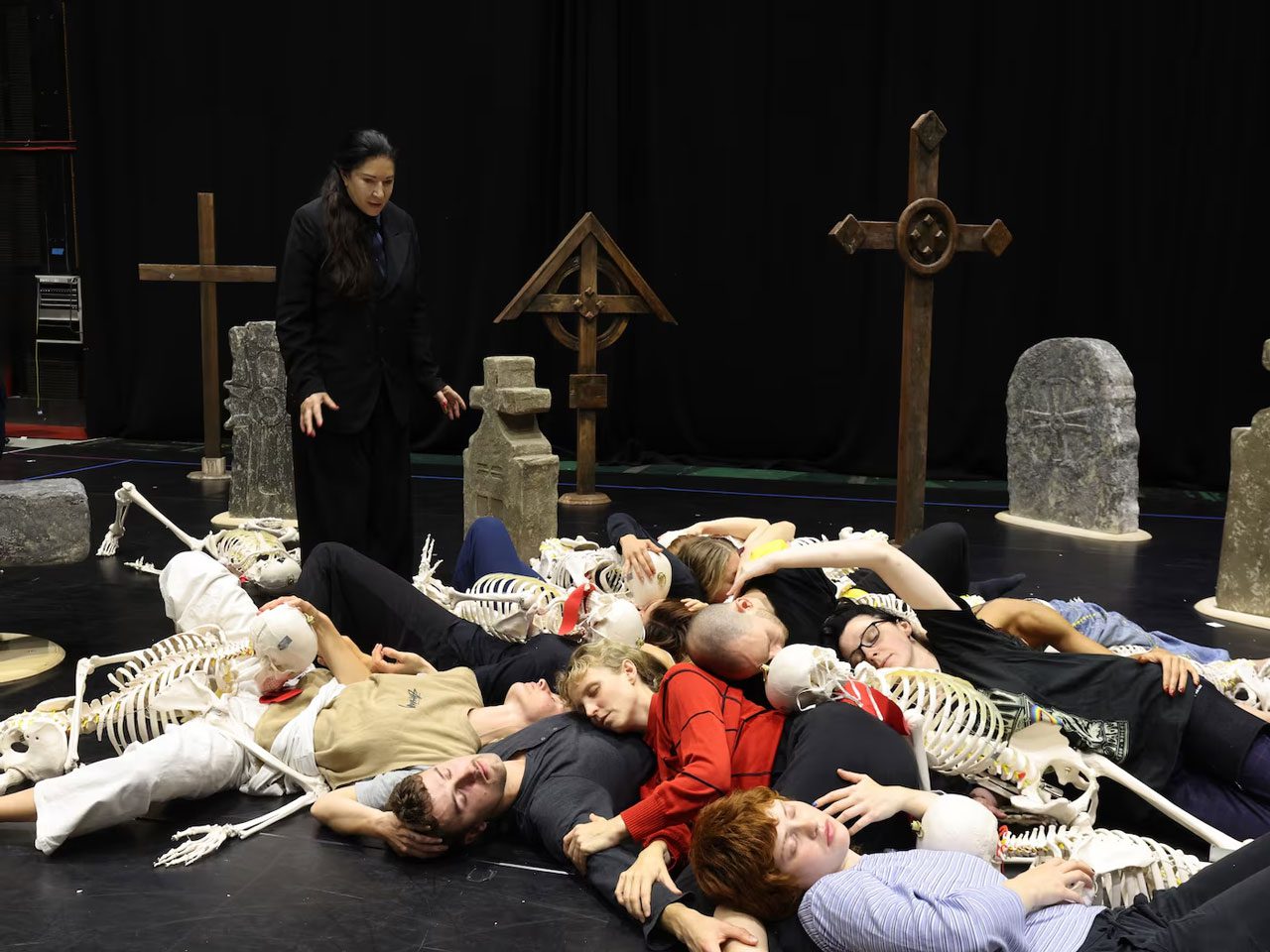
Photo: Factory International Archive
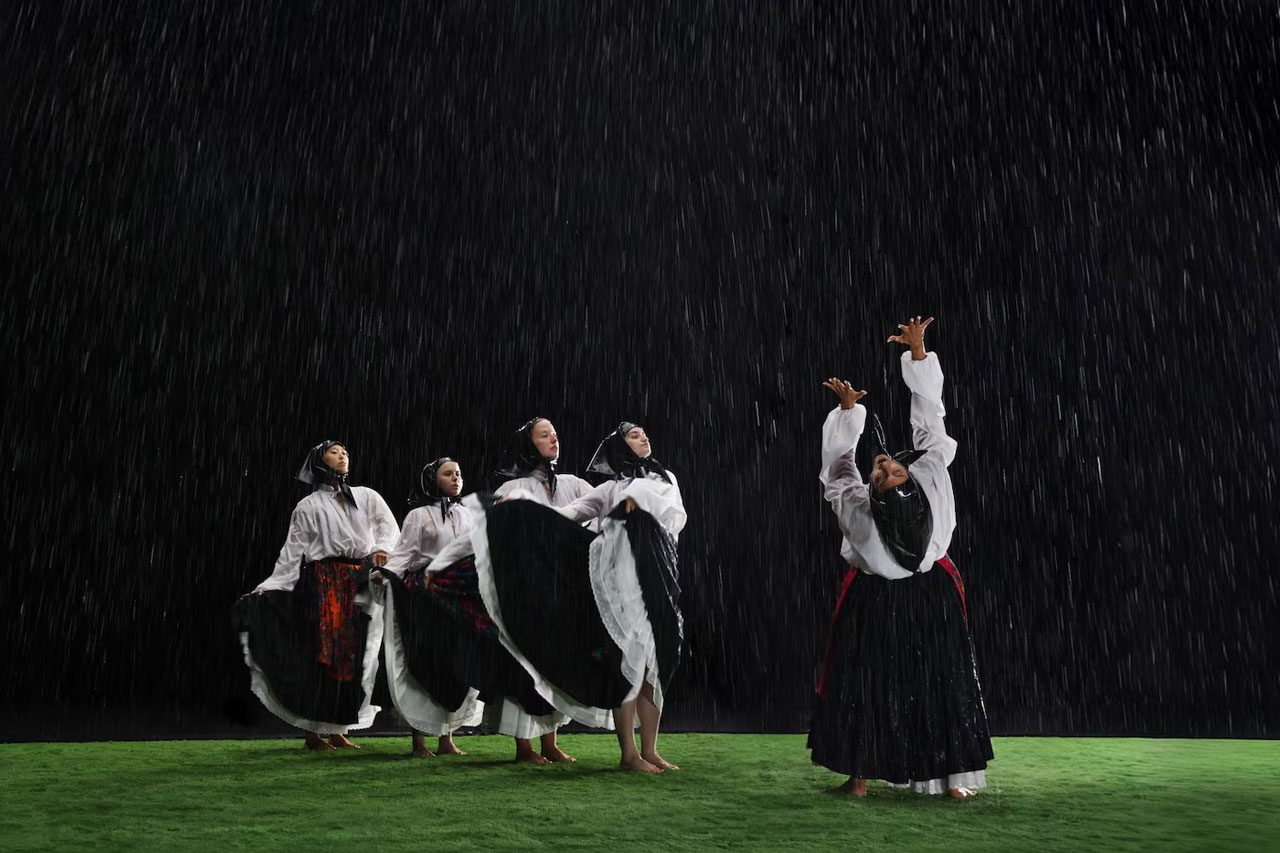
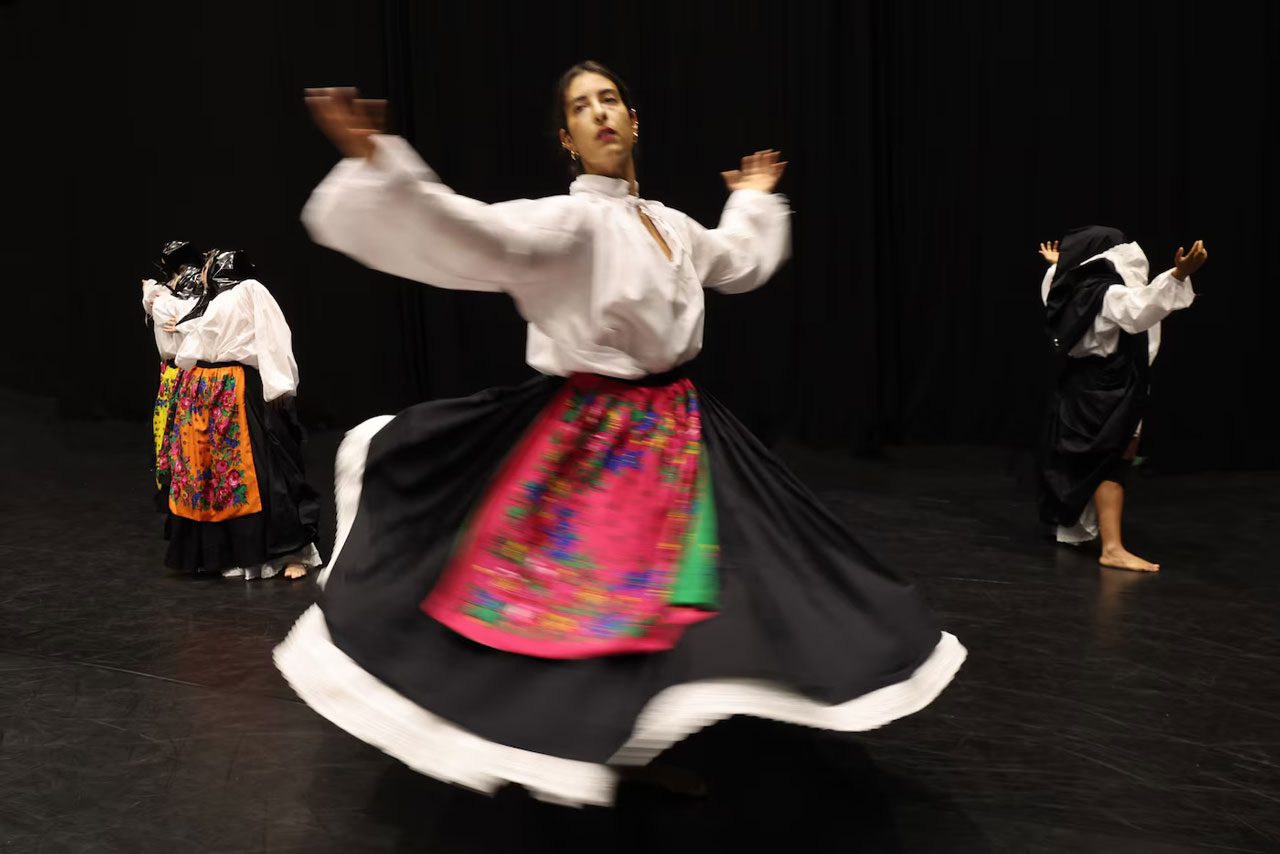
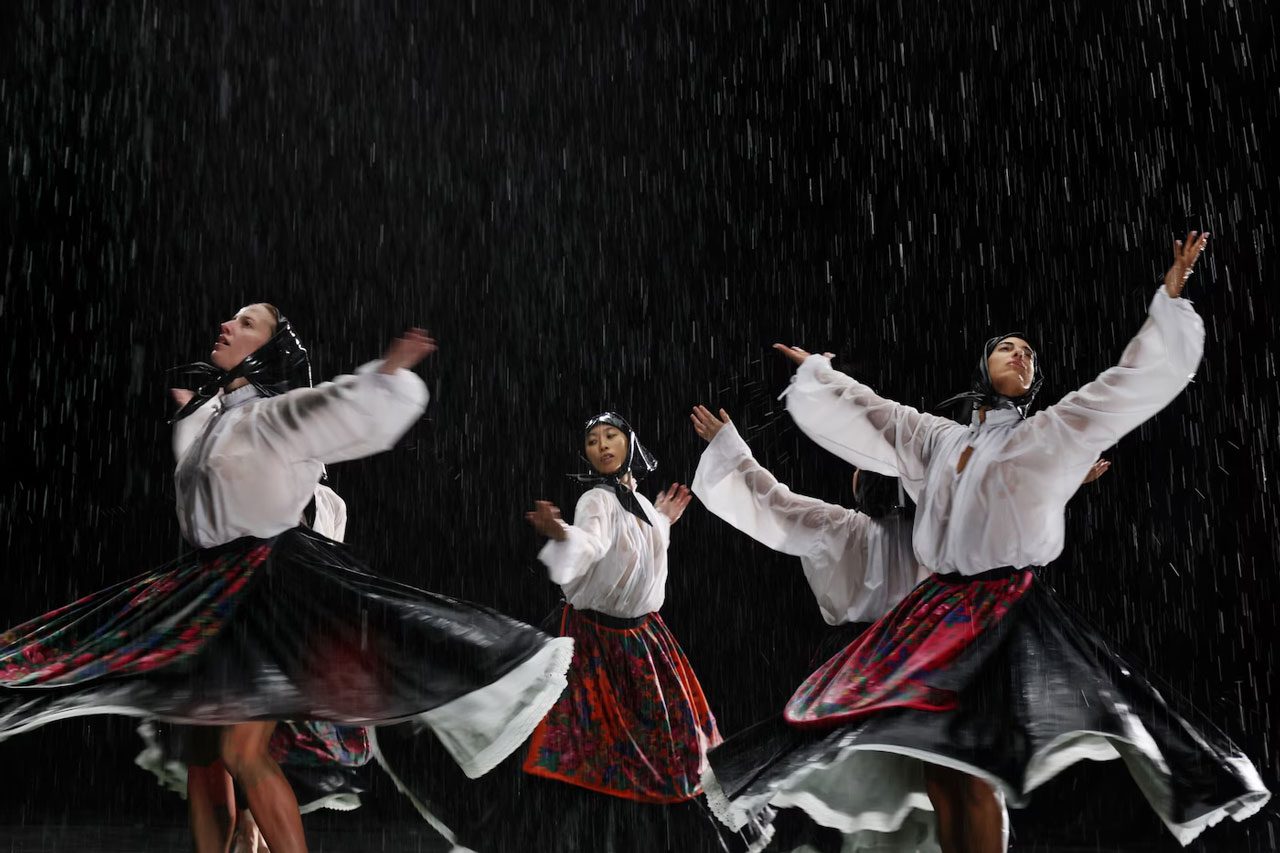
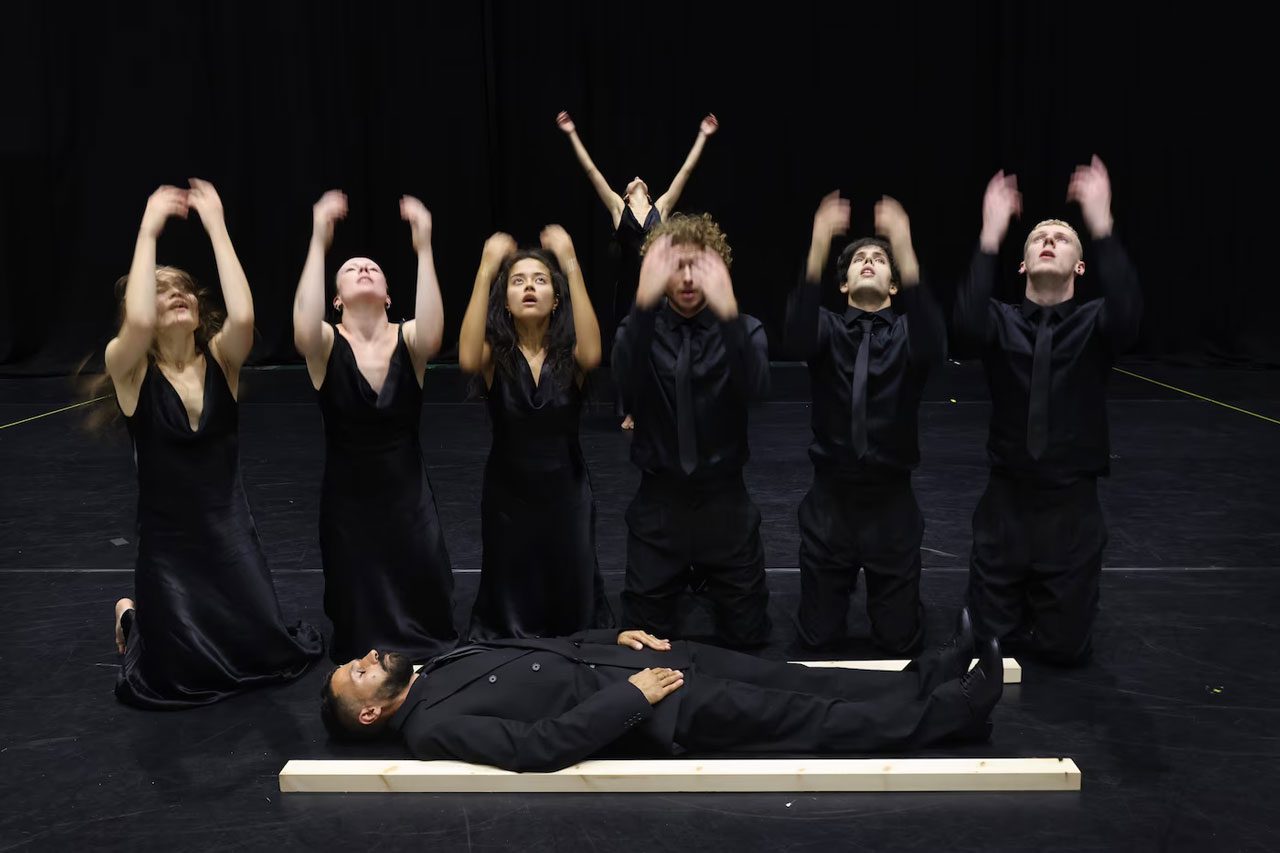
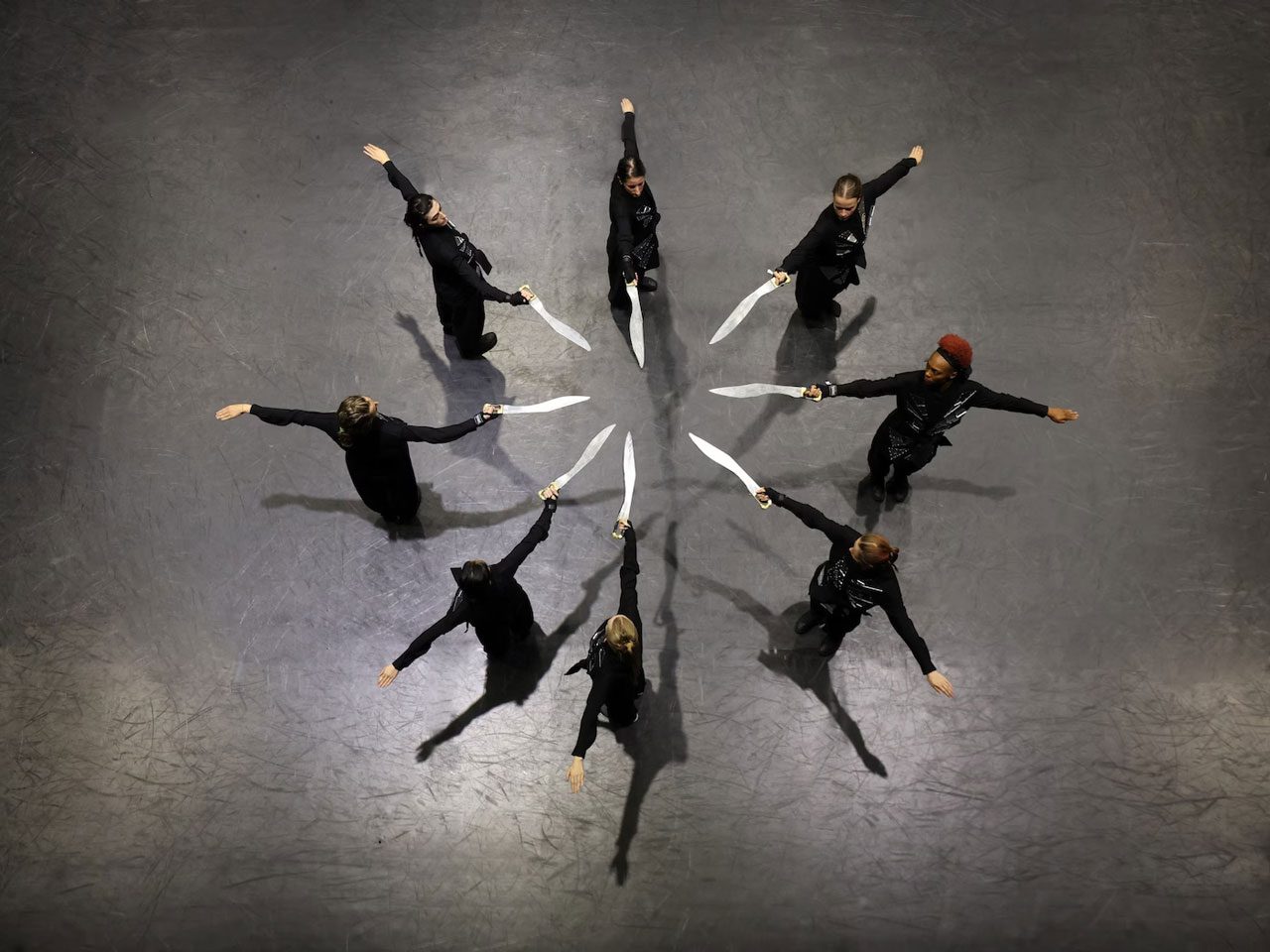
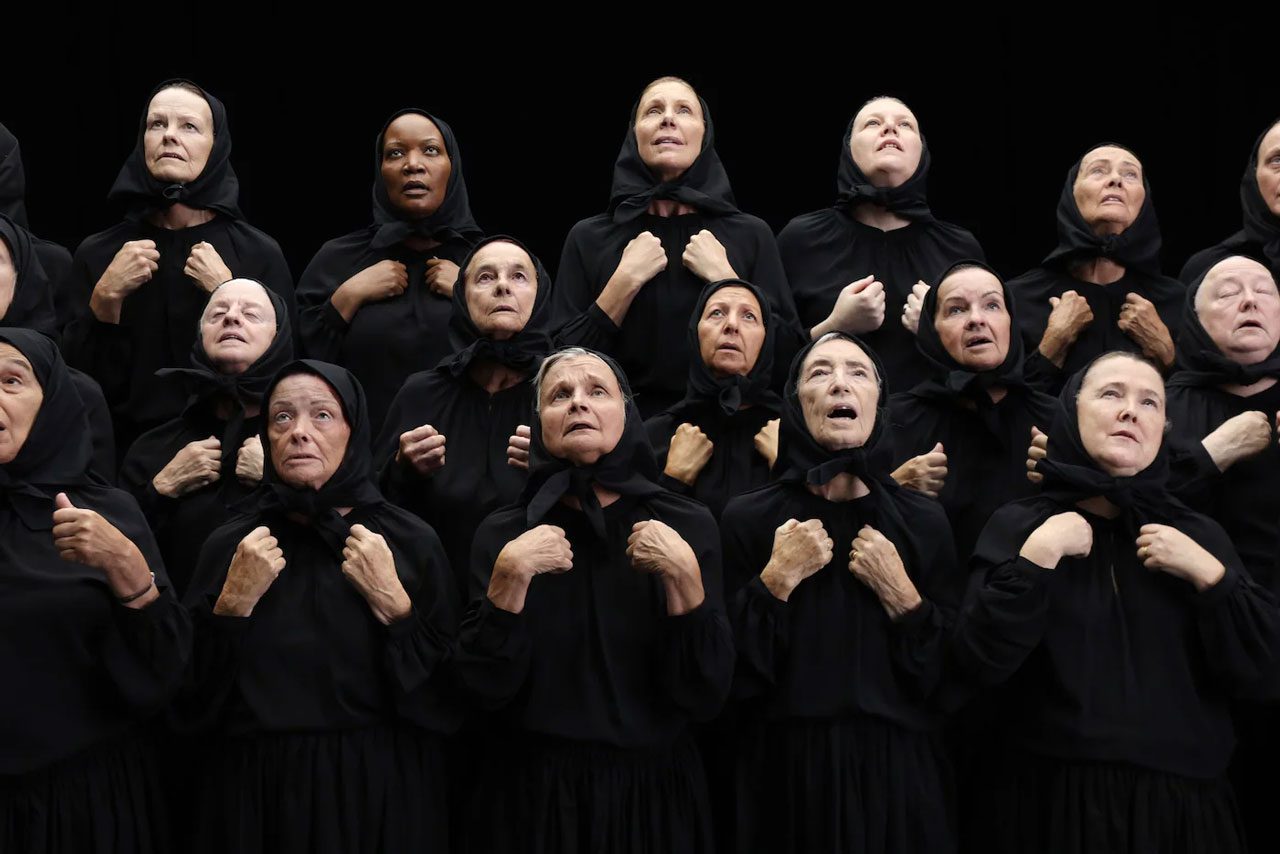
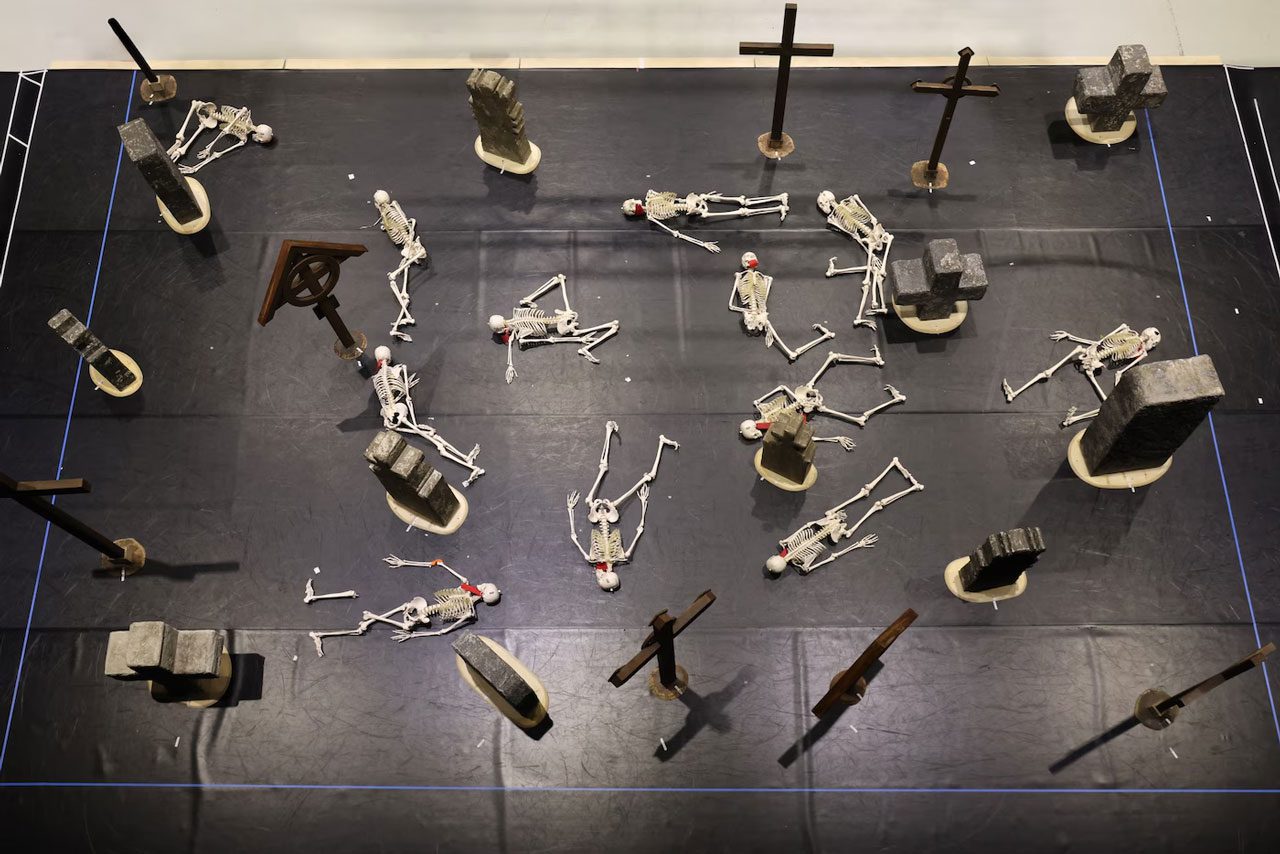
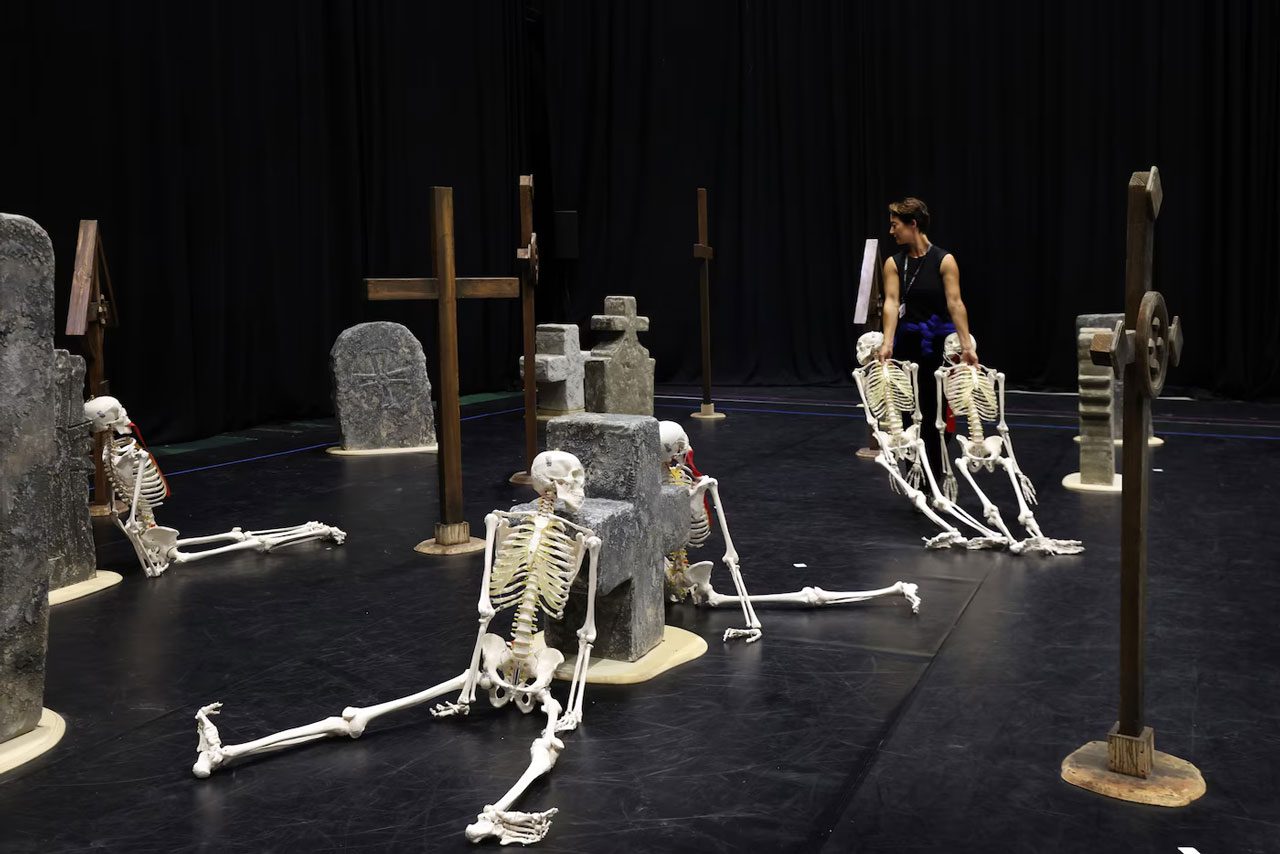
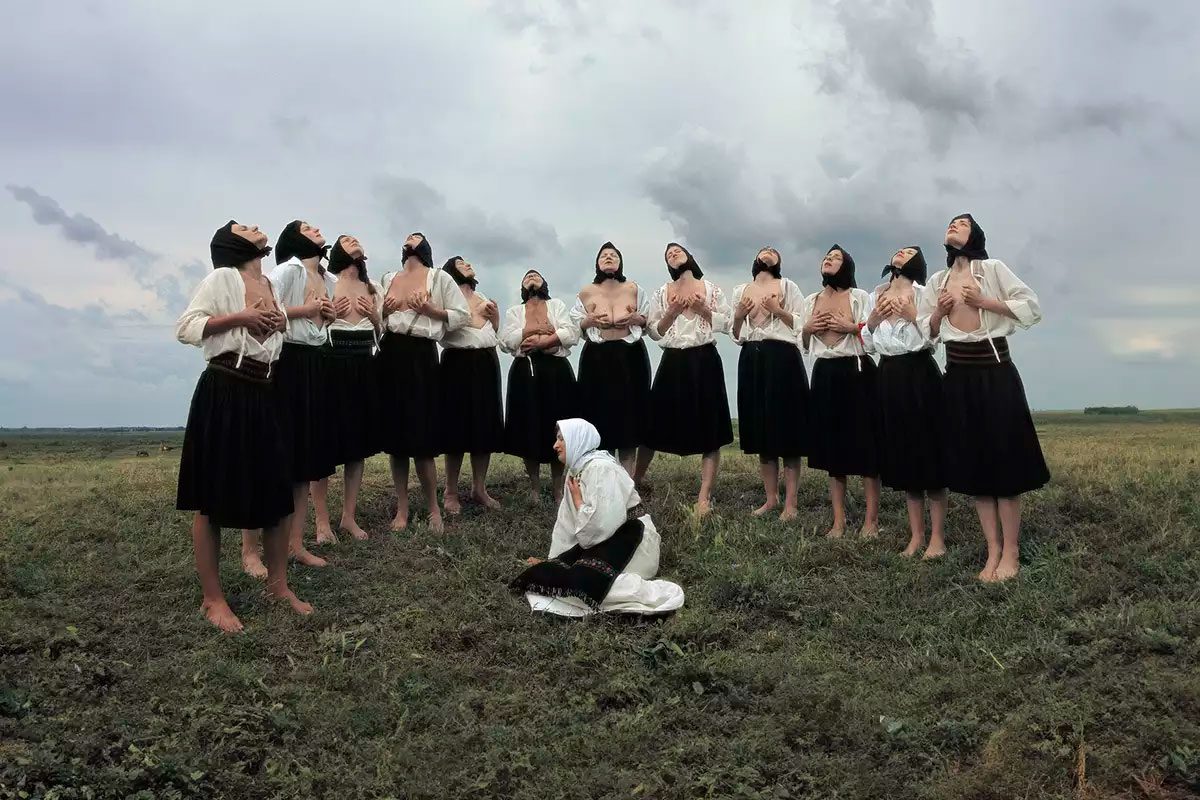
Drawing from the deep well of Balkan folklore and spirituality, Marina Abramović’s “Balkan Erotic Epic” stands as one of the artist’s most ambitious and transformative works. A large-scale, durational performance that fuses dance, song, and ritual, the piece immerses audiences in a living tapestry of eroticism, myth, and collective memory. Through this powerful work, Abramović revisits the spiritual and corporeal traditions of her homeland—rituals once performed to ensure fertility, to protect communities from misfortune, and to celebrate the sacred vitality of the human body. Born in the Balkans, Abramović has long been fascinated by the region’s rich and complex spiritual heritage. In “Balkan Erotic Epic”, she explores the intersection of the erotic and the sacred, excavating ancient mythologies that have survived through oral traditions, songs, and folk practices. These narratives—spanning from Romania to Greece, from Albania to Bosnia, and through Roma and Traveller cultures—reveal a worldview in which sexuality was a conduit to the divine, rather than a source of conflict or shame. In these societies, eroticism functioned as a cosmic language: a life-affirming force linked to fertility, weather, and nature’s cycles. Abramović’s work reclaims this understanding, questioning modern Western separation of the erotic from the spiritual. Through ritualized movement, sound, and embodiment, Balkan Erotic Epic reawakens the idea of the body as a sacred site of knowledge, transformation, and communion with the universe. Performed by more than seventy participants—including dancers, singers, and musicians—the work unfolds across thirteen visceral scenes, each rooted in a specific folkloric or ritual motif. The audience, free to wander the space, encounters intimate actions and moments of intensity. Among these, “Fertility Rite” evokes ancient rituals where participants merged human desire with the earth’s generative power. In “Massaging the Breast”, women perform rhythmic gestures over graves, awakening dormant energies and bridging life with death. Meanwhile, “Scaring the Gods” recalls the tradition of women baring themselves to the heavens in defiance of storms—an act meant to restore cosmic balance.
Each performance segment operates as a self-contained mythic act, yet together forms an overarching narrative of reclamation. Abramović transforms these rituals into a living installation, a space where the erotic is revered rather than objectified or suppressed. At its core, “Balkan Erotic Epic” fundamentally redefines eroticism. For Abramović, the erotic is a deep life force—connecting the physical and spiritual. In the modern Balkans, patriarchal and religiously conservative societies have often erased or considered these ancient rituals inappropriate. Abramović’s performance reveals sexuality, fertility, and pleasure as expressions of sacred vitality, not sin. Instead of viewing eroticism as mere spectacle, she places it within the context of nature and ancestry. In her view, the body becomes a vessel of cosmic power—an intermediary between visible and invisible worlds. Through gestures and songs passed down through generations, the performers evoke embodied memory that goes beyond time and tradition. “Balkan Erotic Epic” functions as both performance and ethnography, a mix of ritual and rebellion. It revives elements of folklore that might otherwise stay confined to academic study or rural memory, turning them into a modern, multisensory experience. The result isn’t nostalgic or solely aesthetic—it’s a confrontation with our modern disconnect from our own bodies and histories. As audiences move through the performance, they become part of a shared act of rediscovery. The line between observer and performer blurs, reflecting the communal spirit of the original rituals. Every song, every gesture, every body in motion becomes part of a larger invocation—an appeal to remember what it means to live in harmony with the forces of nature, desire, and death. In “Balkan Erotic Epic,” Abramović continues her lifelong exploration of endurance, transformation, and the spiritual dimensions of art. However, here, her work adopts a distinctly communal and celebratory tone. It is not the solitary artist confronting her own limits but a multitude of bodies reclaiming a shared heritage. Through the revival of forgotten erotic rituals, Abramović presents a vision of the body not as an object of control or shame but as a cosmic instrument—capable of channeling life, fertility, and transcendence. The performance encourages us to look beyond the binaries of sacred and profane, modern and ancient, body and spirit. It invites us to view the erotic once again as our ancestors understood it: a bridge between the human and the divine. In doing so, “Balkan Erotic Epic’ becomes more than a performance—it becomes a ritual of remembrance and renewal, a call to embrace the full power of the living body, and a testament to the enduring vitality of Balkan folklore.
Photo: Marina Abramović, Women Massaging Breasts from the series Balkan Erotic Epic, C-Print, 2005, Serbia, © Marina Abramović. Courtesy of the Marina Abramović Archives
Info: The Social & Warehouse, Aviva Studios, Water Street, Manchester, United Kingdom, Duration: 9-19/10/2025, Days & Hours: 9, 10 & 14-17 Oct 19:00, 11 & 18 Oct 18:00, 12 & 19 Oct 17:00, book tickets here, https://factoryinternational.org/