
TRIBUTE: Erwin Olaf-Freedom
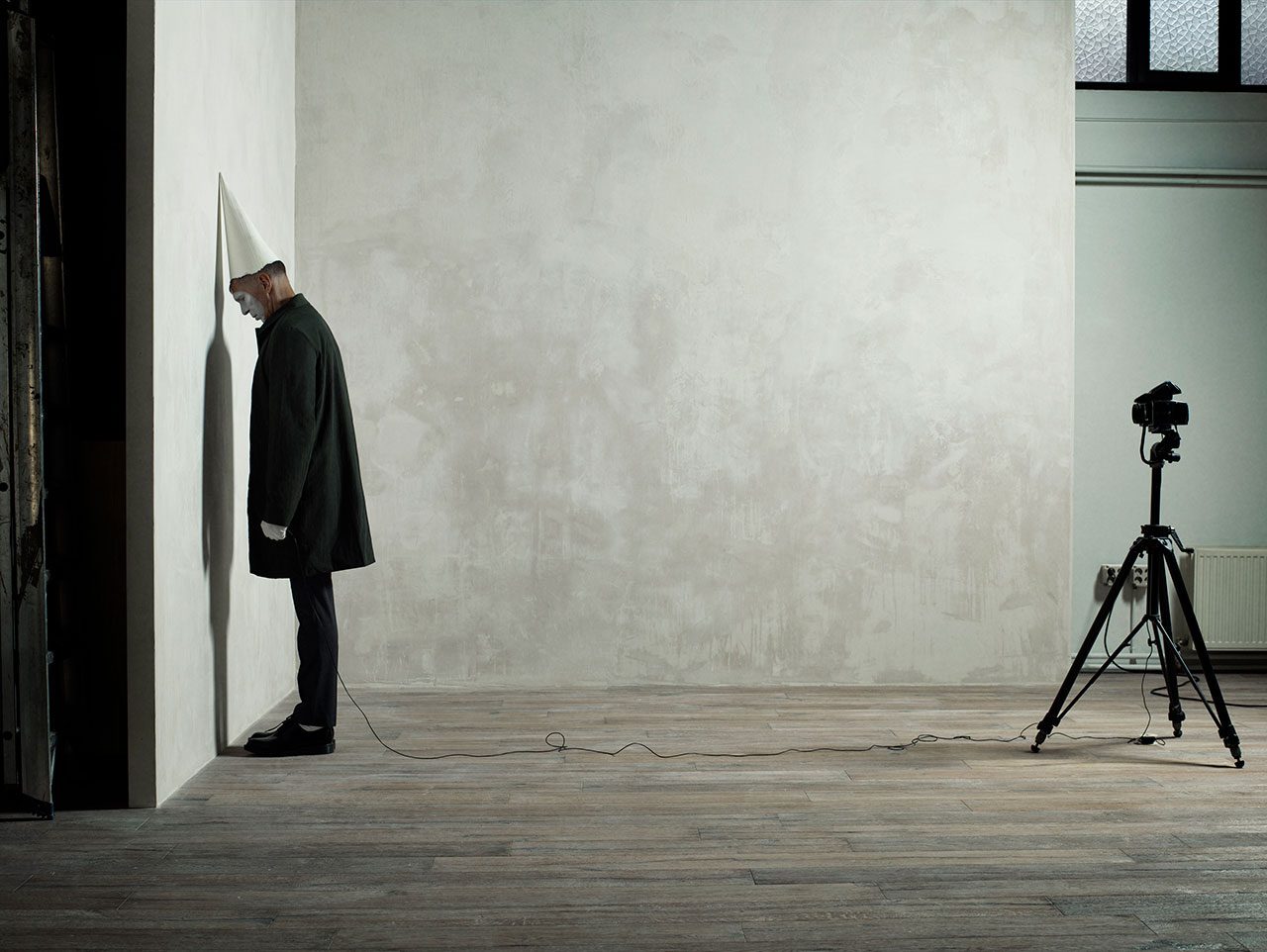
Erwin Olaf’s art captures the complexity of the human experience through meticulously staged, emotionally charged scenes. His signature aesthetic—sleek, cinematic, and perfectly composed—offers more than surface beauty. Beneath the immaculate polish lies a profound engagement with social issues, taboos, and cultural conventions. Olaf’s photographs, simultaneously painterly and theatrical, present a world that appears idealized, yet they reveal the fragility, tension, and vulnerability of contemporary life.
By Dimitris Lempesis
Photo: Stedelijk Museum Archive
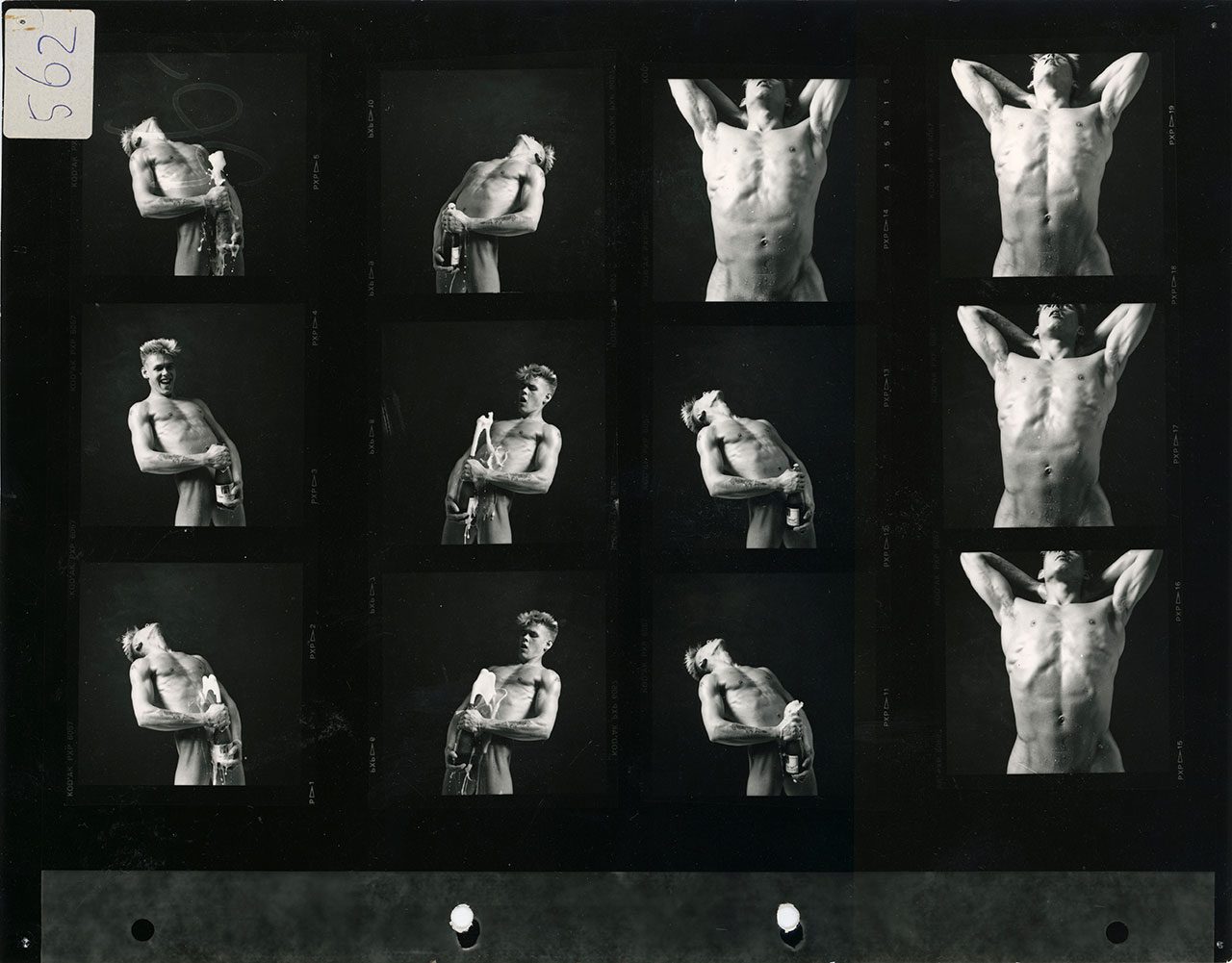
“Erwin Olaf – Freedom” is the first major museum retrospective since the artist’s unexpected passing two years ago. This exhibition pays homage to Olaf’s extraordinary versatility and his lifelong pursuit of artistic and personal liberty. It offers an expansive view of his creative universe—featuring not only his most iconic photographic series but also rarely seen works, including video installations, sculptures, commercial photography, and personal archival materials. The journey culminates poignantly with his final, unfinished video piece. Erwin Olaf Springveld (1959–2023) is internationally celebrated as one of the Netherlands’ most influential visual artists. Renowned for his impeccable sense of lighting, composition, and conceptual clarity, Olaf merged aesthetic precision with bold, often provocative subject matter. A true freethinker, his work consistently challenged the boundaries of convention, advocating for individuality, diversity, and equality. Themes of identity, sexuality, and the human body recur throughout his oeuvre—each explored with empathy, wit, and fearless curiosity. Olaf’s activism and belief in freedom are the red threads connecting the exhibition’s thematically structured narrative. The retrospective traces Olaf’s artistic evolution, beginning with his early black-and-white reportage photography from the 1980s. These early works document moments of protest and liberation, such as gay rights demonstrations, and already reveal his sensitivity to composition and human emotion. His desire for greater artistic control soon led him to staged studio photography—a transition that defined his mature style. Highlights include works from groundbreaking series such as “Ladies Hats” (1985–2022), “Chessmen” (1987–88), “Royal Blood” (2000), “Fashion Victims” (2000), “Grief” (2007), “Berlin” (2012), and “Skin Deep” (2015), alongside commissioned projects like “SM in Holland” (1989) and campaigns for the Dutch National Ballet. Each series reflects Olaf’s enduring fascination with the politics of beauty, identity, and self-expression.
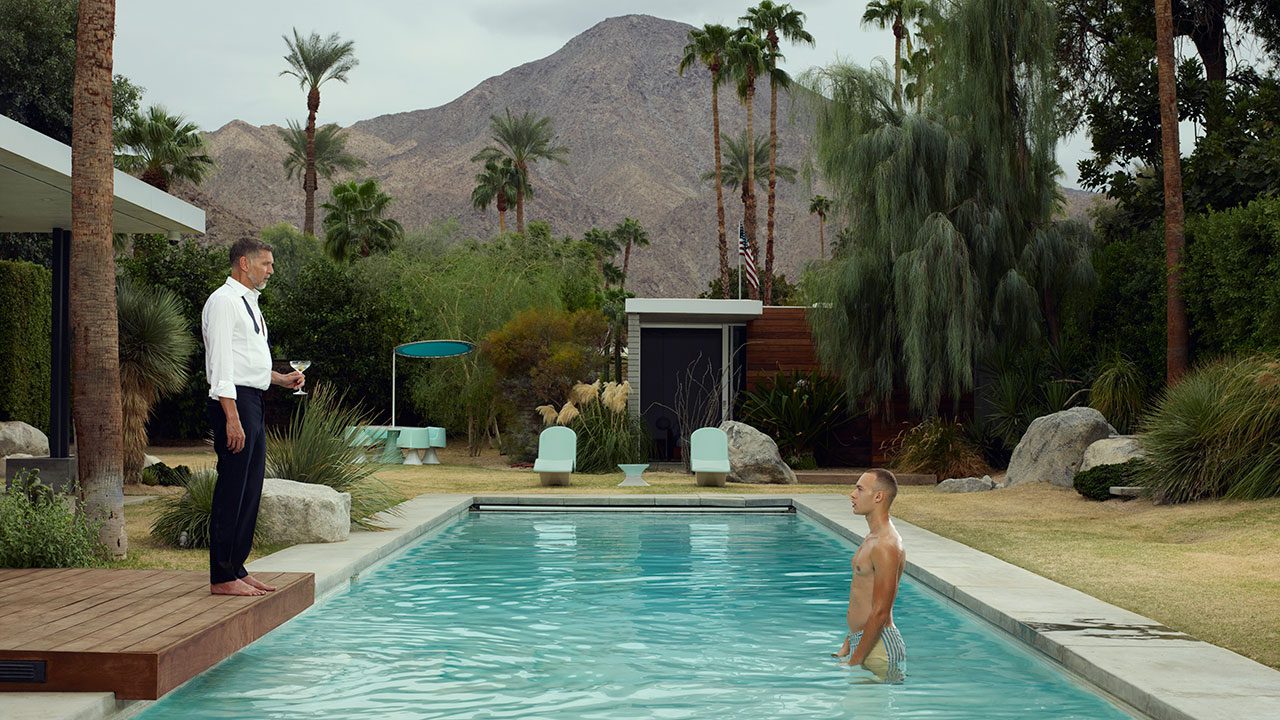
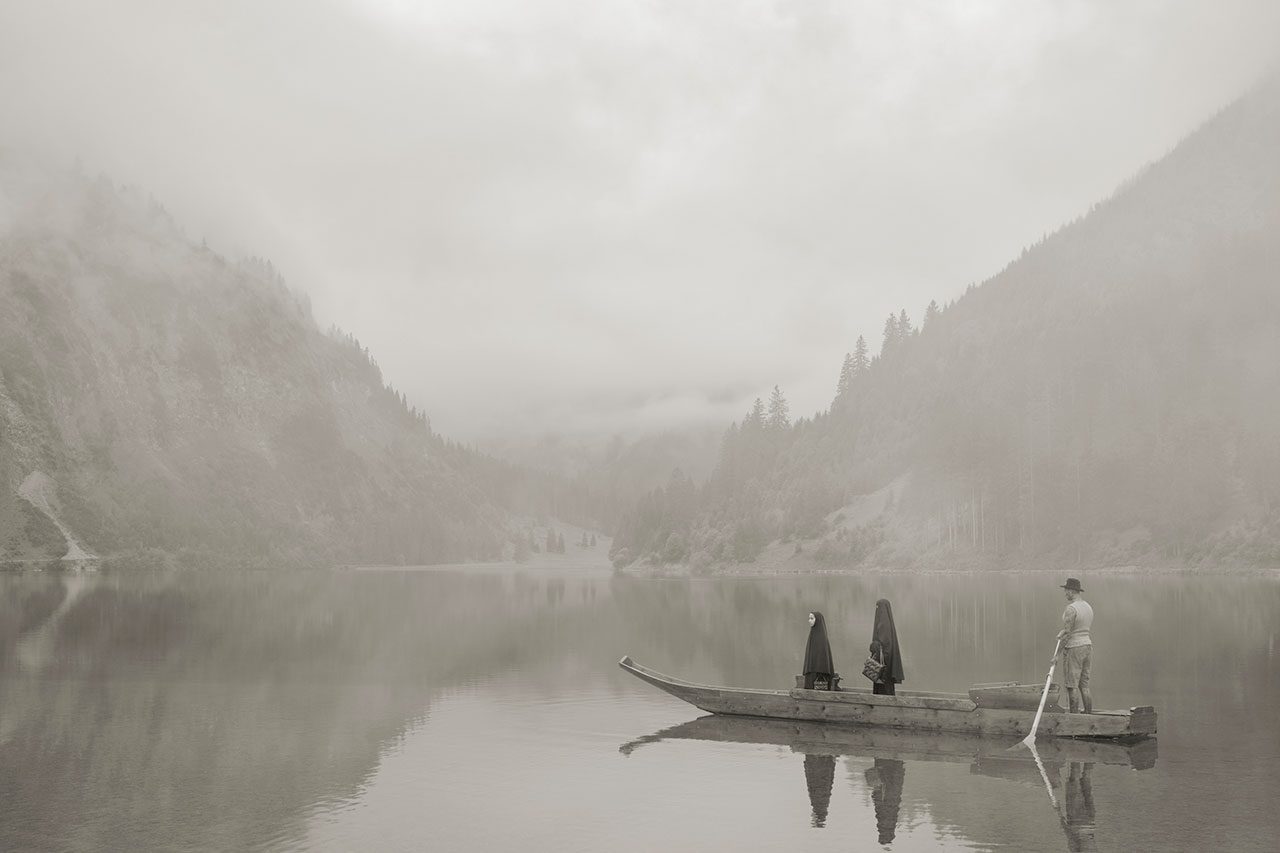
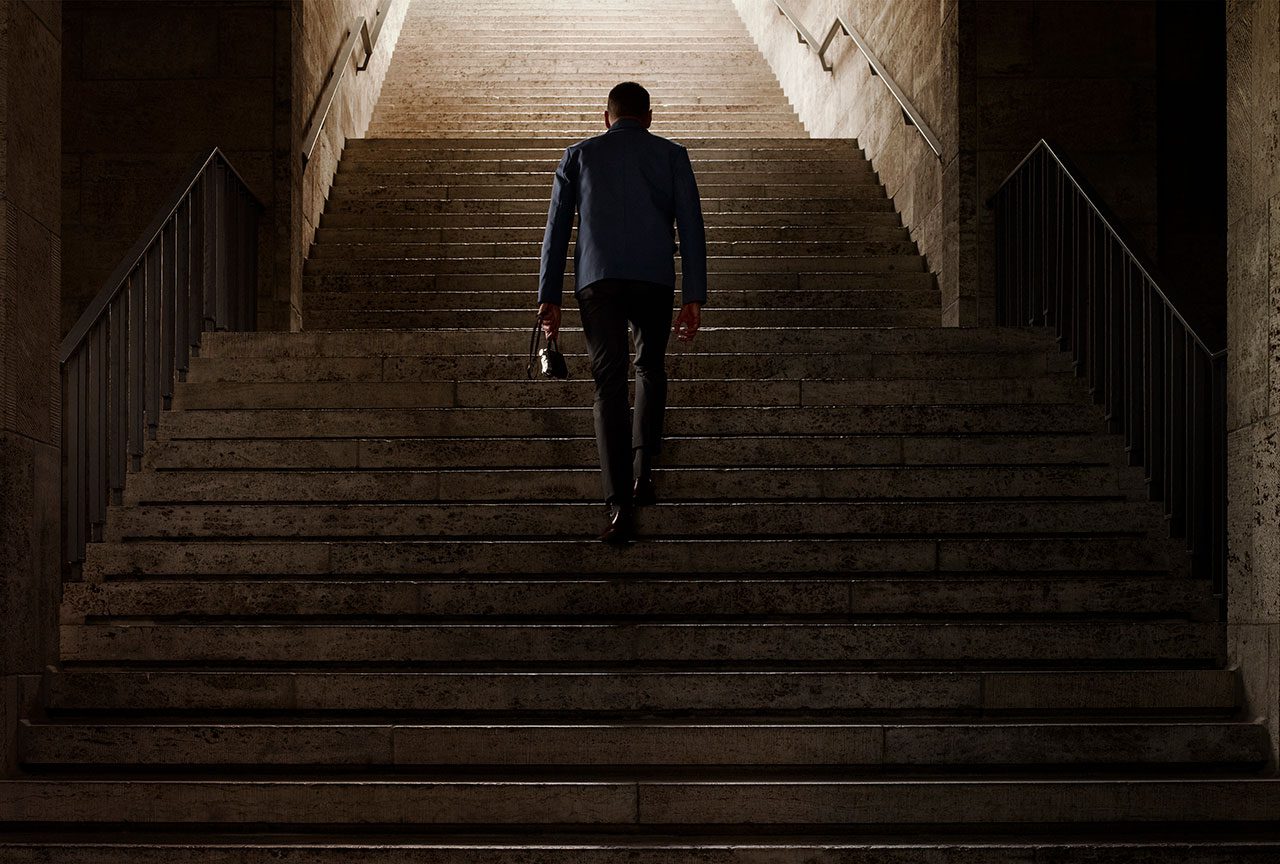
Underlying much of his work is a deep concern with freedom—the right to be oneself. The motif of the “party,” recurring throughout his career, symbolizes both celebration and resistance: a defiant joy in the face of intolerance. Yet Olaf was unflinching in confronting the darker undercurrents of desire and power. In “Paradise” (2001), for example, his stylized scenes reveal the menace and inequality often lurking beneath pleasure. During the 1980s, Olaf also produced several pioneering campaigns for Aidsfonds and the COC, the world’s first LGBTQ+ rights organization, marking his commitment to social progress through art. The exhibition’s final section brings together Olaf’s late works—unified by technical mastery and a profound philosophical depth. Series such as “Im Wald” (2020) and “April Foo”l (2020) explore humanity’s fragile relationship with nature, isolation, and existential uncertainty—timely reflections born of the pandemic era. Shown here for the first time in a museum context, these works demonstrate Olaf’s ability to capture both the beauty and the unease of our age. In “Palm Springs” (2018), he examines the fading allure of the American Dream, while “Shanghai” (2017) turns a critical lens toward gender and cultural identity in a rapidly modernizing society. His final series, “Muses” (2023), offers a meditation on mortality and acceptance—the inevitability of life’s passing and the grace of surrender. Presented publicly here for the first time, it stands as a moving coda to a life devoted to freedom, truth, and aesthetic perfection. Throughout his career, Erwin Olaf returned frequently to the motif of flowers. These compositions, often created spontaneously during photo sessions, served as moments of contemplation and renewal. In art history, the flower—captured in stages from bloom to decay—has long symbolized life’s transience. In his final year, Olaf dedicated a floral series to his mother, and soon after his lung transplant, began a personal continuation of that work. This unfinished project, completed posthumously and titled “For Life”, concludes the exhibition. It is both a farewell and a final affirmation: of creativity as endurance, and of freedom as the essence of being.
Photo: Erwin Olaf, April Fool 2020, 11.15am, 2020 © Estate Erwin Olaf, courtesy Gallery Ron Mandos Amsterdam
Info: Curator: Charl Landvreugd in collaboration with Studio Erwin Olaf, Stedelijk Museum, Museumplein 10, Amsterdam, Netherlands, Duration: 11/10/22025-1/3/2026, Days & Hours: Daily 10:00-18:00, www.stedelijk.nl/
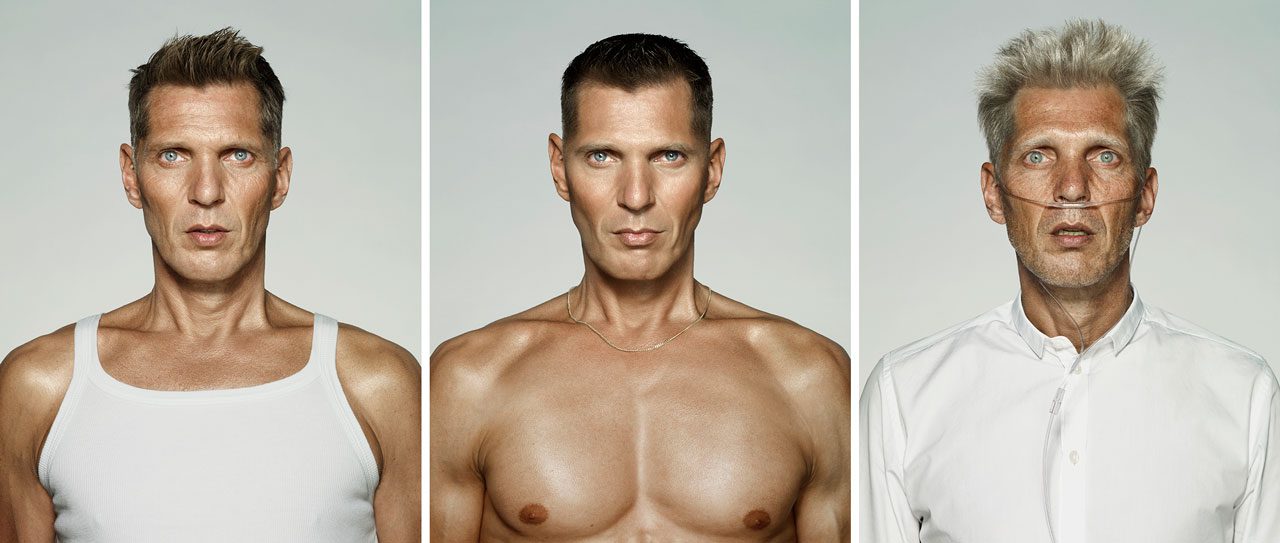
Center: Erwin Olaf, Self-Portrait, I Wish, 2009 © Estate Erwin Olaf, courtesy Gallery Ron Mandos Amsterdam
Right: Erwin Olaf, Self-Portrait, I Will Be, 2009 © Estate Erwin Olaf, courtesy Gallery Ron Mandos Amsterdam
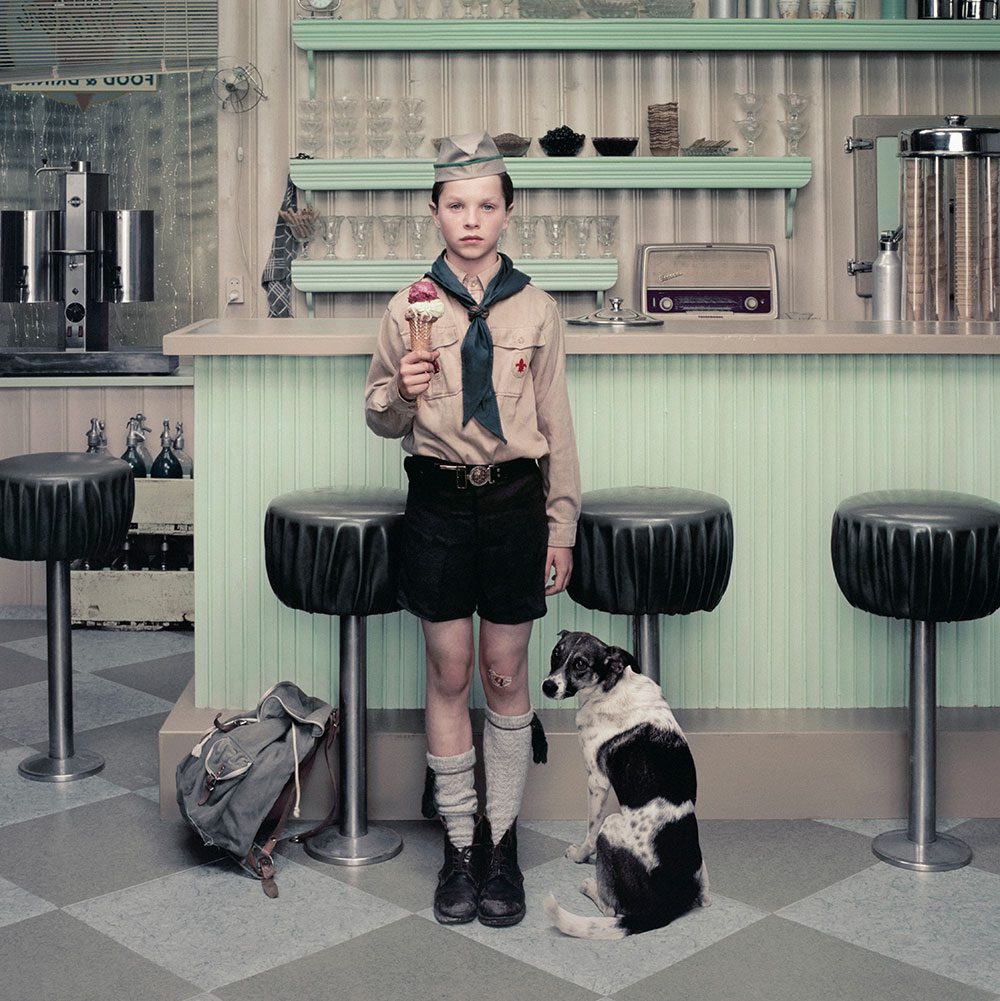
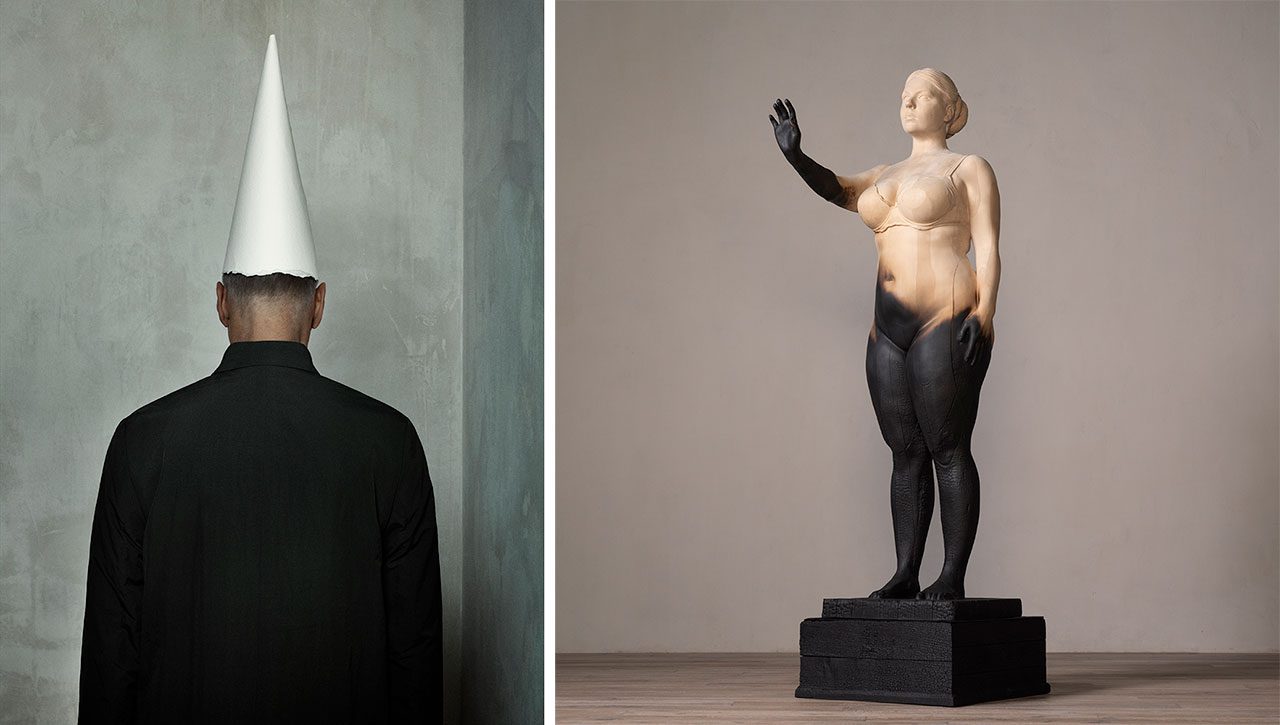
Right: Erwin Olaf, Köln, Eine Armlänge Abstand, 2016-2019, sculptuur, © Estate Erwin Olaf, courtesy Gallery Ron Mandos Amsterdam
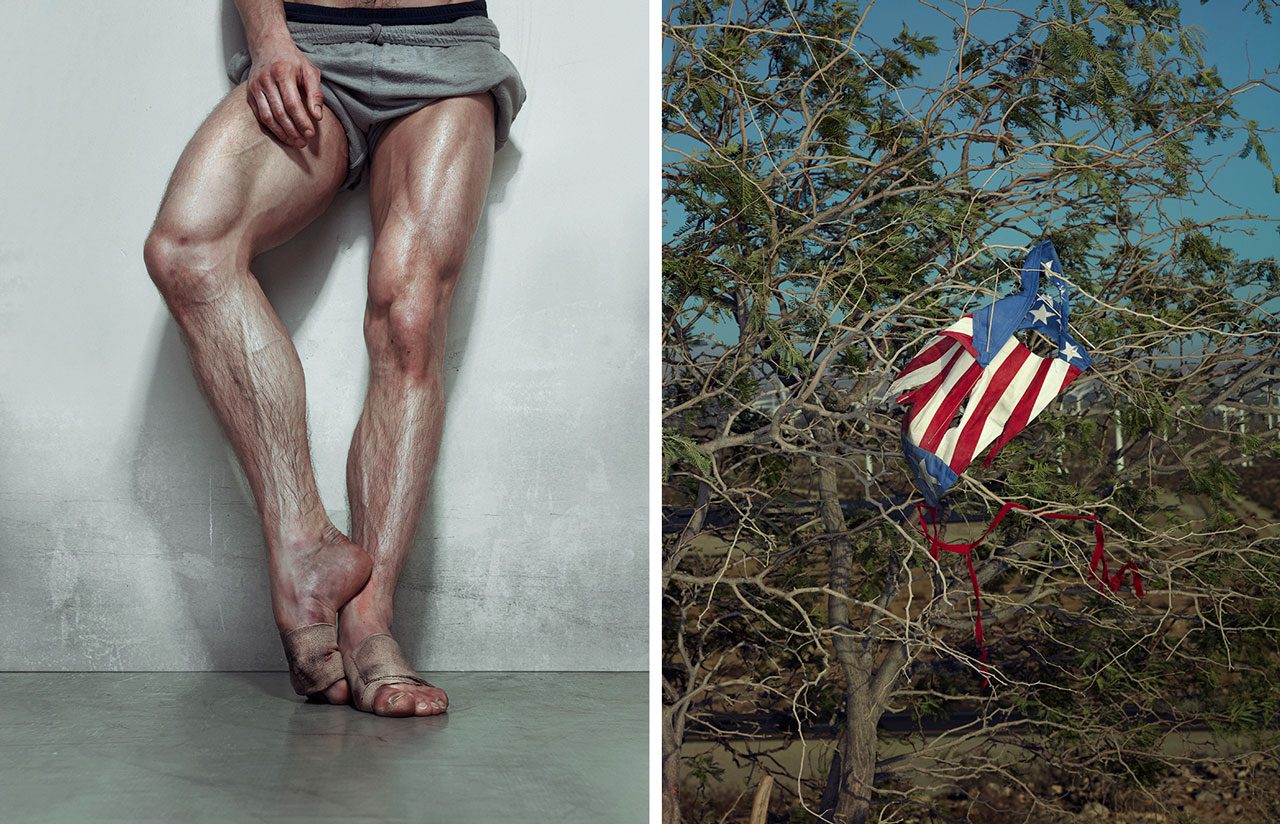
Right: Erwin Olaf, Palm Springs, The Kite, Still Life, 2018, video still © Estate Erwin Olaf, courtesy Gallery Ron Mandos Amsterdam