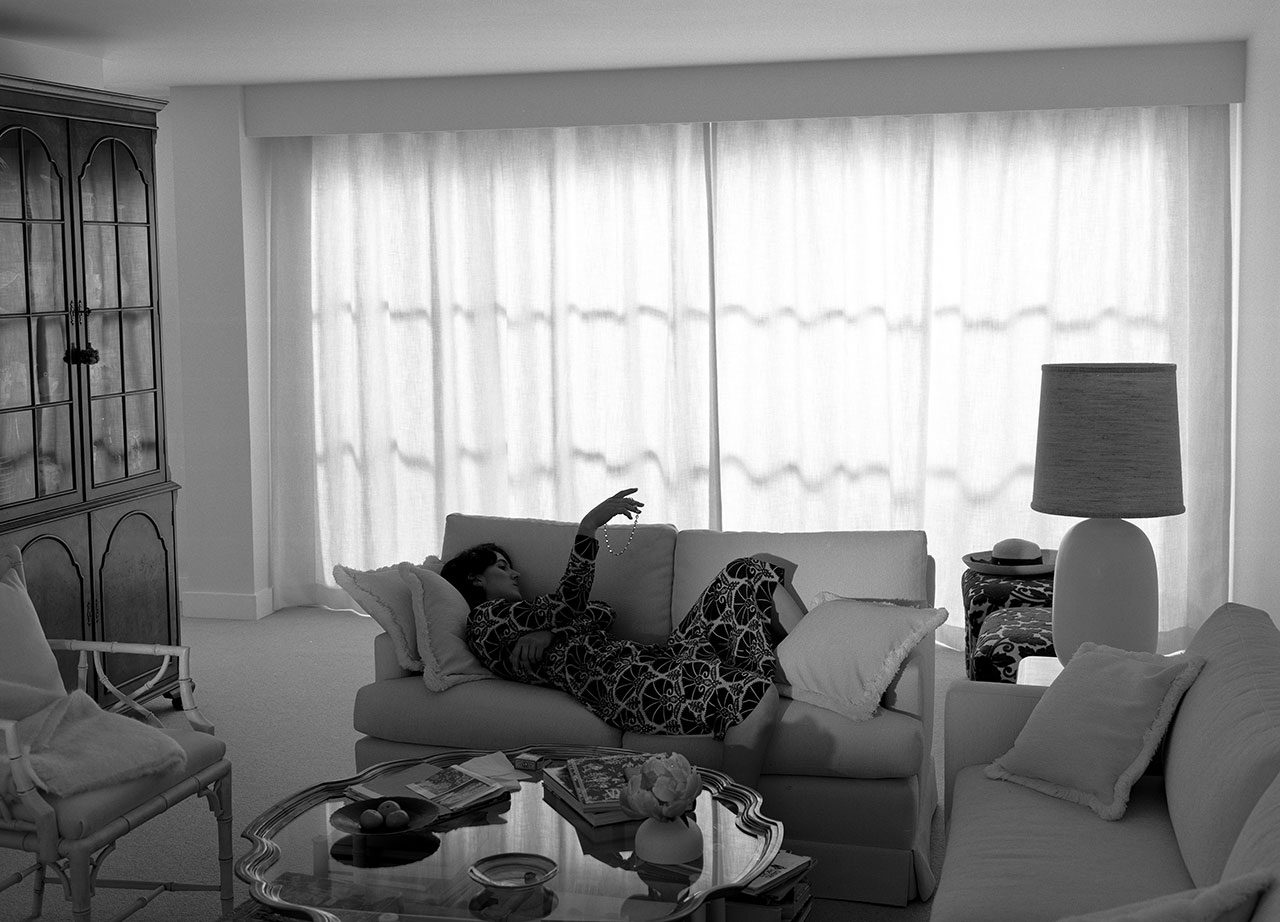
PHOTO: Jeff Wall
Jeff Wall has been moving between spectacular staging and documentary observation for over 40 years, making images that explore every aspect of contemporary society. Both familiar and disturbing, his photographs elevate everyday situations to the strange and dreamlike. Presented life-size, his images are among some of the most celebrated works of contemporary art.
By Dimitris Lempesis
Photo: Gallerie d’Italia – Turin Archive
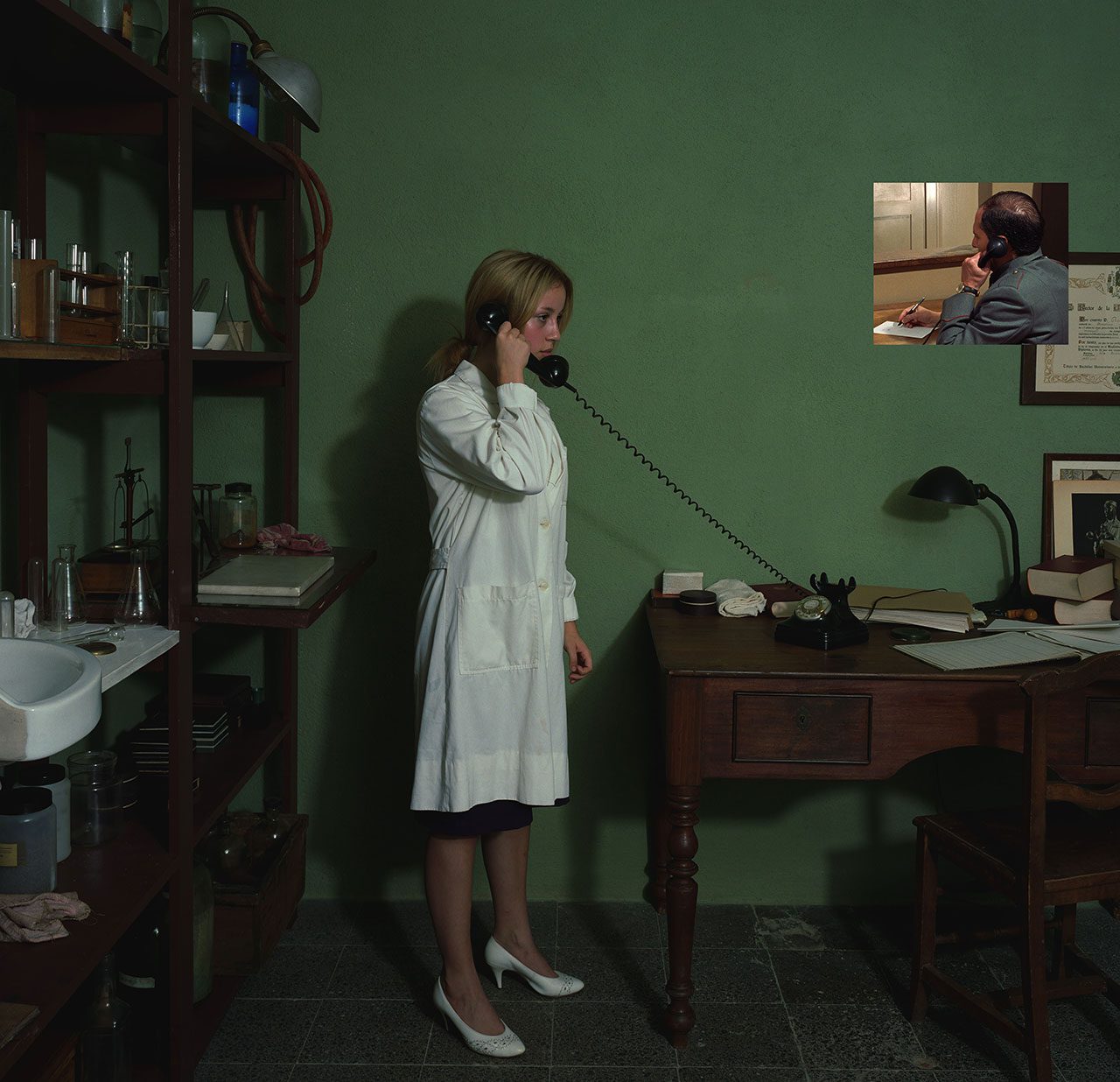
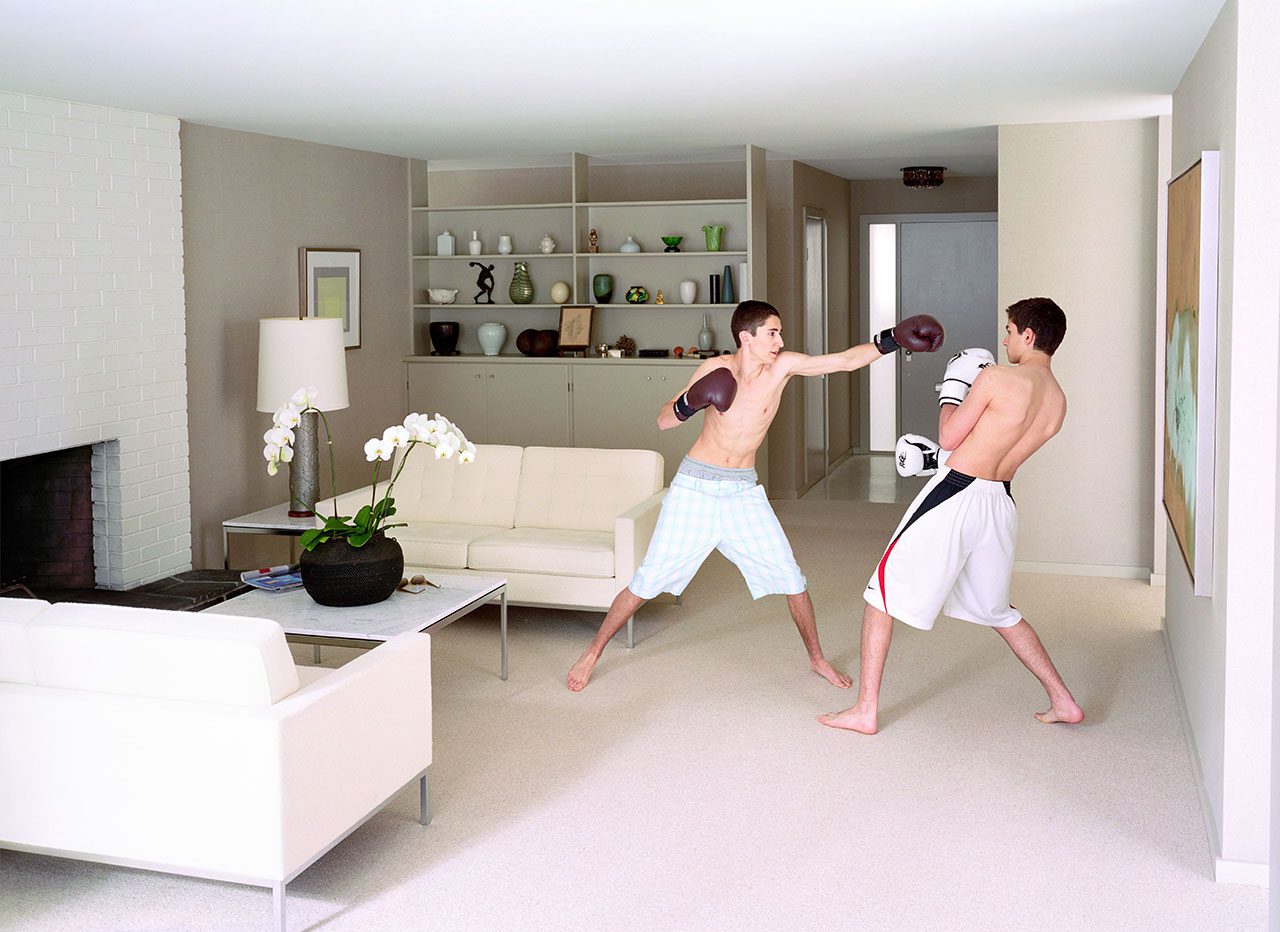
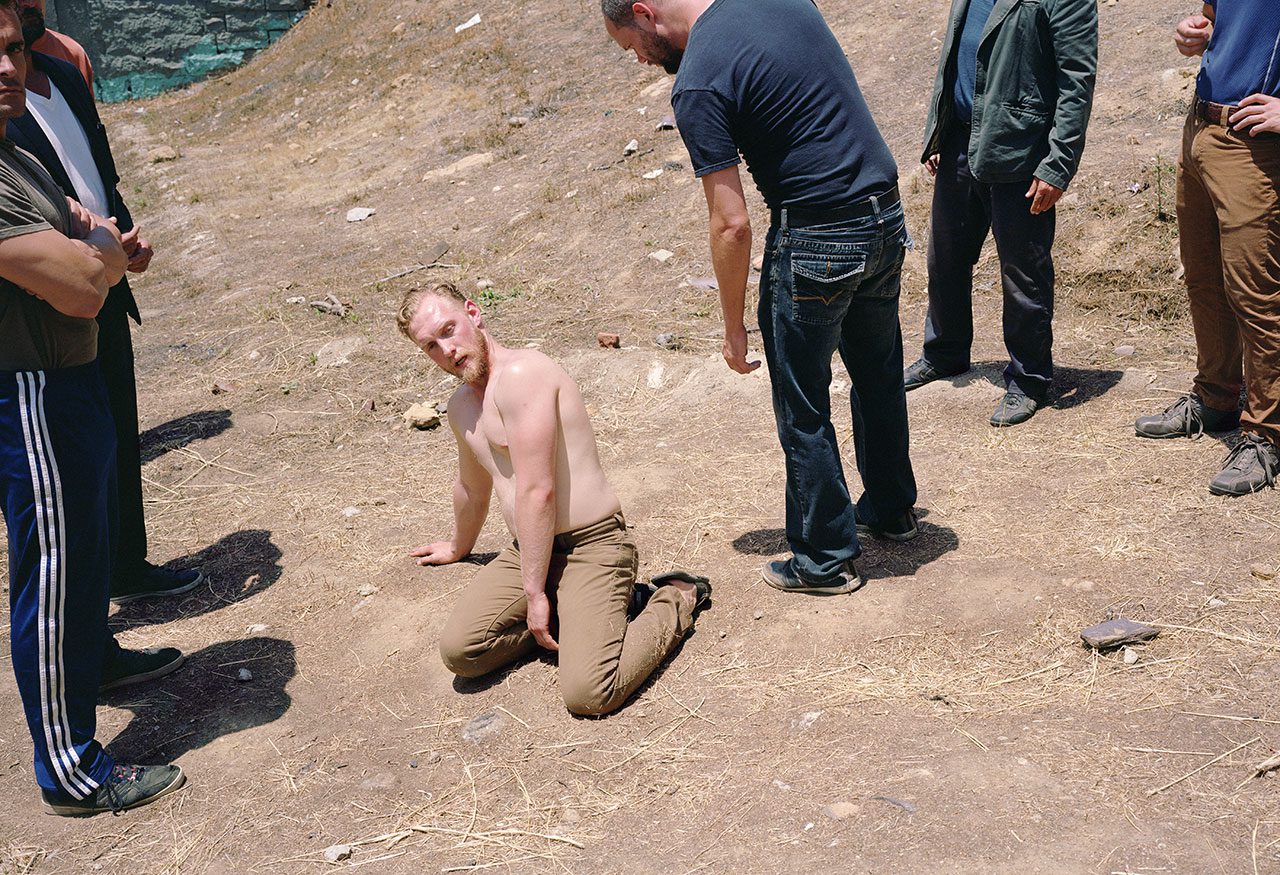
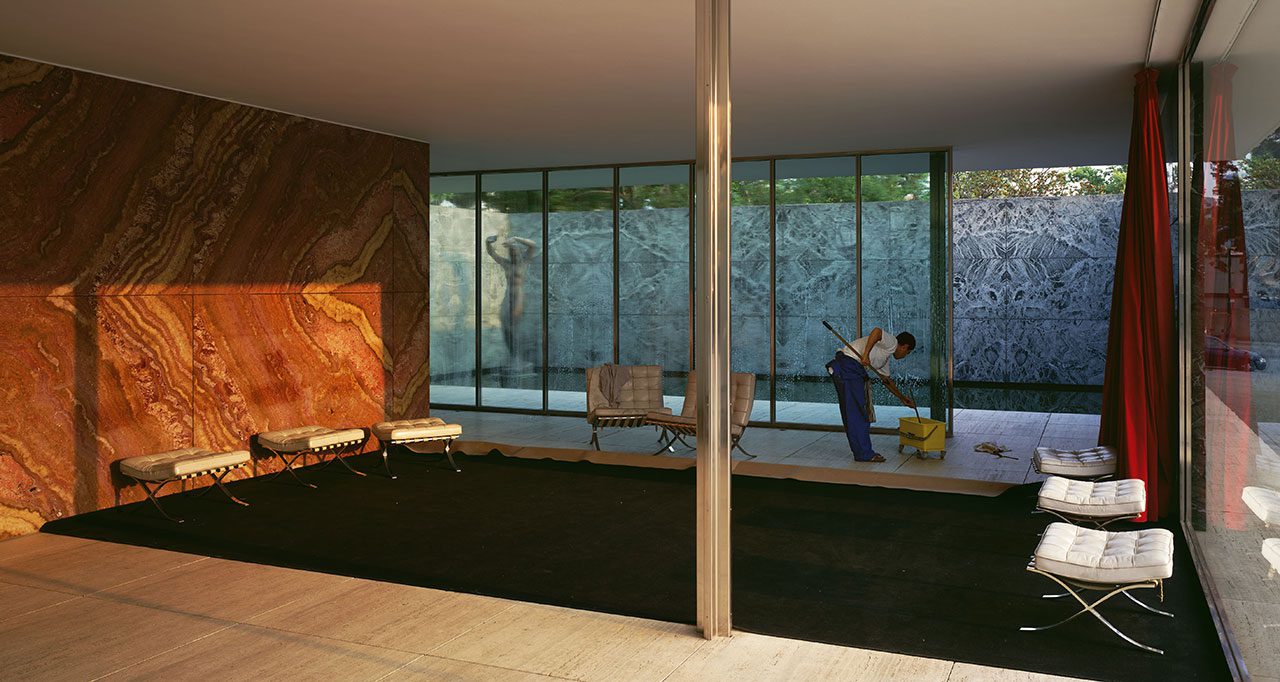
In his commitment to an art of everyday life, Jeff Wall addresses major social and political issues, exploring the complex ways in which they shape our lives. Topics of nature, war, gender, race and class permeate his works, which are often as enigmatic as the issues they are inspired by. His art is influenced by the work of many great photographers and painters, but also by literature and cinema, in particular Italian neo-realism with its alternation of mundane life and drama. With 27 large-format works on display, the exhibition “Photographs” brings together every aspect of the Canadian photographer’s work, from the most important photographs of the late 1970s to the most recent productions, recounting his work on several levels. Jeff Wall studied at the University of British Columbia in 1970. Then he moved to London with his wife and children and did his postgraduate work from Courtauld Institute. He has been an assistant professor at the he Nova Scotia College of Art and Design in 1974. Two years later, he began teaching at Simon Fraser University. He was also a lecturer, at European Graduate School. He has published articles on many contemporary artists, such as Roy Arden, Rodeney Graham, On Kawara, Ken Lum, Dan Graham, Stephan Balkenhol and more. Since the early 1970s, Wall has been a key personality in the art scene of Vancouver. Wall’s first major work, “The Destroyed Room” (1978), was originally exhibited at Vancouver’s Nova Gallery as a photographic transparency installed behind the gallery’s front window, facing the street. Although its installation gave it the appearance of a store window display, the image itself bore little resemblance to the typical decorous seductions of mannequins, clothing, and consumer goods. Loosely inspired by Eugène Delacroix’s painting “The Death of Sardanapalus”, “The Destroyed Room” depicts a woman’s ruined bedroom, heaps of clothes and personal belongings are strewn across the floor, and the furniture, doors, and walls have been damaged or demolished. It is an image of violent upheaval. Wall describes The Destroyed Room as “Cinematographic”, a term that encapsulates much of his artistic practice, meaning that it was shot in a controlled setting, indoors or outdoors, in which the subject was prepared in some way. Other early pictures by the artist also follow this strategy: “Picture for Women” (1979) adopts the composition of Edouard Manet’s “A Bar at the Folies-Bergère”, while revising its depiction of the relationships between men, women, observers, and observed. Jeff Wall closely studied the work of Robert Frank and other mid-20th Century American photographers, but he found himself frustrated by the limitations of their process, in which circumstances were found and images were snapped, shot, rather than constructed in the way that a painter builds images in paint on a canvas. The first work created by Jeff Wall outside the studio, “Mimic” (1992) begins a subgroup of pictures that Wall refers to as “Near documentary” pictures reconstructed from Wall’s remembered experiences. The photo is based on a racist gesture that Wall witnessed on a Vancouver street. He reenacted the scene and shot it on location, simultaneously replicating and critiquing photographic practice, which inherently deals with mimicry. “Mimic” also references the formal composition of the 1877 Gustave Caillebotte painting “Paris Street – Rainy Day”. Wall’s use of photomontage began in the early 1990s as digital technologies became more accessible. For him it offered a way to create pictures that were purely imaginative, even hallucinatory, like “Dead Troops Talk (a vision after an ambush of a Red Army Patrol, near Moqor, Afghanistan, winter 1986)” (1992) and “The Flooded Grave” (1998–2000). Shooting multiple images and assembling them into an almost-seamless unity, first through mechanical means, then through digital-imaging techniques, Jeff Wall was able to produce pictures with an uncanny sense of dreamlike, suspect hyperrealism. He also created works that use photomontage to depict situations or events that have or could have happened, but that Wall decided were not necessarily best shot as a single-frame photograph. These pictures like: “A Sudden Gust of Wind (After Hokusai)” (1993), “Overpass” (2001), “An Eviction” (1988/2004) or “In Front of a Nightclub” (2006), involve highly complex processes of montage, in which numerous images are employed to create an entirely original picture.
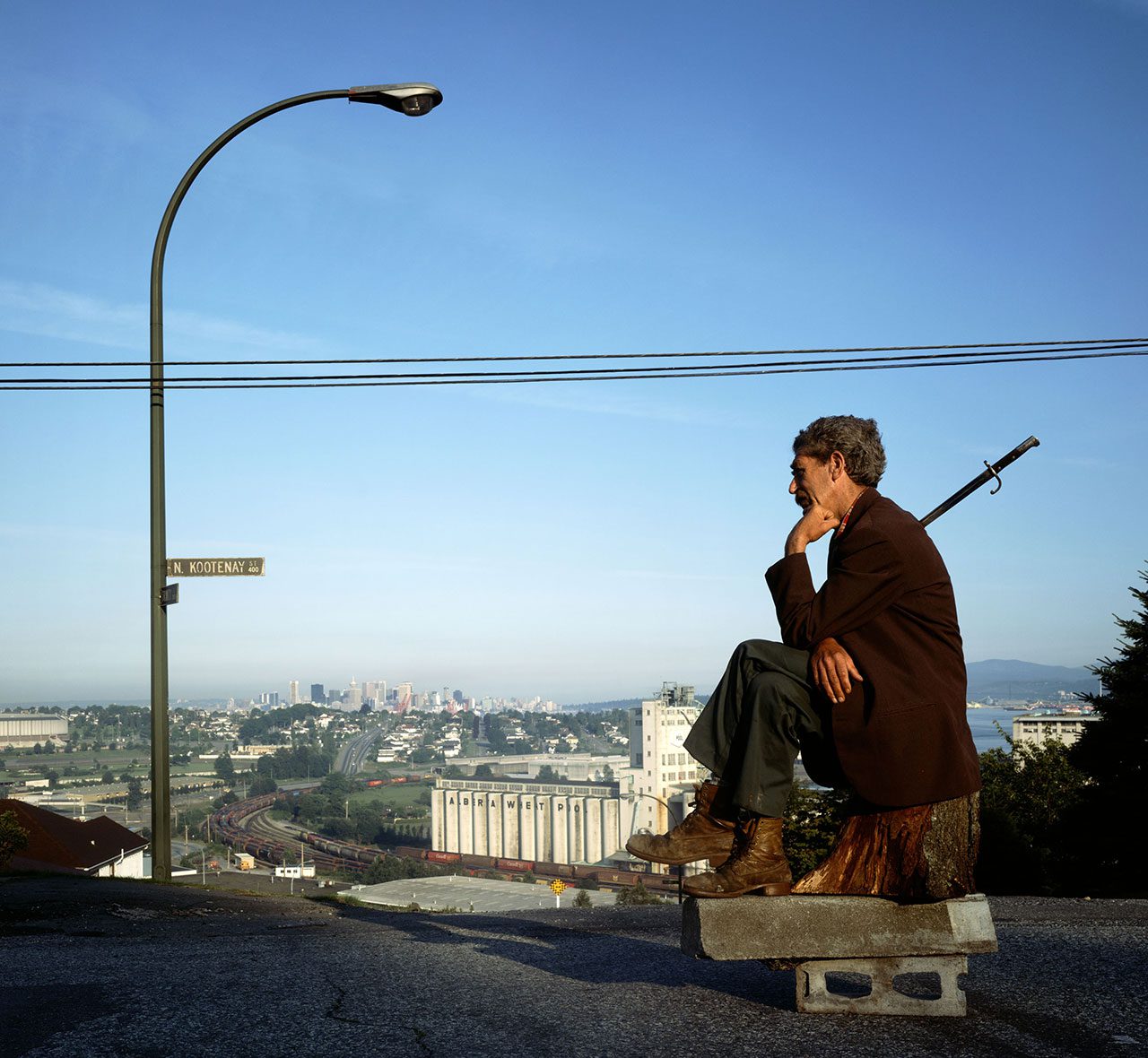
Photo: Jeff Wall, The Thinker, 1986 , transparency in lightbox 211 x 229 cm, © & Courtesy the artist
Info: Info: Curator: David Campany, Gallerie d’Italia – Turin, Piazza San Carlo 156, Turin, Italy, Duration: 9/10/2025-1/2/2026, Days & Hours: Tue, Thu-Sun 9:30-19:30, Wed 9:30-20:30, www.gallerieditalia.com
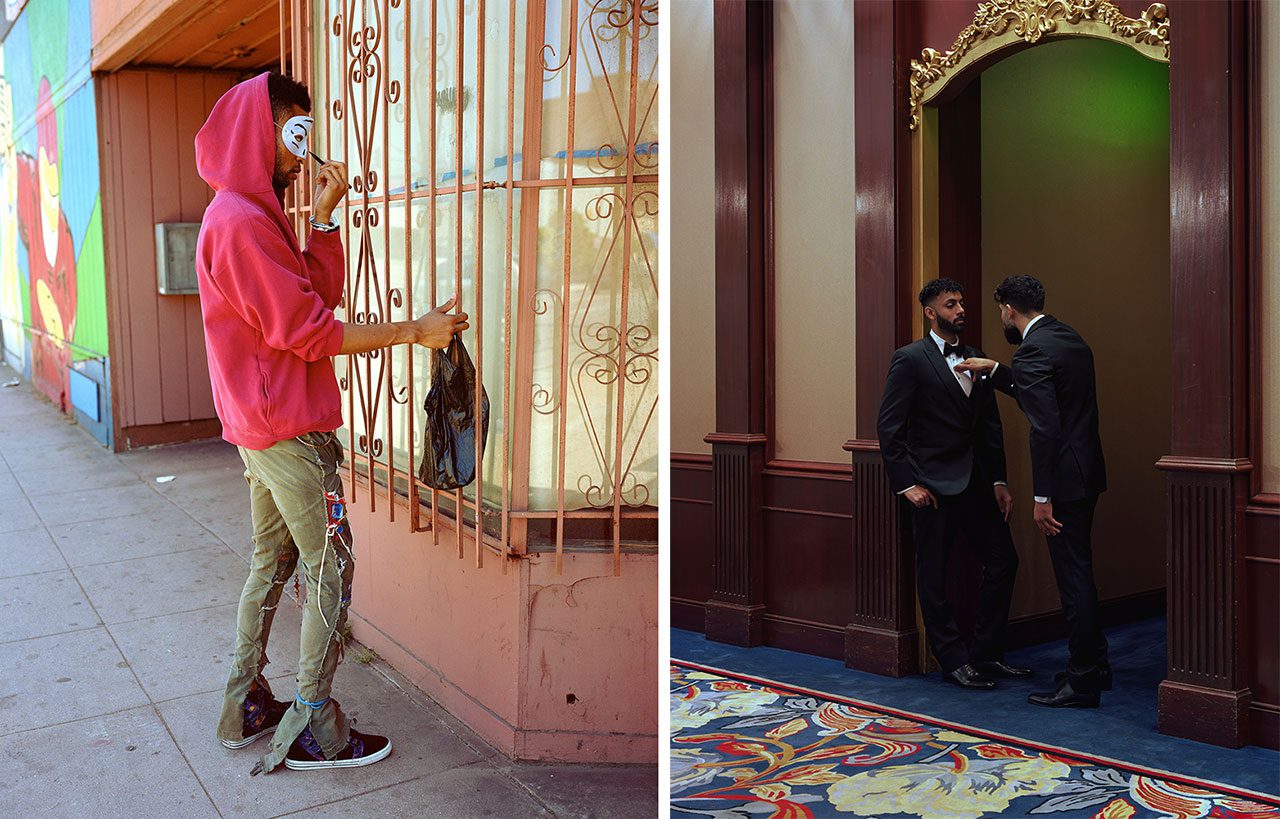
Right: Jeff Wall, Event , 2021, inkjet print, 223.2 x 168.5 cm, © & Courtesy the artist