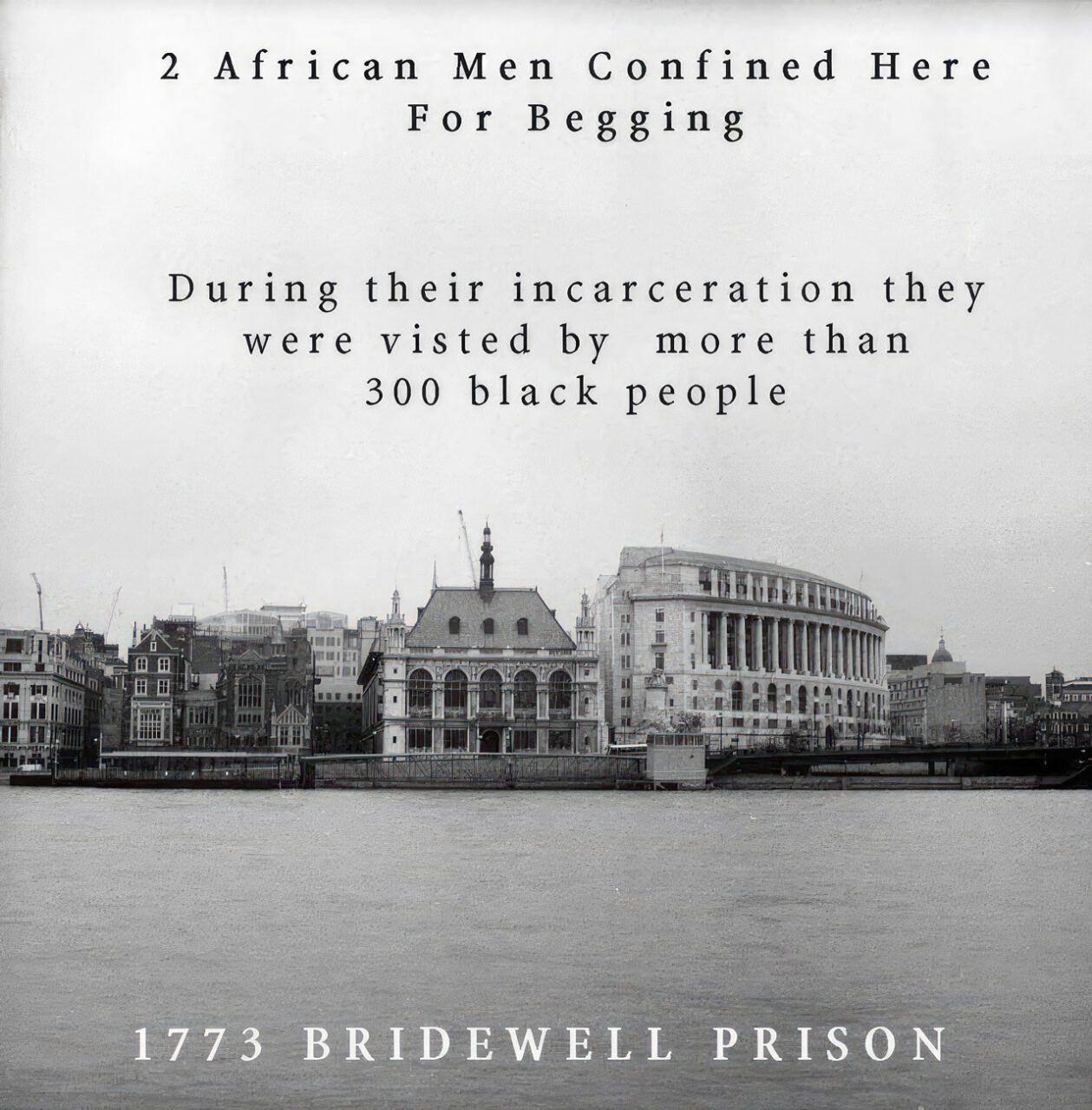
PHOTO: Joy Gregory-Catching Flies with Honey
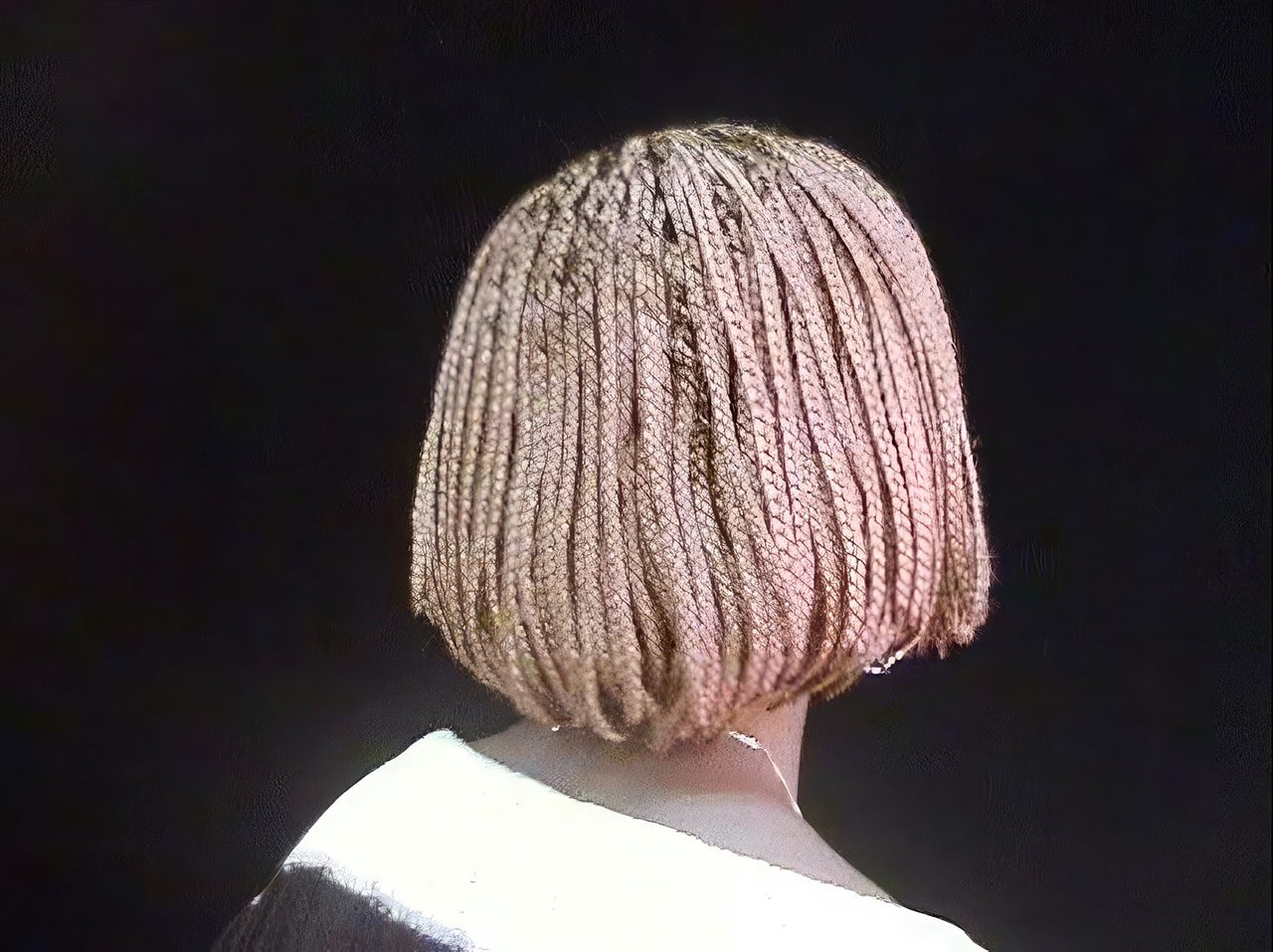
Joy Gregory has developed a practice focused on social and political issues, especially regarding history and cultural differences in modern society. As a photographer, she makes extensive use of various media, including video, digital and analog photography, and Victorian printing techniques. In 2002, Gregory received the NESTA Fellowship, which gave her the time and freedom to research a major project on language endangerment.
By Dimitris Lempesis
Photo: Joy Gregory Archive
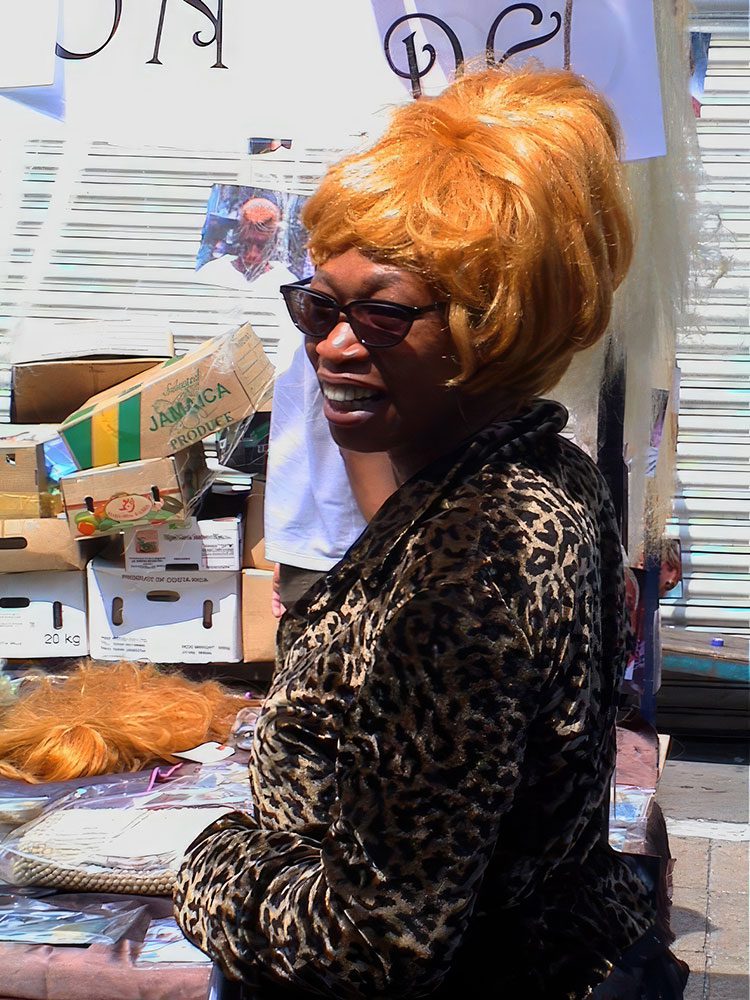
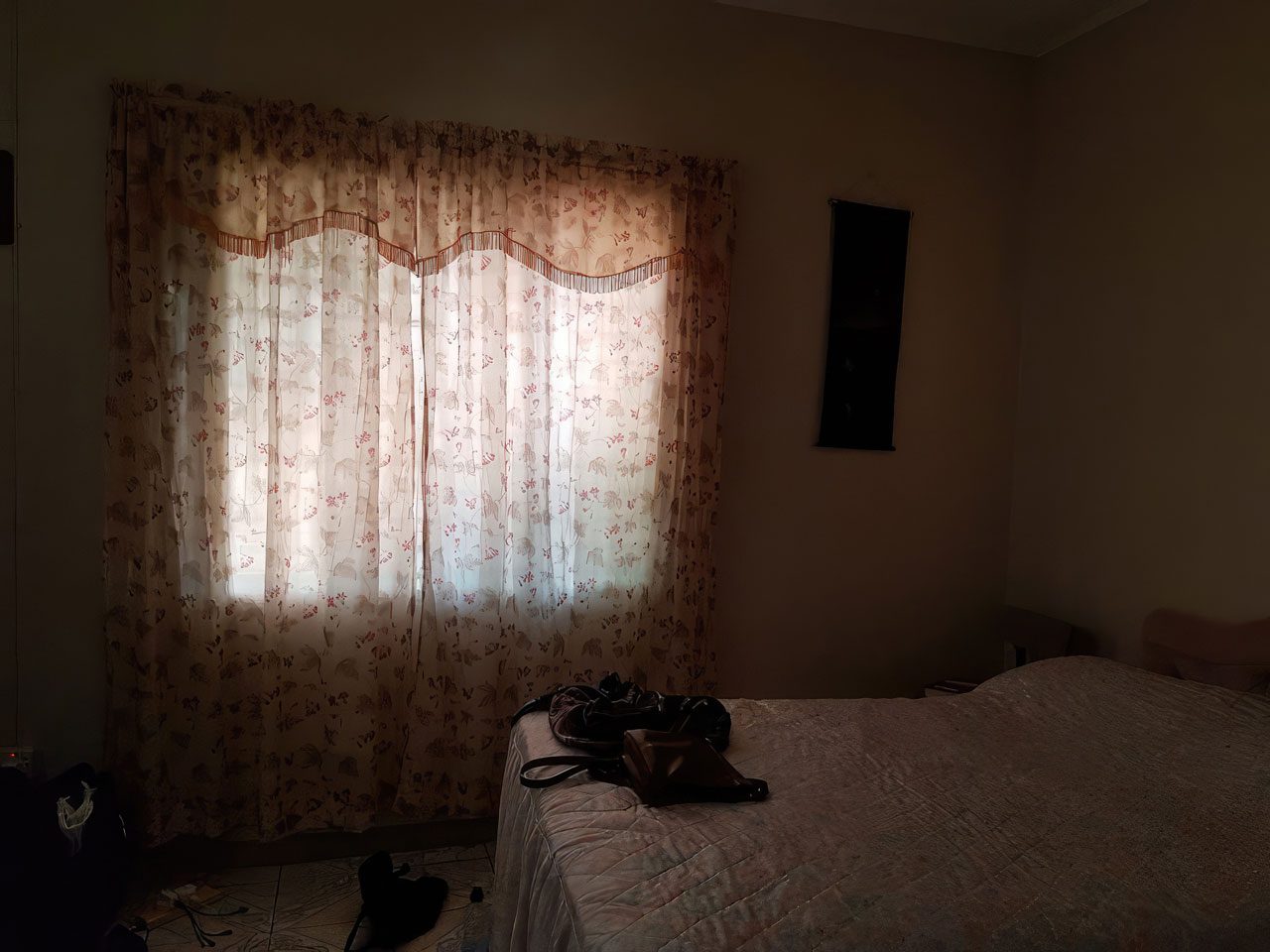
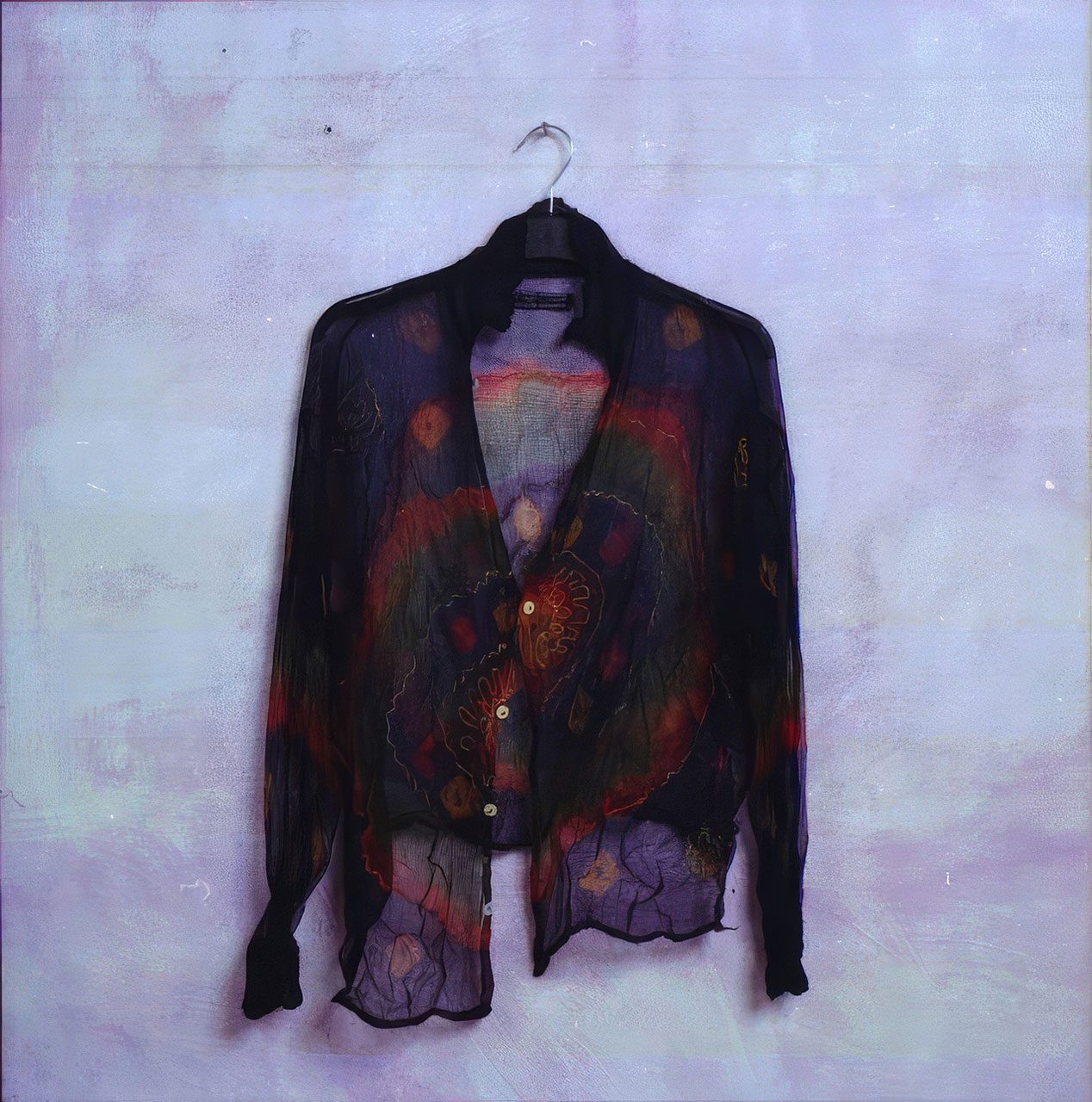
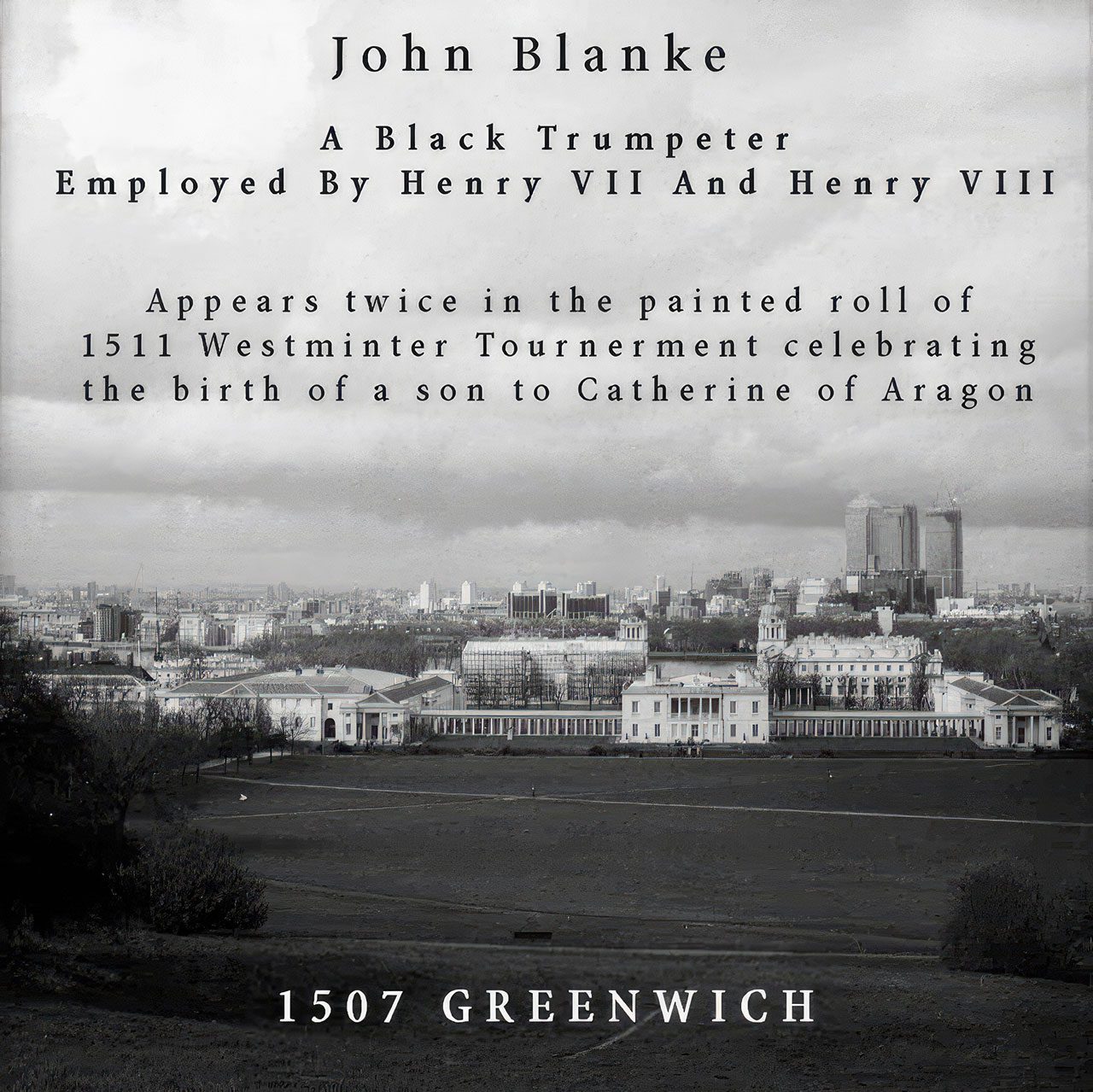
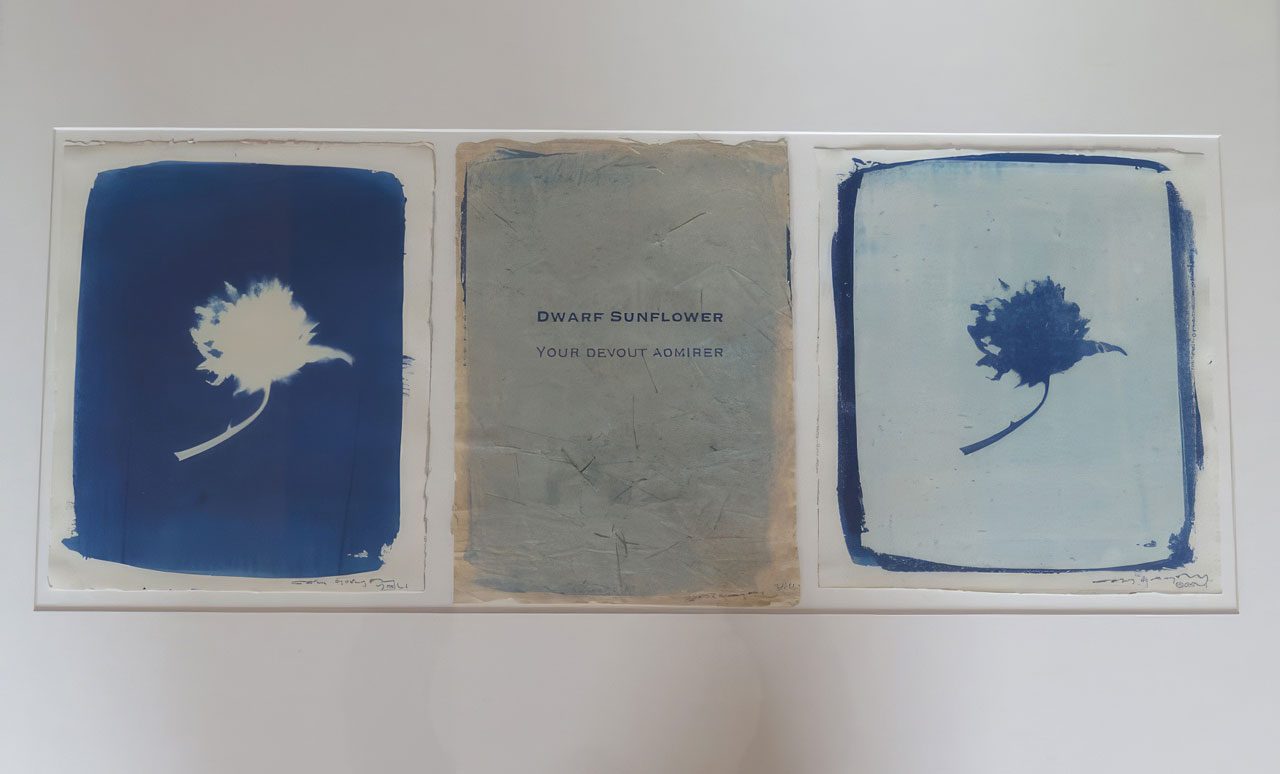
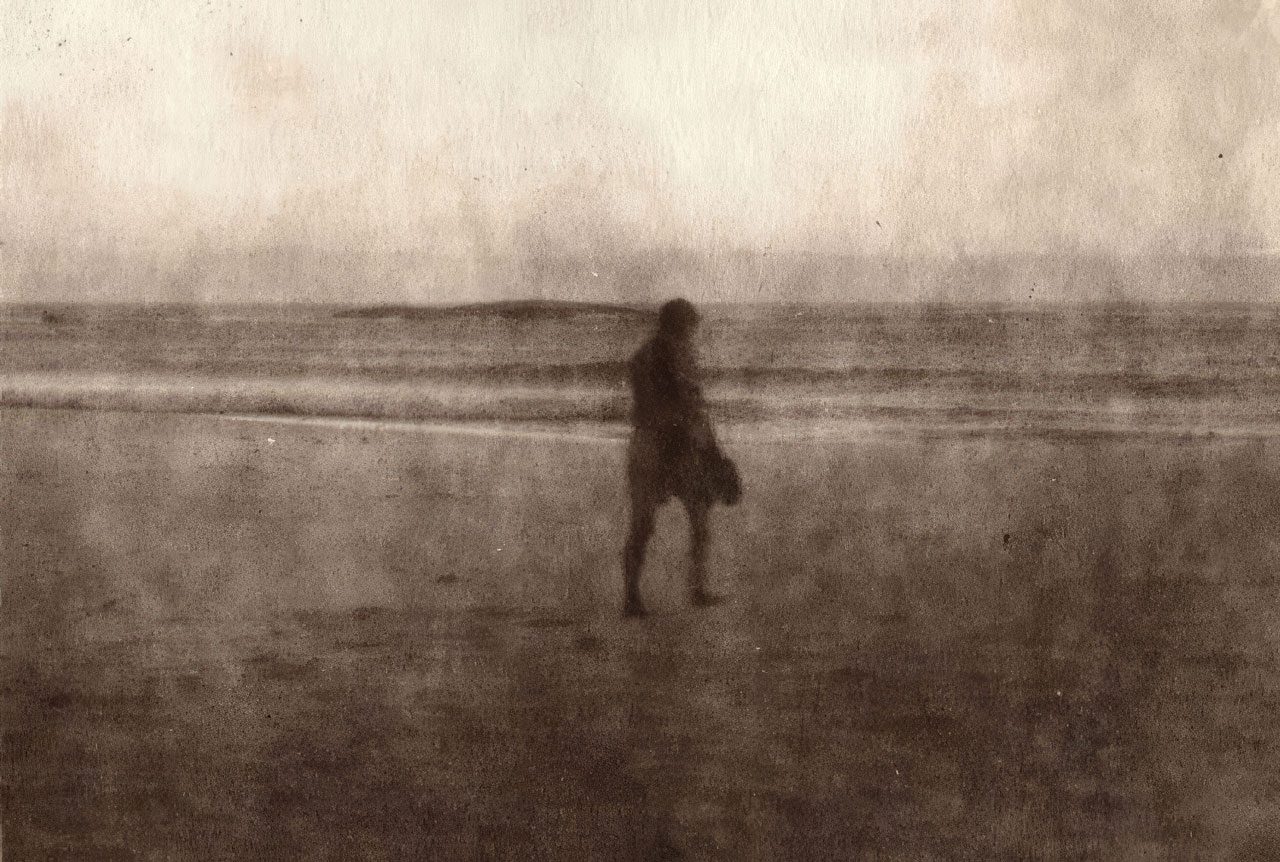
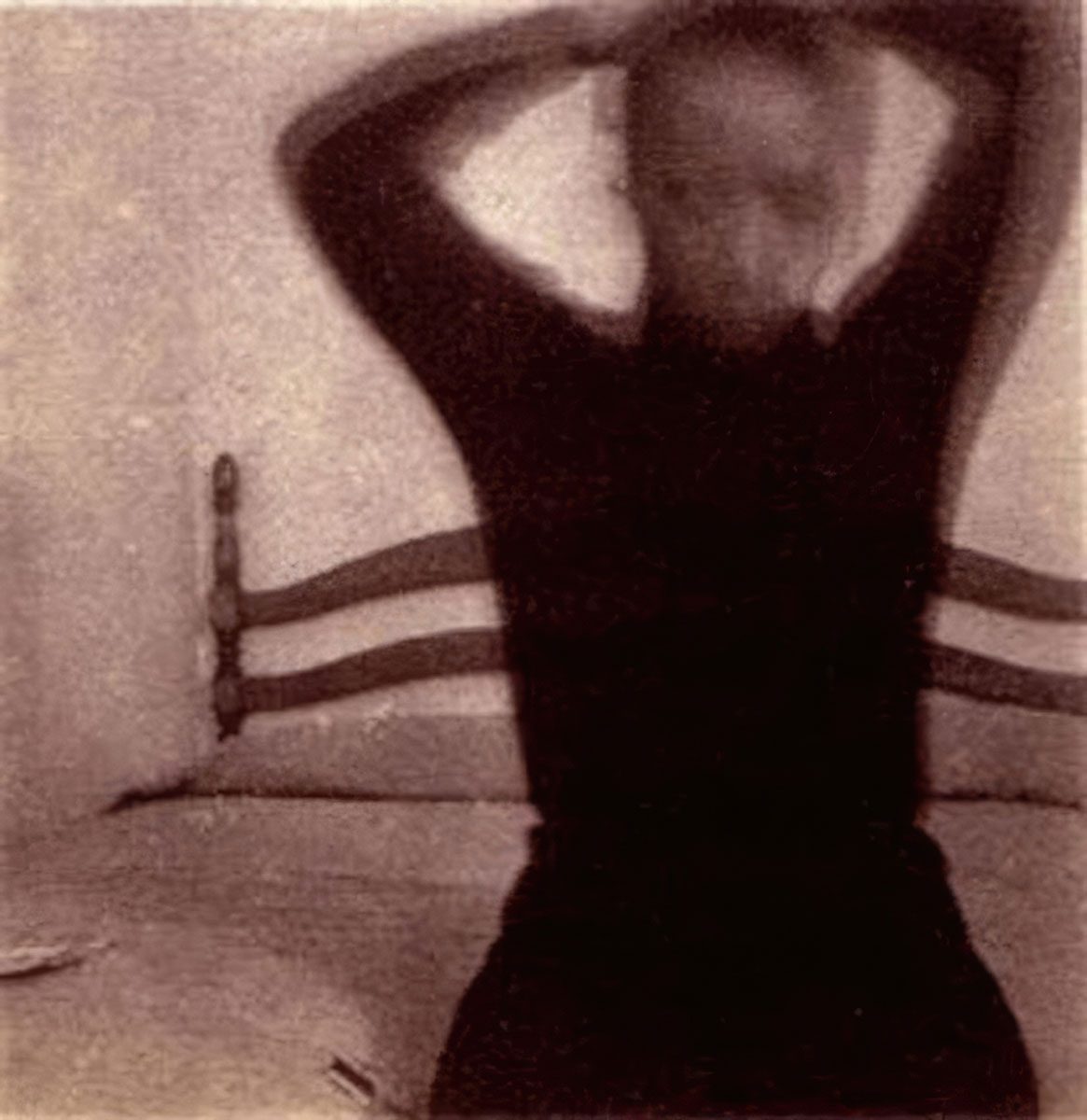
“Catching Flies with Honey” marks the first major survey exhibition of Joy Gregory — winner of the eighth annual Freelands Award and one of the UK’s most pioneering and influential artists working with photography today. Spanning over four decades of artistic innovation, this landmark exhibition assembles more than 250 works encompassing photography, film, installation and textiles. Together, they chart Gregory’s inventive, materially rich and culturally resonant practice — one that has profoundly shaped contemporary photographic art both in Britain and internationally since the early 1980s. Employing visual seduction as a point of entry into complex narratives, Gregory invites viewers into deeper dialogues around identity, history, race, gender and beauty. Her art challenges reductive expectations of what Black or feminist practice might look like, instead advocating for nuance, empathy and layered meaning. Working across a spectrum of techniques — from Victorian photographic processes such as cyanotypes and kallitypes to digital media, performance and textiles — Gregory expands the material and conceptual boundaries of photography. Her works are both poetic and political, their quiet power encouraging reflection on representation, power structures and cultural memory. The exhibition’s title draws from the proverb “You catch more flies with honey than with vinegar”, a phrase often used by Gregory’s mother. It encapsulates the artist’s belief in art as political “with a small p”: persuasive through beauty, intimacy and wit rather than confrontation. The exhibition opens with Gregory’s formative self-portraits, which establish enduring themes of visibility, erasure and self-definition — the ongoing act of asserting identity against social and cultural stereotypes. In “Autoportrait” (1990), cropped images of Gregory’s own features — lips, eyes, hands, fragments of her face — explore how beauty and identity are mediated through the camera’s gaze. “The Honeymoon Project” (1990–1992) turns the lens inward, using intimate imagery to reflect on personal longing, introspection and emotional depth. Her series “Women and Space” (1987–1999) positions the female figure within domestic interiors, anticipating Gregory’s later interest in the relationship between place, identity and narrative. Gregory’s fascination with the social construction of femininity is evident in works such as “Objects of Beauty” (1992–1995), “The Handbag Project” (1998– ), and “Girl Thing” (2002–2004). In “Girl Thing”, delicate objects of adornment — silk bras, corsets, handkerchiefs — are transformed into cyanotypes, their ghostly blue silhouettes questioning how femininity is encoded and commodified through the everyday. Gregory’s witty and incisive treatment of such motifs reclaims the aesthetics of beauty as a site of empowerment and critique.
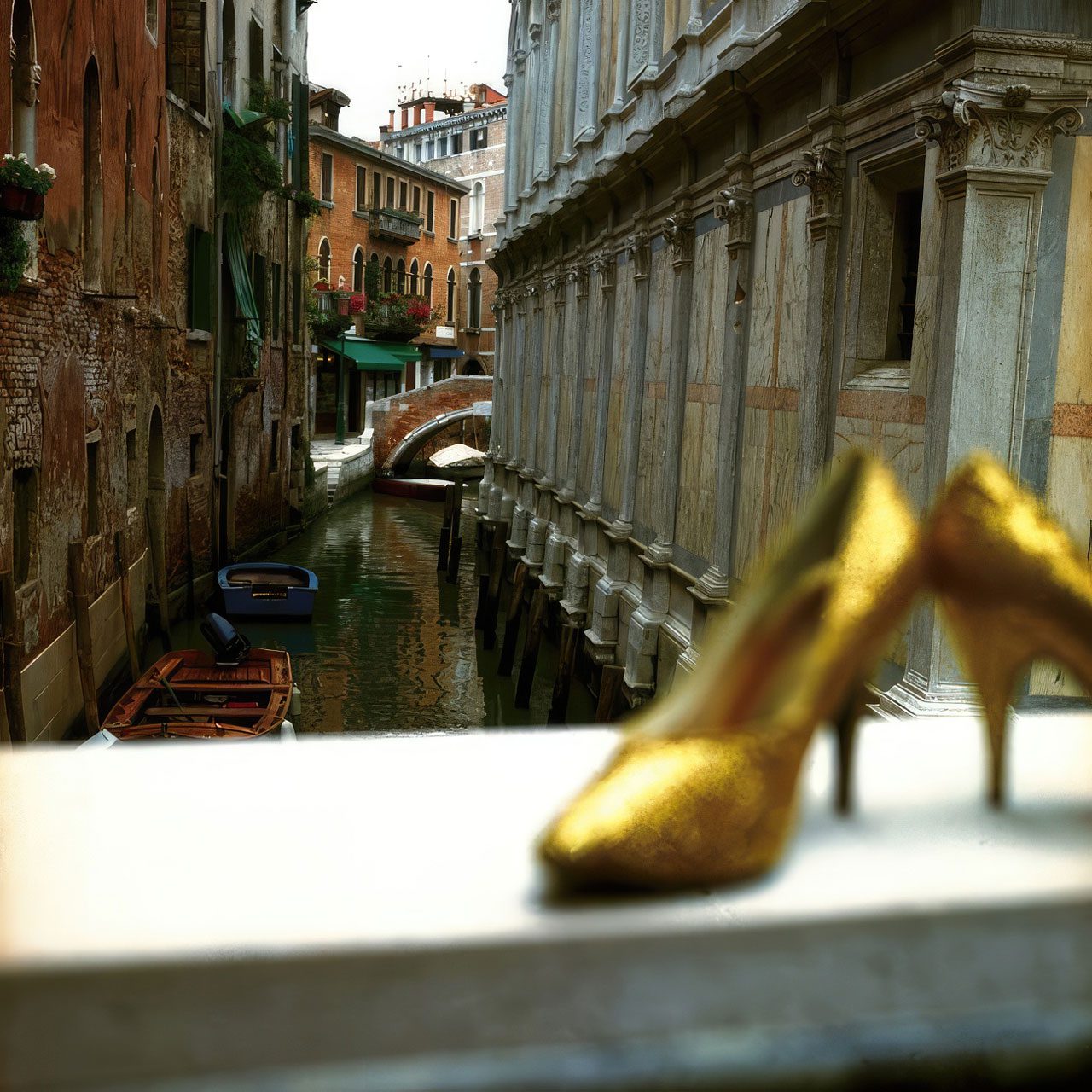
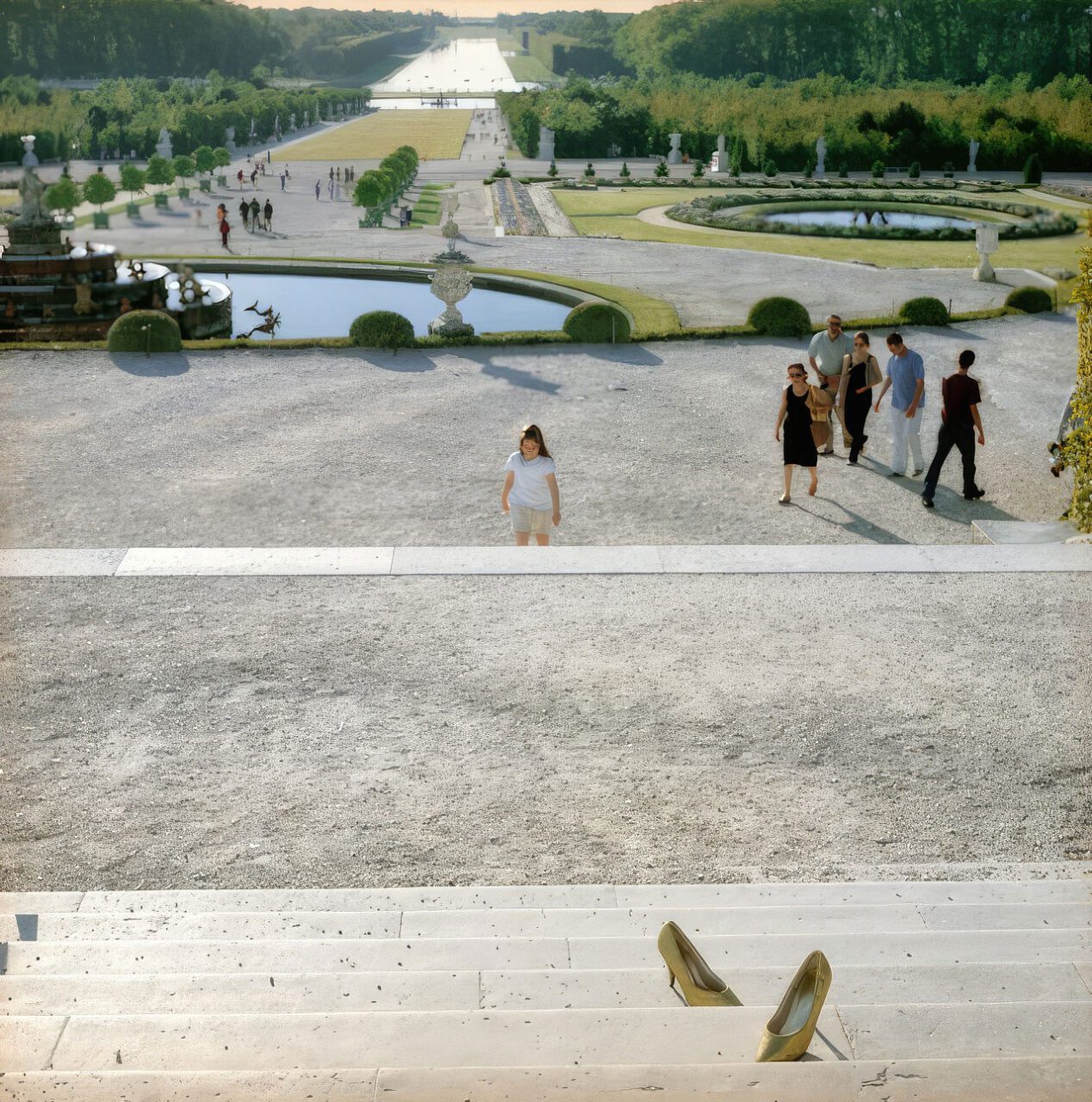
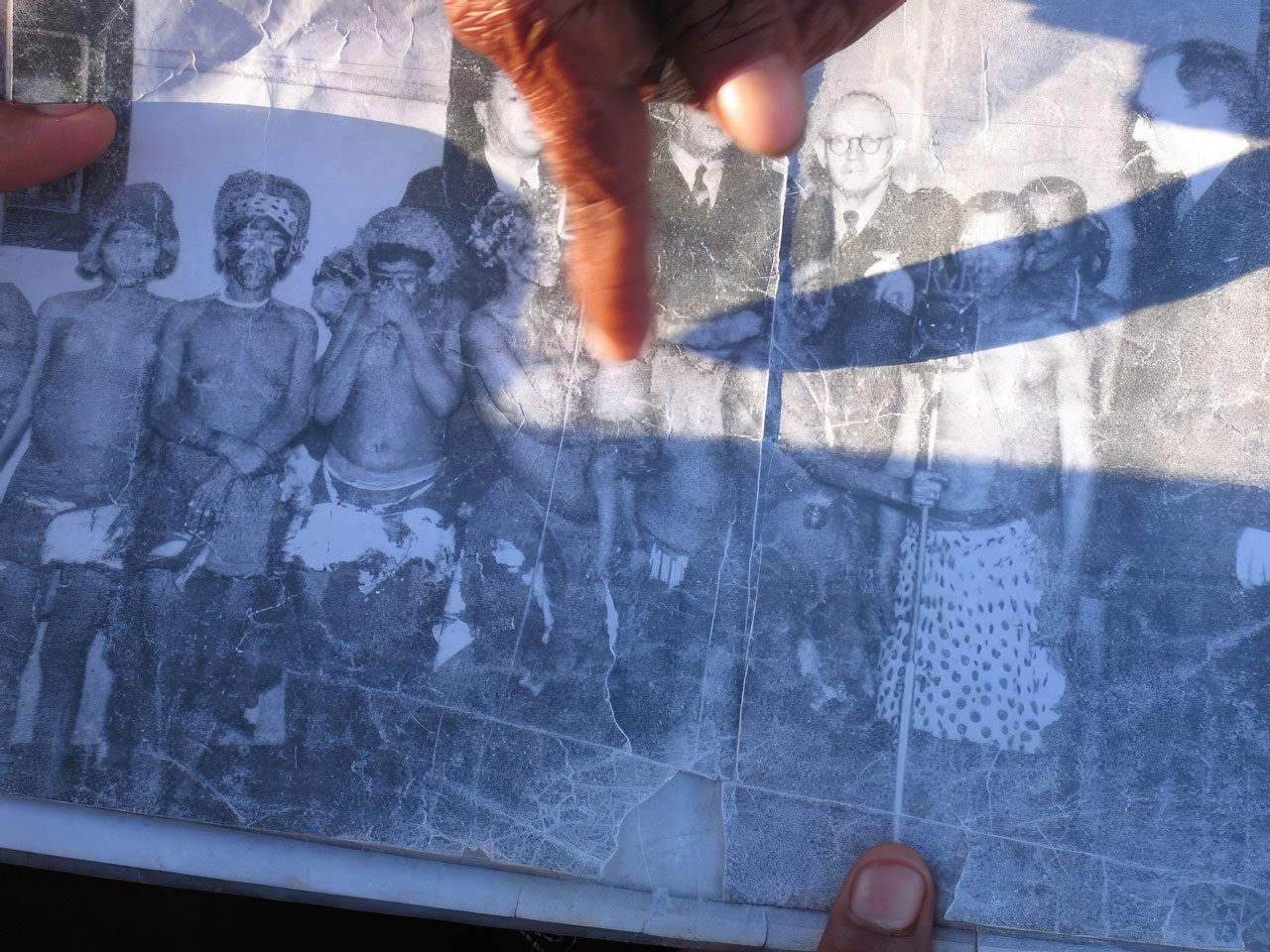
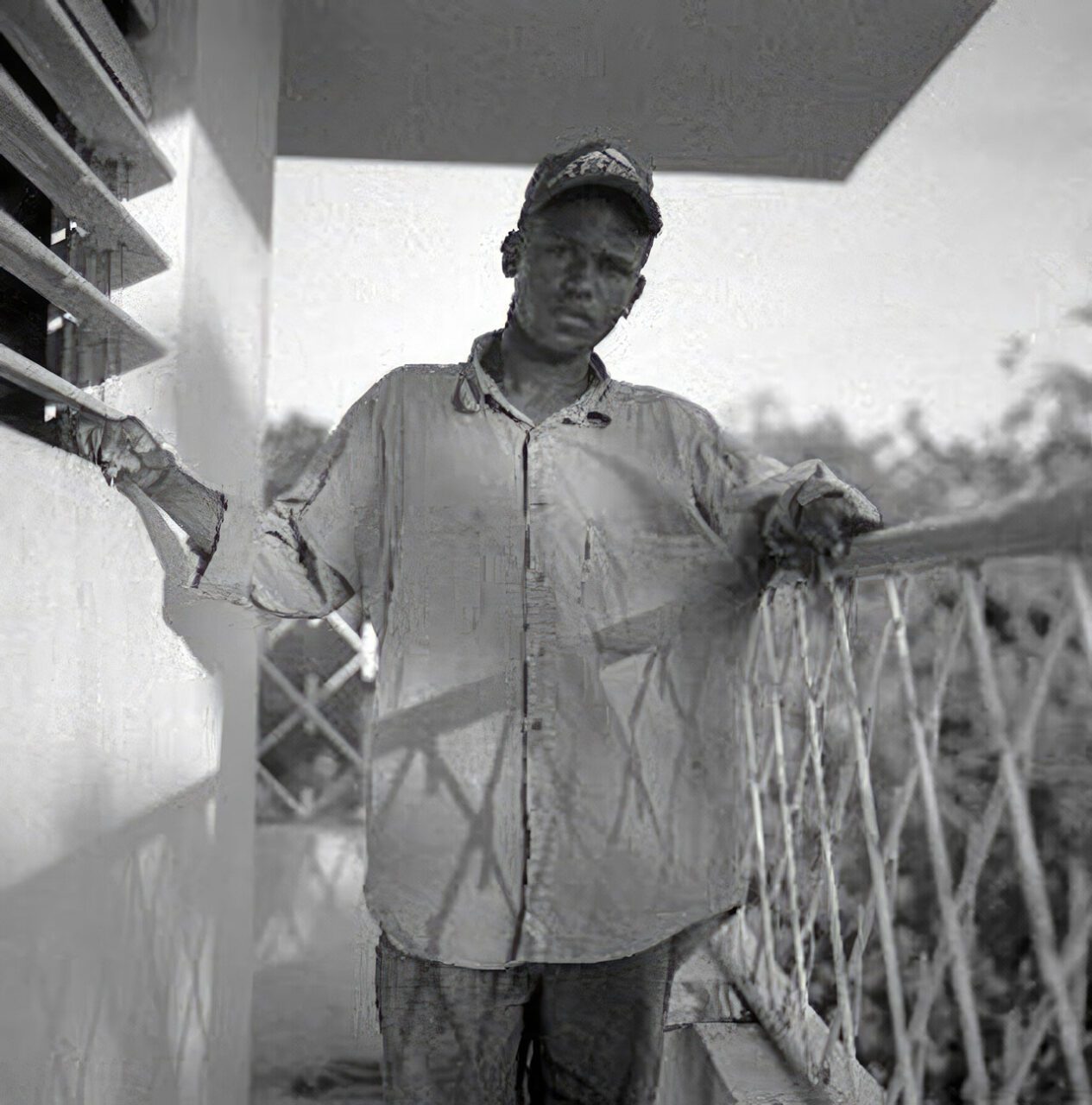
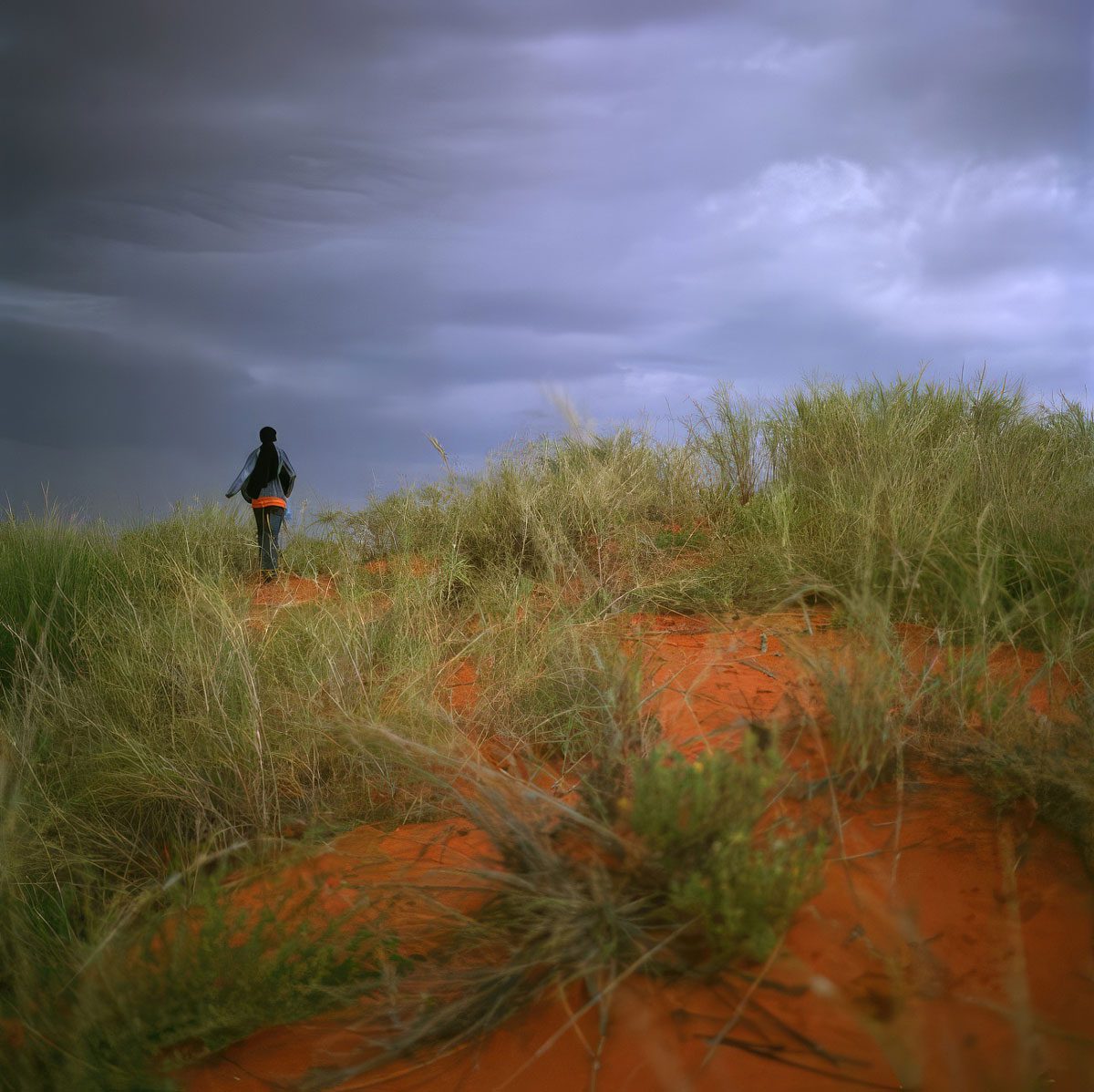
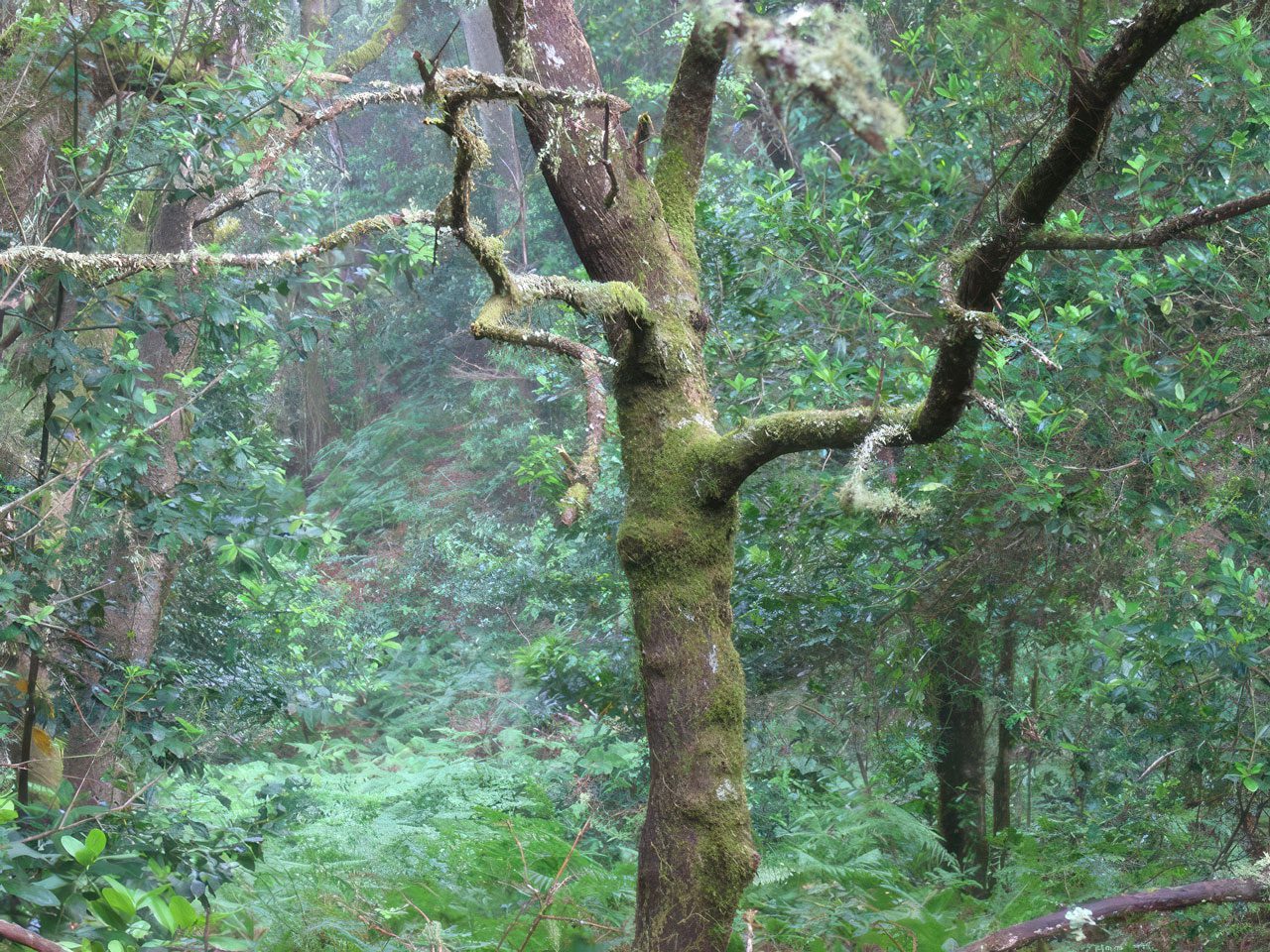
Created during a 2004 residency at the Lunuganga Estate in Sri Lanka — once the home of architect Geoffrey Bawa — Gregory’s photographic series “The Gardens”, “”The Gardeners”, “Interiors” and “Scanned Plants” capture an atmosphere of stillness and reflection. Made in the wake of her father’s death, these meditative works convey solitude, grief and renewal amid lush, tropical surroundings. In “I’m Home” (2018), Gregory explores belonging, domesticity and migration, focusing on cherished family spaces and objects. Rooted in the diasporic experiences of her Jamaican-born parents, the series offers a poignant meditation on what it means to find — or forge — a sense of home. A gallery is devoted to Gregory’s celebrated project “The Blonde” (1997–2010), a playful yet incisive examination of racialised ideals of beauty. The installation — comprising film, photography and archival material — dissects the mythology of the “blonde” in Western culture, from celebrity icons to synthetic bottle-blondes, exposing the absurdities and exclusions embedded in these ideals. In “Cinderella Tours Europe” (1998–2001), a pair of golden slippers journey through Europe’s grand landmarks, echoing the fantasy of the “Grand Tour”. Conceived after conversations in the Caribbean, the work uses the slippers as symbols for the formerly enslaved and colonised, whose access to such spaces remains metaphorically denied. Gregory’s ambitious multimedia works “Memory and Skin” (1998) and “Seeds of Empire” (2021) trace the entangled histories between Europe and the Caribbean. The latter, created with composer Philip Miller, weaves still and moving images, text, sound and music to interrogate the legacy of Sir Hans Sloane, whose 17th-century Jamaican collections underpin major British institutions such as the British Museum. This dialogue continues in the embroidered and printed textile “The Sweetest Thing” (2020), which draws on Gregory’s extensive research into colonial trade, enslavement and cultural exchange. The exhibition also premieres Gregory’s newly commissioned film, shot in the Kalahari Desert, South Africa. Developed over twenty years in collaboration with the San People, this profound work extends her investigation into language, landscape and resilience, underscoring her sustained engagement with community and cultural memory. As a dynamic complement to the main exhibition, the participatory installation “Fierce and Fearless” (2022) invites visitors into “a tented environment of comfort and joy”. Featuring a marquee inscribed with mythic characters, the project functions as a living space for storytelling, workshops and collective reflection — embodying Gregory’s commitment to art as a social and transformative encounter. Across every medium, Joy Gregory’s art combines conceptual rigour with visual seduction, inviting audiences to look — and think — differently. “Catching Flies with Honey” celebrates not only an extraordinary artistic career, but a lifelong pursuit: the creation of beauty as a form of intelligence, empathy and resistance.
Photo: Joy Gregory, © & Courtesy the artist
Info: Whitechapel Gallery, 77 – 82 Whitechapel High Street, London, United Kingdom, Duration: 8/10/2025-1/3/2026, Days & Hours: Tue=Wed & Fri-Sun 11:00-18:00, Thu 11:00-21:00, www.whitechapelgallery.org/