
TRAVELER’S DIARY: Highlighting Contemporary Art Exhibitions in Vienna
A few days in Vienna are never enough to fully explore the city’s extraordinary cultural wealth. Vienna’s contemporary art scene is vibrant and influential, making the selection of exhibitions below an exciting but difficult task among the multitude of art events unfolding in this aristocratic capital of Europe. Our art tour begins at Galerie Martin Janda with the group show “And tell us how to save us from ourselves”, part of the curated festival 2025 – Fragmented Subjectivity, which features international curators and is about to conclude. Not far from there we continue to MUMOK for a special exhibition of Japanese artist Kazuna Taguchi’s , titled “I’ll never ask you”, an evocative investigation of the female body through painting and photography. Finally, we end our tour at the Albertina Museum, where two remarkable exhibitions await: “Identities” by Jitka Hanzlová, one of today’s leading contemporary photographers reflecting on themes of exile and belonging, and a compelling retrospective of Brigitte Kowanz, titled “Light is what we see”, dedicated to illuminating this intangible force through art.
By Valia S. Katsimpa
Photo: Valia S. Katsimpa’s Archive
Galerie Martin Janda “And tell us how to save us from ourselves”
The exhibition “And tell us how to save us from ourselves” at Galerie Martin Janda, part of “curated by 2025 – Fragmented Subjectivity” in Vienna, features works by Anna K.E., Linnéa Sjöberg, and Sally von Rosen, curated by Tessa Praun. Inspired by a line from Lawrence Ferlinghetti’s poem “To the Oracle at Delphi” (2001), it investigates themes of identity, self-reflection, and fragmentation in contemporary life. Anna K.E.’s video “Peripheral Monday” (2020) explores the tension between physical and digital selves through intimate self-portraiture, alongside sculptural ballet bars embedded with marzipan texts symbolizing the moldability of the body. Linnéa Sjöberg presents extensive performative works examining persona shifts from businesswoman to tattoo artist, preserving ephemeral identities through clothing-based artworks and a textile tapestry reflecting generational heritage. Sally von Rosen’s hybrid sculptures like “Mrs. Sphere” (2023) embody fragmentation and transformation inspired by Plato’s myth of human love. Tessa Praun contextualizes these works as deeply relevant to the exhibition’s theme of fragmented subjectivity, addressing the challenge of maintaining selfhood amid the overwhelm of contemporary culture. The show highlights the quest for meaning in a fractured world through artistic self-exploration and reinvention.
Info: Curator: Tessa Praun, Galerie Martin Janda, Eschenbachgasse 11, 1010 Vienna, Austria, Duration: 5/9-4/10/2025, Days & Hours: Tue-Fri 11:00-18:00, Sat 11:00-16:00, www.martinjanda.at/
Kazuna Taguchi “I’ll never ask you”
Mumok presents the first solo exhibition of Japanese artist Kazuna Taguchi, who has been living in Vienna since 2013. In her black-and-white photographs, she captures fragments of bodies and gazes that evoke the surrealist tradition, exploring the photographic representation of the female body. Her enigmatic images, sometimes phantomic or imbued with a sense of yūgen, move between appearance and vanishing. The museum’s all-white walls enhance this borderline sensation, highlighting the transcendent nature of her work. Her work is based on an analog process that merges painting and photography. The artist paints images, photographs them in various settings, and then manipulates them in the darkroom, incorporating elements of chance. The multiple layers and continuous interventions create rich textures and narrative spaces, which she likens to a painter’s persistent return to her easel.
Info: Curator: Heike Eipeldauer, mumok (museum moderner kunst stiftung ludwig wien), Museumsplatz 1, Vienna, Austria, Duration: 13/6-16/11/2025, Days & Hours: Tue-Sun 10:00-18:00, www.mumok.at/
Brigitte Kowanz “Light is what we see”
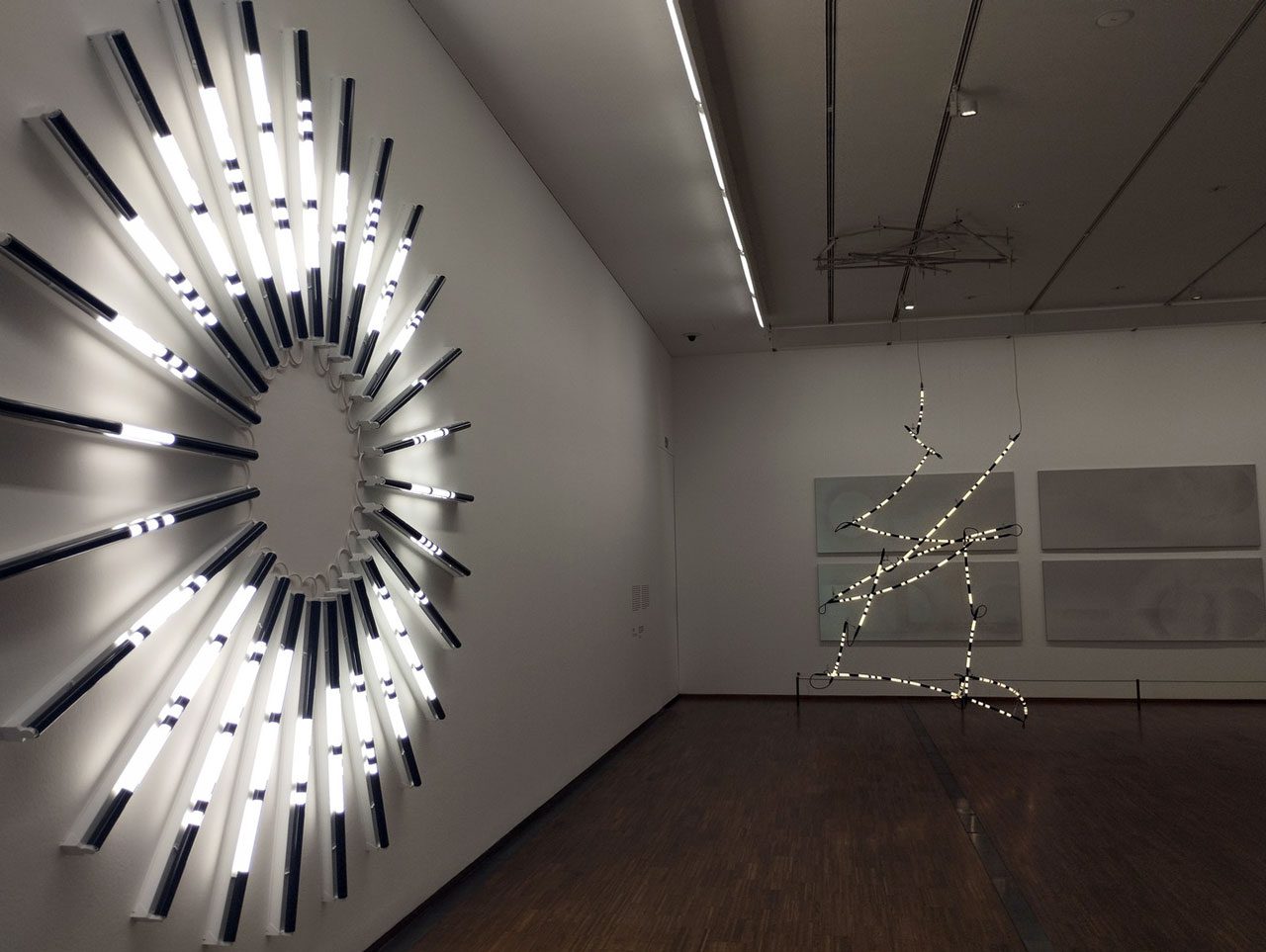
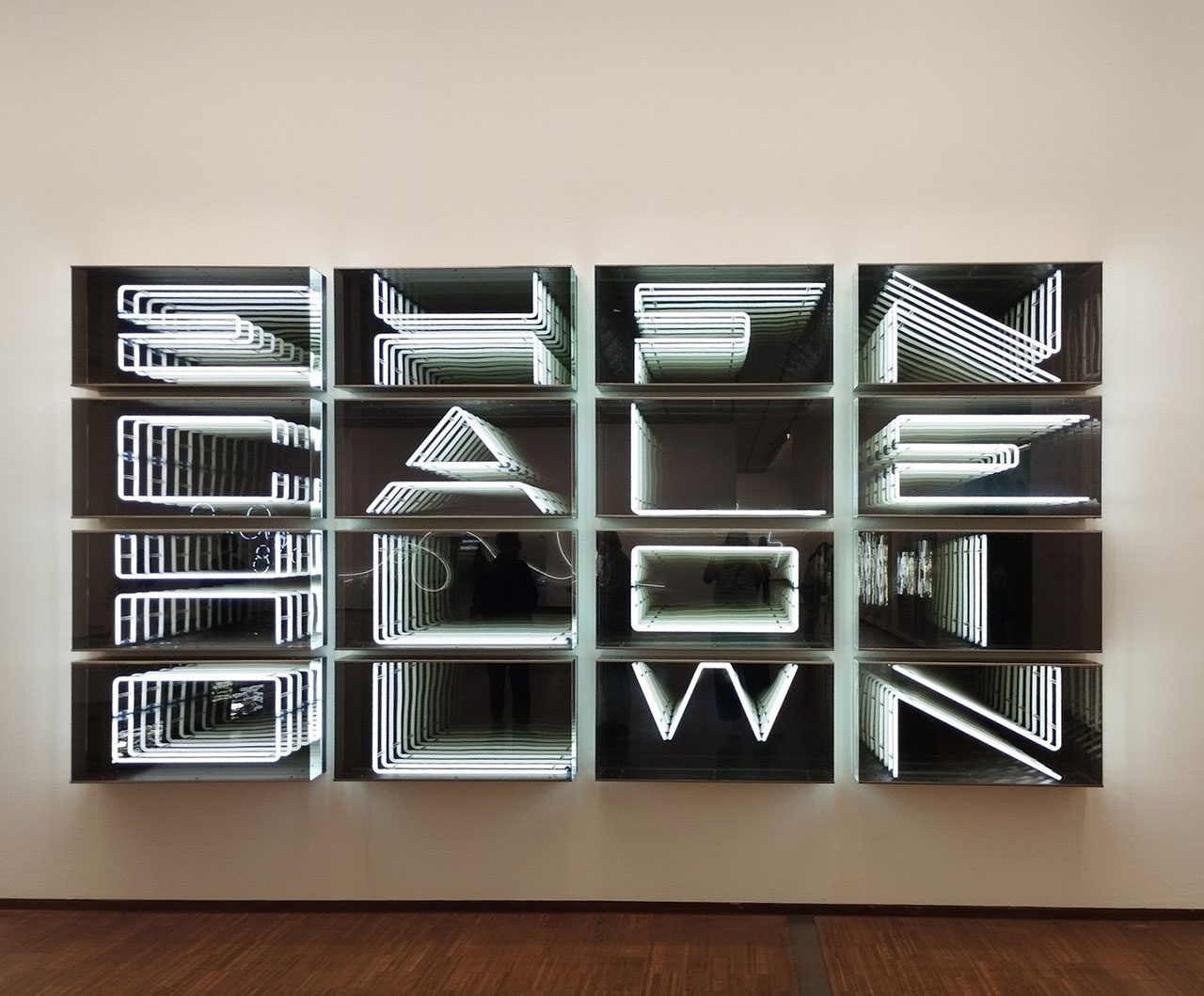
Brigitte Kowanz’s artistic exploration centers on the elemental question, “What is light?” Her response, “Light is what we see,” encapsulates the paradox of light’s invisibility despite making everything visible. This core idea runs through her oeuvre from the 1980s onward and forms the basis of a major retrospective at the Albertina Museum in Vienna, running from July to November 2025. Her work emphasizes light’s ephemerality, boundlessness and immateriality, transforming light into both medium and message. Kowanz uses mirrors, projections and various light sources such as neon, LEDs and black lights to create environments where light is infinitely reflected or revealed, producing immersive spatial experiences. Key pieces like :Morsealphabet” and “Email 02.08.1984 03.08.1984” poetically address the evolution of communication technologies and the digitization and virtualization of contemporary society. Kowanz’s installations often dismantle spatial boundaries through mirrored surfaces and luminous objects, embodying themes of transparency, immateriality and the endless possibilities of light. Her work transcends physical form and invites viewers to engage with light as a universal metaphor for life, language and understanding. This retrospective uniquely reveals her pioneering role in contemporary art’s intersection with light, language and technology.
Info: The Albertina Museum, Albertinapl. 1, , Vienna, Austria, Duration: 17/8-9/11/2025, Days & Hours: daily 10:00-18:00, Wed & Fr. 10:00-21:00, www.albertina.at/
Jitka Hanzlová “Identities”
Jitka Hanzlová (b. 1958) is a renowned contemporary Czech photographer whose work explores identity, exile, homeland and the changing relationship between people and their environments. After fleeing the communist regime in Czechoslovakia in 1982, she settled in West Germany and studied photography in Essen. Her early series “Rokytník” (1990–1994) reflects her return to her native village, portraying residents caught between socialist past and democratic future, laying the foundation for her artistic interrogation of belonging. Her work spans urban portraiture and nature, marked by sensitivity and formal rigor. In “Female” (1997–2000), she photographed women she encountered in global cities, capturing direct interactions that emphasize individuality and social identity. In “Water” (2013–2019), she explores different states of water, including clouds and frozen glaciers, with a growing ecological focus. These photographs balance concrete detail with abstract forms and represent a holistic examination of nature’s evolving impact on human existence.Hanzlová’s subtle, poetic imagery communicates the tension between closeness and distance, often addressing how environments shape personal and collective identities. Her photography has received significant international recognition, including important awards and exhibitions worldwide. Her first museum exhibition in Austria at the Albertina presents ten key series, highlighting profound reflections on European identity shaped by cultural and political shifts since the Cold War. Her oeuvre offers a nuanced meditation on exile, memory, environmental change and the complex layers of identity, making her one of the most important photographers of our time.
Info: Curator: Walter Moser, The Albertina Museum, Albertinapl. 1, Vienna, Austria, Duration: 11/7-26/10/2025, Days & Hours : Mon-Tue, Thu & Sat-Sun 10:00-18:00, Wed & Fri 10:00-21:00, www.albertina.at/

Cover photo: Brigitte Kowanz, Morse Alphabet,1998, fluorescent tubes, plexiglass tubes, enamel paint, © Brigitte Kowanz, Photo: © & Courtesy Valia S. Katsimpa
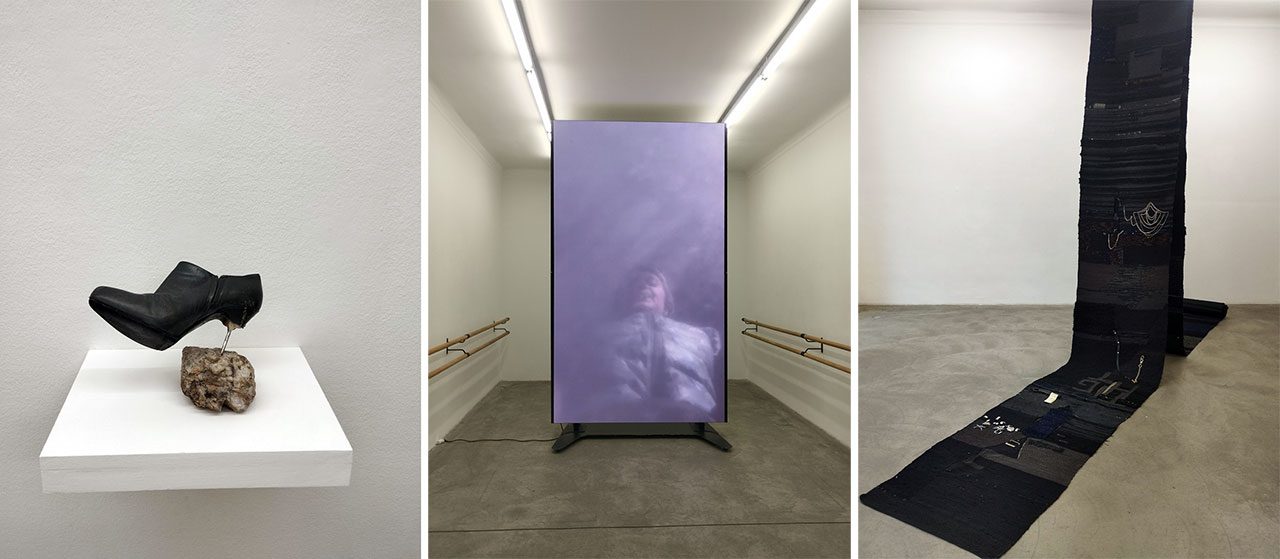
Center: Anna K.E., Peripheral Monday (2020) installation, oversized LED-Screen, video, sound, 52 min & 0051 sec, loop, © Anna K.E., Photo: © & Courtesy Valia S. Katsimpa
Right: Linnéa Sjöberg, Four Generations of Darkness, 2016, weave of clothes from childhood home, © Linnéa Sjöberg, Photo: © & Courtesy Valia S. Katsimpa
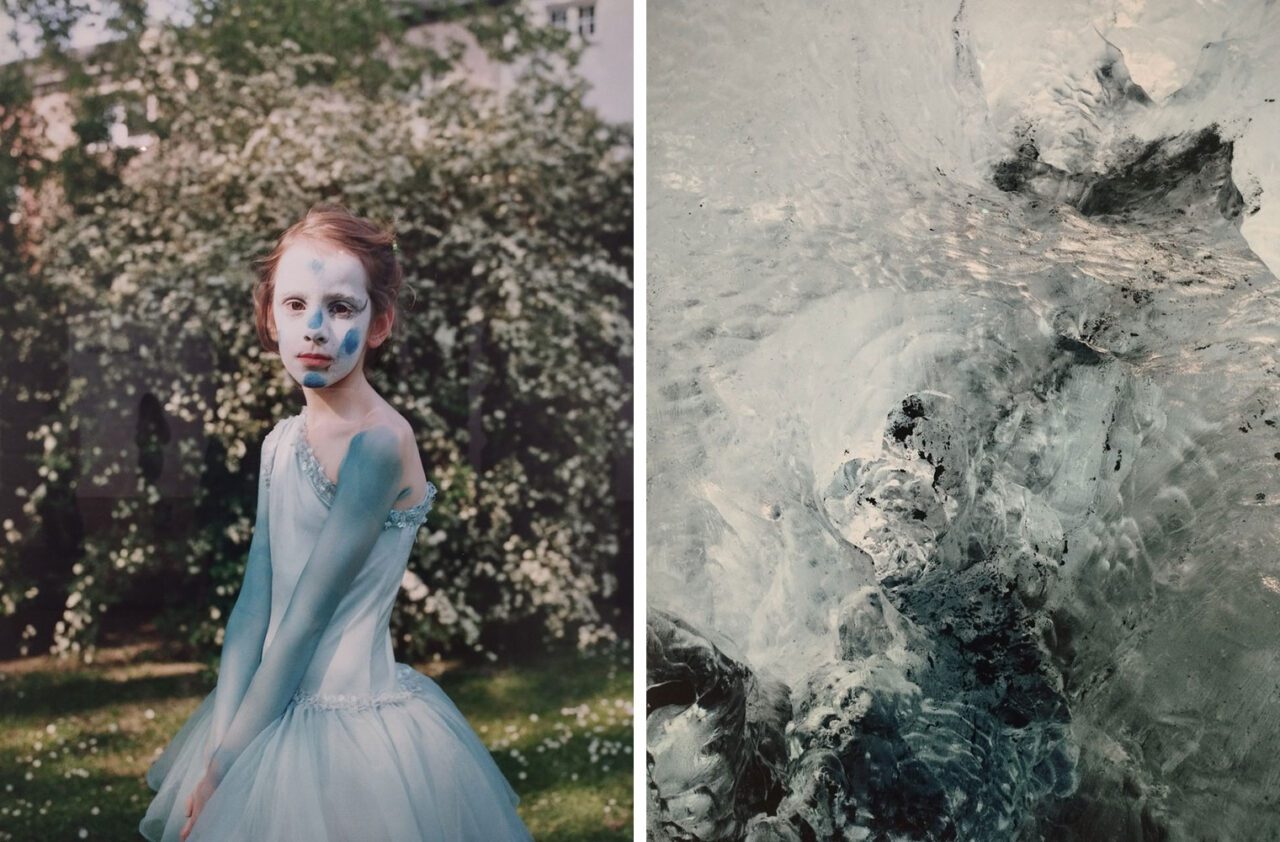
Right: Jitka Hanzlová, “WATER”, 2013-2019, Original C-Print © Jitka Hanzlová, Photo: © & Courtesy Valia S. Katsimpa
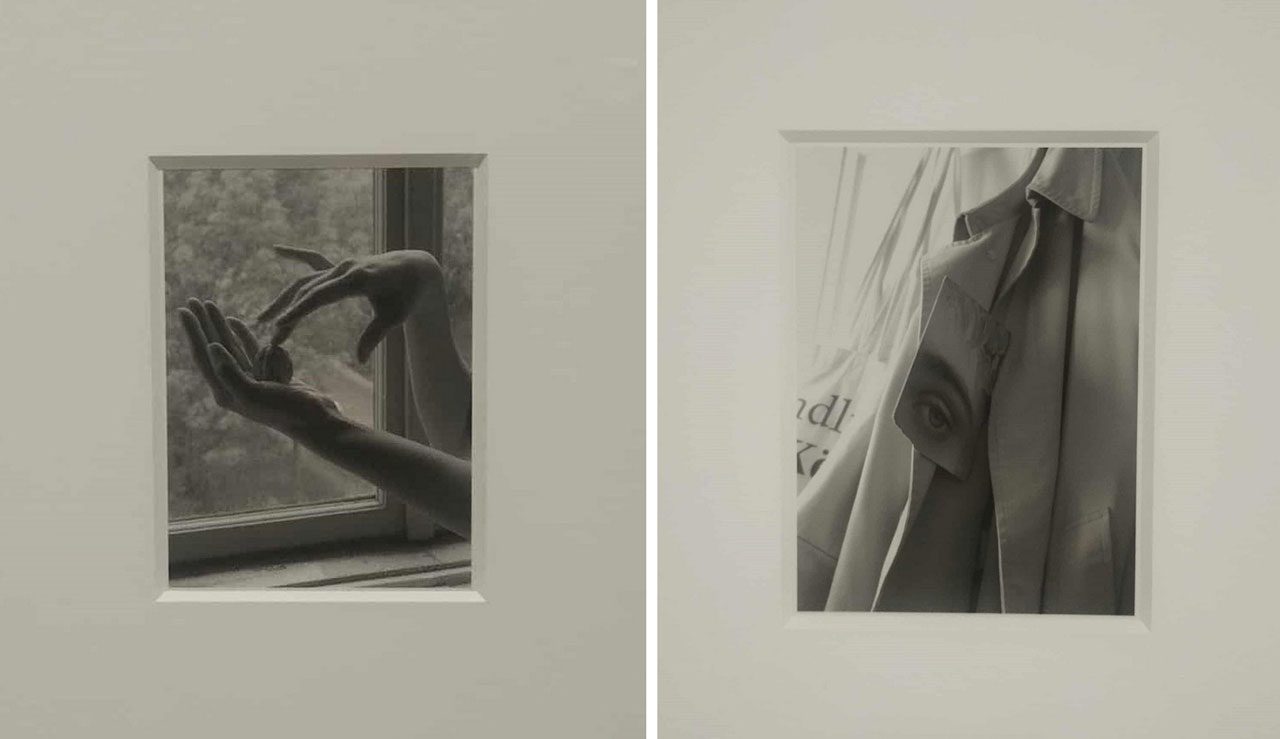
Right: Katerina Taguchi, The eyes of Eurydice #42, 2022, © Linnéa Sjöberg, Photo: © & Courtesy Valia S. Katsimpa