PRESENTATION: Lee Mingwei-Best Regards
Lee Mingwei creates participatory installations that enable strangers to engage with concepts of trust, intimacy, and self-awareness. Additionally, Lee conducts one-on-one events in which he and visitors explore these themes through daily activities like eating, sleeping, writing, and conversing. His projects often present open-ended scenarios for everyday interactions, adapting and transforming with participant involvement throughout an exhibition’s duration.
By Efi Michalarou
Photo: Moderna Museet Archive
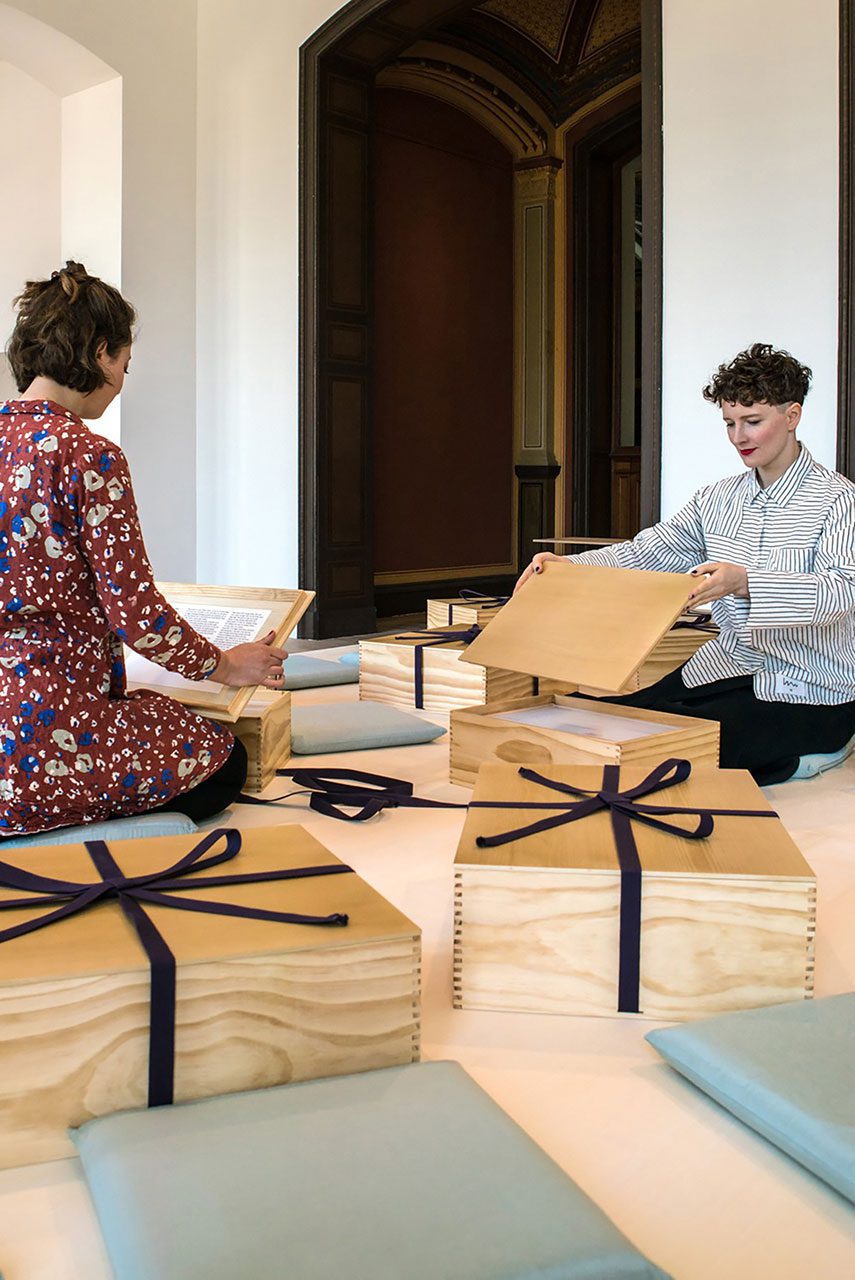
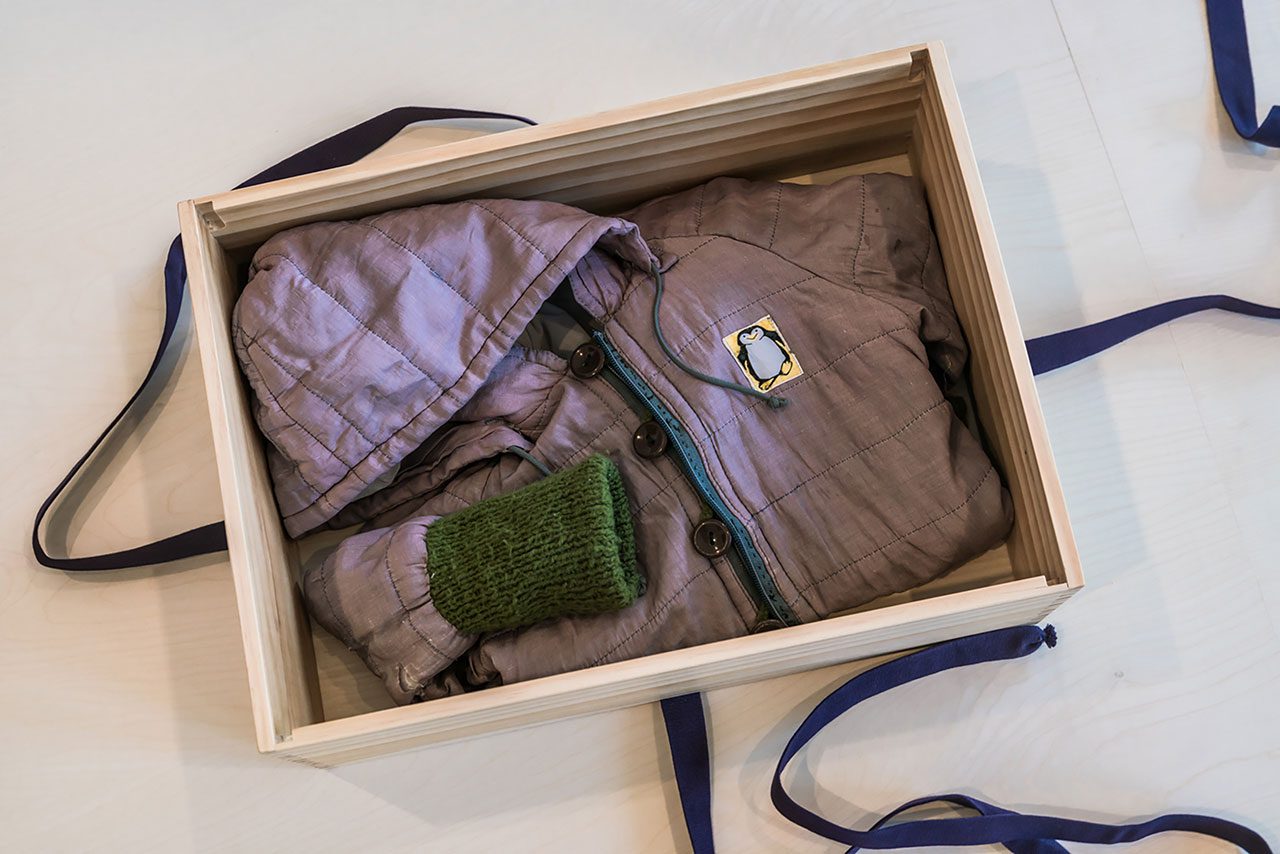
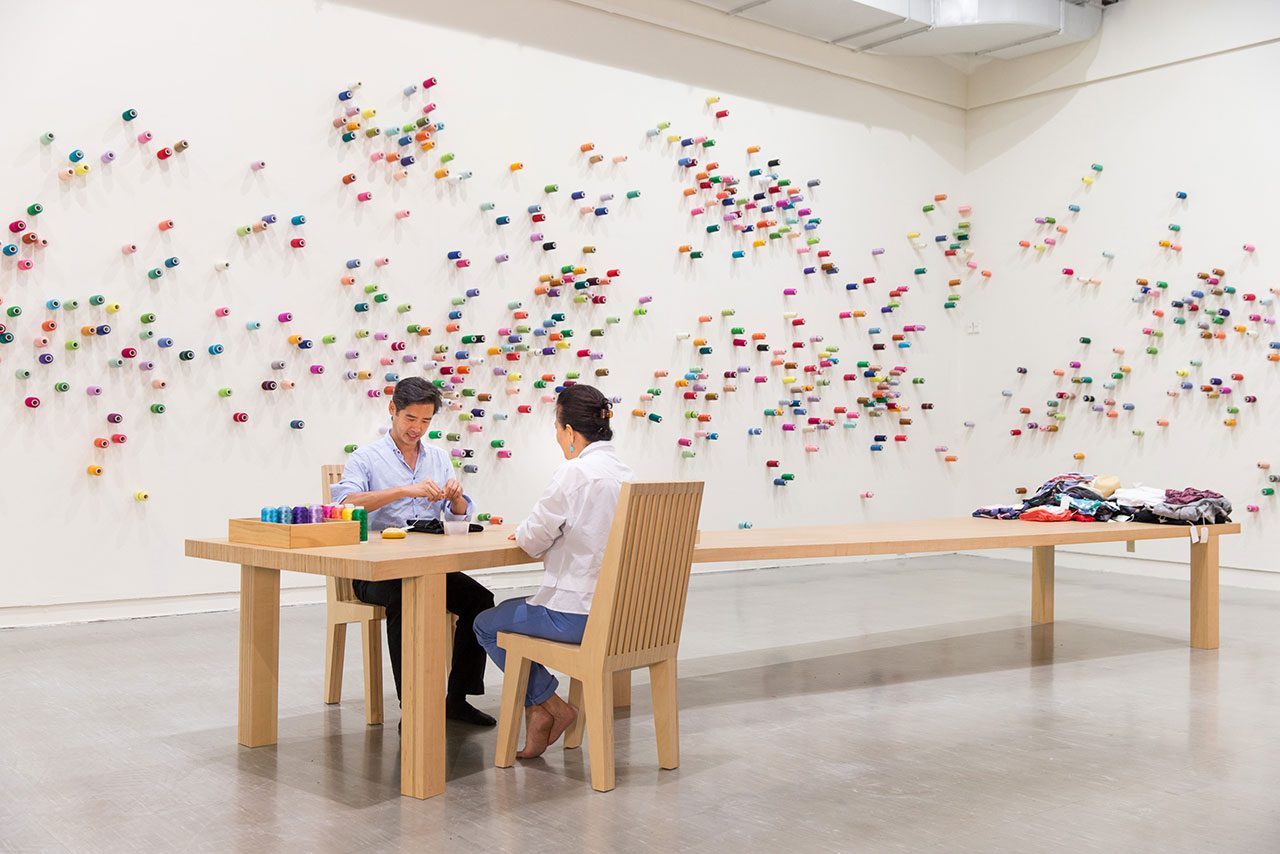
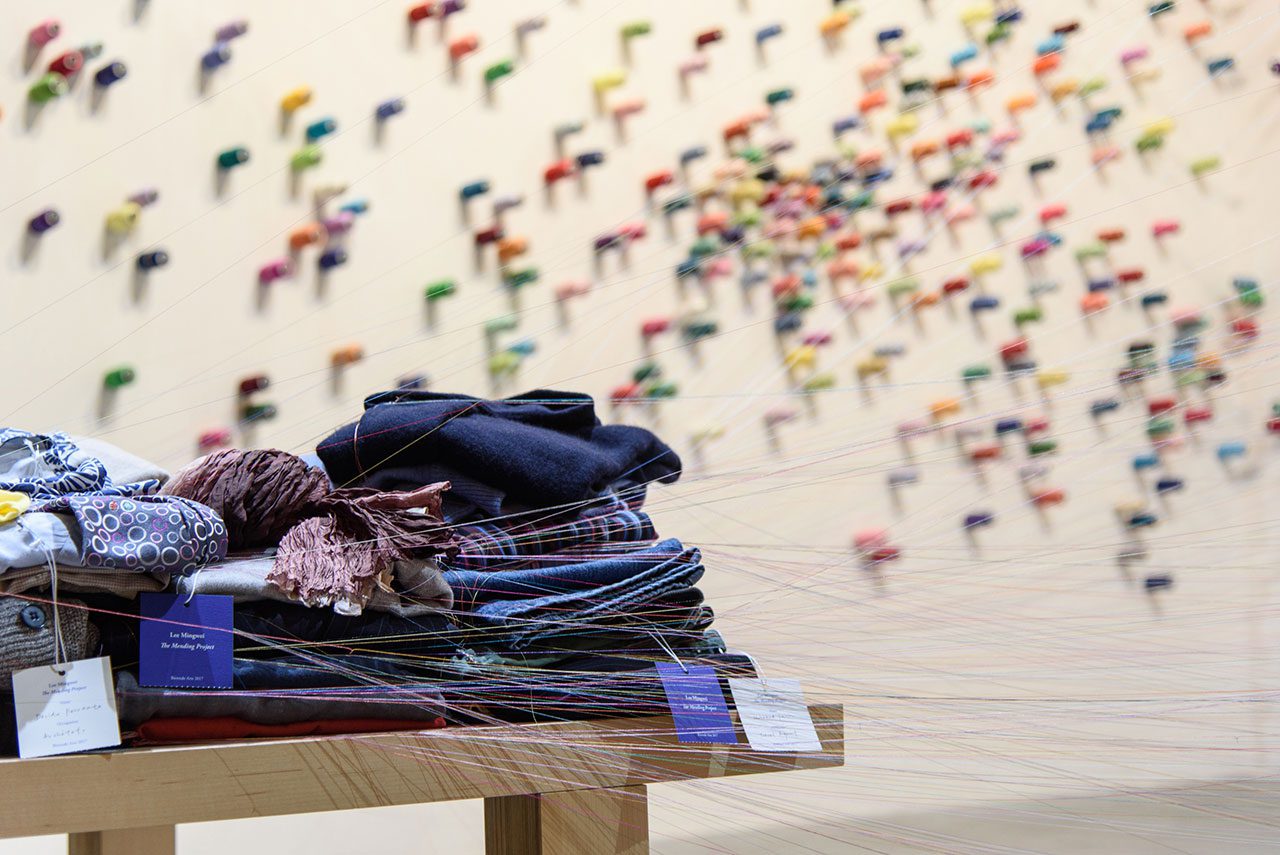
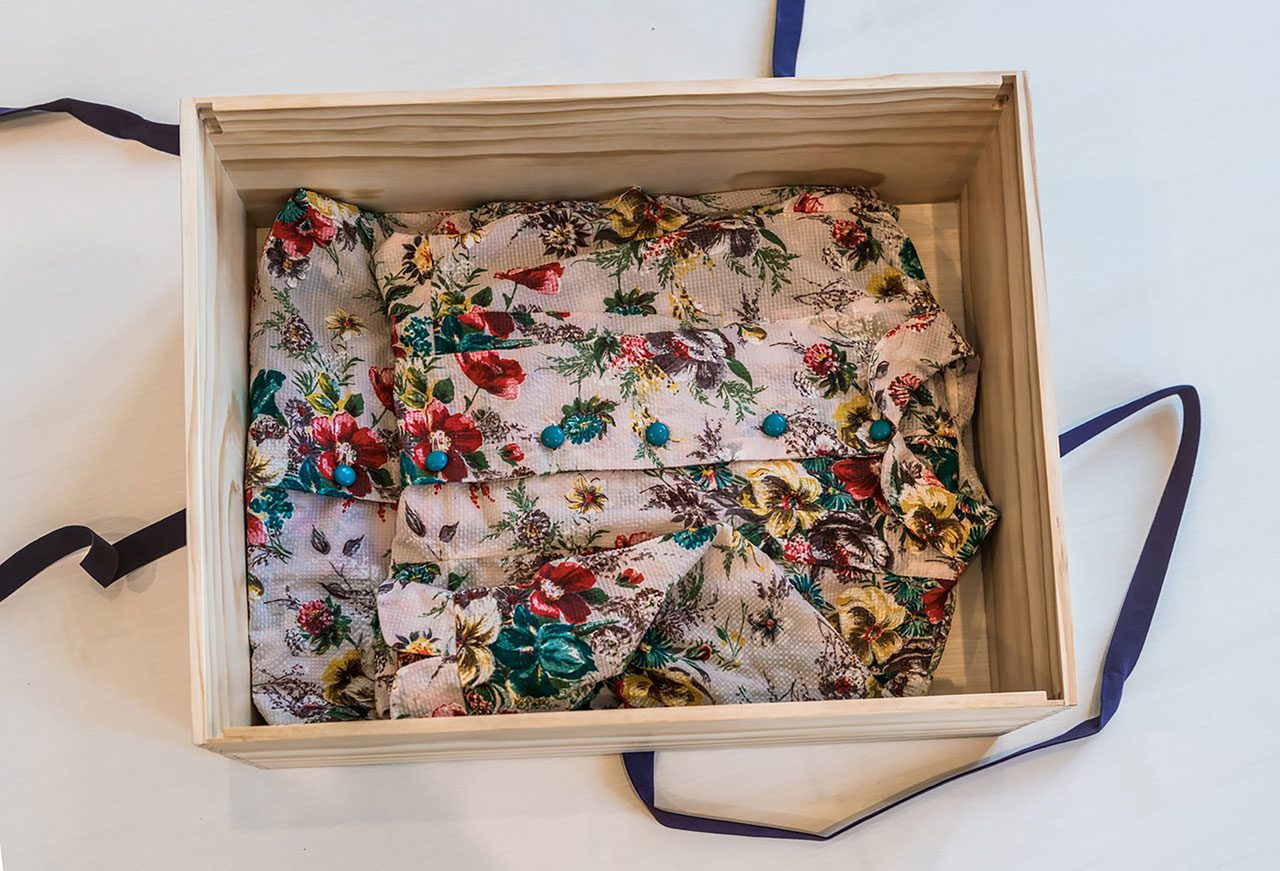
“Best Regards” is Lee Mingwei’s first solo exhibition in the Nordic Countries. Lee Mingwei, born in 1964 in Taiwan, places the encounter between individuals at the centre of his works. Lee Mingwei’s artworks begin with an invitation. The invitation might be to write a letter or to bring in an article of clothing in need of repair or a hand-made garment with special significance – and let this become part of the exhibition. The mundane and private are given both space and attention. The artist’s material is relationships and time. The situations that Lee Mingwei creates are based on personal experiences and events that take on new forms and new contexts. His artworks open up the possibility of giving, receiving, and sharing. In “Best Regards”, Lee Mingwei presents “The Letter Writing Project”, “Fabric of Memory”, and “The Mending Project”. These works were first produced in 1998, 2006, and 2009, respectively, and are reproduced in new locations and in new contexts. During the entire exhibition period in Malmö, the works will grow and transform. They are shown alongside films from the projects “Guernica in Sand” (2006), “Sonic Blossom” (2013), and “When Beauty Visits” (2017), giving insight into Lee Mingwei’s working process. “The Mending Project”is an interactive conceptual installation in which Lee Mingwei uses very simple elements—thread, color, sewing—as points of departure for gaining insights into the relationships among self, other, and immediate surroundings. It also constitutes an act of sharing between myself and a stranger. Visitors initially see a long table, two chairs and a wall of colorful cone-shaped spools of thread. During gallery hours, visitors can bring various damaged textile articles, choose the color of thread they wish, and watch as another mends the article. The mended article, with thread ends still attached, is then placed on the table along with previously mended items. Owners return to the gallery to collect their mended articles on the last day of the exhibition. The act of mending takes on emotional value as well, depending on how personal the damaged item is, e.g., a favorite shirt vs. an old but little-used tablecloth. This emotional mending is marked by the use of thread which is not the color of the fabric around it, and often colorfully at odds with that fabric, as though to commemorate the repair. Unlike a tailor, who will try to hide the fact that the fabric was once damaged, my mending is done with the idea of celebrating the repair, as if to say, “something good was done here, a gift was given, this fabric is even better than before.” “Fabric of Memory” is the result of long conversations that began with a widely-cast net. The artist and the museum asked people to contribute textiles someone had made for them that had been saved through the years. A knitted scarf, a precious wedding dress, or velvet pants sewn for a teddy bear – garments with stories become exhibition objects and part of a dialogue about memories, relationships, and what a collection can be. “The Letter Writing Project” is an assignment that the viewer of the exhibition can choose to be part of, either through writing a letter or by reading letters written by others.
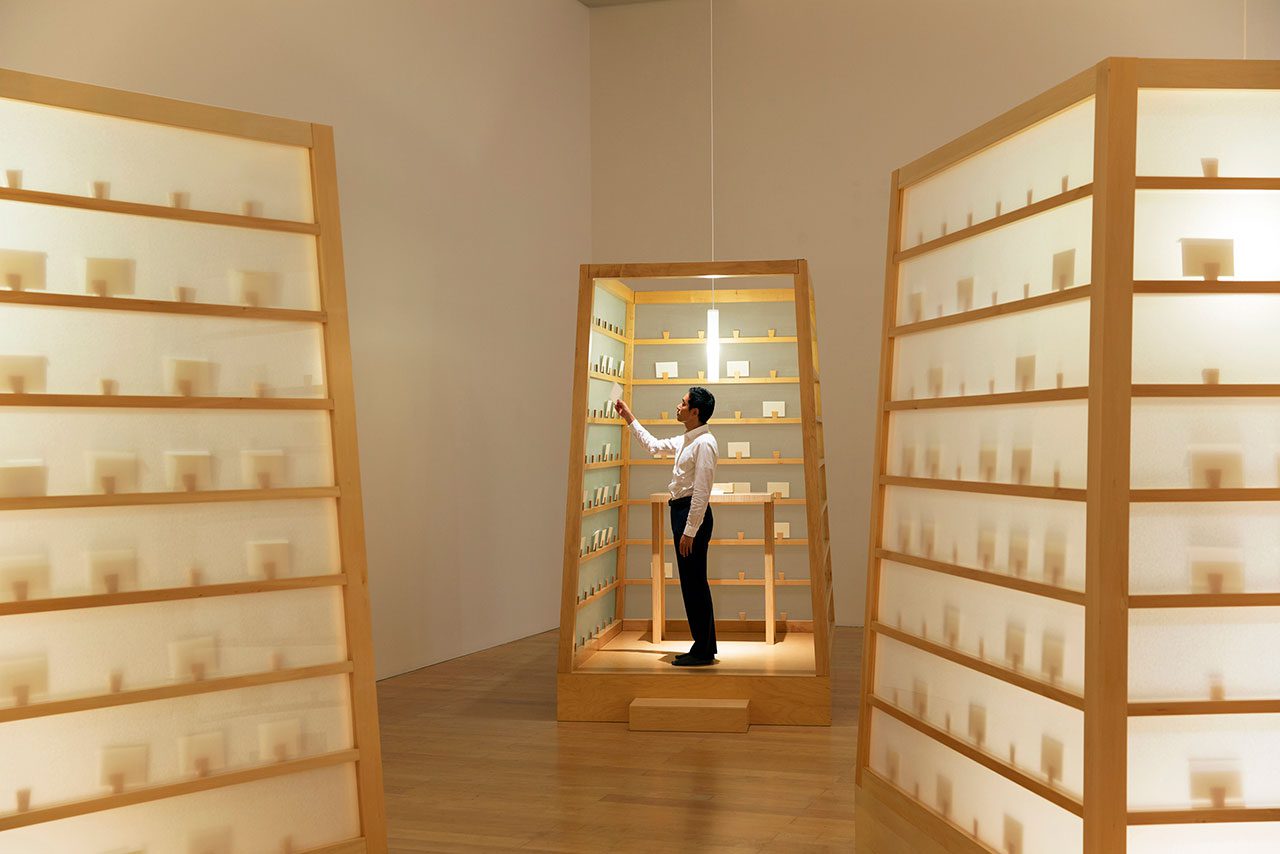
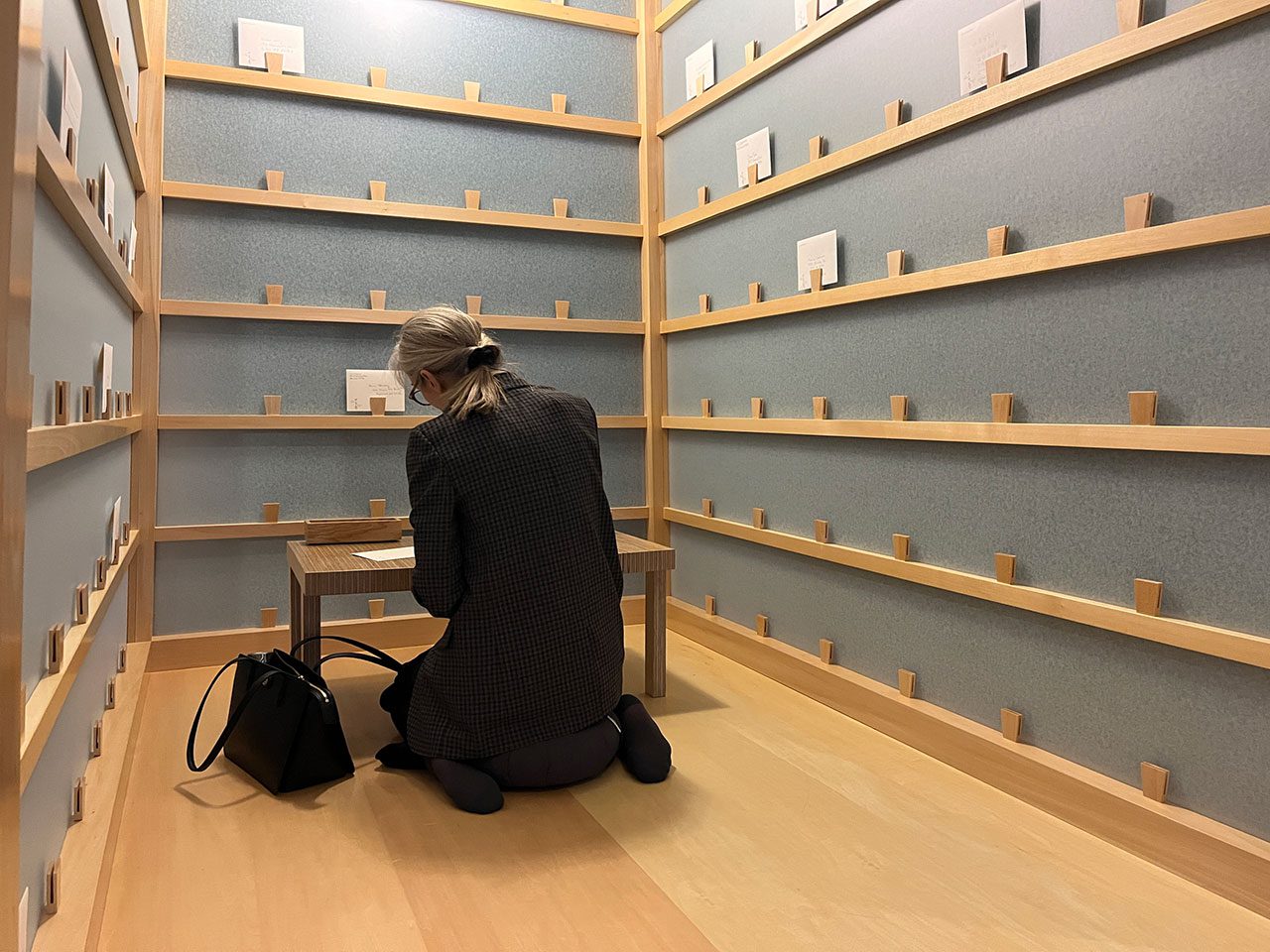
For “The Letter Writing Project”, Lee Mingwei invited visitors to write the letters they had always meant to but never taken time for. Each of three writing booths, constructed of wood and translucent glass, contained a desk and writing materials. Visitors could enter one of the three booths and write a letter to a deceased or otherwise absent loved one, offering previously unexpressed gratitude, forgiveness or apology. They could then seal and address their letters (for posting by the museum) or leave them unsealed in one of the slots on the wall of the booth, where later visitors could read them. Many later visitors come to realize, through reading the letters of others that they too carried unexpressed feelings that they would feel relieved to write down and perhaps share. In this way, a chain of feeling was created, reminding visitors of the larger world of emotions in which we all participate. In the end, it was the spirit of the writer that was comforted, whether the letter was ever read by the intended recipient or others. Performance has always played a leading role at Moderna Museet, and in Malmö, performance is an important part of the museum’s programming. Lee Mingwei’s art is part of an art tradition that not only builds on performativity and participation but also has its roots in traditions connected to gifts and rituals, anchored in aesthetic and philosophical concepts from different cultures.
Photo: Installation view, Lee Mingwei “Best Regards, Lee Mingwei”, 2025 Photo: Helene Toresdotter/Moderna Museet
Info: Curator: Elisabeth Millqvist, Moderna Museet, Ola Billgrens plats 2–4, Malmö, Sweeden, Duration: 26/9/2025-11/1/2026, Days & Hours: Tue-Wed & Fri-Sun 11:00-17:00, Thu 11:00-19:00, www.modernamuseet.se/