PRESENTATION: Sam Falls
Sam Falls has created his own formal language by intertwining photography’s core parameters of time and exposure with nature and her elements. Working largely outdoors with vernacular materials and nature as a sitespecific subject, Falls abandons mechanical reproduction in favor of a more symbiotic relationship between subject and object. In doing so, he bridges the gap between photography, sculpture, and painting, as well as the divide between artist, object, and viewer.
By Efi Michalarou
Photo: Galerie Eva Presenhuber Archive
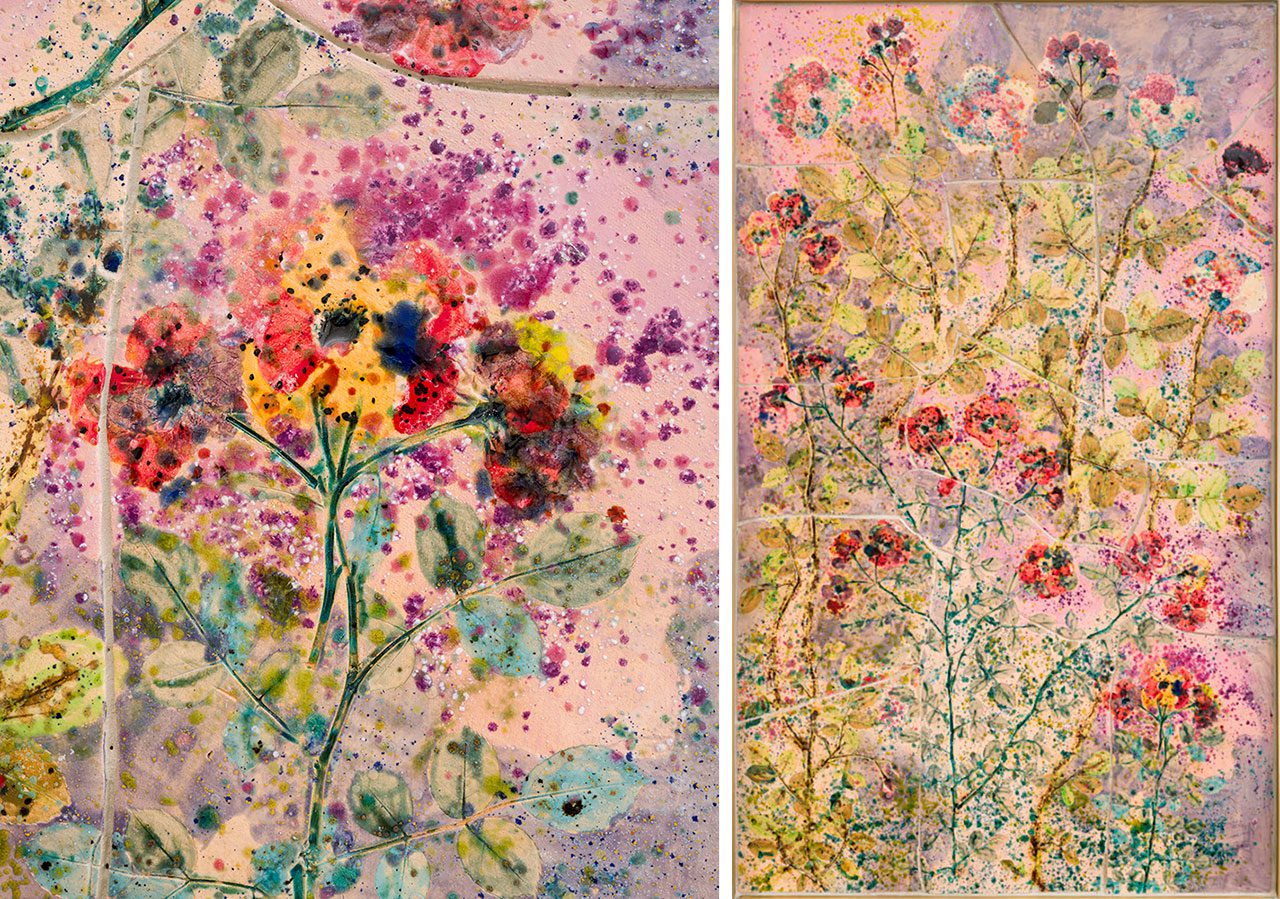
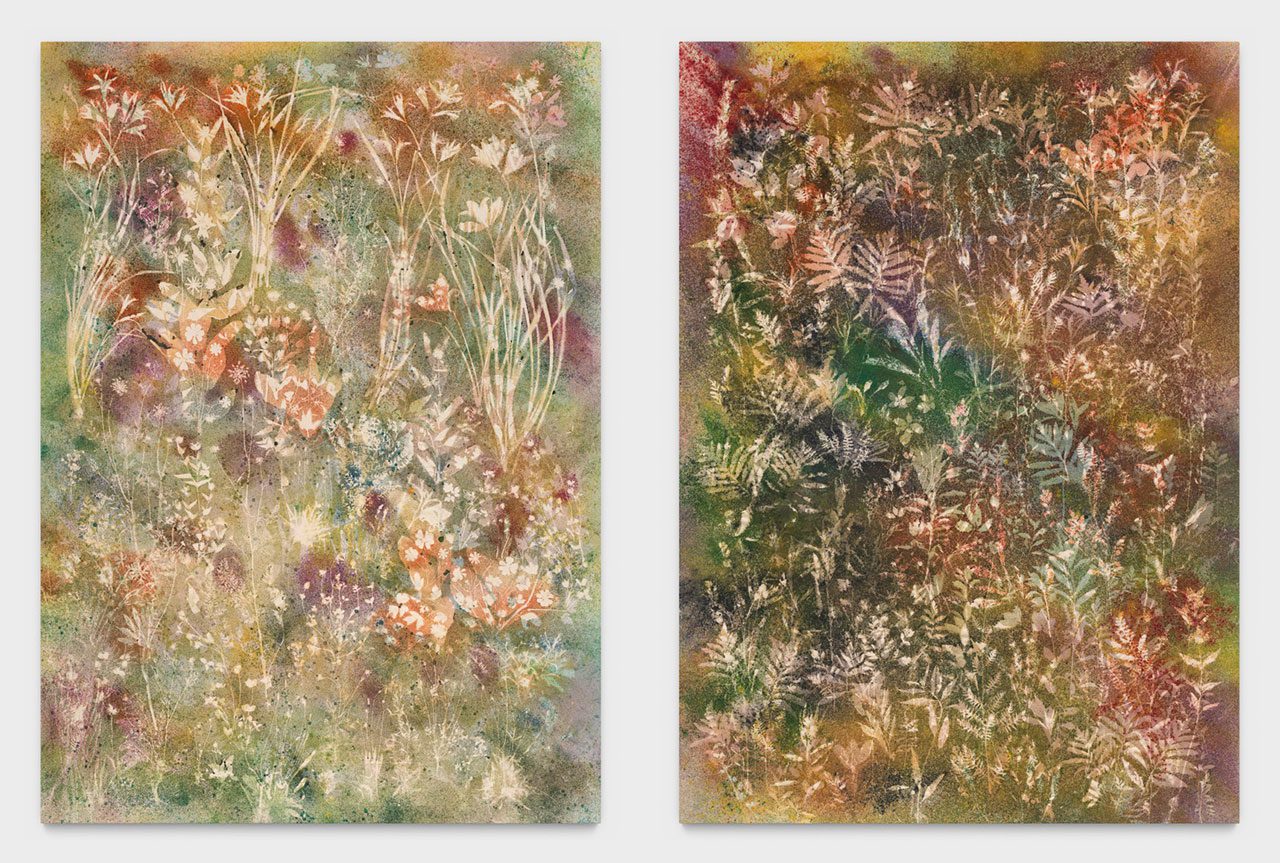
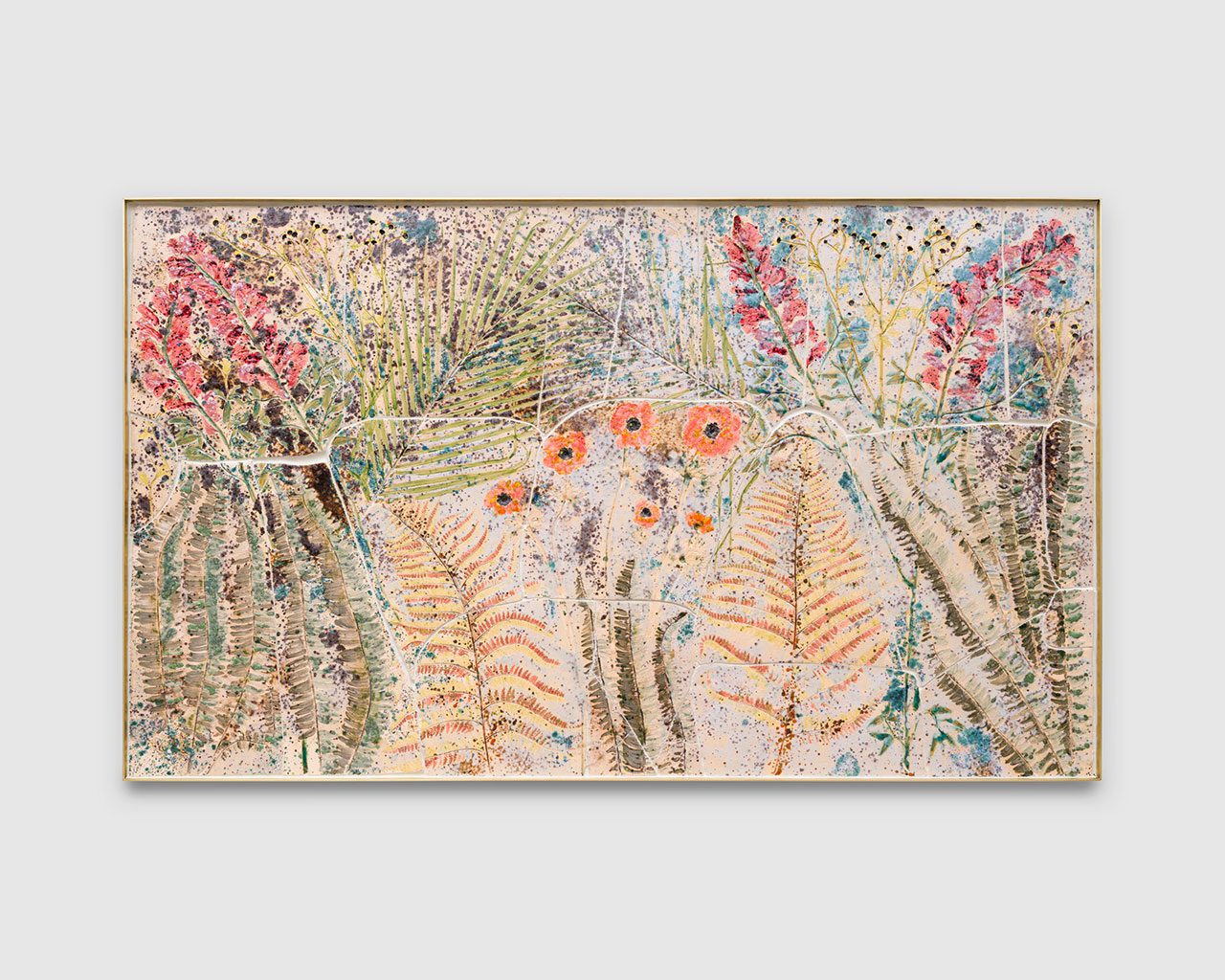
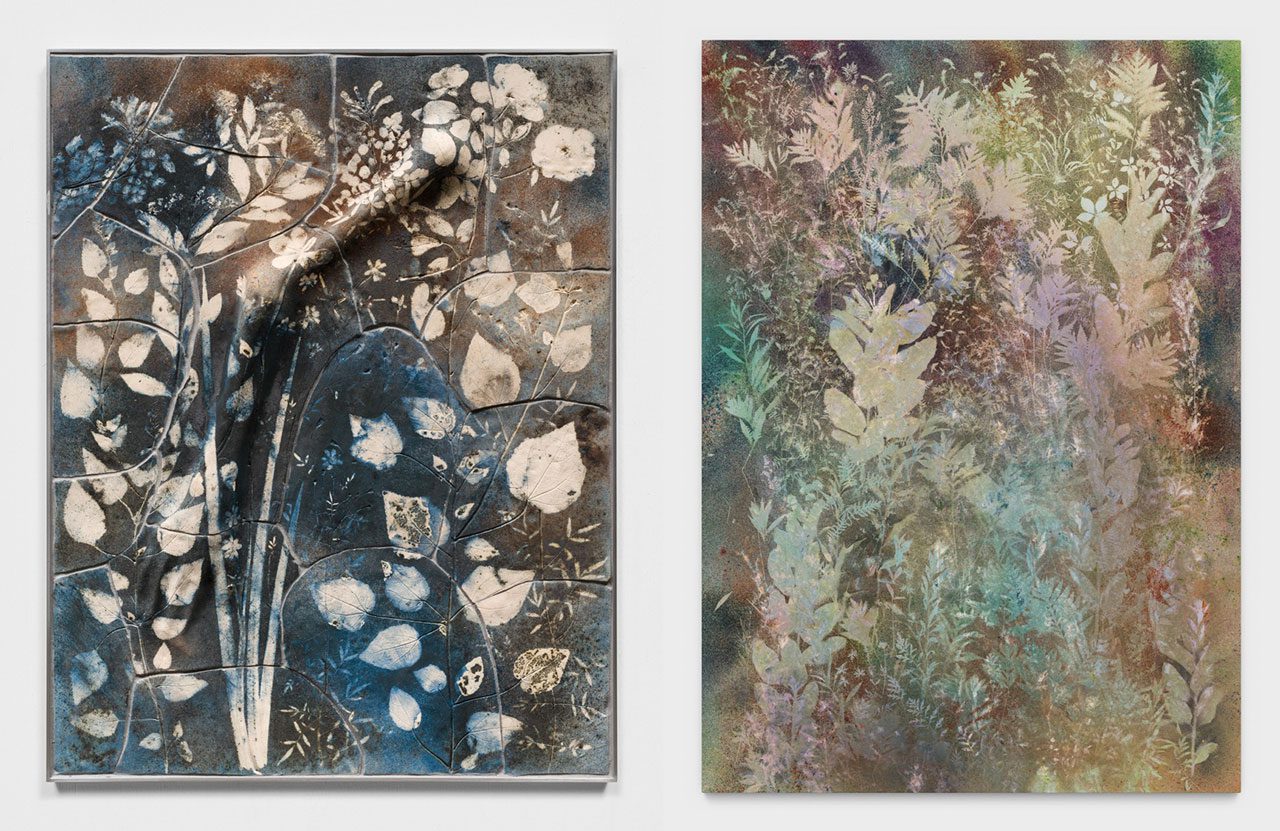
Sam Falls presents a solo exhibition at Galerie Eva Presenhuber in Zurich. When Sam Falls left the small Vermont farm of his childhood, he imagined a one-way journey toward the intellectual charge of the metropolis. New York promised ideas, urgency, and the avant-garde. Yet the longer he stayed, the clearer it became that the studio walls of the city—however cosmopolitan—could feel as confining as the green hills he had once fled. What he ultimately found was not escape but return: a practice rooted in the mutable language of weather, plants, and time itself. Falls’ early years in New York coincided with a moment when many young artists were squeezing into tiny outer-borough workspaces, producing what he calls “petit abstraction,” art designed to survive rather than art that allowed its maker to truly live. He sensed an atmosphere that was “elitist, alienating, and isolated,” a place where theory often overshadowed beauty. For an artist who still believed in the possibility of a progressive, forward-moving art, this felt like a dead end. So he stepped outside—literally. Today, Falls’ studio is anywhere the sky can shift the palette: a humid summer meadow in Upstate New York, the salt-stung beaches of Los Angeles, the high desert plains of the American West. His process is as much collaboration as creation. He stretches vast canvases directly on the ground, gathers local flora—wildflowers, invasive weeds, seagrass, kelp—and scatters pigment above them. Wind decides how the colors settle; rain or the lack of it determines how sharply or softly the silhouettes appear. Nighttime humidity might sharpen an outline, while a sudden drizzle can blur pigments into watercolor haze. The finished works are not representations of a place but physical records of its conditions, marked by the same forces that shape the land. This approach echoes the early ambitions that first drew Falls toward art. As a teenager he admired landscape photographers like Ansel Adams and Eliot Porter, yet he longed for something more immediate than a shuttered image. Photography, he came to feel, risked turning living matter into a static relic—“dead bodies transferred to paper.” By contrast, his current method allows nature to leave its own imprint, an “indexical one-to-one representation without reproduction.” The plants, the air, the moisture become both subject and medium. Though rooted in the rural memory of Vermont, Falls’ work resists nostalgia. He travels across the continent, collecting not only plants but histories: non-native species that arrived centuries ago and now embody the character of a region, reminders that ecosystems are themselves migrants and hybrids. By spanning Los Angeles and Upstate New York, deserts and coastlines, he creates a bridge across 2,492 miles of ecological variety, each canvas a quiet monument to the country’s restless biodiversity. At its heart, Falls’ practice offers a different understanding of the human relationship to nature. Rather than standing apart from the environment, he proposes an art of reciprocity, where weather patterns, invasive weeds, and passing seasons are co-authors. His canvases are less about capturing a view than about registering a moment in the planet’s ongoing transformation. In an era of climate anxiety and urban density, Falls’ work invites viewers to reconsider the porous boundary between humanity and the natural world—a reminder that art, like life, is never truly made alone.
Photo left: Sam Falls, Naturaliter Maiorennes (detail), 2025, Glazed ceramic with glass in brass frame, 145.5 x 88.5 cm / 57 1/4 x 34 3/4 in, © Sam Falls, Courtesy the artist and Galerie Eva Presenhuber. Photo right: Sam Falls, Naturaliter Maiorennes, 2025, Glazed ceramic with glass in brass frame, 145.5 x 88.5 cm / 57 1/4 x 34 3/4 in, © Sam Falls, Courtesy the artist and Galerie Eva Presenhuber
Info: Galerie Eva Presenhuber, Waldmannstrasse 6, Zurich, Switzerland, Duration: 20/9-19/12/2025, Days & Hours: Tue-Fri 11:00-18:00, Sat 11:00-17:00, www.presenhuber.com/
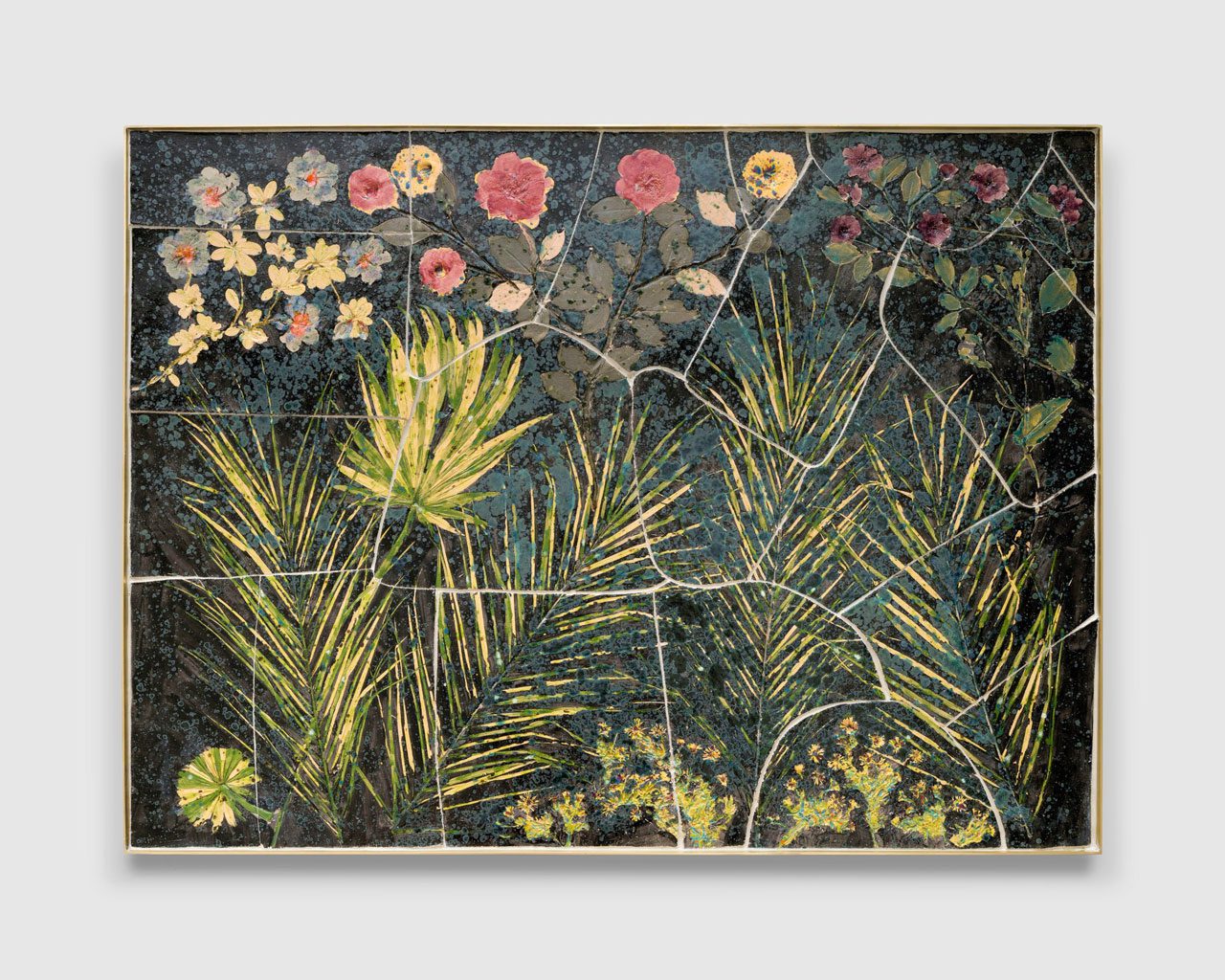
Right: Sam Falls, The Pain of Being Pure at Heart, 2025, Glazed ceramic with glass in brass frame, 92.5 x 124.5 cm / 36 1/2 x 49 in, © Sam Falls, Courtesy the artist and Galerie Eva Presenhuber
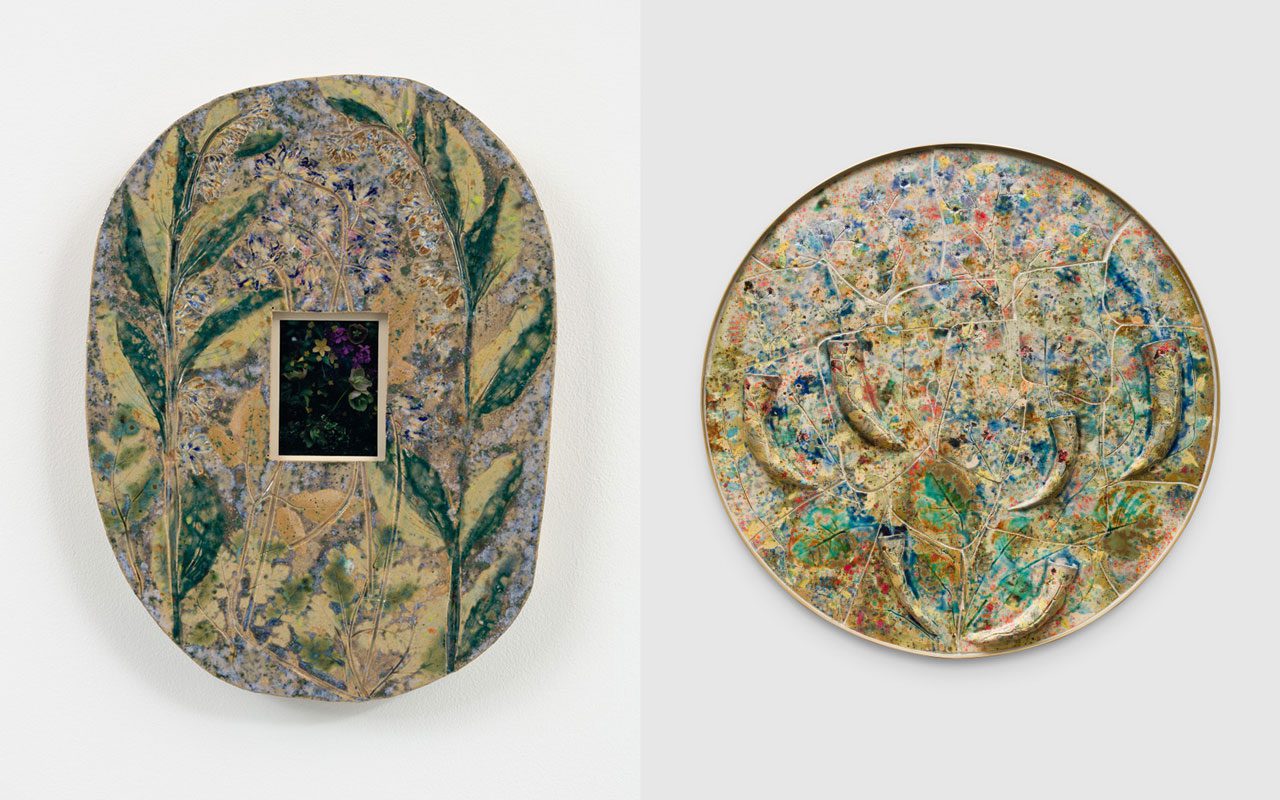
Right: Sam Falls, Body and Soul, 2025, Glazed ceramic with glass in brass frame, ø 109 cm / ø 43 in, © Sam Falls, Courtesy the artist and Galerie Eva Presenhuber
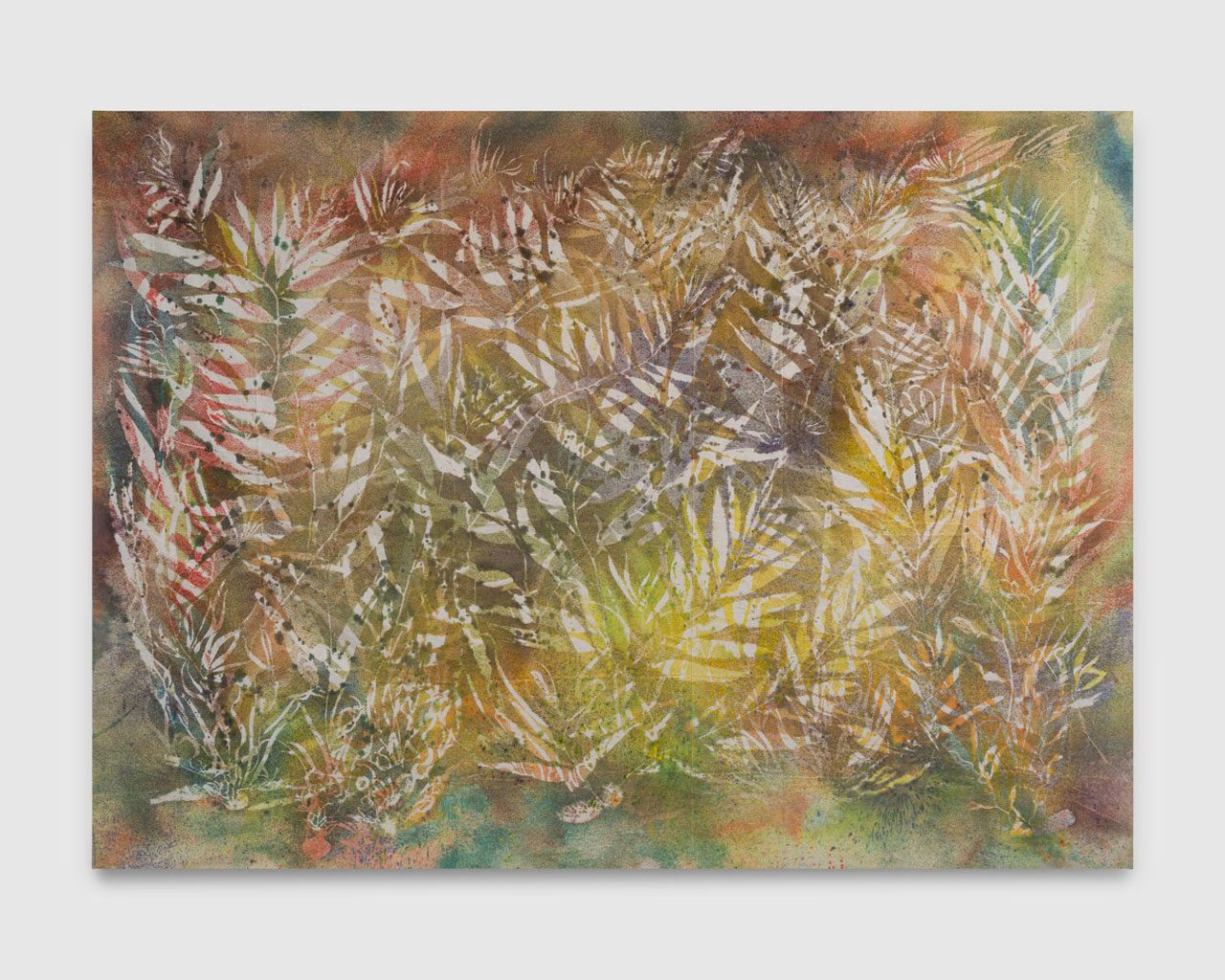
Right: Sam Falls, The Clearest Way into the Universe, 2025, Pigment on canvas, 269 x 193 cm / 106 x 76 in, © Sam Falls, Courtesy the artist and Galerie Eva Presenhuber